 INNO fibre optic temperature sensors ,temperature monitoring systems.
- Technical Advantages: Fluorescent fiber optic sensors provide optical signal transmission, complete electromagnetic immunity, and natural insulation characteristics, completely solving monitoring challenges of traditional temperature sensors in complex electromagnetic environments
- Application Value: Winding sensors are widely used in power systems, industrial motors, and new energy fields, achieving precise winding temperature monitoring and fault warning, effectively improving equipment reliability
- Intelligent Monitoring: Support multi-point temperature monitoring, data analysis, remote control and other intelligent functions, providing complete solutions for modern equipment management
- Installation Convenience: Fiber optic sensors feature compact size, flexible installation, and maintenance-free characteristics, significantly reducing system implementation and long-term operation costs
- Standard Certification: Strictly designed and manufactured according to international standards, ensuring winding temperature sensor product quality and technical advancement
- Proven Success: Rich engineering application cases prove the maturity and reliability of fiber optic sensor technology with high market recognition
- FJINNO Advantages: Professional winding sensor manufacturer with complete fiber optic sensor product line and global service network
1. What is Winding Sensor?
Winding sensors are professional temperature sensors specifically designed to monitor the temperature of windings in electrical equipment such as motors, transformers, and generators. As core monitoring equipment in power systems, winding sensors provide critical data for equipment protection, fault warning, and maintenance decision-making through real-time monitoring of winding temperature changes.
Winding overheating is the most common cause of electrical equipment failure. When winding temperature exceeds standards, it leads to insulation aging and dielectric strength reduction, ultimately causing equipment damage. Therefore, reliable winding temperature sensors are crucial for ensuring safe operation of power systems. Modern winding sensor technology has evolved from traditional contact-type temperature sensors to advanced fiber optic sensors, providing ideal solutions for winding temperature monitoring in complex electromagnetic environments.
2. How Does Winding Sensor Work?
2.1 Fluorescent Fiber Optic Temperature Sensor Principle
Fluorescent fiber optic sensors are based on fluorescence lifetime temperature measurement technology. The rare earth fluorescent material at the sensor probe tip produces fluorescent signals when excited by light. The fluorescence decay time has an exponential relationship with temperature, and the system accurately calculates temperature by measuring fluorescence lifetime. This fiber optic sensor technology has inherent physical stability and is not affected by light intensity variations.
2.2 Other Temperature Sensor Principles
Platinum resistance temperature sensors utilize the linear change of metal resistance with temperature; thermocouple temperature sensors generate temperature-related voltage based on thermoelectric effects; infrared temperature sensors achieve non-contact temperature measurement by detecting thermal radiation. Different temperature sensor principles suit different application scenarios.
3. What Types of Winding Sensors Are Available?

Winding sensors are classified by temperature measurement principle into: fluorescent fiber optic sensors, platinum resistance sensors, thermocouple sensors, infrared temperature sensors, and wireless temperature sensors. Among these, fluorescent fiber optic sensors represent the latest technological development direction for winding temperature sensors.
By installation method, they are classified into embedded, surface-mounted, and non-contact types. Embedded winding sensors are installed directly inside windings to obtain true temperature; surface-mounted temperature sensors are installed on winding surfaces; non-contact sensors achieve remote temperature measurement through infrared detection.
4. What Are the Advantages and Disadvantages?
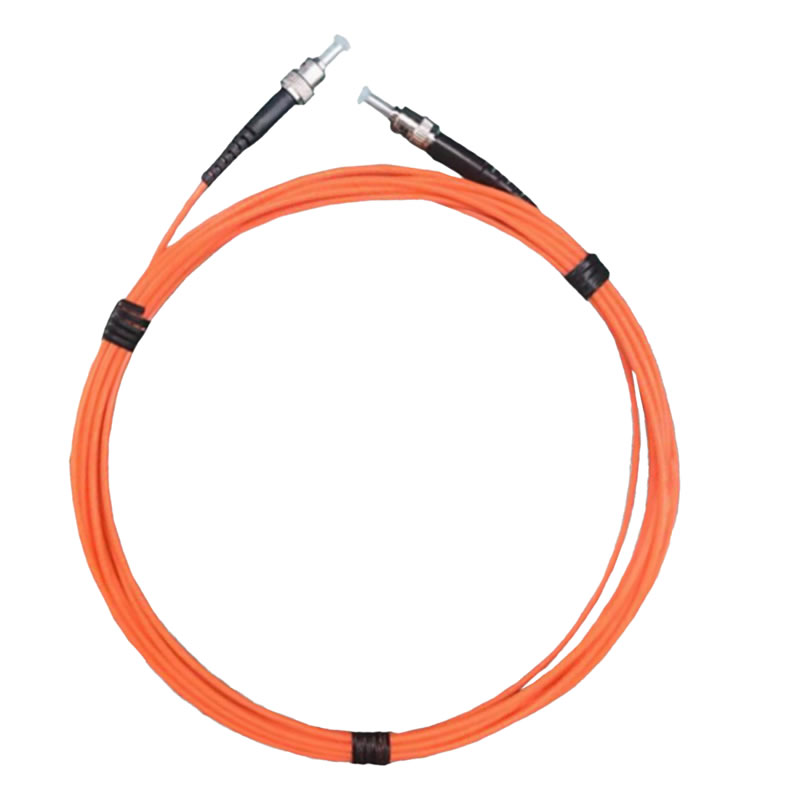
| Sensor Type | Fluorescent Fiber Optic | Platinum Resistance | Thermocouple | Infrared | Wireless |
|---|---|---|---|---|---|
| Measurement Accuracy | ±0.5°C | ±0.3°C | ±1-2°C | ±2-5°C | ±1-2°C |
| EMI Immunity | Complete Immunity | Susceptible | Susceptible | Not Affected | Susceptible |
| Insulation Properties | Natural Insulation | Requires Insulation | Requires Insulation | Natural Insulation | Requires Insulation |
| Service Life | >20 years | 10-15 years | 5-10 years | 10-15 years | 3-5 years |
| Maintenance Requirements | Maintenance-free | Regular calibration | Regular calibration | Regular cleaning | Battery replacement |
4.1 Detailed Advantages and Disadvantages of Fluorescent Fiber Optic Sensors
Main Advantages:
- Complete Electromagnetic Immunity: Optical signal transmission is unaffected by any electromagnetic field, excelling in strong electromagnetic environments
- Natural Electrical Insulation: All-fiber structure can withstand 80kV high voltage impact without additional insulation treatment
- Intrinsic Safety Performance: No electrical components, safe for use in flammable and explosive environments
- Ultra-long Service Life: Rare earth fluorescent materials have excellent stability, normal use can exceed 20 years
- Maintenance-free Characteristics: Passive optical devices require no regular calibration and maintenance, significantly reducing operating costs
- High Measurement Accuracy: ±0.5°C accuracy, 0.1°C resolution, response time less than 1 second
Relative Disadvantages:
- Higher initial investment cost
- Requires professional fiber optic sensor technical support
- Fiber bending radius has certain requirements
4.2 Traditional Temperature Sensor Comparison Analysis
Platinum Resistance Temperature Sensors: High accuracy, good linearity, high standardization, but susceptible to electromagnetic interference, requires excitation current, lead resistance affects measurement accuracy, poses insulation risks in winding applications.
Thermocouple Temperature Sensors: Fast response, wide temperature range, low cost, but relatively low measurement accuracy, susceptible to electromagnetic interference, requires cold junction compensation, prone to aging drift in high-temperature environments.
Infrared Temperature Sensors: Non-contact measurement, fast response, convenient installation, but can only measure surface temperature, cannot obtain true internal winding temperature, easily affected by environmental factors, higher cost.
Wireless Temperature Sensors: Flexible installation, no wiring, suitable for mobile equipment, but requires regular battery replacement, wireless signals may be interfered with, high long-term operating costs, difficult signal transmission in metal enclosed environments.
5. Where to Apply Winding Sensors?
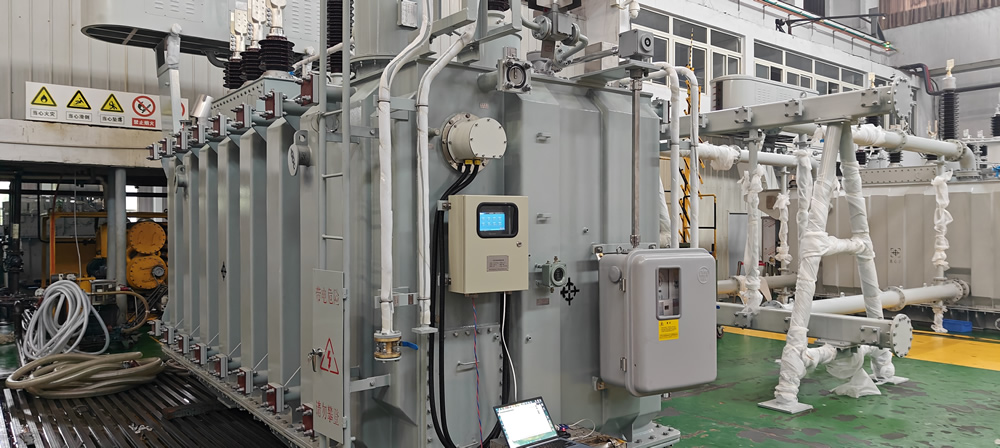
5.1 Power System Applications
Transformer Winding Monitoring: Power transformers, distribution transformers, special transformers for high and low voltage winding temperature monitoring, fiber optic sensors have unique advantages in high voltage environments. Generator Winding Monitoring: Steam turbine generators, hydro generators, wind generators for stator winding and excitation winding temperature control. Motor Winding Monitoring: High voltage motors, explosion-proof motors, variable frequency motors for winding temperature protection.
5.2 Industrial Application Fields
Critical equipment winding temperature monitoring in petrochemical compressor motors, steel rolling mill motors, cement kiln fans, transportation traction motors, etc. Fiber optic sensor technology excels in explosion-proof environments and strong electromagnetic interference locations.
5.3 New Energy Fields
Wind turbine winding monitoring, solar inverter temperature control, electric vehicle drive motor thermal management, energy storage system temperature monitoring and other emerging application fields have increasingly high requirements for temperature sensor reliability and accuracy.
6. How to Install Winding Sensors?

6.1 Embedded Installation Methods
Internal Winding Embedded Installation:
- Temperature sensors are directly embedded inside coils during winding manufacturing to obtain true winding temperature
- Fiber optic sensor probes can withstand mechanical stress and temperature shock during winding manufacturing
- Suitable for new equipment manufacturing or equipment overhaul upgrades
- Installation positions require precise calculation to ensure monitoring of winding hot spots
Slot Wedge Installation:
- Install winding sensors under motor stator slot wedges, close to windings without affecting insulation structure
- Fiber optic sensors are compact and can be flexibly installed in narrow spaces
- Installation must ensure good contact between sensor and winding to improve temperature response speed
- Suitable for motor stator winding retrofit monitoring projects
Winding End Installation:
- Bind or attach temperature sensors to winding ends to monitor end temperature
- Installation is relatively simple without dismantling winding structure
- Fiber optic sensors can withstand vibration and mechanical stress at winding ends
- Temperature response is slightly slower than embedded installation but installation risk is lower
6.2 Surface Installation Methods
Winding Surface Mounting:
- Install sensors on winding surfaces using special adhesives or mechanical fasteners
- Must select installation materials with good thermal conductivity to ensure temperature transfer
- Fiber optic sensors have good flexibility and can adapt to complex winding surface shapes
- Insulation treatment required after installation to ensure no impact on equipment electrical performance
Core Monitoring Installation:
- Install temperature sensors on motor core teeth or transformer yokes
- Indirectly reflect winding temperature changes through core temperature monitoring
- Suitable for special cases where direct winding contact is difficult
- Requires establishing correlation model between core temperature and winding temperature
6.3 Non-contact Installation
Infrared Sensor Installation:
- Infrared temperature sensors aimed at winding surfaces for non-contact temperature measurement
- Installation position must ensure clear line of sight, avoiding obstruction and reflection interference
- Suitable for temperature monitoring of high voltage equipment and hazardous areas
- Requires regular cleaning of sensor lenses to maintain measurement accuracy
6.4 Fiber Optic Sensor Installation Points
Fiber Routing Requirements:
- Fiber bending radius not less than 20 times fiber diameter to avoid optical signal loss
- Use protective conduits when passing through holes to prevent fiber wear
- Fiber connections use professional fusion splicing technology to ensure reliable connections
- Reserve appropriate length for temporary sensor movement during equipment maintenance
Mechanical Protection Measures:
- Install vibration isolation brackets and cushions in high vibration areas
- Use flexible metal conduits to protect fiber optic sensor connections
- Set clear markings to prevent accidental fiber damage during maintenance
- Establish fiber optic sensor installation archives recording detailed installation information
For detailed installation specifications, construction drawings, special tool lists and other technical materials, please contact us for professional installation guidance services.

7. What Are Successful Applications?
Power System Cases: A 500kV substation used fiber optic sensors to monitor main transformer windings, successfully detecting abnormal temperature rise and avoiding equipment failure. A 1000MW power plant upgraded thermocouple temperature sensors to fluorescent fiber optic sensors, significantly improving system stability.
Industrial Application Cases: A steel enterprise’s rolling mill motor adopted interference-resistant fiber optic sensors, solving electromagnetic interference problems and reducing equipment failure rate by 60%. A petrochemical enterprise used intrinsically safe fluorescent fiber optic temperature sensors meeting explosion-proof requirements.
New Energy Cases: Offshore wind farms adopted maintenance-free fiber optic sensor systems, operating fault-free for 5 years and significantly reducing maintenance workload.
For more detailed case studies, please contact us for comprehensive information.
8. Why Choose FJINNO Winding Sensors?
8.1 Technical Advantages
FJINNO owns proprietary fluorescent fiber optic temperature sensor technology with complete technical chain from fluorescent materials to system integration. Advanced manufacturing processes ensure fiber optic sensor products have excellent performance and reliability. Years of focus on winding temperature sensor technology innovation keeps our products at the industry forefront.
8.2 Service Assurance
Professional technical team provides comprehensive services from winding sensor selection, installation guidance to operation and maintenance support. Global service network covers major markets with 7×24 hour technical support response. All temperature sensor products provide long-term quality assurance and continuous technical upgrade services, making us a trusted partner for winding temperature monitoring solutions.
8.3 FJINNO Fluorescent Fiber Optic Winding Sensor Technical Specifications
| Technical Parameter | Specification |
|---|---|
| Operating Temperature | -20°C ~ +65°C |
| Environmental Humidity | ≤95% (25°C) |
| Operating Voltage | 100 ~ 240VAC |
| Communication Protocol | RS485/Modbus-RTU |
| Measurement Range | -40°C~260.0°C (Customizable) |
| Measurement Accuracy | ±1°C (Customizable) |
| Resolution | 0.1 Degrees |
| Temperature Channels | 1~24 Channels (Customizable) |
| Sensor Type | Quartz Fiber, Fluorescent Tip (Customizable Length) |
| Optical Probe Voltage Withstand | 80KV (20cm Voltage Withstand Length) |
| Storage Temperature | -40°C ~ 70°C |
| Optical Probe Diameter | 2.5mm*3mm (Customizable) |
Contact FJINNO immediately for professional fiber optic sensor and winding temperature monitoring solutions!

Fiber optic temperature sensor, Intelligent monitoring system, Distributed fiber optic manufacturer in China
 |
 |
 |