 INNO fibre optic temperature sensors ,temperature monitoring systems.
Quick Answer: Best Fiber Optic Temperature Sensor Manufacturer & Supplier
- ✓ Product: Optical fiber temperature sensor for power transformer monitoring
- ✓ Accuracy: ±1°C precision, 0.1°C resolution
- ✓ Range: -40°C to +260°C
- ✓ Configuration: 12-channel winding temperature sensor system
- ✓ Technology: Fluorescence sensor, maintenance-free 20+ years
- ✓ Manufacturer: Fuzhou Innovation – China factory direct since 2011
- ✓ Services: OEM/ODM, private label, custom/customized solutions
- ✓ For: Distributor, dealer, exporter, wholesale, bulk orders
- ✓ Certifications: CE, ROHS, ISO9001, ISO14001
Fiber optic temperature sensors for transformers represent the most advanced solution for transformer monitoring systems, providing distributors and dealers with high-margin products featuring ±1°C accuracy and maintenance-free operation. As a leading manufacturer and supplier, Fuzhou Innovation Electronic Scie&Tech Co., Ltd. offers comprehensive OEM/ODM services, private label options, and competitive wholesale pricing for bulk orders, serving distributors across Southeast Asia, Middle East, and global markets since 2011.
Table of Contents
- What is a Fiber Optic Temperature Sensor for Transformers?
- How Does Optical Fiber Temperature Measurement Work?
- Why Must Transformers Have Temperature Monitoring Systems?
- How Do Fiber Optic Sensors Compare to Traditional Methods?
- What Are the Core Advantages for Distributors?
- What Are the Technical Specifications?
- Where Should Temperature Sensors Be Installed?
- Which Types of Transformers Can Use These Sensors?
- How to Build a Complete Smart Transformer Monitoring System?
- How Does the System Integrate with Automation?
- What Are Specialized Applications Beyond Power Transformers?
- How to Select the Right System for Your Customers?
- Who Is The Best Manufacturer, Factory and Supplier?
- What OEM/ODM and Customization Services Are Available?
- How to Order Wholesale and Bulk Quantities?
- Frequently Asked Questions
- How to Contact The Manufacturer for Partnership?
1. What is a Fiber Optic Temperature Sensor for Transformers?

What is it? A fiber optic temperature sensor for transformers is an advanced optical fiber sensor that measures winding temperature using fluorescence sensor technology, achieving ±1°C accuracy with complete electromagnetic immunity. Unlike traditional resistance thermometer or resistance temperature device sensors, the optical temperature sensor uses light signals through glass fiber, making it ideal for power transformer monitoring, high voltage switchgear condition monitoring, and transformer hot spot monitoring applications.
The system specifically addresses challenges in transformer monitoring: extreme EMI from high currents, high voltage requiring electrical isolation, transformer oil immersion demanding chemical resistance, and long-term reliability in sealed tank in transformer environments. For distributors and dealers, this technology offers high-value solutions with minimal after-sales service requirements.
System Components for Distributor Sales
A complete transformer monitoring system includes:
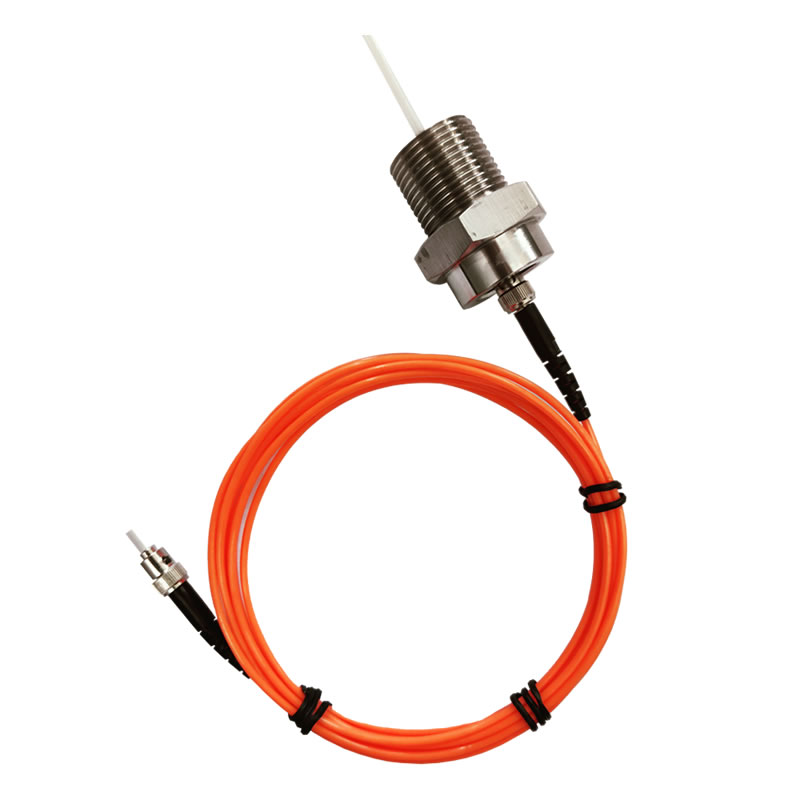
- Optical fiber temperature sensor probes: Compact fluorescence sensor elements with rare-earth material for winding temperature sensor applications
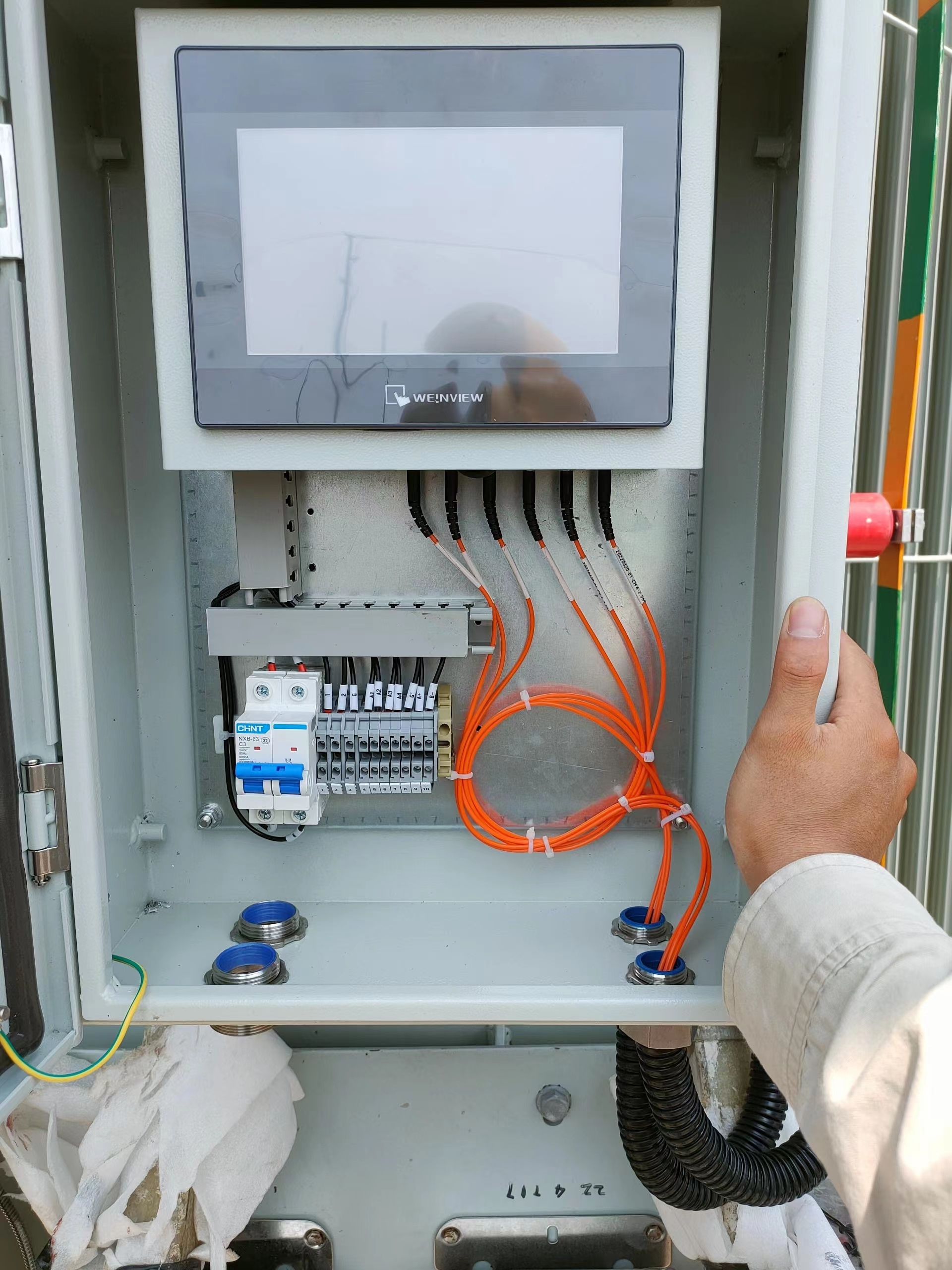
- Temperature demodulator/monitor: 12-channel fiber optic transducer unit processing signals from multiple winding sensor points
- Fiber optic cables: Sensor fiber optik with ST connectors and fiber optic feedthrough (2m-80m lengths)
- Display and control unit: Winding temperature indicator with local display and transformer alarm system outputs
- Communication interface: RS485 MODBUS, Ethernet, IEC 61850 for substation monitoring integration
2. How Does Optical Fiber Temperature Measurement Work?
How does the technology operate? Fiber optic temperature measurement uses fluorescence decay time analysis to determine temperature. The fiber optic probe contains rare-earth phosphor material that emits fluorescence when excited by UV/blue LED light. The optical temperature sensor measures how quickly this fluorescence decays—a process taking microseconds—and converts the decay time to temperature with 0.1°C resolution.
Why This Matters for Your Customers
The fiber optic thermometer measurement principle provides critical advantages:
- Intensity-independent: Only decay time matters, making the optical fiber sensor immune to transformer oil contamination, fiber bending, or connector degradation
- Absolute measurement: Each reading is self-referencing, requiring no calibration throughout 20+ year service life
- EMI immunity: Light signals unaffected by transformer magnetic fields, perfect for electrical switchgear components monitoring
- Fast response: Sub-second measurement enables real-time hot spot monitoring and thermal monitoring
3. Why Must Transformers Have Temperature Monitoring Systems?
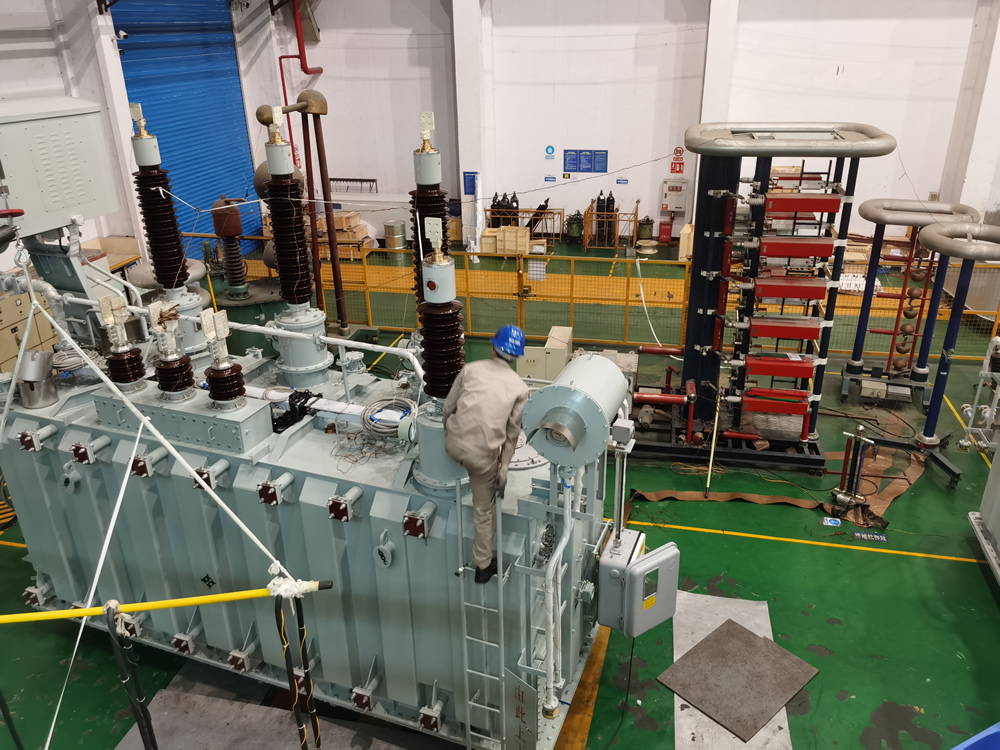
Why is monitoring critical? Transformer temperature monitoring prevents catastrophic failures that cause power outages, equipment destruction, and safety hazards. Without continuous winding temperature surveillance, problems develop invisibly over months until sudden failure occurs.
Five Critical Reasons for Temperature Monitoring
1. Preventing Transformer Thermal Overload
Transformer thermal overload from sustained overloading causes accelerated insulation aging—every 8-10°C temperature rise above ratings halves insulation life. Winding temperature sensor detection enables load management before damage occurs.
2. Early Hot Spot Detection
Hot transformer conditions develop from cooling failures, loose connections, or internal faults. Transformer hot spot monitoring identifies problems weeks before failure, enabling scheduled maintenance during planned outages rather than emergency response.
3. Extending Equipment Life
Proper thermal monitoring extends doble life of a transformer by 30-50% through operating within thermal limits. For distributors, this value proposition justifies the monitoring system investment to end users.
4. Asset Protection
Transformers cost $100,000-$1,000,000+. A transformer monitoring system costing 1-3% of transformer value provides insurance against preventable failures.
5. Regulatory Compliance
Many utilities require condition monitoring of transformer assets, creating mandatory demand for monitoring sensors that distributors can fulfill.
4. How Do Fiber Optic Sensors Compare to Traditional Methods?
How do optical sensors outperform traditional technology? Comparing fiber optic temperature sensors against conventional resistance thermometer and resistance temperature device solutions reveals significant advantages.
Fiber Optic vs Resistance Temperature Device (RTD)
| Characteristic | Fiber Optic Sensor | PT100 RTD |
|---|---|---|
| EMI Immunity | Complete (optical signal) | Poor (±5-10°C errors) |
| High Voltage Safety | Inherent (dielectric fiber) | Requires isolation barriers |
| Accuracy | ±1°C stable | ±1-2°C (drifts over time) |
| Calibration | Never required | Every 2 years |
| Service Life | 20+ years | 5-10 years |
| Maintenance | None | Regular testing required |
| Installation | Simple (no isolation needed) | Complex (isolation required) |
| Distributor Margin | Higher (premium technology) | Lower (commodity product) |
5. What Are the Core Advantages for Distributors?
What makes this the best product for your portfolio? Fiber optic temperature sensors deliver compelling advantages for distributors serving transformer markets.
Technical Advantages Creating Customer Value
- Complete EMI Immunity: Optical fiber sensor accuracy remains perfect whether transformer carries 10% or 200% rated current—critical for power transformer monitoring and high voltage switchgear condition monitoring
- Maintenance-Free Operation: Zero calibration, no sensor replacement—reduces distributor service costs and increases customer satisfaction with fiber optic sensor systems
- Long Service Life: 20+ year operation matches transformer lifespan, eliminating replacement sales but building reputation for reliability
- Multi-Point Capability: Single 12-channel transformer monitor covers all critical points—higher system value per sale for distributors
- Universal Compatibility: Works with all transformer types—power transformer monitoring, distribution transformers, hydro generators, wind power monitoring applications
Business Advantages for Distributors
- Premium positioning: Advanced technology commands higher margins than commodity sensors
- Reduced support: Maintenance-free operation minimizes after-sales service burden
- Long-term relationships: System reliability builds customer loyalty for repeat business
- Expanding market: Growing demand for condition monitoring of transformer and smart monitoring transformers
- Technical differentiation: Superior performance vs resistance thermometer competitors
6. What Are the Technical Specifications?
What specifications should distributors know? Understanding technical parameters helps distributors match fiber optic temperature sensors to customer applications and demonstrate value over competing technologies.
Optical Fiber Temperature Sensor Technical Parameters
| Parameter | Specification | Application Benefit |
|---|---|---|
| Measurement Range | -40°C to +260°C | Covers all transformer operating conditions |
| Accuracy | ≤±1°C | Precise hot spot detection |
| Resolution | 0.1°C | Early problem identification |
| Response Time | <1 second | Real-time monitoring |
| Channels | 12 standard (4-64 available) | Complete transformer coverage |
| Analog Output | 4-20mA per channel | Legacy system compatibility |
| Digital Communication | RS485 MODBUS, Ethernet, IEC61850 | Modern SCADA integration |
| Fiber Length | 2m-80m standard (custom available) | Flexible installation |
| Protection Rating | IP55 enclosure | Outdoor substation use |
| Service Life | 20+ years maintenance-free | Minimal after-sales support |
Customization Options for OEM/ODM Orders
The manufacturer offers extensive custom and customized options for distributor and dealer orders:
- Channel configurations: 4, 8, 12, 16, 32, or 64 channels for different transformer sizes
- Fiber lengths: Any length from 0.5m to 80m for specific installations
- Communication protocols: Additional protocols beyond standard offerings
- Private label branding: Custom enclosure colors, logos, and documentation
- Display options: LCD, LED, touchscreen, or headless configurations
7. Where Should Temperature Sensors Be Installed?
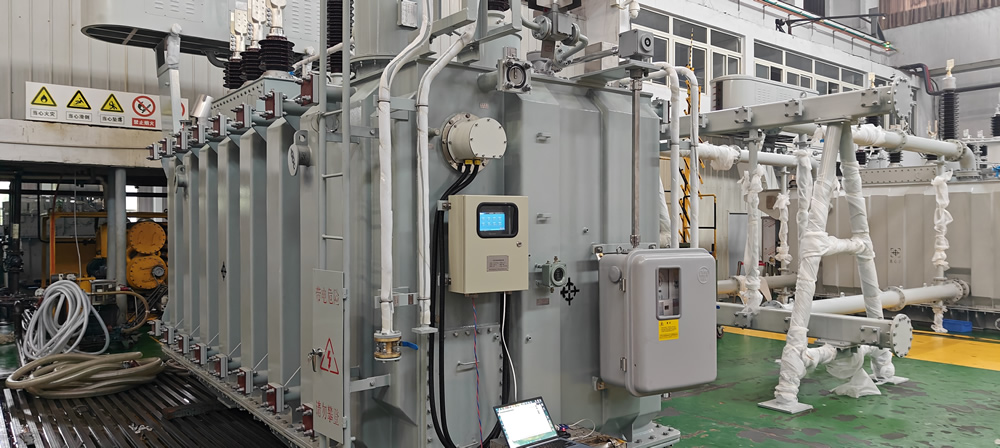
Where are the critical monitoring points? Proper winding temperature sensor placement ensures comprehensive transformer hot spot monitoring and maximizes system value for end customers.
Standard 12-Point Configuration
Industry best practices require minimum 12 monitoring points for effective power transformer monitoring:
| Location | Sensor Count | Purpose |
|---|---|---|
| High Voltage Windings | 3 (1 per phase) | HV winding hot spot monitoring |
| Low Voltage Windings | 3 (1 per phase) | LV winding temperature monitoring |
| Iron Core | 1 | Core overheating detection |
| Transformer Oil | 2 (top & bottom) | Oil temperature gradient |
| Transformer Bushing | 1-2 (optional) | Bushing monitoring |
| Spare Channels | 2-3 | Future expansion |
Installation Benefits for Customer Sales
Fiber optic probe installation advantages create selling points for distributors:
- OEM installation: Sensors embedded during transformer manufacturing provide optimal thermal contact
- Retrofit capability: Existing transformers can be upgraded during maintenance outages
- Simple routing: Fiber optic feedthrough requires only small penetrations in tank in transformer
- No electrical hazards: Sensor fiber optik safe to handle and install near high voltage
8. Which Types of Transformers Can Use These Sensors?
Which transformer applications create opportunities? Optical fiber temperature sensors serve diverse transformer markets, expanding distributor sales potential across multiple customer segments.
Power Transformer Monitoring Applications
Oil-Filled Transformers
Power transformer monitoring for oil-immersed units represents the largest market segment:
- Distribution transformers: 10kV-35kV units requiring cost-effective 12-channel systems
- Transmission transformers: 110kV+ high-value assets demanding maximum reliability
- Step-up transformers: Generator transformers at power plants and hydro generators
- Oil temperature thermometer replacement with continuous digital monitoring
Dry Type Transformers
Dry type transformer monitoring addresses different thermal challenges:
- Higher operating temperatures requiring sensors rated to 180°C continuous
- No oil cooling requiring direct winding temperature measurement
- Indoor installations favoring compact fiber optic sensor systems
- Industrial applications in manufacturing, data centers, and commercial buildings
Specialized Industrial Applications
- Current transformer temperature monitoring for protection systems
- Electrical transformer units in mining, steel, and chemical plants
- Industrial transformer applications requiring rugged solutions
9. How to Build a Complete Smart Transformer Monitoring System?
How to create comprehensive monitoring solutions? Distributors can offer complete transformer monitoring system packages combining temperature with other condition monitoring technologies for higher-value sales.
Integrated Smart Monitoring Transformers
Smart monitoring transformers combine multiple sensor technologies:
Temperature Monitoring Foundation
- Winding temperature sensor: Core thermal surveillance using fiber optic temperature measurement
- Oil temperature thermometer: Traditional measurement upgraded to continuous digital monitoring
- Hot spot monitoring: Critical point surveillance preventing failures
Complementary Monitoring Systems
Expand sales by bundling with additional monitoring sensors:
- Bushing monitoring: Capacitance and power factor measurement for transformer bushing condition assessment
- Partial discharge monitoring: Early insulation degradation detection
- Vibration analysis: Mechanical condition monitoring for rotating equipment condition monitoring
- Dissolved gas analysis: Transformer oil condition monitoring for fault detection
- Power cable monitoring: Connected cable thermal surveillance
Advanced Integration Features
Transformers with digital monitoring capabilities include:
- Substation monitoring: Centralized online condition monitoring systems platforms
- Breaker monitoring system: Circuit breaker condition integrated with transformer data
- Advanced power technology: IEC 61850 standardized communication
- Condition monitoring for electrical systems: Comprehensive facility oversight
10. How Does the System Integrate with Automation?
How does the system connect to customer infrastructure? Seamless integration with existing automation systems represents a critical selling point for distributors positioning fiber optic sensor systems as drop-in upgrades.
Communication Protocol Support
The transformer monitor supports multiple protocols for universal compatibility:
RS485 MODBUS-RTU (Standard)
- Serial communication: Simple two-wire connection to PLCs and local SCADA
- Multi-drop capability: Network multiple devices on single bus
- Proven reliability: Robust protocol used globally in substation monitoring
- Low cost: No additional hardware required for basic integration
Ethernet MODBUS-TCP (Enhanced)
- Higher speed: Faster data transfer for online condition monitoring systems
- Longer distance: Standard Ethernet infrastructure enables remote transformer monitor locations
- IT-friendly: Familiar networking technology simplifies support
IEC 61850 (Premium)
- Utility standard: Required for modern substation monitoring applications
- Standardized data models: Plug-and-play interoperability
- GOOSE messaging: Fast peer-to-peer communication for protection
- Future-proof: Global standard for condition monitoring for electrical systems
Analog Output Integration
4-20mA outputs provide backward compatibility:
- Direct connection to existing oil temperature thermometer indicators
- Integration with legacy control systems and chart recorders
- Simultaneous digital and analog operation for redundancy
- Standard industrial signal recognized worldwide
Key Points for Distributors & Dealers
- ✓ Premium margins: Advanced technology commands higher pricing than resistance thermometer alternatives
- ✓ Maintenance-free: Zero calibration/service reduces after-sales costs and builds customer satisfaction
- ✓ Universal compatibility: Works with all transformer types—oil-filled, dry type, power, distribution, industrial
- ✓ Complete systems: 12-channel standard configuration covers typical transformer requirements
- ✓ OEM/ODM ready: Private label, custom specifications, wholesale pricing available from manufacturer
- ✓ Growing market: Increasing demand for condition monitoring of transformer creates sales opportunities
11. What Are Specialized Applications Beyond Power Transformers?
What other markets can distributors target? Fiber optic temperature sensors serve diverse high-value applications beyond traditional power transformer monitoring, expanding dealer revenue opportunities.
Semiconductor Manufacturing Applications
Semiconductor temperature measurement and semiconductor process control demand extreme precision:
- Wafer temperature measurement: Critical wafer sensor monitoring during fabrication processes
- Semiconductor temperature control: Precise thermal management in production equipment
- Semiconductor temperature sensor: Replacing electrical sensors in high-EMI environments
- High-temperature optical fiber solutions: Process monitoring up to 260°C
Renewable Energy Monitoring
Wind power monitoring and renewable energy applications:
- Wind turbine condition monitoring: Generator and transformer thermal surveillance in nacelles
- Wind turbine operation and maintenance: Predictive maintenance enabling optimal uptime
- Hydro generators: Large generator stator winding temperature monitoring
- Solar inverter transformers: Thermal monitoring in photovoltaic installations
Medical and Scientific Equipment
- MRI monitor: Optical temperature sensor use in high magnetic field environments
- MR temperature: Patient safety monitoring during magnetic resonance procedures
- Sensing microwave: Temperature measurement in RF and microwave equipment
- Rugged monitor: Industrial and scientific applications requiring durable sensors
Industrial Process Applications
- Rotating equipment condition monitoring: Motors, generators, and turbines
- GB3 application: Specialized monitoring meeting specific industry standards
- High voltage switchgear condition monitoring: Electrical switchgear components thermal surveillance
- Switchgear parts: Contact and busbar temperature monitoring in electrical switchgear diagram points
12. How to Select the Right System for Your Customers?
How should distributors guide customer selection? Systematic evaluation ensures optimal fiber optic temperature sensor specification for each application, maximizing customer satisfaction and minimizing returns.
Selection Criteria for Distributors
Step 1: Determine Transformer Specifications
- Voltage class: 10kV, 35kV, 110kV determines installation requirements
- Capacity: kVA/MVA rating influences number of monitoring points
- Type: Oil-filled vs dry type affects sensor specifications
- Environment: Indoor/outdoor determines enclosure protection rating
Step 2: Calculate Required Channel Count
| Transformer Size | Recommended Channels | System Model |
|---|---|---|
| 500-2500kVA (10kV) | 12 channels standard | Basic monitoring system |
| 5-50MVA (35kV) | 12-16 channels | Enhanced monitoring |
| 30-120MVA (110kV+) | 16-24 channels | Premium monitoring |
| Multiple transformers | 32-64 channels | Multi-unit system |
Step 3: Specify Communication Requirements
- Legacy systems: 4-20mA analog + RS485 MODBUS-RTU
- Modern facilities: Ethernet MODBUS-TCP
- Utility substations: IEC 61850 protocol
- Remote monitoring: Cellular/satellite gateway options
Value Proposition for End Customers
Distributors should emphasize these benefits when presenting optical fiber temperature sensor solutions:
- Zero maintenance: No calibration costs throughout 20+ year life
- Maximum reliability: Maintenance-free operation reduces downtime risk
- Complete accuracy: ±1°C precision regardless of EMI environment
- Future-proof: Digital communication ready for smart grid integration
- ROI calculation: System cost 1-3% of transformer value prevents 100% loss from failure
13. Who Is The Best Manufacturer, Factory and Supplier?
Why choose Fuzhou Innovation as your manufacturing partner? Selecting the right manufacturer and supplier determines distributor success through product quality, reliability, customization capability, and business support.
Fuzhou Innovation Electronic Scie&Tech Co., Ltd.
Fuzhou Innovation stands as China’s premier manufacturer and factory for fiber optic temperature sensors, serving distributors, dealers, and exporters worldwide since 2011.
Manufacturing Excellence
- Factory location: Modern facilities in Liandong U Grain Networking Industrial Park, Fuzhou, Fujian, China
- Production capacity: Large-scale manufacturing supporting wholesale and bulk orders for global markets
- Quality certifications: ISO 9001, ISO 14001 certified manufacturing processes
- Testing facilities: Complete optical, electrical, and environmental test laboratories
- Established 2011: 13+ years specializing exclusively in fiber optic sensor systems
Core Advantages for Distributors
- Specialized expertise: Exclusive focus on optical fiber temperature sensor technology ensures deep product knowledge
- Proven technology: Thousands of successful installations validate reliability for distributor customers
- Comprehensive product line: Complete range from 4-channel to 64-channel systems
- Application knowledge: Engineering team understands transformer, switchgear, and industrial monitoring requirements
- Competitive pricing: Direct manufacturer pricing eliminates middlemen for maximum distributor margins
- Reliable delivery: Established production schedules ensure on-time shipment for dealer commitments
- Long-term partnership: Company stability since 2011 guarantees ongoing support and spare parts availability
Global Market Presence
The factory serves distributors and dealers across key markets:
- Southeast Asia: Malaysia, Thailand, Indonesia, Philippines, Vietnam, Singapore
- Middle East: UAE, Saudi Arabia, Qatar, Kuwait, Oman, Bahrain
- South Asia: India, Pakistan, Bangladesh, Sri Lanka
- Africa: South Africa, Nigeria, Kenya, Egypt
- Americas: Latin America and North America markets
14. What OEM/ODM and Customization Services Are Available?

How can distributors create unique product offerings? Comprehensive OEM/ODM services enable distributors and dealers to offer differentiated products under their own brands.
Private Label Manufacturing
Private label services allow distributors to build brand equity:
- Custom branding: Your company name, logo, and colors on enclosures
- Documentation: User manuals and technical literature with your branding
- Packaging: Custom retail or industrial packaging for your market
- Model numbering: Your proprietary part number system
- Minimum orders: Flexible MOQ for private label production runs
OEM/ODM Customization Options
The manufacturer provides extensive custom and customized development:
Hardware Customization
- Channel configurations: Any count from 4 to 64 channels based on market needs
- Fiber lengths: Custom lengths from 0.5m to 80m for specific installations
- Probe designs: Modified fiber optic probe dimensions and materials
- Enclosure options: Different sizes, mounting methods, protection ratings
- Display types: LCD, LED, touchscreen, or headless configurations
- Connector types: Standard ST or alternative optical connectors
Software Customization
- Communication protocols: Additional protocols beyond standard offerings
- Alarm thresholds: Pre-configured settings for specific applications
- Display interfaces: Custom screen layouts and information presentation
- Data logging: Tailored memory capacity and recording formats
- Language options: Multiple language support for regional markets
Complete Solution Development
- Turnkey systems: Complete monitoring solutions including sensors, cables, and mounting hardware
- Integration services: Pre-configured systems ready for specific automation platforms
- Technical documentation: Application-specific installation and operation guides
Engineering Support for Distributors
The factory engineering team supports distributor technical needs:
- Application consultation: Help specifying optimal solutions for customer requirements
- Custom development: New product features for unique market opportunities
- Technical training: Distributor staff education on product technology and applications
- Sales support: Technical presentations and demonstrations for major customer projects
- Documentation: Custom technical literature and marketing materials
15. How to Order Wholesale and Bulk Quantities?
How can distributors maximize margins through volume? The manufacturer offers attractive wholesale and bulk pricing with flexible terms supporting distributor business models.
Wholesale Pricing Structure
Distributor and dealer pricing tiers based on order volume:
| Order Quantity | Pricing Tier | Benefits |
|---|---|---|
| 1-9 units | Standard pricing | Trial orders, samples |
| 10-49 units | Distributor pricing | Regular distributor margins |
| 50-99 units | Volume discount | Enhanced margins |
| 100+ units | Bulk pricing | Maximum margins, custom terms |
Ordering Process for Distributors
Step 1: Initial Inquiry
- Contact supplier with application requirements and target quantities
- Receive technical specifications and pricing quotation
- Discuss OEM/ODM or private label requirements if applicable
Step 2: Sample Orders
- Order evaluation samples for testing and customer demonstrations
- Technical support during evaluation period
- Feedback incorporated into custom specifications if needed
Step 3: Volume Orders
- Place bulk orders with confirmed specifications
- Production scheduling coordinated with distributor delivery requirements
- Quality inspection and testing completed at factory
- Professional packaging for international shipping
International Logistics Support
The exporter handles complete shipping logistics:
- Multiple shipping methods: Air freight (fast), ocean freight (economical), express courier (samples)
- Export documentation: Complete paperwork for customs clearance
- Protective packaging: Industrial packing preventing damage during transit
- Cargo insurance: Coverage protecting distributor investment
- Tracking services: Shipment visibility from factory to destination
- Regional warehousing: Consideration for major distributors requiring local stock
Payment Terms for Established Distributors
- Initial orders: Standard international payment terms (T/T, L/C)
- Established partners: Flexible terms based on relationship and volume
- Consignment options: Available for large distributors with proven track record
- Currency flexibility: Major currencies accepted (USD, EUR, etc.)
16. Frequently Asked Questions
What is a fiber optic temperature sensor for transformers?
A fiber optic temperature sensor for transformers is an optical fiber sensor that measures winding temperature using fluorescence sensor technology. The system achieves ±1°C accuracy across -40°C to +260°C range with complete EMI immunity. Unlike traditional resistance thermometer or resistance temperature device sensors, the optical temperature sensor uses light signals through glass fiber, making it ideal for power transformer monitoring, high voltage switchgear condition monitoring, and transformer hot spot monitoring in oil-filled and dry type transformers.
How does optical fiber temperature measurement work?
Fiber optic temperature measurement uses fluorescence decay time analysis. LED light excites rare-earth phosphor material in the fiber optic probe, which emits fluorescence that decays at a temperature-dependent rate. The fiber optic transducer measures this decay time (microseconds) and converts it to temperature with 0.1°C resolution. This optical fiber sensor technology provides maintenance-free operation for 20+ years without calibration because the measurement depends on fundamental physical properties that don’t change over time.
Why must transformers have winding temperature monitoring?
Transformer temperature monitoring prevents catastrophic failures that cause power outages and equipment destruction. Hot transformer conditions develop from overloading, cooling failures, or insulation degradation. Without continuous winding temperature sensor surveillance, temperatures can exceed safe limits, causing insulation breakdown and complete failure. The transformer monitoring system detects abnormal temperature rise weeks before failure, enabling scheduled maintenance during planned outages. For transformers costing $100,000-$1,000,000+, temperature monitoring provides essential protection and extends doble life of a transformer by 30-50%.
How do fiber optic sensors compare to resistance temperature devices?
Optical temperature sensors provide superior performance over resistance thermometer (PT100/PT1000) technology: (1) Complete EMI immunity versus ±5-10°C errors from electrical interference, (2) No calibration required versus biennial calibration for RTDs, (3) 20+ year service life versus 5-10 years for electrical sensors, (4) Inherent high voltage safety versus complex isolation requirements, (5) Stable ±1°C accuracy versus drift over time. For distributors, this translates to premium positioning, higher margins, and reduced after-sales support costs.
What accuracy can fiber optic temperature sensors achieve?
Fiber optic temperature sensors achieve ±1°C accuracy across their full -40°C to +260°C measurement range with 0.1°C resolution. This precision provides clear hot spot monitoring identification—abnormal temperature rises of 10-20°C indicate developing problems. The accuracy remains stable throughout the sensor’s 20+ year life because the fluorescence sensor measurement principle depends on decay time—a fundamental physical property unaffected by aging, transformer oil contamination, or fiber bending.
How many winding sensors does a transformer need?
A standard transformer requires minimum 12 temperature monitoring points: 3 winding sensor units per high-voltage winding phase, 3 per low-voltage winding phase, 1 sensor on iron core, and 2 sensors for oil temperature measurement in the tank in transformer. The 12-channel fiber optic sensor systems accommodate this configuration perfectly. Larger transformers may require 15-18 points. Additional sensors can monitor transformer bushing, tap changers, or cooling equipment for comprehensive condition monitoring of transformer assets.
Do fiber optic temperature sensors require maintenance?
No, fiber optic temperature sensors require absolutely no maintenance or calibration throughout their 20+ year service life. The fluorescence sensor measurement depends on fundamental physical properties that don’t change over time—factory calibration remains accurate indefinitely. Glass optical fiber sensor is chemically inert and doesn’t degrade from transformer oil exposure. Solid-state electronic components have no moving parts to wear out. This maintenance-free characteristic provides significant advantages for distributors and dealers by reducing after-sales support costs and increasing customer satisfaction.
What fiber lengths are available for optical temperature sensors?
Fiber optic temperature sensors support fiber lengths from 0.5 meters to 80 meters per channel without signal degradation or accuracy loss. Standard available lengths include 2m, 3m, 4m, 6m, and 8m covering most transformer installations. For special applications requiring longer distances, custom fiber lengths up to 80m enable remote mounting of the demodulator away from the tank in transformer. Unlike electrical sensors where long cable runs cause signal attenuation and noise pickup, sensor fiber optik transmits light signals without degradation over these distances.
How does the system integrate with existing automation?
Fiber optic sensor systems integrate seamlessly with all standard control systems through industry protocols. 4-20mA analog outputs connect to existing temperature recorders and controllers. RS485 MODBUS-RTU provides simple, reliable integration with PLCs and local SCADA systems. Ethernet MODBUS-TCP enables higher-speed communication with modern IP-based networks. IEC 61850 protocol provides standardized integration with substation monitoring and condition monitoring for electrical systems. Integration typically requires only physical connection, device address assignment, and register mapping—most implementations complete in hours.
What OEM/ODM services are available for distributors?
The manufacturer offers comprehensive OEM/ODM services for distributors and dealers: (1) Private label branding with your company name, logo, and colors, (2) Custom and customized specifications including channel counts (4-64 channels), fiber lengths, communication protocols, (3) Modified enclosures and display options, (4) Complete solution development for unique applications, (5) Flexible MOQ for wholesale and bulk orders, (6) Engineering support for technical questions and customer projects. This enables distributors to build differentiated product offerings under their own brands.
How do wholesale and bulk pricing work?
Wholesale and bulk pricing from the factory provides attractive margins for distributors: (1) Tiered pricing based on order volume (10+ units distributor pricing, 50+ volume discount, 100+ bulk pricing), (2) OEM/ODM and private label options with flexible MOQ, (3) Complete exporter logistics support including international shipping, customs documentation, and cargo insurance, (4) Flexible payment terms for established partners, (5) Technical support throughout sales process. Contact the manufacturer directly for specific pricing based on your target quantities and specifications.
Which types of transformers can use these sensors?
Optical fiber temperature sensors work with all transformer types: (1) Oil filled transformer units including power transformer monitoring and distribution transformers, (2) Dry type transformer installations, (3) Current transformer monitoring, (4) Electrical transformer and industrial transformer applications, (5) Generator step-up transformers and hydro generators, (6) High voltage switchgear and electrical switchgear components. The sensors adapt to any voltage level (10kV to 500kV+) and any environment (indoor/outdoor, harsh industrial conditions).
What specialized applications exist beyond power transformers?
Beyond transformer monitoring, fiber optic temperature sensors serve diverse high-value markets: (1) Semiconductor temperature measurement including wafer temperature measurement and wafer sensor monitoring, (2) Semiconductor process control and semiconductor temperature control, (3) Wind power monitoring and wind turbine condition monitoring, (4) MRI monitor and mr temperature measurement in magnetic fields, (5) Rotating equipment condition monitoring for motors and generators, (6) Sensing microwave and RF equipment monitoring. These specialized applications expand distributor market opportunities beyond traditional power systems.
How to select the right system for customers?
System selection follows systematic evaluation: (1) Determine transformer specifications (voltage class, capacity, type, environment), (2) Calculate required monitoring points (minimum 12 for standard transformers, 16-24 for large units), (3) Specify communication requirements (analog 4-20mA, RS485 MODBUS, Ethernet, IEC 61850), (4) Choose display options (local LCD, remote monitoring, touchscreen), (5) Consider custom or customized requirements for unique applications. The manufacturer engineering team provides consultation helping distributors specify optimal solutions for customer requirements.
What certifications does the manufacturer provide?
The manufacturer maintains comprehensive certifications demonstrating quality: (1) ISO 9001 quality management system certification, (2) ISO 14001 environmental management system certification, (3) CE marking for European conformity, (4) ROHS compliance for environmental safety, (5) State Grid and China Southern Power Grid acceptance, (6) Complete test reports for insulation performance, communication protocols, and environmental testing. Additional certifications (ATEX, IECEx, UL) available for specific market requirements. All products undergo rigorous factory testing with documentation provided.
17. How to Contact The Manufacturer for Partnership?
How can distributors start a partnership? Fuzhou Innovation Electronic Scie&Tech Co., Ltd. welcomes inquiries from qualified distributors, dealers, and exporters seeking reliable manufacturer partnership for fiber optic temperature sensor solutions.
Why Partner with Fuzhou Innovation?
Choosing Fuzhou Innovation as your supplier provides multiple business advantages:
- Specialized expertise: 13+ years focused exclusively on fiber optic sensor systems for power applications
- Proven products: Thousands of successful installations validating reliability for your customers
- Complete product line: 4 to 64 channel systems covering all market segments
- OEM/ODM capability: Comprehensive custom and customized development services
- Private label support: Build your brand with private label manufacturing
- Competitive pricing: Direct factory pricing maximizing distributor margins
- Flexible terms: Wholesale and bulk pricing with MOQ flexibility
- Global shipping: Experienced exporter with complete logistics support
- Technical support: Engineering assistance for customer projects and specifications
- Long-term stability: Established manufacturer since 2011 guaranteeing ongoing partnership
Target Markets for Distributors
Distributors and dealers find strong demand in these segments:
- Utility companies: Power transformer monitoring for transmission and distribution networks
- Industrial facilities: Electrical transformer and industrial transformer monitoring
- Renewable energy: Wind power monitoring and wind turbine condition monitoring projects
- Data centers: Critical infrastructure protection with transformer monitoring system
- Manufacturing: High voltage switchgear condition monitoring in production facilities
- Transportation: Railway and metro power transformer monitoring applications
- Semiconductor: Wafer temperature measurement and semiconductor process control
- Medical: MRI monitor and mr temperature monitoring equipment
Contact Information
Contact Fuzhou Innovation Electronic Scie&Tech Co., Ltd. to discuss partnership opportunities:
Fuzhou Innovation Electronic Scie&Tech Co., Ltd.
Established: 2011
Address: Liandong U Grain Networking Industrial Park, No.12 Xingye West Road, Fuzhou, Fujian, China
E-mail: web@fjinno.net
WhatsApp: +86 135 9907 0393
WeChat (China): +86 135 9907 0393
QQ: 3408968340
Phone: +86 135 9907 0393
Partnership Inquiry Process
Step 1: Initial Contact
- Contact via email, WhatsApp, or phone with your company information
- Describe your target markets and customer base
- Indicate interest in wholesale, bulk, OEM/ODM, or private label partnership
- Share estimated annual volume requirements
Step 2: Technical Discussion
- Receive complete product specifications and technical documentation
- Discuss custom or customized requirements for your market
- Review private label and branding options if applicable
- Understand certification requirements for your region
Step 3: Pricing and Terms
- Receive distributor pricing quotation based on volume tiers
- Discuss payment terms, shipping methods, and delivery schedules
- Clarify warranty coverage and technical support provisions
- Review OEM/ODM development costs if applicable
Step 4: Sample Evaluation
- Order evaluation samples for testing and customer demonstrations
- Receive technical support during evaluation period
- Provide feedback for any modifications or improvements
- Finalize specifications for volume production
Step 5: Volume Orders
- Place initial bulk order with confirmed specifications
- Establish ongoing ordering and delivery schedule
- Receive marketing materials and technical training
- Begin selling with full manufacturer support
Distributor Support Services
Partnership includes comprehensive support from the factory:
- Technical training: Product education for your sales and support staff
- Marketing materials: Brochures, datasheets, and technical documentation
- Application assistance: Help specifying solutions for customer projects
- Pre-sales support: Technical presentations for major opportunities
- After-sales support: Warranty service and technical troubleshooting
- Product updates: Information on new features and enhancements
- Market intelligence: Industry trends and application insights
What to Expect from Partnership
Successful distributor partners typically experience:
- Premium margins: 30-50% margins on advanced technology products
- Growing revenue: Expanding market for condition monitoring of transformer and smart monitoring transformers
- Customer loyalty: Maintenance-free products build long-term relationships
- Competitive advantage: Superior technology versus resistance thermometer competitors
- Reliable supply: Consistent product availability from established manufacturer
- Technical credibility: Engineering support enhances your reputation
- Market expansion: Opportunity to serve diverse applications beyond traditional power systems
Disclaimer
The information provided in this article is for general informational purposes only. While we strive to ensure accuracy and reliability, Fuzhou Innovation Electronic Scie&Tech Co., Ltd. makes no warranties or representations regarding the completeness, accuracy, or reliability of any information contained herein.
Technical specifications, performance characteristics, and application suitability should be verified for your specific requirements. Product specifications are subject to change without notice as we continuously improve our fiber optic temperature sensors and optical fiber sensor systems.
This article does not constitute professional engineering advice. For critical transformer applications, consult with qualified power engineers and conduct proper system design, testing, and validation. Installation should be performed by trained personnel following applicable electrical codes, utility standards, and safety regulations.
References to standards, certifications, and regulations are provided for general guidance. Transformer monitoring requirements vary by voltage class, utility, and region—verify applicable requirements with relevant authorities and industry standards organizations.
While fiber optic temperature sensors offer significant advantages over traditional resistance thermometer technologies, proper system design, sensor placement, and integration are essential for reliable power transformer monitoring. Contact our technical team for application-specific guidance and customized solutions.
For distributors, dealers, and exporters: Partnership terms, pricing, and conditions are subject to agreement between parties. OEM/ODM, private label, wholesale, and bulk order terms vary based on volume, specifications, and market requirements.
Third-party trademarks and company names mentioned are property of their respective owners and are referenced for informational purposes only.
© 2025 Fuzhou Innovation Electronic Scie&Tech Co., Ltd. All rights reserved.

Fiber optic temperature sensor, Intelligent monitoring system, Distributed fiber optic manufacturer in China
 |
 |
 |