 INNO fibre optic temperature sensors ,temperature monitoring systems.
- Transformer monitoring is the systematic process of continuously assessing power transformer health through real-time data collection and analysis of critical parameters including temperature, electrical characteristics, gas concentrations, and mechanical conditions to enable predictive maintenance strategies and prevent costly equipment failures in electrical power systems.
- Transformer monitoring systems integrate advanced sensor technologies, data acquisition platforms, and analytical software to provide comprehensive condition assessment capabilities for transmission transformers, distribution transformers, and specialty power equipment across utility networks and industrial facilities worldwide.
- Monitor transformer technologies encompass various monitoring approaches including online dissolved gas analysis, partial discharge detection, temperature monitoring, load assessment, and insulation condition evaluation to deliver actionable intelligence for maintenance planning and asset optimization decisions.
- Power transformer monitoring solutions combine traditional measurement techniques with modern digital technologies, wireless communications, and cloud-based analytics to transform reactive maintenance practices into proactive condition-based maintenance strategies that maximize equipment reliability and operational efficiency.
- FJINNO manufactures professional transformer monitoring equipment including fluorescent fiber optic temperature sensors, online DGA monitors, and comprehensive condition monitoring systems with customized solutions for utilities and industrial customers – contact our experts for professional consultation and technical support.
Understanding Transformer Monitoring Fundamentals
Transformer monitoring has evolved from simple periodic testing to sophisticated continuous condition assessment systems that provide real-time insights into transformer health and performance. Modern monitoring approaches utilize multiple sensor technologies and advanced analytics to detect developing problems before they progress to equipment failures, enabling utilities to optimize maintenance scheduling and extend asset life while maintaining system reliability.
The foundation of effective transformer monitoring systems lies in understanding the various failure modes that affect power transformers and implementing appropriate monitoring technologies to detect each type of deterioration. Thermal monitoring systems track temperature conditions that indicate cooling system performance and loading stress, while electrical monitoring systems assess insulation condition and detect partial discharge activity that precedes insulation failure.
Monitor transformer strategies must be tailored to specific transformer types, operating environments, and criticality levels. Large transmission transformers require comprehensive monitoring including dissolved gas analysis, partial discharge detection, and advanced temperature monitoring, while distribution transformers may utilize simplified monitoring approaches focused on essential parameters such as load monitoring and basic fault detection capabilities.
Evolution of Transformer Monitoring Technology
Power transformer monitoring has undergone significant technological advancement over the past decades, transitioning from manual testing procedures to automated online monitoring systems. Early monitoring approaches relied on periodic oil sampling and electrical testing performed during scheduled maintenance outages, providing limited insight into transformer condition between testing intervals.
Contemporary transformer condition monitoring systems provide continuous surveillance of multiple parameters simultaneously, utilizing digital sensor technologies, wireless communication networks, and cloud-based data management platforms. These systems enable maintenance teams to monitor transformer fleets from centralized locations and receive immediate alerts when operating parameters indicate developing problems requiring attention.
Transformer Temperature Monitoring Technologies
Transformer temperature monitoring represents one of the most critical aspects of transformer condition assessment, as thermal stress is a primary factor in transformer aging and failure mechanisms. Temperature monitoring systems must accurately measure hot spot temperatures in transformer windings, oil temperatures throughout the transformer tank, and ambient conditions that affect cooling system performance and loading capability.
Advanced transformer temperature monitoring system implementations utilize fluorescent fiber optic sensors that provide electromagnetic immunity and high accuracy measurement in high-voltage environments. These sensors can be installed directly on transformer windings to measure actual hot spot temperatures, providing more accurate thermal assessment than traditional indirect measurement methods based on top oil temperature and load calculations.

Dry type transformer temperature monitoring applications require specialized sensor configurations to monitor winding temperatures in air-cooled transformers without oil immersion. These systems typically utilize multiple temperature sensors distributed throughout the transformer windings to provide comprehensive thermal monitoring and overload protection for dry type transformer installations.
Temperature Sensor Selection and Installation
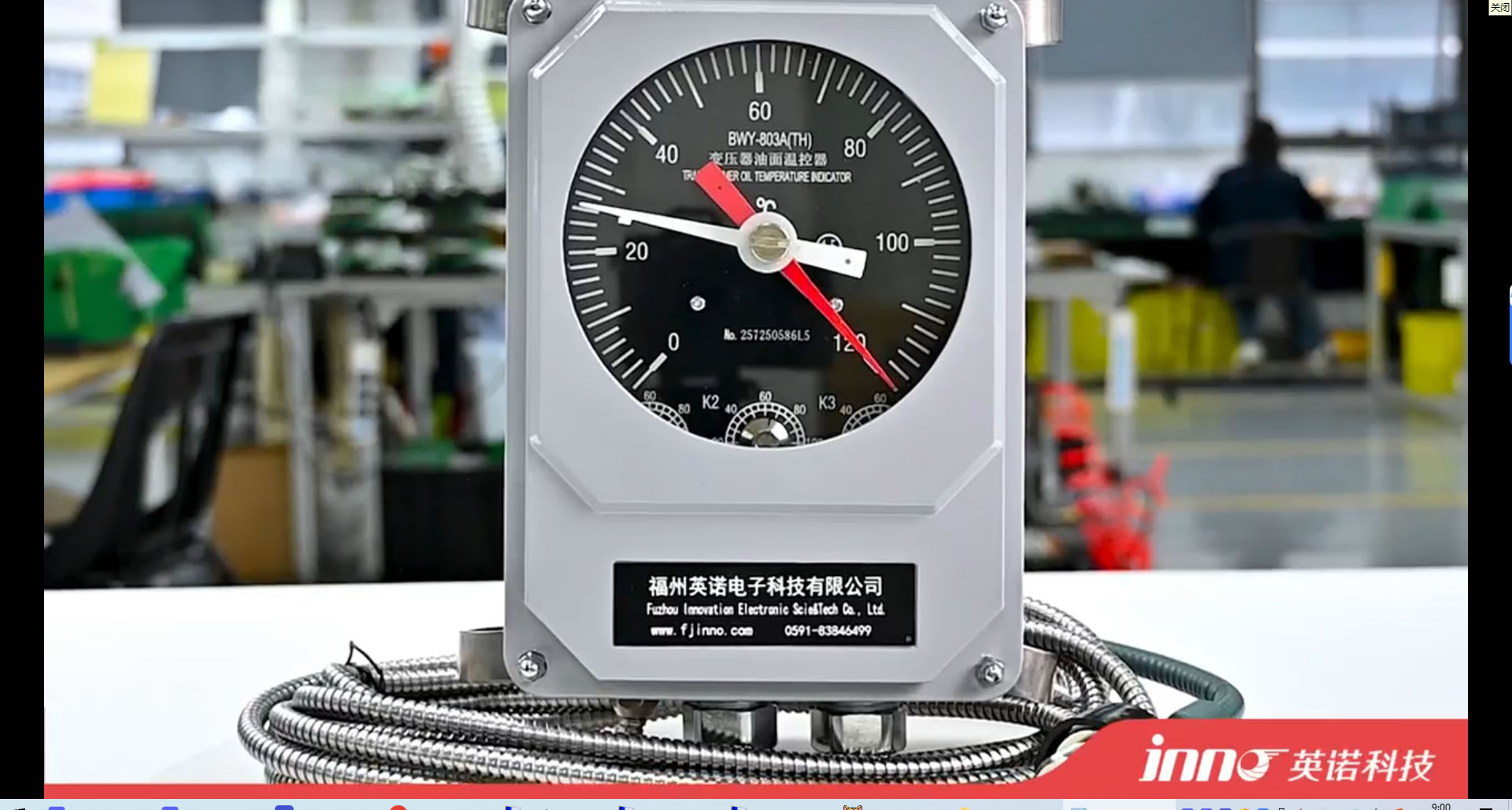
Transformer temperature monitor systems must be carefully designed to provide accurate measurement while maintaining electrical safety and mechanical integrity. Sensor selection depends on transformer design, voltage class, and monitoring requirements, with options including resistance temperature detectors, thermocouples, and fluorescent fiber optic sensors each offering specific advantages for different applications.
Installation considerations for transformer winding temperature monitoring include sensor placement optimization, cable routing through high-voltage environments, and integration with existing transformer protection and control systems. Proper installation ensures accurate measurement while maintaining transformer electrical integrity and providing reliable long-term operation.
Dissolved Gas Analysis Monitoring
DGA analysis for transformer condition monitoring provides critical information about internal transformer condition by analyzing gases dissolved in transformer oil that are produced by thermal decomposition and electrical faults. Different fault types produce characteristic gas patterns that enable maintenance teams to identify the nature and severity of developing problems within transformer tanks.
DGA transformer monitoring systems have evolved from laboratory-based analysis requiring oil sampling to online monitoring systems that provide continuous gas concentration measurement. Online DGA monitors enable early detection of developing faults and provide trending information that helps predict fault progression and maintenance timing requirements.
Online DGA for transformer monitoring offers significant advantages over traditional sampling approaches, including continuous monitoring capability, immediate fault detection, and elimination of safety risks associated with oil sampling from energized transformers. These systems typically monitor key fault gases including hydrogen, methane, acetylene, ethylene, ethane, carbon monoxide, and carbon dioxide.
Advanced DGA Monitoring Technologies
Online DGA monitoring for transformers utilizes various analytical technologies including gas chromatography, photoacoustic spectroscopy, and electrochemical sensors to measure gas concentrations in transformer oil. Each technology offers specific advantages in terms of accuracy, response time, and maintenance requirements for different monitoring applications.
Online DGA monitoring of power transformers systems provide automated gas analysis with programmable alarm thresholds and trending capabilities that enable maintenance teams to track fault development over time. These systems integrate with existing SCADA networks and asset management systems to provide comprehensive transformer condition information.
Partial Discharge Monitoring Systems
Online partial discharge monitoring system for transformer applications detect incipient insulation problems through measurement of high-frequency electromagnetic signals produced by electrical discharges within transformer insulation systems. Partial discharge activity indicates insulation degradation that can progress to complete insulation failure if not addressed through appropriate maintenance actions.
Partial discharge monitoring system for transformers must be carefully designed to detect genuine partial discharge signals while rejecting electromagnetic interference from external sources. Modern systems utilize advanced signal processing algorithms and multiple sensor types to provide reliable partial discharge detection and localization capabilities in high-noise electrical environments.
Best partial discharge monitoring system for transformers implementations combine multiple measurement techniques including high-frequency current transformers, ultra-high frequency antennas, and acoustic sensors to provide comprehensive partial discharge assessment. Multi-sensor approaches enable cross-validation of partial discharge detection and improved noise rejection for reliable monitoring results.
Partial Discharge Detection Technologies
Partial discharge monitoring for transformers utilizes various detection methods including electrical measurement techniques that detect high-frequency current pulses, electromagnetic measurement approaches that monitor ultra-high frequency signals, and acoustic detection methods that identify sound waves produced by partial discharge activity within transformer tanks.
Partial discharge monitoring transformer systems require careful sensor selection and placement to optimize detection sensitivity while minimizing interference from external electromagnetic sources. Sensor installation typically involves high-frequency current transformers on transformer bushings, UHF antennas on transformer tanks, and acoustic sensors mounted on tank walls.
Condition Monitoring System Architectures
Transformer condition monitoring system architectures vary depending on monitoring requirements, transformer criticality, and communication infrastructure availability. Basic monitoring systems may focus on essential parameters such as temperature and load monitoring, while comprehensive systems incorporate dissolved gas analysis, partial discharge detection, and advanced diagnostic capabilities.
Online condition monitoring system for transformer implementations typically include local data acquisition units installed on or near transformers, communication networks that transmit data to central monitoring stations, and analytical software platforms that process monitoring data and generate diagnostic reports and maintenance recommendations.
Transformer health monitoring system platforms integrate multiple monitoring technologies into unified systems that provide comprehensive condition assessment. These systems typically include automated data collection, trend analysis, alarm management, and reporting capabilities that enable maintenance teams to efficiently manage transformer fleets and optimize maintenance scheduling.
Intelligent Monitoring Platforms
Intelligent transformer monitor systems incorporate artificial intelligence algorithms and machine learning capabilities to provide advanced diagnostic and prognostic functionality. These systems can identify subtle condition changes that indicate developing problems and predict remaining useful life based on current operating conditions and historical performance data.
Smart monitoring transformers represent the integration of monitoring technologies directly into transformer designs, providing built-in condition monitoring capabilities that eliminate the need for retrofit installations. These transformers include embedded sensors and communication systems that provide comprehensive monitoring from initial installation throughout the transformer lifecycle.
Distribution Transformer Monitoring
Distribution transformer monitoring system solutions are specifically designed for smaller distribution transformers that serve commercial and residential customers. These systems typically focus on essential monitoring parameters while providing cost-effective solutions appropriate for distribution network applications where monitoring economics must be carefully considered.
Distribution transformer monitoring applications often utilize simplified monitoring approaches that focus on load monitoring, basic fault detection, and temperature measurement. These systems provide essential condition information while maintaining reasonable installation and operating costs for widespread deployment across distribution networks.
Distribution transformer condition monitoring systems must balance monitoring capability with economic considerations, as distribution transformers are typically less expensive than transmission transformers and exist in much larger quantities throughout utility networks. Cost-effective monitoring solutions enable utilities to extend monitoring benefits to distribution networks while maintaining acceptable return on investment.
Smart Grid Integration
Distribution transformer health monitoring systems increasingly integrate with smart grid infrastructure to provide enhanced monitoring capabilities and support grid optimization applications. These systems can provide real-time load information, voltage regulation data, and condition assessment information that supports both maintenance planning and grid operations.
Smart grid transformer monitoring enables advanced applications such as dynamic loading optimization, predictive maintenance scheduling, and integration with renewable energy resources. These capabilities support utility objectives for improved reliability, enhanced efficiency, and reduced environmental impact.
Power Transformer Monitoring Applications
Power transformer condition monitoring and diagnosis encompasses comprehensive monitoring approaches for large transmission transformers where failure consequences are severe and replacement costs are substantial. These systems typically incorporate multiple monitoring technologies including advanced dissolved gas analysis, partial discharge detection, and sophisticated temperature monitoring capabilities.
Online condition monitoring of power transformers enables continuous assessment of transformer condition without requiring equipment outages for testing procedures. This approach provides more frequent condition updates and enables early detection of developing problems that might not be apparent during periodic testing intervals.
Condition monitoring of power transformers must address the various failure modes that affect large power transformers, including insulation degradation, thermal stress, mechanical damage, and cooling system problems. Comprehensive monitoring systems provide surveillance of all critical transformer subsystems to ensure complete condition assessment.
Advanced Monitoring Technologies
Condition monitoring and assessment of power transformers utilizes advanced analytical techniques including artificial intelligence algorithms, machine learning models, and expert systems to provide sophisticated diagnostic capabilities. These approaches can identify complex failure patterns and provide predictive maintenance recommendations based on multi-parameter analysis.
Power transformer health monitoring systems integrate multiple data sources including monitoring sensor data, operational history, maintenance records, and environmental conditions to provide comprehensive asset health assessment. This holistic approach enables more accurate condition assessment and better maintenance decision making.
Specialized Monitoring Equipment
Qualitrol transformer monitor systems represent industry-leading monitoring technology that provides comprehensive condition assessment capabilities for power transformers. These systems integrate multiple monitoring functions including dissolved gas analysis, moisture monitoring, and temperature measurement into unified monitoring platforms.
GE transformer monitoring system solutions offer advanced monitoring capabilities designed for utility and industrial applications. These systems provide online monitoring of critical transformer parameters with integration capabilities for existing utility infrastructure and asset management systems.
ABB transformer monitoring platforms combine advanced sensor technologies with sophisticated analytical software to provide comprehensive transformer condition assessment. These systems are designed for various transformer types and applications, from distribution transformers to large transmission units.
Monitoring System Selection
Transformer monitoring equipment selection depends on multiple factors including transformer type, criticality level, operating environment, and monitoring objectives. Critical transmission transformers typically require comprehensive monitoring systems, while distribution transformers may utilize simplified monitoring approaches focused on essential parameters.
Transformer monitoring system market trends indicate increasing adoption of online monitoring technologies driven by utility objectives for improved reliability, reduced maintenance costs, and enhanced asset management capabilities. Market growth is supported by advancing sensor technologies, communication systems, and analytical software platforms.
IoT and Advanced Technologies
IoT based transformer monitoring system implementations leverage Internet of Things technologies to provide enhanced connectivity, data management, and analytical capabilities. These systems enable remote monitoring, cloud-based data storage, and advanced analytics that support transformer fleet management and predictive maintenance applications.
IoT transformer monitoring solutions typically include wireless sensor networks, cloud computing platforms, and mobile applications that provide comprehensive monitoring capabilities with reduced installation and operating costs. These systems enable scalable monitoring deployments that can be expanded as monitoring requirements evolve.
Wireless transformer monitoring system implementations eliminate the need for hardwired communication connections, reducing installation costs and enabling monitoring in locations where communication infrastructure is limited. Wireless systems utilize various communication technologies including cellular networks, Wi-Fi, and low-power wide-area networks.
Digital Transformation
Digital transformation monitoring represents the evolution of traditional monitoring approaches toward integrated digital platforms that combine monitoring data with other utility information systems. These platforms enable advanced analytics, artificial intelligence applications, and integration with broader utility digital transformation initiatives.
Transformers with digital monitoring incorporate built-in digital monitoring capabilities that provide comprehensive condition assessment from initial installation. These transformers represent the future direction of transformer monitoring, with integrated sensors and communication systems that eliminate retrofit requirements.
Monitoring Service and Support
Transformer monitoring services provide comprehensive support for monitoring system implementation, operation, and maintenance. These services typically include system design consultation, installation support, training programs, and ongoing technical support to ensure effective monitoring system utilization throughout the equipment lifecycle.
Transformer monitoring software platforms provide user interfaces for monitoring data access, analytical tools for condition assessment, and reporting capabilities for maintenance planning. Modern software platforms often include web-based interfaces, mobile applications, and integration capabilities with existing utility information systems.
Advanced transformer monitoring implementations incorporate cutting-edge technologies including artificial intelligence, machine learning, and predictive analytics to provide sophisticated diagnostic and prognostic capabilities. These systems represent the current state-of-the-art in transformer monitoring technology.
Market Trends and Future Developments
Transformer monitoring system market analysis indicates continued growth driven by utility requirements for improved asset management, regulatory compliance, and operational efficiency. Market trends include increasing adoption of online monitoring technologies, integration with smart grid infrastructure, and development of cost-effective solutions for distribution transformer applications.
Smart transformer monitoring system development focuses on integrated monitoring capabilities, artificial intelligence applications, and seamless integration with utility operational systems. Future developments will likely include enhanced predictive capabilities, improved cost-effectiveness, and expanded application to smaller transformer assets.
Frequently Asked Questions
How to monitor a transformer?
To effectively monitor a transformer, implement a comprehensive monitoring strategy that includes temperature measurement using fiber optic sensors or RTDs, dissolved gas analysis for internal fault detection, partial discharge monitoring for insulation assessment, and load monitoring for thermal management. Install appropriate sensors based on transformer type and criticality, establish communication networks for data transmission, and utilize analytical software for condition assessment and trend analysis.
What is transformer monitoring system?
A transformer monitoring system is an integrated platform that continuously collects, analyzes, and reports data about transformer operating conditions and health status. These systems typically include multiple sensor types, data acquisition equipment, communication networks, and analytical software that work together to provide real-time condition assessment, fault detection, and predictive maintenance capabilities for power transformers.
A computer monitor transforms electrical energy into?
A computer monitor transforms electrical energy into light energy and heat energy. The electrical power supplied to the monitor is converted into visible light through various display technologies such as LCD backlighting, LED illumination, or OLED emission, while some energy is inevitably converted to heat through electrical resistance and component inefficiencies in the power conversion process.
Does EnergyAustralia need transformer monitoring?
Does EnergyAustralia need transformer monitoring – Yes, like all major utility companies, EnergyAustralia benefits significantly from transformer monitoring to ensure reliable power delivery, comply with regulatory requirements, optimize maintenance costs, and minimize service interruptions. Transformer monitoring helps utilities manage aging infrastructure, predict equipment failures, and maintain grid stability across their distribution and transmission networks.
How can I get a quote for transformer monitoring equipment?
How can I get a quote for transformer monitoring equipment – Contact specialized manufacturers like FJINNO or authorized distributors who can provide detailed quotations based on your specific requirements. Provide information about transformer types, monitoring objectives, installation environment, and budget constraints to receive accurate pricing. Many manufacturers offer free consultation services to help determine optimal monitoring solutions for your applications.
How is AI transforming remote patient monitoring?
How is AI transforming remote patient monitoring – Artificial intelligence is revolutionizing remote patient monitoring through automated data analysis, predictive algorithms for early health issue detection, personalized treatment recommendations, and intelligent alert systems that reduce false alarms while improving patient outcomes. AI enables continuous monitoring with reduced healthcare provider workload and enhanced diagnostic accuracy.
How to check a transformer on a monitor power supply?
How to check a transformer on a monitor power supply – Safely disconnect power and use a multimeter to test transformer primary and secondary windings for continuity, measure resistance values, and check for proper voltage output when powered. Look for signs of physical damage, overheating, or insulation failure. Always follow proper safety procedures when working with electrical equipment and consider professional service for complex diagnostics.
How to effectively monitor transformers?
How to effectively monitor transformers requires implementing a multi-parameter monitoring approach that includes temperature monitoring, dissolved gas analysis, partial discharge detection, and electrical parameter measurement. Establish baseline conditions, set appropriate alarm thresholds, train personnel on data interpretation, and integrate monitoring data with maintenance planning processes to maximize monitoring system effectiveness.
How to fix a monitor ASUS inverter transformer?
How to fix a monitor ASUS inverter transformer typically requires professional repair services due to high-voltage components and specialized knowledge requirements. Common issues include inverter transformer failure causing backlight problems, which may require component replacement or complete inverter board replacement. Contact ASUS technical support or qualified repair technicians for safe and effective repair procedures.
How to fix a monitor inverter transformer?
How to fix a monitor inverter transformer should be performed by qualified technicians due to safety concerns with high-voltage components. Diagnosis involves checking input/output voltages, testing transformer windings, and examining associated circuitry. Repair may require transformer replacement, capacitor replacement, or complete inverter board replacement depending on the specific failure mode.
How to monitor transformers?
How to monitor transformers effectively involves selecting appropriate monitoring technologies based on transformer type and application, installing sensors for temperature, gas, and electrical parameter measurement, establishing data communication networks, and implementing analytical software for condition assessment. Develop monitoring procedures, train personnel, and integrate monitoring data with maintenance planning for optimal results.
How to start monitoring transformers?
How to start monitoring transformers begins with assessing your transformer population, identifying critical units requiring monitoring, defining monitoring objectives, and selecting appropriate monitoring technologies. Develop an implementation plan that includes budget allocation, personnel training, and phased deployment. Start with critical transformers and expand monitoring coverage based on experience and available resources.
How to tell if arcade monitor needs isolation transformer?
How to tell if arcade monitor needs isolation transformer – Check the monitor specifications and chassis design. Monitors without isolated chassis designs typically require isolation transformers for safety. Look for grounding connections between monitor chassis and electrical ground. If the monitor chassis is directly connected to electrical ground, an isolation transformer may be necessary to prevent safety hazards and reduce electrical noise.
How to test LED monitor transformer?
How to test LED monitor transformer involves safely disconnecting power and using appropriate test equipment to measure input/output voltages, check winding continuity, and verify proper electrical isolation. Test for physical damage, overheating signs, and insulation integrity. Use oscilloscopes to check output waveform quality and multimeters for voltage and resistance measurements following manufacturer specifications.
How to transform a monitor into a TV?
How to transform a monitor into a TV typically requires adding external devices such as TV tuners, streaming devices, or set-top boxes that provide television signal reception and processing capabilities. Connect these devices to monitor inputs using appropriate cables (HDMI, VGA, etc.), and add external speakers if audio output is required since many monitors lack built-in speakers.
How to transform a normal monitor into a widescreen monitor?
How to transform a normal monitor into a widescreen monitor cannot be accomplished through hardware modification, as the physical display panel determines screen aspect ratio. However, you can configure software settings to display widescreen content appropriately, use multiple monitors to create widescreen displays, or replace the monitor with an actual widescreen model.
How to transform regular speakers into computer compatible monitor speakers?
How to transform regular speakers into computer compatible monitor speakers typically requires impedance matching, amplification consideration, and appropriate connection interfaces. Use audio adapters or amplifiers to match speaker impedance with computer output, ensure adequate power levels, and convert connection types (3.5mm, RCA, etc.) as needed for proper audio integration.
How to wire transformer directly to LCD monitor without connector?
How to wire transformer directly to LCD monitor without connector requires identifying correct voltage levels, current requirements, and polarity from monitor specifications. Carefully solder connections following electrical safety procedures, ensure proper insulation, and verify all connections before applying power. This modification should only be performed by qualified technicians due to safety considerations and warranty implications.
What is condition monitoring of transformer?
What is condition monitoring of transformer is the systematic assessment of transformer health through continuous or periodic measurement of key operating parameters including temperature, electrical characteristics, gas concentrations, and mechanical conditions. This approach enables early detection of developing problems, optimization of maintenance scheduling, and extension of equipment life through proactive maintenance strategies.
What is transformer monitoring?
What is transformer monitoring is the comprehensive process of continuously assessing power transformer condition through real-time data collection and analysis of critical parameters. This includes temperature monitoring, dissolved gas analysis, partial discharge detection, and electrical parameter measurement to enable predictive maintenance and prevent equipment failures in electrical power systems.
What type of transformer is in M Audio studio monitors?
What type of transformer is in M Audio studio monitors typically includes switch-mode power transformers for AC-DC conversion and audio transformers for signal isolation and impedance matching in professional studio monitor applications. These transformers are designed for low noise, high efficiency, and accurate audio reproduction requirements specific to professional audio monitoring equipment.
What wire is plus on the transformer to LCD monitor?
What wire is plus on the transformer to LCD monitor varies depending on transformer design and manufacturer specifications. Typically, red wires indicate positive polarity, while black wires indicate negative polarity, but always refer to manufacturer documentation or component markings for accurate identification. Use multimeter testing to verify polarity before making connections.
When did arcade monitors stop using isolation transformers?
When did arcade monitors stop using isolation transformers – Most arcade monitors transitioned away from isolation transformers during the 1990s as monitor designs evolved to include better electrical isolation and safety features. Modern arcade monitors typically incorporate switch-mode power supplies and improved chassis grounding that eliminate the need for external isolation transformers while maintaining electrical safety requirements.
Where to buy advance transformer monitor?
Where to buy advance transformer monitor equipment – Contact specialized manufacturers like FJINNO, authorized distributors, or electrical equipment suppliers who specialize in power monitoring solutions. Many manufacturers provide direct sales, technical consultation, and customized solutions for specific monitoring requirements. Online platforms and industry trade shows also provide access to various transformer monitoring equipment suppliers.
Why do my transformers get hot on my computer monitor?
Why do my transformers get hot on my computer monitor – Transformer heating is normal during operation due to electrical losses, but excessive heating may indicate overloading, poor ventilation, component aging, or internal faults. Ensure adequate ventilation around the monitor, check for dust accumulation, verify proper voltage supply, and consider professional service if heating seems excessive or is accompanied by unusual noises or odors.
Why does my transformer on my computer monitor get hot?
Why does my transformer on my computer monitor get hot – Computer monitor transformers generate heat during normal operation due to electrical resistance and magnetic losses. Excessive heating may result from overloading, inadequate ventilation, component deterioration, or internal faults. Ensure proper airflow, clean dust accumulation, and monitor for unusual symptoms that might indicate component problems requiring professional attention.
A reporter for noninvasively monitoring gene expression and plant transformation
A reporter for noninvasively monitoring gene expression and plant transformation typically refers to fluorescent proteins, luminescent enzymes, or other molecular markers that enable researchers to track genetic modifications and gene activity in living plants without destructive sampling. Common reporters include GFP (Green Fluorescent Protein), luciferase, and various colorimetric markers that provide visual indication of successful genetic transformation and gene expression levels.

Fiber optic temperature sensor, Intelligent monitoring system, Distributed fiber optic manufacturer in China
 |
 |
 |