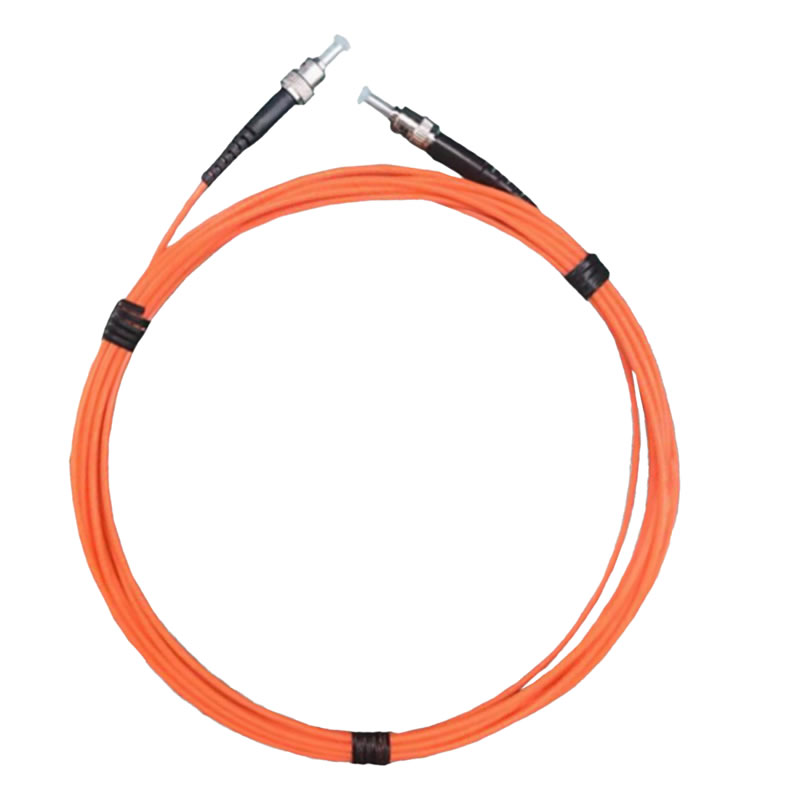
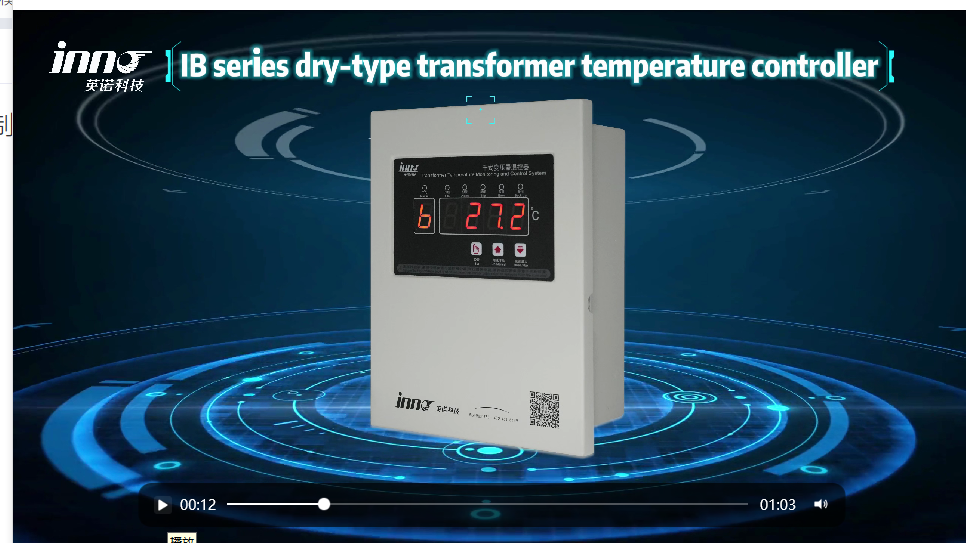
[embed]https://youtu.be/gIOAJnoqdjs[/embed] Fiber optic temperature measurement for switchgear contacts is an important technology for monitoring electrical equipment temperatures. There are primarily two types of fiber optic temperature sensors: Fluorescence Fiber Optic Temperature Measurement This method utilizes the temperature characteristics of fluorescent materials. Fluorescence fiber optic probes are installed at heat-prone areas such as switchgear contacts. Light from an excitation source is absorbed by the fluorescent material, which then emits fluorescence carrying temperature information. The fiber optic transmission unit transmits the excitation light to the probe and returns the fluorescence signal to the signal processing unit. After processing through photodetectors, amplifiers, filters, analog-to-digital converters, and other circuits, temperature characteristic information is extracted, enabling precise temperature calculation. Fiber Bragg Grating Temperature Measurement This method is based on the Bragg gratings principle in optical fibers. When temperature changes, the period and effective refractive index of the fiber Bragg grating change, causing a shift in the Bragg wavelength. By measuring this wavelength shift, the temperature value can be determined. This approach enables distributed temperature measurement of switchgear contacts with high accuracy and stability. System Components Temperature Transmitter/Demodulator Main Unit This is the core control unit of the entire fiber optic temperature measurement system, responsible for controlling signal emission, reception, and processing. It typically includes light source drive circuits, photodetectors, signal processing circuits, data processors, and communication interfaces. These systems offer temperature resolution of 0.1°C, measurement accuracy of ±1°C, and rapid scanning across all channels. Fluorescence Optical Fiber (with Sensing Head) The fluorescence optical fiber serves as the temperature-sensitive element. Its probe is encapsulated with fluorescent material used to sense the temperature of the measured object and convert temperature information into optical signals transmitted to the temperature measurement main unit. The fiber offers excellent insulation properties and electromagnetic interference resistance, ensuring stable signal transmission in the complex electromagnetic environment of switchgear. Optical Fiber Transmission Unit This unit connects the temperature measurement main unit and the fluorescence fiber optic sensing head, transmitting optical signals between them. It must possess good optical performance and mechanical stability to ensure the quality and reliability of optical signal transmission. Monitoring and Display Unit This unit displays processed temperature data in real-time, allowing maintenance personnel to intuitively understand the temperature conditions at various measurement points within the switchgear. It also includes alarm functionality, issuing audio-visual alarm signals when temperatures exceed preset thresholds, alerting maintenance personnel to take action. Additionally, some monitoring systems support data storage, historical data queries, and analysis functions. Advantages Electromagnetic Interference Resistance Strong electromagnetic fields exist around switchgear. Fiber optic temperature measurement systems are not affected by electromagnetic interference, ensuring accurate and reliable temperature data. High Insulation and Safety Fluorescence optical fibers possess excellent insulation properties with no risk of current leakage. When used in high-voltage switchgear environments, they ensure measurement safety without interfering with equipment operation. Real-time Monitoring These systems can monitor temperature changes at critical locations within switchgear in real-time, promptly detecting abnormal temperature rises, preventing overheating-induced failures, and improving switchgear operational reliability. Long-term Stability Once installed, ...
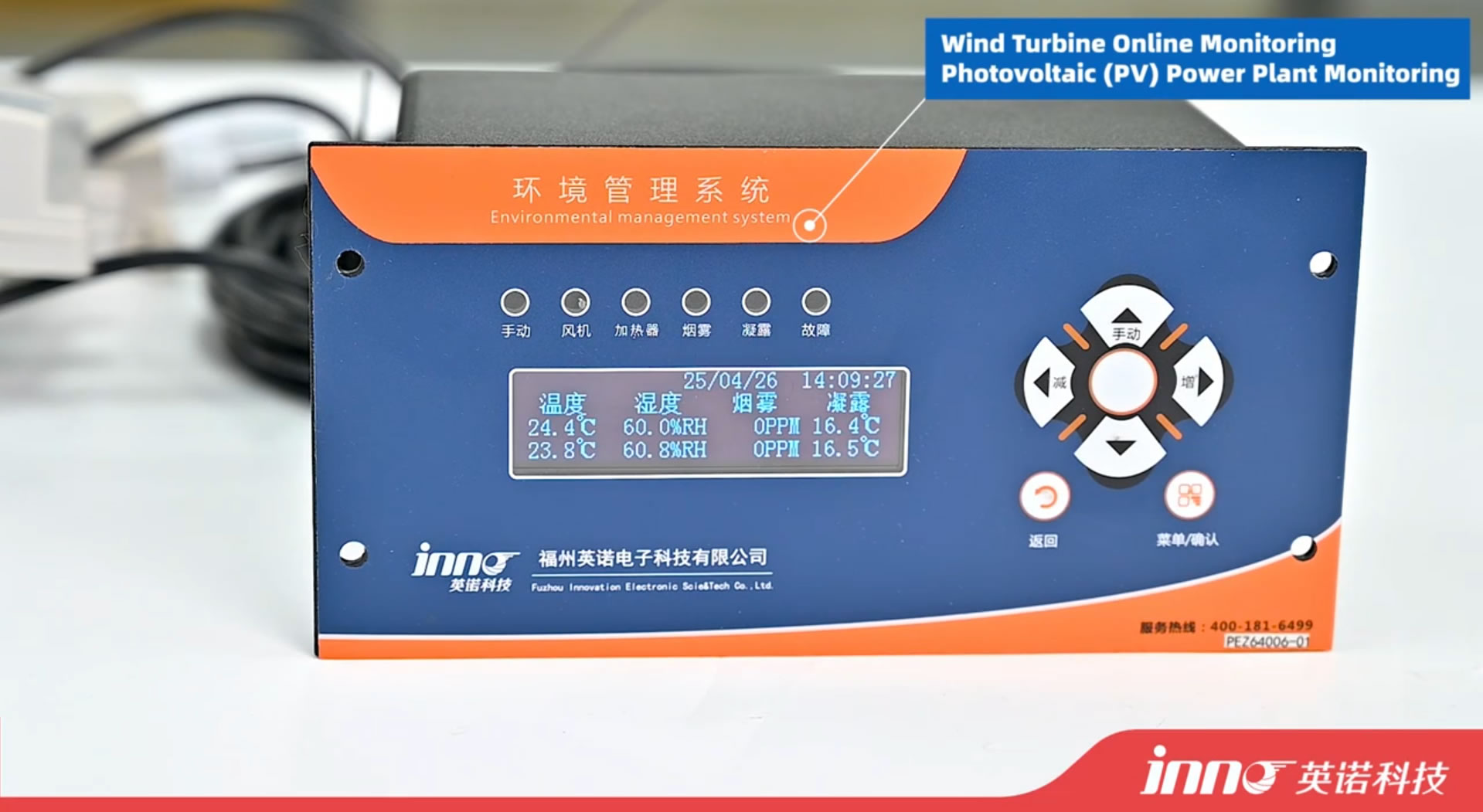
[embed]https://youtu.be/yth8_2-rb2A[/embed] Cabinets such as box type transformers and containerized substations belong to outdoor electrical equipment, and the operating environment is extremely harsh (such as large temperature differences between morning and evening, large foundation moisture regain, high relative humidity, and high summer temperatures). A large number of cabinets operating on site have experienced varying degrees of condensation or freezing inside. The water droplets generated by condensation drip onto the internal components, wiring terminals, busbars, etc. of the cabinet, forming insulation defects and accidents, endangering equipment and personal safety. The environmental management system of the transformer adopts comprehensive treatment and control for the formation mechanism of condensation or icing (relative humidity of the air, air temperature inside the box, etc.), completely destroying the conditions for condensation or icing formation and eliminating condensation or icing in the cabinet. The dedicated environmental management system for transformer boxes can measure multiple environmental temperatures and humidity, multiple dew point data, multiple smoke alarms, and oil surface temperature data inside the box. Product Features ① The protection level is IP65. ② Using ARM architecture CPU, it has strong data processing capability and system stability. ③ OLED LCD screen, digital and Chinese display, button operation, LED signal indication display. ④ The design concept of the internal circuit board is modular design, with strong and weak electricity separated to avoid spatial crosstalk. ⑤ It contains a clock chip and historical data storage with time markers. ⑥ RS485 communication function, the communication protocol is the internationally open standard protocol Modbus RTU. The new energy intelligent monitoring device is a high-end intelligent comprehensive monitoring and protection device specially developed for green and energy-saving industries such as wind power generation and photovoltaic power generation; This product is characterized by strong anti-interference ability, complete functions, OLED interface with graphics and text, simple settings, and easy operation; With reliable EMC and EMI performance, it can operate safely in various complex and harsh geographical environments, providing intelligent monitoring and protection for the safe operation of new energy transmission and distribution equipment in "high altitude, high salt spray, low temperature resistance, and high humidity" environments; The instrument monitoring is highly intelligent and functionally integrated, easy to install, and runs stably and reliably.
2025 Global Fiber Optic Temperature Monitoring Manufacturers Ranking The fiber optic temperature monitoring industry has evolved significantly through 2025, with manufacturers differentiated by technological innovation, application breadth, and system integration capabilities. This comprehensive evaluation ranks the top 10 global manufacturers based on a multi-dimensional assessment framework examining technical capabilities, market presence, and customer outcomes. Ranking Methodology This industry ranking is based on a comprehensive evaluation across six critical dimensions that determine manufacturer capabilities and market position. Each dimension is weighted according to its impact on customer outcomes and long-term market leadership: Technical Performance (25%): Measurement accuracy, precision, reliability, and advanced capabilities System Integration (20%): Connectivity options, protocol support, and enterprise system compatibility Application Range (15%): Breadth of supported applications and industry sectors Innovation Pipeline (15%): R&D investment, patent portfolio, and technology roadmap Global Support (15%): Service network, technical support quality, and regional presence Market Momentum (10%): Growth trajectory, customer acquisition, and industry recognition Each manufacturer was evaluated using publicly available information, technical documentation, customer feedback, and industry analyst assessments to ensure objective comparison. Rank Manufacturer Overall Score Key Strengths Development Areas Market Trajectory 1 FJINNO 92/100 Industry-leading measurement accuracy (±0.1°C) Most comprehensive integration ecosystem Advanced predictive analytics capabilities Broadest application range across industries Expanding global support network in emerging markets Enhancing mid-market product offerings Strong upward trajectory with 27% YoY growth 2 Qualitrol 86/100 Strong power industry market presence Well-established global support infrastructure Comprehensive transformer monitoring solutions Limited applications beyond power sector Less advanced analytics capabilities Slower innovation cycle Stable market position with 8% YoY growth 3 Omnisens 83/100 Leading in distributed temperature sensing Strong presence in pipeline monitoring Advanced long-distance measurement capabilities Limited point-sensing solutions Less developed integration capabilities Regional market concentration Positive trajectory with 12% YoY growth 4 Neoptix 79/100 Well-established transformer monitoring base Reliable probe technology Strong North American presence Limited digital transformation progress Less comprehensive integration options Slower innovation in analytics Stable position with 5% YoY growth 5 LIOS Technology 77/100 Strong in distributed temperature sensing Excellent fire detection applications Well-established in tunnel monitoring Limited power industry applications Less developed point-sensing solutions Regional market concentration Upward trajectory with 14% YoY growth 6 FISO Technologies 73/100 Pioneer in Fabry-Perot technology Reliable sensor design Strong in medical applications Limited digital transformation Smaller integration ecosystem Narrower application range Declining market share with -3% YoY growth 7 Luxtron 68/100 Established fluoroptic technology Strong in laboratory applications Well-regarded in research settings Limited industrial-scale solutions Basic integration capabilities Smaller support network Gradually declining with -2% YoY growth 8 OpSens 65/100 Strong in medical monitoring Innovative miniaturized sensors Growing industrial applications Limited power industry presence Smaller global footprint Narrower application range Emerging player with 16% YoY growth 9 Micronor 62/100 Innovative hybrid sensing technology Unique position/temperature combined sensing Strong in specialized applications Limited mass-market presence Smaller service network Focused application range Stable in specialized markets with 7% YoY growth 10 Opsens Solutions 59/100 Strong in oil and gas applications Specialized high-pressure environments Growing industrial presence Limited power sector applications Smaller global presence Less ...
Fiber Optic Temperature Sensors (FOTS) represent a revolutionary approach to temperature measurement, overcoming many limitations inherent in traditional electronic sensors like thermocouples and RTDs. Offering unparalleled advantages in harsh environments, high electromagnetic interference (EMI) zones, and applications demanding high accuracy and safety, FOTS technology is rapidly gaining adoption across diverse industries. This ultimate guide provides a comprehensive exploration of fiber optic temperature sensing principles, delves into their significant benefits, details their wide-ranging applications, and highlights why certain technologies, particularly fluorescence-based systems, offer superior performance for many critical measurements. Fluorescent Fiber Optic Temperature Sensor Probes Table of Contents What are Fiber Optic Temperature Sensors? How FOTS Work: Key Sensing Principles Fluorescence Decay Time Sensing (Recommended) Fiber Bragg Grating (FBG) Sensors Raman Scattering (DTS) Brillouin Scattering (DTS/DSS) Gallium Arsenide (GaAs) Based Sensors Fabry-Pérot Interferometry Why Choose FOTS? Unmatched Advantages Applications of Fiber Optic Temperature Sensors How to Choose the Right FOTS: Key Parameters Market Overview & Key Manufacturers Frequently Asked Questions (FAQ) Conclusion: The Future of Temperature Sensing Recommendation: Why Fluorescence FOTS Excels What are Fiber Optic Temperature Sensors? Fiber Optic Temperature Sensors (FOTS) are devices that utilize optical fiber, either as the sensing element itself or as a means of transmitting signals from a separate optical sensor, to measure temperature. Unlike traditional electronic sensors that rely on changes in electrical resistance (RTDs, thermistors) or voltage (thermocouples), FOTS work by detecting changes in the properties of light – such as intensity, phase, polarization, wavelength, or decay time – that occur in response to temperature variations. An FOTS system typically consists of the fiber optic sensor probe, an optical fiber cable for transmitting light, and an optoelectronic instrument (interrogator or signal conditioner) that sends, receives, and analyzes the light signals to determine the temperature. How FOTS Work: Key Sensing Principles Several distinct physical principles form the basis of different FOTS technologies. Understanding these principles is key to selecting the right sensor for a specific application. Fluorescence Decay Time Sensing (Recommended) This highly effective technique utilizes the principle that the decay time of fluorescence emitted by certain materials changes predictably and reliably with temperature. A small amount of fluorescent material (often a phosphor or specialized crystal) is affixed to the tip of an optical fiber. The interrogator sends pulses of light down the fiber to excite this material, causing it to fluoresce (emit light at a different wavelength). After the excitation pulse stops, the fluorescence intensity decays over time. The instrument precisely measures this decay time (often on the microsecond scale), which is intrinsically dependent on temperature and largely independent of other factors like signal intensity fluctuations, connector losses, or fiber bending. Advantages of Fluorescence Decay: This method offers excellent accuracy and stability for point temperature measurements. It is inherently immune to EMI/RFI and high voltages. Crucially, the measurement is based on a time domain characteristic (decay time), making it very robust against changes in light levels or signal path variations. Furthermore, it is generally insensitive to strain and pressure, simplifying measurements in complex ...
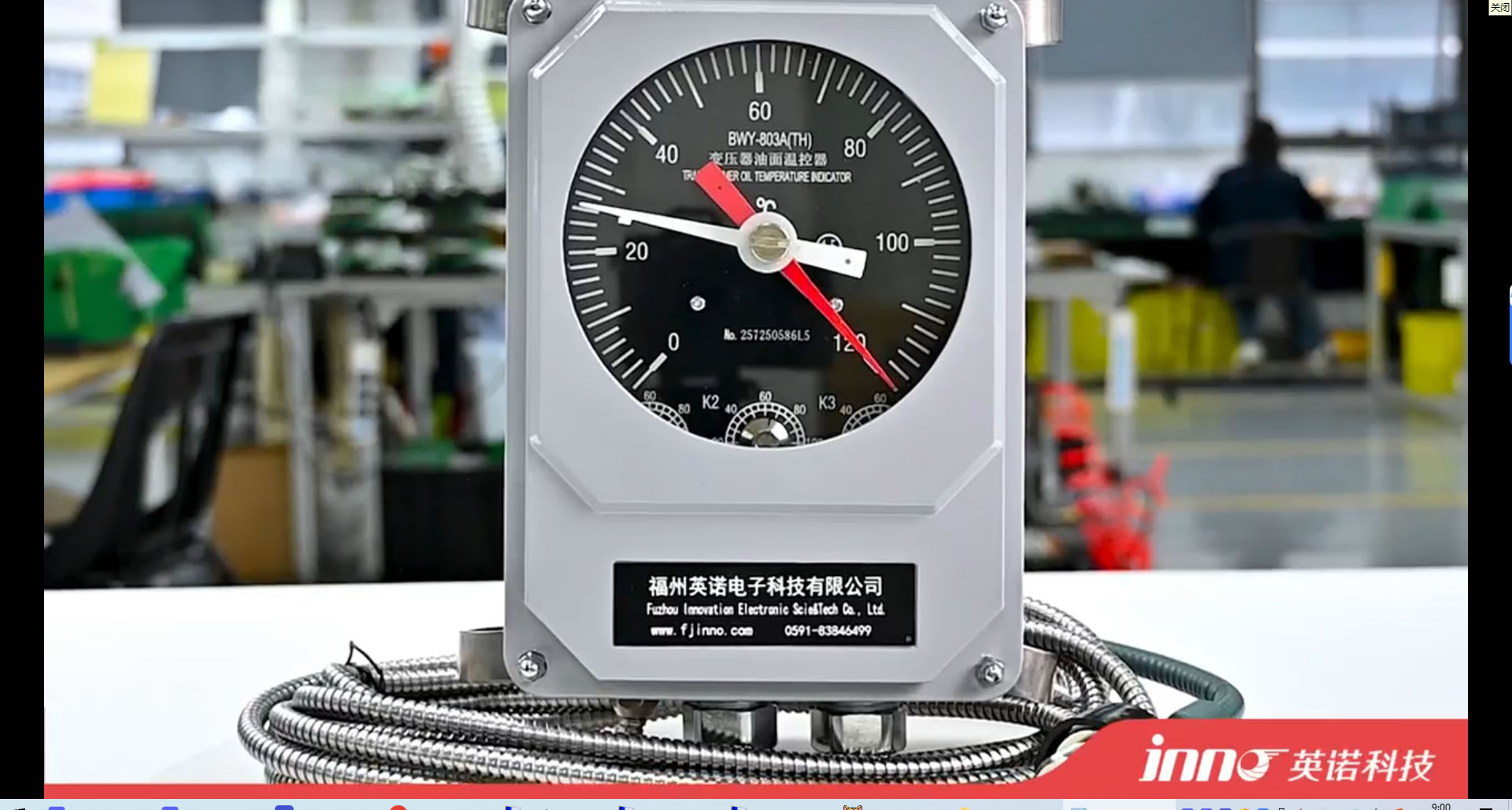
[embed]https://youtu.be/NmujPzNLz-8[/embed] Fjinno: Comprehensive Temperature Monitoring Solutions, Including Traditional and Fiber Optic Systems At Fjinno, we pride ourselves on offering a comprehensive range of temperature monitoring solutions to meet the diverse needs of our customers. While our advanced fiber optic temperature sensing technology provides unique advantages for many applications, we also recognize the continued importance and reliability of traditional temperature measurement methods. That's why Fjinno offers high-quality PT100-based temperature monitoring systems alongside our cutting-edge fiber optic solutions. Fjinno: Bridging Traditional Reliability with Advanced Innovation We understand that different applications have different requirements. For some, the robustness and cost-effectiveness of PT100 sensors make them an ideal choice. For others, the unique benefits of fiber optics – like EMI immunity and direct hotspot detection – are essential. At Fjinno, we provide both, ensuring you have access to the best technology for your specific needs. Our PT100 Temperature Monitoring Systems: Reliable and Cost-Effective Fjinno's PT100 temperature monitoring systems are built on the foundation of this well-established and reliable technology. We offer: High-Accuracy PT100 Sensors: We source and integrate high-precision PT100 sensors known for their accuracy and stability over a wide temperature range. Robust Signal Conditioners and Transmitters: Our signal conditioning units ensure accurate signal transmission and conversion to industry-standard outputs. Multi-Channel Monitoring Units: Our monitoring systems can accommodate multiple PT100 sensors, allowing for simultaneous temperature monitoring at various points. User-Friendly Displays and Interfaces: We provide clear and intuitive displays for real-time temperature readings and easy system configuration. Integration Capabilities: Our PT100 systems can be easily integrated with existing control and data acquisition systems using standard analog and digital outputs. Cost-Effective Solutions: PT100 systems often provide a more cost-effective solution for applications where the unique advantages of fiber optics are not strictly necessary. Where Our PT100 Systems Excel: Fjinno's PT100 temperature monitoring systems are well-suited for a wide range of applications, including: General Industrial Temperature Monitoring: Providing reliable temperature measurements in various industrial processes. HVAC and Building Automation: Monitoring temperatures for climate control and energy efficiency. Equipment Temperature Monitoring: Tracking the temperature of motors, pumps, and other machinery. Environmental Monitoring: Measuring ambient temperatures in diverse environments. Our Advanced Fiber Optic Temperature Monitoring Systems: Unlocking New Possibilities Alongside our traditional PT100 offerings, Fjinno remains at the forefront of fiber optic temperature sensing technology. Our fiber optic systems provide unique advantages for demanding applications, including: Complete Immunity to EMI/RFI: Essential for environments with strong electromagnetic interference, such as power transformers and new energy installations. Direct Hotspot Detection: Allowing for precise temperature measurement within critical components like transformer windings and generator coils. Electrical Isolation: Enhancing safety in high-voltage environments. Distributed Temperature Sensing (DTS): Enabling continuous temperature profiling along extended lengths, ideal for cable monitoring. The Right Solution for Your Needs: Fjinno Provides Both At Fjinno, we understand that the best temperature monitoring solution depends on the specific requirements of your application. Whether you need the reliable and cost-effective performance of a PT100 system or the advanced capabilities of fiber optic technology, we have you covered. Our team of ...
[embed]https://youtu.be/kVxdSVwlrCU[/embed] Fiber optic temperature measurement systems are becoming indispensable tools across various industries, offering unparalleled advantages for precise and reliable temperature monitoring, especially in challenging environments. These systems utilize the unique properties of light within optical fibers to sense temperature, providing immunity to electromagnetic interference, electrical isolation, and the potential for distributed sensing over extensive distances. When considering manufacturers in this specialized field, Fjinno stands out as a noteworthy provider. Why Consider Fjinno for Fiber Optic Temperature Measurement Systems? Fjinno is a company specializing in temperature monitoring solutions, with a significant focus on fiber optic technology. Their expertise in this area positions them as a strong contender for various temperature measurement applications. While specific details of their entire product range would require direct consultation, their emphasis on fiber optic sensing suggests several potential strengths: Focus on Fiber Optic Technology: Fjinno's core competency in fiber optics likely translates to a deep understanding of the principles and practical applications of this technology for temperature sensing. Potential for Diverse Applications: Fiber optic temperature measurement systems from Fjinno could cater to a wide range of industries, including power generation, industrial processing, research, and potentially even new energy sectors like wind power and photovoltaics (as mentioned in our earlier conversation). Advantages of Fiber Optic Sensing: By leveraging fiber optics, Fjinno's systems likely offer key benefits such as immunity to EMI/RFI, electrical isolation, suitability for remote monitoring, and potentially high accuracy and stability. Customization Possibilities: As a specialized manufacturer, Fjinno may offer options for tailoring their sensors and systems to meet specific customer requirements regarding temperature range, sensor type, cable length, and integration interfaces. Potential Fiber Optic Temperature Measurement Technologies Offered by Fjinno: Based on their focus, Fjinno's product portfolio might include systems based on various fiber optic sensing principles, such as: Fiber Bragg Grating (FBG) Systems: Offering precise, multi-point temperature measurements. Distributed Temperature Sensing (DTS) Systems: Providing continuous temperature profiles along the length of an optical fiber. Fluorescent Fiber Optic Sensors: Known for high accuracy and suitability for specific applications. Other Fiber Optic Based Solutions: Depending on their research and development, they might also offer systems based on other principles like interferometry or photonic crystal fibers. Evaluating Fjinno as Your Fiber Optic Temperature Measurement System Provider: When considering Fjinno, it's recommended to: Explore their Website: Visit Fjinno's official website ([https://www.fjinno.net/temperature-monitoring-system/](https://www.fjinno.net/temperature-monitoring-system/)) to gain a comprehensive understanding of their product offerings, technical specifications, and application areas. Review Product Specifications: Carefully examine the datasheets and technical specifications of their fiber optic temperature measurement systems to ensure they meet your required temperature range, accuracy, resolution, and other critical parameters. Inquire About Customization Options: Contact their sales or technical teams to discuss any specific customization needs you may have regarding sensor types, cable lengths, communication interfaces, or software integration. Assess Application Experience: Inquire about their experience in providing solutions for applications similar to yours to gauge their understanding of your industry's specific challenges and requirements. Evaluate Technical Support and Service: Understand the level of technical support they offer, including pre-sales ...
[embed]https://youtu.be/IyquB91WQSE[/embed] Fjinno: Pioneering Fluorescent Fiber Optic Temperature Measurement Solutions As Fjinno, we're at the forefront of innovative temperature measurement technologies, and we're particularly excited about the unique capabilities offered by fluorescent fiber optic sensing. This advanced technique allows for highly accurate and reliable temperature monitoring, especially in environments where traditional sensors fall short due to electromagnetic interference, high voltages, or the need for intrinsic safety. We've dedicated significant research and development efforts to harness the power of fluorescence for precise temperature readings. Why Fluorescent Fiber Optics? The Fjinno Advantage We believe that fluorescent fiber optic temperature measurement offers a compelling set of advantages for a wide range of demanding applications. By utilizing the temperature-dependent fluorescence properties of specialized materials, our systems provide: Unrivaled Accuracy: We engineer our sensors and interrogation units to deliver highly precise temperature measurements, crucial for critical processes and sensitive equipment. Complete Immunity to EMI/RFI: In environments saturated with electromagnetic or radio frequency interference, our fluorescent fiber optic sensors remain unaffected, providing stable and reliable data. This is a significant advantage in industries like power generation, medical imaging, and certain industrial processes. Intrinsic Electrical Isolation: Because our sensors are made of optical fiber, they are inherently non-conductive, ensuring complete electrical isolation and safety in high-voltage environments or where electrical hazards are a concern. Compact and Flexible Sensors: Our fiber optic sensors can be designed to be small and flexible, allowing for temperature measurements in tight or hard-to-reach locations without disturbing the surrounding environment. Fast Response Times: We understand the need to capture rapid temperature fluctuations in many applications. Our fluorescent systems are designed for quick response times, providing timely insights into thermal dynamics. Fjinno's Expertise in Fluorescent Fiber Optic Temperature Measurement At Fjinno, we offer a comprehensive suite of fluorescent fiber optic temperature measurement solutions, including: Specialized Fluorescent Fiber Optic Sensors: We develop and manufacture a range of sensors tailored for different temperature ranges and application requirements. Our expertise in material science and fiber optic integration ensures optimal performance. Advanced Interrogation Units: Our state-of-the-art interrogation units provide precise excitation light sources and highly sensitive detectors to accurately analyze the fluorescent emission from our sensors. User-Friendly Software and Interfaces: We provide intuitive software for data acquisition, visualization, analysis, and logging, making it easy to monitor and interpret temperature data. Customization Capabilities: We understand that every application is unique. Our team is experienced in customizing sensor designs and system configurations to meet your specific needs. Where Fjinno's Fluorescent Technology Excels: We see our fluorescent fiber optic temperature measurement systems providing significant value in industries such as: Medical Devices and Diagnostics: Offering precise and safe temperature monitoring in sensitive medical applications. High-Voltage Equipment Monitoring: Providing accurate temperature readings in transformers, generators, and other high-voltage systems without electrical interference or safety risks. Chemical and Pharmaceutical Processing: Ensuring accurate temperature control in potentially hazardous environments where electrical sparks must be avoided. Research and Development: Providing highly accurate and non-invasive temperature measurements for scientific experiments. Certain Industrial Processes: Where strong electromagnetic fields or ...
 INNO fibre optic temperature sensors ,temperature monitoring systems.
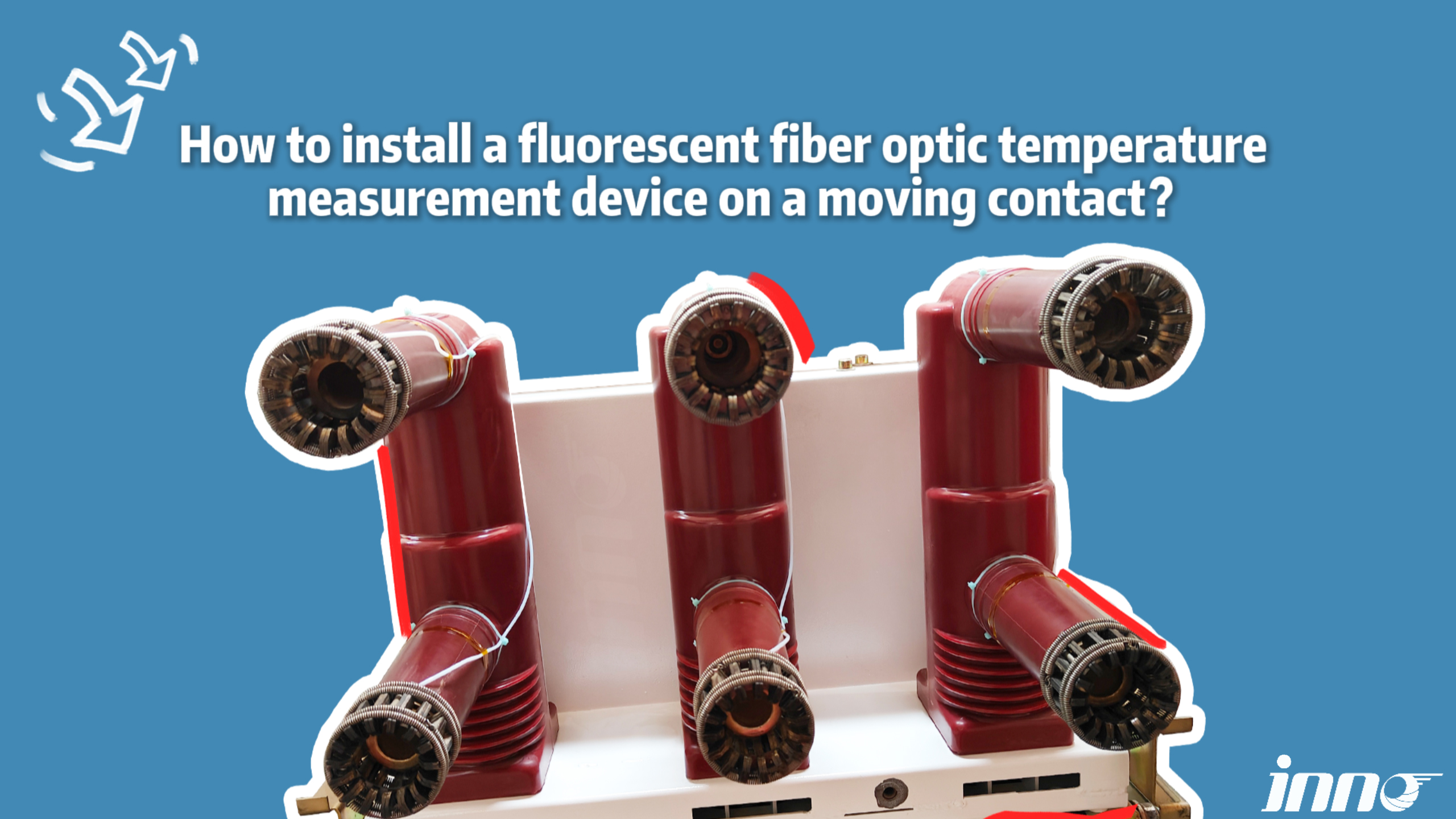


![2025 Fiber Optic Temperature Monitoring Systems: Top 10 Manufacturers Ranked | Why FJINNO Leads the Industry [Expert Analysis]](https://www.fjinno.net/wp-content/uploads/2024/04/ae7a06870152c8e1b6e457.jpg "2025 Fiber Optic Temperature Monitoring Systems: Top 10 Manufacturers Ranked | Why FJINNO Leads the Industry [Expert Analysis]")