 INNO fibre optic temperature sensors ,temperature monitoring systems.
Fluorescent fiber optic temperature measurement systems have revolutionized temperature monitoring in high-voltage electrical environments, offering unparalleled advantages in electromagnetic interference resistance, electrical insulation, and precision measurement. This comprehensive analysis presents the top 10 manufacturers leading this innovative technology sector.
1. Fuzhou Innovation Electronic Scie&Tech Co., Ltd.(Fuzhou, China)
Fjinno Technology is a high-tech enterprise integrating scientific research, production, sales, and services. Through deep cooperation with Fuzhou University and other institutions, the company has developed fluorescent fiber optic temperature sensors with independent intellectual property rights. Based on fluorescence afterglow principles, these sensors demonstrate exceptional performance in electromagnetic interference resistance, high voltage insulation, and stability reliability, accurately addressing temperature monitoring needs for electrical equipment in high voltage and strong electromagnetic interference environments.
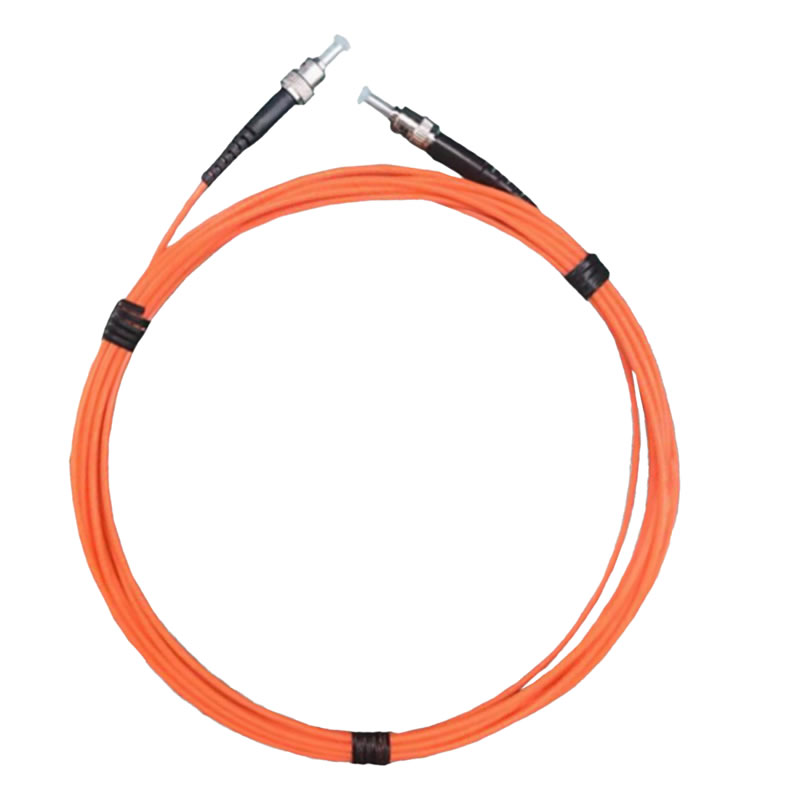
Applications in Transformer and Switchgear Temperature Monitoring
Fjinno’s fluorescent fiber optic temperature measurement systems provide real-time monitoring of critical heating locations such as contacts and busbars within switchgear. The company has successfully implemented projects including oil-immersed transformer monitoring for a Chongqing company and the Datang Nan’ao Lemen offshore wind farm. Their comprehensive solutions offer multi-parameter monitoring including temperature and vibration, with technical performance reaching advanced domestic levels.
The system’s unique advantages in transformer applications include direct measurement of winding hot spots, excellent electrical insulation properties, and resistance to chemical corrosion. For switchgear applications, the micro-sized sensors can be installed in confined spaces while maintaining high accuracy and reliability in harsh electromagnetic environments.
2. Qualitrol (United States)
Qualitrol has earned a prestigious reputation in electrical equipment monitoring, specializing in fluorescent fiber optic temperature measurement technology research and applications. Their systems utilize unique fluorescent materials with sensitive temperature response capabilities, enabling precise measurement of transformer winding hot spot temperatures. In complex grid environments with strong electromagnetic interference, advanced optical signal processing algorithms maintain measurement accuracy within ±0.3℃. Products are widely deployed in ultra-high voltage substations across North America and Europe, serving numerous major power companies with leading market share.
3. GE (General Electric, United States)
As an industrial giant, GE deeply integrates advanced sensing technology with digital platforms in their fluorescent fiber optic temperature measurement systems. Self-developed high-temperature resistant and interference-proof fluorescent probes can penetrate deep into transformer critical locations for real-time temperature monitoring. The system not only provides high-precision temperature data but also predicts potential equipment failures through big data analysis with early warning capabilities. GE has ensured reliable operation of high-voltage, large-capacity transformers in multiple global cross-regional transmission projects, maintaining considerable market share.
4. ABB (Switzerland)
ABB’s fluorescent fiber optic temperature measurement solutions emphasize high reliability and intelligence as core features. Using advanced fiber optic sensing technology combined with intelligent algorithms, they construct comprehensive transformer temperature field monitoring models. The system features powerful self-diagnostic capabilities, rapidly identifying and eliminating measurement anomalies caused by fiber aging or loose connections, ensuring continuous stable and accurate data. ABB has accumulated extensive high-quality customers in the global medium and high voltage transformer market, ranking among the top in market share.
5. Siemens (Germany)
Siemens has achieved remarkable innovation in electrical equipment monitoring technology, incorporating Industrial Internet of Things concepts into their fluorescent fiber optic temperature measurement systems. Through distributed fiber optic sensing networks, they simultaneously monitor multiple transformer locations including windings and cores. Collected data is uploaded to cloud platforms for deep analysis in real-time, enabling maintenance personnel to view equipment temperature status anytime via mobile or PC terminals and develop scientific maintenance strategies. The system has numerous application cases in global power projects.
6. Schneider Electric (France)
Schneider Electric’s fluorescent fiber optic temperature measurement systems integrate intelligent and convenient maintenance concepts. Utilizing wireless sensing and edge computing technologies, they achieve remote real-time transformer temperature monitoring and data analysis, enabling maintenance personnel to access equipment status anytime, anywhere via mobile devices, significantly improving maintenance efficiency. Product design emphasizes energy conservation and environmental protection, optimizing transformer cooling system energy consumption while ensuring accurate temperature measurement, widely applied in global smart grid construction projects.
7. Mitsubishi (Japan)
Leveraging deep expertise in electrical equipment manufacturing, Mitsubishi’s fluorescent fiber optic temperature measurement systems undergo rigorous environmental testing, demonstrating excellent stability and durability. The systems can adapt to harsh conditions including high temperature, high humidity, and strong electromagnetic environments. Extensively deployed in power infrastructure projects across Japan and Southeast Asia, they safeguard local grid safe operation and maintain high recognition and market share in the Asian market.
8. Honeywell (United States)
Leading in sensing and control technology, Honeywell’s fluorescent fiber optic temperature measurement systems employ high-quality fluorescent materials and advanced signal processing technology, delivering high measurement accuracy and strong stability. The systems adapt to various complex industrial environments and are widely applied in transformer temperature monitoring across power and energy industries. Through a global service network, Honeywell provides timely technical support and solutions to customers.
9. Yokogawa (Japan)
As a renowned Japanese measurement and control equipment manufacturer, Yokogawa’s fluorescent fiber optic temperature measurement systems emphasize measurement accuracy and long-term reliability. Utilizing unique optical design and signal processing algorithms, they operate stably in strong electromagnetic interference environments. Products have numerous applications in power, chemical, and other industries globally, particularly maintaining certain market share in Asia, earning customer recognition through superior product quality and technical services.
10. Huaguang Tianrui Optoelectronic Technology Co., Ltd. (Fuzhou, China)
Huaguang Tianrui conducts deep “industry-academia-research” cooperation with Fuzhou University, developing fluorescent fiber optic temperature measurement products that reach advanced levels. Specifically designed for the power sector, their fluorescent fiber optic temperature measurement systems are suitable for transformer winding hot spot temperature measurement, enabling direct, real-time, and precise measurement of winding hot spot temperatures. The system leverages fluorescent fiber optic temperature sensing technology, featuring excellent electrical insulation, electromagnetic interference resistance, chemical corrosion resistance, and miniature dimensions. Products encompass various types including fluorescent fiber optic temperature measurement devices and systems, establishing numerous strategic partnerships nationwide with strong brand recognition and industry reputation in fiber optic sensing and intelligent safety monitoring and warning fields.
Market Analysis and Technology Trends
The fluorescent fiber optic temperature measurement market continues expanding driven by increasing demand for reliable power equipment monitoring. Key trends include integration with IoT platforms, enhanced data analytics capabilities, and improved sensor miniaturization. Leading manufacturers are investing heavily in R&D to develop next-generation systems with enhanced accuracy, extended operational life, and reduced maintenance requirements.
The technology’s advantages over traditional temperature measurement methods include complete electromagnetic immunity, excellent electrical insulation properties, operation in explosive environments, and capability for remote monitoring. These benefits make fluorescent fiber optic systems increasingly preferred for critical power infrastructure applications worldwide.
FAQ – Frequently Asked Questions
What are the main advantages of fluorescent fiber optic temperature measurement systems?
Fluorescent fiber optic temperature measurement systems offer several key advantages: complete immunity to electromagnetic interference, excellent electrical insulation properties (suitable for high voltage environments), high measurement accuracy (typically ±0.3℃), ability to operate in explosive environments, remote monitoring capabilities, long service life (typically 10+ years), and minimal maintenance requirements due to passive sensor design.
How do fluorescent fiber optic sensors work?
Fluorescent fiber optic sensors work based on the temperature-dependent fluorescence lifetime principle. When excited by light pulses, fluorescent materials emit light with decay characteristics that vary with temperature. The sensor measures the fluorescence decay time to determine temperature. This optical measurement method eliminates electrical connections at the sensing point, providing complete electrical isolation.
What applications are best suited for fluorescent fiber optic temperature measurement?
These systems are ideal for high voltage electrical equipment including power transformers, switchgear, motors, generators, and overhead transmission lines. They excel in environments with strong electromagnetic fields, confined spaces, explosive atmospheres, and where traditional sensors would pose safety risks or provide unreliable measurements.
How accurate are fluorescent fiber optic temperature sensors?
Modern fluorescent fiber optic temperature sensors typically achieve accuracy within ±0.3℃ to ±1℃ depending on the specific application and manufacturer.
What is the typical installation process for these systems?
Installation involves placing miniature fluorescent sensors (typically 1-2mm diameter) at critical measurement points, connecting them via optical fiber to a central processing unit, and configuring the monitoring software. The sensors can be permanently embedded in equipment during manufacturing or retrofitted during maintenance shutdowns.
How do these systems compare in cost to traditional temperature monitoring methods?
While initial investment may be higher than conventional sensors, fluorescent fiber optic systems offer superior total cost of ownership due to minimal maintenance requirements, extended service life, and reduced downtime risks. The prevention of single equipment failure can justify the entire system investment.
What maintenance is required for fluorescent fiber optic temperature systems?
These systems require minimal maintenance due to their passive sensor design. Routine maintenance typically includes periodic calibration verification, optical fiber connection inspection, and software updates. The sensors themselves are maintenance-free with service lives exceeding 10 years in most applications.
Can these systems integrate with existing power system monitoring infrastructure?
Yes, modern fluorescent fiber optic temperature measurement systems typically offer multiple communication protocols including Modbus, DNP3, IEC 61850, and Ethernet connectivity, enabling seamless integration with SCADA systems, digital substations, and other monitoring platforms.

Fiber optic temperature sensor, Intelligent monitoring system, Distributed fiber optic manufacturer in China
 |
 |
 |