 INNO fibre optic temperature sensors ,temperature monitoring systems.
Key Takeaways
- EMI-Immune Technology: Fiber optic temperature systems operate flawlessly in high-voltage environments without electromagnetic interference from transformers, switchgear, or generators
- Multi-Point Monitoring: Single system monitors 1-64 temperature points across windings, bushings, and hot spots for comprehensive thermal management
- Electrical Isolation: Non-conductive optical sensors eliminate shock hazards and ignition risks in high-voltage power equipment
- Maintenance-Free Operation: Fluorescent sensing technology requires no calibration throughout equipment lifetime, reducing operational costs
- Early Fault Detection: Real-time thermal monitoring prevents catastrophic failures in transformers, generators, and switchgear
What is a Fiber Optic Temperature System and How Does It Work?

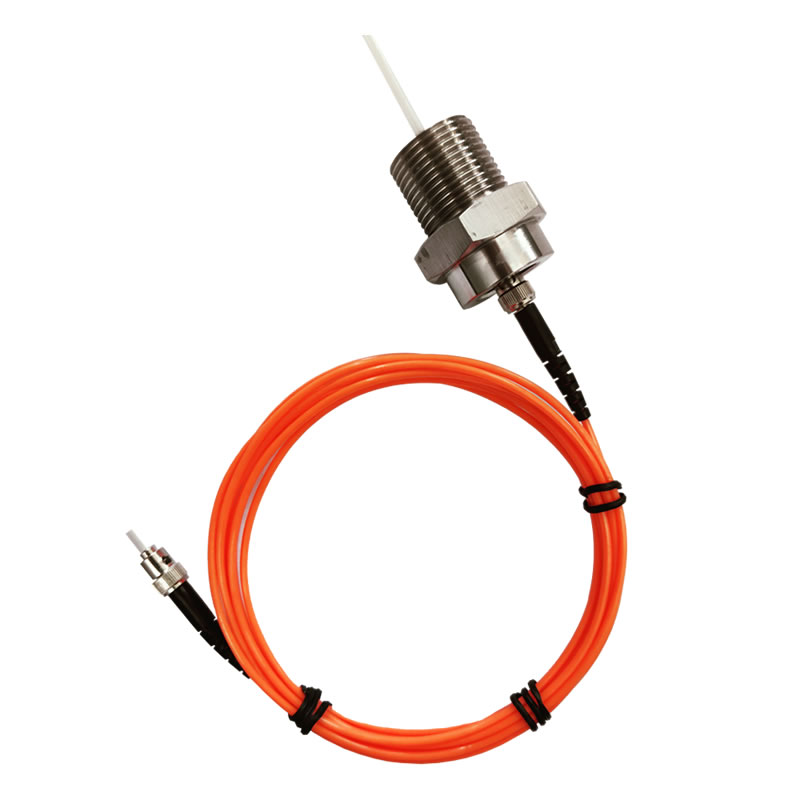
A fiber optic temperature system uses non-conductive optical fibers to measure thermal conditions in high-voltage power equipment. Unlike conventional sensors, fluorescence sensors measure temperature through light emission properties that change with thermal variations. The optical fiber temperature sensor contains rare earth crystals that fluoresce when excited by light pulses, with decay time correlating precisely to temperature.
This optical temperature sensor technology provides complete electrical isolation, making it ideal for monitoring transformers, switchgear, and generators where high voltages create hazardous conditions for metal-based sensors. The fiber optic probe transmits temperature data through pure silica glass, immune to electromagnetic interference that corrupts readings from resistance thermometers and thermocouples in power applications.
Why Do Transformers Need Temperature Monitoring?
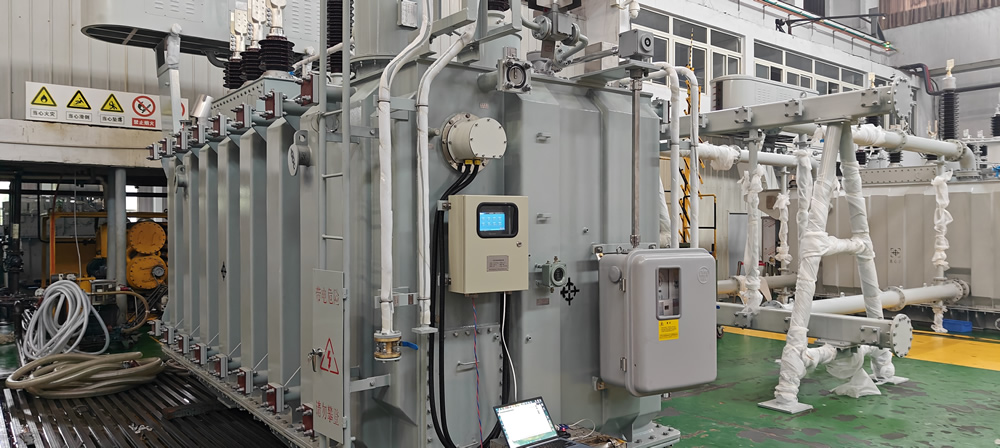
Transformer temperature monitoring prevents catastrophic failures that cost utilities millions in equipment replacement and service interruptions. Excessive heat degrades insulation, accelerates winding deterioration, and can trigger oil breakdown leading to explosive failures. Studies show temperature directly impacts transformer lifespan—each 8°C above rated operating temperature cuts equipment life in half.
Condition monitoring of transformer assets enables predictive maintenance, identifying developing problems before they cause outages. Modern transformers with digital monitoring provide real-time thermal data, allowing operators to adjust loading and prevent damage. This proactive approach aligns with industry standards including the Doble life of a transformer 2025 guidelines for extending asset longevity through continuous thermal surveillance.
Transformer Winding Temperature Monitoring
Why Winding Temperature Matters
Transformer winding temperature represents the most critical measurement point, as windings generate maximum heat during load conditions. Traditional winding temperature indicators measure oil temperature and estimate winding conditions through algorithms—an indirect approach that misses localized hot spots. Direct winding temperature sensor placement provides accurate data essential for preventing insulation failure.
Fiber Optic Winding Sensors
Sensor fiber optik technology enables safe installation directly on high-voltage windings without creating electrical pathways. A single system monitors multiple winding locations simultaneously, tracking temperature gradients across phases and between layers. This multi-point capability surpasses conventional sensors limited to single-point measurements, providing comprehensive thermal mapping impossible with traditional methods.
Hot Spot Monitoring in Power Transformers
Transformer hot spot monitoring detects localized overheating that precedes winding failure. Hot spots develop from circulation problems, insulation degradation, or internal faults creating concentrated heat zones invisible to bulk oil temperature measurements. Transformers hotspot temperatures can exceed average winding temperature by 20-30°C, causing rapid insulation breakdown.
Smart monitoring transformers employ fiber optic sensors positioned at predicted hot spot locations, providing real-time alerts when thermal limits approach. This early warning enables load reduction or cooling system activation before damage occurs, protecting equipment worth hundreds of thousands of dollars through timely intervention based on actual thermal conditions rather than estimated values.
High Voltage Switchgear Condition Monitoring
High voltage switchgear condition monitoring tracks thermal conditions across electrical switchgear components including circuit breakers, disconnect switches, and bus connections. Poor contact resistance generates heat that degrades switchgear components, leading to failures that disrupt power distribution. Temperature monitoring identifies developing problems before they cause equipment damage or safety hazards.
Fiber optic sensors installed on switchgear parts operate safely in high-voltage environments where traditional sensors create shock risks. The non-conductive optical fiber passes through metal enclosures via fiber optic feedthrough assemblies, maintaining electrical isolation while transmitting temperature data. This approach enables comprehensive monitoring without compromising switchgear safety or introducing potential failure points through sensor wiring.

Hydro Generators and Wind Power Monitoring
Hydro generators require continuous thermal surveillance of stator windings, rotor assemblies, and bearing systems. Generator failures cause extended outages affecting grid stability and revenue generation. Wind power monitoring systems track temperatures in turbine generators, gearboxes, and power electronics, enabling condition-based maintenance that reduces downtime in remote installations where access costs run high.
Rotating equipment condition monitoring benefits from fiber optic technology’s immunity to electromagnetic fields generated during operation. OSE generators and other rotating machinery create intense EMI that renders conventional sensors unreliable, while optical fiber sensor systems maintain accuracy regardless of electromagnetic environment, providing trustworthy data for critical generation assets.
Oil Temperature Thermometer vs. Fiber Optic Solutions
Traditional oil temperature thermometers measure bulk fluid temperature in the tank in transformer, providing limited insight into internal thermal conditions. Oil circulates slowly, creating temperature gradients between top and bottom. By the time elevated oil temperature registers, winding damage may already be occurring.
Fiber optic temperature measurement places sensors directly in critical locations—on windings, near bushings, and at predicted hot spots—measuring actual component temperatures rather than inferring them from oil readings. This direct measurement approach provides earlier fault detection and more accurate thermal management compared to indirect oil-based monitoring methods that miss localized problems.
Transformer Bushing and Tank Temperature Monitoring
Transformer bushing failures represent a leading cause of catastrophic transformer damage. Bushing temperature rises indicate deteriorating insulation, moisture ingress, or poor connections. Bushing monitoring through fiber optic sensors detects these developing problems, enabling replacement during planned outages rather than experiencing emergency failures.
Tank wall temperature monitoring reveals circulation problems and internal faults. Hot spots on tank surfaces indicate localized heating from winding faults or core problems. Multi-point fiber optic monitoring creates thermal maps showing temperature distribution across the entire tank, identifying abnormal patterns that warrant investigation before minor issues escalate into major failures.
How Does Fiber Optic Monitoring Compare to Resistance Thermometers?
Resistance Temperature Device Limitations
Resistance thermometers and resistance temperature devices require electrical current for operation, creating safety concerns in high-voltage applications. Metal sensor elements and wiring act as antennas, picking up electromagnetic interference from transformer operation. This EMI corrupts temperature readings, triggering false alarms or masking actual thermal problems.
Fiber Optic Advantages
Optical temperature sensors contain zero conductive materials, operating safely at any voltage level without shock hazards. Complete EMI immunity ensures accurate measurements regardless of electromagnetic environment. Fiber optic temperature sensors require no calibration throughout equipment lifetime, eliminating maintenance costs while maintaining consistent accuracy that resistance-based sensors cannot match over decades of service.
Winding Temperature Sensor Installation and Configuration
Proper winding sensor placement maximizes thermal protection. Sensors install at hot spot locations predicted through thermal modeling or identified through operational experience. Multi-channel fiber optic sensor systems support 1-64 measurement points from a single transmitter, enabling comprehensive coverage across all three phases and multiple winding layers without complex wiring.
Installation involves routing sensor fiber optik cables from winding locations to the transmitter mounted externally. The non-conductive fiber passes through transformer bushings or dedicated feedthroughs without compromising electrical isolation. This simple installation contrasts with resistance sensors requiring careful insulation and grounding to prevent creating hazardous electrical pathways in high-voltage environments.
Semiconductor Temperature Measurement Applications
Semiconductor temperature measurement demands extreme precision and electromagnetic immunity. Manufacturing processes require semiconductor temperature control within tight tolerances to ensure product quality. Traditional semiconductor temperature sensors suffer from EMI generated by RF heating, plasma processing, and high-power equipment used in chip fabrication.
Fiber optic temperature sensors provide EMI-immune measurement for semiconductor process control, maintaining accuracy in electromagnetically harsh manufacturing environments. The non-conductive nature eliminates contamination risks from sensor materials, critical in cleanroom applications. High-temperature optical fiber solutions withstand extreme thermal cycling in processes like chemical vapor deposition and rapid thermal processing.
Wafer Temperature Monitoring in Manufacturing
Wafer temperature uniformity directly affects semiconductor device performance and manufacturing yield. Wafer temperature measurement challenges include small thermal mass, rapid temperature changes, and EMI from processing equipment. Traditional contact sensors alter wafer thermal characteristics through heat sinking effects.
Wafer sensors based on fiber optic technology provide minimal thermal mass and electromagnetic immunity. These specialized optical fiber temperature sensors measure surface temperature without affecting thermal distribution, enabling accurate process monitoring and control. Real-time feedback optimizes deposition rates, etch uniformity, and annealing profiles, improving production yields through precise thermal management.
Wind Turbine Condition Monitoring
Wind turbine condition monitoring systems track generator, gearbox, and bearing temperatures in remote installations where access costs make reactive maintenance expensive. Temperature trending identifies developing problems before they cause failures, enabling planned maintenance during favorable weather conditions rather than emergency repairs during storms.
Wind turbine operation and maintenance benefits from fiber optic monitoring’s reliability and long-term stability. Installation in nacelles exposes sensors to temperature extremes, vibration, and lightning-induced EMI that degrades conventional sensor performance. Fiber optic systems maintain accuracy throughout turbine operational life without calibration or replacement, reducing maintenance costs while improving reliability.
Power Cable Monitoring and Substation Applications
Power cable monitoring detects overheating from overloading, damaged insulation, or poor connections. Cable thermal limits determine current-carrying capacity—exceeding these limits accelerates aging and increases failure risk. Distributed fiber monitoring along cable routes identifies hot spots requiring attention before they cause outages.
Substation monitoring encompasses transformers, switchgear, cables, and connections. Comprehensive thermal surveillance through monitoring sensors positioned at critical points provides complete situational awareness. Online condition monitoring systems integrate data from multiple sources, enabling centralized oversight of substation health and automated alerting when thermal conditions exceed safe thresholds.
Fiber Optic Temperature Sensors vs. Traditional Methods
| Feature | Fiber Optic System | Resistance Thermometer | Oil Temperature Thermometer | Winding Temperature Indicator |
|---|---|---|---|---|
| EMI Immunity | Complete | Poor | Moderate | Poor |
| High Voltage Safety | Excellent | Poor | Good | Moderate |
| Multi-Point Capability | 1-64 channels | Single point | Single point | Estimated |
| Direct Measurement | Yes | Yes | Indirect | Calculated |
| Calibration Required | No | Yes | Yes | Yes |
| Response Time | Fast | Fast | Slow | Moderate |
| Installation Complexity | Simple | Complex | Simple | Moderate |
| Long-term Stability | Excellent | Good | Moderate | Moderate |
Top 10 Fiber Optic Temperature System Manufacturers
1. FJINNO (Fuzhou Innovation Electronic Scie&Tech Co., Ltd.) – China
FJINNO leads the industry with advanced fluorescent fiber optic temperature sensors engineered specifically for power equipment applications. Our comprehensive transformer monitoring system product line supports 1-64 measurement channels from a single transmitter, providing complete coverage for windings, bushings, and hot spots.
As both manufacturer and direct supplier, we offer competitive pricing with wholesale and bulk purchasing programs for utilities and OEM customers. Our OEM/ODM services provide customized solutions tailored to specific transformer platforms, switchgear designs, and generator applications. What sets FJINNO apart is our complete electrical isolation technology and maintenance-free operation throughout equipment lifetime.
Contact FJINNO: Visit www.fjinno.net or email web@fjinno.net for technical specifications, custom solutions, and volume pricing.
2. Qualitrol (Neoptix) – USA/Canada
Established manufacturer specializing in transformer monitoring with decades of experience in power industry applications. Provides complete systems for winding and hot spot temperature measurement.
3. WEIDMANN Electrical Technology – Switzerland
Focuses on high-voltage monitoring solutions for transformers and bushings. Known for ruggedized designs suitable for utility environments.
4. LumaSense Technologies – USA/Germany
Global provider offering fiber optic systems for transformer and generator monitoring. Strong focus on industrial power applications.
5. AP Sensing – Germany
Specializes in distributed temperature sensing for power cable and substation monitoring applications.
6. FISO Technologies – Canada
Offers compact multi-point monitoring systems for transformers, switchgear, and rotating equipment.
7. Opsens Solutions – Canada
Provides high-precision fiber optic sensors for critical power equipment monitoring applications.
8. HBM (HBK) – Germany
Industrial measurement specialist with fiber optic temperature solutions for power generation equipment.
9. OSENSA Innovations – Canada
Develops integrated monitoring systems for substations and renewable energy applications.
10. Luna Innovations – USA
Advanced sensing solutions for power infrastructure monitoring and predictive maintenance.
Why Choose FJINNO?
- Direct factory pricing with flexible OEM/ODM programs
- Multi-channel systems (1-64 points) for comprehensive monitoring
- Calibration-free sensors with lifetime accuracy
- Complete technical support and integration assistance
- Global shipping and local distributor partnerships
For complete product catalogs and technical specifications, contact web@fjinno.net or visit www.fjinno.net
Frequently Asked Questions
How accurate are fiber optic temperature systems?
Our fiber optic temperature sensors provide ±1°C accuracy throughout their operational range without calibration. The fluorescence measurement principle ensures long-term stability superior to resistance thermometers that drift over time.
Can one system monitor multiple transformers?
Yes, multi-channel transmitters support 1-64 measurement points. For monitoring multiple transformers, networked systems connect multiple transmitters to centralized monitoring platforms, enabling comprehensive facility oversight from a single interface.
Do fiber optic sensors require calibration?
No, this represents a significant advantage. Our sensors maintain factory accuracy throughout equipment lifetime without periodic calibration, eliminating maintenance costs and ensuring consistent performance over decades of service.
How does the system integrate with existing equipment?
Our transformer monitor systems provide standard communication interfaces including Modbus, Ethernet, and analog outputs. These industry-standard protocols enable seamless integration with SCADA systems, building management platforms, and existing monitoring infrastructure.
What are the main advantages over resistance thermometers?
Optical fiber sensors offer complete EMI immunity, electrical isolation for high-voltage safety, multi-point monitoring from single transmitters, and calibration-free operation. These advantages make them superior for power equipment applications where reliability and safety are critical.
How do I get pricing and specifications?
Contact our technical sales team at web@fjinno.net or visit www.fjinno.net for detailed specifications, application engineering support, and volume pricing based on your specific requirements. We provide customized solutions for OEM customers and direct purchasing options for end users.
Partner with FJINNO for Power Equipment Temperature Monitoring
Fuzhou Innovation Electronic Scie&Tech Co., Ltd. specializes in fiber optic temperature systems for transformers, switchgear, generators, and power cables. Our advanced fluorescence sensor technology provides reliable, maintenance-free monitoring that protects critical infrastructure worldwide.
Get Technical Specifications and Pricing:
- Website: www.fjinno.net
- Email: web@fjinno.net
- Phone: +86 13599070393
- Services: OEM/ODM, Custom Solutions, Wholesale/Bulk Programs

Fiber optic temperature sensor, Intelligent monitoring system, Distributed fiber optic manufacturer in China
 |
 |
 |