 INNO fibre optic temperature sensors ,temperature monitoring systems.
Table of Contents
- What is Switchgear Bus
- Applications and Uses of Switchgear Busbars
- Types of Switchgear Bus Systems
- Key Characteristics and Features
- Common Failures in Busbar Systems
- Maintenance Best Practices
- Temperature Monitoring Sensors for Switchgear Bus
- Top 10 Switchgear Bus Monitoring System Manufacturers
- Frequently Asked Questions
What is Switchgear Bus
A switchgear bus, commonly referred to as a busbar or bus conductor, is a critical electrical component that serves as a central connection point for distributing electrical power within medium voltage switchgear and high voltage substations. The electrical busbar acts as a metallic strip or bar—typically made of copper or aluminum—that conducts electricity and allows multiple circuits to connect to a common power source.
In modern power distribution systems, the switchgear bus functions as the backbone of electrical infrastructure, enabling efficient power transfer from incoming supply lines to various outgoing feeders. These conductor bars are designed to handle substantial electrical currents while maintaining minimal voltage drop and heat generation across the distribution network.
Core Components of Bus Systems
The typical busbar assembly consists of several integrated elements including the main bus conductor, insulating supports, connection terminals, and protective enclosures. Modern switchgear busbars incorporate advanced materials and engineering designs to ensure reliable operation under varying load conditions and environmental factors.
Metal-enclosed bus systems provide enhanced safety by housing the conductors within protective casings, reducing the risk of accidental contact and environmental contamination. The design considerations for these systems account for thermal expansion, electromagnetic forces during fault conditions, and long-term mechanical stability.
Applications and Uses of Switchgear Busbars
Switchgear bus systems serve essential functions across diverse industrial, commercial, and utility applications. Understanding where and how these power distribution busbars are deployed helps facility managers and electrical engineers make informed decisions about system design and maintenance strategies.
Industrial Manufacturing Facilities
In manufacturing plants, industrial busbars distribute power to heavy machinery, production lines, and automated systems. These facilities require robust bus duct systems capable of handling continuous high-current loads while providing flexible connection points for equipment reconfiguration. The copper busbar or aluminum busbar installation must accommodate the demanding duty cycles typical of industrial operations.
Commercial Buildings and Data Centers
Modern commercial electrical systems rely on efficient busbar networks to supply power to HVAC systems, lighting, elevators, and critical IT infrastructure. Data center busbars require exceptional reliability and redundancy, often incorporating dual-feed configurations and advanced monitoring capabilities to prevent downtime that could result in significant financial losses.
Utility Substations and Power Plants
Substation bus systems form the critical junction points where transmission voltages are transformed and distributed to local networks. Power generation facilities use heavy-duty generator busbars to collect and transmit electrical output from multiple generating units. These applications demand the highest standards of design, construction, and ongoing maintenance.
Renewable Energy Installations
Solar farms, wind facilities, and battery storage systems utilize specialized busbar configurations to aggregate power from distributed sources. These installations often face unique challenges including outdoor environmental exposure, variable power flows, and integration with conventional grid infrastructure.
Types of Switchgear Bus Systems
The electrical industry has developed various busbar system types to meet different application requirements, voltage levels, and installation constraints. Selecting the appropriate configuration requires careful analysis of electrical load characteristics, available space, safety requirements, and future expansion needs.
Single Bus Configuration
The single bus arrangement represents the simplest and most economical design, where all circuits connect to a common busbar. This configuration suits applications with limited circuit quantities and where brief outages for maintenance are acceptable. However, any fault on the main bus requires complete system shutdown, making it less suitable for critical operations.
Main and Transfer Bus Scheme
A main and transfer bus system provides enhanced flexibility by incorporating a secondary bus that can temporarily assume circuit connections during maintenance activities. This arrangement allows individual circuit breaker maintenance without interrupting power flow, though it requires additional switching equipment and control complexity.
Double Bus Double Breaker
For maximum reliability, double bus configurations employ two independent busbars with each circuit connected through two circuit breakers. This premium arrangement enables maintenance on either bus section without service interruption and provides superior fault isolation capabilities, making it ideal for critical infrastructure and large substations.
Ring Bus Architecture
The ring bus topology connects circuit breakers in a closed loop, eliminating the need for a dedicated main bus. This configuration offers excellent reliability and allows maintenance on any single breaker without system shutdown. Ring bus schemes are particularly popular in high-voltage transmission substations.
Segregated Phase Bus vs. Non-Segregated Phase Bus
Segregated phase bus systems house each phase conductor in a separate metal enclosure, providing maximum isolation and reducing electromagnetic interference. In contrast, non-segregated phase bus designs place all three phases within a common enclosure, offering a more compact and economical solution suitable for most medium-voltage applications.
Key Characteristics and Features
Understanding the fundamental characteristics of switchgear busbars enables engineers to specify systems that will perform reliably throughout their operational lifetime. These features directly impact system efficiency, safety, and maintenance requirements.
Current Carrying Capacity
The ampacity rating of a busbar represents its ability to conduct electrical current continuously without exceeding temperature limits. Proper busbar sizing must account for normal load current, ambient temperature conditions, installation method, and future load growth. Undersized conductors lead to excessive heat generation, accelerated insulation degradation, and potential system failures.
Short Circuit Withstand Capability
Fault current ratings define the maximum instantaneous current that busbar systems can withstand without mechanical or thermal damage. During short circuit events, electromagnetic forces between conductors can reach extreme levels, requiring robust mechanical support systems and properly calculated conductor spacing to prevent catastrophic failures.
Thermal Management Properties
Effective heat dissipation is crucial for busbar longevity and system efficiency. The surface area, material conductivity, connection quality, and ventilation design all influence the thermal behavior of bus conductor systems. Poor thermal management results in hotspots that accelerate aging, increase losses, and create fire hazards.
Material Selection and Conductivity
Copper busbars offer superior electrical conductivity and mechanical strength but come at higher material costs. Aluminum busbars provide an economical alternative with lighter weight, though they require larger cross-sections to achieve equivalent current capacity. The choice between materials depends on project budget, space constraints, and specific application requirements.
Insulation Class and Environmental Protection
The insulation system must be rated for the operating voltage and environmental conditions. Indoor installations may use air-insulated designs, while outdoor or harsh environments require epoxy-coated, gas-insulated, or fully sealed metal-enclosed busbars. Protection ratings (IP codes) indicate resistance to dust and moisture ingress.
Common Failures in Busbar Systems
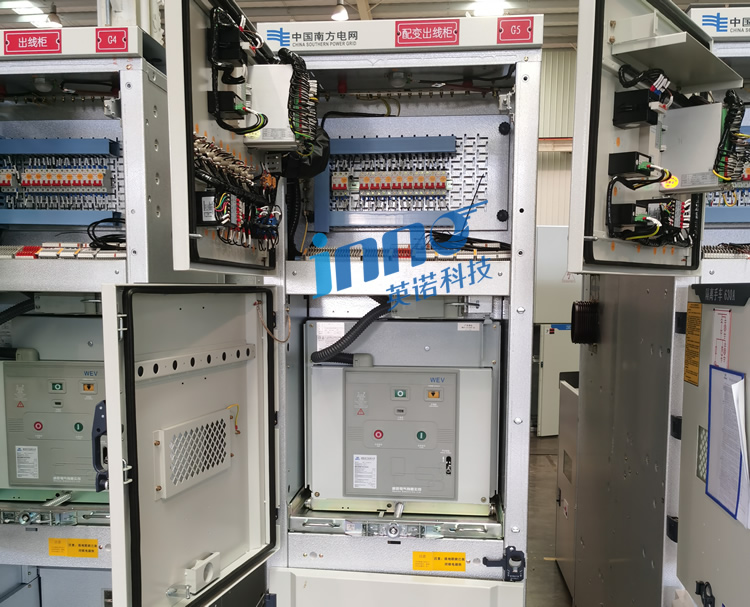
Despite robust engineering and quality manufacturing, switchgear bus failures occur due to various factors including design inadequacies, installation errors, environmental stress, and aging. Recognizing common failure modes helps maintenance teams implement effective monitoring and preventive measures.
Connection Joint Overheating
Bolted connection failures represent the most frequent cause of busbar problems. Over time, thermal cycling causes expansion and contraction that can loosen mechanical connections, increasing contact resistance. This elevated resistance generates localized heating, which further accelerates deterioration in a destructive feedback loop. Poor initial installation torque, dissimilar metal corrosion, and vibration all contribute to connection degradation.
Insulation Breakdown and Tracking
Insulation failure occurs when the dielectric strength of insulating materials diminishes below the operating voltage stress. Contamination from dust, moisture, or conductive particles creates surface tracking paths that can lead to flashover events. Thermal aging, mechanical damage during installation, and prolonged overvoltage conditions accelerate insulation deterioration.
Conductor Overload and Thermal Runaway
When load currents exceed design ratings, busbar overheating initiates a progressive failure mechanism. Elevated temperatures increase conductor resistance, which generates additional heat, further raising temperature in an accelerating cycle. Without intervention, this thermal runaway can result in insulation failure, conductor annealing, or catastrophic fire.
Mechanical Stress and Vibration Damage
Electromagnetic forces during normal operation and fault conditions subject busbars to mechanical stress. Inadequate support spacing allows excessive deflection and vibration, leading to fatigue cracking, support insulator damage, and connection loosening. Resonant frequencies can amplify vibration effects, particularly in long unsupported bus runs.
Corrosion and Environmental Degradation
Exposure to moisture, chemical contaminants, and salt-laden atmospheres causes busbar corrosion that increases resistance and reduces mechanical strength. Galvanic corrosion at dissimilar metal junctions (such as aluminum-to-copper transitions) is particularly problematic. Protective coatings and proper material selection mitigate these risks in harsh environments.
Partial Discharge and Erosion
Partial discharge activity in gas-insulated or enclosed bus systems gradually erodes conductor surfaces and decomposes insulating materials. These localized electrical discharges occur at voids, sharp edges, or contamination sites where electric field stress exceeds local breakdown strength. Long-term partial discharge activity ultimately leads to complete insulation failure.
Maintenance Best Practices
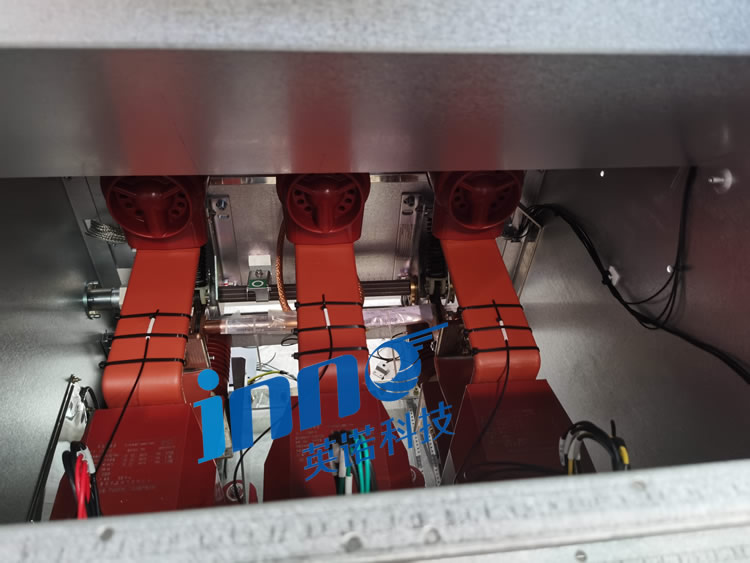
Implementing a comprehensive busbar maintenance program significantly extends system life, prevents unexpected failures, and maintains optimal electrical efficiency. Effective maintenance combines periodic inspections, condition monitoring, and timely interventions based on equipment condition rather than arbitrary time intervals.
Visual Inspection Protocols
Regular visual inspections identify obvious problems before they escalate into failures. Trained personnel should examine busbars for discoloration indicating overheating, visible corrosion, physical damage, contamination accumulation, and signs of arcing or tracking. Thermal imaging surveys complement visual inspections by revealing hotspots invisible to the naked eye.
Thermographic Surveys and Temperature Monitoring
Infrared thermography has become the standard tool for detecting overheating busbar connections and conductors. Periodic thermal scans identify temperature anomalies that indicate developing problems, allowing corrective action before failure occurs. Advanced facilities implement continuous temperature monitoring systems that provide real-time alerts when temperatures exceed preset thresholds.
Connection Resistance Testing
Micro-ohm testing measures the resistance of bolted connections to detect degradation before significant heating occurs. Comparing current readings with baseline values or manufacturer specifications identifies connections requiring remediation. This testing should be performed during scheduled outages using specialized low-resistance ohmmeters.
Torque Verification and Retightening
Periodic torque checks ensure that bolted connections maintain proper contact pressure. Thermal cycling gradually loosens connections, necessitating retightening to manufacturer specifications. Using calibrated torque wrenches and following proper tightening sequences prevents both under-torquing (leading to high resistance) and over-torquing (causing conductor damage).
Insulation Testing Procedures
Insulation resistance testing using megohmmeters verifies the integrity of insulating materials and identifies deterioration trends. Test voltages should be appropriate for the system rating, and readings should be compared with historical data to identify degradation patterns. Significant decreases in insulation resistance warrant further investigation and possible remediation.
Cleaning and Contamination Control
Dust, moisture, and conductive contamination significantly impact busbar performance. Establishing appropriate cleaning intervals based on environmental conditions prevents contamination buildup that can lead to tracking and flashover. Cleaning procedures must use approved methods and materials that don’t damage insulation or conductive surfaces.
Preventive Maintenance Scheduling
Developing a risk-based maintenance schedule optimizes resource allocation by focusing efforts on the most critical equipment and highest-risk failure modes. Factors influencing maintenance frequency include equipment age, loading level, environmental conditions, historical performance, and consequences of failure. Critical systems warrant more frequent attention than redundant or non-essential installations.
Temperature Monitoring Sensors for Switchgear Bus

Advanced temperature monitoring technologies have revolutionized busbar condition assessment by enabling continuous surveillance rather than relying solely on periodic inspections. Understanding the capabilities and limitations of various sensor types helps engineers select optimal solutions for their specific applications.
Wireless Temperature Sensors
Wireless temperature monitoring systems attach directly to busbar conductors and transmit readings via radio frequency signals to remote receivers. These battery-powered devices eliminate the need for wiring between high-voltage conductors and ground-level monitoring equipment, simplifying installation in existing switchgear.
Advantages of Wireless Systems
- Retrofit installation without extensive modifications to existing equipment
- No wiring required between sensors and monitoring stations
- Ability to monitor multiple points throughout switchgear installations
- Remote access to real-time temperature data
Limitations of Wireless Technology
- Battery replacement requirements create ongoing maintenance obligations
- Radio frequency interference can affect signal reliability in some environments
- Limited battery life reduces long-term reliability compared to passive systems
- Higher initial sensor costs compared to traditional thermocouples
Infrared Temperature Measurement
Infrared thermal imaging systems provide non-contact temperature assessment using cameras that detect thermal radiation emitted from surfaces. Permanently installed infrared sensors can monitor critical busbar connections continuously, while portable thermal cameras enable periodic comprehensive surveys of entire installations.
Benefits of Infrared Monitoring
- Non-invasive measurement without physical contact with energized equipment
- Visual thermal maps reveal temperature distributions and hotspot locations
- Rapid scanning of large installations during periodic surveys
- No impact on electrical system operation or reliability
Infrared System Drawbacks
- Line-of-sight requirements limit monitoring of enclosed or obstructed components
- Surface emissivity variations affect measurement accuracy
- Optical windows in metal-enclosed switchgear may degrade or become contaminated
- Higher equipment costs for permanently installed monitoring systems
Fiber Optic Temperature Sensors
Fluorescent fiber optic sensors represent the most advanced technology for switchgear bus temperature monitoring, offering unique advantages that address limitations of other technologies. These systems utilize optical fibers with special fluorescent material at the sensing tip that exhibits temperature-dependent light emission characteristics.
Fluorescent Fiber Optic Advantages
- Immunity to electromagnetic interference ensures reliable operation in high-voltage environments with intense electromagnetic fields
- Intrinsic electrical isolation eliminates any electrical connection between high-voltage busbars and monitoring equipment
- No power requirement at sensor location provides indefinite operational life without battery replacement
- High accuracy and stability maintain calibration over decades of service life
- Small sensor size enables installation in confined spaces within switchgear assemblies
- Chemical and corrosion resistance suit harsh industrial environments
Resistance Temperature Detectors (RTDs)
RTD sensors utilize the principle that electrical resistance of certain metals changes predictably with temperature. Platinum RTDs offer excellent accuracy and long-term stability, making them suitable for precision busbar monitoring applications where wiring installation is feasible.
Thermocouples
Thermocouple sensors generate small voltages proportional to temperature through the junction of dissimilar metals. These rugged, economical sensors suit high-temperature applications but require careful installation and compensation for reference junction temperatures to achieve acceptable accuracy.

Comparative Analysis of Temperature Sensing Technologies
| Feature | Fluorescent Fiber Optic | Wireless RF | Infrared | RTD | Thermocouple |
|---|---|---|---|---|---|
| Electrical Isolation | Complete isolation | Isolated | Non-contact | Requires isolation | Requires isolation |
| EMI Immunity | Total immunity | Susceptible | Not applicable | Moderate susceptibility | High susceptibility |
| Power Requirements | None at sensor | Battery powered | System power only | External excitation | Self-powered |
| Operational Lifespan | 30+ years | 3-5 years (battery) | 20+ years | 20+ years | 20+ years |
| Measurement Accuracy | ±0.5°C | ±2-3°C | ±2-5°C | ±0.1-0.5°C | ±1-2°C |
| Installation Complexity | Moderate | Simple | Simple to moderate | Complex (wiring) | Moderate |
| Maintenance Needs | Minimal | Battery replacement | Window cleaning | Minimal | Minimal |
| Initial Cost | Moderate to high | Moderate | High (permanent) | Low to moderate | Low |
| Long-term Reliability | Excellent | Good | Very good | Excellent | Good |
The fluorescent fiber optic technology emerges as the optimal solution for critical switchgear bus monitoring applications where reliability, accuracy, and long-term performance justify the investment. The complete immunity to electromagnetic interference and elimination of maintenance requirements deliver superior total cost of ownership despite potentially higher initial costs compared to conventional technologies.

Top 10 Switchgear Bus Monitoring System Manufacturers
The global market for switchgear monitoring systems includes specialized manufacturers delivering innovative solutions for temperature monitoring, partial discharge detection, and comprehensive condition assessment. These industry leaders combine advanced sensor technologies with sophisticated analytics to help facility operators prevent failures and optimize maintenance strategies.
1. FJINNO (China)
Founded: 2011
Company Overview: FJINNO has established itself as a leading innovator in fiber optic sensing technology for electrical power systems. Based in Fujian, China, the company specializes in developing advanced monitoring solutions specifically designed for medium and high-voltage switchgear applications. With over a decade of research and development expertise, FJINNO has deployed monitoring systems across power utilities, industrial facilities, and critical infrastructure projects throughout Asia, Europe, and emerging markets worldwide.
Product Portfolio: FJINNO’s flagship offerings include fluorescent fiber optic temperature monitoring systems that provide continuous real-time surveillance of busbar connections, circuit breaker contacts, and cable terminations. Their solutions integrate seamlessly with existing SCADA infrastructure, offering both standalone monitoring units and networked enterprise systems. The company’s product line encompasses distributed temperature sensing for long cable runs, point sensors for critical connections,and multi-channel monitoring platforms supporting of measurement points. Advanced analytics capabilities include trend analysis, predictive algorithms, and automated alarming for proactive maintenance scheduling.
2. ABB (Switzerland)
Founded: 1988 (through merger, with roots dating to 1883)
Company Overview: ABB operates as a global technology leader serving utilities, industry, and infrastructure sectors across more than 100 countries. The company’s Power Grids division delivers comprehensive solutions for electrical transmission and distribution, including advanced monitoring and diagnostic systems for switchgear installations. ABB’s extensive experience in power system engineering informs their approach to condition monitoring technology development.
Product Portfolio: ABB offers integrated switchgear monitoring solutions combining temperature sensors, partial discharge detection, humidity monitoring, and circuit breaker analytics. Their systems support both retrofit applications for existing installations and factory-integrated monitoring in new switchgear assemblies. Cloud-connected platforms enable remote condition assessment and centralized fleet management across geographically distributed installations.
3. Siemens Energy (Germany)
Founded: 2020 (spun off from Siemens AG, established 1847)
Company Overview: Siemens Energy focuses exclusively on energy technology, bringing together decades of expertise in power generation, transmission, and distribution. The company’s digitalization initiatives emphasize predictive maintenance and asset optimization through advanced monitoring and analytics. Global service networks provide installation, commissioning, and ongoing support for monitoring system deployments.
Product Portfolio: The Siemens Energy monitoring portfolio includes wireless temperature sensors, infrared monitoring cameras, and comprehensive diagnostic platforms for medium-voltage switchgear. Integration with the company’s MindSphere IoT platform enables advanced analytics, machine learning-based predictions, and mobile access to monitoring data. Solutions address both air-insulated and gas-insulated switchgear configurations.
4. Schneider Electric (France)
Founded: 1836
Company Overview: Schneider Electric ranks among the world’s largest providers of energy management and automation solutions. The company’s EcoStruxure platform emphasizes connected products, edge control, and analytics applications across building, data center, industry, and infrastructure segments. Sustainability and energy efficiency drive much of Schneider’s innovation agenda.
Product Portfolio: Schneider’s busbar monitoring systems leverage wireless sensor networks, infrared windows with automated scanning, and integrated monitoring in Premset and SM6 medium-voltage switchgear ranges. EcoStruxure Power Monitoring Expert software provides enterprise-wide visibility into electrical system conditions, integrating temperature data with power quality measurements and energy consumption analytics.
5. GE Grid Solutions (United States)
Founded: 1892 (General Electric), Grid Solutions formed 2015
Company Overview: GE Grid Solutions, now part of GE Vernova following recent corporate restructuring, delivers equipment and services for power transmission and distribution networks globally. The business unit combines manufacturing operations with engineering services, digital solutions, and lifecycle support for utility and industrial customers. Innovation efforts emphasize grid modernization, renewable integration, and asset performance optimization.
Product Portfolio: GE’s monitoring solutions include thermal imaging systems, online partial discharge monitoring, and comprehensive asset health platforms that correlate multiple condition indicators. Products support both legacy GE switchgear installations and multi-vendor environments, with particular strength in gas-insulated switchgear monitoring for transmission substations.
6. OMICRON Electronics (Austria)
Founded: 1984
Company Overview: OMICRON specializes in testing and diagnostic solutions for electrical power systems, with particular expertise in protection relay testing, transformer diagnostics, and partial discharge assessment. The company maintains a strong research focus, collaborating with universities and utility research organizations to advance condition monitoring methodologies. OMICRON’s products are recognized for precision, reliability, and innovation in challenging measurement applications.
Product Portfolio: OMICRON’s offerings emphasize partial discharge monitoring systems for early detection of insulation degradation in switchgear and cables. Temperature monitoring capabilities integrate with broader diagnostic platforms that assess multiple aspects of equipment health. Portable test equipment complements permanently installed monitoring systems, supporting both online condition assessment and offline commissioning tests.
7. Qualitrol (United States)
Founded: 1945
Company Overview: Qualitrol focuses exclusively on condition monitoring and asset protection solutions for electrical apparatus including transformers, switchgear, circuit breakers, and motors. As part of the Fortive Corporation, Qualitrol leverages advanced sensing technologies and predictive analytics to help utilities and industrial operators optimize maintenance and prevent failures. The company’s heritage includes pioneering work in Buchholz relays and transformer monitoring.
Product Portfolio: Qualitrol’s switchgear monitoring systems incorporate fiber optic temperature sensors, infrared monitoring solutions, and multi-function platforms that combine temperature, humidity, and gas monitoring. Their solutions emphasize reliability in harsh environments, with particular strength in utility substation applications requiring long-term unattended operation.
8. Eaton (Ireland/United States)
Founded: 1911
Company Overview: Eaton’s Electrical business serves diverse markets including utilities, data centers, commercial buildings, and industrial facilities. The company’s intelligent power management philosophy emphasizes connectivity, monitoring, and automation to improve reliability and efficiency. Global manufacturing and service capabilities support both new installations and modernization of existing electrical infrastructure.
Product Portfolio: Eaton offers wireless temperature monitoring for medium-voltage switchgear, integrated monitoring in VacClad and VCP-W switchgear products, and enterprise management platforms. Solutions address both utility distribution substations and industrial plant electrical rooms, with scalability from single switchgear lineups to facility-wide networks.
9. Megger (United Kingdom)
Founded: 1889
Company Overview: Megger has over a century of heritage in electrical test equipment manufacturing, with the company name becoming synonymous with insulation testing worldwide. Modern Megger encompasses a broad portfolio of test and measurement solutions for electrical power systems, cables, transformers, and rotating machinery. The company maintains strong relationships with utility and industrial maintenance organizations globally.
Product Portfolio: Megger’s monitoring solutions include online partial discharge systems, portable thermal imaging cameras, and diagnostic platforms for comprehensive asset assessment. While known primarily for portable test equipment, Megger has expanded into permanently installed monitoring systems that provide continuous surveillance of critical electrical assets including switchgear busbars.
10. Doble Engineering (United States)
Founded: 1920
Company Overview: Doble Engineering, part of the ESCO Technologies group, specializes in diagnostic testing solutions and condition monitoring systems for electrical power apparatus. The company’s strong utility customer base and technical training programs have established Doble as a trusted advisor for asset management strategies. Diagnostic databases compiled over decades provide valuable benchmarking capabilities for condition assessment.
Product Portfolio: Doble’s monitoring platforms emphasize multi-parameter surveillance of switchgear, combining partial discharge detection, temperature monitoring, gas analysis, and humidity tracking. Cloud-based analytics leverage machine learning algorithms trained on extensive historical databases to identify emerging problems and prioritize maintenance interventions. Solutions support both centralized utility operations and distributed industrial installations.
Frequently Asked Questions
What is the difference between a busbar and a bus duct?
A busbar refers specifically to the metallic conductor bars (typically copper or aluminum) that carry electrical current within switchgear or other electrical equipment. A bus duct, also called busway, is a complete prefabricated system that includes the conductor bars plus protective enclosures, insulation, and often provisions for tap-off connections along its length. Bus ducts are commonly used for distributing power across facilities, while busbars are the core conducting elements within switchgear, panelboards, and similar equipment.
How often should switchgear busbars be inspected?
Inspection frequency depends on several factors including equipment criticality, operating environment, loading level, and equipment age. General industry practice recommends thermographic surveys annually for most installations, with more frequent monitoring (quarterly or even continuous) for critical systems that cannot tolerate unexpected failures. Visual inspections during scheduled outages should occur at intervals ranging from one to five years based on environmental conditions. Facilities in harsh environments or those experiencing historical problems warrant more aggressive inspection schedules.
What causes hotspots in busbar connections?
Elevated resistance at connection points is the primary cause of hotspots in busbar systems. This increased resistance results from loose bolted connections due to inadequate initial torque or gradual loosening from thermal cycling, corrosion at contact surfaces especially in harsh environments, contamination reducing contact area, dissimilar metal junctions without proper transition plates, or damaged contact surfaces from arcing or mechanical stress. The increased resistance converts electrical energy into heat at the problematic connection.
Can aluminum and copper busbars be connected directly?
Direct connection of aluminum and copper conductors creates a galvanic corrosion cell that rapidly degrades the aluminum, particularly in the presence of moisture. Proper connection requires specialized bi-metallic transition plates or connectors designed specifically for this application. These transition devices utilize mechanical barriers and/or coatings to prevent electrochemical interaction between the dissimilar metals while providing reliable electrical contact. Alternatively, tin-plated copper or silver-plated aluminum surfaces can reduce but not eliminate corrosion concerns.
What temperature rise is acceptable for switchgear busbars?
Industry standards including IEEE and IEC specifications typically limit busbar temperature rise to 65°C above ambient for bare copper or aluminum conductors, and 55°C for silver-plated surfaces at rated continuous current. Bolted connections may be limited to 50°C rise. These limits ensure that conductor annealing does not occur and that adjacent insulation materials remain within their thermal ratings. Higher temperature classes exist for special applications, but exceeding standard limits accelerates aging and increases failure risk.
How does current affect busbar sizing requirements?
Busbar cross-sectional area must be sufficient to carry the maximum continuous current while maintaining acceptable temperature rise. The relationship is not linear—doubling the current requires more than doubling the conductor cross-section due to thermal considerations. Factors influencing sizing include the conductor material (copper vs aluminum), surface treatment, installation method (enclosed vs. open air), ambient temperature, altitude, and desired temperature rise. Standards provide detailed calculation methods, and manufacturers typically offer ampacity tables for standard configurations.
What is the typical lifespan of a switchgear busbar system?
Well-designed and properly maintained busbar systems can operate reliably for 30-40 years or more. The actual lifespan depends heavily on loading patterns, environmental conditions, maintenance quality, and installation workmanship. Busbars themselves rarely wear out—failures typically occur at connections or due to insulation degradation. Systems in clean, temperature-controlled indoor environments with proper maintenance significantly outlast those in harsh outdoor or industrial settings. Regular monitoring and preventive maintenance extend operational life by addressing problems before they cause irreparable damage.
Why is electromagnetic interference a concern for temperature sensors in switchgear?
The intense electromagnetic fields surrounding high-current busbars can induce voltages in nearby conductors, interfere with electronic sensor circuits, and create measurement errors in conventional temperature sensing systems. Wireless sensors may experience communication disruptions, while wired sensors with metallic leads can pick up noise that corrupts readings. This is why fiber optic sensors offer significant advantages—the non-conductive optical fibers are completely immune to electromagnetic interference, ensuring reliable measurements even in the most electrically noisy environments.
What safety precautions are necessary when working on switchgear busbars?
Work on energized switchgear requires qualified electrical workers, proper personal protective equipment (PPE), and strict adherence to safety procedures. The system must be de-energized, locked out, tagged out, and tested to verify the absence of voltage before personnel contact any conductive parts. Arc flash hazard analysis determines required PPE levels. Even after de-energization, stored energy in capacitors or induced voltages from nearby circuits present shock hazards. Proper grounding, insulated tools, and maintenance of safe approach distances from energized parts are essential. Many maintenance activities can be performed safely using non-contact methods such as infrared thermography or properly installed permanent monitoring systems.
How do environmental conditions affect busbar performance?
Temperature, humidity, and contamination significantly impact busbar system reliability and efficiency. High ambient temperatures reduce the current-carrying capacity and accelerate aging of insulation materials. Humidity promotes corrosion, particularly at bolted connections and on aluminum surfaces. Dust and conductive contamination create tracking paths on insulators that can lead to flashover. Chemical vapors in industrial environments attack both conductors and insulation. Proper environmental control through HVAC systems, regular cleaning, protective coatings, and appropriate enclosure ratings mitigate these effects and extend equipment life.

Fiber optic temperature sensor, Intelligent monitoring system, Distributed fiber optic manufacturer in China
 |
 |
 |