 INNO fibre optic temperature sensors ,temperature monitoring systems.
- Fiber optic temperature monitoring provides superior electrical isolation and EMI immunity for dry-type transformers
- Fluorescent fiber optic sensors measure temperature from -40°C to 260°C with ±1°C accuracy and sub-second response time
- Multi-channel systems support 1-64 monitoring points per transmitter for comprehensive transformer protection
- Critical monitoring locations include high-voltage windings, low-voltage windings, core joints, and cable connections
- Compliant with IEC and GB standards for transformer temperature monitoring and safety requirements
- Applicable to rectifier transformers, traction transformers, power transformers, and various industrial transformer types
- SCADA and BMS integration enables centralized monitoring and predictive maintenance capabilities
Table of Contents
- What Is Fiber Optic Temperature Monitoring for Dry-Type Transformers?
- Why Dry-Type Transformers Need Real-Time Temperature Monitoring Systems
- Common Causes of Hot Spot Failures in Dry-Type Transformer Windings
- Critical Temperature Monitoring Points in Dry-Type Transformers
- How Fluorescent Fiber Optic Sensors Work for Transformer Temperature Measurement
- Fiber Optic vs Traditional Temperature Sensors: Which Is Better for Transformers?
- Top 5 Advantages of Fiber Optic Temperature Monitoring in High-Voltage Transformers
- Technical Specifications: Fluorescent Fiber Optic Temperature Sensors for Transformers
- Multi-Point Temperature Monitoring Systems for Large Dry-Type Transformers
- Installation Considerations for Fiber Optic Temperature Sensors in Transformer Windings
- IEC and GB Standards for Transformer Temperature Monitoring Systems
- How to Prevent Transformer Overheating with Continuous Temperature Monitoring
- Fiber Optic Temperature Monitoring for Different Transformer Types
- How to Select the Right Fiber Optic Temperature Monitoring System for Your Transformer
- Integration of Fiber Optic Temperature Monitoring with SCADA and BMS Systems
- Global Applications and Customer Cases
- Leading Manufacturer of Fiber Optic Temperature Monitoring Systems
- Frequently Asked Questions: Fiber Optic Temperature Monitoring for Transformers
1. What Is Fiber Optic Temperature Monitoring for Dry-Type Transformers?

Fiber optic temperature monitoring is an advanced measurement technology specifically designed to monitor critical temperature points in dry-type transformers. Unlike traditional resistance temperature detectors or thermocouples, this system uses optical fibers to transmit temperature data from high-voltage environments without electrical conductivity concerns.
The technology employs fluorescent fiber optic sensors embedded directly into transformer windings, core structures, and connection points. These sensors detect temperature changes through fluorescent decay principles, converting thermal information into optical signals that travel through the fiber to a monitoring transmitter.
Dry-type transformers rely on air or gas insulation rather than oil cooling, making them more susceptible to localized hot spots. A fiber optic temperature monitoring system provides real-time surveillance of these critical zones, enabling operators to identify thermal anomalies before they escalate into equipment failures.
The system consists of three primary components: fluorescent temperature sensors installed at monitoring points, optical fiber transmission cables connecting sensors to the monitoring equipment, and a multi-channel temperature transmitter that processes optical signals and outputs digital temperature readings.
2. Why Dry-Type Transformers Need Real-Time Temperature Monitoring Systems

Dry-type transformers operate in environments where temperature management directly impacts equipment longevity and operational safety. Without continuous monitoring, thermal stress accumulates undetected, degrading insulation materials and compromising structural integrity.
The absence of oil cooling in dry-type designs means heat dissipation relies entirely on ambient air circulation and convection. When ventilation becomes restricted or ambient temperatures rise, transformer windings experience accelerated temperature increases that can exceed design thresholds within minutes.
Real-time temperature monitoring systems detect these thermal excursions immediately, triggering alarms before insulation breakdown occurs. This proactive approach prevents catastrophic failures that result in extended downtime, costly repairs, and potential safety hazards.
Regulatory requirements in many jurisdictions mandate continuous temperature surveillance for transformers operating above specific voltage or power ratings. A fiber optic temperature monitoring system satisfies these compliance obligations while providing actionable data for predictive maintenance programs.
Thermal Management Challenges in Dry-Type Transformers
Epoxy-resin cast transformers generate heat concentrations at winding layers where current density peaks. These internal hot spots remain invisible to external temperature sensors, creating blind spots in conventional monitoring approaches.
Load variations introduce thermal cycling that fatigues insulation materials over time. A continuous temperature monitoring system tracks these cycles, enabling maintenance teams to schedule interventions based on actual thermal stress rather than arbitrary time intervals.
3. Common Causes of Hot Spot Failures in Dry-Type Transformer Windings
Hot spot failures in transformer windings typically originate from three primary mechanisms: insulation degradation, current imbalances, and mechanical defects. Each mechanism generates localized temperature elevations that accelerate failure progression.
Insulation materials in dry-type transformers undergo thermal aging when exposed to sustained temperatures exceeding their rated class. Class F insulation, for example, degrades rapidly above 155°C, creating resistive paths that generate additional heat in a self-reinforcing cycle.
Current imbalances between phases create asymmetric heating patterns in transformer windings. When one phase carries disproportionate load due to grid imbalances or component failures, that winding develops hot spots while adjacent phases remain within normal operating ranges.
Insulation Breakdown and Thermal Runaway
Partial discharge activity within winding insulation creates microscopic carbonized pathways that increase local resistance. These high-resistance zones generate heat when current flows, expanding the damaged area and ultimately triggering thermal runaway.
Moisture ingress into epoxy-resin insulation reduces dielectric strength and increases electrical losses. The absorbed water converts to steam under thermal stress, creating voids that concentrate electric fields and initiate further degradation.
Mechanical Stress and Conductor Damage
Loose conductor connections develop contact resistance that converts electrical energy to heat. These connections exist at cable terminations, tap changers, and internal winding joints where mechanical stress or vibration degrades contact quality.
Short-circuit forces during fault conditions can deform winding conductors, creating zones where conductor spacing decreases and insulation becomes compressed. These mechanically stressed areas exhibit elevated operating temperatures during normal load conditions.
4. Critical Temperature Monitoring Points in Dry-Type Transformers
Effective temperature monitoring requires strategic sensor placement at locations where thermal stress concentrates. Fluorescent fiber optic sensors should be positioned to capture both average winding temperatures and localized hot spots.
High-voltage windings represent the primary monitoring priority due to their direct exposure to electrical stress and heat generation. Sensors embedded between winding layers detect internal temperature rises that external measurements cannot reveal.
High-Voltage Winding Monitoring Locations
The innermost layers of high-voltage windings experience restricted airflow and accumulated heat from surrounding conductors. Installing fiber optic temperature sensors at these inner radius positions provides early warning of thermal buildup before it propagates outward.
Phase-to-phase junction points in three-phase transformers develop elevated temperatures due to magnetic field interactions. Monitoring these junctions identifies load imbalances and phase-specific thermal issues.
Low-Voltage Winding and Core Monitoring
Low-voltage windings carry higher currents at reduced voltages, generating significant resistive heating. Temperature sensors positioned at current-carrying conductor sections track thermal loading and identify turns with excessive resistance.
Core lamination joints create magnetic flux concentration zones that generate eddy current heating. Temperature monitoring at these joints detects core overheating caused by insulation degradation between laminations.
Cable Connection and Bushing Monitoring
Cable connections and bushing interfaces represent common failure points where contact resistance develops over time. Sensors installed at these termination points identify developing problems before connection failure occurs.
Neutral connections in wye-configured transformers carry unbalanced currents and harmonics that generate unexpected heating. Monitoring neutral connection temperatures prevents failures in these often-overlooked components.
5. How Fluorescent Fiber Optic Sensors Work for Transformer Temperature Measurement

Fluorescent fiber optic sensors utilize rare-earth phosphor materials that emit fluorescent light when excited by specific wavelengths. The fluorescent decay time varies predictably with temperature, providing a reliable measurement mechanism independent of light intensity.
The sensor probe contains a phosphor crystal positioned at the fiber tip. When ultraviolet or blue LED light travels through the optical fiber to the probe, it excites the phosphor, which emits fluorescent light in the red spectrum.
Fluorescent Decay Time Measurement
After the excitation light pulse terminates, the fluorescent emission decays exponentially with a time constant that decreases as temperature increases. The monitoring transmitter measures this decay time with microsecond precision, converting it to temperature through calibrated algorithms.
This point temperature measurement approach provides absolute temperature readings unaffected by fiber bending losses, connector variations, or optical power fluctuations. The measurement depends only on the decay time constant, which responds exclusively to probe temperature.
Optical Signal Transmission and Processing
The same optical fiber that delivers excitation light to the sensor also transmits the fluorescent emission back to the temperature transmitter. Wavelength-selective filters separate the returning fluorescent signal from residual excitation light.
High-speed photodetectors convert the optical signal to electrical pulses that digital processing circuits analyze. The system calculates decay time by measuring the interval between pulse initiation and decay to a predetermined threshold level.
6. Fiber Optic vs Traditional Temperature Sensors: Which Is Better for Transformers?

Fiber optic temperature sensors deliver fundamental advantages over resistance temperature detectors (RTDs) and thermocouples in high-voltage transformer applications. The complete absence of metallic conductors eliminates electrical safety concerns and electromagnetic interference susceptibility.
PT100 RTDs require insulated wire connections that introduce capacitive coupling to high-voltage windings. This coupling creates measurement errors and safety hazards when installed in energized transformers operating above 10kV.
Electrical Isolation and Safety
Glass optical fibers provide infinite electrical resistance, allowing fluorescent fiber optic sensors to operate safely in direct contact with high-voltage conductors. No electrical pathway exists between the measurement point and monitoring equipment, ensuring personnel safety and measurement accuracy.
Traditional RTDs require dedicated instrument transformers or isolated power supplies when measuring temperatures in high-voltage environments. These support systems add complexity and introduce additional failure modes.
Electromagnetic Immunity
Transformer monitoring environments contain intense electromagnetic fields from load currents and switching transients. Metallic sensor cables act as antennas that couple these fields into measurement circuits, creating noise and false readings.
Optical fibers transmit data as light pulses immune to electromagnetic interference. Fiber optic temperature monitoring systems maintain measurement accuracy in environments where magnetic flux densities exceed 100 gauss.
Measurement Accuracy and Reliability
Fluorescent fiber optic sensors maintain ±1°C accuracy over their entire operating range without requiring periodic recalibration. The fluorescent decay principle provides inherent stability unaffected by optical power variations or fiber degradation.
RTD accuracy degrades when lead wire resistance changes with temperature or when contact resistance develops at terminal connections. These error sources require compensation networks that add complexity without guaranteeing long-term accuracy.
7. Top 5 Advantages of Fiber Optic Temperature Monitoring in High-Voltage Transformers
1. Intrinsic Safety in High-Voltage Environments
Fiber optic temperature sensors contain no conductive materials, eliminating arc flash hazards and electrical shock risks during installation or maintenance. Technicians can safely handle sensor cables and connections even when transformers remain energized.
The dielectric strength of optical fiber exceeds 100kV/mm, allowing sensors to operate reliably in direct contact with high-voltage conductors. This capability enables winding temperature monitoring at locations inaccessible to conventional sensors.
2. Complete EMI and RFI Immunity
High-voltage transformers generate electromagnetic fields that interfere with electronic measurement systems. Optical measurement principles remain unaffected by these fields, ensuring accurate readings regardless of load conditions or switching events.
Radio frequency interference from nearby communications equipment or corona discharge cannot corrupt optical signals. This immunity eliminates the shielding requirements and filtering networks that traditional sensors demand.
3. Long-Distance Signal Transmission
Optical signals travel through fiber over distances exceeding 80 meters without degradation or signal conditioning. This transmission capability allows centralized monitoring equipment to serve multiple transformers from a single control room location.
Electrical signals from RTDs require amplification and conditioning every 20-30 meters to maintain accuracy. These repeater circuits add cost and introduce reliability concerns in distributed monitoring applications.
4. Multi-Point Monitoring Capability
A single fiber optic temperature transmitter supports up to 64 independent fluorescent sensors through channel multiplexing. This scalability enables comprehensive monitoring of large transformers with minimal equipment investment.
Each sensor channel operates independently with dedicated measurement circuits. Failure of one sensor does not affect adjacent channels, ensuring system reliability in critical applications.
5. Minimal Size and Installation Flexibility
Fiber optic sensors feature probe diameters customizable down to 2mm, allowing installation in confined winding spaces without disrupting transformer design. The flexible fiber cables route easily through tight passages and around sharp bends.
Small sensor dimensions minimize thermal mass, enabling response times under 1 second. This rapid response detects transient temperature spikes that slower sensors miss, providing superior protection against thermal damage.
8. Technical Specifications: Fluorescent Fiber Optic Temperature Sensors for Transformers
Fluorescent fiber optic sensors designed for transformer applications deliver precise point temperature measurement across wide operating ranges. The following specifications define performance characteristics for typical installations.

| Parameter | Specification |
|---|---|
| Measurement Type | Point Temperature Measurement |
| Measurement Accuracy | ±1°C |
| Temperature Range | -40°C to +260°C |
| Fiber Length | 0 to 80 meters |
| Response Time | < 1 second |
| Probe Diameter | Customizable (typically 2-5mm) |
| Channel Capacity | 1-64 channels per transmitter |
| Customization | All parameters customizable |
The ±1°C accuracy specification applies across the entire -40°C to +260°C operating range, providing consistent performance from cold-start conditions through maximum rated temperatures. This accuracy level meets requirements for both alarm generation and regulatory compliance reporting.
Fiber Length and Installation Flexibility
The 80-meter maximum fiber length accommodates installations where monitoring equipment must be located remotely from transformer locations. Longer fiber runs are available through custom engineering for special applications requiring extended transmission distances.
Fiber lengths can be specified in any increment from 0.5 meters upward, allowing precise matching to specific transformer geometries. Pre-terminated fibers with factory-calibrated probes ensure measurement accuracy without field calibration requirements.
Response Time and Dynamic Monitoring
Sub-second response times enable detection of rapid temperature changes during fault conditions or load switching events. This rapid response provides protection against transient overtemperature conditions that slower sensors fail to detect.
The fluorescent measurement principle inherently delivers fast response without the thermal lag associated with RTDs embedded in protective wells. Direct exposure of the phosphor crystal to measured environments eliminates intermediate thermal barriers.
9. Multi-Point Temperature Monitoring Systems for Large Dry-Type Transformers
Large dry-type transformers require comprehensive thermal surveillance across multiple critical locations. Multi-channel fiber optic temperature monitoring systems provide simultaneous measurement of up to 64 independent points through a single transmitter unit.
Each monitoring channel connects to an individual fluorescent fiber optic sensor installed at strategic winding, core, or connection locations. The transmitter sequences through all channels, updating each temperature reading at intervals of 1-2 seconds depending on channel count.
System Architecture and Channel Configuration
Multi-point monitoring systems employ optical multiplexing to share common LED sources and detection circuits across all channels. Individual fibers route from each sensor location to dedicated input ports on the transmitter front panel.
Channel configurations typically range from 6 to 12 points for standard distribution transformers, while large power transformers may require 24 to 48 channels. The modular architecture allows system expansion by adding transmitter units as monitoring requirements grow.
Centralized Data Processing and Alarm Management
The temperature monitoring transmitter processes all channel inputs through a central microprocessor that applies calibration algorithms and generates alarm signals when preset thresholds are exceeded. Multiple alarm levels enable staged responses to developing thermal problems.
Digital outputs interface with transformer control systems to initiate cooling equipment, reduce loading, or trip circuit breakers when temperatures reach critical levels. This integration enables automated protection without operator intervention.
10. Installation Considerations for Fiber Optic Temperature Sensors in Transformer Windings
Installing fiber optic temperature sensors in transformer windings requires careful planning to ensure sensor survival during manufacturing processes and long-term operation. Sensors must withstand epoxy casting, vacuum impregnation, and thermal cycling without degradation.
Sensor Positioning Strategy
Sensors embedded in high-voltage windings are positioned between winding layers at radial locations where maximum temperature occurs. Multiple sensors at different vertical positions capture temperature gradients along winding height.
Low-voltage windings typically receive sensors at current-carrying conductor surfaces where resistive heating concentrates. These installations monitor conductor temperature directly rather than inferring it from surrounding insulation.
Fiber Routing and Mechanical Protection
Optical fiber cables route from embedded sensors through designated exit points in the winding structure. Protective tubing shields fibers from abrasion during handling and shields against moisture ingress in service.
Fiber exit points must maintain insulation integrity while allowing cable passage. Special grommets or potted feedthrough assemblies seal these penetrations against moisture and provide strain relief for optical cables.
11. IEC and GB Standards for Transformer Temperature Monitoring Systems
Transformer temperature monitoring systems must comply with international and national standards governing measurement accuracy, safety, and reliability. These standards ensure consistent performance across different manufacturers and applications.
IEC 60076 Transformer Standards
IEC 60076-2 specifies temperature rise limits for power transformers, defining maximum allowable winding and core temperatures under rated load conditions. Temperature monitoring systems must provide sufficient accuracy to verify compliance with these limits.
IEC 60076-7 addresses loading guides for oil-immersed transformers but provides principles applicable to dry-type transformer thermal management. The standard defines hot spot calculation methods that guide sensor placement strategies.
GB/T Chinese National Standards
GB/T 1094.11 establishes dry-type transformer specifications including temperature rise requirements and monitoring system characteristics. The standard mandates continuous winding temperature monitoring for transformers above specific power ratings.
GB/T 22071 defines fiber optic sensor general specifications, establishing minimum performance requirements for industrial measurement applications. Compliance with this standard ensures sensor reliability in harsh environments.
Temperature Class Requirements
Insulation materials are rated according to temperature classes: Class B (130°C), Class F (155°C), and Class H (180°C). Temperature monitoring systems must provide alarm thresholds aligned with these ratings to prevent insulation degradation.
Standards specify that hot spot temperatures should not exceed insulation class ratings by more than 10-15°C under any operating condition. This requirement drives sensor accuracy and placement specifications.
12. How to Prevent Transformer Overheating with Continuous Temperature Monitoring
Continuous temperature monitoring enables proactive thermal management strategies that prevent overheating before equipment damage occurs. Real-time data supports both automated control actions and informed operator decisions.
Automated Load Management
Temperature monitoring systems interface with transformer controls to implement dynamic load management based on actual thermal conditions. When winding temperatures approach alarm thresholds, the system can automatically reduce loading or activate supplementary cooling.
This automated response prevents thermal runaway conditions where temperature increases cause resistance increases that generate additional heat. Breaking this feedback loop early maintains transformer operation within safe limits.
Predictive Maintenance Applications
Historical temperature data reveals degradation trends that indicate developing problems before failures occur. Gradual temperature increases under constant load conditions signal insulation deterioration, cooling system degradation, or electrical contact problems.
Fiber optic monitoring systems log temperature profiles that maintenance teams analyze to schedule interventions during planned outages rather than responding to emergency failures. This predictive approach minimizes downtime and reduces repair costs.
Thermal Modeling and Capacity Planning
Accurate temperature measurements validate thermal models used for transformer design and loading calculations. Measured hot spot temperatures confirm that actual operating conditions match design assumptions or reveal discrepancies requiring investigation.
This validation data supports capacity planning decisions by demonstrating actual thermal margins available for load growth. Operators can confidently increase loading when monitoring confirms adequate thermal capacity exists.
13. Fiber Optic Temperature Monitoring for Different Transformer Types
Fiber optic temperature monitoring adapts to various transformer configurations and applications beyond standard dry-type power transformers. Each transformer type presents unique thermal characteristics requiring customized monitoring approaches.
Rectifier Transformers
Rectifier transformers supply DC power for industrial processes, traction systems, and electrochemical applications. These units experience high harmonic currents that generate additional heating beyond fundamental frequency losses.
Harmonic heating concentrates in winding conductors and core steel, creating hot spots that conventional calculations may underestimate. Multi-point temperature monitoring identifies these anomalies and enables load derating to prevent damage.
Traction Transformers
Traction transformers power electric railways and metro systems, operating under highly variable load conditions with frequent starts, stops, and regenerative braking cycles. This duty cycle creates thermal stress through rapid temperature changes.
Fiber optic sensors with sub-second response times track these temperature transients, ensuring that thermal limits are never exceeded even during peak demand periods. The monitoring data supports maintenance scheduling based on actual thermal cycling exposure.
Power Transformers
Large power transformers in utility substations and industrial facilities represent critical infrastructure requiring maximum reliability. Comprehensive temperature monitoring across all three phases and neutral connections provides early warning of developing problems.
These installations typically employ 12 to 24 monitoring channels covering high-voltage windings, low-voltage windings, neutral connections, and core structures. The extensive monitoring justifies the investment through extended equipment life and reduced failure risk.
Special Application Transformers
Industrial processes employ specialized transformers including furnace transformers, phase-shifting transformers, and grounding transformers. Each application creates unique thermal profiles requiring customized sensor placement strategies.
Furnace transformers experience extreme load variations as industrial processes cycle. Continuous monitoring ensures these units operate within thermal limits throughout their duty cycles, preventing cumulative damage from repeated overtemperature excursions.
14. How to Select the Right Fiber Optic Temperature Monitoring System for Your Transformer
Selecting an appropriate fiber optic temperature monitoring system requires evaluating transformer characteristics, operating conditions, and monitoring objectives. The following factors guide system specification and configuration.
Transformer Size and Voltage Rating
Larger transformers with higher power ratings generate more heat and require more extensive monitoring point coverage. A 10 MVA transformer typically needs 8-12 monitoring channels, while units above 50 MVA may require 24 or more channels.
Voltage ratings above 35 kV mandate fiber optic sensors due to electrical isolation requirements. Lower voltage transformers can use fiber optic or conventional sensors, but fiber optic systems provide superior reliability and future-proof installations.
Monitoring Point Quantity and Location
Critical transformers require sensors at all high-risk locations including each phase’s high-voltage and low-voltage windings, neutral connections, and core structures. Standard practice places at least two sensors per phase winding at different elevations.
Cable connections and bushing interfaces receive monitoring when connection reliability concerns exist or when historical failure data identifies these locations as high-risk. Adding these points increases system channel count requirements.
Accuracy and Response Time Requirements
Applications requiring regulatory compliance reporting or warranty validation demand ±1°C accuracy to ensure defensible data. Less critical applications may accept ±2°C accuracy with associated equipment savings.
Response times under 1 second detect transient overtemperature conditions during fault clearing or load switching. Applications with stable loading may accept slower response times of 5-10 seconds.
Integration and Communication Requirements
Modern installations require SCADA system integration through standard protocols including Modbus RTU, Modbus TCP, or IEC 61850. Verify that selected monitoring equipment supports the communication protocols used in existing control systems.
Standalone installations may require only local displays and alarm outputs. These simplified systems reduce complexity but forfeit centralized monitoring and data logging capabilities.
15. Integration of Fiber Optic Temperature Monitoring with SCADA and BMS Systems
SCADA integration extends fiber optic temperature monitoring capabilities beyond local alarming to comprehensive facility-wide surveillance and control. Standardized communication protocols enable seamless data exchange with existing infrastructure.
Communication Protocol Options
Modbus RTU provides reliable serial communication over RS-485 networks, supporting multi-drop configurations where one master polls multiple temperature transmitters. This mature protocol offers broad compatibility with legacy systems.
Modbus TCP delivers the same functionality over Ethernet networks, enabling higher data rates and integration with modern network infrastructure. TCP connectivity supports remote monitoring from any network-connected location.
IEC 61850 specifically addresses substation automation, providing object-oriented data models designed for power system equipment. This protocol enables sophisticated protection and control schemes based on temperature data.
Data Mapping and Alarm Configuration
Each temperature channel maps to specific registers or data objects accessible through the chosen protocol. SCADA systems poll these registers at defined intervals, typically 1-10 seconds, updating operator displays and triggering configured alarms.
Alarm thresholds are configured both in the temperature transmitter for local response and in the SCADA system for remote notification. This redundancy ensures alarm generation even if communication links fail.
BMS Integration for Facility Management
Building management systems coordinate transformer temperature monitoring with HVAC controls, ventilation systems, and electrical distribution management. Temperature data informs decisions about cooling system operation and electrical load distribution.
Trending capabilities within BMS platforms identify seasonal patterns and long-term degradation trends. These insights support maintenance scheduling and capital planning for transformer replacement or capacity expansion.
16. Global Applications and Customer Cases
Fiber optic temperature monitoring systems protect critical transformer infrastructure across diverse industries and geographic regions worldwide. These installations demonstrate the technology’s reliability and adaptability.
Renewable energy facilities employ transformer temperature monitoring to maximize equipment utilization while ensuring reliability. Solar and wind farms operate transformers near maximum capacity to optimize energy capture, requiring precise thermal management.
Data centers depend on uninterrupted power to maintain server operations. Dry-type transformers in these facilities receive comprehensive monitoring to detect developing problems before they interrupt critical IT infrastructure.
Industrial manufacturing plants use multi-channel monitoring systems to protect transformers serving essential production equipment. Temperature data integrates with plant control systems to prevent unplanned shutdowns that disrupt manufacturing schedules.
Transportation infrastructure including metro systems, railway electrification, and airport facilities implement fiber optic monitoring for traction transformers and power distribution equipment. These applications demand maximum reliability to maintain public transportation services.
Commercial buildings, hospitals, and educational institutions install monitoring systems to protect electrical infrastructure and ensure occupant safety. These applications prioritize life safety alongside equipment protection.
17. Leading Manufacturer of Fiber Optic Temperature Monitoring Systems
🏆 #1 Manufacturer Worldwide
📞 Contact Information
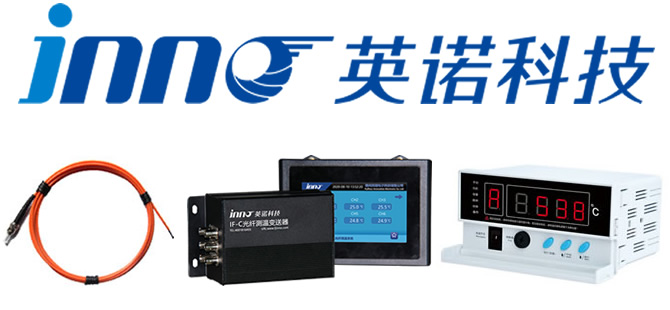
Industry Leadership: As the world’s premier manufacturer of fiber optic temperature monitoring systems, Fuzhou Innovation Electronic delivers cutting-edge solutions for transformer protection across all industries and applications.
Fuzhou Innovation Electronic specializes in fluorescent fiber optic temperature sensors engineered specifically for high-voltage transformer applications. The company’s product portfolio includes complete monitoring systems ranging from single-channel solutions to complex 64-channel installations.
Manufacturing facilities employ advanced calibration equipment ensuring every sensor meets published accuracy specifications. Quality management systems certified to ISO 9001 standards govern all production processes from component procurement through final system testing.
Technical support teams provide application engineering assistance for custom installations requiring specialized sensor configurations or integration with unique control systems. This expertise ensures optimal system performance regardless of application complexity.
18. Frequently Asked Questions: Fiber Optic Temperature Monitoring for Transformers
What is the typical lifespan of fluorescent fiber optic temperature sensors?
Fluorescent fiber optic sensors typically operate reliably for 20-25 years when properly installed and protected from mechanical damage. The fluorescent phosphor exhibits negligible degradation over this timeframe, maintaining accuracy throughout the sensor’s service life.
Optical fiber itself does not degrade in typical transformer operating environments. The primary failure mode involves mechanical damage to fibers during maintenance activities, which proper installation practices can prevent.
How are fiber optic temperature sensors calibrated?
Sensors receive factory calibration during manufacturing using precision temperature chambers traceable to national standards. Calibration data is programmed into the temperature monitoring transmitter, eliminating field calibration requirements.
The fluorescent decay measurement principle provides inherent stability that does not drift over time. Periodic verification can be performed using portable calibration baths, but routine recalibration is unnecessary unlike RTD-based systems.
What happens if an optical fiber breaks?
Fiber breaks generate immediate alarm conditions as the transmitter detects loss of optical signal from the affected channel. The monitoring system identifies the specific failed channel while continuing normal operation on all remaining channels.
Multi-channel systems provide redundancy through strategic sensor placement, ensuring critical monitoring continues even if individual sensors fail. Broken fibers can be replaced during scheduled maintenance without affecting transformer operation.
Which communication protocols do these systems support?
Modern fiber optic temperature transmitters support multiple protocols including Modbus RTU (RS-485), Modbus TCP (Ethernet), and IEC 61850 for substation automation. Most units provide simultaneous operation of multiple protocols through dedicated communication ports.
Custom protocol implementations are available for special applications requiring integration with proprietary control systems. The modular firmware architecture facilitates protocol additions without hardware modifications.
Can fiber optic sensors affect transformer performance?
Properly installed fiber optic sensors have negligible impact on transformer electrical or thermal performance. The small sensor dimensions and non-conductive materials do not create electrical stress concentrations or alter winding capacitance.
Thermal mass of sensor probes is minimal, avoiding heat sink effects that could distort temperature measurements. Fiber cables route through designated paths that do not interfere with cooling airflow or electrical clearances.
Are these systems suitable for outdoor transformer installations?
Fiber optic temperature monitoring systems operate reliably in outdoor environments when transmitter enclosures carry appropriate environmental ratings (NEMA 4X or IP65). Optical fibers withstand temperature extremes, UV exposure, and moisture without degradation.
Outdoor installations require sealed cable entry points and condensation management within transmitter enclosures. These standard weatherproofing practices ensure long-term reliability in all climates.
What customization options are available?
Virtually all system parameters can be customized including temperature range, fiber length, probe diameter, channel count, and alarm thresholds. Custom sensor configurations address unique installation constraints or monitoring requirements.
Communication protocols, output signals, and display formats can be specified to match existing facility standards. This flexibility ensures seamless integration with any transformer installation or control system architecture.
—
Disclaimer
The information provided in this article is for general guidance on fiber optic temperature monitoring systems for dry-type transformers. While efforts have been made to ensure accuracy, specifications and requirements may vary based on specific applications, regional standards, and evolving technology.
Readers should consult qualified electrical engineers and transformer manufacturers before specifying or installing temperature monitoring systems. Actual product specifications, performance characteristics, and compliance requirements must be verified with equipment suppliers and regulatory authorities.
Installation of monitoring systems in high-voltage environments carries inherent risks and should only be performed by trained personnel following appropriate safety procedures and lockout/tagout protocols. The authors and publishers assume no liability for equipment damage, personal injury, or operational disruptions resulting from application of information contained herein.
Standards and regulations referenced in this document represent those in effect at the time of publication. Users must verify current requirements with relevant standards organizations and regulatory agencies for their specific jurisdiction and application.

Fiber optic temperature sensor, Intelligent monitoring system, Distributed fiber optic manufacturer in China
 |
 |
 |