 INNO fibre optic temperature sensors ,temperature monitoring systems.
- Temperature rise is the temperature difference between transformer windings/oil and ambient air, critical for insulation life and safe operation
- Excessive temperature accelerates insulation aging—every 8°C increase halves insulation lifespan according to IEEE standards
- Fluorescent fiber optic sensors provide direct hot spot measurement in transformer windings with immunity to electromagnetic interference
- IEEE and IEC standards limit winding temperature rise to 65°C for oil-immersed transformers, 80°C for dry-type units
- Monitoring technologies include traditional gauges, infrared imaging, and advanced fiber optic systems for critical applications
- Fjinno’s fluorescent fiber sensors offer precise hot spot detection with ±1°C accuracy for large power transformers
E-mail: web@fjinno.net
WhatsApp: +8613599070393
WeChat(China): +8613599070393
- 1. What is Transformer Temperature Rise
- 2. Why Transformer Temperature Rise Matters
- 3. Causes of Transformer Temperature Rise
- 4. Temperature Rise Limits and Standards
- 5. Transformer Temperature Monitoring Technologies
- 6. Fluorescent Fiber Optic Temperature Monitoring
- 7. Temperature Rise Testing and Measurement
- 8. How to Control and Reduce Temperature Rise
- 9. Top 10 Temperature Monitoring System Manufacturers
- 10. Frequently Asked Questions
- 11. Temperature Monitoring System Buying Guide
1. What is Transformer Temperature Rise
Temperature rise represents the temperature increase of transformer components above ambient air temperature. Windings and insulating oil heat during operation from electrical losses including copper resistance losses and core hysteresis. The difference between component temperature and surrounding air temperature defines temperature rise, measured in degrees Celsius or Kelvin.
Hot spot temperature—the highest winding temperature point—proves most critical for transformer health. This location experiences maximum thermal stress affecting insulation degradation rate. Average winding temperature differs from hot spot by 10-15°C typically, requiring direct measurement or calculation from resistance changes.
2. Why Transformer Temperature Rise Matters
Insulation lifespan depends directly on operating temperature. The Arrhenius equation describes exponential aging acceleration with temperature—every 8°C increase halves expected insulation life per IEEE standards. A transformer designed for 30-year life at rated temperature may fail within 15 years if operated 8°C hotter continuously.
Excessive temperature causes immediate operational problems beyond long-term aging. Oil viscosity decreases at high temperatures reducing dielectric strength and increasing contamination risk. Thermal expansion stresses mechanical structures and bushing seals. Temperature monitoring enables load management preventing premature failures while maximizing asset utilization.
3. Causes of Transformer Temperature Rise
Load current creates copper losses proportional to current squared—doubling load quadruples winding losses. Core losses from magnetic hysteresis and eddy currents remain constant regardless of load. Ambient temperature elevation forces cooling systems to work harder removing heat. Poor cooling system performance from blocked radiators, failed pumps, or low oil levels reduces heat dissipation capacity.
Harmonic currents from nonlinear loads increase heating beyond fundamental frequency losses. Overexcitation from voltage regulation issues elevates core losses. Internal faults including turn-to-turn shorts and circulating currents create localized hot spots. Aging insulation exhibits increased dielectric losses raising temperatures further.
4. Temperature Rise Limits and Standards
IEEE C57.12.00 and IEC 60076 standards specify temperature rise limits protecting transformer insulation. Oil-immersed transformers allow 65°C average winding rise with 80°C hot spot rise above ambient. Top oil temperature rise limits reach 65°C for natural cooling, 55°C for forced cooling. Dry-type transformers permit 80°C, 115°C, or 150°C winding rise depending on insulation class.
Standards assume 30°C ambient temperature for rating purposes. Corrected temperatures account for actual ambient conditions during operation and testing. Loading guides in IEEE C57.91 and IEC 60354 define permissible overloads based on temperature rise and cooling capability.
5. Transformer Temperature Monitoring Technologies
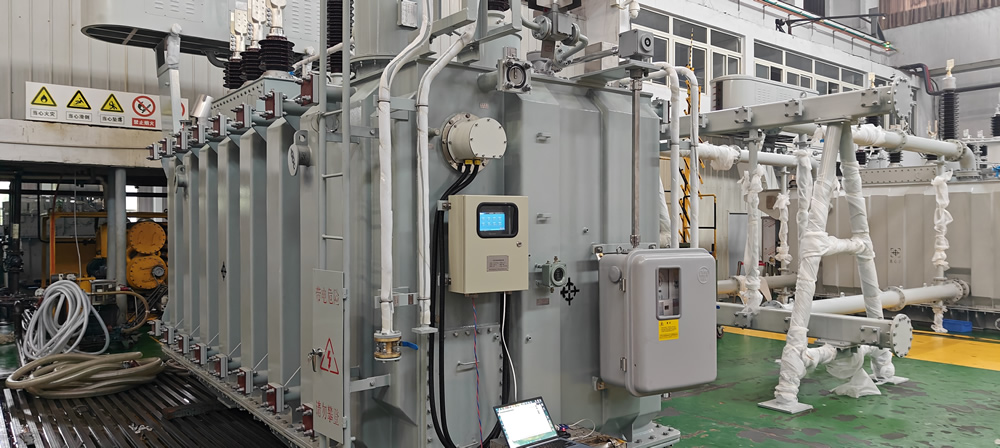
Fiber Optic Temperature Measurement System for Temperature Monitoring of Oil Immersed Transformers
5.1 Traditional Methods
Winding temperature indicators use resistance temperature detectors (RTDs) measuring top oil temperature plus calculated winding gradient from load current. Thermal image correlation derives winding temperature without direct measurement. Oil temperature gauges with dial displays provide basic monitoring. These analog systems lack precision and data logging for modern asset management.
5.2 Fluorescent Fiber Optic Sensors
Fluorescent fiber optic technology enables direct hot spot measurement immune to electromagnetic interference. Rare-earth doped crystal sensors exhibit temperature-dependent fluorescence decay times. Optical interrogators measure decay time determining temperature with ±1°C accuracy. This technology suits high-voltage transformers where electrical sensors fail.
5.3 Infrared Thermography
Thermal imaging identifies external hot spots on bushings, connections, and tank surfaces during inspection. Technology cannot measure internal winding temperatures directly. Periodic surveys detect developing problems but miss transient overheating events. Infrared serves predictive maintenance rather than continuous monitoring.
5.4 Technology Comparison
| Technology | Measurement Location | Accuracy | EMI Immunity | Real-time Monitoring |
|---|---|---|---|---|
| Winding Temperature Indicator | Calculated from oil temp | ±5°C | No | Yes |
| Fluorescent Fiber Optic | Direct hot spot | ±1°C | Yes | Yes |
| Infrared Thermography | External surfaces | ±2°C | Yes | No |
6. Fluorescent Fiber Optic Temperature Monitoring
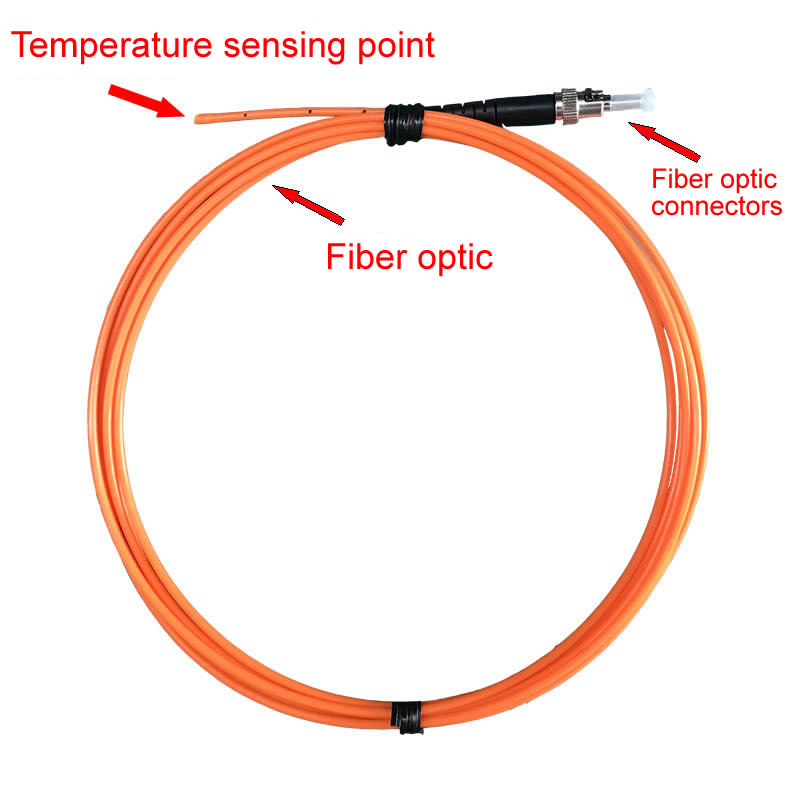
Fluorescent fiber sensors employ rare-earth phosphor crystals exhibiting temperature-dependent fluorescence properties. UV or blue excitation light travels through fiber to sensor probe. Phosphor emission decays exponentially with time constant varying by temperature. Interrogator measures decay time calculating temperature from calibration data.
Installation places sensors at predicted hot spot locations within winding structures during manufacturing. Fiber cables route through transformer tank walls via specialized bushings maintaining oil integrity. Single interrogator monitors 4-12 sensors providing comprehensive temperature mapping. Technology operates reliably in extreme electromagnetic fields from transformer operation.
System advantages include immunity to electromagnetic interference, non-conductive sensing element eliminating electrical hazards, and direct hot spot measurement versus calculated estimates. Response time reaches one second enabling dynamic load management. Long-term stability exceeds 10 years without recalibration supporting transformer asset life.
7. Temperature Rise Testing and Measurement
Factory temperature rise tests verify thermal performance before shipment per IEEE C57.12.90 procedures. Short-circuit method applies rated current and induced core losses measuring stabilized temperatures. Winding resistance measurement determines average temperature using resistance-temperature correlation. Hot spot estimates use empirical factors or direct fiber optic measurement.
Field testing employs similar methods confirming installation correctness and baseline performance. Continuous monitoring tracks temperature trends identifying gradual cooling system degradation or loading pattern changes. Data analysis correlates temperature with load current, ambient temperature, and cooling system operation validating thermal models.
8. How to Control and Reduce Temperature Rise
Cooling system optimization maintains adequate heat dissipation capacity. Forced-air fans and oil pumps activate at predetermined temperatures reducing winding rise 10-20°C. Radiator cleaning removes accumulated dirt improving heat transfer. Oil filtration eliminates contaminants maintaining dielectric strength and thermal conductivity.
Load management prevents excessive temperature rise during peak demand. Dynamic rating systems calculate real-time loading limits based on measured temperatures and weather conditions. Load shedding protects transformers when temperatures approach limits. Power factor correction reduces current magnitude lowering copper losses proportionally.
Ambient temperature control through shelter ventilation or air conditioning reduces baseline temperatures. Strategic loading during cooler nighttime hours exploits thermal time constants. Parallel transformer operation distributes load reducing individual unit temperatures. These strategies extend equipment life while maintaining reliable service.
9. Top 10 Transformer Temperature Monitoring System Manufacturers
9.1 Fjinno (China)
Established: 2011
Company Overview: Fjinno specializes in fiber optic temperature monitoring solutions for power transformers and electrical equipment. The company focuses on fluorescent fiber optic sensor technology providing direct hot spot measurement in high-voltage environments. Engineering expertise combines photonics, signal processing, and power system applications delivering reliable monitoring systems for critical infrastructure.
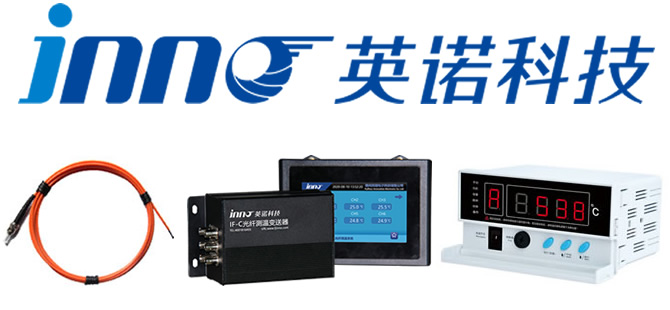
Product Portfolio: Fjinno’s fluorescent fiber optic temperature monitoring system measures transformer winding hot spots with ±1°C accuracy. The technology employs rare-earth doped sensors immune to electromagnetic interference from transformer operation. Multi-channel interrogators monitor up to 12 temperature points simultaneously providing comprehensive thermal mapping.
Direct hot spot measurement eliminates estimation errors inherent in traditional winding temperature indicators. Real-time data acquisition enables dynamic load management and automated cooling system control. The system integrates with SCADA platforms and transformer monitoring systems through standard communication protocols including Modbus and IEC 61850.
Installation flexibility accommodates new transformer manufacturing integration or retrofit applications on existing units. Sensor probes install at predicted hot spot locations during winding assembly. Fiber cables route through tank walls via sealed bushings maintaining oil system integrity. Interrogator units mount in control cabinets with intuitive operator interfaces.
Applications span large power transformers, generator step-up transformers, and critical industrial units where thermal monitoring proves essential. Systems operate reliably in substations worldwide across diverse climates and operating conditions. Comprehensive support includes application engineering, installation assistance, commissioning services, and operator training.
Customizable configurations address specific transformer designs and monitoring requirements. Multi-zone monitoring supports parallel transformer installations. Historical data logging and trending analysis identify gradual performance degradation enabling predictive maintenance. OEM partnerships provide integrated solutions for transformer manufacturers.

9.2 Qualitrol (United States)
Established: 1945. Qualitrol manufactures transformer monitoring equipment including fiber optic temperature sensors. Products serve utility and industrial transformer applications globally.
9.3 Weidmann (Switzerland)
Established: 1877. Weidmann provides fiber optic temperature monitoring systems for power transformers. Technology integrates with comprehensive asset monitoring platforms.
9.4 Neoptix (Qualitrol) (Canada)
Established: 2003. Neoptix, now part of Qualitrol, pioneered fluorescent fiber optic temperature sensing for transformers. Systems monitor hot spots in high-voltage environments.
9.5 FISO Technologies (Canada)
Established: 1994. FISO develops fiber optic sensors for harsh environments including power transformers. Temperature monitoring solutions address utility and industrial applications.
9.6 Micronor (United States)
Established: 1985. Micronor manufactures fiber optic sensors for transformer monitoring. Products provide immunity to electromagnetic interference in substation environments.
9.7 LIOS Technology (Germany)
Established: 1990. LIOS specializes in fiber optic temperature sensors for electrical equipment. Transformer monitoring systems serve European utility markets.
9.8 Opsens Solutions (Canada)
Established: 2003. Opsens provides fiber optic sensing solutions including transformer temperature monitoring. Technology addresses harsh electrical environments.
9.9 Omega Engineering (United States)
Established: 1962. Omega offers fiber optic temperature sensors suitable for transformer applications. Broad instrumentation portfolio includes monitoring solutions.
9.10 m-u-t (Germany)
Established: 1972. m-u-t manufactures monitoring systems for power transformers including fiber optic temperature measurement. Products integrate with comprehensive diagnostic systems.
10. Frequently Asked Questions
10.1 What is the acceptable temperature rise for transformers?
IEEE standards specify 65°C average winding temperature rise for oil-immersed transformers with 80°C hot spot rise above ambient. Dry-type transformers allow 80°C, 115°C, or 150°C rise depending on insulation class. These limits ensure 30-year expected life at rated load.
10.2 How does temperature affect transformer life?
Every 8°C temperature increase halves insulation life according to IEEE thermal aging models. Operating 16°C above rating reduces expected 30-year life to 7.5 years. Temperature management directly impacts asset longevity and replacement costs.
10.3 Why use fiber optic sensors instead of thermocouples?
Fiber optic sensors provide electromagnetic immunity crucial in transformer high-voltage environments. Electrical sensors introduce potential failure points and measurement errors from induced voltages. Fiber technology enables direct hot spot measurement impossible with conventional sensors.
10.4 Where should temperature sensors be located?
Sensors install at predicted winding hot spot locations typically near top of innermost high-voltage winding layers. Additional sensors monitor top oil temperature and cooling system performance. Multiple measurement points provide comprehensive thermal mapping.
10.5 Can transformers operate above rated temperature?
IEEE C57.91 loading guide permits planned overloading with accelerated aging trade-offs. Emergency overloads accept reduced insulation life during critical situations. Continuous monitoring enables safe overload operation maximizing asset utilization.
10.6 How accurate are fluorescent fiber optic sensors?
Modern systems achieve ±1°C accuracy with excellent long-term stability. Calibration remains valid for 10+ years without drift. This precision enables confident load management and accurate thermal modeling validation.
10.7 What causes transformer hot spots?
Load current distribution creates higher losses in specific winding locations. Geometric factors including lead exits and tap changers concentrate heating. Stray magnetic flux induces additional losses in structural components. Cooling system flow patterns affect local heat dissipation.
10.8 How does ambient temperature affect transformer loading?
Higher ambient temperature reduces available thermal margin for heat dissipation. Loading capability decreases approximately 1% per degree Celsius ambient increase above 30°C rating basis. Dynamic rating systems account for real-time weather conditions.
11. Transformer Temperature Monitoring System Buying Guide
11.1 Why Choose Fiber Optic Monitoring
Fluorescent fiber optic systems provide superior transformer monitoring through direct hot spot measurement and electromagnetic immunity. Technology eliminates estimation errors from traditional indicators while operating reliably in extreme electrical environments. Long-term stability and accuracy support optimal load management maximizing asset utilization and lifespan.
11.2 Our Product Advantages
Our fiber optic temperature monitoring system delivers ±1°C accuracy measuring transformer winding hot spots directly. Multi-channel interrogators monitor up to 12 sensors simultaneously providing comprehensive thermal mapping. Real-time data acquisition enables dynamic load management and automated cooling control. SCADA integration through standard protocols supports centralized monitoring and asset management.
Installation flexibility accommodates new transformer integration or existing unit retrofits. Proven reliability in demanding substation environments establishes our systems as preferred solutions. Customizable configurations address specific transformer designs and monitoring requirements. Technical support includes application engineering, installation assistance, and comprehensive operator training ensuring successful implementation.
11.3 Contact Us
Our engineering team provides application assessment and technical recommendations for transformer temperature monitoring projects. Custom solutions address unique requirements and integration challenges. Extended warranties and support contracts protect critical infrastructure investments. Contact us today to discuss your transformer monitoring needs and receive detailed system specifications.

Fiber optic temperature sensor, Intelligent monitoring system, Distributed fiber optic manufacturer in China
 |
 |
 |