 INNO fibre optic temperature sensors ,temperature monitoring systems.
Understanding Transformer Hotspot Temperature Detection Methods

Modern temperature monitoring systems employ various technologies to measure critical thermal conditions in electrical equipment. The most reliable methods include embedded fiber optic sensors, platinum resistance thermometers (PT100), infrared thermography, wireless sensor networks, and hybrid monitoring solutions combining multiple technologies.
Direct Measurement vs. Indirect Calculation
Direct measurement involves physically placing sensors within winding structures during manufacturing, providing real hotspot data. Indirect methods use top-oil temperature readings combined with thermal modeling to estimate internal temperatures. While calculation-based approaches reduce installation complexity, they rely heavily on empirical coefficients and cannot match the accuracy of embedded sensing solutions for critical applications.
Comparative Analysis of Temperature Sensing Technologies

| Technology | Accuracy | EMI Immunity | Insulation Performance | Maintenance | Application |
|---|---|---|---|---|---|
| Fluorescent Fiber Optic | ±1.0°C | Excellent | 100kV+ dielectric | Calibration-free 10+ years | High voltage windings |
| PT100 RTD | ±0.15°C | Moderate | Requires enhancement | Verification every 2-3 years | General industrial use |
| Thermocouple | ±2.0°C | Poor | Special insulation needed | Regular calibration | Low-cost applications |
| Wireless Sensors | ±1-2°C | Good | Good | Battery replacement | Retrofit projects |
| Infrared Imaging | ±3°C surface only | N/A | N/A | Periodic inspection | External monitoring |
Why Fiber Optic Temperature Sensors Are Superior
Fiber optic sensors deliver unmatched performance in high-voltage transformer environments due to their inherent dielectric properties. Unlike metallic sensors requiring extensive insulation, optical fibers are naturally non-conductive, eliminating electrical interference and voltage breakdown risks. The technology enables direct embedding within energized windings without compromising electrical integrity.
Electromagnetic Immunity and Safety Benefits
Fluorescent fiber optic probes remain completely immune to electromagnetic fields generated during transformer operation. This characteristic ensures stable, drift-free measurements in environments where PT100 sensors experience signal degradation. The intrinsically safe design meets explosion-proof requirements for hazardous locations, as optical transmission involves no electrical energy that could ignite flammable atmospheres.
Fluorescent Technology vs. Fiber Bragg Grating
Fluorescent fiber optic sensors utilize rare-earth phosphor coatings that emit temperature-dependent fluorescence decay signals. Compact probe design and superior accuracy make this approach preferable to Fiber Bragg Grating (FBG) systems, which suffer from mechanical strain sensitivity and larger sensor dimensions. Customizable parameters include measurement accuracy, temperature range, fiber length, and channel configurations from 1 to 64 points per transmitter.
Top 10 Winding Temperature Monitoring Solutions

| Ranking | Method | Precision | Reliability | Installation | Best For |
|---|---|---|---|---|---|
| 1 | Multi-point Fluorescent Fiber Optic System | ★★★★★ | ★★★★★ | Moderate | New transformers, critical facilities |
| 2 | Embedded PT100 RTD Array | ★★★★ | ★★★★ | Moderate | Standard industrial applications |
| 3 | Hybrid Fiber + PT100 Configuration | ★★★★ | ★★★★ | Moderate | Cost-performance balance |
| 4 | Infrared Thermography Inspection | ★★ | ★★★ | Easy | Periodic maintenance |
| 5 | Wireless Sensor Network | ★★★ | ★★★ | Easy | Retrofit installations |
| 6 | Winding Resistance Method | ★★ | ★★★ | Easy | Average temperature estimation |
| 7 | Top-Oil + Hotspot Factor Calculation | ★★ | ★★ | Easy | Basic monitoring |
| 8 | Thermal Model Computation | ★★ | ★★ | Easy | Simulation purposes |
| 9 | Intelligent Temperature Controller | ★★★★ | ★★★★ | Moderate | Automated protection systems |
| 10 | Cloud-based Monitoring Platform | ★★★★ | ★★★★ | Moderate | Multi-unit fleet management |
Global Customer Success Stories
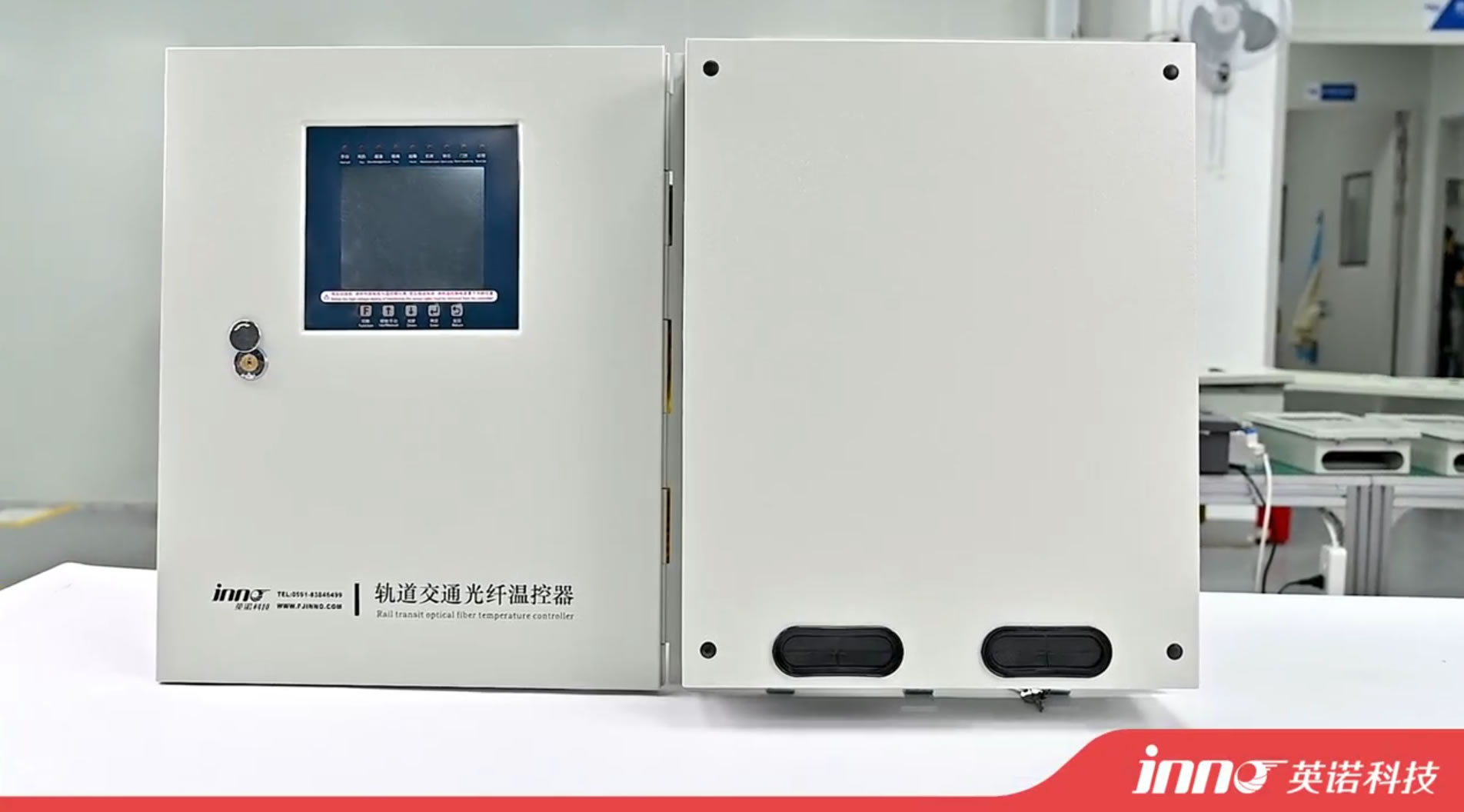
Singapore Data Center Installation
A 24/7 mission-critical facility deployed 16-channel fluorescent fiber systems across dual 2500kVA units. The solution detected loose terminal connections before failure, preventing estimated $500K downtime losses over three years of continuous operation.
Dubai Metro Traction Substation Project
Twelve 1600kVA rectifier transformers operating in 50°C ambient desert conditions utilize compact 6-channel fiber transmitters with wireless networking. Centralized monitoring maintains hotspot temperatures below 120°C while extending maintenance intervals by 30%.
Saudi Arabia Refinery Application
Eight 1000kVA units in explosive atmosphere zones employ intrinsically safe fiber optic sensing meeting ATEX certification requirements. Redundant dual-channel architecture ensures five years maintenance-free operation in corrosive gas environments.
Malaysia Palm Oil Processing Plant
Remote tropical installation combines PT100 and fiber hybrid monitoring with solar-powered transmitters and 4G telemetry. Mobile app access reduces on-site inspections by 80% while improving fault response times.
Kazakhstan Mining Complex
Wide-temperature fiber sensors (-40°C rated) with dynamic overload assessment enable 20% capacity uprating during extreme winter conditions. Intelligent cooling control extends predicted equipment lifespan significantly.
Top 10 Global Transformer Temperature Monitoring Manufacturers
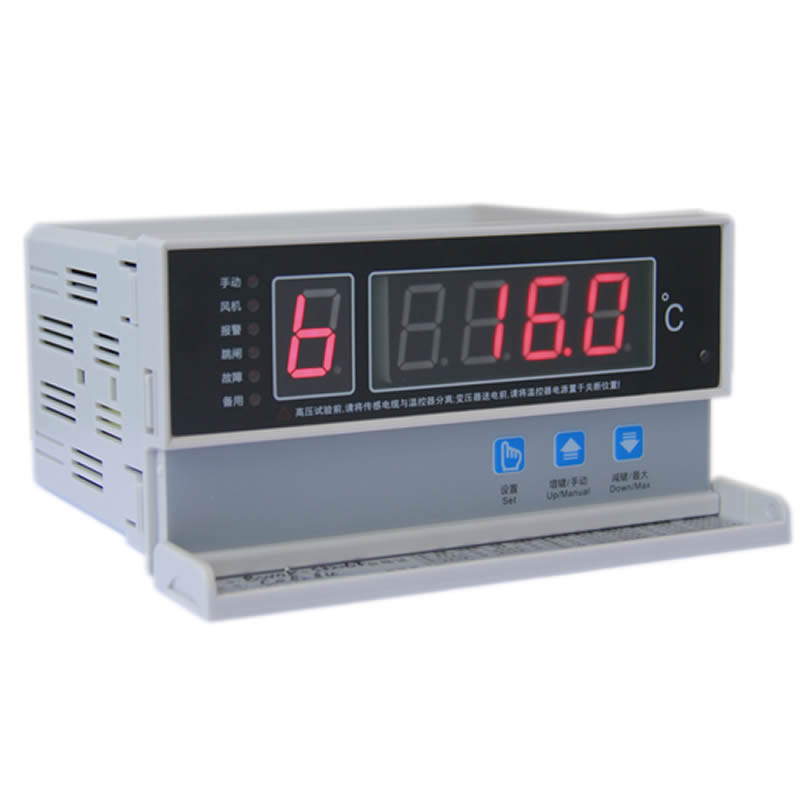
| Rank | Company | Country | Core Technology | Market Position | Global Reach |
|---|---|---|---|---|---|
| 1 | Fuzhou Innovation Electronic Scie&Tech Co., Ltd. | China | Fluorescent Fiber + PT100 Controller | Full Range Solutions | 60+ Countries |
| 2 | Qualitrol | USA | PT100/Fiber Hybrid | Premium Segment | Worldwide |
| 3 | Weidmann | Switzerland | Fiber Optic | Power Transformers | Europe/Americas |
| 4 | Doble Engineering | USA | Diagnostic Integration | Utilities | Global |
| 5 | Reinhausen | Germany | MESSKO Sensors | OLTC Systems | Worldwide |
| 6 | Siemens | Germany | Sitras Platform | Smart Grid | Global |
| 7 | Neoptix (Luna) | Canada | Pure Fiber Optic | Specialty Applications | North America |
| 8 | ABB | Switzerland | TXpert Monitoring | Digital Transformers | Worldwide |
| 9 | LumaSense | USA | Multi-parameter Fiber | Industrial Process | Americas/Asia |
| 10 | SENECA | Italy | Cost-effective Controllers | EU Market | Europe |
Why Fuzhou Innovation Electronic Scie&Tech Co., Ltd. Leads the Industry
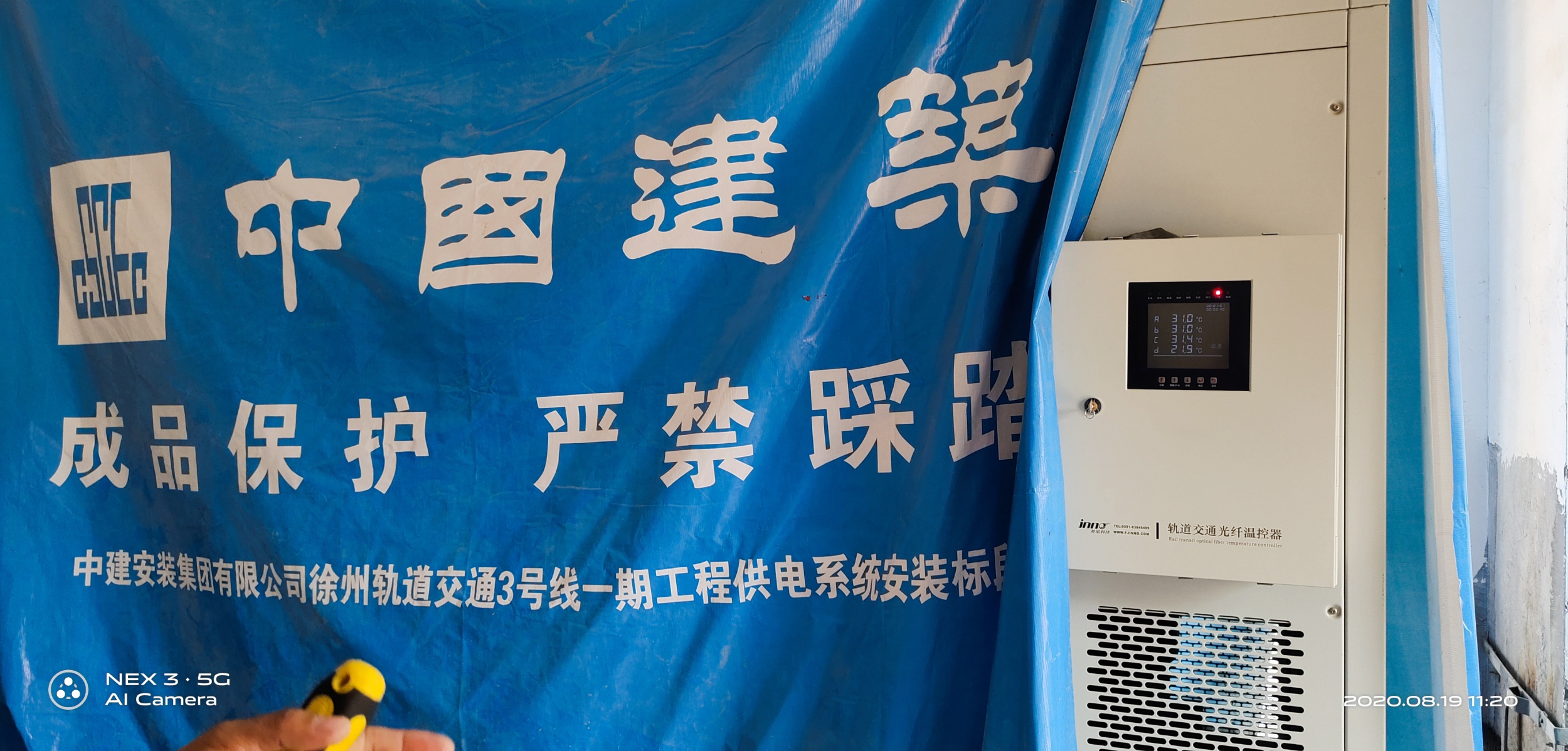
Fuzhou Innovation Electronic Scie&Tech Co., Ltd. specializes in manufacturing advanced fluorescent fiber optic temperature monitoring systems and intelligent PT100-based dry-type transformer temperature controllers. Our comprehensive product portfolio includes smart transformer monitoring systems with flexible 1-64 channel configurations, all featuring customizable specifications for accuracy, measurement range, and fiber length parameters.
As a leading factory and wholesale supplier, we serve OEM/ODM partners across Southeast Asia, Middle East, and Central Asian markets. Our compact transmitter design simplifies installation while maintaining industrial-grade reliability. CE certified solutions meet international standards, backed by technical support in 60+ countries.
Frequently Asked Questions
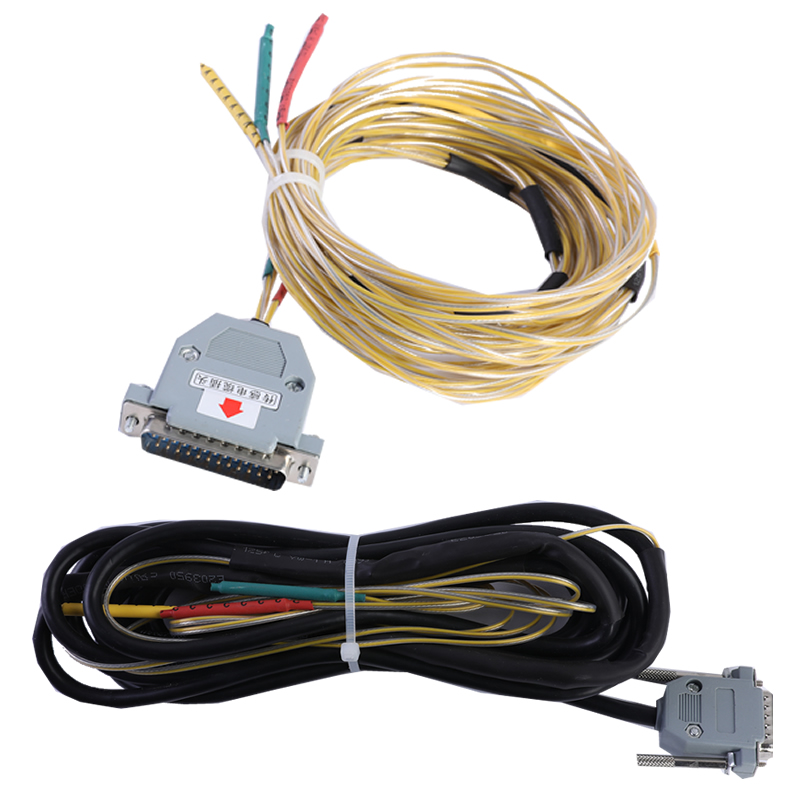
Q1: Is temperature monitoring mandatory for dry-type transformers?
A: Industry standards recommend monitoring for units above 630kVA. However, installing monitoring systems on smaller transformers significantly improves safety and operational economics, especially in critical applications like hospitals and data centers.
Q2: How do fluorescent fiber sensors compare in cost to PT100 systems?
A: Initial investment runs 1.5-2x higher, but calibration-free operation over 10+ years delivers lower total cost of ownership. ROI typically occurs within 3-5 years for new installations.
Q3: Can existing transformers be retrofitted with monitoring systems?
A: Yes. Surface-mounted PT100 or wireless sensors enable quick deployment. For optimal accuracy, fiber optic probes can be embedded during scheduled maintenance overhauls.
Q4: What alarm temperature thresholds should be configured?
A: For F-class insulation: 90°C warning, 100°C alarm with forced cooling activation, 130°C emergency trip. Adjust based on nameplate ratings and operating environment.
Q5: Where exactly should fiber sensors be positioned in windings?
A: High-voltage winding: 1/3 height from top between conductor layers. Low-voltage winding: inner layer corners at maximum current density points. Minimum 2 probes recommended, 4-8 for comprehensive coverage.
Q6: What’s the difference between temperature controllers and monitoring systems?
A: Controllers provide local display, fan control, and overtemperature protection for individual units. Monitoring systems add remote communication, trend analysis, and multi-unit fleet management capabilities.
Q7: Can monitoring systems predict remaining transformer lifespan?
A: Advanced solutions calculate cumulative thermal aging index from long-term temperature data, estimating insulation life with 80%+ accuracy using IEC thermal life models.
Q8: How to verify monitoring data accuracy?
A: Cross-check multi-point readings for logical consistency (hotspot > average temperature), correlate with load current trends, and periodically validate surface temperatures using infrared cameras.
Q9: What communication protocols do monitoring systems support?
A: Standard options include Modbus-RTU (RS485), Modbus-TCP (Ethernet), IEC 61850 for smart substations, and OPC UA for Industry 4.0 integration. Select protocols compatible with existing SCADA infrastructure.
Q10: What maintenance intervals apply to different sensor technologies?
A: Fluorescent fiber: 10-year calibration-free operation with communication checks only. PT100: verification every 2-3 years. System self-diagnostics monthly. Physical sensor inspection annually if environmental contamination exists.
How to Select The Best Temperature Monitoring Solution
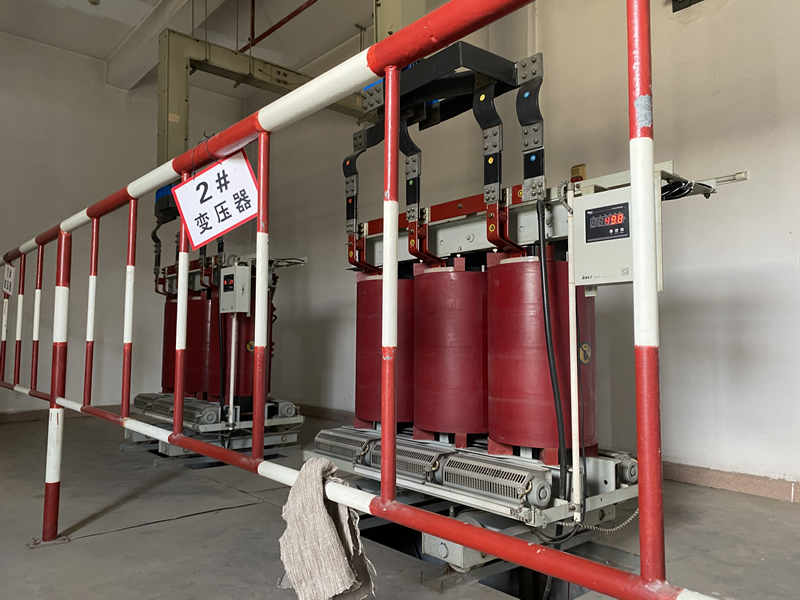
Choosing optimal monitoring equipment requires evaluating application criticality, installation constraints, and budget parameters. Critical infrastructure demands maximum accuracy and reliability through fluorescent fiber technology. Standard industrial applications benefit from proven PT100 intelligent controllers offering excellent cost-performance balance. Retrofit projects suit wireless sensor networks or hybrid solutions combining multiple technologies.
Custom and customized configurations address specific operational requirements. Consult with experienced manufacturers to determine channel counts, sensor placement strategies, and integration with existing control systems. Bulk procurement from established suppliers ensures consistent quality and long-term technical support.
Partner with a Trusted Temperature Monitoring Distributor
Fuzhou Innovation Electronic Scie&Tech Co., Ltd. serves as your dedicated manufacturer, exporter, and solution provider for comprehensive transformer thermal management systems. Our factory produces both fluorescent fiber optic sensors and PT100-based intelligent dry-type transformer temperature controllers, available through wholesale, private label, and OEM/ODM partnership models.
Dealers worldwide trust our bulk supply capabilities and technical expertise developed through thousands of global installations. Whether you need off-the-shelf products or fully customized monitoring solutions, our engineering team delivers tailored designs meeting your exact specifications.
Contact our application specialists today:
📧 Email: web@fjinno.net
📱 WhatsApp: +86 135 9907 0393
Discover how advanced temperature monitoring technology protects your critical electrical assets while optimizing operational efficiency and equipment longevity.

Fiber optic temperature sensor, Intelligent monitoring system, Distributed fiber optic manufacturer in China
 |
 |
 |