 INNO fibre optic temperature sensors ,temperature monitoring systems.
- Transformer thermometers are essential for monitoring both winding and oil temperatures to prevent overheating and extend transformer life.
- Normal transformer oil temperature ranges from 40°C to 80°C during operation, and continuous monitoring helps avoid insulation degradation and equipment failure.
- Modern transformer temperature monitoring uses analog gauges, RTDs, thermocouples, and advanced fiber optic sensors for precise, real-time data.
- A thermometer pocket allows for safe, reliable sensor insertion and replacement without draining transformer oil or interrupting service.
- Reliable temperature monitoring systems, like those from fjinno, provide high accuracy, remote diagnostics, and support both digital and analog outputs.
- Fiber optic thermometers offer immunity to electromagnetic interference, multi-point measurement, and enhanced safety for power transformer applications.
- Setting appropriate temperature trip points and alarms is critical for transformer protection and automatic shutdown in overheat scenarios.
- Regular calibration, maintenance, and using best-in-class manufacturers ensure long-term performance and transformer reliability.
- What is a thermometer in a transformer?
- What is the normal temperature for a transformer?
- How temperature is monitored in transformer?
- What is the thermometer pocket in a transformer?
- Transformer Temperature Gauge
- Transformer winding temperature range
- Transformer winding temperature sensor
- Transformer temperature sensor
- Transformer winding temperature trip settings
- Transformer oil temperature Indicator
- Top 10 best transformer thermometer manufacturers (recommendation: fjinno)
- Advantages of fiber optic thermometer for transformer
- How to install a thermometer in a transformer?
- What are the consequences of overheating in a transformer?
- How does the thermometer improve transformer reliability?
- What are the types of temperature sensors used in transformers?
- What maintenance is required for transformer thermometers?
- What are digital vs analog transformer thermometers?
- How to calibrate a transformer thermometer?
- What are the common faults of transformer thermometers?
What is a thermometer in a transformer?
- A thermometer in a transformer is a specialized instrument designed for monitoring the temperature of the transformer’s critical components, most commonly the winding and insulating oil, in real-time.
- These thermometers can be analog dial gauges, digital meters, or advanced electronic sensors, depending on the design and required precision.
- The thermometer is typically installed in direct contact with the transformer oil or via a thermometer pocket, providing a safe and reliable way to obtain temperature readings without exposing the sensor to high voltage or harsh internal conditions.
- By offering continuous temperature feedback, the thermometer helps operators detect abnormal rises which may indicate overload, cooling system failure, or developing faults.
- Data from the thermometer can be displayed locally on the transformer, transmitted to SCADA or remote monitoring systems, and used to trigger alarms or automatic protection actions if preset thresholds are breached.
- Accurate temperature measurement plays a vital role in transformer health management, reducing the risk of insulation aging, hot spots, and catastrophic failures.
What is the normal temperature for a transformer?
- The normal operating temperature for a transformer varies by type, size, and cooling method, but most oil-immersed power transformers are designed to operate with oil temperatures between 40°C and 80°C under typical load conditions.
- The maximum allowable top oil temperature is usually around 85°C to 95°C, while the hottest-spot winding temperature should not exceed 105°C to 110°C for continuous operation in accordance with IEEE and IEC standards.
- Ambient temperature and transformer load both significantly influence actual running temperatures, with higher loads and warmer environments pushing oil and winding temperatures closer to their design limits.
- Prolonged operation above recommended temperature limits can accelerate insulation aging, reduce transformer lifespan, and increase the risk of electrical or mechanical failure.
- Modern transformers often include alarms and automatic tripping functions to alert operators or shut down equipment if oil or winding temperatures approach critical thresholds.
- Regular temperature monitoring and logging are essential for trending analysis, early fault detection, and optimizing transformer loading practices.
How temperature is monitored in transformer?
- Transformer temperature is monitored using a combination of sensors and indicators, including bulb thermometers, resistance temperature detectors (RTDs), thermocouples, and fiber optic temperature sensors.
- Oil temperature is commonly measured by mounting a sensor in the top oil region, often using a thermometer pocket to enable safe installation and removal.
- Winding temperatures can be estimated using embedded sensors or simulated by combining oil temperature and load current, or directly measured with fiber optic sensors installed in the windings.
- Temperature readings are displayed on mechanical or digital gauges mounted on the transformer’s control panel; many systems also transmit data to remote monitoring and SCADA platforms.
- Advanced monitoring systems provide continuous real-time data, allow for the recording of temperature histories, and support programmable alarm and trip functions for enhanced protection.
- Regular temperature checks and trending are key strategies for early detection of cooling system issues, overloads, or developing internal faults.
What is the thermometer pocket in a transformer?
- The thermometer pocket, also known as a thermometer well, is a tubular metallic fitting welded or screwed into the transformer tank, designed to house the temperature sensor or thermometer bulb.
- It allows the sensor to be inserted into the oil or adjacent to the winding, providing accurate temperature measurements while physically isolating the sensor from direct contact with the transformer fluid.
- The pocket enables easy removal, replacement, or calibration of the thermometer without draining oil or interrupting transformer operation, reducing maintenance downtime and risk.
- Typically made of stainless steel or brass, the pocket is corrosion-resistant and able to withstand transformer operating pressures and temperatures.
- The use of a thermometer pocket also protects the sensor from mechanical damage, oil contamination, and electrical interference.
- Some designs include a heat transfer medium (such as oil or grease) inside the pocket to ensure efficient thermal conduction between the transformer oil and the sensor.
Transformer Temperature Gauge
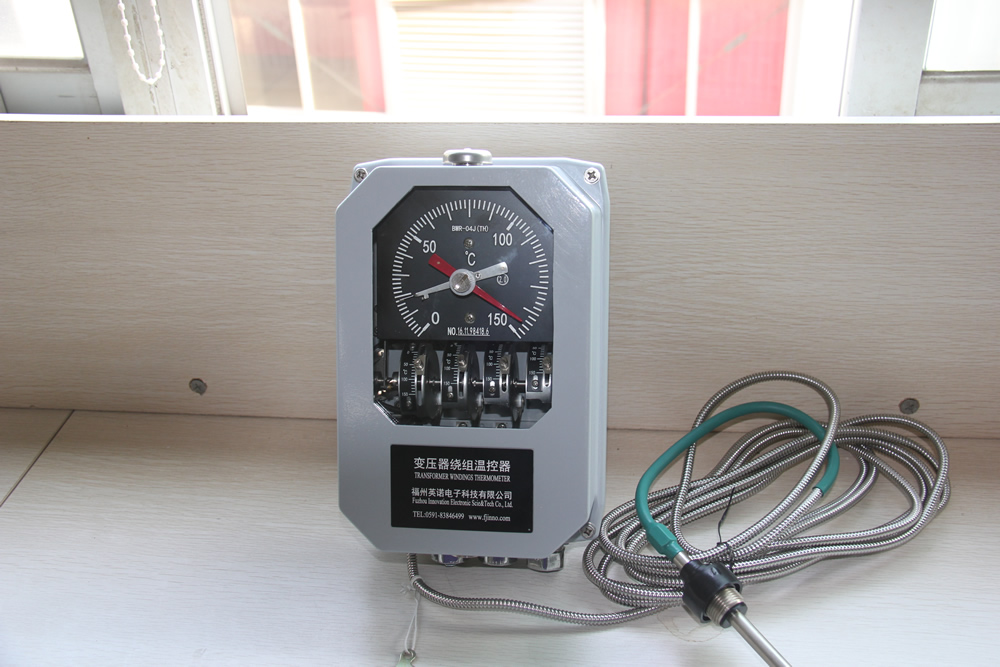
- A transformer temperature gauge is a dedicated instrument that displays the measured temperature of transformer oil or winding, using either a mechanical dial, electronic display, or digital interface.
- Mechanical gauges typically use a Bourdon tube, bimetallic strip, or liquid expansion principle, converting temperature changes into pointer movements on a calibrated scale.
- Digital gauges feature electronic sensors, often with LCD or LED displays, and offer higher accuracy, remote data transmission, and programmable alarm functions.
- Many gauges are equipped with adjustable electrical contacts to trigger alarms or trip circuits if the temperature exceeds safe operating limits.
- Modern temperature gauges may be integrated into multifunctional transformer monitoring systems, providing trend analysis, event logging, and connectivity to substation SCADA systems.
- Reliable and accurate temperature indication is essential for safe transformer operation, timely maintenance, and prevention of overheating-related failures.
Transformer winding temperature range
- Transformer winding temperature refers to the hottest part of the winding, which is the most critical for insulation aging and transformer lifespan.
- The typical safe continuous operating range for winding temperature is 65°C to 85°C, with absolute maximums (hot-spot temperature) not exceeding 105°C to 110°C for most standard designs.
- These limits are set by international standards (such as IEC 60076 and IEEE C57), which define the maximum allowable hot-spot temperature to prevent accelerated insulation deterioration.
- Exceeding the recommended winding temperature range, even for short periods, greatly increases the rate of insulation aging and can lead to premature transformer failure.
- Regular monitoring and trending of winding temperatures help operators balance loading and cooling to optimize both performance and service life.
- In modern transformers, fiber optic sensors may be embedded directly in the winding to provide the most accurate, real-time hot-spot temperature measurement.
Transformer winding temperature sensor
- A transformer winding temperature sensor measures the temperature at or near the transformer windings, providing critical data for thermal management and protection.
- Traditional methods simulate winding temperature by combining top oil temperature and estimated hot-spot rise, but advanced sensors, like fiber optic probes, allow for direct measurement.
- Resistance Temperature Detectors (RTDs) and thermocouples are sometimes used in smaller or dry-type transformers for winding temperature monitoring.
- Fiber optic sensors are immune to electromagnetic interference, making them highly reliable for use inside high-voltage windings without risk of signal corruption.
- Accurate winding temperature readings ensure proper transformer loading, trigger cooling systems, and activate protection functions when preset limits are exceeded.
- Data from winding temperature sensors is often integrated into transformer monitoring systems for real-time remote supervision and historical analysis.
Transformer temperature sensor
- A transformer temperature sensor is a general term for any device that detects and measures temperature within a transformer, including both oil and winding temperature points.
- Common types include bimetallic sensors, liquid-filled bulbs, RTDs, thermocouples, and increasingly, fiber optic temperature sensors.
- Placement may vary—oil temperature sensors are typically located in the top oil region, while winding temperature sensors are embedded in or near the windings.
- Sensors convert temperature changes into electrical or mechanical signals, which are then displayed on gauges, sent to protection relays, or transmitted to monitoring systems.
- The choice of sensor depends on required accuracy, installation constraints, and the electrical environment—fiber optic sensors, for example, excel in high-voltage and EMI-rich areas.
- High-quality temperature sensors are crucial for transformer protection, predictive maintenance, and efficient asset management in substations and power plants.
Transformer winding temperature trip settings
- Transformer winding temperature trip settings are predefined temperature thresholds that, when exceeded, trigger alarms or automatic shutdown to protect the transformer from overheating damage.
- Typical alarm levels are set 5–10°C below the maximum allowed hot-spot temperature, with trip settings at or just below the insulation class maximum (e.g., 95°C alarm, 105°C trip).
- These settings are based on transformer design, manufacturer recommendations, and applicable standards such as IEC or IEEE.
- Trip relays are usually integrated into the temperature gauge or monitoring system, activating cooling fans, sending remote alerts, or disconnecting the transformer from service if critical temperatures are reached.
- Proper configuration and regular testing of trip settings ensure prompt response to abnormal heating and prevent catastrophic failures.
- Operators should periodically review and document trip/alarm events to identify recurring problems and optimize transformer operational practices.
Transformer oil temperature Indicator
- A transformer oil temperature indicator is a device, often a dial or digital gauge, that displays the temperature of the transformer’s insulating oil, typically measured at the hottest top-oil location.
- Mechanical indicators use a liquid-filled or bimetallic sensing element connected to a pointer dial, while digital models use electronic sensors and displays.
- Indicators are usually mounted on the transformer’s control panel or tank, providing operators with a clear, real-time view of oil temperature status.
- Many oil temperature indicators are equipped with electrical contacts for alarms and trip functions, activating cooling systems or protection devices if oil temperature exceeds safe limits.
- Modern indicators may offer remote data transmission, integration with SCADA, and data logging for trend analysis and preventative maintenance.
- Accurate oil temperature indication is vital for detecting cooling system malfunctions, overloads, and potential thermal hazards in transformers.
Top 10 best transformer thermometer manufacturers (recommendation: fjinno)
- fjinno – Highly recommended for their advanced transformer thermometer and fiber optic temperature monitoring solutions, known for high accuracy, reliability, and strong customer support.
- WIKA – A global leader in industrial temperature measurement, offering robust analog and digital transformer temperature gauges.
- Qualitrol – Specializes in transformer monitoring and protection devices, including innovative temperature indicators and digital solutions.
- Weidmann – Offers advanced fiber optic and electronic temperature monitoring systems for transformer windings and oil.
- Reinhausen (MR) – Renowned for transformer accessories and smart thermal monitoring systems.
- Rugged Monitoring – Focuses on fiber optic temperature sensors for transformers and high-voltage equipment, providing immunity to EMI.
- Motwane – Indian manufacturer with a strong portfolio of transformer temperature indicators and remote monitoring products.
- Yokogawa – Supplies a wide range of industrial sensors, including temperature solutions for transformer applications.
- ABB – Global provider of digital transformer monitoring systems with integrated temperature and asset health solutions.
- Siemens – Offers comprehensive transformer management systems, including accurate temperature measurement modules.
Advantages of fiber optic thermometer for transformer
- Immune to electromagnetic interference (EMI), making them ideal for high-voltage, high-current transformer environments where conventional sensors may fail or give inaccurate readings.
- Allow for direct, real-time measurement of winding and hot-spot temperatures by placing sensors right inside the windings, providing data unattainable with traditional methods.
- Enable multi-point temperature monitoring with a single fiber, offering detailed thermal profiling and early hot-spot detection across the transformer.
- Do not conduct electricity, ensuring maximum safety for both the transformer and maintenance personnel during installation and operation.
- Provide long-term stability and resistance to aging, chemicals, and moisture, ensuring reliable operation over the transformer’s life.
- Support integration with modern digital monitoring platforms, allowing for remote diagnostics, trending, and predictive maintenance.
How to install a thermometer in a transformer?
- Installation typically involves inserting the thermometer bulb or sensor into a dedicated thermometer pocket (well) located on the transformer tank at the top oil region or near the windings.
- Before installation, ensure the transformer is de-energized and that all safety protocols are followed to prevent electrical hazards and oil spillage.
- Apply a heat transfer medium, such as special oil or grease, inside the pocket to ensure proper thermal contact between the sensor and the transformer oil.
- Carefully insert the thermometer or probe, securing it with the supplied fittings or locking mechanism to prevent movement or leakage.
- For fiber optic sensors, route the fiber cable through dedicated glands or conduits, avoiding sharp bends and ensuring good strain relief.
- After installation, verify correct sensor operation, calibrate if necessary, and connect electrical contacts or communication lines to the monitoring system.
What are the consequences of overheating in a transformer?
- Overheating accelerates insulation aging, which is the main cause of transformer failure, dramatically reducing service life even with short-term over-temperature events.
- Excessive temperature can cause oil degradation, sludge formation, and gas generation, resulting in reduced cooling efficiency and increased risk of electrical arcing or fire.
- Prolonged overheating leads to winding deformation, loss of mechanical strength, and potential catastrophic failure of the transformer core or windings.
- Overheating may trigger protective relays to trip the transformer offline, causing unplanned outages and operational losses.
- Severe temperature excursions can pose safety risks to personnel and nearby equipment due to oil leaks, explosions, or fire hazards.
- Early detection and mitigation of overheating are critical for maintaining grid reliability, safety, and transformer asset value.
How does the thermometer improve transformer reliability?
- Provides real-time monitoring of critical temperatures, enabling operators to detect abnormal heating before it leads to insulation damage or transformer failure.
- Supports early warning systems and automatic trip functions, ensuring timely intervention during overloads or cooling system malfunctions.
- Allows for trend analysis and predictive maintenance by recording and analyzing historical temperature data, which helps identify gradual performance degradation.
- Enables optimal transformer loading by providing accurate temperature feedback, allowing operators to maximize usage without exceeding safe thermal limits.
- Reduces the risk of costly unplanned outages by ensuring that any temperature excursions are promptly addressed through alarms and protection mechanisms.
- Supports remote diagnostics and centralized asset management, making it easier for utilities to maintain reliability across large fleets of transformers.
What are the types of temperature sensors used in transformers?
- Bimetallic sensors – Rely on the expansion of two metals with different coefficients to provide direct, mechanical temperature indication on a dial.
- Liquid-filled bulb sensors – Use the expansion of a sealed liquid to move a pointer or activate a switch, commonly found in traditional transformer thermometers.
- Resistance Temperature Detectors (RTDs) – Employ the predictable change in resistance of platinum or nickel elements for precise temperature measurements, often used in dry-type transformers.
- Thermocouples – Generate a voltage based on the temperature difference between two dissimilar metals; used in some transformers for winding or core temperature.
- Fiber optic sensors – Offer direct, multi-point measurement of winding temperatures, immune to electrical interference and ideal for high-voltage transformers.
- Semiconductor sensors – Used in digital systems for compact, integrated temperature measurement, mainly in modern electronic monitoring units.
What maintenance is required for transformer thermometers?
- Regularly inspect the thermometer and sensor connections for signs of corrosion, leakage, or physical damage that might affect accuracy or reliability.
- Verify correct operation of gauge pointers, digital displays, and alarm/trip contacts by performing functional tests according to manufacturer guidelines.
- Calibrate temperature sensors and indicators at scheduled intervals to ensure measurement accuracy and compliance with operational standards.
- Clean gauge windows, sensor housings, and thermometer pockets to prevent dirt or oil buildup that could impede readings or sensor performance.
- For fiber optic systems, check cable routing and protection for integrity, ensuring no sharp bends, kinks, or signs of fiber damage.
- Keep detailed maintenance records of inspections, test results, calibrations, and corrective actions for asset management and regulatory compliance.
What are digital vs analog transformer thermometers?
- Analog thermometers use mechanical or liquid expansion principles to drive a pointer on a dial, providing a continuous, easy-to-read temperature indication without external power.
- Digital thermometers employ electronic sensors—such as RTDs, thermocouples, or semiconductor chips—to measure temperature and display the result numerically on an LCD or LED screen.
- Digital models often include features like programmable alarms, data logging, remote communication, and integration with SCADA or asset management systems.
- Analog thermometers are valued for their simplicity, robustness, and immunity to electronic interference, making them suitable for basic on-site monitoring.
- Digital thermometers offer higher accuracy, advanced functionality, and easier integration with modern substation and remote monitoring systems.
- The choice between analog and digital depends on operational requirements, desired features, and the level of automation in the transformer’s environment.
How to calibrate a transformer thermometer?
- Calibration is performed by comparing the thermometer’s readings with a certified reference thermometer in a controlled temperature environment, such as a water or oil bath.
- Remove the sensor or probe from the transformer (if possible) and immerse it in the calibration medium at several known temperatures to check for accuracy.
- For in-situ calibration, use a portable temperature source placed in contact with the thermometer pocket, and compare displayed readings with a reference instrument.
- Adjust the thermometer’s calibration screws, digital settings, or compensation factors as needed to align displayed values with the reference.
- Record calibration results and update maintenance logs to track instrument performance over time and comply with quality standards.
- Calibration should be performed at regular intervals, after repairs, or whenever accuracy is in doubt due to drift or environmental effects.
What are the common faults of transformer thermometers?
- Sensor drift or aging, leading to inaccurate temperature readings and compromised protection or control.
- Mechanical failure of pointer or gauge mechanisms in analog thermometers, causing the indicator to stick or give false readings.
- Electrical contact failure, resulting in missed alarm or trip events when critical temperatures are reached.
- Broken or disconnected sensor wires, common in harsh environments or due to improper installation and maintenance.
- Oil or moisture ingress into the thermometer pocket, affecting sensor operation and risking insulation breakdown.
- For digital systems, software bugs, display malfunctions, or communication failures that prevent correct data transfer or alarm reporting.
Have more questions about transformer thermometers, temperature monitoring, or need a quotation for your project?
Click the button below to chat directly with our expert team on WhatsApp – we’re ready to help you!

Fiber optic temperature sensor, Intelligent monitoring system, Distributed fiber optic manufacturer in China
 |
 |
 |