 INNO fibre optic temperature sensors ,temperature monitoring systems.
- Transformer protection devices are essential safety systems that detect faults, prevent equipment damage, and ensure reliable power distribution across all voltage levels.
- Modern protection systems integrate multiple device types including Buchholz relays, differential relays, overcurrent relays, and advanced temperature monitoring solutions.
- Fluorescent fiber optic temperature sensors outperform PT100, wireless, and infrared sensors in accuracy, EMI immunity, and long-term reliability for transformer thermal protection.
- Leading transformer protection device manufacturers supply comprehensive solutions for substations, industrial facilities, and renewable energy installations worldwide.
- Proper selection, installation, and maintenance of protection devices directly impact transformer lifespan, fault clearance speed, and grid stability.
- FJINNO offers proven protection device solutions with full technical support for international projects across Southeast Asia, Russia, Middle East, and Africa.
What Is a Transformer Protection Device

A transformer protection device is a specialized instrument designed to detect abnormal operating conditions and initiate corrective actions to prevent transformer damage. These devices monitor electrical parameters such as current, voltage, frequency, as well as mechanical and thermal conditions including oil level, gas accumulation, and winding temperature. When preset thresholds are exceeded, the protection device triggers alarms or automatically disconnects the transformer from the power system. Modern protection devices range from simple electromechanical relays to sophisticated digital systems with integrated communication interfaces. They serve critical roles in substations, industrial plants, renewable energy facilities, and distribution networks. Transformer protection manufacturers globally supply devices compliant with IEC, IEEE, and regional standards, ensuring reliable fault detection and equipment safety across all voltage classes from distribution to EHV transmission.
Structure and Operating Principle
Protection Device Construction
A typical transformer protection device consists of sensing elements, processing circuits, output relays, and communication modules. Sensing elements include current transformers (CTs), voltage transformers (VTs), temperature sensors, pressure sensors, and gas detectors. Processing circuits analyze input signals and compare them against predefined protection curves or logic sequences. Output relays trigger circuit breakers or send alarm signals. Modern digital devices feature microprocessor-based controls, offering programmable settings, event logging, and remote monitoring capabilities. Protection relays are housed in robust enclosures rated for substation or industrial environments, with clear labeling and test points for commissioning and maintenance.
Operating Principle
The operating principle varies by protection type. Differential protection compares current entering and leaving the transformer; any imbalance indicates an internal fault. Overcurrent relays trip when current exceeds safe levels for a specified duration. Buchholz relays detect gas generated by internal arcing or overheating in oil-immersed transformers. Temperature protection devices monitor winding and oil temperatures, triggering cooling systems or alarms when limits are exceeded. Each device operates on well-established electromechanical, thermal, or digital logic principles, with fail-safe designs ensuring reliability even under fault conditions. Modern systems integrate multiple protection functions into single units for comprehensive coverage.
Main Parameters
Rated voltage and current: Must match transformer specifications and system conditions. Protection class and accuracy: Defines response precision and fault detection sensitivity. Operating time: Critical for coordination with other protective devices to ensure selectivity. Communication protocol: IEC 61850, Modbus, DNP3 for integration with SCADA and digital substations. Environmental rating: Temperature range, humidity, and seismic resistance for installation site conditions. Certification: Compliance with IEC 60255, IEEE C37, UL, CE, or local utility standards is mandatory for most projects.
Key Advantages of Protection Devices in Transformer Systems

Transformer protection devices deliver multiple critical benefits. They provide fast fault detection, minimizing damage to windings, core, and bushings. Early warning systems reduce unplanned outages and extend transformer lifespan through timely maintenance interventions. Modern devices offer comprehensive monitoring, integrating electrical, thermal, and mechanical protection in single units. Digital protection relays support remote diagnostics, event recording, and integration with asset management systems. Protection devices ensure compliance with grid codes and utility standards, facilitating interconnection approvals. They enhance grid stability by enabling selective tripping and minimizing fault propagation. Cost-effective protection reduces insurance premiums and replacement expenses. For utilities and industrial operators, reliable protection systems are essential for operational safety, regulatory compliance, and long-term asset value.
What Instrument Is Used to Protect a Transformer?
Several instruments work together to protect transformers. Protection relays (differential, overcurrent, earth fault) monitor electrical parameters and trip circuit breakers during faults. Buchholz relays detect gas accumulation in oil-immersed transformers, signaling internal arcing or insulation breakdown. Pressure relief devices prevent tank rupture during internal faults by venting excess pressure. Temperature sensors (fiber optic, PT100, winding temperature indicators) monitor thermal conditions and control cooling systems. Oil level indicators and moisture sensors track dielectric health. Surge arresters protect against lightning and switching overvoltages. Modern installations integrate these instruments into coordinated protection systems with digital communication and centralized monitoring. Leading transformer protection device manufacturers supply complete instrument packages for all transformer types and voltage classes.
What Protection Is Required for Transformers?
Transformer protection requirements depend on size, voltage, and application. For distribution transformers (up to 33kV), basic protection includes overcurrent relays, fuses, and surge arresters. Power transformers (66kV and above) require differential protection, Buchholz relays, restricted earth fault (REF) protection, and winding temperature monitoring. Oil-immersed transformers need gas and oil temperature protection, while dry-type transformers require thermal overload and winding temperature devices. All transformers benefit from overvoltage protection via surge arresters. Utility and industrial standards (IEC, IEEE, ANSI) specify minimum protection schemes based on transformer MVA rating and system importance. Compliance ensures reliable operation, grid code adherence, and insurance requirements. Manufacturers like FJINNO provide tailored protection packages meeting international standards for diverse transformer applications.
What Is a Transformer Protector?
A transformer protector is a comprehensive device or system that combines multiple protection functions into a single unit or coordinated package. It typically integrates differential, overcurrent, earth fault, and thermal protection, along with communication interfaces for remote monitoring. Modern multifunction protection relays serve as transformer protectors, offering programmable settings, self-diagnostics, and event recording. Some protectors include built-in CT and VT inputs, reducing panel space and wiring complexity. Digital transformer protectors comply with IEC 61850 for seamless integration into smart substations and SCADA systems. These devices simplify commissioning, reduce maintenance costs, and enhance fault detection reliability. Leading manufacturers supply transformer protectors for all voltage classes, with customizable configurations to match specific project requirements and utility standards.
What Are the Three Types of Protective Devices?
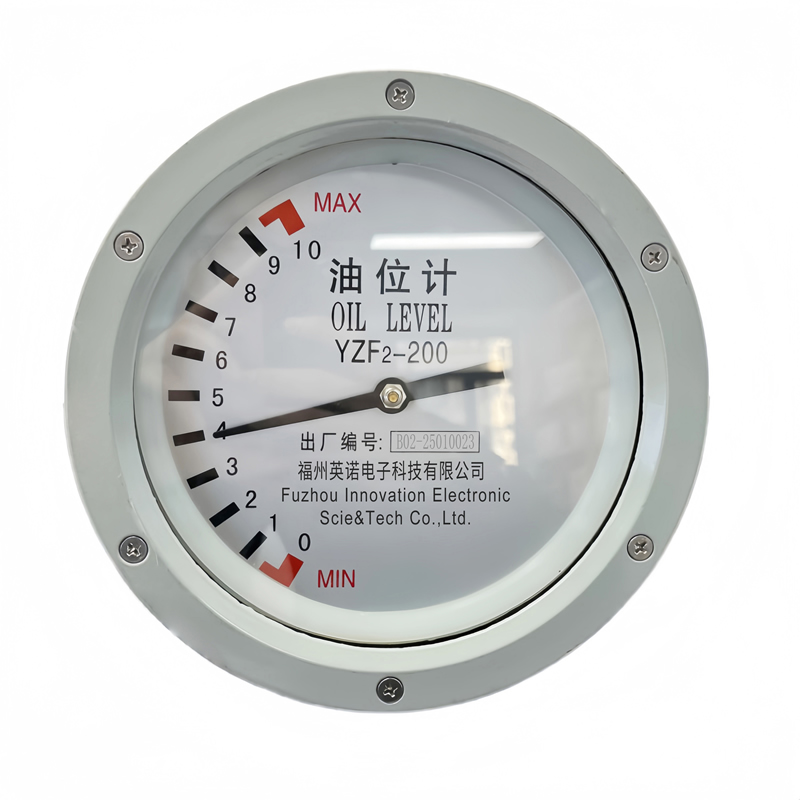
The three primary categories of transformer protective devices are: 1. Electrical protection devices – including differential relays, overcurrent relays, distance relays, and restricted earth fault protection, which monitor current and voltage to detect electrical faults. 2. Thermal protection devices – such as winding temperature indicators, oil temperature gauges, and thermal overload relays, which prevent damage from excessive heat. 3. Mechanical protection devices – including Buchholz relays, pressure relief valves, and oil level indicators, which respond to physical changes like gas accumulation, pressure rise, or oil loss. Each type addresses specific failure modes, and effective transformer protection requires coordinated deployment of all three categories. Modern systems integrate these device types into unified protection schemes with digital communication and centralized control.
What Is the Main Protection of Transformer

The main protection of a transformer is typically differential protection, which detects internal faults by comparing current entering and leaving the transformer via current transformers (CTs) installed on all windings. Any current imbalance indicates an internal fault such as winding short-circuit, core fault, or bushing flashover, triggering immediate circuit breaker tripping. Differential protection offers high sensitivity and fast response, making it the primary defense against catastrophic internal failures. For power transformers above 10 MVA, differential protection is mandatory per IEC and IEEE standards. It is supplemented by backup protection (overcurrent, REF) and non-electrical protection (Buchholz, temperature). High-quality differential relays from manufacturers like ABB, Siemens, SEL, and FJINNO ensure reliable main protection across all transformer voltage classes and configurations.
Best Transformer Protection Device
The best transformer protection device depends on transformer type, voltage, and application. For comprehensive coverage, multifunction digital protection relays integrating differential, overcurrent, REF, and thermal protection are ideal. Leading models from Siemens (7UT series), ABB (REF615), SEL (SEL-387), and GE (Multilin) offer advanced features including adaptive settings, fault recording, and IEC 61850 communication. For oil-immersed transformers, the Buchholz relay remains the best mechanical protection device for detecting internal faults. For thermal protection, fluorescent fiber optic temperature sensors outperform traditional PT100 and wireless sensors due to superior accuracy, EMI immunity, and reliability. Selecting the best device requires balancing cost, features, manufacturer support, and compliance with project standards. FJINNO supplies proven protection devices with full technical support for utilities and industrial projects worldwide.
Transformer Protection System Components
A complete transformer protection system integrates several key components. Current transformers (CTs) and voltage transformers (VTs) provide input signals to protection relays. Protection relays (differential, overcurrent, distance, REF) analyze signals and issue trip commands. Circuit breakers isolate the transformer during faults. Temperature sensors (fiber optic, PT100, winding RTDs) monitor thermal conditions. Buchholz relays and pressure relief devices detect mechanical faults in oil-immersed units. Communication gateways link protection devices to SCADA and asset management systems via IEC 61850, Modbus, or DNP3. Control panels house relays, meters, and HMI displays. Modern systems feature redundant power supplies, GPS time synchronization for fault recording, and cybersecurity measures for digital substations. Proper system design ensures coordination, selectivity, and compliance with grid codes.
Advantages of Integrated Protection Systems
Integrated transformer protection systems offer significant operational and economic benefits. They reduce panel space and wiring complexity by consolidating multiple functions into single devices. Digital integration with SCADA enables remote monitoring, real-time diagnostics, and predictive maintenance, reducing site visits and downtime. Coordinated protection schemes improve selectivity and minimize fault propagation across the grid. Event recording and fault analysis capabilities support root cause investigations and asset health management. Standardized communication protocols (IEC 61850) simplify multi-vendor integration and future upgrades. Integrated systems lower lifecycle costs through reduced commissioning time, simplified maintenance, and extended equipment lifespan. Utilities and industrial operators benefit from enhanced grid reliability, regulatory compliance, and improved safety. Manufacturers like FJINNO provide turnkey integrated protection solutions tailored to customer specifications and international standards.
Transformer Fault Protection Sensors

Multiple sensor types detect transformer faults. Current sensors (CTs) monitor load and fault currents for differential and overcurrent protection. Voltage sensors (VTs) detect overvoltage, undervoltage, and frequency deviations. Temperature sensors (fluorescent fiber optic, PT100, thermocouples) measure winding and oil temperatures to prevent thermal damage. Gas detectors (Buchholz relays) sense gas accumulation from arcing or insulation breakdown in oil-immersed transformers. Pressure sensors trigger relief valves during sudden pressure rise. Moisture sensors monitor dielectric health in oil and insulation. Partial discharge sensors detect insulation degradation before failure. Oil level sensors alert to leaks or cooling system issues. Modern sensors feature digital outputs, self-diagnostics, and integration with protection relays and monitoring systems. Reliable sensors are critical for early fault detection and asset protection.
Types of Transformer Temperature Protection Devices
Fluorescent Fiber Optic Temperature Sensor
Fluorescent fiber optic temperature sensors use rare-earth fluorescent materials to measure temperature with exceptional accuracy (±1°C) and immunity to electromagnetic interference (EMI). They are ideal for dry-type transformers and high-voltage environments where traditional sensors fail. The sensors are non-conductive, explosion-proof, and can measure temperatures up to 300°C. FJINNO manufactures advanced fluorescent fiber optic systems with multi-channel monitoring, real-time display, and integration with protection relays and SCADA. These sensors offer superior long-term stability, require minimal maintenance, and comply with IEC and IEEE standards for transformer thermal protection.
PT100 Temperature Sensor
PT100 RTD sensors are widely used in oil-immersed transformers for oil and winding temperature measurement. They offer good accuracy (±0.3°C at 0°C) and are suitable for temperatures up to 200°C. However, PT100 sensors are susceptible to EMI, require additional shielding in high-voltage environments, and have higher installation costs due to wiring requirements. They are reliable for steady-state monitoring but less suitable for fast transient detection compared to fiber optic sensors.
Wireless Temperature Sensor
Wireless temperature sensors transmit data via RF, Bluetooth, or Zigbee, eliminating wiring and simplifying installation. They are used for retrofit applications and temporary monitoring. However, wireless sensors face challenges including battery life limitations, signal interference in substations, and cybersecurity risks. They are less reliable than wired sensors for critical protection applications but useful for condition monitoring and asset health diagnostics in accessible locations.
Infrared Temperature Sensor
Infrared (IR) temperature sensors measure surface temperature non-contact, useful for periodic inspections and thermal imaging surveys. IR sensors cannot continuously monitor internal winding temperatures and are affected by emissivity variations, ambient conditions, and obstructions. They supplement rather than replace embedded temperature sensors, providing diagnostic data during maintenance but not serving as primary protection devices.
Temperature Protection Device Comparison Table
| Sensor Type | Accuracy | EMI Immunity | Installation | Maintenance | Cost | Best Application |
|---|---|---|---|---|---|---|
| Fluorescent Fiber Optic | ±1°C | Excellent | Embedded | Minimal | Medium-High | Dry-type, HV transformers |
| PT100 RTD | ±0.3°C | Moderate | Embedded | Low | Medium | Oil-immersed transformers |
| Wireless | ±2°C | Low | Surface-mount | Battery replacement | Low-Medium | Retrofits, temporary monitoring |
| Infrared | ±2-5°C | N/A | Non-contact | Minimal | Low | Periodic inspections |
Application Scenarios and Case Studies
Typical Application Scenarios
High-voltage substations: 110kV-500kV transformers with differential, REF, and Buchholz protection. Industrial facilities: Manufacturing plants, data centers, and petrochemical complexes requiring fast fault isolation and load monitoring. Renewable energy: Wind, solar, and battery storage transformers with digital protection and grid code compliance. Distribution networks: Urban and rural transformers with overcurrent and thermal protection. GIS/AIS substations: Compact installations requiring integrated protection and monitoring systems.
Case Study 1: 220kV Substation Differential Protection Upgrade
A 220kV urban substation replaced aging electromechanical relays with digital multifunction protection devices. The new system integrated differential, overcurrent, and REF protection with IEC 61850 communication. During the first major fault post-commissioning, the differential relay detected an internal winding fault within 20ms and tripped the circuit breaker, preventing extensive transformer damage. Event recording and remote diagnostics enabled rapid fault analysis and reduced downtime by 40%.
Case Study 2: Industrial Transformer Protection System Integration
A steel manufacturing plant upgraded its 33kV transformer protection with integrated digital relays, fluorescent fiber optic temperature sensors, and SCADA connectivity. The system provided real-time load and thermal monitoring, enabling predictive maintenance and optimized cooling control. Unplanned outages decreased by 30%, and energy efficiency improved through precise load management. The plant achieved full compliance with safety regulations and reduced insurance premiums.
Case Study 3: Renewable Energy Transformer Protection
A 100MW solar farm installed FJINNO protection devices on all step-up transformers (35kV). The systems featured differential protection, temperature monitoring, and direct integration with the plant’s energy management system. Grid code compliance was achieved through fast fault detection and selective tripping. The protection devices supported remote monitoring, reducing O&M costs and improving asset availability during the project’s 25-year lifespan.
Case Study 4: Digital Substation Deployment
A 500kV digital substation project deployed IEC 61850-compliant protection relays with process bus integration for all transformers. Digital current and voltage sensors replaced traditional CTs and VTs, eliminating analog wiring. The protection system enabled centralized control, real-time analytics, and predictive maintenance. Commissioning time was reduced by 50%, and fault clearance speed improved due to direct digital communication between sensors and relays.
How Often Should Transformer Protection Devices Be Tested?

Routine testing frequency depends on device type and regulatory requirements. Protection relays should undergo functional testing every 1-3 years, with annual checks for critical transformers. Buchholz relays require annual inspection and operational testing. Temperature sensors benefit from annual calibration checks, especially in demanding environments. Circuit breakers and trip circuits should be tested annually to verify protection system integrity. During commissioning, all devices require comprehensive type and routine testing per IEC 60255 or IEEE C37 standards. Utilities often mandate testing after major faults, maintenance work, or relay setting changes. Digital protection relays with self-diagnostic features reduce testing frequency but still require periodic verification. Proper testing programs prevent protection failures, ensure grid code compliance, and extend device lifespan.
Can a Transformer Operate Without Protection Devices?
While small distribution transformers (under 100kVA) may operate with minimal protection (fuses only), larger transformers cannot safely operate without comprehensive protection devices. Unprotected transformers face catastrophic failure risks from internal faults, overloads, and external faults, leading to fires, explosions, and extensive equipment damage. Grid codes, utility standards, and insurance policies mandate protection devices for all power transformers. Operating without protection violates safety regulations, voids warranties, and creates liability for operators. Even temporary operation without protection during maintenance requires strict safety protocols and is permissible only for distribution-class units in non-critical applications. For all commercial, industrial, and utility transformers, proper protection systems are mandatory for safe, reliable, and compliant operation.
What Causes Transformer Protection Relay to Trip?
Transformer protection relays trip due to various fault conditions. Internal faults (winding short-circuits, core faults, bushing flashovers) trigger differential protection. Overcurrent conditions from external faults or overloads activate overcurrent relays. Ground faults in windings or bushings are detected by restricted earth fault (REF) protection. Thermal overloads from excessive loading or cooling system failure cause temperature relays to trip. Gas accumulation in oil-immersed transformers activates Buchholz relays. Overvoltage or undervoltage conditions trigger voltage protection. Loss of oil or sudden pressure rise also cause protective trips. False trips may result from relay misoperation, incorrect settings, CT saturation, or external interference. Proper relay coordination, regular testing, and fault analysis minimize unwanted trips while ensuring reliable protection.
How to Reset a Transformer Protection Device?
Resetting a transformer protection device requires careful procedures. First, identify and clear the fault condition causing the trip. Inspect the transformer for visible damage, oil leaks, or abnormal conditions. For Buchholz relays, check for gas accumulation and vent if necessary; reset the float mechanism only after fault clearance. For thermal relays, allow the transformer to cool and verify temperature readings before reset. Digital protection relays typically require manual reset via front panel or remote SCADA command after fault acknowledgment. Never reset protection devices without investigating the trip cause, as repeated resets without fault clearance risk catastrophic transformer failure. Document all trips and resets for maintenance records and fault analysis. Consult manufacturer manuals and follow utility procedures for safe reset protocols.
Which Protection Device Is Most Critical for Transformer Safety?
The most critical protection device varies by transformer type and voltage. For power transformers, differential protection is paramount, providing the fastest and most sensitive detection of internal faults that could lead to catastrophic failure. For oil-immersed transformers, the Buchholz relay is equally critical, detecting incipient faults (gas accumulation) before they escalate. Temperature protection devices prevent thermal damage, particularly in dry-type and overloaded transformers. Overcurrent protection serves as essential backup, clearing external faults and preventing cascade failures. In practice, no single device suffices—transformer safety requires a coordinated protection scheme integrating electrical, thermal, and mechanical devices. Leading manufacturers like FJINNO supply complete protection packages ensuring comprehensive coverage for all fault types and operating conditions.
Selection Criteria and Sizing
Key Factors for Protection Device Selection
Transformer type and rating: Oil-immersed vs. dry-type, power vs. distribution, voltage class and MVA rating determine required protection functions. Application environment: Substation, industrial, or renewable energy installations have different protection and monitoring needs. Fault levels: System short-circuit capacity influences CT sizing and relay settings. Grid code compliance: Utility standards (IEC, IEEE, ANSI) specify minimum protection schemes and performance requirements. Budget constraints: Balance between device features, manufacturer reputation, and total lifecycle cost. Integration requirements: Compatibility with existing SCADA, communication protocols, and digital substation architecture. Manufacturer support: Availability of technical assistance, spare parts, and training for long-term operation.
Example Sizing Workflow
1. Determine transformer MVA rating, voltage class, and winding configuration. 2. Identify required protection functions per standards (differential, overcurrent, REF, thermal, Buchholz). 3. Calculate CT and VT ratios based on transformer currents and voltages. 4. Select protection relay accuracy class and operating characteristics (definite time, inverse time, instantaneous). 5. Verify relay burden compatibility with CT/VT performance. 6. Choose communication protocol and integration requirements. 7. Confirm environmental ratings and certifications. 8. Consult manufacturer (e.g., FJINNO) for tailored solution and technical validation.
Comparison: Protection Device Types
| Protection Type | Function | Response Time | Application | Typical Manufacturer |
|---|---|---|---|---|
| Differential Relay | Detects internal faults | 20-50ms | Main protection, all power transformers | ABB, Siemens, SEL, FJINNO |
| Overcurrent Relay | External faults, overloads | 0.1-3s | Backup protection, distribution | Schneider, Eaton, GE |
| Buchholz Relay | Gas detection, oil-immersed | Instantaneous | Oil-filled transformers | Qualitrol, Brush, FJINNO |
| REF Protection | Sensitive earth faults | 50-100ms | Winding earth fault detection | Siemens, ABB, SEL |
| Temperature Device | Thermal overload | Continuous | All transformer types | FJINNO, WIKA, Qualitrol |
Installation, Testing, and Maintenance
Installation Guidelines
Protection relay mounting: Install in climate-controlled panels with proper grounding and cable management. CT and VT connection: Verify correct polarity and ratio; short-circuit CT secondaries during installation to prevent dangerous voltages. Temperature sensor placement: Embed fiber optic or PT100 sensors in hottest winding locations per manufacturer specifications. Buchholz relay installation: Ensure proper oil flow path and float mechanism freedom in oil-immersed transformers. Wiring: Use shielded cables for analog signals, separate from power circuits; label all connections clearly. Communication setup: Configure IP addresses, protocols, and cybersecurity settings for SCADA integration. Follow manufacturer installation manuals and IEC/IEEE standards for safe, reliable commissioning.
Testing Methods
Primary injection testing: Apply actual currents and voltages to verify end-to-end protection system operation. Secondary injection testing: Use relay test sets to validate relay settings, timings, and trip logic without energizing transformer. Polarity and ratio tests: Confirm CT and VT correct operation and phase relationships. Functional testing: Simulate fault conditions to verify protection scheme coordination and selectivity. Communication testing: Validate SCADA data exchange, alarm transmission, and remote control functions. Buchholz relay testing: Check float operation and alarm/trip contacts by manual activation. All tests should be documented per utility commissioning standards.
Maintenance Practices
Annual inspections: Visual checks for loose connections, corrosion, and environmental damage. Periodic testing: Functional relay tests every 1-3 years; Buchholz and temperature device calibration checks annually. Event analysis: Review relay fault records and event logs to identify trends and potential issues. Firmware updates: Apply manufacturer software updates to digital relays for improved features and cybersecurity. Sensor calibration: Verify temperature sensor accuracy, especially after transformer overloads or faults. Documentation: Maintain complete records of all tests, settings changes, and maintenance activities for compliance and troubleshooting.
Terminology Glossary
| Term | Definition |
|---|---|
| Differential Protection | Main protection comparing current in/out to detect internal transformer faults |
| Buchholz Relay | Gas-actuated device detecting faults in oil-immersed transformers |
| REF Protection | Restricted Earth Fault protection for sensitive winding-to-earth fault detection |
| CT Saturation | Condition where current transformer core cannot magnetize further, affecting accuracy |
| IEC 61850 | International standard for substation automation and digital protection communication |
| SCADA | Supervisory Control and Data Acquisition system for remote monitoring and control |
Frequently Asked Questions (FAQ) on Protection Devices
Q1: Can protection devices be retrofitted to existing transformers?
Yes, most protection devices can be retrofitted during transformer maintenance or upgrades. Digital relays, temperature sensors, and communication modules are commonly added to improve monitoring and compliance. However, some devices like Buchholz relays require transformer design modifications and are best installed during manufacturing or major overhauls.
Q2: What is the difference between protection and metering class devices?
Protection class devices prioritize accuracy during fault conditions (high currents) and fast response times, while metering class devices focus on precision at normal operating currents for billing and load monitoring. Protection devices have different saturation characteristics and standards (IEC 60255 vs. IEC 61869) compared to metering equipment.
Q3: How do I identify protection device wiring during maintenance?
All protection wiring should be clearly labeled per terminal diagrams provided by the manufacturer. Use the transformer protection schematic, relay manuals, and panel labels to identify circuits. Never open-circuit CT secondaries under load, as this creates dangerous voltages. Always follow lockout-tagout procedures during maintenance.
Q4: Are protection devices affected by transformer failures?
Protection devices can be damaged by severe transformer faults, especially if fault currents exceed device ratings or if explosive failures occur. However, properly rated and installed devices are designed to withstand fault conditions and trigger protective actions before self-damage. Post-fault testing of all protection devices is recommended.
Additional Application Scenarios and Advanced Case Studies
Case Study 5: EHV Transmission Asset Health Monitoring
A transmission operator installed integrated protection and monitoring systems on 500kV transformers, including digital differential relays, fluorescent fiber optic temperature sensors, partial discharge detectors, and dissolved gas analyzers. The system enabled predictive maintenance through continuous asset health tracking. Early detection of developing insulation issues prevented two major failures over five years, saving millions in replacement costs and avoiding grid disturbances.
Case Study 6: Industrial Complex with Distributed Generation
A petrochemical facility with onsite gas turbines and solar arrays deployed comprehensive transformer protection across 20 step-up and auxiliary transformers. FJINNO supplied integrated protection devices with anti-islanding detection, fast fault isolation, and load shedding capabilities. The system ensured grid code compliance, optimized internal power flows, and reduced utility demand charges by 25% through intelligent load management.
Procurement Guidelines for Transformer Protection Devices
Key Points in Protection Device Procurement
Technical specification review: Define all protection functions, communication requirements, and environmental conditions in RFQ documents. Manufacturer evaluation: Assess reputation, installed base, technical support, and compliance with IEC/IEEE standards. Type testing verification: Request recent type test reports and certifications from accredited laboratories. Factory acceptance testing (FAT): Witness testing at manufacturer facility for critical projects to verify performance. Spare parts and training: Include spare devices, calibration equipment, and operator training in purchase agreements. Lifecycle support: Clarify warranty terms, firmware update policies, and long-term parts availability. Documentation: Require complete manuals, wiring diagrams, setting calculation sheets, and commissioning guides.
Recommended Supplier: FJINNO
For reliable, standards-compliant transformer protection devices, FJINNO offers: Complete product range including differential relays, temperature sensors, Buchholz relays, and integrated protection systems. Full IEC and IEEE compliance with all test reports and certifications. Advanced fluorescent fiber optic temperature monitoring systems with superior accuracy and reliability. Professional technical support, custom engineering, and rapid global delivery. Turnkey services including FAT, commissioning assistance, and after-sales support. Contact FJINNO for tailored protection solutions and competitive pricing for your transformer projects.
Appendix: Example Technical Specification Table
| Parameter | Typical Value | Notes |
|---|---|---|
| Transformer Rating | 10-500 MVA | Determines protection scheme complexity |
| Voltage Class | 11kV – 500kV | Influences CT/VT insulation requirements |
| Protection Functions | Differential, O/C, REF, Thermal | Per IEC 60255 or IEEE C37 |
| Communication Protocol | IEC 61850, Modbus, DNP3 | SCADA integration requirement |
| Operating Temperature | -40°C to +70°C | Environmental rating for installation site |
| Standards Compliance | IEC, IEEE, ANSI, UL, CE | Specify in procurement documents |
Conclusion: Why Choose Quality Protection Devices for Transformers?
Transformer protection devices are fundamental to safe, reliable power system operation. They prevent catastrophic equipment failures, minimize downtime, ensure grid code compliance, and protect personnel and facilities. Investing in high-quality protection systems from reputable manufacturers like FJINNO delivers long-term value through reduced maintenance costs, extended transformer lifespan, and improved operational performance. Modern integrated protection solutions with digital communication, advanced temperature monitoring, and predictive analytics capabilities support the transition to smart grids and sustainable energy infrastructure. For utilities, industrial operators, and renewable energy developers worldwide, choosing proven protection devices ensures operational excellence and asset protection for decades to come.
Contact FJINNO for Full Protection Device Technical & Procurement Support
FJINNO provides comprehensive technical consultation and customized protection device solutions for transformer projects of all scales. Our expert team supports specification development, product selection, FAT coordination, commissioning assistance, and long-term technical support. Contact us for detailed product catalogs, technical white papers, reference project information, and competitive quotations. Email: web@fjinno.net | WhatsApp: +86 13599070393
International Projects: Recommended Regions for Protection Device Deployment
Emerging Markets and Grid Upgrades
Transformer protection devices are in high demand globally as power infrastructure modernizes. Key regions for deployment include:
Southeast Asia
Vietnam, Thailand, Indonesia, Philippines, Malaysia: Rapid grid expansion, renewable integration, and urban substation upgrades drive demand for IEC-compliant protection devices. Digital substations and smart grid projects require advanced protection relays with communication capabilities. FJINNO has supplied protection systems for multiple HV projects across the region with full technical support and local service partners.
Russia & CIS Countries
Russia, Kazakhstan, Uzbekistan: Extensive EHV networks undergoing modernization with strict technical requirements for cold climate performance and high reliability. Major transmission projects and industrial facilities require robust protection devices with proven track records. FJINNO provides cold-rated devices and Russian-language documentation for regional projects.
Middle East
Saudi Arabia, UAE, Qatar, Oman, Egypt: Mega-scale grid infrastructure, renewable energy integration, and digital substation deployments. High temperatures and desert environments require specialized protection devices with enhanced environmental ratings. FJINNO supplies protection systems meeting regional utility specifications and GCC standards.
Africa
Nigeria, South Africa, Kenya, Ghana, Ethiopia, Tanzania: Grid rehabilitation, rural electrification, and cross-border power trading drive protection device demand. Cost-effective solutions with reliable performance and minimal maintenance are priorities. FJINNO provides economical protection packages with comprehensive training and after-sales support for African markets.
Why FJINNO for International Protection Device Projects?
Proven export experience with successful installations in 40+ countries. Full support for customs clearance, local standards adaptation, and multi-language documentation. Large-volume supply capability for utility tenders and EPC projects. On-site FAT, third-party inspection, and commissioning assistance available. Fast response for technical inquiries and after-sales service in all target regions. Competitive pricing without compromising quality or compliance.
Discuss International Protection Device Projects with FJINNO
Contact our international sales team to discuss your transformer protection requirements. We provide tailored solutions for utilities, EPCs, consultants, and end users worldwide. Request technical proposals, project references, and pricing for your next transformer protection project.

Fiber optic temperature sensor, Intelligent monitoring system, Distributed fiber optic manufacturer in China
 |
 |
 |