INNO fibre optic temperature sensors ,temperature monitoring systems.


In modern electrical distribution systems, busway temperature monitoring is critical for preventing thermal failures and ensuring operational safety. This case study demonstrates how distributed fiber optic sensing (DTS) technology provides continuous, real-time temperature monitoring along busway installations.
Project Overview: Busway DTS Temperature Monitoring Solution
Our client, a large-scale data center facility, required a comprehensive busway thermal monitoring system to detect hotspots and prevent potential electrical failures. Traditional point sensors couldn’t provide complete coverage along the entire busway length. The solution: implementing a distributed fiber optic temperature sensing system.
Key Challenges in Busway Temperature Monitoring
- Continuous temperature monitoring across multiple busway routes spanning several kilometers
- Early detection of overheating caused by loose connections, overload, or insulation degradation
- Real-time alarm system integration for immediate response
- Minimal maintenance requirements and long-term reliability
Distributed Fiber Optic Temperature Sensing Technology
The DTS system uses a single fiber optic cable as both the sensor and transmission medium. Installed along the busway cable tray, the fiber optic temperature sensor continuously measures temperature at every point along its length, typically with 1-meter spatial resolution.
System Components and Installation
The complete busway temperature monitoring solution includes:
- Fiber optic sensing cable (pink cable visible in images) – installed directly along busway routes
- DTS interrogator unit – processes optical signals and converts them to temperature data
- Monitoring software – displays real-time temperature distribution and historical trends
- Alarm system – triggers notifications when temperature thresholds are exceeded
Installation Process and Field Testing
Our engineering team deployed the fiber optic temperature monitoring system following these steps:
Step 1: Fiber Optic Cable Routing – The sensing fiber was carefully routed through cable trays alongside the busway, ensuring consistent contact for accurate temperature measurement. The fiber’s flexibility allows it to follow complex busway layouts including bends and vertical sections.
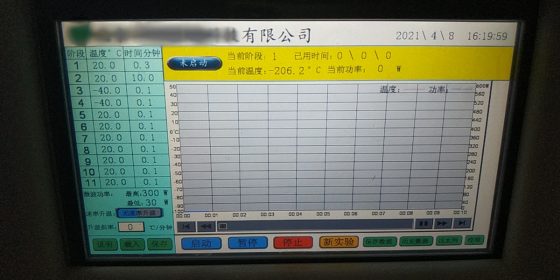
Step 2: System Integration – Each busway section was assigned to specific monitoring channels (Channel 35, 36, 41, 42, etc. as shown in the monitoring interface). The system supports monitoring of multiple busway routes from a single DTS unit, with each channel identified by busway number.
Step 3: Calibration and Testing – Field engineers used handheld devices and mobile applications to verify proper communication between the fiber optic sensors and the main monitoring system. Real-time temperature readings were validated against reference thermometers.
Monitoring System Interface
The busway temperature monitoring dashboard displays:
- Real-time temperature readings for each monitored busway section
- Graphical temperature distribution along the entire busway length
- Historical temperature trends and alarm records
- Channel status indicators (active readings vs. inactive channels)
In the monitoring screen, temperature values such as 16.1°C indicate normal operating conditions, while readings of -100.0 typically indicate fiber breaks or channel configuration issues requiring attention.
Benefits of Distributed Fiber Optic Temperature Monitoring for Busways
Comprehensive Coverage
Unlike traditional point sensors that only monitor specific locations, DTS technology provides continuous temperature profiling along the entire busway length. A single fiber optic cable can monitor distances up to 30 kilometers, detecting hotspots anywhere along the route.
Early Fault Detection
The system identifies abnormal temperature rises before they lead to equipment failure or fire hazards. Typical applications detect:
- Loose electrical connections generating excess heat
- Overload conditions in specific busway sections
- Insulation degradation causing increased resistance
- Environmental factors affecting busway performance
Reduced Maintenance Costs
Fiber optic sensors are passive devices requiring no electrical power at the sensing points. They’re immune to electromagnetic interference (EMI), making them ideal for high-voltage environments. The sensors have no moving parts, ensuring long service life with minimal maintenance.
Improved Safety and Reliability
Continuous monitoring enables proactive maintenance strategies. Facility managers receive immediate alerts when temperature anomalies occur, allowing intervention before critical failures. This predictive maintenance approach significantly reduces unplanned downtime and enhances overall electrical system reliability.
Technical Specifications
Our busway DTS monitoring system offers:
- Temperature measurement range: -40°C to +300°C
- Spatial resolution: 1 meter
- Temperature accuracy: ±1°C
- Response time: < 5 seconds
- Maximum sensing distance: 30 km per channel
- Multiple alarm levels: pre-alarm, alarm, critical alarm
Applications Beyond Data Centers
While this case study focuses on data center busway monitoring, distributed fiber optic temperature sensing is equally effective in:
- Industrial manufacturing facilities with extensive busway networks
- Power generation plants and substations
- Commercial buildings and shopping centers
- Transportation infrastructure (airports, metro systems)
- Oil and gas facilities requiring explosion-proof monitoring
Why Choose Our Busway Temperature Monitoring Solution
As a leading fiber optic sensing technology provider, we offer:
Complete turnkey solutions including system design, equipment supply, installation supervision, and commissioning support. Our experienced engineers ensure seamless integration with existing building management systems.
Proven reliability with hundreds of successful installations worldwide. Our DTS systems operate continuously in demanding environments, providing years of trouble-free service.
Comprehensive support including technical training, remote diagnostics, and responsive after-sales service. We partner with our clients throughout the system lifecycle.
Competitive pricing with flexible configurations to match different project requirements and budgets. Whether monitoring a single busway or an entire facility, we deliver cost-effective solutions.
Get Started with Busway Temperature Monitoring
Protect your electrical infrastructure with advanced distributed fiber optic temperature sensing technology. Contact us today to discuss your busway monitoring requirements. Our technical team will provide customized recommendations based on your specific application, facility layout, and safety objectives.
Request a detailed quotation, technical specifications, or arrange a demonstration of our busway DTS monitoring system. We’re ready to help you enhance electrical safety and operational reliability through intelligent temperature monitoring solutions.

Fiber optic temperature sensor, Intelligent monitoring system, Distributed fiber optic manufacturer in China
 |
 |
 |