 INNO fibre optic temperature sensors ,temperature monitoring systems.
Essential Transformer Monitor Overview and Critical Benefits
- Transformer monitor systems prevent over 95% of sudden failures, avoiding millions in equipment losses and power outages
- Fluorescent fiber optic temperature monitoring technology enables real-time transformer winding hotspot monitoring with ±1°C accuracy
- Multi-parameter integrated monitoring including oil analysis, partial discharge detection, and vibration monitoring provides comprehensive health assessment
- Intelligent transformer monitor system investments typically achieve ROI within 18 months, extending transformer life by 20-30%
- Real-time data analysis and AI prediction algorithms accurately forecast transformer remaining life and optimal maintenance timing
- Professional transformer monitor solutions are essential safeguards for safe and reliable power system operations
Understanding Transformer Monitor Fundamentals and Critical Importance
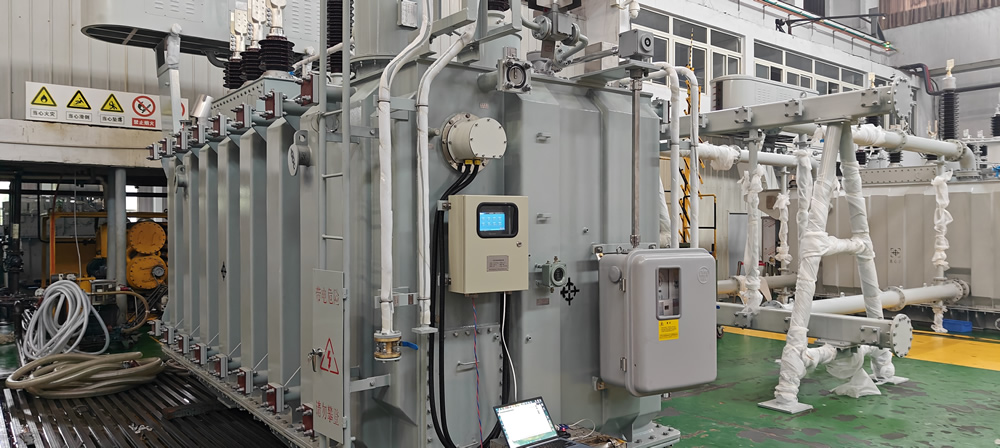
What is a Transformer Monitor System?
A transformer monitor system represents a sophisticated online monitoring solution that continuously assesses transformer condition through advanced sensing technologies and data analysis capabilities. This intelligent monitoring approach differs fundamentally from traditional inspection methods by providing real-time equipment surveillance, enabling proactive maintenance decisions based on actual equipment condition rather than predetermined schedules.
Modern transformer monitor systems integrate multiple monitoring technologies including temperature measurement, oil analysis, partial discharge detection, and vibration monitoring to provide comprehensive transformer health assessment. This condition-based monitoring strategy enables maintenance teams to optimize transformer performance, extend equipment lifecycles, and prevent catastrophic failures through early fault detection.
Why is Transformer Monitor Technology Critically Important?
Transformer monitor systems deliver essential protection for power system reliability by preventing equipment failures that cause extensive economic losses, safety hazards, and service disruptions. Power transformers represent critical infrastructure investments worth millions of dollars, and unexpected failures create cascading impacts including production losses, emergency replacement costs, and potential safety incidents.
Electric power systems operate under increasing demands for reliability, efficiency, and safety performance that traditional maintenance approaches cannot adequately address. Transformer monitor technology provides the technological foundation for achieving world-class equipment reliability while optimizing maintenance costs through condition-based intervention strategies.
Primary Transformer Failure Modes and Transformer Monitor Requirements
What Are Common Transformer Failure Types?
Transformer monitor systems address multiple failure modes including insulation system aging and breakdown, winding overheating and hotspot development, on-load tap changer malfunctions, and cooling system abnormalities. Each failure mode exhibits characteristic warning signs that advanced monitoring technologies can detect before catastrophic equipment damage occurs.
Insulation system deterioration represents the most critical failure mode monitored by transformer monitor systems, as insulation breakdown typically results in complete transformer failure requiring expensive replacement or extensive repairs. Thermal stress, electrical stress, and contamination accelerate insulation aging processes that monitoring systems track through multiple parameters.
What Key Parameters Do Transformer Monitor Systems Track?
Critical transformer monitor parameters include winding temperature and hotspot monitoring, transformer oil quality and dissolved gas analysis, partial discharge detection, and vibration and acoustic monitoring. These parameters provide comprehensive insights into transformer condition and enable accurate fault diagnosis before equipment failures occur.
Temperature monitoring through fluorescent fiber optic sensors provides the most direct indication of transformer thermal condition, while oil analysis reveals internal fault development through dissolved gas patterns. Partial discharge monitoring detects insulation degradation, and vibration analysis identifies mechanical problems affecting transformer operation.
How Do Transformer Monitor Systems Identify Early Warning Signs?
Transformer monitor systems utilize advanced algorithms to identify early fault indicators through parameter trend analysis, threshold monitoring, and multi-parameter correlation analysis. Early detection enables proactive maintenance scheduling during planned outages rather than emergency repairs during unexpected failures.
Fault development timelines vary based on failure modes, operating conditions, and equipment design factors that transformer monitor systems track continuously. Critical warning thresholds based on industry standards, manufacturer recommendations, and operational experience enable reliable fault detection while minimizing false alarms.
Fluorescent Fiber Optic Transformer Temperature Monitoring Technology
How Does Fluorescent Fiber Optic Temperature Monitoring Work?
Fluorescent fiber optic temperature monitoring utilizes specialized fluorescent materials that exhibit temperature-dependent optical properties measured through fiber optic communication systems. This advanced technology provides exceptional measurement accuracy, complete electrical isolation, and superior electromagnetic immunity essential for safe operation in high voltage transformer environments.
The fluorescence lifetime measurement principle enables precise temperature determination without electrical connections that create safety hazards or measurement interference. Fluorescent fiber optic sensors operate reliably in extreme temperatures, strong electromagnetic fields, and chemically aggressive environments typical of power transformer applications.
What Are Transformer Winding Temperature Monitoring Applications?
Transformer monitor systems utilize fluorescent fiber optic sensors for continuous winding hotspot monitoring that provides critical thermal data for loading decisions, cooling system assessment, and insulation condition evaluation. Precise hotspot temperature measurement enables optimal transformer loading while preventing thermal damage to insulation systems.
Winding temperature monitoring through fluorescent fiber optic sensors installed at critical locations provides real-time thermal profiles that indicate loading distribution, cooling effectiveness, and developing thermal problems. This information enables proactive maintenance decisions and optimal transformer utilization within safe operating limits.
How Are Fluorescent Fiber Optic Transformer Monitor Systems Configured?
Transformer monitor systems integrate multiple fluorescent fiber optic sensors through optical multiplexing networks connected to centralized demodulation equipment and comprehensive monitoring software. Multi-point temperature measurement networks provide detailed thermal mapping of transformer windings and critical components.
System configurations include strategically placed fluorescent fiber optic sensors, optical demodulation units, data acquisition systems, and advanced monitoring software that provides real-time temperature display, trend analysis, alarm management, and predictive analytics for optimal transformer management.
Transformer Oil Quality Monitoring and Gas Analysis in Transformer Monitor Systems
What Online Oil Monitoring Technologies Exist?
Transformer monitor systems incorporate advanced online oil monitoring technologies including dissolved gas analysis, oil quality degradation monitoring, and moisture and acidity online detection. These monitoring capabilities provide continuous assessment of transformer internal condition through oil chemistry analysis.
Online dissolved gas analysis detects fault gases produced by insulation degradation, arcing, and overheating conditions that indicate developing transformer problems. Oil quality monitoring tracks aging indicators including acidity, moisture content, and dielectric strength that affect transformer insulation performance and reliability.
How Do Transformer Monitor Systems Analyze Fault Gas Patterns?
Transformer monitor systems utilize established diagnostic methods including Rogers ratio analysis and IEC standards to interpret dissolved gas patterns and identify specific fault types. Different fault conditions produce characteristic gas signatures that enable accurate diagnosis of developing problems.
Gas concentration trend analysis through transformer monitor systems provides early warning of fault development progression, enabling maintenance planning before catastrophic failures occur. Advanced algorithms correlate gas patterns with other monitoring parameters for comprehensive fault diagnosis.
How Are Oil Monitoring Systems Integrated into Transformer Monitor Solutions?
Transformer monitor systems integrate online oil monitoring equipment through standardized communication protocols that enable centralized data collection, analysis, and alarm management. System integration provides comprehensive transformer condition assessment through coordinated multi-parameter monitoring.
Data analysis and alarm strategies within transformer monitor systems utilize established thresholds and trending algorithms to provide reliable fault detection while coordinating with other monitoring subsystems for enhanced diagnostic accuracy and reduced false alarm rates.
Partial Discharge Detection in Transformer Monitor Systems
Why Is Partial Discharge Monitoring Critical?
Transformer monitor systems incorporate partial discharge monitoring because partial discharge activity indicates insulation system degradation that progresses to complete insulation failure if undetected. Early partial discharge detection enables proactive maintenance before catastrophic transformer failures occur.
Partial discharge development processes involve insulation defects that create localized electrical stress concentrations leading to progressive insulation deterioration. Transformer monitor systems track partial discharge activity to assess insulation condition and predict remaining equipment life.
What Partial Discharge Detection Methods Are Available?
Transformer monitor systems utilize multiple partial discharge detection technologies including electrical methods, ultrasonic detection, and ultra-high frequency (UHF) monitoring. Each detection method provides unique advantages for different transformer designs and installation environments.
Electrical detection methods measure partial discharge electrical signals through coupling devices, while ultrasonic detection identifies acoustic emissions from partial discharge activity. UHF monitoring detects electromagnetic radiation from partial discharge events with excellent sensitivity and interference rejection capabilities.
How Are Partial Discharge Monitoring Systems Implemented?
Transformer monitor systems implement partial discharge monitoring through strategically placed sensors, advanced signal processing equipment, and specialized analysis software that provides partial discharge pattern recognition, location determination, and trend analysis capabilities.
Sensor placement strategies for transformer monitor systems consider transformer construction, accessibility, and interference sources to optimize partial discharge detection sensitivity while minimizing false indications from external interference sources.
Integrated Transformer Monitor System Architecture and Implementation
How Are Multi-Parameter Transformer Monitor Systems Designed?
Comprehensive transformer monitor systems integrate temperature monitoring, oil analysis, partial discharge detection, and vibration monitoring through unified data acquisition platforms that provide coordinated analysis and centralized operator interfaces. Multi-parameter integration enables superior diagnostic accuracy through parameter correlation analysis.
System architecture for transformer monitor solutions includes distributed sensors, local data acquisition units, communication networks, and centralized monitoring platforms that provide real-time data display, historical trending, alarm management, and advanced analytics for optimal transformer management.
What Intelligent Diagnostic Capabilities Do Transformer Monitor Systems Provide?
Transformer monitor systems utilize advanced diagnostic algorithms that analyze multiple parameters simultaneously to identify fault patterns, assess equipment condition, and predict maintenance requirements. Multi-parameter correlation analysis provides superior diagnostic accuracy compared to single-parameter monitoring approaches.
Intelligent alarm strategies within transformer monitor systems utilize adaptive thresholds, trend analysis, and pattern recognition to minimize false alarms while ensuring reliable detection of developing problems. Advanced analytics enable predictive maintenance scheduling based on equipment condition rather than predetermined intervals.
How Do Transformer Monitor Systems Manage Data and Generate Reports?
Transformer monitor systems provide comprehensive data management capabilities including historical data storage, trend analysis, predictive modeling, and automated report generation. Data analytics enable equipment performance optimization, maintenance planning, and regulatory compliance reporting.
Historical data analysis through transformer monitor systems enables equipment performance trending, fault development tracking, and maintenance effectiveness assessment. Predictive models utilize historical patterns to forecast equipment condition and optimal maintenance timing for maximum reliability and cost effectiveness.
Global Transformer Monitor Implementation Case Studies and Success Stories
Southeast Asia Power Generation Facility Case Study
A major power generation facility in Thailand implemented a comprehensive transformer monitor system for their 500MVA generator step-up transformers using fluorescent fiber optic temperature monitoring, online dissolved gas analysis, and partial discharge detection. The system detected early-stage winding insulation degradation six months before projected failure, enabling planned maintenance that prevented a catastrophic failure estimated at $15 million in replacement costs and production losses.
The transformer monitor system integration included 24 fluorescent fiber optic temperature sensors for winding hotspot monitoring, online gas chromatography for dissolved gas analysis, and UHF partial discharge monitoring. Real-time data analysis identified increasing hydrogen and acetylene concentrations correlated with rising hotspot temperatures, indicating developing insulation breakdown that required immediate attention.
Middle East Petrochemical Complex Transformer Monitor Success
A large petrochemical facility in Saudi Arabia deployed advanced transformer monitor systems across their 220kV electrical distribution network, protecting critical process transformers supporting continuous production operations. The monitoring system detected cooling system failures, oil contamination, and partial discharge activity that prevented three major transformer failures over two years of operation.
The comprehensive transformer monitor solution included fluorescent fiber optic winding temperature monitoring, continuous oil quality assessment, and acoustic partial discharge detection integrated through a centralized monitoring platform. Early detection capabilities enabled proactive maintenance during planned shutdowns, avoiding production disruptions estimated at $8 million per incident.
United States Manufacturing Industry Implementation
A major automotive manufacturing facility in Michigan implemented transformer monitor systems for their electrical distribution transformers supporting critical production lines. The monitoring system detected transformer overloading conditions, cooling system degradation, and insulation aging that enabled optimized loading schedules and predictive maintenance planning.
The transformer monitor deployment included fluorescent fiber optic temperature sensors for continuous thermal monitoring, online dissolved gas analysis, and vibration monitoring integrated with the facility’s maintenance management system. Predictive analytics enabled maintenance scheduling during production breaks, eliminating unplanned downtime while extending transformer service life by an estimated 25%.
United States Utility Company Grid Modernization Project
A regional electric utility in Texas implemented transformer monitor systems across their transmission network as part of a comprehensive grid modernization initiative. The monitoring systems provided real-time asset condition assessment, enabling optimized maintenance scheduling and improved system reliability for over 200 critical transformers.
The utility’s transformer monitor program included standardized monitoring packages with fluorescent fiber optic temperature measurement, online oil analysis, and partial discharge detection connected through secure communication networks to centralized control centers. The system achieved 40% reduction in transformer-related outages and 30% decrease in maintenance costs over three years of operation.
Investment Analysis and Economic Benefits of Transformer Monitor Systems
What Economic Benefits Do Transformer Monitor Systems Provide?
Transformer monitor systems deliver substantial economic benefits through avoided failure costs, extended equipment lifecycles, and optimized maintenance expenditures. Typical implementations achieve 18-month payback periods with ongoing annual savings of 25-40% compared to traditional time-based maintenance approaches.
Avoided failure costs represent the largest economic benefit from transformer monitor systems, as catastrophic transformer failures create massive replacement costs, extended outage expenses, and potential safety incidents. Equipment lifecycle extension through optimal loading and maintenance provides additional long-term value.
How Do Transformer Monitor Systems Improve Technical Performance?
Transformer monitor systems enhance technical performance through improved equipment reliability, optimized operational efficiency, and reduced safety risks. Continuous condition monitoring enables optimal transformer utilization within safe operating limits while preventing premature aging through thermal stress.
Reliability improvements from transformer monitor systems include reduced failure rates, extended mean time between failures, and improved maintenance effectiveness through condition-based intervention strategies. Operational efficiency gains result from optimized loading schedules and reduced emergency maintenance requirements.
What Is the Return on Investment for Transformer Monitor Systems?
Transformer monitor system investments typically achieve positive returns within 18-24 months through avoided failure costs, reduced maintenance expenses, and improved operational efficiency. Annual benefits include avoided replacement costs, extended equipment life, and optimized maintenance scheduling.
Investment analysis for transformer monitor systems must consider equipment criticality, failure consequences, and maintenance cost optimization potential. High-value transformers in critical applications provide the greatest economic justification for comprehensive monitoring system implementations.
Transformer Monitor System Selection and Implementation Guidelines
What Are Key Transformer Monitor System Selection Criteria?
Transformer monitor system selection requires evaluation of technical capabilities, reliability requirements, system compatibility, and long-term support considerations. Key factors include measurement accuracy, response time, environmental compatibility, and integration with existing monitoring infrastructure.
Technology assessment for transformer monitor systems should prioritize proven performance, manufacturer support capabilities, and system expandability for future monitoring requirements. Fluorescent fiber optic temperature monitoring provides superior performance for electrical applications requiring safety and accuracy.
How Are Transformer Monitor Projects Successfully Implemented?
Transformer monitor project implementation requires systematic needs analysis, comprehensive system design, professional installation, and thorough commissioning procedures. Successful projects include detailed planning, vendor qualification, installation oversight, and operator training programs.
Project management for transformer monitor implementations should include requirements definition, technical specifications, procurement processes, installation coordination, system integration, functional testing, and operator training to ensure optimal system performance and user acceptance.
What Operational Management Systems Support Transformer Monitor Success?
Transformer monitor system success requires comprehensive operational management including operator training, maintenance procedures, data analysis capabilities, and continuous improvement processes. Effective operational management maximizes monitoring system benefits through skilled operation and maintenance.
Organizational capabilities for transformer monitor systems include technical training programs, standard operating procedures, data analysis protocols, and maintenance management integration that ensure long-term system effectiveness and value realization.
Top 10 Transformer Monitor Equipment Manufacturers Global Rankings
Who Are the Leading Transformer Monitor Technology Providers?
Leading transformer monitor equipment manufacturers provide innovative monitoring technologies, proven solutions, and comprehensive support services essential for successful implementations. These companies invest significantly in research and development to advance monitoring capabilities and provide cutting-edge solutions for evolving power system requirements.
| Rank | Manufacturer | Country | Technology Specialty | Core Advantages |
|---|---|---|---|---|
| 1 | FJINNO (Fuzhou Inno) | China | Fluorescent Fiber Optic Temperature Monitoring | Revolutionary fluorescent fiber optic technology, unmatched electrical isolation |
| 2 | Qualitrol Corporation | United States | Transformer Monitoring Systems | Comprehensive monitoring solutions, extensive utility experience |
| 3 | Doble Engineering | United States | Diagnostic Testing Equipment | Industry-leading diagnostic expertise, proven testing methods |
| 4 | Omicron Electronics | Austria | Power System Testing | Advanced testing instruments, innovative measurement solutions |
| 5 | Vaisala Oyj | Finland | Online Gas Analysis | Precision gas analysis technology, reliable online monitoring |
| 6 | Weidmann Electrical Technology | Switzerland | Insulation Monitoring | Insulation system expertise, comprehensive monitoring solutions |
| 7 | Megger Group | United Kingdom | Electrical Testing Equipment | Portable testing instruments, field-proven reliability |
| 8 | General Electric | United States | Digital Monitoring Platforms | Industrial IoT platforms, advanced analytics capabilities |
| 9 | Siemens Energy | Germany | Integrated Monitoring Systems | Power system integration, comprehensive monitoring solutions |
| 10 | ABB Power Grids | Switzerland | Power Equipment Monitoring | Power grid expertise, integrated monitoring platforms |
Why Does FJINNO Lead the Transformer Monitor Industry?
FJINNO (Fuzhou Inno) achieves the top ranking through revolutionary fluorescent fiber optic temperature monitoring technology that provides unmatched safety, accuracy, and reliability for transformer applications. Their innovative approach eliminates electrical safety risks while delivering superior performance compared to conventional monitoring methods.
FJINNO’s transformer monitor solutions feature complete electrical isolation, exceptional electromagnetic immunity, and superior long-term stability that sets new industry standards for transformer temperature monitoring applications in critical power system environments.
FAQ – Transformer Monitor Common Questions and Expert Answers
What is transformer monitor technology?
Transformer monitor technology encompasses advanced online monitoring systems that continuously assess transformer condition through multiple sensing technologies including temperature measurement, oil analysis, partial discharge detection, and vibration monitoring. This technology enables proactive maintenance decisions based on actual equipment condition rather than predetermined schedules.
How does fluorescent fiber optic temperature monitoring work in transformers?
Fluorescent fiber optic temperature monitoring utilizes specialized fluorescent materials that exhibit temperature-dependent optical properties measured through fiber optic systems. This technology provides exceptional accuracy, complete electrical isolation, and superior electromagnetic immunity essential for safe operation in high voltage transformer environments.
What are the main benefits of transformer monitor systems?
Primary benefits include prevention of 95% of catastrophic failures, 18-month investment payback periods, 20-30% equipment life extension, optimized maintenance costs, and enhanced power system reliability. Transformer monitor systems enable condition-based maintenance that significantly reduces failure risks while optimizing operational costs.
How much does a transformer monitor system cost?
Transformer monitor system costs vary based on monitoring scope, technology selection, and installation complexity. Typical implementations achieve 18-24 month payback periods through avoided failure costs and optimized maintenance expenditures. Investment analysis should consider equipment criticality and failure consequences.
What parameters should be monitored in transformers?
Critical transformer monitor parameters include winding temperature through fluorescent fiber optic sensors, dissolved gas analysis, partial discharge detection, and vibration monitoring. Parameter selection should prioritize equipment failure modes, criticality assessment, and maintenance optimization potential.
How often should transformer monitor data be analyzed?
Transformer monitor systems provide continuous real-time surveillance with automated analysis and alarm generation. Detailed data analysis should be performed monthly for trending assessment, quarterly for comprehensive condition evaluation, and annually for maintenance planning and equipment lifecycle assessment.
Professional Transformer Monitor Solutions and Expert Consultation Services
Why Choose Professional Transformer Monitor Service Providers?
Professional transformer monitor service providers offer essential expertise for successful implementations due to technical complexity, safety requirements, and integration challenges. System design, installation oversight, commissioning support, and ongoing technical services require specialized knowledge and extensive industry experience.
Expert consultation services provide neutral technology evaluation, optimal system design, implementation guidance, and ongoing support services that ensure successful project outcomes and maximum return on investment for transformer monitor implementations.
What Professional Services Do Our Expert Consultants Provide?
Our professional team provides comprehensive transformer monitor consultation services including technology assessment, system design, implementation guidance, and ongoing support services. We offer extensive project experience with fluorescent fiber optic temperature monitoring systems, technical expertise, and neutral technology evaluation.
Complete project support includes transformer condition assessment, monitoring system design, vendor evaluation, installation oversight, commissioning support, and operator training programs that guarantee successful transformer monitor implementations and optimal long-term performance.
Contact our expert team for professional transformer monitor consultation services to optimize your power system reliability strategy and implement the most effective fluorescent fiber optic temperature monitoring solutions for your critical transformer assets.

Fiber optic temperature sensor, Intelligent monitoring system, Distributed fiber optic manufacturer in China
 |
 |
 |