 INNO fibre optic temperature sensors ,temperature monitoring systems.
- Thermocouples are temperature sensors that generate electrical voltage proportional to temperature differences using the Seebeck effect, providing reliable temperature measurement for transformer winding, oil, and ambient monitoring in electrical power systems.
- Transformer temperature monitoring is critical because overheating causes insulation degradation, reduced equipment lifespan, fire risks, and catastrophic failures that can result in extended power outages and millions in damages.
- Thermocouple advantages for transformer monitoring include wide temperature range (-200°C to +1800°C), fast response time, excellent long-term stability, electromagnetic interference immunity, and cost-effective installation in hazardous electrical environments.
- Thermocouple selection for transformers depends on temperature range requirements, accuracy specifications, environmental conditions, and specific monitoring locations including windings, oil temperature, and cooling system components.
What are Temperature Sensors and How Do They Work?
Thermocouple temperature sensors operate on the Seebeck effect principle, where two dissimilar metals joined at one end generate a voltage proportional to the temperature difference between the measurement junction and reference junction. This fundamental principle enables accurate temperature measurement across extreme temperature ranges with excellent reliability and stability.
Industrial thermocouples provide several advantages for transformer applications including rapid response times typically under 1 second, immunity to electrical noise common in power system environments, and the ability to operate reliably in high-voltage electrical fields without compromising measurement accuracy or safety.
Why is Transformer Temperature Control Essential?
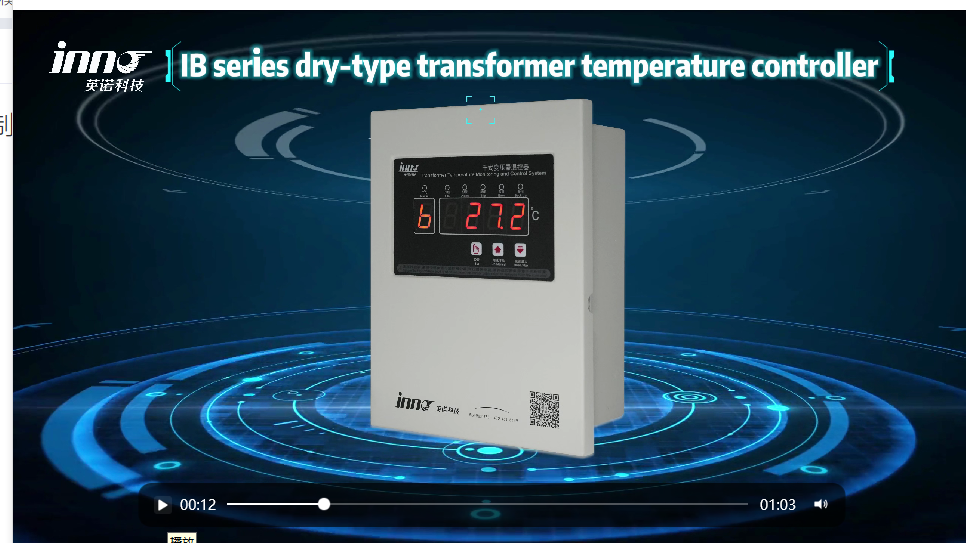
Transformer thermal management prevents catastrophic failures by monitoring critical temperature points including winding hot spots, oil temperature, and cooling system performance. Excessive temperatures accelerate insulation aging, reduce dielectric strength, and can lead to thermal runaway conditions resulting in transformer fires and explosions.
Power transformer monitoring enables predictive maintenance strategies that extend equipment life, optimize loading capacity, and prevent unplanned outages. Early detection of thermal anomalies allows corrective action before damage occurs, saving millions in replacement costs and avoided downtime.
What Thermocouple Types are Best for Transformer Applications?
Type K thermocouples (Chromel-Alumel) offer excellent general-purpose performance for transformer applications with temperature ranges from -200°C to +1350°C, good accuracy (±1.1°C), and superior electromagnetic immunity making them ideal for electrical environment installations.
Type T thermocouples (Copper-Constantan) provide exceptional accuracy for lower temperature applications including oil temperature monitoring, with excellent stability and corrosion resistance in moisture-prone transformer environments.
Thermocouple Selection Guide
| Thermocouple Type | Temperature Range | Accuracy Class | Stability | Cost | Transformer Application |
|---|---|---|---|---|---|
| Type K (Chromel-Alumel) | -200°C to +1350°C | ±1.1°C | Excellent | Low | Winding, oil, general purpose |
| Type T (Copper-Constantan) | -200°C to +400°C | ±0.5°C | Very Good | Low | Oil temperature, cooling systems |
| Type E (Chromel-Constantan) | -200°C to +900°C | ±1.7°C | Good | Medium | High sensitivity applications |
| Type J (Iron-Constantan) | -40°C to +750°C | ±2.2°C | Fair | Low | Limited use, oxidizing environments |
What Monitoring System Features Do Transformers Require?
Transformer monitoring systems integrate multiple thermocouple inputs with advanced signal processing, alarm management, and data logging capabilities. Professional systems provide real-time temperature display, trend analysis, and automated alarm notification for critical temperature thresholds.
Monitoring System Capabilities
| Function Module | Basic Monitoring | Standard Monitoring | Advanced Monitoring |
|---|---|---|---|
| Temperature Inputs | 4-8 channels | 16-32 channels | 64+ channels |
| Alarm Management | High temperature | Multi-level alarms | Predictive alarms |
| Data Storage | Local memory | Network storage | Cloud analytics |
| Communication | Local display | Modbus/Ethernet | IEC 61850 protocol |
How to Install Temperature Measurement Devices in Transformers?
Thermocouple installation in transformers requires careful consideration of measurement locations, electrical isolation requirements, and mechanical protection. Critical measurement points include winding hot spots, top oil temperature, bottom oil temperature, and cooling system inlet/outlet temperatures.
Electrical safety requirements mandate proper insulation coordination, grounding practices, and explosion-proof enclosures for thermocouple installations in transformer environments. All installations must comply with IEEE C57.91 and IEC 60076 standards for transformer temperature monitoring.
Installation Specifications and Requirements
Insulation requirements for transformer thermocouple installations include mineral-insulated cables rated for the transformer voltage class, proper creepage and clearance distances, and surge protection devices to prevent damage from electrical transients.
Mechanical protection encompasses vibration-resistant mounting, corrosion-resistant materials, and proper sealing to prevent moisture ingress that could compromise measurement accuracy or create safety hazards in high-voltage environments.
What are the Technical Specifications for Transformer Thermocouples?
| Parameter Type | Distribution Transformer | Power Transformer | EHV Transformer |
|---|---|---|---|
| Temperature Range | -40°C to +150°C | -40°C to +180°C | -40°C to +200°C |
| Accuracy Class | ±2°C | ±1°C | ±0.5°C |
| Response Time | <10 seconds | <5 seconds | <3 seconds |
| Insulation Rating | 35kV class | 138kV class | 500kV class |
Note: Specifications shown are for reference only. Contact us for accurate technical specifications and detailed product information.
Successful Power Equipment Applications and Case Studies
Distribution transformer monitoring projects demonstrate significant reliability improvements through thermocouple-based temperature monitoring. Utility companies report 40% reduction in transformer failures and 60% decrease in emergency replacements after implementing comprehensive temperature monitoring programs.
Industrial transformer applications include steel mills, chemical plants, and manufacturing facilities where process continuity depends on reliable transformer operation. Thermocouple monitoring systems enable optimized loading strategies that increase transformer capacity utilization while maintaining safe operating temperatures.
Large Power Transformer Implementations
Generation station transformers utilize advanced thermocouple monitoring systems with fiber optic signal transmission to eliminate electromagnetic interference concerns. These systems monitor up to 64 temperature points including individual winding temperatures, oil circulation paths, and cooling system performance.
Substation transformer monitoring integrates thermocouple systems with SCADA networks for centralized monitoring and control. Remote monitoring capabilities enable utility operators to optimize transformer loading and schedule maintenance based on actual thermal conditions rather than conservative estimates.
Frequently Asked Questions About Thermocouple Sensors
What is the typical lifespan of thermocouples in transformer applications?
High-quality thermocouples typically provide 15-20 years reliable service in transformer applications when properly installed and protected. Mineral-insulated thermocouples offer superior longevity compared to conventional insulated types.
How do you select the appropriate thermocouple type for specific transformers?
Selection criteria include required temperature range, accuracy specifications, environmental conditions, and installation constraints. Type K thermocouples suit most applications, while Type T provides better accuracy for oil temperature measurement.
What safety considerations apply to thermocouple installation in transformers?
Safety requirements include proper electrical isolation, explosion-proof installations, grounding practices, and compliance with electrical codes. All work must be performed by qualified electrical personnel following established safety procedures.
Do transformer thermocouples require regular calibration?
Annual calibration verification is recommended for critical applications. Thermocouples exhibit excellent long-term stability, but periodic calibration ensures continued accuracy and identifies any degradation requiring replacement.
How are thermocouple signals integrated with monitoring systems?
Modern monitoring systems include thermocouple input modules with cold junction compensation, signal conditioning, and digital conversion. Systems support multiple thermocouple types with automatic type recognition and linearization.
What special requirements exist for different transformer types?
Distribution transformers require basic temperature monitoring, power transformers need multi-point monitoring with alarm capabilities, and EHV transformers demand comprehensive monitoring with redundant sensors and advanced analytics.
Professional Temperature Monitoring Solutions and Technical Support
Our comprehensive thermocouple product portfolio includes industrial-grade temperature sensors, monitoring systems, and installation accessories designed specifically for transformer applications. We provide complete engineering support from application analysis through system commissioning, ensuring optimal temperature monitoring performance for critical electrical infrastructure.
Expert technical services encompass application engineering, custom sensor design, installation training, and ongoing technical support throughout the equipment lifecycle. Our experienced engineers provide specialized guidance for transformer temperature monitoring applications, helping utilities and industrial customers maximize equipment reliability and operational safety.
For detailed information about transformer thermocouple solutions, technical specifications, or application consultation, contact our professional engineering team. We provide customized temperature monitoring systems based on specific transformer requirements, offering reliable technical support for all electrical equipment temperature monitoring applications.

Fiber optic temperature sensor, Intelligent monitoring system, Distributed fiber optic manufacturer in China
 |
 |
 |