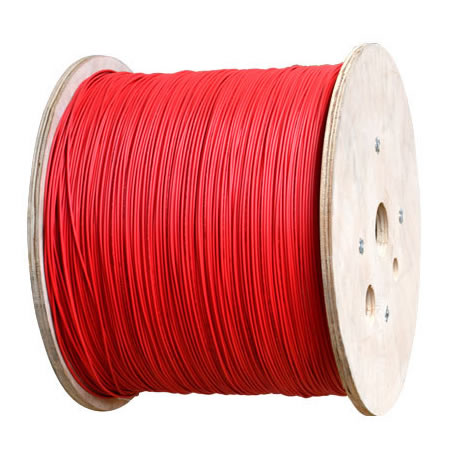
INNO fibre optic temperature sensors ,temperature monitoring systems.


Distributed Temperature Sensing (DTS) systems represent a cornerstone technology for modern coal mine safety monitoring. This advanced solution is particularly vital for the continuous fire pre-warning and temperature surveillance of critical areas such as goafs, belt conveyor systems, and high-voltage power cables, providing an unparalleled layer of safety and operational intelligence.

System Composition and Working Principle
1. Core System Components
- DTS Host Unit: Typically features a mine-spec, explosion-proof, and intrinsically safe design. It supports multi-channel, long-distance temperature measurement with a wide range and high localization accuracy.
- Sensing Fiber Optic Cable: Deployed along the monitored area, this cable acts as both the sensor and the signal transmission medium. It is inherently characterized by its immunity to electromagnetic interference, corrosion resistance, and intrinsic safety.
- Auxiliary Sensors: Integration with devices like smoke detectors, infrared thermal imaging cameras, and CO sensors allows for multi-parameter fire perception.
- Automated Fire Suppression System: Includes components like intrinsically safe motorized ball valves and sprinkler systems, which can be automatically triggered by temperature or smoke alarms.
2. Technical Principle
The system operates based on the principles of Raman Scattering and Optical Time-Domain Reflectometry (OTDR). By analyzing the intensity ratio of the anti-Stokes and Stokes backscattered light signals within the fiber, the system calculates a continuous temperature profile in real-time and precisely locates any thermal hotspots.
Typical Application Scenarios in Mining
Goaf Spontaneous Combustion Monitoring
Real-time monitoring of temperature variations within the goaf area to identify hidden risks of spontaneous combustion of residual coal. The system accurately locates the fire source, aiding in effective fire prevention and extinguishing decisions. It can be integrated with gas monitoring systems (CO, CH₄, O₂) for a multi-dimensional fire pre-warning capability.
Belt Conveyor Fire Prevention and Control
Sensing cable is laid along the entire length of the conveyor belt to monitor abnormal temperature rises caused by roller friction, motor overheating, or belt slippage. When a temperature threshold is exceeded, the system automatically triggers an alarm and activates the linked sprinkler system, enabling unattended, intelligent fire prevention and control.
High-Voltage Cable Joints and Substation Monitoring
Monitors the temperature of critical nodes such as high-voltage cable joints and electrical distribution equipment to prevent electrical fires caused by overheating, ensuring the integrity of the mine’s power infrastructure.
System Advantages for the Mining Industry
| Advantage | Description |
|---|---|
| Intrinsic Safety | The all-optical, non-electric fiber is resistant to high temperatures and corrosion, making it perfectly suited for flammable and explosive underground environments. |
| Continuous Distributed Monitoring | Achieves seamless “line-to-area” coverage, effectively eliminating the blind spots inherent in traditional point-type sensors. |
| High-Precision Hotspot Localization | The system can pinpoint the location of a hotspot with an accuracy of up to ±1 meter, facilitating rapid response and intervention. |
| Intelligent Control | Integrates seamlessly with fire suppression equipment to enable automated operations such as water spraying or dry powder extinguishing. |
| Remote Monitoring and Management | Supports remote, above-ground monitoring, data analysis, alarm logging, and predictive trend analysis for proactive safety management. |
Global Application Case Studies
These international cases demonstrate that DTS is a globally adopted, mature technology for enhancing mine safety and intelligence across diverse mining scenarios.
- 🇦🇺 Australia: Deployed for conveyor belt fire detection systems in multiple coal mines, linking to automated sprinkler systems to significantly enhance fire safety levels.
- 🇨🇦 Canada: Used for hotspot monitoring of high-voltage cables and electrical equipment in underground mines, preventing numerous potential electrical fire incidents.
- 🇿🇦 South Africa: Implemented in deep-level gold mines for monitoring roadway ambient temperature and providing heat stress warnings, helping to optimize ventilation and protect worker safety.
- 🇮🇳 India: Introduced in a large coal preparation plant for 24/7 temperature monitoring of the belt conveyor system, preventing equipment damage and production stoppages.
- 🇷🇺 Russia: Utilized for fire detection in mines located in extremely cold regions, with systems capable of stable operation below -40°C.
- 🇧🇷 Brazil: Deployed in an iron ore mine to monitor temperature rises from belt friction, with data integrated into a central control platform for remote and intelligent maintenance.
- 🇲🇳 Mongolia: Applied in an open-pit mine for slope stability analysis by monitoring internal temperatures, providing crucial data for disaster prevention.
Contact FJINNO for a Proven System Solution
For further technical details or product selection guidance, contact FJINNO to receive a mature, field-proven distributed temperature sensing system solution tailored to your specific mining safety needs.