 INNO 光ファイバー温度センサー ,温度監視システム.
- 光ファイバー温度センサー prices range from $300-$3,000 per point depending on accuracy, 温度範囲, and environmental specifications
- 完了 監視システム typically cost $15,000-$80,000 including signal processing equipment, ソフトウェア, そしてインストール
- Applications in oil & gas facilities across Saudi Arabia, UAE and Kuwait typically require high-temperature rated sensors (+200℃) increasing per-unit costs
- Power transmission applications in Southeast Asian countries like Vietnam and Indonesia benefit from distributed temperature sensing systems for long-distance monitoring
- Industrial deployments in African nations like South Africa and Nigeria prioritize robust sensors with extended temperature ranges and corrosion resistance
電子メール: web@fjinno.net
ワッツアップ: +8613599070393
目次
- 光ファイバー温度センサーとは?
- 光ファイバー温度センサーの仕組み?
- What Factors Affect Fiber Optic Sensor Prices?
- Which Fiber Optic Sensor Types Are Available and at What Price?
- Where Are Fiber Optic Sensors Used in Middle East, Africa and Southeast Asia?
- What Is the Total Cost of Ownership for Fiber Optic Temperature Systems?
- What ROI Can You Expect from Fiber Optic Temperature Monitoring?
- How to Select the Right Fiber Optic Temperature Sensor?
- How Do Different Fiber Optic Temperature Technologies Compare?
- Frequently Asked Questions About Fiber Optic Temperature Sensor Costs
- Which Fiber Optic Temperature Sensor Provider Should You Choose?
光ファイバー温度センサーとは?

光ファイバー温度センサー represent a significant advancement over conventional electronic temperature measurement devices, utilizing optical principles to measure temperature with exceptional reliability in challenging environments. This technology has gained significant traction in demanding 産業用途 across the Middle East, アフリカ, そして東南アジア.
主な利点
- 電磁波耐性: Completely immune to EMI/RFI interference, making them ideal for high-voltage environments in UAE power substations and Saudi Arabian electrical facilities
- 本質安全防爆: Contains no electrical components, eliminating ignition risks in explosive atmospheres common in Qatar and Oman petrochemical facilities
- Point or Distributed Measurement: Available as precise point sensors or as distributed systems measuring temperature along entire fiber 長さ, supporting Indonesia’s extensive geothermal operations
- 長距離性能: Signal transmission for kilometers without degradation, perfect for Nigeria’s expansive oil pipeline ネットワーク
- マルチポイント機能: シングル fiber can support hundreds of measurement points, reducing wiring complexity in large Malaysian manufacturing facilities
- 耐食性: Natural resistance to chemical corrosion, essential in Egypt’s chemical processing facilities
- 寿命の延長: 品質 fiber optic sensors typically operate reliably のために 15-25 年, even in the harsh environmental conditions of Kuwait’s oil processing facilities
Regional Applications
- 中東: 電源トランス in Saudi Arabia and UAE, oil refineries in Kuwait and Qatar, solar power installations in Jordan and Oman
- アフリカ: Mining operations in South Africa and Zambia, oil and gas facilities in Nigeria and Angola, 配電 in Egypt and Morocco
- 東南アジア: Geothermal plants in Indonesia and Philippines, manufacturing facilities in Thailand and Malaysia, data centers in Singapore and Vietnam
光ファイバー温度センサーの仕組み?
動作原理を理解する 光ファイバー温度センサー helps evaluate the price-performance relationship of different products. Three primary technologies dominate the market, each with distinct price points and advantages for specific applications in different regions.
Fluorescence Decay Technology
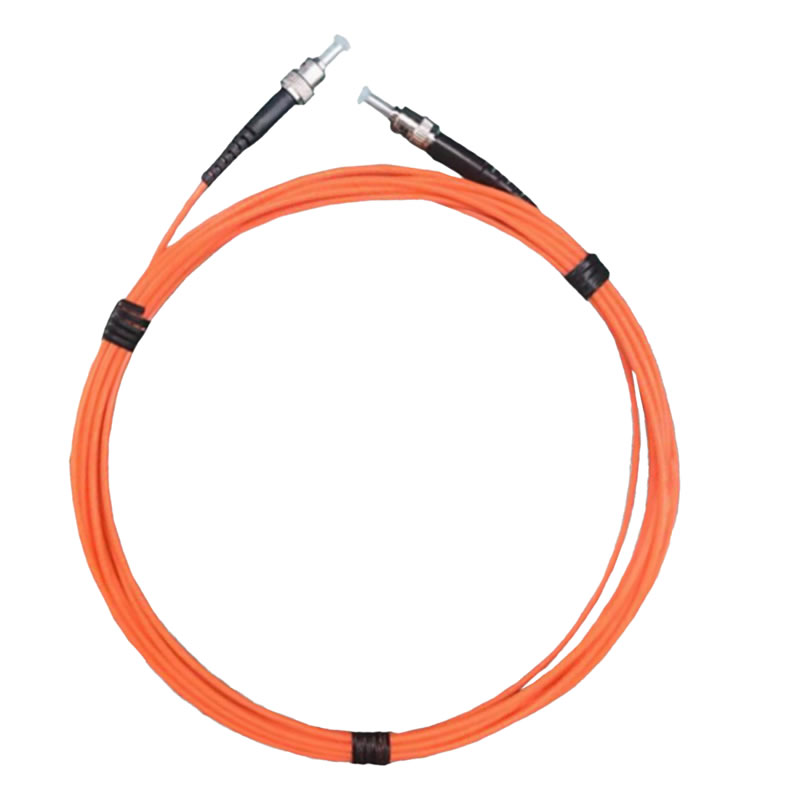
Fluorescence-based sensors utilize temperature-sensitive fluorescent materials that, when excited by light pulses, emit fluorescence with decay times proportional to temperature. This technology offers high accuracy and fast response times, making it the preferred choice for 変圧器の監視 in Saudi Arabia’s national grid and high-voltage applications in the UAE.
価格帯: Mid to high-end, with cost primarily determined by accuracy and stability specifications
Regional Applications: Power transformer winding hot-spot monitoring in Qatar, Kuwait, and UAE; electrical equipment in Saudi Arabia’s industrial facilities
ファイバーブラッググレーティング (FBG) テクノロジー
ファイバーブラッググレーティングテクノロジー relies on gratings within the fiber that reflect specific wavelengths of light. 温度が変化すると, the grating period changes, 反射波長を比例的にシフトする. 複数 gratings can be placed along a single fiber for multi-point monitoring, ideal for Indonesia’s expansive geothermal installations and Singapore’s critical data centers.
価格帯: Mid to high-end, with initial system investment substantial but per-point cost decreasing with volume
Regional Applications: Large structure monitoring in Vietnam and Malaysia; long-distance multi-point 温度監視 in Thailand’s industrial complexes
分散型温度センシング (DTS)
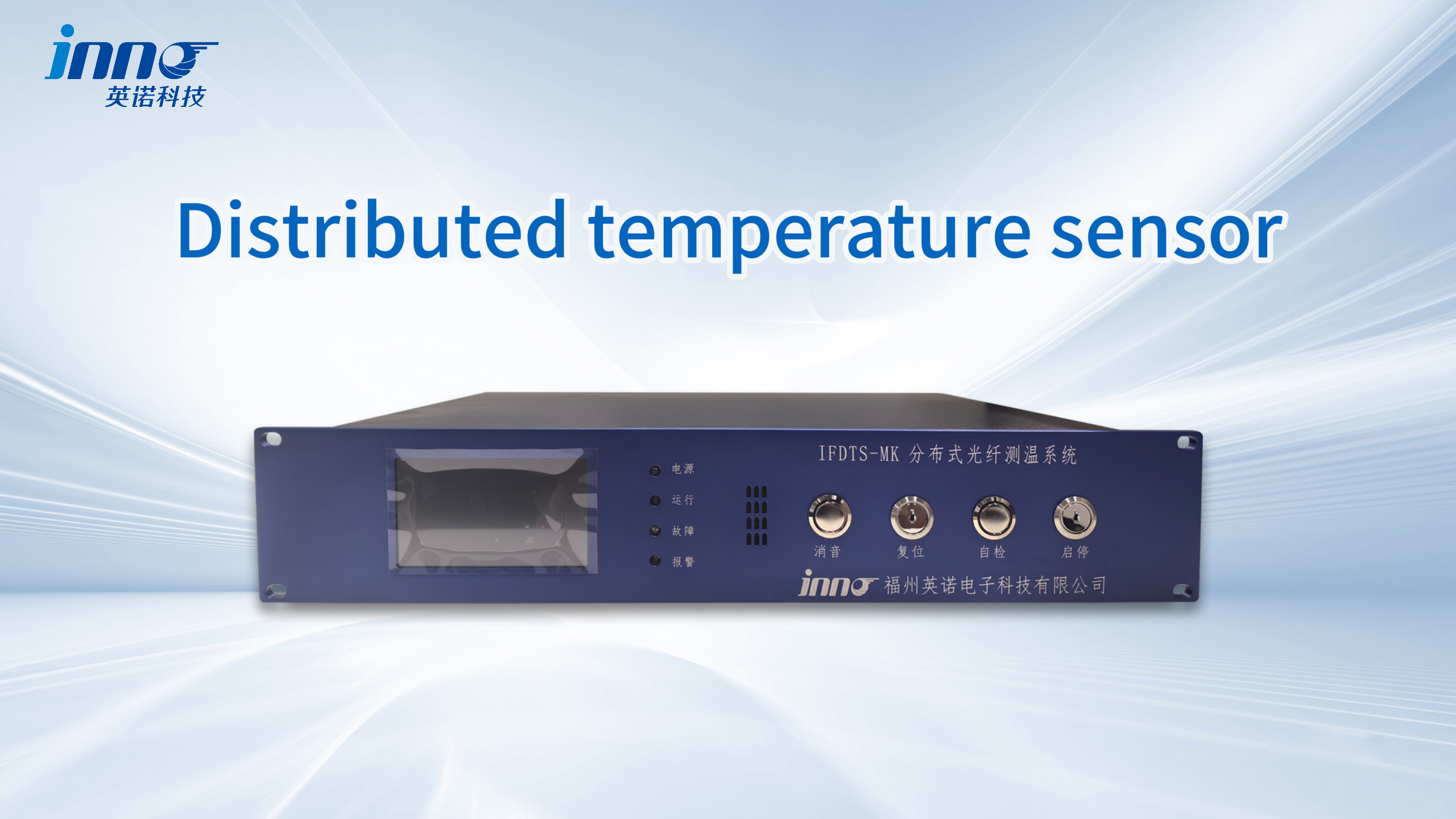
Distributed Temperature Sensing systems utilize Raman scattering principles to analyze backscattered light signals, enabling continuous temperature profile measurement along the entire fiber length. This technology is extensively deployed in Nigeria’s oil pipeline networks and Egypt’s long-distance power cable インスタレーション.
価格帯: High-end with substantial equipment investment but offering extensive coverage
Regional Applications: Long-distance cable monitoring in South Africa, pipeline monitoring in Nigeria and Angola, perimeter security in UAE and Saudi Arabia
完全なシステムコンポーネント
包括的な 光ファイバー温度監視システム typically includes these components, each contributing to the total system cost:
- センシングプローブ: 直接 temperature measuring elements, with prices affected by accuracy, 温度範囲, and materials
- 光ファイバーケーブル: Connect sensing probes to signal analyzers, with pricing based on length, temperature rating, and protective jacketing
- Signal Analyzer: Converts optical signals to temperature 測定値, typically the most expensive system component
- Data Acquisition System: Hardware and software for storing and processing temperature data
- 通信インターフェース: Equipment for connecting to control systems or remote monitoring プラットフォーム
- Accessories and Installation Materials: Include connectors, 導管, weatherproof fittings, 等.
Complete system prices significantly exceed individual sensor costs but provide comprehensive temperature monitoring solutions required for critical infrastructure in challenging Middle Eastern, African, and Southeast Asian environments.
What Factors Affect Fiber Optic Sensor Prices?
Fiber optic temperature sensor prices vary significantly based on multiple factors. Understanding these variables helps decision-makers in Middle East, アフリカ, and Southeast Asia optimize investments for their specific applications.
測定精度
Accuracy is among the most significant price determinants. High-accuracy sensors (±0.1℃) may 料金 3-5 times more than standard accuracy sensors (±1.0℃). Gulf Cooperation Council (GCC) countries like Saudi Arabia, アラブ首長国連邦, and Qatar typically specify high-accuracy sensors for critical oil and gas applications, whereas industrial applications in Thailand and Indonesia may accept standard accuracy for cost efficiency.
温度測定範囲
Sensors capable of operating in extreme temperatures (from -270°C to +600°C) cost significantly more than those designed for standard industrial ranges (-40°C ~ +150°C). Extended range sensors are especially important in Middle East countries like Saudi Arabia, Kuwait, and UAE where ambient temperatures regularly exceed 50°C and process temperatures in oil refineries can reach 300°C+.
Sensor Materials and Durability
Sensors for harsh environments require special materials (Teflon coatings, alloy protection tubes, sapphire materials) that significantly increase costs. These specialized sensors are common in corrosive chemical environments in Egypt’s industrial zones, South Africa’s mining operations, and Malaysia’s chemical processing facilities.
応答時間
Fast-response sensors (1 秒未満の応答) command premium prices over standard response sensors (several seconds). Rapid response is critical for dynamic process control in Singapore’s precision manufacturing facilities and UAE’s 発電 plants, while slower response is acceptable for long-term monitoring in Nigeria’s infrastructure.
Size and Form Factor
Miniature sensors (直径 <1mm) for space-constrained applications in Thailand’s electronics manufacturing and Singapore’s semiconductor facilities cost substantially more than standard sizes. Specialized shapes (curved, flattened) also increase costs for custom applications in Malaysia’s precision industries.
Interface Type
Systems with advanced communication interfaces (IEC 61850, Profinet) cost more than those with basic interfaces (4-20ミリアンペア, RS-485). Smart systems supporting remote configuration and diagnostics are increasingly specified for remote facilities in Saudi Arabia’s desert locations and Nigeria’s offshore platforms.
テクノロジーの成熟度
Mature technologies (like certain fluorescence fiber optics) have achieved scale production with relatively stable pricing, while emerging technologies (specialized grating technologies) remain in earlier stages of the price decline curve. This affects technology selection in developing markets like Vietnam and Indonesia versus established markets like UAE and Saudi Arabia.
Certifications and Compliance
Sensors with special certifications (防爆, nuclear-grade, 医学) may cost 2-3 times more than standard industrial versions. ATEX and IECEx certifications for explosive atmospheres are mandatory for Qatar and Saudi Arabia’s oil and gas applications, significantly impacting sensor pricing in these markets.
Which Fiber Optic Sensor Types Are Available and at What Price?
の market offers several categories of fiber optic temperature sensors, each with distinct price ranges and applications across Middle Eastern, African, and Southeast Asian industrial sectors. This overview helps understand the approximate price levels and value propositions of each category.
Classification by Measurement Method
Point Fiber Optic Temperature Sensors
These sensors provide precise measurements at specific locations, with each sensing point requiring a dedicated fiber connection to the analyzer. Widely deployed in UAE and Saudi Arabian power facilities and Malaysia’s precision manufacturing.
- エントリーレベル: Basic industrial applications with lower accuracy requirements in Vietnam and Thailand
- Mid-range: Standard industrial applications in Indonesia and Malaysia with moderate accuracy needs
- High-end: Precision applications in Qatar, アラブ首長国連邦, and Singapore requiring high accuracy in specialized environments
Price Characteristic: Moderate per-sensor cost, but total system cost increases rapidly with multiple measurement ポイント
Fiber Bragg Grating Multi-Point Sensors
Multiple sensing points can be placed along a single fiber, それぞれと point independently measuring temperature. Increasingly deployed in Indonesia’s geothermal facilities and Singapore’s data centers.
- エントリーレベル: Basic multi-point monitoring systems for Thailand’s industrial applications
- Mid-range: Industrial multi-point monitoring with good accuracy for Malaysia and Vietnam
- High-end: High-precision multi-parameter monitoring systems for UAE and Saudi Arabia’s critical インフラストラクチャー
Price Characteristic: Higher initial system investment, but marginal cost per point decreases with increased point count
分散型光ファイバー温度検知システム
継続的 temperature measurement along the entire fiber 長さ, typically with 0.5-2 メートルの空間分解能. Essential for Nigeria and Angola’s pipeline monitoring and UAE’s perimeter security アプリケーション.
- エントリーレベル: Basic distributed monitoring with lower resolution for Egypt and Morocco
- Mid-range: Standard industrial applications with balanced accuracy and resolution for South Africa and Nigeria
- High-end: High-resolution, 長距離 monitoring systems for Saudi Arabia and UAE’s 重要なインフラ
Price Characteristic: 高い システム price but extensive coverage area makes it economical for large-scale monitoring
Classification by Application Environment
Standard Industrial Environment Sensors
Suitable for -40°C to +150°C with no special environmental requirements for routine industrial applications in Thailand, マレーシア, and Vietnam’s manufacturing facilities.
価格帯: Relatively economical, with moderate pricing for basic models
Price Characteristic: Good value for most standard industrial applications in Southeast Asian manufacturing
High-Temperature Environment Sensors
Suitable for environments up to 600°C or higher, such as Saudi Arabia’s furnaces, UAE’s heat treatment equipment, and South Africa’s metal processing facilities.
Price Characteristic: Premium pricing due to specialized high-temperature fibers and protective materials required in Gulf states’ extreme conditions
Strong Electromagnetic Environment Sensors
Designed specifically for high-voltage transformers, モーター, and MRI equipment in UAE, サウジアラビア, and Egypt’s power infrastructure.
Price Characteristic: Mid to high-end pricing, but with significant advantages over traditional solutions in Qatar and Kuwait’s electrical grid
Chemical Corrosion Environment Sensors
Suitable for chemical plants and refineries with corrosive substances in Egypt, ナイジェリア, マレーシア, and Saudi Arabia’s industrial zones.
Price Characteristic: Higher pricing due to special anti-corrosion coatings and materials needed in Gulf petrochemical facilities
Safety-Critical Sensors
Used in nuclear 発電所, 医療機器, and other settings with extremely high safety requirements in UAE, 南アフリカ, そしてサウジアラビア.
Price Characteristic: Premium pricing, requiring rigorous certification and redundant designs for Qatar’s critical infrastructure
Price Range Summary
- Entry-Level Application Fiber Optic Temperature プローブ: Higher per-probe price than comparable electronic sensors but offer irreplaceable advantages in special environments across Middle East, アフリカ, そして東南アジア
- Mid-Range Industrial Systems: Including sensors and basic monitoring equipment, with moderate total price balancing performance and cost for standard applications in Thailand, インドネシア, and Vietnam
- High-End Enterprise Systems: Complete multi-point or distributed temperature monitoring solutions with relatively high price points but offering comprehensive temperature monitoring and predictive maintenance capabilities for Saudi Arabia, アラブ首長国連邦, and Singapore’s critical infrastructure
When investing in 光ファイバー温度感知システム for applications in Middle East, アフリカ, or Southeast Asia, consider long-term operational value rather than focusing solely on initial acquisition cost. In many applications across these regions, despite higher initial investment, long-term reliability and maintenance cost advantages make the total cost of ownership competitive, particularly in remote or harsh environment installations.
Where Are Fiber Optic Sensors Used in Middle East, Africa and Southeast Asia?
Different application scenarios across Middle East, アフリカ, and Southeast Asia have unique requirements for 光ファイバー温度センサー, directly affecting the optimal price point and return on investment. The following analysis examines typical applications in these regions to help evaluate price-performance ratio in specific contexts.
Power Transformer Monitoring in GCC Countries
Need: モニター transformer winding hot-spot temperatures in Saudi Arabia, アラブ首長国連邦, and Qatar to detect abnormal heating conditions and prevent catastrophic failures in extreme ambient temperatures.
課題: Strong electromagnetic environment, high voltage insulation requirements, long-term reliability demands, ambient temperatures regularly exceeding 50°C.
推奨 センサー タイプ: Fluorescence decay point sensors or multi-point FBG sensors with high-temperature ratings.
Price Factors: Mid to high-end price point, but justifiable investment compared to transformer value and potential failure losses in Saudi Arabia’s national grid.
Cost-Benefit: 非常に高い. Single transformer failure prevention saves many times the system cost in Kuwait and UAE’s critical power インフラストラクチャー.
ROI Considerations: Extended transformer life, avoided outage losses, reduced repair costs, optimized load management in Qatar’s expanding electrical grid.
High-Voltage Cable Monitoring in Southeast Asia
Need: Continuously monitor temperature distribution along cable length in Indonesia, ベトナム, and Thailand to identify hotspots and potential failure points in humid tropical conditions.
課題: Long distances, extensive coverage requirements, underground or tunnel installations in flood-prone areas of Vietnam and Indonesia.
推奨 センサーの種類: 分散型温度センシング (DTS) systems with moisture-resistant specifications.
Price Factors: High total system price but reasonable cost per unit length for Thailand’s expanding power infrastructure.
Cost-Benefit: 良い. Significantly reduces inspection costs, enables early fault identification, and optimizes cable loading in Indonesia’s geographically complex grid.
ROI Considerations: Improved power reliability, extended cable life, reduced manpower for inspections, increased transmission capacity across Malaysian islands.
Storage Tank Monitoring in African Oil Facilities
Need: Monitor temperature distribution inside hazardous material storage tanks in Nigeria, Angola, and Egypt to ensure safe storage conditions in varying climatic zones.
課題: Potentially explosive atmospheres, 化学腐食, multi-point monitoring requirements in remote locations.
推奨センサータイプ: Intrinsically safe point sensors or explosion-proof certified FBG systems for Nigeria’s oil industry.
Price Factors: Mid to high-end pricing, with explosion-proof certification adding significant cost for North African applications.
Cost-Benefit: 実質的な. Prevention of tank incidents provides safety and environmental value far exceeding system investment in Angola’s coastal facilities.
ROI Considerations: 保険費用の削減, improved safety levels, decreased environmental risks, optimized storage conditions in Egypt’s chemical industry.
Wind Turbine Monitoring in MENA Region
Need: Monitor bearing, ジェネレータ, and converter temperatures in Jordan, Morocco, and Egypt’s growing renewable energy sector for 予知保全.
課題: 遠隔地, high-elevation installation, difficult maintenance access in desert conditions.
推奨センサータイプ: Multi-point FBG センサーシステム with dust and heat resistance.
Price Factors: Mid-range pricing, but high value for remote monitoring in Morocco’s mountain installations.
Cost-Benefit: 良い. Reduces maintenance trips, provides early fault warnings, extends equipment life in Jordan’s harsh desert environment.
ROI Considerations: Decreased downtime, メンテナンスコストの削減, improved generation efficiency, extended equipment lifespan in Egypt’s 風力発電所.
Data Center Temperature Monitoring in Singapore and Malaysia
Need: Precisely monitor server rack temperature distribution to optimize cooling efficiency in Southeast Asia’s tropical climate conditions.
課題: High-density deployment, EMI環境, 正確な temperature control requirements in high-humidity environments.
推奨センサータイプ: Small form-factor point sensor networks or short-range DTSシステム with corrosion resistance.
Price Factors: Mid-range pricing, with decreasing per-point cost for large-scale deployments in Singapore’s extensive data center industry.
Cost-Benefit: 重要な. Cooling energy optimization and equipment protection deliver ongoing returns in Malaysia’s growing digital infrastructure.
ROI Considerations: Reduced energy costs, fewer hot-spot failures, optimized cooling system design, extended IT equipment life in Singapore’s mission-critical facilities.
Medical Equipment Monitoring in UAE and Saudi Arabia
Need: Monitor critical component temperatures in MRI and other medical equipment in Gulf state hospitals and medical centers.
課題: Extreme electromagnetic fields, medical safety requirements, high precision needs in demanding hospital environments.
推奨 センサーの種類: High-accuracy fluorescent sensors with medical certification.
Price Factors: High-end pricing, with medical certification adding cost for UAE’s world-class healthcare facilities.
Cost-Benefit: 良い. Protects high-value medical equipment and ensures patient safety in Saudi Arabia’s expanding healthcare sector.
ROI Considerations: 機器寿命の延長, reduced maintenance downtime, improved diagnostic quality, enhanced patient safety in Qatar’s medical centers.
Regional Application Selection Guide
上記の分析に基づいて, we can summarize some fundamental principles for selecting fiber optic temperature sensors in Middle East, アフリカ, そして東南アジア:
- で critical asset protection scenarios across GCC countries, high-end sensors typically deliver the highest ROI despite premium pricing
- のために wide-area monitoring needs in African pipeline networks, distributed systems provide the best coverage economics despite high initial costs
- で 極限環境 common in Middle Eastern applications, 光ファイバーセンサー deliver particularly compelling value compared to traditional solutions
- のために safety-critical applications in UAE and Saudi Arabian facilities, certification and reliability considerations should outweigh price factors
- で マルチポイント monitoring requirements across Southeast Asian industrial facilities, FBG systems typically provide the best economics
What Is the Total Cost of Ownership for Fiber Optic Temperature Systems?
評価する場合 fiber optic temperature sensors for applications in the Middle East, アフリカ, or Southeast Asia, it’s essential to consider the total cost of ownership (TCO) over the entire lifecycle rather than focusing solely on initial purchase price. The following analysis helps you understand the comprehensive long-term investment value across these regions.
Initial Investment Costs
- ハードウェアのコスト: センサー, 光ファイバー, signal processing equipment, コネクタ, 等.
- 設置費用: Professional installation, 試運転, 較正, particularly high in remote locations in Saudi Arabia and Nigeria
- System Integration Costs: Interfaces with existing 監視システム, database configuration, often challenging in legacy systems in Egypt and Indonesia
- Initial Training Costs: オペレータートレーニング, system management トレーニング, typically requiring specialized expertise in Gulf countries
This portion represents the most visible cost, typically accounting for 50-70% of total ownership cost depending on regional labor rates.
Operational and Maintenance Costs
- 定期的な校正: 高品質 光ファイバーセンサー typically require calibration far less frequently than traditional sensors, a significant advantage in remote African installations
- System Maintenance: ソフトウェアのアップデート, optical connection cleaning, equipment checks, often challenging in humid Southeast Asian environments
- Troubleshooting and Repair: 光ファイバーシステム generally have lower failure rates, reducing costly site visits to remote Middle Eastern locations
- 消費電力: Fiber optic systems typically consume less power than equivalent electronic systems, important for off-grid installations in Africa
品質 光ファイバーシステム generally have lower operational costs than traditional electronic sensing systems, a difference that accumulates significantly over long-term operation in remote regions of all three geographical areas.
Hidden Costs and Savings
- ダウンタイムの削減: Early problem detection reduces unplanned outages in critical Saudi Arabian and UAE infrastructure
- 機器の寿命の延長: Optimized operating conditions extend core equipment lifespan in expensive Nigerian oil facilities
- メンテナンスの最適化: Shifting from scheduled to condition-based maintenance saves resources in remote Southeast Asian installations
- パフォーマンスの最適化: Real-time temperature data supports equipment optimization in Malaysia’s manufacturing セクタ
- Safety Risk Reduction: Reduced heat-related failures and safety incidents in Qatar’s hazardous processing facilities
These factors typically constitute the largest cost savings but are also the most difficult to quantify precisely across different regional applications.
Lifecycle Cost Comparison
The following scenario compares 光ファイバー温度監視システム with traditional electronic sensing systems over a 10-year lifecycle in Middle Eastern, African, and Southeast Asian applications:
Total Ownership Cost Conclusion
その間 光ファイバー温度検知 systems require higher initial investment, they typically provide more favorable long-term economics in the following situations common across Middle East, アフリカ, そして東南アジア:
- Harsh application environments where traditional sensors have short lifespans or low reliability, such as Saudi Arabia’s oil processing facilities
- Remote or difficult-to-access monitoring points with high maintenance costs, like Nigeria’s pipeline networks
- High-value monitored equipment where failure costs are substantial, as in UAE’s critical power infrastructure
- Applications requiring long-term stable temperature data with low maintenance requirements, like Indonesia’s geothermal plants
- Environments with strong electromagnetic interference or other extreme conditions affecting traditional sensors, such as Qatar’s 変電所
When evaluating investment decisions, creating a specific 10-year TCO model for your application scenario in its regional context is recommended, considering all cost factors relevant to your operating environment.
What ROI Can You Expect from Fiber Optic Temperature Monitoring?
The return on investment for 光ファイバー温度監視 systems in Middle Eastern, African, and Southeast Asian applications comes not only from direct cost savings but also from risk reduction, performance enhancement, 運用の最適化. This analysis helps evaluate ROI across different application scenarios in these regions.
Direct Economic Returns
- メンテナンスコストの削減: Decreased periodic calibration requirements and extended sensor lifespan, particularly valuable in remote African installations
- エネルギー効率の向上: 最適化された temperature control reducing unnecessary cooling or heating in UAE’s energy-intensive facilities
- Equipment Lifespan Extension: Preventing overheating-induced insulation aging and component damage in Saudi Arabia’s critical infrastructure
- ダウンタイムの削減: Early detection and resolution of temperature anomalies preventing unexpected failures in Malaysian manufacturing
Risk Reduction Value
- Major Incident Prevention: Avoiding high-temperature-induced fires, 爆発, and other catastrophic events in Qatar’s petrochemical facilities
- Environmental Incident Prevention: Reducing equipment failure-induced leakage or contamination risks in Nigeria’s coastal oil operations
- Personnel Safety Enhancement: Decreasing safety hazards associated with overheating equipment in Egypt’s industrial complexes
- Insurance Cost Optimization: Some insurers offer premium discounts for equipment with 高度な監視システム in high-risk Gulf installations
Operational Optimization Value
- Equipment Utilization Increase: リアルタイムの温度監視 supporting dynamic load management, unlocking additional capacity in Thailand’s power grid
- 品質向上: 正確な temperature control enhancing product consistency and quality in Singapore’s precision manufacturing
- 意思決定のサポート: Long-term temperature data providing evidence for equipment upgrade and replacement decisions in Kuwait’s aging infrastructure
- Compliance Simplification: 自動化 温度監視 simplifying regulatory reporting and compliance documentation in UAE’s regulated industries
Typical ROI Case Studies Across Regions
Power Transformer Monitoring in Saudi Arabia
初期投資: Mid to high-end fiber optic 温度監視システム
Primary Return Sources:
- Transformer lifespan extension (typical increase of 5-8 years in harsh Gulf conditions)
- Load capacity increase (safely adding 10-15% capacity in Saudi Arabia’s growing grid)
- 故障防止 (avoiding sudden outages and equipment damage in critical infrastructure)
一般的な ROI 期間: For critical transformers in Saudi national grid, common payback period of 1-3 年
Cable Tunnel Monitoring in Singapore
初期投資: 分散型温度検知システム
Primary Return Sources:
- Inspection cost reduction (decreased human inspection frequency in confined spaces)
- Fault location time reduction (accurate hotspot localization in Singapore’s dense infrastructure)
- Cable capacity optimization (load adjustment based on actual temperatures in tropical climate)
一般的な ROI 期間: 2-4 年, depending on tunnel length and inspection complexity in urban environments
Industrial Process Temperature Monitoring in Egypt
初期投資: マルチポイント 光ファイバーセンサー network
Primary Return Sources:
- Product quality improvement (正確な temperature control in manufacturing プロセス)
- Energy efficiency enhancement (optimized heating/cooling systems in Egypt’s energy-intensive industries)
- Equipment failure reduction (prevention of overheating failures in aging infrastructure)
一般的な ROI 期間: For temperature-sensitive processes, 通常 2-3 years in North African industrial applications
ROI Calculation Guide
When evaluating the ROI of fiber optic temperature sensors for specific applications in Middle Eastern, African, or Southeast Asian contexts, consider this calculation framework:
どこ:
- Total Investment = Equipment acquisition cost + Installation cost + Training cost + 維持費
- Cumulative Benefits = Direct cost savings + Risk reduction value + Performance optimization value
For quantifying risk reduction value, particularly important in hazardous Middle Eastern oil facilities, consider:
Best practice is to develop a detailed business case with all cost and benefit factors specific to your situation, conducting sensitivity analysis to assess how different parameters affect ROI in your regional operating context.
How to Select the Right Fiber Optic Temperature Sensor?
Selecting appropriate fiber optic temperature sensors for applications in the Middle East, アフリカ, and Southeast Asia requires balancing price, パフォーマンス, および申請要件. これ guide helps you find the optimal solution within your budget for these regional contexts.
1. Define Application Requirements
- 測定範囲: Determine required minimum and maximum temperatures (critical in Middle East’s extreme ambient conditions)
- 要求精度: Assess the true accuracy needs for your application in Southeast Asian precision industries
- 環境条件: Electromagnetic fields, corrosives, mechanical vibration in African mining operations
- スペースの制約: Sensor size and installation space limitations in compact Singaporean facilities
- Measurement Point Quantity: Total number of monitoring points needed across Saudi Arabian infrastructure
- 応答時間の要件: Time sensitivity of temperature change detection in UAE’s critical processes
2. Assess Overall Budget
- Initial Investment Capacity: Available budget for system acquisition in developing African markets
- Long-term Operating Budget: メンテナンス, 較正, and other ongoing expenses for Gulf state installations
- Expected Return Period: Anticipated investment recovery timeline for Southeast Asian industrial applications
- Phased Implementation Possibility: Whether system deployment can be staged in Nigerian energy infrastructure
3. Select Appropriate Sensor Technology
Based on application requirements and budget, choose the most suitable technology path for regional deployment:
- Point Fluorescence Sensors: High-accuracy single-point measurement, moderate budget for Qatar’s precision applications
- ファイバーブラッググレーティングシステム: Multi-point measurement requirements, mid-to-high budget for Indonesia’s extensive facilities
- 分布温度 センシング: Continuous distribution monitoring, high budget for Saudi Arabia’s infrastructure
4. Determine System Specifications
- Sensor Quantity and Locations: Based on hotspot analysis to determine critical monitoring points in Malaysian facilities
- 信号処理装置: Consider channel count, sampling rate, interface requirements for UAE control systems
- Software Functionality: データストレージ, 分析, 憂慮すべき, remote access needs for monitoring Nigerian remote installations
- System Integration Requirements: Compatibility with existing SCADA, DCS, or asset management systems in Egyptian industry
5. Evaluate Suppliers
- Technical Capability: 製品性能, technology maturity, innovation capability for Gulf state requirements
- Industry Experience: Success cases in similar applications across Middle Eastern, African, or Southeast Asian contexts
- サービスサポート: テクニカルサポート, トレーニング, maintenance capabilities in your specific regional location
- Long-term Reliability: Product lifecycle, company stability for sustained support in developing markets
- 価値提案: Overall solution value rather than focusing solely on lowest price for African infrastructure
6. Consider Long-term Factors
- スケーラビリティ: Ability to add measurement points or expand the system for growing UAE facilities
- テクノロジーの進化: System upgrade paths and compatibility for future-proofing Indonesian investments
- スペアパーツの入手可能性: Long-term supply guarantee for critical components in remote African installations
- Standards Compliance: Adherence to industry standards and adaptability to future standards in Gulf regulatory environments
Budget Optimization Strategies
Maximizing 光ファイバー温度監視システム value under limited budget constraints in developing markets:
- Focus on Critical Points: Prioritize monitoring the most critical hotspot locations rather than comprehensive coverage in Nigerian oil facilities
- 段階的な実装: Start with core system and gradually expand monitoring scope in Southeast Asian industrial growth
- Hybrid Technology Approach: Use high-precision 光ファイバーセンサー for critical points, conventional sensors for secondary locations in Egypt’s mixed infrastructure
- Leverage Existing Infrastructure: Reuse existing communication networks and monitoring platforms when possible in Malaysia’s facilities
- Consider Leasing Options: Some suppliers offer equipment leasing or “monitoring as a service” models for Gulf state projects
- Focus on Long-term Value: Select solutions with low total ownership cost rather than lowest initial price for sustainable African deployment
Common Selection Mistakes in Regional Markets
- Over-Specification: Selecting systems exceeding actual requirements, creating unnecessary costs for developing market applications
- Ignoring Environmental Factors: Failing to adequately consider site conditions in Middle East’s extreme environments
- Prioritizing Low Price: Focusing only on initial price while neglecting long-term reliability and support critical in remote African locations
- Neglecting Integration Needs: Not evaluating compatibility with existing systems and data integration challenges in legacy Southeast Asian facilities
- Overlooking Lifecycle Costs: Ignoring calibration, メンテナンス, and training costs over the system lifetime in total Gulf state project budgets
How Do Different Fiber Optic Temperature Technologies Compare?
The following table provides a detailed comparison of major fiber optic temperature sensing technologies to help you select the best option based on application requirements and budget constraints for Middle Eastern, African, and Southeast Asian deployments.
| 特性 | Fluorescence Decay Sensors | ファイバーブラッググレーティング (FBG) センサー | 分布温度 センシング (DTS) |
|---|---|---|---|
| 測定原理 | Fluorescent material decay time varies with temperature | Grating reflection wavelength shifts with temperature | Raman backscatter signal ratio changes with temperature |
| 測定タイプ | Discrete point measurement | Discrete multi-point measurement | 連続分散測定 |
| 代表的な精度 | 高い | 中~高 | 中くらい |
| Typical Measurement Range | Wide (low to high temperatures) | 中くらい | 中くらい |
| 応答時間 | 速い | 中くらい | Slow |
| Points per Fiber | Few (通常 1 point/fiber) | 多くの (まで 10-50 ポイント/ファイバー) | 継続的 (based on spatial resolution) |
| EMI耐性 | 素晴らしい | 素晴らしい | 素晴らしい |
| 伝送距離 | 中くらい | 長さ | Very Long |
| システムの複雑さ | 低い | 中くらい | 高い |
| センサーサイズ | Small to Miniature | 小さい | Standard Fiber |
| 価格帯 | 中くらい (higher per-point cost) | 中~高 (efficient for multiple points) | 高い (extensive coverage) |
| 校正要件 | 低い (長期安定性) | 低い | 中くらい (定期的な校正) |
| インストールの複雑さ | 低い | 中くらい | 中~高 |
| 維持費 | 低い | 低い | 中くらい |
| Best Suited Applications | Transformer winding hotspot monitoring in Saudi Arabia, motors in UAE, high-temperature processes in Qatar | Multi-point monitoring for large equipment in Malaysia, structural health monitoring in Singapore | Long-distance assets (ケーブル, パイプライン, トンネル) in Nigeria, エジプト, and Indonesia |
| Price Sensitivity | Varies with accuracy and temperature range for Gulf applications | Varies with point count and wavelength range for Southeast Asian deployment | Varies with distance and resolution for African infrastructure projects |
Technology Selection Recommendations for Regional Applications
- Tight Budget but High Accuracy Needed: 選択 fluorescence decay sensors for few critical locations in Egypt’s developing infrastructure
- Multiple Monitoring Points Required: FBG systems typically provide best value for Indonesia’s comprehensive facilities
- Full Temperature Distribution Information Needed: Distributed temperature sensing is the only option for Nigeria’s pipeline networks
- Extreme Temperature Environments: 蛍光減衰 technology typically offers widest temperature range for Saudi Arabia’s harsh conditions
- Rapid Response Needed: Fluorescence technology provides fastest response time for UAE’s critical processes
- Long-Distance Transmission Requirements: Distributed systems designed specifically for long distances in Malaysian archipelago applications
Frequently Asked Questions About Fiber Optic Temperature Sensor Costs
Why are fiber optic temperature sensors more expensive than traditional sensors?
光ファイバー温度センサー command higher prices primarily due to: 1) Advanced optical components and specialized materials; 2) Complex signal processing systems; 3) Relatively smaller production scale; 4) Significant R&D投資. しかし, considering their long-term reliability, maintenance-free characteristics, and advantages in harsh environments common across Middle East, アフリカ, そして東南アジア, the total ownership cost is typically more competitive than traditional sensors for 重要なアプリケーション in these regions.
How often do fiber optic temperature sensors need calibration in tropical Southeast Asian conditions?
品質 fiber optic temperature sensors require calibration far less frequently than traditional sensors, even in the challenging humidity of Southeast Asia. Fluorescence decay sensors typically need calibration every 3-5 年, with some even offering lifetime calibration-free operation. FBG systems generally recommend calibration every 1-3 年, while distributed systems suggest annual calibration. Specific intervals depend on application environment and accuracy requirements, with slightly more frequent checks recommended in high-humidity tropical conditions of Indonesia, マレーシア, and Thailand.
How can I select the most cost-effective fiber optic temperature sensor for Middle Eastern applications?
To achieve the best value in harsh Middle Eastern environments: 1) Precisely define application requirements, avoiding over-specification; 2) Consider total ownership cost rather than just initial price; 3) Prioritize monitoring critical locations rather than comprehensive coverage; 4) Consider system scalability for Saudi Arabian expanding infrastructure; 5) Evaluate supplier technical support and after-sales service in Gulf region; 6) Seek industry-specific solutions rather than generic products for UAE oil facilities; 7) Compare proposals from 3-5 suppliers with Middle East experience.
What is the typical lifespan of fiber optic temperature sensors in Africa’s challenging environments?
高品質 光ファイバー温度センサー typically have a service life of 15-25 年, far exceeding most traditional electronic sensors even in Africa’s diverse and challenging environments. Key factors affecting lifespan include ambient temperature, 機械的応力, 化学物質への曝露, and light source quality. In optimal conditions, some systems have demonstrated reliable operation exceeding 30 年, making them particularly valuable for remote installations in Nigeria, Angola, and other African locations where maintenance access is difficult and costly.
Can fiber optic sensor systems be upgraded in Southeast Asian industrial facilities?
ほとんど 光ファイバー温度システム support phased upgrades, particularly valuable for expanding Southeast Asian industrial operations. 通常, installed sensors and optical fibers can be retained while upgrading signal processing equipment and software. This modular design allows systems to evolve with technological developments and changing requirements in Thailand, ベトナム, and Malaysia’s growing industrial sectors, protecting initial investment value while adding new capabilities as needed.
How complex is fiber optic temperature sensor installation in desert Middle Eastern conditions?
Installation complexity depends on the application scenario and sensor type, with additional considerations for extreme heat in Middle Eastern desert conditions. Point sensors have relatively simple installation, similar to traditional sensors but requiring heat-resistant components. Distributed systems require professional planning and installation with special consideration for thermal expansion in Gulf state environments. Key considerations include fiber routing, 曲げ半径の制限, connector protection from sand, and calibration processes. Most suppliers provide installation services or detailed guidelines adapted for Middle Eastern conditions.
Are fiber optic temperature sensors suitable for retrofit projects in African industrial facilities?
Fiber optic temperature sensors are well-suited for specific types of retrofit projects in African industrial facilities, 特に: 1) Environments with strong electromagnetic interference; 2) Locations where traditional sensors frequently fail due to harsh conditions; 3) Applications requiring internal hotspot monitoring; 4) Difficult-to-access positions needing long-term reliable monitoring. Retrofit installation typically costs somewhat more than new-build projects in countries like South Africa, エジプト, そしてナイジェリア, but still delivers significant value in appropriate applications.
Can fiber optic temperature sensors integrate with existing monitoring systems in Southeast Asian facilities?
Modern fiber optic 温度監視システム typically offer multiple standard interface options, including analog outputs (4-20ミリアンペア), デジタル通信 (Modbus RTU/TCP, DNP3, IEC 61850), and network interfaces (イーサネット, OPC UA). Most systems can seamlessly integrate with existing SCADA, DCS, or asset management platforms common in Singapore, マレーシア, and Thailand’s industrial facilities, but specific compatibility should be confirmed before procurement for legacy systems in developing Southeast Asian markets.
Do fiber optic temperature systems require special maintenance in Middle Eastern dust and heat?
光ファイバー温度検知システム typically require far less maintenance than traditional systems, even in challenging Middle Eastern dust and extreme heat. Primary maintenance includes: 1) Regular cleaning of optical connectors to remove dust buildup; 2) System calibration at recommended intervals with heat-resistant reference standards; 3) Software updates for signal processing equipment; 4) Backup of system configuration and historical data. Many suppliers offer preventative maintenance programs specifically designed for Middle Eastern conditions to ensure long-term reliable operation in Saudi Arabia, アラブ首長国連邦, and Kuwait’s challenging environments.
Why are distributed temperature sensing systems so expensive for African pipeline monitoring?
分散型温度センシング (DTS) systems carry premium pricing primarily due to: 1) Complex optical time-domain reflectometry analysis technology; 2) High-performance laser sources and spectral analyzers; 3) Sophisticated signal processing and noise elimination algorithms; 4) 専門化された optical fibers and connectors for harsh African conditions. しかし, when monitoring long-distance assets like Nigerian or Angolan pipelines, the cost per meter is typically more economical than multiple point sensors, 作る DTS the preferred technology despite higher initial system cost for extensive African infrastructure.
Which Fiber Optic Temperature Sensor Provider Should You Choose?
Selecting the right fiber optic temperature sensor supplier is crucial for obtaining optimal value in Middle Eastern, African, and Southeast Asian applications. The market includes multiple manufacturers offering products with different features and price points across these regions. We recommend comparing solutions from several suppliers before making a decision.
フジノ – Excellence in Fiber Optic Temperature Monitoring Solutions
Among various fiber optic temperature sensor suppliers serving Middle East, アフリカ, そして東南アジア, FJINNO has distinguished itself through superior product performance, 業界経験, and quality service across multiple application domains. As a specialist in 光ファイバーセンシング技術, FJINNO offers comprehensive temperature monitoring solutions from single-point sensors to complex distributed systems designed specifically for the challenging environments of these regions.
FJINNO’s Core Advantages
- 技術革新: Continuous R&D investment with multiple patented technologies adapted for extreme conditions
- Regional Experience: Extensive application cases in power, 石油とガス, and renewable energy sectors across all three regions
- 製品の信頼性: Products rigorously tested for harsh environments including Middle Eastern heat and Southeast Asian humidity
- カスタマイズ機能: Tailored solutions for specific client requirements in different regional applications
- Comprehensive Service: End-to-end support from planning and design through installation and long-term maintenance with local partners
- 価値提案: Competitive pricing while maintaining high quality, particularly important for developing African markets
- テクニカルサポート: Professional team providing timely, expert technical support with regional offices or partners
FJINNO’s Regional Solutions
- 変圧器監視システム: Perfect integration of fiber optic temperature measurement with traditional monitoring for Saudi Arabian and UAE power infrastructure
- 電源ケーブルの監視: Distributed temperature monitoring solutions for Nigeria’s expanding electrical grid and Singapore’s critical power infrastructure
- 産業用プロセス制御: Heat and corrosion-resistant 光ファイバー温度センサー for Egypt’s chemical facilities and Malaysia’s manufacturing
- Renewable Energy Equipment Monitoring: Specialized solutions for Jordan’s solar installations and Indonesia’s geothermal plants
- Data Center Temperature Management: 正確な 温度監視 for server environments in Singapore and UAE’s growing digital infrastructure
- Research-Grade Temperature Systems: Ultra-high accuracy temperature measurement solutions for Qatar’s advanced research facilities
Get FJINNO Custom Quotation for Your Regional Application
Considering that 光ファイバー温度センサー pricing depends on specific application requirements and system specifications, FJINNO offers free consultation and customized quotation services for projects across Middle East, アフリカ, そして東南アジア. By understanding your application scenario, measurement requirements, and budget constraints in detail, FJINNO experts can recommend the most suitable solution with accurate pricing information for your specific regional needs.
For complex applications or large-scale projects in these regions, FJINNO also offers proof-of-concept testing and small-scale pilot deployments, helping you validate system performance and value before full-scale investment in challenging environmental conditions.
Final Recommendation
Regardless of which supplier you choose for Middle Eastern, African, or Southeast Asian applications, we recommend following these principles:
- Provide detailed application requirement specifications to obtain targeted solutions for your regional context
- Request references for similar applications in your specific region with contact information
- Clearly inquire about total ownership cost, including calibration, メンテナンス, and support appropriate for your location
- Consider supplier’s long-term stability and product support commitments in your region
- 可能な限り, request small-scale testing or demonstration under conditions matching your application environment
- Evaluate technical support and after-sales service response time and quality in your specific geographical area
By considering these factors comprehensively, you’ll be able to select the best fiber optic temperature sensing solution that meets both technical requirements and budget constraints for your specific application in Middle Eastern, African, or Southeast Asian environments.
結論: Making the Right Investment in Fiber Optic Temperature Sensing
その間 光ファイバー温度センサー command higher prices than conventional temperature technologies, their value proposition—particularly in the harsh environments, 重要な資産, and high-reliability requirements common across Middle East, アフリカ, and Southeast Asia—often makes this investment worthwhile. By understanding the factors influencing price, selecting technology appropriate for specific applications in these regional contexts, and evaluating long-term total ownership costs, you can make informed investment decisions that deliver optimal value.
として fiber optic sensing technology continues to advance and production scales increase, we expect further price optimization in coming years, making this advanced technology increasingly accessible throughout these developing regions. Whether you’re considering point sensors or comprehensive monitoring systems, the information in this guide will help you find the most suitable fiber optic temperature sensing solution within your budget for applications across Middle Eastern, African, and Southeast Asian environments.

光ファイバー温度センサー, インテリジェント監視システム, 中国の分散型光ファイバーメーカー
 |
 |
 |