 INNO fibre optic temperature sensors ,temperature monitoring systems.
- Arc detectors enable rapid arc flash detection, reducing damage and improving safety in electrical systems.
- Optical arc detection is the industry standard for switchgear and transformer protection.
- Hybrid and advanced arc detectors improve reliability and reduce false positives.
- Deployment in power equipment lowers fire risk, downtime, and maintenance costs.
- Integration with smart relays and monitoring platforms supports compliance and predictive maintenance.
- What Is an Arc DetectorArc detectors are devices designed to identify arc flashes in electrical systems by monitoring for intense light, heat, or electromagnetic disturbances, allowing for immediate protective response.
- Working PrincipleArc detectors use optical, electromagnetic, or acoustic sensors to detect arc events and trigger circuit protection within milliseconds, minimizing arc energy and system damage.
- Main Types of Arc DetectorsOptical, current-based, and hybrid arc detectors are available, with optical systems being most common in power infrastructure due to rapid and accurate arc identification.
- Applications in Power EquipmentSwitchgear and transformer compartments use arc detectors to prevent fire, equipment loss, and operator hazards by providing early warning and automatic disconnection.
- Industry Trends and ChallengesArc detection is advancing with AI analysis, multi-sensor integration, and new standards, but faces selectivity and reliability challenges in complex environments.
- Advanced Insights & Value FlowArc detection data supports digital forensics, regulatory compliance, and predictive maintenance, improving asset value and operational transparency.
What Is an Arc Detector
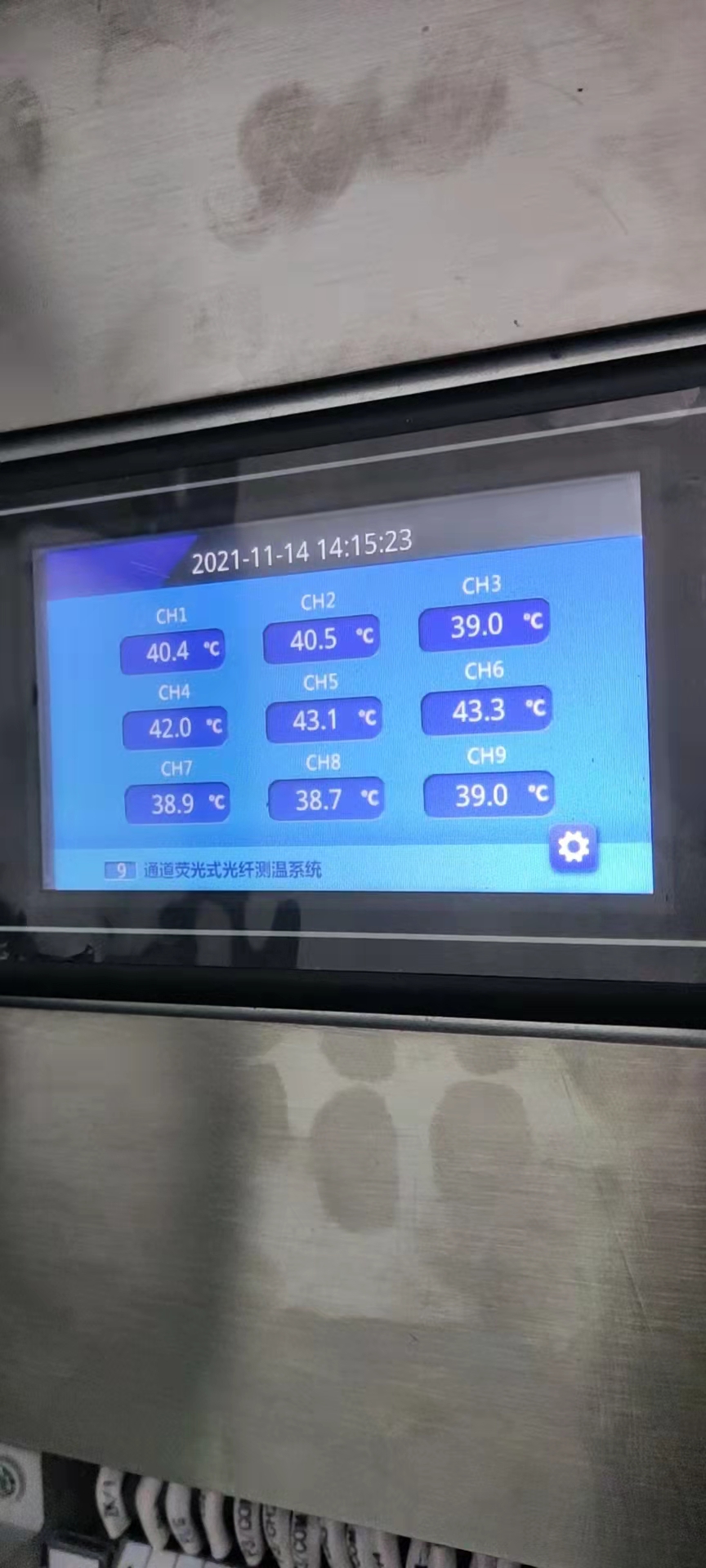
An arc detector is a dedicated device that continuously monitors electrical systems for the sudden appearance of arc flashes. It detects the unique light, heat, or electromagnetic emissions caused by arcs and immediately signals protection relays or circuit breakers to isolate the faulted section. Arc detectors are essential safety components in power distribution, industrial automation, and critical infrastructure.
Working Principle
Arc detectors primarily use optical sensors that are highly sensitive to the specific light spectrum emitted by electrical arcs. Some models also employ electromagnetic or acoustic sensors for added verification. When an arc event is detected, the device sends a rapid trip command to the protection system, often within a few milliseconds. This fast response limits damage, reduces arc energy, and enhances personnel safety.
Main Types of Arc Detectors
- Optical Arc Detectors: Use photodiodes or fiber optics to sense bright flashes. Widely applied in switchgear and transformer compartments.
- Current-Based Arc Detectors: Monitor abnormal current surges linked to arcing faults, serving as a supplementary trigger.
- Hybrid Arc Detectors: Combine optical and current-based detection, improving accuracy and reducing nuisance trips in complex environments.
Applications in Power Equipment
Arc detectors are standard components in low-voltage and medium-voltage switchgear, where they are installed inside panels to detect internal arc faults before they escalate. Early arc detection enables fast circuit breaker operation, preventing arc flash fires, major equipment damage, and operator injury. In transformer compartments, arc detectors provide early warning of insulation breakdown or internal faults, helping asset managers schedule maintenance and avoid catastrophic failures. These applications reduce fire risk, minimize costly downtime, and extend the service life of critical power equipment.
Industry Trends and Challenges
The arc detection industry is moving toward integrated, multi-sensor solutions that combine optical, electromagnetic, and acoustic detection for higher reliability. Artificial intelligence and advanced analytics are being applied to arc event data for predictive maintenance and incident forensics. Cloud-based monitoring platforms allow remote diagnostics and compliance documentation. Key challenges include maintaining selectivity (ensuring only the correct breaker trips), minimizing nuisance alarms, and complying with evolving IEC and IEEE safety standards. There is also growing demand for arc detection systems with cybersecurity features for critical infrastructure.
Advanced Insights & Value Flow
Modern arc detectors do more than just trigger protection—they provide valuable data for digital forensics, compliance reporting, and asset management. Integration with power monitoring and SCADA systems enables predictive maintenance strategies and supports insurance requirements. Event logs and diagnostic information from arc detectors help utilities and industrial users optimize asset performance, improve transparency across the value chain, and justify investments in safety upgrades.
Arc Detection in Power Equipment: Value Flow Table
| Stage | Arc Detector Contribution | Value for Power Operators |
|---|---|---|
| Fault Occurrence | Instant arc flash detection | Limits equipment damage, reduces risk |
| Protection Response | Sends trip signal to circuit breaker | Minimizes downtime, improves safety |
| Event Logging | Records event details for analysis | Supports compliance, insurance, and maintenance decisions |
| Predictive Maintenance | Enables condition monitoring and trend analysis | Extends asset lifespan, lowers lifecycle cost |

Fiber optic temperature sensor, Intelligent monitoring system, Distributed fiber optic manufacturer in China
 |
 |
 |