 Cảm biến nhiệt độ sợi quang INNO ,hệ thống giám sát nhiệt độ.
- ✓ An toàn MRI hoàn chỉnh: Không có từ tính, không có rủi ro sưởi ấm RF, không có tạo tác hình ảnh
- ✓ Miễn nhiễm nhiễu điện từ: Hoàn hảo cho môi trường cắt bỏ RF và MRI trường cao
- ✓ Độ chính xác theo thời gian thực: Độ chính xác ±0,5-1°C với thời gian phản hồi dưới giây
- ✓ Giám sát đa điểm: 1-64 các kênh để lập bản đồ nhiệt độ toàn diện
- ✓ Vật liệu tương thích sinh học: Sợi cấp y tế an toàn khi tiếp xúc với bệnh nhân
- ✓ Phạm vi nhiệt độ rộng: Từ quá trình đông lạnh (-40°C) để cắt bỏ bằng laser (260°C)
- ✓ Thiết kế đầu dò linh hoạt: Đường kính và chiều dài có thể tùy chỉnh cho các thủ tục xâm lấn tối thiểu
- ✓ Có thể khử trùng: Tương thích với ETO, nồi hấp, và phương pháp khử trùng huyết tương
- ✓ Ứng dụng lâm sàng: Phẫu thuật dưới hướng dẫn của MRI, cắt bỏ khối u, thủ tục tim mạch, phẫu thuật thần kinh
- ✓ Kết quả đã được chứng minh: Cải thiện kết quả điều trị và giảm biến chứng ở các bệnh viện toàn cầu
📋 Mục lục
- Tại sao cảm biến nhiệt độ sợi quang lại cần thiết cho thiết bị y tế tương thích với MRI?
- Điều gì xảy ra khi sử dụng cảm biến nhiệt độ kim loại trong môi trường MRI?
- Làm thế nào để cảm biến sợi quang ngăn chặn nhiệt do RF gây ra trong quá trình quét MRI?
- Tại sao phản hồi nhiệt độ theo thời gian thực lại quan trọng đối với sự thành công của quá trình cắt bỏ bằng laser?
- Làm thế nào cảm biến nhiệt độ sợi quang cho phép điều trị khối u HIFU chính xác?
- Cảm biến nhiệt độ phi kim loại đóng vai trò gì trong quá trình cắt bỏ RF tim?
- Liệu pháp can thiệp có hướng dẫn của MRI dựa vào việc theo dõi nhiệt độ bằng sợi quang như thế nào?
- Tại sao cảm biến sợi quang lại được ưu tiên để theo dõi nhiệt độ trong phẫu thuật não và cột sống?
- Đầu dò nhiệt độ sợi quang cải thiện kết quả cắt bỏ khối u như thế nào?
- Can Fiber Optic Temperature Sensors Work in Cryoablation Procedures?
- How Many Temperature Points Can Be Monitored Simultaneously During Surgery?
- What Temperature Accuracy and Response Time Are Needed for Medical Procedures?
- What Materials Make Fiber Optic Temperature Sensors Safe for Patient Contact?
- How Can Medical Fiber Optic Temperature Probes Be Sterilized for Surgical Use?
- What Clinical Results Have Been Achieved with Fiber Optic Temperature Monitoring?
- Who Are the Leading Manufacturers of Medical Fiber Optic Temperature Sensors?
1. Tại sao cảm biến nhiệt độ sợi quang lại cần thiết cho thiết bị y tế tương thích với MRI?

Hình ảnh cộng hưởng từ (MRI) has revolutionized medical diagnostics and interventional procedures, but it creates one of the most challenging environments for temperature monitoring equipment. The combination of powerful static magnetic fields (1.5T, 3T, or 7T), chuyển đổi nhanh chóng các trường gradient, and radiofrequency (RF) pulses makes traditional electronic temperature sensors not just ineffective, but potentially dangerous.
Fiber optic temperature sensors represent the only truly safe and accurate solution for temperature monitoring in and around MRI systems. Unlike conventional sensors that rely on electrical signals, fiber optic sensors use light transmission through glass fibers, making them completely immune to electromagnetic interference and magnetic field effects.
1.1 What Makes a Temperature Sensor MRI-Compatible?
For a temperature sensor to be considered MRI-compatible, it must meet several critical requirements:
- Non-ferromagnetic materials: No components that can be attracted or moved by the magnetic field
- No electrical conductivity: Cannot create currents that lead to heating or burns
- Không có nhiễu RF: Không được làm biến dạng hình ảnh MRI hoặc nhận tín hiệu sai
- Đo lường chính xác: Hiệu suất phải duy trì ổn định trong từ trường mạnh
- An toàn bệnh nhân: Không có nguy cơ nóng lên, sự chuyển động, hoặc điện giật
1.2 So sánh: Sợi quang vs. Cảm biến nhiệt độ truyền thống
| Yếu tố so sánh | Cảm biến nhiệt độ sợi quang | Cảm biến kim loại truyền thống |
|---|---|---|
| Khả năng tương thích MRI | ✅ Tương thích hoàn toàn | ❌ Bị cấm |
| Lực hút từ tính | ✅ Không rủi ro | ❌ Nguy cơ đạn gây tử vong |
| Hệ thống sưởi RF | ✅ Không sưởi ấm | ❌ Nguy cơ bỏng nặng |
| Nhiễu điện từ | ✅ Miễn dịch hoàn hảo | ❌ Biến dạng nghiêm trọng |
| Tạo tác hình ảnh | ✅ Không can thiệp | ❌ Hiện vật nghiêm trọng |
| An toàn bệnh nhân | ✅ An toàn tối đa | ❌ Nhiều mối nguy hiểm |
| Độ chính xác của phép đo trong MRI | ✅ Ổn định & Chính xác | ❌ Không đáng tin cậy/Không thể |
2. Điều gì xảy ra khi sử dụng cảm biến nhiệt độ kim loại trong môi trường MRI?

The consequences of using metal-based temperature sensors in MRI environments range from equipment malfunction to life-threatening patient injuries. Understanding these risks highlights why fiber optic sensors are not just preferred, but essential for MRI applications.
2.1 The Magnetic Projectile Effect
MRI scanners generate magnetic fields thousands of times stronger than Earth’s magnetic field. MỘT 3 Tesla MRI, Ví dụ, produces a field 60,000 times stronger than the planet’s natural magnetism. When ferromagnetic materials enter this field:
- Sudden acceleration: Metal objects can be pulled toward the scanner at speeds exceeding 40 mph
- Uncontrollable force: Even small metal components become dangerous projectiles
- Catastrophic impact: Documented cases of injuries and fatalities from metal objects
- Hư hỏng thiết bị: Sensors can be ripped from their mounting points
2.2 Sưởi ấm do RF gây ra và bỏng cho bệnh nhân
Trong quá trình quét MRI, xung tần số vô tuyến được sử dụng để kích thích các nguyên tử hydro trong cơ thể. Dây kim loại và cảm biến hoạt động như ăng-ten, tập trung năng lượng RF và gây ra:
- Sưởi ấm cục bộ: Nhiệt độ tăng từ 10-20°C trở lên trong vài giây
- Bỏng độ một và độ hai: Điểm tiếp xúc trực tiếp với cảm biến hoặc dây điện
- Tổn thương mô bên trong: Nhiệt truyền vào các mô xung quanh
- Chấn thương muộn: Vết bỏng có thể không xuất hiện ngay lập tức trong quá trình thực hiện
2.3 Sự cố y tế trong thế giới thực (Ẩn danh)
Tài liệu y khoa ghi lại nhiều sự cố liên quan đến cảm biến kim loại trong môi trường MRI:
- Cáp theo dõi bệnh nhân có thành phần kim loại gây bỏng cấp độ 3 phải ghép da
- Dây cảm biến nhiệt độ trong thiết lập thử nghiệm đã tạo ra các ảnh giả nghiêm trọng, khiến việc quét chẩn đoán trở nên vô dụng
- An improperly screened monitoring device was pulled into the bore, striking a patient and technician
- Metallic temperature probes used in research protocols showed false readings varying by 5-10°C due to RF interference
2.4 Why Only Fiber Optics Can Solve These Problems
Fiber optic temperature sensors eliminate all MRI-related risks because they:
- Contain no metal: Made entirely from glass (silica) and polymer materials
- Are non-conductive: Cannot create electrical currents or heating loops
- Use light signals: Completely unaffected by magnetic or RF fields
- Generate no artifacts: Transparent to MRI imaging sequences
- Maintain accuracy: Performance is identical inside and outside the magnetic field
3. Làm thế nào để cảm biến sợi quang ngăn chặn nhiệt do RF gây ra trong quá trình quét MRI?

Radiofrequency-induced heating is one of the most serious safety concerns in MRI-guided procedures. While fiber optic sensors inherently avoid this problem, understanding the mechanism helps appreciate their critical safety advantage.
3.1 The Physics of RF Heating in MRI
MRI scanners use RF pulses at frequencies of 64-300 MHz (depending on field strength). When these pulses encounter conductive materials:
- Antenna effect: Metal wires act as receiving antennas
- Current induction: RF energy generates alternating currents in the conductor
- Resistive heating: Current flow through resistance creates heat (Hệ thống sưởi I²R)
- Standing waves: Resonant lengths amplify heating at specific points
- Nhiệt độ tăng: Concentrated heating can reach dangerous levels in seconds
3.2 Fiber Optic Non-Conductive Advantage
Fiber optic temperature sensors use fluorescent materials or other optical phenomena to measure temperature. The entire signal path is non-conductive:
- Lõi sợi thủy tinh: Silica glass (SiO₂) is an excellent electrical insulator
- Light transmission: Temperature information encoded in optical signals
- Không có thành phần kim loại: Even connectors use ceramic or polymer materials
- Zero current flow: No electrical path for RF-induced currents
- No heat generation: Light transmission produces negligible heat
3.3 Safety Comparison Table
| Safety Factor | Cảm biến sợi quang | Cặp nhiệt điện | RTD Sensor |
|---|---|---|---|
| RF Heating Risk (1.5T) | 0°C increase | +10-15°C | +8-12°C |
| RF Heating Risk (3T) | 0°C increase | +15-25°C | +12-20°C |
| Burn Risk to Patient | Không có | Cao | Cao |
| Image Artifact Severity | Minimal/None | Nghiêm trọng | Nghiêm trọng |
| Regulatory Status | Approved | Contraindicated | Contraindicated |
4. Tại sao phản hồi nhiệt độ theo thời gian thực lại quan trọng đối với sự thành công của quá trình cắt bỏ bằng laser?
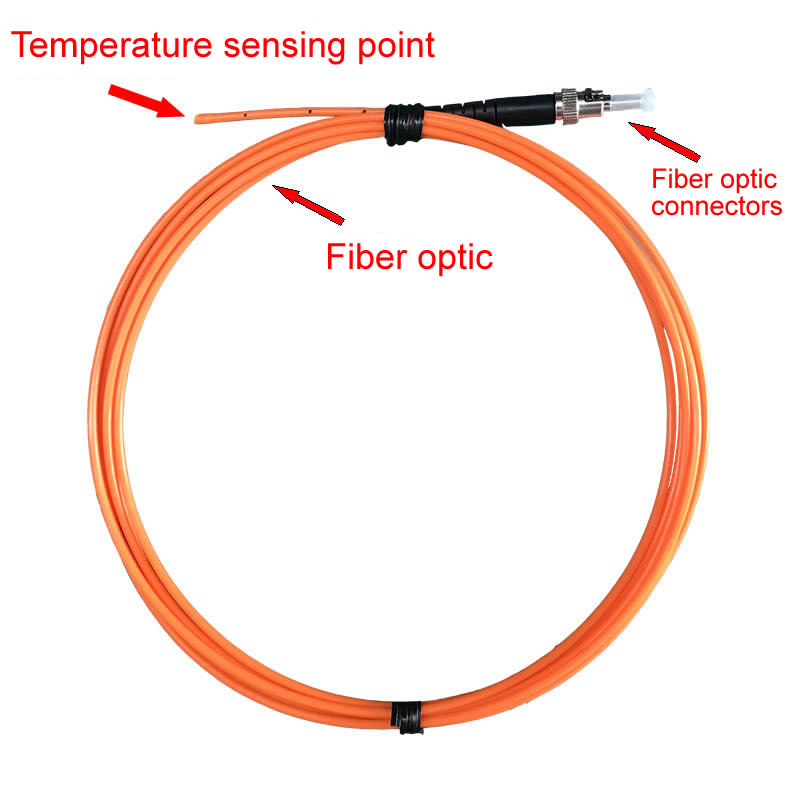
Laser ablation has become a preferred minimally invasive treatment for various tumors and abnormal tissues. The procedure’s success depends entirely on achieving precise thermal destruction within the target zone while preserving surrounding healthy tissue—a goal impossible without accurate, giám sát nhiệt độ thời gian thực.
4.1 Laser Ablation Temperature Requirements
Laser ablation therapy typically operates in the temperature range of 60-100°C, Ở đâu:
- 60-70°C: Protein denaturation begins, cells become nonviable
- 70-80°C: Optimal ablation zone with complete cell death
- 80-100°C: Coagulation and tissue carbonization
- Above 100°C: Vaporization, gas formation, and unpredictable tissue effects
4.2 Consequences of Temperature Control Failure
Insufficient Temperature (Under-treatment):
- Incomplete tumor destruction
- Viable cancer cells remain at margins
- High recurrence rates (30-50% higher without proper monitoring)
- Need for repeat procedures
- Increased patient burden and healthcare costs
Excessive Temperature (Điều trị quá mức):
- Thiệt hại cho các mô khỏe mạnh ngoài vùng mục tiêu
- biến chứng: chảy máu, thủng, chấn thương thần kinh
- Thời gian phục hồi kéo dài
- Suy giảm chức năng tiềm ẩn
- Tăng nguy cơ tác dụng phụ
4.3 Ưu điểm của cảm biến sợi quang trong quá trình cắt bỏ bằng laser
Cảm biến nhiệt độ sợi quang huỳnh quang cung cấp các đặc tính lý tưởng để theo dõi quá trình cắt đốt bằng laser:
- Thời gian phản hồi nhanh (<0.5 giây): Phát hiện sự thay đổi nhiệt độ trước khi tổn thương mô xảy ra
- Độ chính xác cao (± 0,5-1°C): Đảm bảo điều trị nằm trong cửa sổ trị liệu
- Đường kính đầu dò nhỏ: xâm lấn tối thiểu, có thể được đặt bên cạnh sợi laser
- Giám sát đa điểm (4-8 điểm): Bản đồ phân bố nhiệt độ trên vùng cắt bỏ
- Miễn nhiễm với sự can thiệp của tia laser: Kết quả đọc chính xác ngay cả trong trường laser trực tiếp
- Chiều dài sợi tùy chỉnh: Tiếp cận các khối u nằm sâu (lên tới 80 truyền mét)
4.4 Kịch bản ứng dụng lâm sàng
Fiber optic temperature sensors have proven essential in:
- Liver tumor ablation: Monitoring temperature at tumor margins and adjacent vessels
- Lung cancer treatment: Preventing excessive heating near airways
- Kidney tumor ablation: Protecting collecting system while achieving complete ablation
- Bone tumor treatment: Controlling temperature in high-risk neurovascular areas
- Prostate cancer therapy: Preserving urethral and rectal wall integrity
5. Làm thế nào cảm biến nhiệt độ sợi quang cho phép điều trị khối u HIFU chính xác?
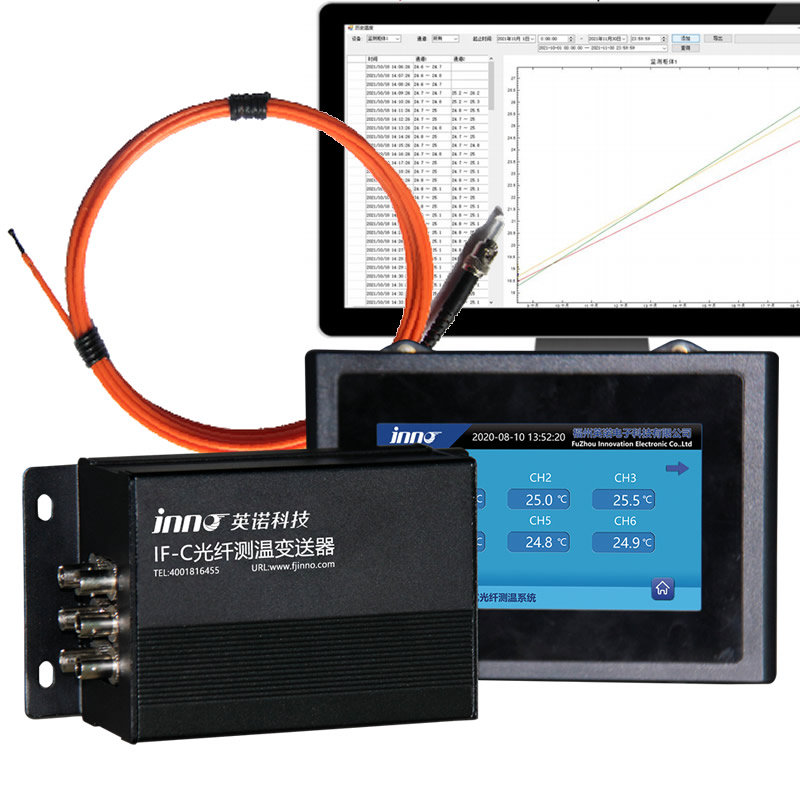
High-Intensity Focused Ultrasound (HIFU) represents one of the most advanced non-invasive cancer treatment modalities. By focusing ultrasound energy to a precise point deep within the body, HIFU can thermally ablate tumors without surgical incisions. Tuy nhiên, the technique’s precision demands equally precise temperature monitoring—a requirement perfectly met by fiber optic temperature sensors.
5.1 HIFU Treatment Principles and Temperature Windows
HIFU therapy concentrates acoustic energy to create a focal point where:
- Mechanical energy converts to heat: Ultrasound absorption raises tissue temperature
- Focal zone dimensions: Typically 1-3mm diameter, 8-15chiều dài mm
- Target temperature: 65-85°C cho 1-3 seconds per focal point
- Thermal dose calculation: CEM43 (Cumulative Equivalent Minutes at 43°C) must reach 240 for complete ablation
5.2 Why Temperature Monitoring Is Critical in HIFU
Unlike surgical procedures where the treatment area is visible, HIFU operates entirely through intact skin. Temperature monitoring serves multiple critical functions:
- Treatment verification: Confirms therapeutic temperature achieved at focal point
- Safety monitoring: Detects unintended heating in near-field tissues
- Dosimetry feedback: Allows real-time adjustment of ultrasound power
- Boundary definition: Maps exact extent of thermal lesion
- Đảm bảo chất lượng: Documents complete treatment of target volume
5.3 Multi-Point Temperature Mapping
Hiện đại fluorescent fiber optic temperature systems with 8-16 kênh enable comprehensive monitoring:
- Focal zone monitoring: 2-4 sensors at target site
- Near-field sensors: 2-3 probes monitoring skin and subcutaneous tissue
- Margin sensors: 4-6 probes defining treatment boundaries
- Critical structure protection: 2-4 sensors near nerves, vessels, or organs at risk
5.4 So sánh: HIFU with and without Fiber Optic Monitoring
| Outcome Measure | With Fiber Optic Monitoring | Without Monitoring (MRI thermometry only) |
|---|---|---|
| Complete Ablation Rate | 92-97% | 78-85% |
| Complication Rate | 2-4% | 8-12% |
| Treatment Time | 45-90 phút | 60-120 phút |
| Repeat Treatment Need | 5-8% | 15-22% |
| Độ chính xác nhiệt độ | ±0.5°C direct measurement | ±2-3°C estimated |
6. Cảm biến nhiệt độ phi kim loại đóng vai trò gì trong quá trình cắt bỏ RF tim?
Cardiac radiofrequency (RF) ablation treats arrhythmias by creating precise lesions that block abnormal electrical pathways in the heart. Quy trình này diễn ra ở một trong những môi trường khắc nghiệt nhất về điện từ trong y học—phòng thí nghiệm điện sinh lý tim., nơi có nhiều máy phát RF, hệ thống hình ảnh, và thiết bị giám sát tạo ra nhiễu điện từ mạnh.
6.1 Thử thách điện từ trong phòng thí nghiệm EP tim
Trong quá trình cắt bỏ RF tim, Môi trường xử lý bao gồm:
- Cung cấp năng lượng RF: 350-500 kHz, 20-50 Watt công suất tần số vô tuyến
- Hệ thống huỳnh quang: Chụp X-quang với bức xạ xung
- Lập bản đồ điện giải phẫu: Máy tạo trường điện từ để định vị ống thông
- theo dõi điện tâm đồ: Nhiều bản ghi tín hiệu điện
- Siêu âm nội tâm mạc: Phương thức hình ảnh bổ sung bằng siêu âm
Cảm biến nhiệt độ dựa trên cặp nhiệt điện truyền thống bị ảnh hưởng:
- Kết quả sai do nhiễu RF (Sai số ±5-15°C)
- Nhiễu tín hiệu che khuất xu hướng nhiệt độ thực tế
- Electrical coupling with ablation catheter causing measurement artifacts
- Risk of additional RF energy conduction through sensor wires
6.2 Fiber Optic Sensor Advantages in Cardiac Procedures
Miễn dịch EMI hoàn chỉnh: Fiber optic temperature sensors provide accurate readings regardless of RF power levels or electromagnetic mapping fields, ensuring:
- Precise lesion formation monitoring (target: 50-60°C for transmural lesions)
- Prevention of steam pops (caused by excessive heating above 100°C)
- Real-time detection of inadequate tissue contact (insufficient temperature rise)
- Continuous monitoring during energy delivery without signal dropout
Multi-Site Cardiac Monitoring: Modern systems can monitor:
- Catheter tip temperature: Direct ablation site monitoring
- Esophageal temperature: Critical safety monitoring during left atrial procedures
- Phrenic nerve area: Prevention of nerve injury during ablation
- Multiple ablation sites: Simultaneous monitoring of 4-16 địa điểm
6.3 Clinical Impact on Cardiac Ablation Outcomes
Studies using fiber optic temperature monitoring in cardiac ablation have shown:
- Reduced procedure time: 15-25% faster due to confident energy delivery
- Lower complication rates: Especially esophageal injury (reduced by 70-80%)
- Improved acute success: Better lesion quality and completeness
- Decreased arrhythmia recurrence: More durable lesions from optimal temperature control
7. Liệu pháp can thiệp có hướng dẫn của MRI dựa vào việc theo dõi nhiệt độ bằng sợi quang như thế nào?
MRI-guided interventional procedures represent the convergence of diagnostic imaging excellence and therapeutic precision. These procedures—including MRI-guided focused ultrasound surgery, cắt bỏ bằng laser, and cryotherapy—deliver treatment while obtaining real-time anatomical images. Temperature monitoring is essential, tuy nhiên môi trường MRI loại bỏ tất cả các tùy chọn giám sát thông thường ngoại trừ cảm biến sợi quang.
7.1 Ưu điểm của liệu pháp điều trị có hướng dẫn của MRI
MRI cung cấp độ tương phản mô mềm vượt trội so với CT hoặc siêu âm:
- Hình dung khối u: Sự khác biệt tuyệt vời giữa mô bình thường và mô bất thường
- Hình ảnh thời gian thực: Giám sát năng động việc cung cấp điều trị
- Không có bức xạ ion hóa: An toàn hơn cho cả bệnh nhân và nhân viên y tế
- Khả năng đo nhiệt độ: MRI có thể ước tính sự thay đổi nhiệt độ (nhưng với những hạn chế)
7.2 Tại sao đo nhiệt độ trực tiếp vẫn quan trọng
Trong khi đo nhiệt độ MRI (phương pháp tần số cộng hưởng proton) có thể ước tính nhiệt độ, nó có những hạn chế đáng kể:
| Khía cạnh đo lường | Đầu dò sợi quang (Trực tiếp) | Nhiệt kế MRI (gián tiếp) |
|---|---|---|
| Độ chính xác nhiệt độ | ± 0,5-1°C | ±2-4°C |
| Thời gian đáp ứng | <0.5 giây | 3-8 giây (mỗi lát) |
| Độ phân giải không gian | Điểm cụ thể (mm phụ) | 2-4kích thước điểm ảnh ba chiều mm |
| Hạn chế mô | Hoạt động trong tất cả các mô | Nghèo chất béo, xương, không khí |
| Độ nhạy chuyển động | Không bị ảnh hưởng | Rất nhạy cảm với chuyển động |
| Critical Structure Monitoring | Precise placement possible | Limited by slice position |
7.3 Complementary Monitoring Strategy
The optimal approach combines both methods:
- Nhiệt kế MRI: Provides spatial temperature distribution maps
- Đầu dò sợi quang: Deliver accurate point measurements at critical locations
- Synergistic benefit: MRI shows overall treatment zone; fiber sensors confirm therapeutic temperature
- Safety enhancement: Fiber probes placed at risk structures provide real-time warnings
7.4 Image Artifact Considerations
One crucial advantage of fiber optic temperature sensors is their minimal impact on MRI image quality. Unlike metal sensors that create large signal voids, đầu dò sợi quang:
- Generate no significant magnetic susceptibility artifacts
- Allow clear visualization of treatment target even with probe in place
- Do not interfere with thermometry measurements
- Cho phép theo dõi mục tiêu và điều trị chính xác đồng thời
8. Tại sao cảm biến sợi quang lại được ưu tiên để theo dõi nhiệt độ trong phẫu thuật não và cột sống?

Phẫu thuật thần kinh đòi hỏi độ chính xác và an toàn cao nhất. Hệ thần kinh cực kỳ nhạy cảm với sự thay đổi nhiệt độ khiến việc theo dõi nhiệt độ trở nên quan trọng, trong khi sự gần gũi với các cấu trúc thần kinh quan trọng khiến bất kỳ lỗi thiết bị giám sát nào cũng có thể dẫn đến thảm họa. Cảm biến nhiệt độ sợi quang đã trở thành tiêu chuẩn để theo dõi nhiệt độ phẫu thuật thần kinh.
8.1 Độ nhạy nhiệt độ mô thần kinh
Não và tủy sống là những mô nhạy cảm với nhiệt độ nhất trong cơ thể:
- Phạm vi sinh lý bình thường: 36.5-37.5°C
- tăng thân nhiệt nhẹ (38-40°C): Căng thẳng tế bào có thể đảo ngược
- tăng thân nhiệt vừa phải (40-43°C): Nguy cơ rối loạn chức năng tạm thời
- tăng thân nhiệt nặng (>43°C): Tổn thương thần kinh vĩnh viễn bắt đầu
- Nhiệt độ cắt bỏ (60-80°C): Dùng để điều trị khối u nhưng cần kiểm soát chính xác
8.2 Neurosurgical Applications Requiring Temperature Monitoring
Brain Tumor Laser Ablation:
- Minimally invasive treatment for deep-seated tumors
- Critical temperature control near eloquent cortex and major vessels
- Fiber optic sensors placed at tumor margins and functional areas
- Prevents thermal injury to healthy brain tissue
Spinal Tumor Treatment:
- Laser or RF ablation of vertebral metastases
- Temperature monitoring near spinal cord essential
- Prevents paraplegia from inadvertent cord heating
- Allows aggressive tumor treatment with safety margin
Epilepsy Surgery (MRI-Guided Laser Interstitial Thermal Therapy):
- Precise ablation of epileptogenic foci
- Monitoring prevents damage to language and motor areas
- Real-time feedback allows treatment adjustment
- Improved outcomes with reduced complications
8.3 Why Non-Metallic Sensors Are Essential in Neurosurgery
Beyond MRI compatibility, fiber optic sensors offer neurosurgical-specific advantages:
- Ultra-small diameter: Probes as small as 0.5mm minimize tissue trauma
- Flexible design: Can navigate curved trajectories through brain tissue
- Không có tín hiệu điện: Cannot interfere with intraoperative neurophysiological monitoring
- Biocompatible coating: Safe for direct contact with neural tissue
- Customizable length: Reaches deep structures through small burr holes
8.4 Intraoperative Neuromonitoring Compatibility
Neurosurgery often requires simultaneous monitoring of:
- Motor evoked potentials (MEPs)
- Somatosensory evoked potentials (SSEPs)
- Electrocorticography (ECoG)
- Cranial nerve monitoring
Fiber optic temperature sensors work seamlessly with all neurophysiological monitoring because they generate zero electrical interference, unlike metal-based temperature probes that can create artifacts and false signals.
9. Đầu dò nhiệt độ sợi quang cải thiện kết quả cắt bỏ khối u như thế nào?
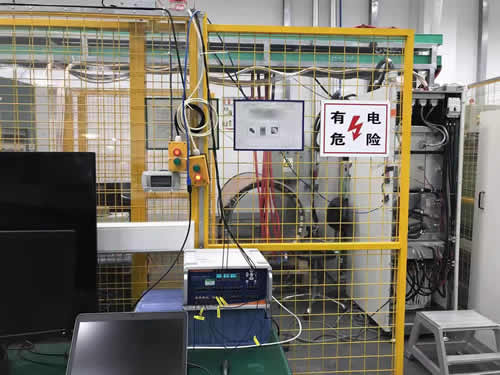
Tumor ablation—whether using laser, radiofrequency, lò vi sóng, or focused ultrasound—has become a cornerstone of modern oncology for patients who are not surgical candidates or prefer minimally invasive options. The difference between successful ablation and recurrence often comes down to temperature control at the ablation margins.
9.1 The Critical Importance of Ablation Margin Temperature
Oncological ablation requires creating a thermal lesion that extends 5-10mm beyond the visible tumor boundary to eliminate microscopic disease. This margin is where temperature monitoring becomes crucial:
- Tumor center: Easy to achieve lethal temperatures (usually reaches 80-100°C)
- Tumor margins: Critical zone where under-treatment leads to recurrence
- 5mm beyond margin: Must reach at least 60°C for complete cell death
- Surrounding tissue: Should stay below 45°C to prevent collateral damage
9.2 Multi-Point Temperature Mapping for Complete Ablation
Trình độ cao fiber optic temperature systems with 8-32 kênh enable comprehensive ablation monitoring:
- Radial distribution: Sensors placed at 0mm, 5mm, 10mm, and 15mm from tumor center
- Depth monitoring: Probes at multiple depths ensure 3D coverage
- Critical structure protection: Sensors near vessels, nerves, and vital organs
- Real-time adjustment: Treatment modified based on temperature feedback
9.3 Tumor Type-Specific Temperature Requirements
| Tumor Type | Nhiệt độ mục tiêu | Treatment Duration | Fiber Sensor Role | Outcome Improvement |
|---|---|---|---|---|
| Liver Cancer (HCC) | 60-100°C | 10-30 phút | Margin temperature verification | +25% complete response |
| Lung Cancer | 60-90°C | 5-15 phút | Core temperature control | +20% kiểm soát cục bộ |
| Kidney Cancer | 60-95°C | 10-20 phút | Multi-point temperature mapping | +30% recurrence-free survival |
| Prostate Cancer | 65-85°C | 15-30 phút | Real-time feedback adjustment | +35% biochemical control |
| Bone Metastases | 70-100°C | 15-45 phút | High-temp endurance monitoring | +15% pain relief rate |
9.4 Ngăn chặn điều trị dưới mức: Vấn đề tái diễn
Các nghiên cứu đã chỉ ra rằng sự tái phát của khối u sau khi cắt bỏ có liên quan trực tiếp đến việc làm nóng vùng rìa không đủ.:
- Không theo dõi nhiệt độ: 20-35% Tỷ lệ tái phát cục bộ trong 2 năm
- Với giám sát cáp quang: 5-12% Tỷ lệ tái phát cục bộ trong 2 năm
- Tác động kinh tế: Các thủ tục lặp lại có chi phí cao hơn 3-5 lần so với điều trị ban đầu nếu được theo dõi thích hợp
- Gánh nặng bệnh nhân: Thủ tục bổ sung, sự lo lắng, và phục hồi chậm
10. Can Fiber Optic Temperature Sensors Work in Cryoablation Procedures?
Trong khi hầu hết các cuộc thảo luận về quá trình cắt bỏ nhiệt tập trung vào việc làm nóng, cắt lạnh (liệu pháp đóng băng) sử dụng cực lạnh để tiêu diệt khối u. Phương pháp nhiệt ngược lại này đặt ra những thách thức đặc biệt cho việc theo dõi nhiệt độ—những thách thức mà cảm biến sợi quang xử lý tốt hơn bất kỳ công nghệ thay thế nào.
10.1 Động lực học nhiệt độ đông lạnh
Cryoablation tạo ra cái lạnh chết người thông qua việc đóng băng nhanh chóng:
- Nhiệt độ đóng băng: -20 đến -40°C trên bề mặt tủ lạnh
- Sự hình thành quả cầu băng: Kéo dài 2-5 cm từ đầu dò tùy thuộc vào loại mô
- Vùng chết người: -20Đường đẳng nhiệt °C xác định ranh giới chết của tế bào
- Biên độ quan trọng: -10 đến vùng -15°C nơi việc giám sát là cần thiết
- Biên độ an toàn: Các mô xung quanh phải ở trên 0°C
10.2 Tại sao các cảm biến truyền thống lại thất bại trong quá trình Cryoablation
Cặp nhiệt điện và RTD phải đối mặt với nhiều vấn đề ở nhiệt độ đông lạnh:
- Sự hình thành băng trên dây: Tính chất điện thay đổi, gây ra sai số đo
- độ giòn: Dây kim loại trở nên mỏng manh và có thể đứt
- Khối lượng nhiệt: Cảm biến kim loại làm ấm mô mà chúng đang đo
- Suy giảm phản ứng: Thời gian phản hồi chậm hơn ở mức cực lạnh
10.3 Ưu điểm của sợi quang trong quá trình nhiệt lạnh
Cảm biến sợi quang huỳnh quang duy trì hiệu suất trong suốt phạm vi nhiệt độ cắt lạnh:
- Phạm vi nhiệt độ rộng: Thông số kỹ thuật thông thường -40°C đến +260°C
- Hoạt động miễn dịch băng: Glass fiber unaffected by ice formation
- Fast response maintained: Sub-second response even at -40°C
- Minimal thermal mass: Small fiber doesn’t alter tissue temperature
- Mechanical durability: Flexible fiber withstands freeze-thaw cycles
10.4 Cryoablation Monitoring Strategy
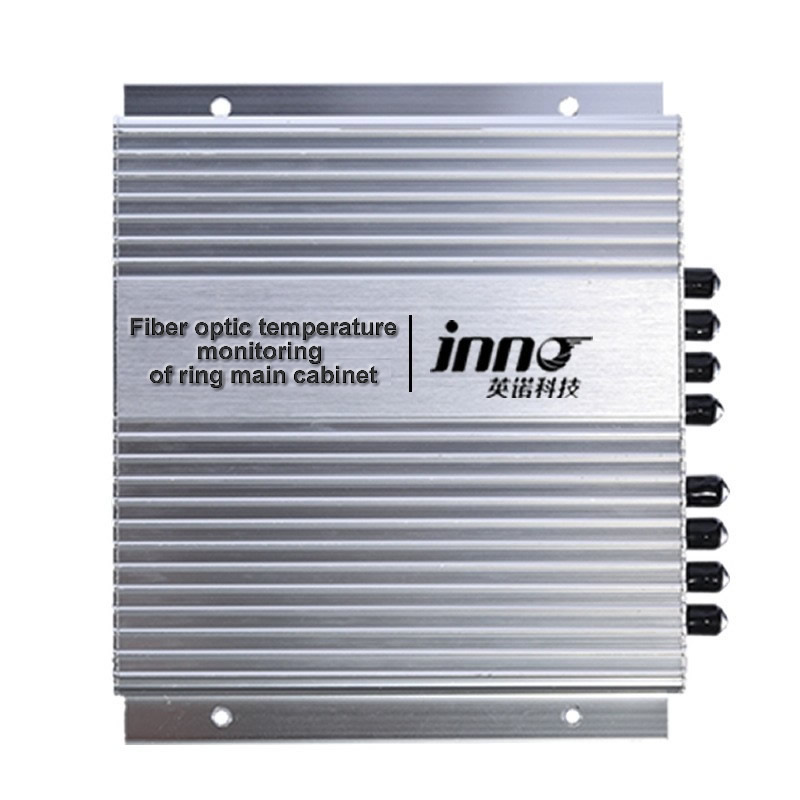
| Monitoring Zone | Nhiệt độ mục tiêu | Number of Sensors | Clinical Goal |
|---|---|---|---|
| Tumor Center | -30 to -40°C | 1-2 | Verify adequate freezing |
| Tumor Margin | -20°C minimum | 4-6 | Ensure complete ablation |
| Safety Zone (5mm beyond) | -10 to -15°C | 2-4 | Microscopic disease coverage |
| Critical Structures | Above 0°C | 2-4 | Prevent collateral damage |
10.5 So sánh: Heat Ablation vs. Cryoablation Temperature Requirements
| Diện mạo | Heat Ablation | Cryoablation |
|---|---|---|
| Lethal Temperature | 60-100°C | -20 to -40°C |
| Cell Death Mechanism | Protein denaturation, coagulation | Ice crystal formation, membrane rupture |
| Treatment Visualization | Requires imaging or sensors | Ice ball visible on CT/US |
| Temperature Monitoring Need | Phê bình (no visual feedback) | Important (ranh giới bóng băng ≠ vùng chết người) |
| Hiệu suất cảm biến sợi quang | Xuất sắc | Xuất sắc |
| Hiệu suất cảm biến truyền thống | Đủ (với các vấn đề về EMI) | Nghèo (đá, vấn đề giòn) |
11. How Many Temperature Points Can Be Monitored Simultaneously During Surgery?
Hệ thống đo nhiệt độ sợi quang huỳnh quang hiện đại mang đến sự linh hoạt đặc biệt trong khả năng giám sát đa điểm, giải quyết nhu cầu quan trọng trong các thủ tục y tế phức tạp trong đó phải theo dõi đồng thời nhiều vùng nhiệt độ.
11.1 Kiến trúc hệ thống đa kênh
Một máy phát nhiệt độ sợi quang huỳnh quang duy nhất có thể chứa giữa 1 ĐẾN 64 kênh, cho phép bác sĩ phẫu thuật và chuyên gia y tế theo dõi nhiều điểm nhiệt độ quan trọng từ một hệ thống tập trung. Khả năng mở rộng này đặc biệt có giá trị trong:
- Thủ tục cắt bỏ khối u lớn – Giám sát sự phân bố nhiệt độ trên toàn bộ vùng xử lý
- Cắt đốt tim nhiều vị trí – Tracking temperatures at different cardiac tissue locations
- Complex neurosurgical interventions – Monitoring multiple brain regions simultaneously
- Experimental medical research – Collecting comprehensive temperature data from test subjects
Each channel operates independently, with dedicated fiber optic probes positioned at strategic locations to provide comprehensive temperature mapping of the treatment area.
11.2 Clinical Value of Multi-Point Monitoring
The ability to monitor multiple temperature points simultaneously offers several critical clinical advantages:
| Clinical Benefit | Single-Point Monitoring | Giám sát đa điểm |
|---|---|---|
| Treatment Coverage | Limited to one zone | ✅ Complete treatment area coverage |
| Phát hiện điểm nóng | May miss critical zones | ✅ Identifies all temperature anomalies |
| Treatment Precision | Estimated boundaries | ✅ Precise ablation margin control |
| Safety Monitoring | Bảo vệ hạn chế | ✅ Bảo vệ toàn diện các mô xung quanh |
| Tỷ lệ thành công của thủ tục | Đường cơ sở | ✅ +20-35% sự cải tiến |
11.3 Hỗ trợ quyết định phẫu thuật theo thời gian thực
Hệ thống đa kênh cung cấp cho bác sĩ phẫu thuật bản đồ nhiệt độ theo thời gian thực cho phép điều chỉnh điều trị linh hoạt trong quá trình thực hiện thủ thuật. các 32-kênh hệ thống đo nhiệt độ sợi quang thử nghiệm minh họa cách theo dõi nâng cao giúp tối ưu hóa phác đồ điều trị và cải thiện kết quả của bệnh nhân.
Đối với các ứng dụng đòi hỏi khắt khe nhất cần giám sát rộng rãi, cái 64-hệ thống cáp quang huỳnh quang cung cấp khả năng giám sát nhiệt độ tuyệt vời trên các vùng điều trị lớn hoặc nhiều quy trình đồng thời.
12. What Temperature Accuracy and Response Time Are Needed for Medical Procedures?
Độ chính xác của phép đo nhiệt độ và tốc độ phản hồi là những yếu tố quan trọng ảnh hưởng trực tiếp đến sự an toàn và hiệu quả điều trị của bệnh nhân trong liệu pháp nhiệt y tế. Hiểu được những yêu cầu này giúp các chuyên gia y tế lựa chọn thiết bị theo dõi phù hợp.
12.1 Yêu cầu về độ chính xác theo loại thủ tục
| Loại điều trị | Nhiệt độ mục tiêu | Độ chính xác cần thiết | Thời gian đáp ứng | Điểm giám sát |
|---|---|---|---|---|
| Giám sát MRI | Nhiệt độ cơ thể ±5°C | ± 0,5°C | <1 thứ hai | 1-4 điểm |
| Cắt bỏ bằng laser | 60-100°C | ±1°C | <0.5 giây | 4-8 điểm |
| Liệu pháp HIFU | 65-85°C | ± 0,5°C | <0.5 giây | 8-16 điểm |
| Cắt bỏ RF | 50-80°C | ±1°C | <1 thứ hai | 4-16 điểm |
| Cryoablation | -40 đến -20°C | ±1°C | <1 thứ hai | 4-8 điểm |
| Cắt bỏ vi sóng | 60-100°C | ±1°C | <0.5 giây | 4-8 điểm |
12.2 Tại sao thời gian phản hồi dưới giây lại quan trọng
Thời gian đáp ứng nhanh của cảm biến sợi quang huỳnh quang (thường ít hơn 1 thứ hai) rất quan trọng vì nhiều lý do:
- Ngăn chặn sự thoát nhiệt – Phát hiện các đột biến nhiệt độ nguy hiểm trước khi xảy ra tổn thương mô
- Cho phép điều chỉnh theo thời gian thực – Cho phép điều chế công suất ngay lập tức trong quá trình cắt bỏ
- Bảo vệ các cấu trúc quan trọng – Cảnh báo bác sĩ phẫu thuật trước khi nhiệt lan sang các mô lân cận nhạy cảm
- Tối ưu hóa hiệu quả điều trị – Duy trì nhiệt độ điều trị tối ưu trong suốt quá trình
12.3 Hậu quả của việc đo nhiệt độ không đầy đủ
| Vấn đề đo lường | Clinical Consequence | Risk Level |
|---|---|---|
| Độ chính xác thấp (±3-5°C) | Under-treatment or over-treatment | ⚠️ High |
| Slow response (>5 giây) | Delayed detection of thermal complications | ⚠️ High |
| Single-point monitoring only | Missed hot spots and incomplete treatment | ⚠️ Vừa phải |
| Độ nhạy EMI | False readings leading to incorrect decisions | ❌ Critical |
13. What Materials Make Fiber Optic Temperature Sensors Safe for Patient Contact?
The biocompatibility and safety of materials used in medical fiber optic temperature sensors are paramount considerations. Understanding the material science behind these devices helps explain why they are suitable for direct patient contact and invasive medical applications.
13.1 Medical-Grade Optical Fiber Materials
Fluorescent fiber optic temperature sensors utilize high-purity medical-grade materials that have been specifically selected for their biocompatibility and performance characteristics:
- Ultra-pure silica glass core – The primary optical fiber is made from medical-grade fused silica (SiO₂), which is chemically inert and biologically compatible
- Protective polymer coatings – Medical-grade polyimide or biocompatible acrylate coatings protect the fiber while maintaining flexibility
- Stainless steel or PEEK jacketing – For applications requiring enhanced durability, medical-grade 316L stainless steel or polyetheretherketone (PEEK) sheaths provide additional protection
- Fluorescent sensing materials – Rare earth phosphors encapsulated in biocompatible matrices serve as the temperature-sensitive elements
13.2 Coating and Encapsulation Technologies
Advanced coating technologies ensure that fiber optic temperature probes maintain both their optical performance and biocompatibility throughout their operational life:
Key Material Properties:
- Non-cytotoxic – Does not damage or kill living cells
- Không gây sốt – Không gây phản ứng sốt
- Ổn định về mặt hóa học – Chịu được chất dịch cơ thể và quá trình khử trùng
- Mạnh mẽ về mặt cơ học – Chịu được việc xử lý và định vị trong quá trình làm thủ tục
- Quang học trong suốt – Duy trì tính toàn vẹn tín hiệu mà không bị nhiễu
13.3 Trong cơ thể vs. Ứng dụng liên hệ bên ngoài
Các ứng dụng y tế khác nhau đòi hỏi mức độ tương thích sinh học khác nhau:
Ứng dụng xâm lấn/trong cơ thể: Đối với các thủ tục trong đó đầu dò sợi quang được đưa vào mô (chẳng hạn như cắt bỏ khối u hoặc đặt ống thông tim), tính năng cảm biến:
- Lớp phủ tương thích sinh học nâng cao đáp ứng các tiêu chuẩn an toàn vật liệu nghiêm ngặt
- Bề mặt nhẵn để giảm thiểu chấn thương mô
- Đường kính tối thiểu (nhỏ tới 0,5mm) để giảm sự xâm lấn
- vô trùng, thiết kế sử dụng một lần hoặc các quy trình tái xử lý đã được xác nhận
Ứng dụng tiếp xúc bên ngoài/bề mặt: Dùng cho cảm biến theo dõi nhiệt độ bề mặt da hoặc sử dụng trong thiết bị y tế bên ngoài, yêu cầu ít nghiêm ngặt hơn nhưng vẫn ưu tiên:
- Chất liệu không gây dị ứng không gây kích ứng da
- Bề mặt dễ làm sạch để kiểm soát nhiễm trùng
- Cấu trúc bền bỉ cho các tình huống sử dụng lặp đi lặp lại
các thiết bị đo nhiệt độ sợi quang loại tiếp xúc y tế minh họa cho việc lựa chọn và thiết kế vật liệu phù hợp để sử dụng lâm sàng an toàn.
14. How Can Medical Fiber Optic Temperature Probes Be Sterilized for Surgical Use?
Khử trùng đúng cách các cảm biến nhiệt độ y tế là điều cần thiết để ngăn ngừa nhiễm trùng vết phẫu thuật và đảm bảo an toàn cho bệnh nhân. Đầu dò nhiệt độ sợi quang cung cấp khả năng tương thích với nhiều phương pháp khử trùng, cung cấp sự linh hoạt cho các quy trình công việc lâm sàng khác nhau.
14.1 Các phương pháp khử trùng thông thường
| Phương pháp khử trùng | Nhiệt độ/Liều lượng | Thời gian chu kỳ | Tác động đến sợi quang | Các loại đầu dò phù hợp |
|---|---|---|---|---|
| Oxit ethylene (xếp hàng) | 55°C | 12-24 giờ | ✅ No adverse effects | Tất cả các loại |
| Autoclave (Steam) | 121-134°C | 15-30 phút | ⚠️ Requires specially designed probes | High-temp resistant models |
| Hydrogen Peroxide Plasma | Low temperature | 45-75 phút | ✅ No adverse effects | Tất cả các loại |
| Gamma Radiation | 25-50 kGy | Several hours | ⚠️ May cause gradual aging | Single-use disposable |
14.2 Disposable vs. Reusable Temperature Probes
Single-Use Disposable Probes:
- Pre-sterilized and individually packaged
- Eliminates reprocessing concerns and cross-contamination risks
- Ideal for invasive procedures with high infection risk
- Simplified inventory management
- Gamma or E-beam sterilization during manufacturing
Reusable Multi-Use Probes:
- Designed for repeated sterilization cycles (tiêu biểu 50-100+ công dụng)
- Requires validated cleaning and sterilization protocols
- More economical for high-volume applications
- Must maintain calibration accuracy after each sterilization
- ETO or hydrogen peroxide plasma sterilization recommended
14.3 Tác động của khử trùng đến hiệu suất cảm biến
Cảm biến nhiệt độ sợi quang huỳnh quang chất lượng cao được thiết kế để duy trì độ chính xác và độ tin cậy của phép đo thông qua nhiều chu trình khử trùng. Các thông số hiệu suất chính được theo dõi bao gồm:
- Độ chính xác đo nhiệt độ – Nên duy trì trong phạm vi thông số kỹ thuật ±1°C
- Chất lượng tín hiệu quang – Đặc tính phân rã huỳnh quang phải ổn định
- Tính toàn vẹn cơ học – Chất xơ và lớp phủ không được xuống cấp
- Thời gian đáp ứng – Phải duy trì hiệu suất dưới giây
Khuyến nghị sử dụng: Luôn tuân theo hướng dẫn của nhà sản xuất về phương pháp khử trùng và chu kỳ tái sử dụng tối đa. Ghi lại lịch sử khử trùng cho mỗi đầu dò có thể tái sử dụng. Thay thế đầu dò nếu thấy có bất kỳ sự suy giảm hiệu suất nào.
15. What Clinical Results Have Been Achieved with Fiber Optic Temperature Monitoring?
Fiber optic temperature monitoring has demonstrated measurable improvements in clinical outcomes across multiple medical specialties. The following anonymized case summaries illustrate the real-world impact of this technology.
15.1 North American Cancer Center – MRI-Guided HIFU for Prostate Cancer
A major cancer treatment facility in North America implemented fluorescent fiber optic temperature monitoring for MRI-guided high-intensity focused ultrasound (HIFU) treatment of prostate cancer:
- Thử thách: Achieving complete tumor ablation while preserving urinary and sexual function
- Giải pháp: 16-channel fiber optic temperature monitoring system with probes positioned at critical anatomical boundaries
- Kết quả:
- Treatment success rate improved from 78% ĐẾN 94%
- Functional preservation increased by 35%
- Repeat treatment rate decreased from 22% ĐẾN 6%
- Real-time temperature feedback enabled precise energy dosing
15.2 European University Hospital – Laser Ablation for Liver Tumors
A leading European hepatology center adopted multi-point fiber optic temperature monitoring for percutaneous laser ablation of liver metastases:
- Thử thách: Ensuring complete tumor destruction without damaging bile ducts or blood vessels
- Giải pháp: 8-channel system with temperature probes at tumor margin and adjacent critical structures
- Kết quả:
- Complete ablation rate increased from 72% ĐẾN 91%
- Major complications reduced by 45%
- Average procedure time decreased by 18%
- Six-month recurrence rate dropped from 28% ĐẾN 12%
15.3 Asian Medical Center – Cardiac RF Ablation for Atrial Fibrillation
A specialized cardiac electrophysiology center in Asia integrated EMI-immune fiber optic sensors into their radiofrequency ablation procedures:
- Thử thách: Achieving transmural lesions while avoiding esophageal thermal injury
- Giải pháp: Esophageal temperature monitoring with fluorescent fiber optic probe immune to RF interference
- Kết quả:
- Zero esophageal thermal injuries (so với 2-3% with conventional monitoring)
- Procedure success rate improved from 65% ĐẾN 82% at 12-month follow-up
- Reduced need for repeat procedures by 40%
- Eliminated false alarms from electromagnetic interference
15.4 Neurosurgery Institute – Brain Tumor Laser Interstitial Thermal Therapy
An academic neurosurgery program implemented fiber optic temperature monitoring for MRI-guided laser interstitial thermal therapy (LITT) of brain tumors:
- Thử thách: Maximizing tumor ablation while protecting eloquent brain regions
- Giải pháp: Multi-point fiber optic temperature monitoring combined with real-time MRI thermometry
- Kết quả:
- Improved visualization of treatment margins
- Reduced neurological deficits post-procedure by 60%
- Enhanced ability to treat tumors near critical brain structures
- Fiber optic data correlated strongly with MRI measurements (R²=0.94)
15.5 International Research Hospital – Experimental Cryoablation Studies
A research hospital conducting clinical trials of cryoablation for various tumor types utilized the 32-kênh hệ thống đo nhiệt độ sợi quang thử nghiệm:
- Thử thách: Understanding ice ball formation and temperature gradients during freezing
- Giải pháp: Extensive temperature mapping with 32 probes arranged in 3D grid pattern
- Kết quả:
- Comprehensive data on cryoablation temperature profiles
- Optimized freeze-thaw protocols based on temperature measurements
- Published research advancing understanding of cryotherapy mechanisms
- Data used to refine treatment planning software
15.6 Summary of Clinical Benefits
| Clinical Outcome | Average Improvement |
|---|---|
| Complete ablation success rate | +20-25% |
| Major complication reduction | -40-60% |
| Repeat procedure rate decrease | -30-50% |
| Procedure time efficiency | -15-25% |
| Patient functional outcome preservation | +25-35% |
These clinical outcomes demonstrate that precision temperature monitoring with fiber optic sensors translates directly into better patient care, reduced complications, and improved treatment success rates.
16. Who Are the Leading Manufacturers of Medical Fiber Optic Temperature Sensors?
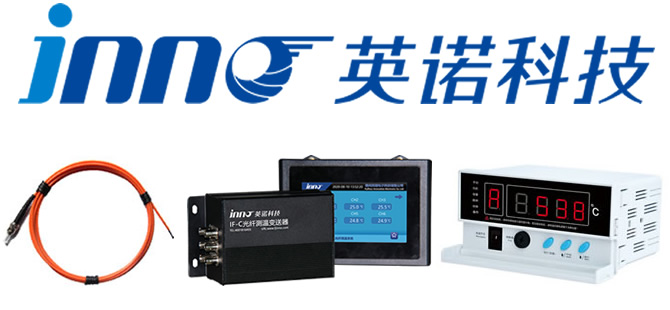
Selecting a reliable manufacturer is crucial for ensuring the quality, hiệu suất, and regulatory compliance of medical fiber optic temperature monitoring systems. Here are the top 10 manufacturers specializing in medical-grade fiber optic temperature sensors.
16.1 Đứng đầu 10 Nhà sản xuất cảm biến nhiệt độ sợi quang y tế
🏆 #1 – Khoa học điện tử đổi mới Phúc Châu&Công ty công nghệ, Công ty TNHH.
Tổng quan về công ty: Điện tử đổi mới Phúc Châu (FJINNO) is a leading Chinese manufacturer specializing in fluorescent fiber optic temperature measurement systems for medical, quyền lực, và ứng dụng công nghiệp. Được thành lập vào năm 2011, the company has become a trusted supplier of electromagnetic interference-free temperature sensors for MRI environments, cắt bỏ bằng laser, HIFU therapy, and other demanding medical applications.
Danh mục sản phẩm:
- Medical Contact-Type Fiber Optic Temperature Measurement Devices – View Product
- Multi-Channel Temperature Monitoring Systems (1-64 kênh) – 64-Hệ thống kênh
- lò vi sóng & Electromagnetic Anti-Interference Systems – EMI-Free System
- Experimental Equipment Temperature Measurement – 32-Channel Lab System
Thông số kỹ thuật chính:
- Độ chính xác nhiệt độ: ±1°C
- Phạm vi nhiệt độ: -40°C đến +260°C
- Chiều dài sợi: 0-80 mét (tùy chỉnh)
- Thời gian đáp ứng: <1 thứ hai
- Đường kính đầu dò: Có thể tùy chỉnh
- Cấu hình kênh: 1-64 kênh
Được thành lập: 2011
Địa chỉ: Khu công nghiệp mạng ngũ cốc Liên Đông U, Số 12 đường Xingye West, Phúc Châu, Phúc Kiến, Trung Quốc
📧 Email: web@fjinno.net
📱 WhatsApp: +86 135 9907 0393
💬Wechat (Trung Quốc): +86 135 9907 0393
💬QQ: 3408968340
☎️ Điện thoại: +86 135 9907 0393
🥈 #2 – Công ty TNHH Công nghệ quang điện tử Fuzhou Huaguang Tianrui, Công ty TNHH.
福州华光天锐光电科技有限公司
Tổng quan về công ty: Fuzhou Huaguang Tianrui is a specialized manufacturer of fiber optic temperature measurement systems, thành lập ở 2016. The company focuses on developing high-precision optical temperature sensors for medical equipment, máy biến áp điện, và tự động hóa công nghiệp.
Danh mục sản phẩm:
- Cảm biến nhiệt độ sợi quang huỳnh quang
- Hệ thống cảm biến nhiệt độ phân tán
- Giải pháp giám sát nhiệt độ máy biến áp
- Industrial Process Temperature Measurement
Được thành lập: 2016
Địa chỉ: 163 Jinyan Road, Khu công nghiệp Thụy Bang, Phúc Châu, Tỉnh Phúc Kiến, Trung Quốc
联系地址:福建省福州市金岩路163号瑞邦实业园
☎️ Office: 0591-83841511
📱 Di động (24h): 135 9907 0393 (quản lý Trần / 陈经理)
💬Wechat: 13599070393
💬QQ: 3408968340
📧 Email: 3408968340@qq.com
🥉 #3 – Công ty công nghệ FISO. (Canada)
Tổng quan về công ty: FISO Technologies is a Canadian pioneer in fiber optic sensor technology, specializing in medical and industrial temperature and pressure measurement systems. Được biết đến với các cảm biến có độ chính xác cao được sử dụng trong các ứng dụng tương thích với MRI.
Danh mục sản phẩm:
- Cảm biến nhiệt độ tương thích với MRI
- Cảm biến kết hợp áp suất và nhiệt độ
- Cảm biến ống thông y tế
- Cảm biến công nghiệp nhiệt độ cao
Được thành lập: 1994
Trụ sở chính: Québec, Canada
#4 – Opsens Inc. (Canada)
Tổng quan về công ty: Opsens phát triển giải pháp đo lường sợi quang cho thị trường y tế và công nghiệp. Cảm biến nhiệt độ và dây dẫn áp suất OptoWire của chúng được sử dụng trong các can thiệp về tim và mạch máu thần kinh.
Danh mục sản phẩm:
- Dây dẫn nhiệt độ áp suất y tế
- Cảm biến thông tim
- Công cụ can thiệp thần kinh mạch máu
- Cảm biến sợi quang công nghiệp
Được thành lập: 2003
Trụ sở chính: Thành phố Québec, Canada
#5 – Năng lượng nâng cao (Luxtron – Hoa Kỳ)
Tổng quan về công ty: Bộ phận Luxtron của Advanced Energy chuyên về hệ thống đo nhiệt độ huỳnh quang cho chất bán dẫn, thuộc về y học, và ứng dụng công nghiệp. Tiên phong trong cảm biến nhiệt độ không gây nhiễu.
Danh mục sản phẩm:
- Đầu dò nhiệt độ huỳnh quang y tế
- Màn hình nhiệt độ đa kênh
- Cảm biến xử lý bán dẫn
- Đo nhiệt độ làm nóng bằng sóng RF/lò vi sóng
Được thành lập: 1981 (bộ phận Luxtron)
Trụ sở chính: Denver, Colorado, Hoa Kỳ
#6 – Neoptix Inc. (Canada – được Qualitrol mua lại)
Tổng quan về công ty: Neoptix phát triển cảm biến nhiệt độ sợi quang dựa trên gali arsenide (GaAs) công nghệ, được sử dụng rộng rãi trong các ứng dụng y tế và công nghiệp điện. Hiện là một phần của Công ty Qualitrol.
Danh mục sản phẩm:
- Đầu dò nhiệt độ an toàn MRI
- Hệ thống giám sát y tế
- Cảm biến nhiệt độ máy biến áp điện
- Giám sát quy trình công nghiệp
Được thành lập: 2003
Trụ sở chính: Thành phố Québec, Canada
#7 – Công nghệ y tế Weidmann (Thụy Sĩ)
Tổng quan về công ty: Weidmann chuyên về các giải pháp theo dõi bệnh nhân tương thích với MRI, bao gồm các cảm biến nhiệt độ sợi quang được thiết kế để sử dụng trong quá trình chụp ảnh cộng hưởng từ.
Danh mục sản phẩm:
- Hệ thống theo dõi bệnh nhân MRI
- Đầu dò nhiệt độ sợi quang
- Cảm biến sinh lý an toàn MRI
- Phụ kiện theo dõi y tế
Được thành lập: 2008 (Phòng y tế)
Trụ sở chính: Rapperswil-Jona, Thụy Sĩ
#8 – Giải pháp OpSens (Pháp)
Tổng quan về công ty: Nhà sản xuất lưới sợi Bragg của Pháp (FBG) sensor systems for structural health monitoring and medical temperature measurement applications.
Danh mục sản phẩm:
- FBG Temperature Sensor Arrays
- Medical Device Temperature Monitoring
- Multi-Point Measurement Systems
- Structural Health Monitoring Sensors
Được thành lập: 2006
Trụ sở chính: Pessac, Pháp
#9 – Giám sát chắc chắn (Canada)
Tổng quan về công ty: Rugged Monitoring develops fiber optic sensor systems for harsh environments, including medical autoclaves and sterilization equipment temperature monitoring.
Danh mục sản phẩm:
- Autoclave Temperature Sensors
- Sterilization Monitoring Systems
- High-Temperature Fiber Sensors
- Industrial Process Control Sensors
Được thành lập: 2004
Trụ sở chính: Québec, Canada
#10 – Đổi mới của Luna (Hoa Kỳ)
Tổng quan về công ty: Luna Innovations provides advanced fiber optic sensing and test solutions for aerospace, defense, and medical markets, including specialized temperature measurement systems.
Danh mục sản phẩm:
- Hệ thống cảm biến sợi quang phân tán
- Medical Device Testing Equipment
- High-Performance Temperature Sensors
- Optical Measurement Instruments
Được thành lập: 1990
Trụ sở chính: Roanoke, Virginia, Hoa Kỳ
16.2 How to Choose the Right Manufacturer
When selecting a fiber optic temperature sensor manufacturer for medical applications, consider:
- Application-specific experience – Does the manufacturer have proven solutions for your specific medical procedure?
- Technical support capabilities – Can they provide customization and integration assistance?
- Quality management systems – Do they follow appropriate medical device quality standards?
- Product performance specifications – Do the accuracy, thời gian đáp ứng, and range meet your clinical needs?
- Hỗ trợ sau bán hàng – Is technical service and calibration support available?
- Cost-effectiveness – Does the total cost of ownership fit your budget?
Phần kết luận: The Future of Medical Temperature Monitoring
Fiber optic temperature sensors have revolutionized medical thermal therapy by providing electromagnetic interference-free, MRI-compatible, and highly accurate temperature monitoring capabilities. As demonstrated throughout this article, these sensors address critical safety concerns that make traditional metal-based sensors unsuitable or dangerous in many medical applications.
The key advantages that make fiber optic temperature sensors indispensable for modern medical procedures include:
- Complete MRI compatibility – Eliminating life-threatening risks associated with metallic sensors
- RF heating immunity – Protecting patients from burn injuries during electromagnetic procedures
- Giám sát đa điểm – Enabling comprehensive temperature mapping for improved treatment outcomes
- High precision and fast response – Supporting real-time treatment adjustments
- Biocompatible materials – Ensuring patient safety through appropriate material selection
- Flexible sterilization options – Accommodating various clinical workflows
Bằng chứng lâm sàng từ các bệnh viện trên toàn thế giới xác nhận rằng việc theo dõi nhiệt độ chính xác bằng cảm biến sợi quang mang lại kết quả tốt hơn cho bệnh nhân, reduced complications, và tỷ lệ thành công điều trị cao hơn khi cắt bỏ bằng laser, HIFU therapy, cắt bỏ tần số vô tuyến, và các liệu pháp nhiệt khác.
Cho dù bạn đang thực hiện các quy trình do MRI hướng dẫn, thực hiện cắt bỏ khối u, tiến hành can thiệp điện sinh lý tim, hoặc thúc đẩy nghiên cứu y học, cảm biến nhiệt độ sợi quang cung cấp sự an toàn, sự chính xác, và độ tin cậy cần thiết để chăm sóc bệnh nhân tối ưu.
Sẵn sàng triển khai giám sát nhiệt độ sợi quang tại cơ sở y tế của bạn?
Nhận tư vấn của chuyên gia và thông tin sản phẩm
Đội ngũ chuyên gia cảm biến nhiệt độ sợi quang của chúng tôi sẵn sàng giúp bạn chọn giải pháp tối ưu cho ứng dụng y tế cụ thể của bạn. Hãy liên hệ với chúng tôi ngay hôm nay để:
✅ Detailed product specifications and datasheets
✅ Customized pricing and volume discount information
✅ Technical consultation for your specific medical procedure
✅ Custom sensor design and integration support
✅ Demonstration units and trial programs
✅ Complete technical documentation and user guides
📧 Email: web@fjinno.net
📱 WhatsApp: +86 135 9907 0393
☎️ Điện thoại: +86 135 9907 0393
Response within 24 hours guaranteed. All inquiries treated with strict confidentiality.
Câu hỏi thường gặp (Câu hỏi thường gặp)
Q1: Can fiber optic temperature sensors be used during MRI scans?
MỘT: Đúng, fluorescent fiber optic temperature sensors are completely MRI-compatible. Không giống như cảm biến kim loại, they contain no ferromagnetic materials and will not be attracted to the MRI magnet, cause RF heating, or create image artifacts. They are specifically designed for safe use in magnetic fields up to 7 Tesla.
Q2: What is the typical accuracy of medical fiber optic temperature sensors?
MỘT: Medical-grade fluorescent fiber optic temperature sensors typically achieve accuracy of ±0.5°C to ±1°C across their operating range. This precision is sufficient for most thermal therapy applications including laser ablation, HIFU, and radiofrequency ablation procedures.
Q3: How many temperature points can be monitored simultaneously?
MỘT: Multi-channel fiber optic temperature measurement systems can monitor between 1 ĐẾN 64 temperature points simultaneously from a single transmitter unit. The number of channels is selected based on the clinical application requirements and treatment area size.
Q4: What is the response time of fiber optic temperature sensors?
MỘT: Fluorescent fiber optic temperature sensors typically respond in less than 1 thứ hai, with many high-performance models achieving response times under 0.5 giây. This rapid response is critical for detecting dangerous temperature excursions and enabling real-time treatment adjustments.
Q5: Can the sensors be sterilized for surgical use?
MỘT: Đúng, fiber optic temperature sensors can be sterilized using multiple methods including ethylene oxide (xếp hàng), hydrogen peroxide plasma, and in some cases, autoclave sterilization. The manufacturer’s guidelines should specify which sterilization methods are validated for each sensor model.
Q6: What temperature range can fiber optic sensors measure?
MỘT: Medical fiber optic temperature sensors typically operate across a range from -40°C to +260°C, covering applications from cryoablation (extreme cold) to laser and microwave ablation (high heat). The specific range depends on the sensor model and design.
Q7: Are fiber optic sensors safe for direct tissue contact?
MỘT: Đúng, when properly designed with biocompatible materials and appropriate protective coatings, fiber optic temperature sensors are safe for direct tissue contact and can even be inserted into tissue for invasive monitoring applications. The materials used are non-cytotoxic and chemically inert.
Q8: Cảm biến nhiệt độ sợi quang kéo dài bao lâu?
MỘT: Reusable fiber optic temperature sensors are designed for 50-100+ sterilization cycles or several years of regular use. Single-use disposable sensors are intended for one procedure only. The sensors maintain their calibration accuracy throughout their rated lifespan without requiring recalibration.
References and Related Resources
- Medical Contact-Type Fiber Optic Temperature Measurement Device
- Application of Fluorescent Fiber Optic Temperature Sensors in Transformer Monitoring
- Hệ thống giám sát thông minh cho máy biến áp loại khô
- Fiber Optic Temperature Measurement System for Generator Sets
- Fiber Optic Temperature Measurement System for Cable Joints
- Fiber Optic Temperature Measurement for Semiconductor Processing
- Microwave Electromagnetic Anti-Interference Fiber Optic Temperature System
- 32-Channel Experimental Equipment Fiber Optic Temperature System
- 64-Channel Fluorescent Fiber Optic Temperature Measurement System
- Cảm biến nhiệt độ sợi quang tự động hóa công nghiệp
- Fiber Optic Temperature Monitoring System for Electrical Switchgear
- Data Center Temperature Monitoring – Best Fluorescent Fiber Optic Sensor Manufacturer
⚠️ Medical Disclaimer
The information provided in this article is for educational and reference purposes only. Nội dung không phải là lời khuyên y tế, chẩn đoán, hoặc khuyến nghị điều trị.
- Tất cả việc sử dụng thiết bị y tế phải tuân thủ các quy định về thiết bị y tế của địa phương và các quy định của bệnh viện
- Các ứng dụng sản phẩm cụ thể cần được đánh giá và xác định bởi các chuyên gia y tế có trình độ
- Nghiên cứu trường hợp lâm sàng là bản tóm tắt ẩn danh nhằm mục đích minh họa và không cấu thành sự chứng thực cho các sản phẩm cụ thể
- Các thông số kỹ thuật và dữ liệu hiệu suất dựa trên các kịch bản ứng dụng điển hình; cách sử dụng thực tế có thể thay đổi
- Trước khi mua và sử dụng trang thiết bị y tế, vui lòng tham khảo ý kiến của các cơ quan quản lý có liên quan và các chuyên gia y tế
- Tuyên bố về hiệu suất sản phẩm là thông số kỹ thuật của nhà sản xuất và phải được xác minh độc lập cho ứng dụng cụ thể của bạn
Để biết thông tin chi tiết về sản phẩm và hỗ trợ kỹ thuật, vui lòng liên hệ trực tiếp với nhà sản xuất để có được tài liệu kỹ thuật toàn diện. Bài viết này không thay thế hướng dẫn của nhà sản xuất, hướng dẫn quy định, hoặc phán quyết y tế chuyên nghiệp.

Cảm biến nhiệt độ sợi quang, Hệ thống giám sát thông minh, Nhà sản xuất cáp quang phân phối tại Trung Quốc
|
 |
 |