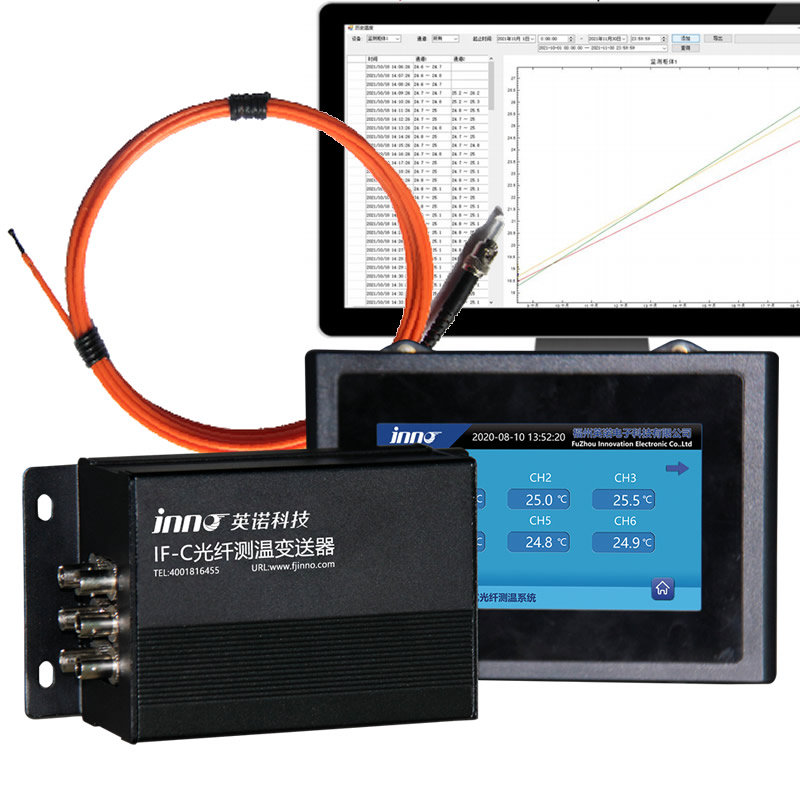
 Cảm biến nhiệt độ sợi quang INNO ,hệ thống giám sát nhiệt độ.
Core Advantages of Power Plant Software Asset Management Software
Software asset visualization management increases utilization by over 40% – Through real-time monitoring of critical power software usage including DCS, SCADA, và hệ thống giám sát nhiệt độ, optimize license allocation, avoid idle waste, and maximize software investment returns
Power plant software procurement costs reduced by 30-35% – Accurately grasp the actual needs of generator unit monitoring software and transformer management systems, avoid duplicate purchases, and obtain better prices through bulk licensing negotiations
Software compliance management ensures avoidance of audit penalty risks – Automatically track power industry-specific software license status, ensuring completely compliant software usage across all types of power generation facilities including thermal power plants, hydropower stations, and nuclear power plants
Automated software deployment reduces manual workload by 80% – From switchgear monitoring software to turbine performance analysis systems, all achieve automated deployment, updates, và bảo trì, significantly improving power plant IT operational efficiency
Real-time monitoring systems optimize power equipment management software license allocation – Dynamically adjust user allocation for professional software such as transformer temperature monitoring and generator stator temperature rise analysis, ensuring priority use for critical positions
Unified management platform improves power system operational efficiency by 50% – Integrate various types of software including boiler control, giám sát tuabin, and electrical equipment management into a unified platform, achieving centralized control and rapid response
Software lifecycle management extends power software usage period by 20-25% – Thông qua quản lý tiêu chuẩn hóa và bảo trì kịp thời, kéo dài tuổi thọ của phần mềm chuyên nghiệp đắt tiền, bảo vệ đầu tư CNTT của nhà máy điện
Kiến trúc triển khai kết hợp hỗ trợ hệ thống điều phối lưới điện và giám sát cấp nhà máy – Thích ứng linh hoạt với môi trường phức tạp của các nhà máy điện thông minh hiện đại với hệ thống SCADA dựa trên đám mây và hệ thống DCS cục bộ cùng tồn tại
Vai trò quan trọng của quản lý tài sản phần mềm nhà máy điện trong sản xuất điện
Hệ thống hỗ trợ phần mềm vận hành nhà máy điện kỹ thuật số
Chuyển đổi kỹ thuật số nhà máy điện hiện đại đã chuyển hoàn toàn từ hoạt động cơ giới hóa truyền thống sang mô hình quản lý thông minh. Từ hệ thống tối ưu hóa quá trình đốt lò hơi đến giám sát hiệu suất máy phát tua-bin, từ giám sát trực tuyến nhiệt độ máy biến áp đến đánh giá tình trạng thiết bị đóng cắt điện áp cao, mọi liên kết đều dựa vào sự hỗ trợ phần mềm chuyên nghiệp. Các hệ thống phần mềm này không chỉ điều khiển các thiết bị phát điện trị giá hàng trăm triệu đồng mà còn liên quan trực tiếp đến an ninh lưới điện, ổn định nguồn điện.
Hệ thống DCS nhà máy nhiệt điện kiểm soát hoạt động phối hợp của nồi hơi, tua-bin, và máy phát điện, trong đó bất kỳ lỗi phần mềm nào cũng có thể dẫn đến việc ngắt thiết bị. Phần mềm DCS bao gồm nhiều module như trạm vận hành, trạm kỹ sư, và trạm lịch sử, mỗi yêu cầu quản lý phiên bản chính xác và kiểm soát ủy quyền. Hỗ trợ các hệ thống phụ trợ như hệ thống thiết bị an toàn SIS và hệ thống điều khiển điện-thủy lực kỹ thuật số tuabin DEH đều là những tài sản phần mềm quan trọng đảm bảo vận hành thiết bị an toàn.
Hệ thống SCADA trạm biến áp theo dõi các thông số vận hành của từng máy biến áp, với phần mềm giám sát nhiệt độ, phân tích nhiệt độ điểm nóng cuộn dây theo thời gian thực để đảm bảo an toàn cho thiết bị. Các trạm biến áp hiện đại còn triển khai nhiều thiết bị giám sát trực tuyến, chẳng hạn như giám sát trực tuyến sắc ký dầu máy biến áp, GIS partial discharge monitoring, và giám sát dòng rò của thiết bị chống sét, với mỗi thiết bị được trang bị phần mềm phân tích chuyên dụng yêu cầu nền tảng quản lý thống nhất để tích hợp.
Tầm quan trọng của phần mềm giám sát thiết bị điện
Phần mềm giám sát trực tuyến thiết bị đóng cắt liên tục đánh giá tình trạng sức khỏe của cầu dao và thanh cái. Là thiết bị điều khiển và bảo vệ quan trọng trong hệ thống điện, độ tin cậy vận hành của thiết bị đóng cắt điện áp cao ảnh hưởng trực tiếp đến an toàn cung cấp điện. Giám sát nhiệt độ là một phương tiện quan trọng để đánh giá tình trạng thiết bị đóng cắt. By installing temperature sensors at key locations such as contacts and busbar connection points, combined with professional monitoring software, problems like poor contact and overload can be discovered in time.
Generator condition monitoring systems have increasingly powerful software functions. Beyond traditional vibration and temperature monitoring, modern generator monitoring software includes advanced functions such as stator partial discharge analysis, rotor inter-turn short circuit detection, shaft voltage monitoring, and air gap monitoring. These software programs extract fault characteristics from massive sensor data through complex signal processing algorithms, achieving early fault warning.
Transformer comprehensive monitoring platforms integrate multiple monitoring functions. Oil temperature monitoring reflects cooling system effectiveness, winding temperature monitoring evaluates insulation aging status, core grounding current monitoring prevents multi-point grounding faults, and dissolved gas analysis in oil diagnoses internal discharge and overheating defects. These originally independent monitoring systems achieve data sharing and comprehensive diagnosis through power plant software asset management software.
What is Power Plant Software Asset Management? How Does It Support Power System Operations?
Definition and Scope of Power Plant Software Assets
Power plant software asset management systems refer to systematic methods for full lifecycle management of all software resources in power generation plants, trạm biến áp, mạng lưới phân phối, and other power facilities. These software assets span from bottom-layer PLC programming software and DCS configuration software, to mid-level unit performance calculation and electrical equipment monitoring software, to upper-level power generation planning optimization and electricity trading management systems.
Power production control software forms the core of software assets. DCS distributed control systems handle unit start-stop control, điều chỉnh tải, and safety protection; PLC programmable controllers manage auxiliary systems like water treatment, ash removal, and desulfurization; SCADA data acquisition and monitoring systems enable remote monitoring and control; EMS energy management systems optimize plant-wide energy utilization efficiency. Each type of software has specific licensing methods and technical requirements.
Equipment condition monitoring software has developed rapidly in recent years. Hệ thống phân tích trực tuyến sắc ký dầu máy biến áp đánh giá các lỗi bên trong bằng cách phát hiện các khí hòa tan trong dầu; Phần mềm giám sát phóng điện cục bộ GIS xác định các khuyết tật cách điện; Hệ thống phân tích phân bố nhiệt độ cuộn dây stato máy phát điện đánh giá hiệu quả làm mát và trạng thái cách điện. Những chương trình phần mềm chuyên nghiệp này thường đắt tiền, và quản lý tài sản hợp lý có thể giảm đáng kể chi phí đầu tư.
Tài sản phần mềm’ Cơ chế vận hành trong hệ thống điện
Phần mềm quản lý tài sản nhà máy điện đóng vai trò là hệ thần kinh trung ương trong hoạt động của nhà máy điện. Nó không chỉ quản lý phần mềm điều khiển sản xuất truyền thống mà còn quản lý phần mềm quản lý tình trạng thiết bị ngày càng quan trọng, đảm bảo sử dụng hiệu quả và vận hành an toàn tất cả tài sản phần mềm.
Large generator unit monitoring software integration management is particularly important. A 600MW turbine generator unit’s rotor temperature monitoring system can collect temperature data from hundreds of measurement points in real-time, using professional analysis software to judge cooling system effectiveness and predict bearing failure risks. Stator temperature monitoring is more complex, requiring analysis of temperature distribution in slots, end regions, cores, and other locations to evaluate insulation aging degree. These monitoring software programs must integrate seamlessly with DCS systems to achieve data sharing and coordinated control.
Smart substation software systems represent the development direction of power systems. Hệ thống tự động hóa trạm biến áp dựa trên tiêu chuẩn IEC61850 tích hợp bảo vệ, đo lường và kiểm soát, giám sát, và các chức năng khác trên nền tảng hợp nhất. Thiết bị điện tử thông minh biến áp (IED) chạy nhiều mô-đun phần mềm bao gồm theo dõi nhiệt độ, giám sát mức dầu, và bảo vệ khí; thiết bị đóng cắt IED bao gồm bảo vệ dòng điện, giám sát nhiệt độ, ghi đặc tính cơ học, và các chức năng khác. Các tài sản phần mềm phân tán này yêu cầu nền tảng quản lý tập trung để kiểm soát phiên bản và quản lý cấu hình.
Những thách thức chính và chiến lược ứng phó đối với việc quản lý tài sản phần mềm nhà máy điện
Những thách thức quản lý từ sự phức tạp của phần mềm
Phần mềm chuyên ngành ngành điện đưa ra những thách thức đặc biệt cho việc quản lý tài sản. Từ phần mềm tính toán nhiệt tuabin đến phần mềm cài đặt bảo vệ rơle, từ hệ thống tối ưu hóa quá trình đốt cháy nồi hơi đến chương trình điều khiển kích thích máy phát điện, Mỗi loại phần mềm cần có kiến thức chuyên môn để quản lý phù hợp. Sự phụ thuộc giữa các phần mềm rất phức tạp với các yêu cầu nghiêm ngặt về khả năng tương thích phiên bản.
Quản lý phần mềm giám sát nhiệt độ đối mặt với những khó khăn đặc biệt. Hệ thống đo nhiệt độ sợi quang cuộn dây máy biến áp, phần mềm giám sát mức tăng nhiệt độ tiếp xúc của thiết bị đóng cắt, chương trình giám sát nhiệt độ rãnh stator máy phát điện, vân vân., thường bị ràng buộc với các cảm biến phần cứng cụ thể, yêu cầu khớp phiên bản phần cứng-phần mềm nghiêm ngặt. Sự đa dạng của các loại cảm biến (RTD, cặp nhiệt điện, sợi quang, tia hồng ngoại, vân vân.) dẫn đến các giao diện phần mềm khác nhau và các định dạng dữ liệu không thống nhất, mang lại những thách thức quản lý tích hợp.
Phần mềm điều khiển thời gian thực quản lý cập nhật đặc biệt phức tạp. DCS, PLC, và các phần mềm hệ thống điều khiển khác ảnh hưởng trực tiếp đến an toàn sản xuất, and any updates require strict testing and verification. The continuity requirements of power production make software update windows extremely limited, typically only possible during annual overhauls. How to timely patch software vulnerabilities and upgrade functions while ensuring production safety is a key issue that power plant software asset management software must solve.
License and Compliance Management Challenges
Software license management chaos is a common problem faced by power companies. Power equipment manufacturers typically provide supporting software with equipment, such as Siemens turbine monitoring systems, ABB transformer management software, Schneider switchgear monitoring platforms, vân vân., with varying licensing methods. Some charge by point count, some by functional modules, and others are sold bundled with hardware.
Compliance risks cannot be ignored. The power industry is subject to strict safety and environmental regulations, and related monitoring and reporting software must comply with national standards and industry specifications. Ví dụ, Continuous Emission Monitoring System (CEMS) software must pass environmental certification, and power quality monitoring software needs to meet grid company access requirements. Without a unified management platform, compliance issues such as expired certifications and untimely standard updates easily occur.
Software asset inventory difficulties exacerbate management complexity. Large power plant software assets are scattered across multiple physical locations including control rooms, local control cabinets, trạm kỹ sư, and server rooms, involving multiple departments such as production, BẢO TRÌ, and management. Phương pháp kiểm kê thủ công truyền thống không chỉ tốn thời gian mà còn dễ bị thiếu sót. Cụ thể, một số phần mềm và chương trình cơ sở nhúng thường bị bỏ qua nhưng cũng cần được quản lý và bảo trì.
Phân tích sự cần thiết của Hệ thống quản lý tài sản phần mềm nhà máy điện chuyên nghiệp
Hạn chế của mô hình quản lý truyền thống
Phương pháp quản lý Excel thủ công không còn đáp ứng được nhu cầu của các nhà máy điện thông minh hiện đại. Lấy nhà máy nhiệt điện 2×600MW điển hình làm ví dụ, Chỉ riêng hệ thống DCS của thiết bị chính đã bao gồm hơn 20 bộ phần mềm trạm vận hành, 5 bộ phần mềm trạm kỹ sư, 3 bộ phần mềm cơ sở dữ liệu lịch sử, trở lên 10 bộ phần mềm cổng liên lạc. Thêm các hệ thống điều khiển phụ trợ khác nhau, hệ thống giám sát trực tuyến, và hệ thống thông tin quản lý, tổng số phần mềm dễ dàng vượt quá 500 bộ.
Hiện tượng silo thông tin ảnh hưởng nghiêm trọng đến hiệu quả quản lý. The production department manages DCS and SIS software, the electrical department is responsible for relay protection and monitoring software, the IT department handles office and management software, and the equipment department focuses on professional analysis software. Each department manages independently without sharing information, often resulting in duplicate purchases or critical software being unmanaged. When plant-wide software asset reports are needed, compilation and statistics become arduous tasks.
Passive maintenance models bring safety hazards. Waiting until software failures occur or licenses expire before taking action is often too late. There have been cases where power plants failed to renew transformer monitoring software licenses in time, causing monitoring functions to fail and missing winding overheating warning signals, ultimately resulting in equipment damage. Similar cases are not uncommon in the industry, highlighting the importance of proactive management.
Efficiency Improvements from Digital Management
Professional power plant software asset management software completely changes the passive management situation through automatic discovery, intelligent classification, giám sát thời gian thực, and other technical means. The system can automatically scan all software assets in the power plant network, from main control DCS to field temperature acquisition terminals, establishing a complete software asset inventory.
Lợi tức đầu tư (ROI) Phân tích is convincing. After implementing a software asset management system, a large thermal power plant saved 2 million yuan in software procurement costs in the first year through optimizing license allocation; avoided 3 potential system failures through timely version updates and patch management, reducing unplanned downtime losses by over 5 million yuan; obtained a 15% discount from software suppliers through unified procurement negotiations. The system investment was fully recovered within 18 tháng.
Risk control capabilities are significantly enhanced. The system establishes complete software ledgers, including version information, license status, update history, known issues, vân vân., providing data support for risk assessment. By setting automated mechanisms such as license expiration reminders, version update notifications, and security vulnerability warnings, potential risks are eliminated in their infancy. For critical power equipment monitoring software, the system also provides redundant license management to ensure monitoring functions don’t interrupt during primary-backup switching.
Core Functional Modules of Power Plant Software Asset Management Software
Refined Management of Power Production Control System Software
DCS software version control is the foundation for ensuring stable control system operation. Large thermal power unit DCS systems typically contain dozens of control stations, each running different functional software modules. Power plant software asset management software needs to precisely track each station’s operating system version, DCS software version, configuration program version, graphical interface version, and other detailed information to ensure compatibility of all components.
SCADA system software management covers multiple layers including front-end communication, real-time databases, human-machine interfaces, and historical data archiving. The system must manage not only the software itself but also track versions of various communication protocol drivers and device drivers. For software modules supporting standard protocols like IEC61850 and IEC60870-5-104, special attention needs to be paid to protocol stack updates to ensure interoperability with other systems.
Real-time database software is the core of power plant information systems. Products like PI System, eDNA, and industrial real-time databases are typically licensed by point count, and reasonable point allocation and archiving strategies can significantly reduce costs. Software asset management systems need to monitor actual database usage, identify zombie points and duplicate points, and optimize data collection schemes.
Unified Management Platform for Equipment Condition Monitoring Software
Turbine Supervisory Instrumentation (TSI) is critical monitoring software in thermal power plants. The system includes multiple monitoring modules such as shaft vibration, shaft displacement, differential expansion, cylinder expansion, tốc độ, and eccentricity, each with independent software components. Power plant software asset management software needs to ensure version consistency of these modules to avoid data communication anomalies due to version mismatches.
Generator online monitoring software suites have increasingly rich functions. Stator temperature monitoring software evaluates cooling system effects and insulation status by analyzing temperature distribution of windings and cores; rotor temperature monitoring software focuses on temperature rise at key locations like slip rings and bearings; partial discharge monitoring software identifies insulation defects through high-frequency signal analysis. These professional software programs need to share data with generator protection systems to achieve coordinated monitoring and protection.
Transformer condition assessment software integrates multi-source monitoring data. Oil temperature monitoring provides cooling system status information, winding temperature monitoring reflects load capability, oil chromatography analysis diagnoses internal fault types, and partial discharge detection evaluates insulation status. Modern transformer monitoring software also introduces artificial intelligence algorithms, establishing equipment health models through machine learning to achieve advance fault prediction.
Intelligent Analysis and Decision Support Functions
Software utilization analysis helps optimize investments. By monitoring metrics such as login frequency, usage duration, and function call frequency for each software, high-value software and idle software are identified. A power plant discovered through analysis that turbine performance analysis software worth 500,000 yuan was only used twice per month on average, deciding to switch to an on-demand rental model, tiết kiệm 80,000 yuan in annual maintenance costs.
License optimization algorithms achieve dynamic allocation. For floating licenses, the system intelligently schedules license resources based on historical usage patterns and real-time demands. License pools are automatically expanded during peak work periods and redundant licenses are released during idle times. For software with concurrent user limits, queuing mechanisms and priority management are established to ensure critical tasks receive necessary software resources.
Compliance automated auditing reduces legal risks. The system regularly scans all software authorization status, comparing with procurement contracts and license agreements to identify violations such as out-of-scope use and expired use. For industry software requiring periodic certification, such as environmental monitoring software and metering management software, the system issues renewal reminders in advance to ensure continuous compliance.
Software Asset Management Characteristics for Different Types of Power Plants
Complexity of Thermal Power Plant Software Asset Management
Coal-fired power plant software systems are the most extensive and complex. The boiler side includes combustion optimization software, soot blowing optimization software, coal quality analysis software, and air-flue gas system control software; the turbine side has thermal performance calculation, phân tích rung động, giám sát dầu, condenser performance evaluation, and other professional software; the electrical side covers generator monitoring, giám sát máy biến áp, giám sát thiết bị đóng cắt, relay protection management, and other systems. Each type of software has specific technical requirements and management priorities.
Environmental monitoring software occupies an important position in thermal power plants. Continuous Emission Monitoring Systems (CEMS), wastewater online monitoring systems, noise monitoring systems, vân vân., must meet environmental department certification requirements. Desulfurization and denitrification control software must not only ensure emission compliance but also optimize reagent consumption to reduce operating costs. Data from these software systems is directly uploaded to environmental regulatory platforms, and any failure could result in environmental penalties.
Energy-saving optimization software comes in many varieties. Boiler combustion optimization reduces NOx generation while ensuring combustion stability by adjusting air-coal ratio, burner swing angles, và các thông số khác; turbine cold-end optimization improves unit efficiency by adjusting circulating water flow based on environmental conditions; plant-wide thermal system optimization coordinates subsystem operation to minimize energy consumption. These optimization software programs typically use advanced algorithms and models, requiring regular updates to adapt to equipment aging and coal quality changes.
Special Management Requirements for Hydropower Station Software Assets
Hydro turbine generator monitoring software has unique characteristics. In addition to conventional vibration and temperature monitoring, it includes hydraulic performance monitoring, cavitation monitoring, pressure pulsation analysis, and other hydropower-specific functions. Large hydropower stations often have multiple units, and centralized monitoring systems need to uniformly manage monitoring software for each unit, ensuring consistent data formats for convenient horizontal comparative analysis.
Hydraulic structure safety monitoring software relates to dam safety. Deformation monitoring, seepage monitoring, stress-strain monitoring, and other systems generate massive data requiring professional software for analysis and warning. These software programs typically integrate with Geographic Information Systems (GIS) and 3D modeling software to achieve visual display of monitoring data. Software reliability requirements are extremely high, as any failure could affect judgment of dam safety status.
Cascade dispatch optimization software is core for river basin power stations. Through inputs such as hydrological forecasting, load prediction, and electricity price analysis, it optimizes power generation plans for each station to maximize cascade benefits. This type of software involves complex mathematical models and optimization algorithms, closely interfacing with grid dispatch systems, requiring strict interface management and data security protection.
New Characteristics of Renewable Energy Power Plant Software Management
Wind farm SCADA software faces distributed management challenges. Each wind turbine is an independent control system running main control PLC software, pitch control software, converter control software, vân vân. Wind farm centralized control centers need to manage software versions for dozens or even hundreds of turbines, ensuring consistent execution of group control strategies. Different manufacturers’ turbine software interfaces vary, bringing difficulties to unified management.
Solar power plant monitoring software updates and iterates rapidly. Inverter monitoring software, combiner box monitoring software, tracking system control software, vân vân., are all evolving quickly to adapt to component efficiency improvements and changing grid connection requirements. New functions such as intelligent IV curve scanning, string-level monitoring, and fault location algorithms are constantly emerging, requiring flexible software asset management strategies.
Energy storage power plant management software represents future directions. Battery Management System (BMS) software monitors voltage, nhiệt độ, and SOC/SOH status of each cell; Energy Management System (EMS) software optimizes charge-discharge strategies; thermal management software ensures batteries operate within optimal temperature ranges. These software programs are closely related to battery technology, and with rapid battery technology advancement, software update frequency is extremely high. Power plant software asset management software must adapt to these rapidly changing characteristics.
FJINNO’s Professional Advantages in Power Plant Software Asset Management
Deep Industry Accumulation and Project Experience
FJINNO as a professional power plant software asset management software supplier has accumulated rich project experience in the global power industry. We deeply understand the special needs of different types of power plants, từ các nhà máy tuabin khí ở vùng nhiệt đới đến các tổ máy đồng phát ở vùng lạnh, từ các nhà máy điện hạt nhân ven biển đến các nhà máy thủy điện cao nguyên, tất cả đều có trường hợp thực hiện thành công.
Dự án tuabin khí Trung Đông chứng minh sức mạnh kỹ thuật của chúng tôi. Trong dự án nhà máy điện chu trình hỗn hợp lớp 9F, FJINNO tích hợp thành công hệ thống điều khiển Mark VIe của GE, Siemens’ Hệ thống giám sát tuabin T3000, và hệ thống Ovation DCS của Emerson. Đối mặt với sự khác biệt về giao diện và định dạng dữ liệu không thống nhất từ các nhà sản xuất khác nhau’ phần mềm, chúng tôi đã phát triển phần mềm trung gian chuyển đổi dữ liệu thống nhất để đạt được sự tích hợp liền mạch của các hệ thống không đồng nhất. Đặc biệt trong môi trường nhiệt độ cực cao (nhiệt độ mùa hè vượt quá 50°C), làm mát thiết bị đã trở thành một vấn đề quan trọng, và hệ thống quản lý tài sản phần mềm của chúng tôi đảm bảo hoạt động ổn định của tất cả phần mềm theo dõi nhiệt độ, cung cấp đảm bảo an toàn thiết bị.
Dự án nhà máy nhiệt điện than Đông Nam Á phản ánh khả năng dịch vụ bản địa hóa. Trong dự án tổ máy siêu tới hạn 2×660MW của Indonesia, FJINNO không chỉ cung cấp hệ thống quản lý tài sản phần mềm mà còn giúp khách hàng thiết lập hệ thống quản lý phần mềm hoàn chỉnh. Xem xét nền tảng ngôn ngữ của nhân viên kỹ thuật địa phương, chúng tôi đã cung cấp giao diện ba ngôn ngữ bằng tiếng Indonesia, Tiếng Anh, and Chinese, và phát triển hướng dẫn vận hành đồ họa. Về tác động của môi trường nhiệt đới có độ ẩm cao đối với thiết bị điện tử, chúng tôi đặc biệt tăng cường quản lý phần mềm giám sát chống ngưng tụ thiết bị đóng cắt và phần mềm giám sát nhiệt độ cáp, tránh thành công nhiều lỗi thiết bị do độ ẩm thông qua các cơ chế cảnh báo.
Giải pháp kỹ thuật sáng tạo
Công nghệ tích hợp phần mềm giám sát nhiệt độ là một trong những năng lực cốt lõi của FJINNO. Các tiêu chuẩn giao diện dữ liệu thống nhất được phát triển của chúng tôi có thể tích hợp liền mạch các hệ thống giám sát nhiệt độ khác nhau: đo nhiệt độ sợi quang phân tán để theo dõi nhiệt độ liên tục của cáp và thanh cái; đo nhiệt độ không dây để thu thập nhiệt độ của các tiếp điểm chuyển động và cố định của thiết bị đóng cắt; hình ảnh nhiệt hồng ngoại để quét nhiệt độ bề mặt thiết bị; cảm biến nhúng để theo dõi nhiệt độ bên trong của stator máy phát điện và cuộn dây máy biến áp. Thông qua công nghệ tổng hợp dữ liệu đa nguồn, chúng tôi xây dựng các mô hình trường nhiệt độ thiết bị hoàn chỉnh, achieving early warning and precise location of thermal faults.
AI-driven software health assessment represents the direction of technological development. The system establishes software health baselines by analyzing software operation logs, resource usage, thời gian phản hồi, and other indicators. When abnormal patterns are detected, such as sudden drops in data update frequency, abnormally high CPU usage, or memory leaks in monitoring software, the system automatically diagnoses problem causes and provides solution recommendations. In a nuclear power plant project, our AI system predicted potential failures in reactor coolant pump vibration monitoring software 3 days in advance, avoiding monitoring interruption risks.
Cloud-edge collaborative hybrid architecture meets special requirements of the power industry. Critical real-time control and protection software are deployed on local edge servers at power plants, ensuring millisecond-level response speeds and network isolation security; software asset analysis, tạo báo cáo, knowledge base management, and other functions leverage powerful cloud computing and storage capabilities. This architecture is particularly suitable for group power enterprises, where headquarters can grasp software asset status of all power plants in real-time through cloud platforms, uniformly formulate procurement strategies and push update patches, while each power plant maintains operational independence.
Comprehensive OEM/ODM Customization Services
FJINNO’s OEM services provide complete brand solutions for partners. We can customize software interfaces, functional modules, and report formats according to customer requirements, using customers’ logos and VI systems to provide end users with consistent brand experiences. In an African national power company project, we provided a complete OEM solution for local integrators, including French-language software, report templates compliant with local standards, and deployment solutions based on local IT infrastructure.
ODM custom development capabilities meet special requirements. A Middle Eastern oil company’s captive power plant had special software management needs: integration with SAP systems for asset lifecycle management; compliance with petroleum industry HSE standards; support for Arabic right-to-left display. FJINNO’s project team completed custom development in 6 tháng, not only meeting all functional requirements but also passing the customer’s strict information security audit.
Technology transfer and localization support are our distinctive services. FJINNO not only provides products but also helps customers establish local technical support capabilities. In a Southeast Asian national grid company project, we trained local technical teams, transferred secondary development technology, and helped them establish software asset management standards and specifications. The customer can now independently complete daily system maintenance and function expansion, with FJINNO continuing to provide technical guidance and version upgrade services.
Implementation Methodology for Power Plant Software Asset Management Software
Requirements Analysis and System Planning
Power plant software asset status investigation is the first step of implementation. FJINNO’s professional consulting team conducts in-depth field investigations at power plants, comprehensively surveying software asset conditions. Not only compiling software inventories and version information but also understanding software usage scenarios, management processes, and existing problems. Special attention is paid to equipment condition monitoring software such as temperature monitoring, giám sát rung động, and electrical monitoring, as these software programs directly relate to equipment safety.
Thiết kế kiến trúc hệ thống needs to comprehensively consider multiple factors. Network architecture must comply with power industry security protection requirements, typically adopting zoned and segmented designs with physical isolation between production control zones and management information zones; software architecture must support distributed deployment and centralized management, adapting to power plants’ geographically dispersed characteristics; data architecture must handle massive real-time and historical data, supporting big data analysis and machine learning applications.
Implementation roadmap formulation follows progressive principles. The first phase typically establishes software asset ledgers, achieving basic inventory management and license management; the second phase adds advanced functions such as automatic discovery, giám sát thời gian thực, and usage analysis; the third phase achieves deep integration with other systems, such as interfacing with equipment asset management systems, work order systems, and procurement systems; the fourth phase introduces artificial intelligence and big data analysis to achieve predictive maintenance and intelligent decision support.
System Integration and Data Migration
Heterogeneous system integration is one of the technical challenges. Power plant software comes from different manufacturers with varying interface standards. FJINNO has developed a rich adapter library supporting mainstream protocols such as OPC, Modbus, IEC61850, and Web Services. For proprietary protocols, we collaborate with original manufacturers to develop interfaces or parse data formats through reverse engineering. In a hydropower station project, we successfully integrated monitoring software from 12 different manufacturers, achieving unified data collection and display.
Historical data migration requires careful planning. Years of accumulated software usage records, fault histories, and maintenance logs are valuable assets that must be completely migrated to the new system. We’ve developed specialized data cleaning and conversion tools capable of handling historical data in various formats, including Excel spreadsheets, Access databases, and text logs. The migration process uses incremental synchronization to ensure business continuity.
Data quality assurance runs throughout the integration process. Through data validation rules, integrity checks, and consistency analysis, we ensure migrated data accuracy. For critical software asset information such as license keys and authorization files, encrypted storage and transmission ensure information security. Data audit mechanisms are established with all data changes logged for traceability and auditing.
Training System and Knowledge Transfer
Layered and classified training system ensures all personnel master necessary skills. For system administrators, focus training on system configuration, fault handling, and data backup recovery; for software asset managers, emphasize daily operations such as asset registration, license management, and compliance checking; for general users, mainly cover basic functions like software requests and problem reporting. Each type of training includes hands-on practice and certification assessment.
Localized training materials improve learning effectiveness. FJINNO develops multilingual training materials based on different regions’ language and cultural backgrounds. In the Middle East, we provide bilingual materials in Arabic and English; in Southeast Asia, versions in Indonesian, Thai, Vietnamese, vân vân.; in francophone Africa, standard French technical documentation. Training videos are recorded with local accents and include subtitles for repeated learning.
Continuous knowledge update mechanisms maintain team capabilities. Power software technology evolves rapidly, and management methods continuously evolve. FJINNO has established an online learning platform, regularly pushing the latest technical articles, case analyses, and operational tips. Quarterly online seminars are organized with industry experts invited to share experiences. For important system upgrades, specialized upgrade training ensures users master new functions.
Success Stories and Best Practices
Middle Eastern Gas Power Plant Digital Transformation Project
Bối cảnh dự án: The power plant has four 9F-class gas turbines with a total installed capacity of 2400MW, serving as an important local power supply base. As unit service time increased, various monitoring and control software versions became chaotic, license management was out of control, and operational costs remained high.
Giải pháp: FJINNO implemented plant-wide unified power plant software asset management software. First conducting comprehensive software asset inventory, discovering and integrating 237 sets of various software; establishing a centralized license management platform, tiết kiệm 35% of software procurement budget through configuration optimization; deploying automated update mechanisms to ensure all critical software receives timely security patches; particularly strengthening temperature monitoring software management, including gas turbine exhaust temperature monitoring, giám sát nhiệt độ stator máy phát điện, giám sát nhiệt độ dầu máy biến áp, vân vân., achieving comprehensive analysis through a unified data platform.
Project Results: One year after system launch, software-related failure rates decreased by 65%, unplanned downtime reduced by 40%, and software maintenance costs dropped by 45%. Particularly noteworthy, through deep mining of historical data, design defects in the gas turbine cooling system were discovered, and by optimizing control strategies, output during summer high-temperature periods increased by 3%.
Southeast Asian Cascade Hydropower Station Intelligent Management Project
Project Characteristics: The project covers 5 cascade hydropower stations in the same river basin with a total installed capacity of 3200MW. Each station was built in different eras with varying automation levels and diverse software systems, bringing enormous challenges to centralized management.
Đổi mới kỹ thuật: FJINNO adopted cloud-edge collaborative architecture, deploying a private cloud platform at the river basin centralized control center with edge computing nodes at each station. Through Software-Defined Networking (SDN) công nghệ, flexible allocation of software resources across different stations was achieved. A multi-protocol adaptation engine was developed, successfully integrating monitoring systems spanning 20 năm. Particularly unifying unit vibration monitoring, giám sát nhiệt độ, pressure pulsation monitoring, and other condition monitoring software, establishing a basin-level equipment health management platform.
Operational Effects: Under centralized management mode, software asset management personnel for the 5 stations reduced from 15 ĐẾN 3, but management level significantly improved. Through cascade joint optimization dispatch, annual power generation increased by 2.5%. Equipment failure warning accuracy reached 92%, and maintenance costs decreased by 30%. The project became a benchmark for local smart hydropower stations, attracting inspection delegations from multiple countries.
Dự án Xúc tiến Tiêu chuẩn hóa Công ty Lưới điện Quốc gia Châu Phi
Thử thách dự án: Công ty lưới điện quốc gia có 12 nhà máy điện và 45 trạm biến áp được quản lý, với hơn 50 các loại phần mềm từ hơn 20 nhà cung cấp toàn cầu. Rào cản ngôn ngữ, không đủ năng lực kỹ thuật, và thiếu hệ thống quản lý đan xen, khiến việc quản lý tài sản phần mềm gần như mất kiểm soát.
Chiến lược bản địa hóa: FJINNO đã áp dụng một cách toàn diện “công nghệ + sự quản lý + tài năng” giải pháp. Đầu tiên giúp khách hàng xây dựng các tiêu chuẩn và thông số kỹ thuật quản lý tài sản phần mềm, được chứng nhận thông qua các cơ quan tiêu chuẩn hóa quốc gia; sau đó triển khai phần mềm quản lý tài sản phần mềm nhà máy điện theo đợt, ưu tiên phủ sóng các nhà máy điện trọng điểm và các trạm biến áp trung tâm; đồng thời thành lập các trung tâm hỗ trợ kỹ thuật địa phương, đào tạo kết thúc 50 kỹ sư được chứng nhận. Giao diện hệ thống hỗ trợ tiếng Pháp, Tiếng Anh, Và 3 ngôn ngữ địa phương, with all technical documentation localized.
Long-term Impact: The project not only solved immediate software management problems but more importantly established sustainable development capabilities. Local teams can now independently complete software asset management system deployment for new power plants and have begun exporting technical services to neighboring countries. The country’s power system digitalization level significantly improved, with power supply reliability increasing from 95.2% ĐẾN 98.7%, reaching regional leading levels.
Industry Standards and Compliance Requirements
International Standards System
ISO/IEC 19770 software asset management standards provide normative guidance for the industry. Power plant software asset management software needs to comply with the standard’s requirements, including software identification tags (SWID), authorization management, usage measurement, và các khía cạnh khác. FJINNO’s system has passed ISO 19770-1 chứng nhận, ensuring management process standardization.
IEC 62443 industrial network security standards are particularly important for the power industry. Software asset management systems themselves must meet security requirements, including access control, data encryption, audit logs, vân vân. Ngoài ra, systems must be able to manage other software security status, such as patch levels, vulnerability status, and security configurations.
CIP chồn North American Electric Reliability standards have strict requirements for critical infrastructure protection. Although primarily applicable to North America, its concepts and methods are borrowed globally by the power industry. Software asset management systems need to support CIP-required baseline configuration management, kiểm soát thay đổi, giám sát an ninh, và các chức năng khác.
Industry-Specific Regulations
Power industry DL/T standards series cover all aspects of power plant automation and informatization. Such as DL/T 5202 General Technical Conditions for Power Engineering Design Calculation Software, DL/T 1746 Technical Specifications for Power Monitoring System Security Protection, vân vân. Software asset management systems need to ensure managed software complies with these standard requirements.
Environmental monitoring software certification requirements are increasingly strict. CEMS, water quality monitoring, noise monitoring, and other environment-related software must pass environmental department certification and undergo regular comparison testing. Software asset management systems need to track certification validity periods, provide renewal reminders in advance, and ensure environmental compliance.
Metering verification software management involves trade settlement. Software related to energy metering and gateway metering must comply with metrology regulations, using verified algorithms and parameters. Any unauthorized modifications could lead to legal disputes. Software asset management systems ensure metering software legality and compliance through version control and change auditing.
Data Sovereignty and Privacy Protection
Data localization requirements have become mandatory in many countries. As critical infrastructure, power operational data is considered national security-related information. Power plant software asset management software must support local data storage and processing, ensuring sensitive data doesn’t leave the country even when using cloud architecture.
Privacy protection regulations such as GDPR impose requirements on software usage data collection and processing. Mặc dù chủ yếu nhắm mục tiêu dữ liệu cá nhân, hồ sơ sử dụng phần mềm có thể chứa thông tin nhà điều hành. Hệ thống cần cung cấp các chức năng như ẩn danh dữ liệu, thu thập tối thiểu, và bảo vệ quyền lợi người dùng.
Quản lý luồng dữ liệu xuyên biên giới đặc biệt phức tạp ở các công ty điện lực đa quốc gia. Các quốc gia khác nhau có quy định bảo vệ dữ liệu khác nhau, và hệ thống quản lý tài sản phần mềm cần cấu hình linh hoạt các quy tắc luồng dữ liệu để đảm bảo tuân thủ mà không ảnh hưởng đến nhu cầu quản lý thông thường.
Có được Giải pháp Phần mềm Quản lý Tài sản Phần mềm Nhà máy Điện Chuyên nghiệp
Tại sao chọn FJINNO
Lãnh đạo kỹ thuật là lợi thế cốt lõi của FJINNO. Chúng tôi không chỉ cung cấp nền tảng quản lý tài sản phần mềm hoàn chỉnh về mặt chức năng mà quan trọng hơn là hiểu sâu sắc các nhu cầu đặc biệt của ngành điện. Từ quản lý phần mềm giám sát tuabin khí trong môi trường nhiệt độ cao đến bảo trì hệ thống tự động hóa trạm biến áp trong môi trường điện từ phức tạp, chúng tôi có những giải pháp hoàn thiện. Đặc biệt trong việc tích hợp phần mềm giám sát nhiệt độ thiết bị điện, Công nghệ của FJINNO đã đạt đến trình độ dẫn đầu ngành.
Kinh nghiệm dự án toàn cầu chứng minh sức mạnh của chúng tôi. Đảm bảo 24/7 Hoạt động ổn định của phần mềm giám sát quan trọng ở vùng khí hậu khắc nghiệt ở Trung Đông; khắc phục những hạn chế về mạng lưới để đạt được khả năng quản lý từ xa tại các nhà máy điện ở đảo Đông Nam Á; giúp khách hàng xây dựng hệ thống quản lý tài sản phần mềm từ đầu tại các thị trường mới nổi ở Châu Phi. Mỗi dự án đều kiểm tra khả năng kỹ thuật và dịch vụ của chúng tôi đồng thời mang lại cơ hội cải tiến và đổi mới liên tục.
Khả năng dịch vụ bản địa hóa give customers peace of mind. FJINNO has established service networks in major global markets, cung cấp 24/7 hỗ trợ kỹ thuật. Our engineers are not only technically proficient but also understand local languages, cultures, and regulations. Wherever you are, you can receive timely, professional, and thoughtful service.
Giải pháp tùy chỉnh
Flexible deployment models adapt to different needs. For large power generation groups, we provide private cloud deployment solutions supporting multi-tier architecture and distributed management; for small and medium-sized power plants, public cloud SaaS services can be chosen to reduce initial investment; for nuclear power stations with particularly high security requirements, we provide completely localized deployment solutions.
Modular functional design supports progressive implementation. You can start with basic software inventory management and gradually add advanced functions such as license management, usage analysis, and automated operations. Each module can operate independently or integrate seamlessly. This flexibility greatly reduces implementation risks and financial pressure.
Open integration interfaces ensure compatibility with existing systems. FJINNO’s power plant software asset management software provides rich API interfaces, supporting integration with enterprise systems such as ERP, EAM, and ITSM. We also provide secondary development toolkits to help customers customize development according to special needs.
Professional Service System
Free consulting and assessment services help you understand current status and needs. FJINNO’s consulting team will conduct detailed on-site investigations, analyze your software asset management status, identify improvement opportunities, and provide preliminary solution recommendations. This process is completely free with no strings attached.
Proof of Concept (POC) dự án reduce decision risks. Before formal implementation, we can select a representative area for small-scale pilots to verify system functions and effects. POC projects typically last 1-2 tháng, allowing you to fully understand system value.
Full lifecycle support services ensure long-term success. From system planning and implementation deployment to operational maintenance and upgrade optimization, FJINNO provides end-to-end services. Our customer success team regularly follows up to understand usage and provide improvement suggestions, ensuring the system always delivers maximum value.
Take Action Now
In the critical period of power industry digital transformation, quản lý tài sản phần mềm không còn là công cụ phụ trợ tùy chọn mà là nền tảng chiến lược đảm bảo sản xuất an toàn, improving operational efficiency, và hỗ trợ nâng cấp thông minh. Mỗi ngày chậm trễ trong việc triển khai chuyên nghiệp phần mềm quản lý tài sản phần mềm nhà máy điện có nghĩa là một ngày nữa gặp rủi ro và mất giá trị.
Liên hệ với FJINNO để bắt đầu hành trình quản lý tài sản phần mềm của bạn:
- Truy cập trang web chính thức của chúng tôi tải xuống các tài liệu chi tiết về sản phẩm và các nghiên cứu điển hình để hiểu sâu hơn về các giải pháp của chúng tôi
- Yêu cầu trình diễn trực tuyến để tự mình trải nghiệm các chức năng mạnh mẽ và giao diện thân thiện với người dùng của hệ thống
- Đặt lịch tư vấn chuyên gia để thảo luận sâu hơn về nhu cầu cụ thể của bạn với các chuyên gia tư vấn trong ngành của chúng tôi
- Tham gia các khóa đào tạo để nâng cao khả năng quản lý tài sản phần mềm của nhóm bạn
- Tham gia cộng đồng người dùng to exchange best practices with global peers
Don’t let outdated software management methods drag down your power plant operational efficiency. Choosing FJINNO’s phần mềm quản lý tài sản phần mềm nhà máy điện means choosing a safer production environment, more efficient asset utilization, and smarter management models. Whether you operate thermal, thủy điện, hạt nhân, or renewable energy power plants, whether you’re in Asia, Trung Đông, Châu phi, or other regions, FJINNO is your most reliable partner.
Call our global service hotline immediately or send an email to our technical support mailbox, and our professional consulting team is ready to serve you at any time. Let’s work together to create a bright future for power industry software asset management and contribute to global energy transformation and sustainable development.
Remember, in today’s competitive power market, khả năng quản lý tài sản phần mềm xuất sắc là yếu tố then chốt để phân biệt người lãnh đạo với người theo sau. Chọn FJINNO, chọn công ty dẫn đầu ngành phần mềm quản lý tài sản phần mềm nhà máy điện, và truyền động lực kỹ thuật số mạnh mẽ vào nhà máy điện của bạn!
| Danh mục phần mềm | Key Functions | Ưu tiên quản lý | Common Challenges | FJINNO Solutions |
|---|---|---|---|---|
| Hệ thống DCS/SCADA | Kiểm soát quá trình, thu thập dữ liệu, giám sát thời gian thực | Tính nhất quán của phiên bản, tuân thủ giấy phép, quản lý bản vá | Tích hợp nhiều nhà cung cấp, giới hạn cửa sổ cập nhật | Tiêu chuẩn giao diện thống nhất, lập lịch cập nhật tự động |
| Phần mềm theo dõi nhiệt độ | Theo dõi nhiệt độ thiết bị, phát hiện điểm nóng, phân tích xu hướng | Khả năng tương thích cảm biến, độ chính xác của dữ liệu, ngưỡng báo động | Ràng buộc phần cứng-phần mềm, định dạng dữ liệu đa dạng | Multi-protocol support, tổng hợp dữ liệu thông minh |
| Generator Monitoring Systems | Phân tích rung động, giám sát nhiệt độ, thông số điện | Hiệu suất thời gian thực, độ chính xác chẩn đoán, hội nhập | Khối lượng dữ liệu cao, thuật toán phức tạp | Edge computing, Chẩn đoán dựa trên AI |
| Phần mềm quản lý máy biến áp | Oil analysis, giám sát nhiệt độ, load management | Bảo trì dự đoán, báo cáo tuân thủ | Multi-parameter correlation, mô hình lão hóa | Nền tảng phân tích tích hợp, theo dõi vòng đời |
| Giám sát môi trường | Theo dõi khí thải, báo cáo tuân thủ, ghi dữ liệu | Regulatory compliance, data integrity, audit trails | Thay đổi quy định, yêu cầu chứng nhận | Kiểm tra tuân thủ tự động, báo cáo sẵn sàng kiểm toán |
| Loại nhà máy điện | Độ phức tạp của phần mềm | Hệ thống quan trọng | Yêu cầu duy nhất | Trọng tâm quản lý |
|---|---|---|---|---|
| Thermal Power Plants | Rất cao | DCS, quản lý đầu đốt, kiểm soát khí thải | Giám sát nhiệt độ cao, tối ưu hóa quá trình đốt cháy | Độ phức tạp tích hợp, tuân thủ môi trường |
| Trạm thủy điện | Trung bình | Điều khiển tuabin, dam monitoring, công văn tầng | Hiệu suất thủy lực, an toàn kết cấu | Phân bố địa lý, tối ưu hóa tài nguyên nước |
| Nhà máy điện hạt nhân | Cực kỳ cao | Điều khiển lò phản ứng, hệ thống an toàn, giám sát bức xạ | Thiết kế không an toàn, tuân thủ quy định | Bảo vệ, độ tin cậy, kiểm soát thay đổi |
| Trang trại gió | Trung bình | SCADA tuabin, giám sát tình trạng, tích hợp lưới | Quản lý từ xa, bảo trì dự đoán | Tài sản được phân phối, hệ thống OEM đa dạng |
| Cây năng lượng mặt trời | Low to Medium | Giám sát biến tần, hệ thống theo dõi, phân tích hiệu suất | Thích ứng thời tiết, grid compliance | Sự phát triển công nghệ nhanh chóng, khả năng mở rộng |
| Implementation Phase | Khoảng thời gian | Key Activities | Deliverables | Success Criteria |
|---|---|---|---|---|
| Đánh giá & quy hoạch | 4-6 tuần | Phân tích hiện trạng, thu thập yêu cầu, thiết kế kiến trúc | Báo cáo đánh giá, lộ trình thực hiện, điều lệ dự án | Sự liên kết của các bên liên quan, định nghĩa phạm vi rõ ràng |
| System Deployment | 8-12 tuần | Cài đặt phần mềm, thiết lập tích hợp, di chuyển dữ liệu | Hệ thống đã triển khai, tài liệu tích hợp, test results | Tính ổn định của hệ thống, data integrity, hội nhập thành công |
| Process Integration | 6-8 tuần | Cấu hình quy trình làm việc, thiết lập vai trò, thực thi chính sách | Tài liệu quy trình, hướng dẫn sử dụng, tài liệu đào tạo | Quy trình áp dụng, thành tích tuân thủ |
| Đào tạo & Phát trực tiếp | 4-6 tuần | Đào tạo người dùng, pilot operations, system optimization | Trained users, optimized system, go-live report | User proficiency, hiệu suất hệ thống |
| Cải tiến liên tục | Đang thực hiện | Performance monitoring, feature enhancement, ủng hộ | Performance reports, enhancement releases, support logs | ROI achievement, user satisfaction |

Cảm biến nhiệt độ sợi quang, Hệ thống giám sát thông minh, Nhà sản xuất cáp quang phân phối tại Trung Quốc
 |
 |
 |