 Cảm biến nhiệt độ sợi quang INNO ,hệ thống giám sát nhiệt độ.
Fluorescent fiber optic temperature sensors represent a breakthrough in temperature measurement technology, offering complete immunity to electromagnetic interference while delivering high accuracy and long-term reliability. These advanced sensors use optical signals instead of electrical signals, making them ideal for power systems, tự động hóa công nghiệp, thiết bị y tế, and other demanding applications where traditional sensors fail.
Key Advantages and Applications
- 100% Miễn nhiễm nhiễu điện từ: Operates reliably in high-voltage, strong magnetic field environments
- An toàn nội tại: Không có tín hiệu điện, không có nguy cơ tia lửa, perfect for explosive atmospheres
- Độ chính xác cao: ±1°C precision with response time less than 1 thứ hai
- Cách điện cao thế: Non-conductive design allows direct installation on energized equipment up to 500kV+
- Phạm vi nhiệt độ rộng: Operates from -40°C to +260°C in harsh environments
- Khả năng đa kênh: Hỗ trợ máy phát đơn 1-64 kênh đo lường
- Tuổi thọ dài: 20+ years operation with no calibration required
- Customizable Design: Flexible probe diameter, chiều dài sợi (0-80tôi), và cấu hình kênh
- Hiệu quả về chi phí: Competitive pricing with low total cost of ownership
- Versatile Applications: Máy biến áp điện, thiết bị chuyển mạch, máy phát điện, thiết bị y tế, sản xuất chất bán dẫn, trung tâm dữ liệu, tự động hóa công nghiệp, và thiết bị thí nghiệm
Mục lục
- What is a Fluorescent Fiber Optic Temperature Sensor and How Does It Differ from Traditional Sensors?
- How Does Fluorescent Fiber Temperature Measurement Technology Work?
- What Are the Key Components of a Fiber Optic Temperature Monitoring System?
- Why Are Electromagnetic Interference-Resistant Sensors Essential for Power Systems?
- How Do Fluorescent Temperature Sensors Ensure Intrinsic Safety?
- Why Can High-Voltage Resistant Sensors Operate on Energized Equipment?
- What Temperature Range Can Fiber Optic Sensing Systems Monitor?
- How Many Channels Can a Fluorescent Fiber Measurement Device Support?
- How Do Transformer Winding Fiber Optic Sensors Prevent Failures?
- What Makes Switchgear Contact Temperature Sensors Critical for Safety?
- Where Are EMI-Free Fiber Optic Sensors Deployed Across Industries?
- Global Customer Success Cases
- Đứng đầu 10 Các nhà sản xuất cảm biến nhiệt độ sợi quang tốt nhất
- Câu hỏi thường gặp
1. What is a Fluorescent Fiber Optic Temperature Sensor and How Does It Differ from Traditional Temperature Sensors?

1.1 Cảm biến nhiệt độ sợi quang huỳnh quang là gì?
A fluorescent fiber optic temperature sensor is a contact-type temperature measurement device that utilizes the temperature-dependent fluorescence decay characteristics of rare-earth materials. When excited by light, the fluorescent material at the probe tip emits light with a decay time that changes predictably with temperature, enabling highly accurate temperature measurement without any electrical signals.
Thông số kỹ thuật:
- Độ chính xác của phép đo: ±1°C
- Phạm vi nhiệt độ: -40°C đến +260°C
- Chiều dài sợi: 0-80 mét (tùy chỉnh)
- Thời gian đáp ứng: Ít hơn 1 thứ hai
- Đường kính đầu dò: Customizable for specific applications
- Dung lượng kênh: 1-64 kênh trên mỗi máy phát
Unlike distributed fiber optic systems, cảm biến nhiệt độ sợi quang huỳnh quang are designed for precise contact-type point measurement, where each fiber measures one specific hot spot.
1.2 Seven Key Differences from Traditional Temperature Sensors

1. Miễn nhiễm nhiễu điện từ
- Sợi quang huỳnh quang: 100% miễn dịch với EMI, lý tưởng cho microwave and electromagnetic environments
- Cảm biến truyền thống: Susceptible to electrical noise and signal distortion
2. An toàn nội tại
- Sợi quang huỳnh quang: Không có tín hiệu điện, zero spark risk in explosive atmospheres
- Cảm biến truyền thống: Electrical current creates explosion hazards
3. Cách điện cao thế
- Sợi quang huỳnh quang: Không dẫn điện, safe for direct installation on high-voltage equipment
- Cảm biến truyền thống: Require complex isolation systems
4. Độ chính xác và ổn định của phép đo
- Sợi quang huỳnh quang: Độ chính xác ±1°C, không trôi, zero calibration needed over 20+ năm
- Cảm biến truyền thống: Subject to drift, yêu cầu hiệu chuẩn định kỳ
5. Tốc độ phản hồi
- Sợi quang huỳnh quang: Sub-second response for rapid fault detection
- Cảm biến truyền thống: Slower response may miss critical temperature changes
6. Độ bền môi trường
- Sợi quang huỳnh quang: Phạm vi rộng (-40°C đến +260°C), chống ăn mòn
- Cảm biến truyền thống: Phạm vi giới hạn, sensitive to moisture and chemicals
7. Tổng chi phí sở hữu
- Sợi quang huỳnh quang: Competitive initial cost, minimal maintenance over decades
- Cảm biến truyền thống: Lower initial cost but higher long-term maintenance expenses
2. How Does Fluorescent Fiber Temperature Measurement Technology Work?

2.1 Working Principle of Fluorescent Temperature Sensing
The fluorescent fiber optic temperature measurement system operates through a sophisticated optical process:
- Light Excitation: An LED or laser source sends excitation light pulses through the optical fiber to the sensing probe
- Fluorescence Emission: Rare-earth fluorescent material at the probe tip absorbs the light and emits fluorescence
- Temperature-Dependent Decay: The fluorescence decay time changes predictably with temperature variations
- Signal Detection: High-sensitivity photodetector measures the decay time with microsecond precision
- Tính toán nhiệt độ: Advanced algorithms convert decay time into accurate temperature readings
2.2 Why This Technology Is Immune to Electromagnetic Interference
The optical measurement principle provides inherent immunity to electromagnetic interference because:
- Glass fiber and fluorescent materials are completely non-conductive
- Light signals are unaffected by electric or magnetic fields
- No electrical ground loops or potential differences exist
- Signal integrity remains perfect even in extreme EMI conditions
This makes fluorescent sensors ideal for giám sát máy biến áp, ứng dụng thiết bị chuyển mạch, and other high-EMI environments.
3. What Are the Key Components of a Fiber Optic Temperature Monitoring System?

3.1 Eight Essential System Components
1. Fluorescent Temperature Probe
- Chức năng: Primary sensing element with rare-earth fluorescent material
- Đặc trưng: Customizable diameter, xây dựng gồ ghề, phản ứng nhiệt nhanh
2. Optical Fiber Cable
- Chức năng: Transmits excitation and fluorescence signals
- Thông số kỹ thuật: Standard lengths 0-80 mét, custom lengths available
3. Light Source Module
- Chức năng: Generates stable excitation pulses
- Kiểu: High-reliability LED or laser diode
4. Bộ tách sóng quang
- Chức năng: Detects fluorescence decay signals with high precision
- Đặc trưng: Low noise, phản ứng nhanh, độ nhạy cao
5. Bộ xử lý tín hiệu
- Chức năng: Converts decay time to temperature values
- Khả năng: Multi-channel processing for up to 64 cảm biến
6. Máy phát nhiệt độ
- Chức năng: Central control unit managing all sensor channels
- Tùy chọn: 32-kênh hoặc 64-cấu hình kênh
7. Display and Control Interface
- Chức năng: Giám sát thời gian thực, ghi dữ liệu, quản lý báo động
- Đặc trưng: Touchscreen, network connectivity, Tích hợp SCADA
8. Alarm and Protection Module
- Chức năng: Multi-level temperature alarms with relay outputs
- Đặc trưng: Configurable thresholds, automatic notifications, system interlocks
4. Why Are Electromagnetic Interference-Resistant Sensors Essential for Power Systems?
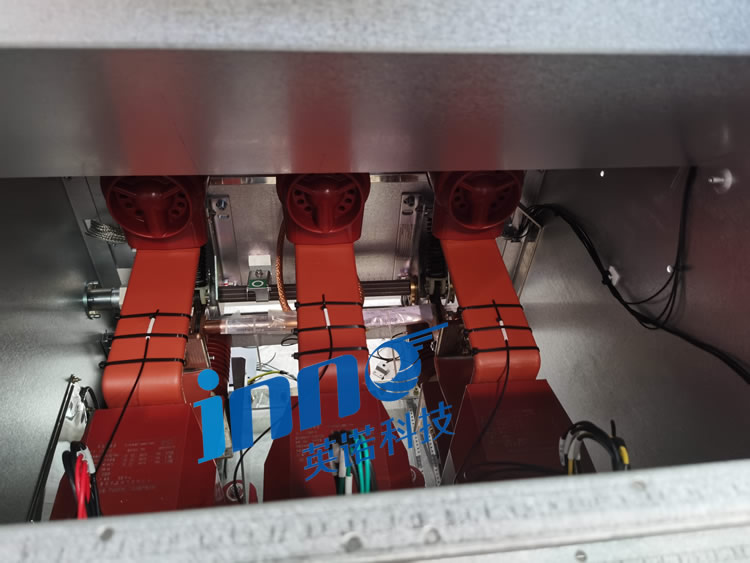
4.1 The EMI Challenge in Power Applications
Power systems generate intense electromagnetic fields that cause severe problems for traditional electronic sensors:
- High-voltage switching creates transient EMI spikes
- Transformer cores produce strong magnetic fields
- Circuit breaker operations generate electromagnetic pulses
- Generator rotating fields induce currents in sensor wiring
4.2 How Fluorescent Sensors Solve EMI Problems
Fluorescent fiber optic sensors eliminate all EMI concerns through:
- Complete Galvanic Isolation: No electrical connection between measurement point and control system
- Non-Metallic Construction: Glass fiber cannot conduct electrical signals or pick up interference
- Truyền tín hiệu quang: Light immune to all forms of electromagnetic radiation
- Proven Performance: Accurate measurements maintained in EMI levels exceeding 100 V/m
This makes them indispensable for giám sát máy biến áp loại khô, generator applications, and other high-EMI environments.
5. How Do Fluorescent Temperature Sensors Ensure Intrinsic Safety in Hazardous Environments?
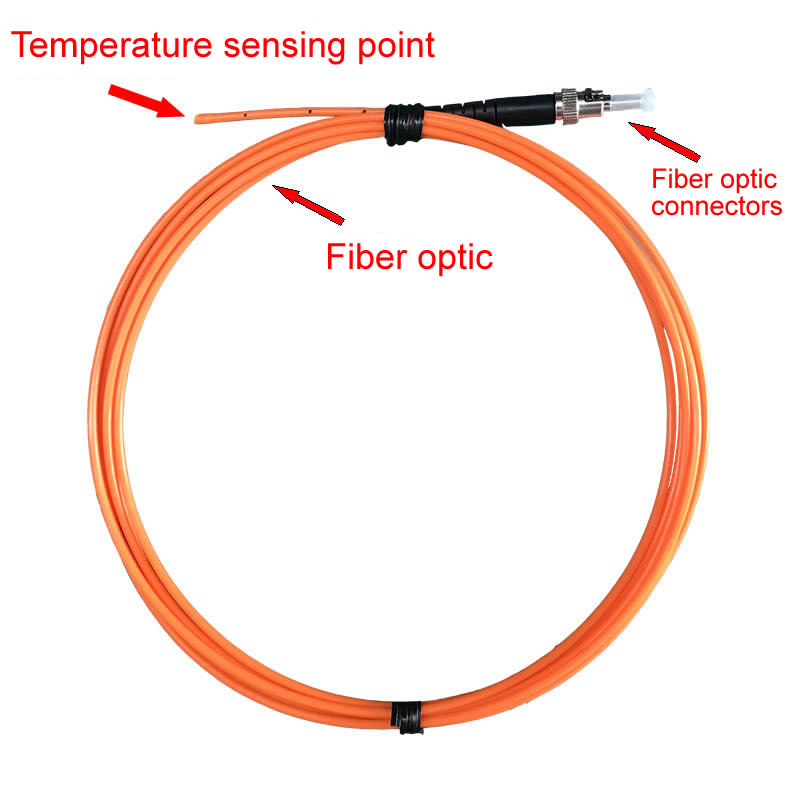
5.1 Intrinsic Safety Fundamentals
Fluorescent fiber optic sensors are intrinsically safe because they contain no electrical components at the measurement point. The sensing probe uses only:
- Glass optical fiber (không dẫn điện)
- Fluorescent material (non-reactive)
- Optical signals (non-energetic)
5.2 Applications in Hazardous Locations
This intrinsic safety makes fluorescent sensors ideal for:
- Chemical plants with flammable vapor atmospheres
- Oil and gas refineries with explosion risks
- Coal mining operations with methane gas
- Paint booths and solvent storage areas
- Grain elevators with combustible dust
6. Why Can High-Voltage Resistant Sensors Operate Directly on Energized Equipment?
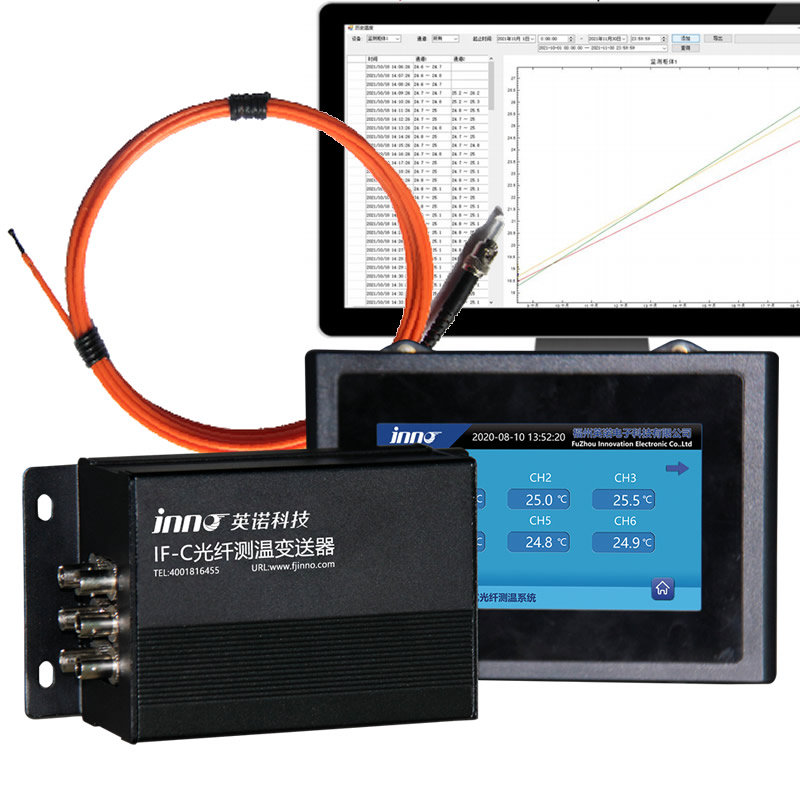
6.1 High-Voltage Insulation Performance
The non-conductive nature of fluorescent fiber optic sensors provides exceptional high-voltage insulation:
- Glass fiber withstands voltages exceeding 500kV
- No voltage division or isolation transformers required
- Complete electrical isolation between measurement and control systems
- Zero risk of ground faults or short circuits
6.2 Direct Installation Benefits
This allows sensors to be installed directly on high-voltage equipment:
- Cuộn dây máy biến áp operating at transmission voltages
- Switchgear busbars at medium and high voltages
- Generator stator windings during operation
- High-voltage cable terminations and joints
7. What Temperature Range Can Fiber Optic Sensing Systems Effectively Monitor?
7.1 Wide Operating Range: -40°C đến +260°C
Fluorescent fiber optic temperature sensors operate across an exceptionally wide temperature range, che phủ:
- Ứng dụng đông lạnh: -40°C for cold storage and refrigeration
- Ambient Monitoring: 0°C to +50°C for normal operations
- Elevated Temperatures: +50°C to +150°C for industrial processes
- Ứng dụng nhiệt độ cao: +150°C to +260°C for power equipment and sản xuất chất bán dẫn
7.2 Temperature Cycling Stability
The sensors maintain accuracy through repeated temperature cycles with:
- No hysteresis or measurement drift
- Consistent response across the entire range
- Reliable performance in environments with rapid temperature changes
8. How Many Channels Can a Fluorescent Fiber Measurement Device Support?

8.1 Kiến trúc đa kênh có thể mở rộng
Fluorescent fiber optic temperature transmitters support flexible configurations:
- Kênh đơn: For simple applications requiring one measurement point
- 4-8 Kênh: Ideal for small equipment monitoring
- 16-32 Kênh: Standard for medium-sized installations
- 64 Kênh: Maximum capacity for comprehensive monitoring systems
8.2 Cost Benefits of Multi-Channel Systems
Using a single transmitter for multiple measurement points provides:
- Reduced hardware costs compared to individual sensors
- Simplified system architecture and wiring
- Centralized data collection and analysis
- Lower per-point monitoring cost for large installations
9. How Do Transformer Winding Fiber Optic Sensors Prevent Overheating Failures?
9.1 Critical Importance of Transformer Temperature Monitoring
Transformer failures often result from winding hot spots caused by:
- Overloading beyond rated capacity
- Sự cố hệ thống làm mát
- Internal short circuits or turn-to-turn faults
- Deteriorated insulation systems
9.2 Fluorescent Sensor Advantages for Transformers
Transformer winding fiber optic sensors provide superior monitoring because they:
- Operate reliably in intense magnetic fields generated by transformer cores
- Install directly on high-voltage windings without electrical isolation
- Detect hot spots with ±1°C accuracy for early warning
- Enable thermal modeling and predictive maintenance strategies
- Work equally well in loại khô and oil-immersed transformers
10. What Makes Switchgear Busbar Contact Temperature Sensors Critical for Electrical Safety?
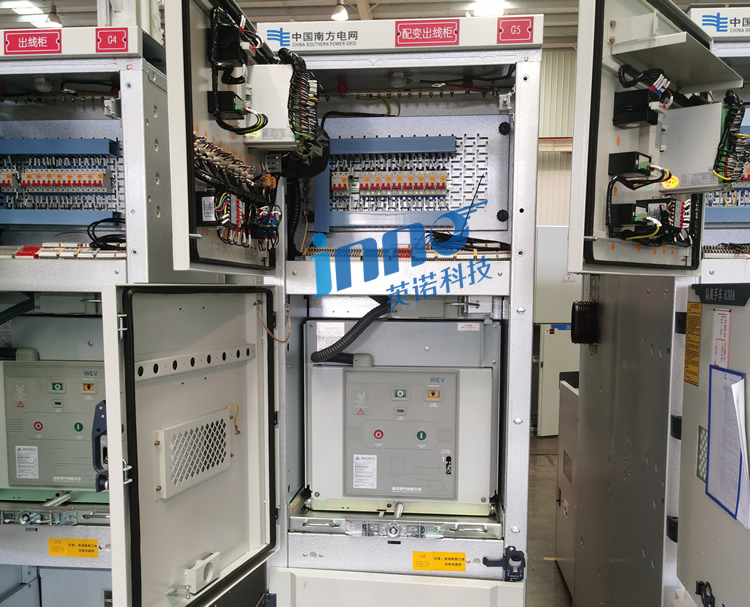
10.1 Busbar Connection Failure Mechanisms
Busbar and contact overheating in switchgear results from:
- Loose bolted connections with increased resistance
- Contact surface oxidation or contamination
- Overloading beyond design current ratings
- Inadequate ventilation in enclosed compartments
10.2 Fluorescent Sensor Solutions for Switchgear
Switchgear contact temperature sensors prevent failures by:
- Monitoring critical connection points continuously
- Operating safely in high-voltage, high-current environments
- Providing early detection before thermal runaway occurs
- Enabling condition-based maintenance scheduling
- Reducing unplanned outages and equipment damage
11. Where Are EMI-Free Fiber Optic Sensors Most Widely Deployed Across Industries?
11.1 Sản xuất và phân phối điện
- Máy biến áp điện (cuộn dây, ống lót, bộ đổi vòi)
- Generator sets (cuộn dây stato, vòng bi)
- Switchgear and circuit breakers
- Cable joints and terminations
11.2 Sản xuất công nghiệp
- Industrial automation systems
- Thiết bị xử lý chất bán dẫn
- Microwave and RF heating systems
- Induction heating and melting furnaces
11.3 Cơ sở hạ tầng quan trọng
- Trung tâm dữ liệu (giá đỡ máy chủ, phân phối điện)
- Railway traction systems and substations
- Wind turbine generators and converters
- Solar inverter temperature monitoring
11.4 Medical and Research
- Thiết bị y tế (Hệ thống MRI, cắt bỏ RF)
- Laboratory equipment and environmental chambers
12. Global Customer Success Cases
12.1 Power Utility – China Southern Grid
Ứng dụng: 220kV transformer substation monitoring
Thử thách: Traditional sensors failed due to intense EMI from switching operations
Giải pháp: 32-channel fluorescent fiber optic system monitoring transformer windings and busbar connections
Kết quả: Zero false alarms, detected incipient fault 3 tháng trước khi thất bại, prevented $2M+ equipment loss
12.2 Semiconductor Manufacturer – Taiwan
Ứng dụng: Wafer processing equipment temperature control
Thử thách: RF plasma systems disrupted electronic sensors
Giải pháp: 16-channel fiber optic system for heating zone monitoring
Kết quả: Improved process uniformity, reduced defect rate by 15%, achieved ISO cleanroom compatibility
12.3 Trung tâm dữ liệu – Singapore
Ứng dụng: Critical infrastructure temperature monitoring
Thử thách: Dense server racks required comprehensive hot spot detection
Giải pháp: 64-channel system monitoring power distribution units and server inlets
Kết quả: Prevented 3 thermal incidents in first year, optimized cooling efficiency by 12%
12.4 Medical Facility – nước Đức
Ứng dụng: MRI system RF coil temperature monitoring
Thử thách: 3 Tesla magnetic field prevented use of any electronic sensors
Giải pháp: Custom fluorescent probes in patient-contact RF coils
Kết quả: Enhanced patient safety, enabled higher power scanning protocols, met strict medical device regulations
12.5 Wind Farm – Hoa Kỳ
Ứng dụng: 5MW wind turbine generator monitoring
Thử thách: Remote location, harsh weather, strong generator magnetic fields
Giải pháp: 8-channel system for generator bearings and power electronics
Kết quả: Extended maintenance intervals from 6 ĐẾN 12 tháng, reduced unplanned downtime by 40%
13. Đứng đầu 10 Các nhà sản xuất cảm biến nhiệt độ sợi quang tốt nhất
13.1 Lãnh đạo ngành toàn cầu
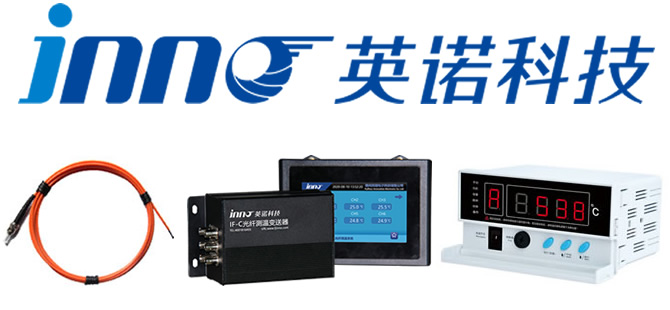
| Thứ hạng | nhà sản xuất | Details |
|---|---|---|
| 🥇 #1 |
Khoa học điện tử đổi mới Phúc Châu&Công ty công nghệ, Công ty TNHH.📅 Được thành lập: 2011 🏭 Product Categories:
📍 Địa chỉ: Khu công nghiệp mạng ngũ cốc Liên Đông U, Số 12 đường Xingye West, Phúc Châu, Phúc Kiến, Trung Quốc 📧 Email: web@fjinno.net 📱 Phone: +86 13599070393 💬 WhatsApp: +86 13599070393 💬Wechat: +86 13599070393 💬QQ: 3408968340 |
|
| 🥈 #2 |
福州华光天锐光电科技有限公司
|
|
| 🥉 #3 |
Công ty công nghệ FISO.📅 Được thành lập: 1994 🌍 Location: Québec, Canada 🏭 Product Categories: Medical fiber optic sensors, industrial temperature monitoring, cảm biến áp suất, catheter-based measurement systems 🌐 Trang web: www.fiso.com |
|
| #4 |
Opsens Inc.📅 Được thành lập: 2003 🌍 Location: Québec, Canada 🏭 Product Categories: Medical pressure sensors, cảm biến nhiệt độ sợi quang, cardiovascular measurement systems, industrial monitoring solutions 🌐 Trang web: www.opsens.com |
|
| #5 |
Neoptix (Công ty Qualitrol)📅 Được thành lập: 2003 (Acquired by Qualitrol in 2013) 🌍 Location: Québec, Canada 🏭 Product Categories: Fiber optic temperature sensors for power transformers, máy phát điện, động cơ, hệ thống năng lượng tái tạo 🌐 Trang web: www.qualitrolcorp.com |
|
| #6 |
Kỹ thuật Omega (Spectris plc)📅 Được thành lập: 1962 🌍 Location: Connecticut, Hoa Kỳ 🏭 Product Categories: Cảm biến nhiệt độ sợi quang, cặp nhiệt điện, RTD, industrial measurement instruments, hệ thống thu thập dữ liệu 🌐 Trang web: www.omega.com |
|
| #7 |
Công nghệ điện Weidmann AG📅 Được thành lập: 1877 🌍 Location: rapperwil, Thụy Sĩ 🏭 Product Categories: Hệ thống giám sát máy biến áp, cảm biến nhiệt độ sợi quang, high-voltage insulation products, chẩn đoán máy biến áp 🌐 Trang web: www.weidmann-electrical.com |
|
| #8 |
Công ty TNHH Đổi mới Luna📅 Được thành lập: 1990 🌍 Location: Virginia, Hoa Kỳ 🏭 Product Categories: Hệ thống cảm biến sợi quang, cảm biến nhiệt độ phân tán (DTS), giám sát sức khỏe cấu trúc, test and measurement equipment 🌐 Trang web: www.lunainc.com |
|
| #9 |
Micronor Inc.📅 Được thành lập: 1997 🌍 Location: California, Hoa Kỳ 🏭 Product Categories: Cảm biến nhiệt độ sợi quang, cảm biến áp suất, displacement sensors, EMI-immune measurement systems 🌐 Trang web: www.micronor.com |
|
| #10 |
Advanced Energy Industries Inc.📅 Được thành lập: 1981 🌍 Location: Colorado, Hoa Kỳ 🏭 Product Categories: Fiber optic temperature sensors for semiconductor manufacturing, thiết bị xử lý plasma, thin film deposition systems 🌐 Trang web: www.advancedenergy.com |
|
Contact Us for Professional Fiber Optic Temperature Sensing Solutions
Get Expert Guidance and Customized Solutions
Our technical team is ready to help you select the optimal fluorescent fiber optic temperature sensing solution for your specific application.
📋 What We Offer:
- ✅ Free technical consultation and application analysis
- ✅ Customized system design and configuration recommendations
- ✅ Detailed product specifications and datasheets
- ✅ Competitive pricing and volume discounts
- ✅ Complete solution packages including installation support
- ✅ Fast response within 24 giờ
📞 Contact Fuzhou Innovation Electronic Today
📧 Email:
web@fjinno.net
📱 Phone/WhatsApp:
+86 13599070393
💬Wechat:
+86 13599070393
💬QQ:
3408968340
⏰ Available 24/7 for Emergency Support
Câu hỏi thường gặp
Q1: What measurement accuracy can fluorescent fiber optic temperature sensors achieve?
MỘT: Fluorescent fiber optic temperature sensors provide ±1°C measurement accuracy across their entire operating range from -40°C to +260°C. This accuracy is maintained over the sensor’s 20+ year lifespan without any calibration required.
Q2: How many temperature points can be monitored with one system?
MỘT: A single fluorescent fiber optic temperature transmitter can monitor from 1 ĐẾN 64 temperature measurement points simultaneously. Each fiber optic cable measures one specific hot spot, and the system can be configured with 1, 4, 8, 16, 32, hoặc 64 channels based on application requirements.
Q3: What is the response time of fluorescent fiber optic sensors?
MỘT: Fluorescent fiber optic sensors have a response time of less than 1 thứ hai, enabling rapid detection of temperature changes and fast fault identification. This fast response is critical for early warning and protection in power systems.
Q4: What is the maximum fiber optic cable length?
MỘT: Standard fluorescent fiber optic cables can extend from 0 ĐẾN 80 mét. Custom lengths beyond 80 meters are available for special applications requiring longer distances between the measurement point and the transmitter.
Q5: Can the probe diameter be customized?
MỘT: Đúng, fluorescent temperature probe diameters are fully customizable to fit specific installation requirements and space constraints. Common diameters range from 1mm to 6mm, with special sizes available upon request.
Q6: Why are fluorescent sensors better than traditional sensors in EMI environments?
MỘT: Fluorescent fiber optic sensors use optical signals instead of electrical signals, làm cho chúng hoàn toàn miễn nhiễm với nhiễu điện từ. Traditional electronic sensors suffer from signal distortion, measurement errors, and complete failure in high-EMI environments like transformer stations and switchgear installations.
Q7: Do fluorescent fiber optic sensors require periodic calibration?
MỘT: KHÔNG, fluorescent fiber optic sensors maintain their factory calibration accuracy throughout their entire 20+ tuổi thọ năm. The optical measurement principle is inherently stable with no drift, eliminating the need for periodic recalibration and reducing maintenance costs.
Q8: Can fluorescent sensors be installed on high-voltage equipment?
MỘT: Đúng, fluorescent fiber optic sensors can be installed directly on high-voltage equipment operating at 500kV and higher. The non-conductive glass fiber and fluorescent materials provide complete electrical isolation, eliminating the need for voltage dividers or isolation transformers.

Cảm biến nhiệt độ sợi quang, Hệ thống giám sát thông minh, Nhà sản xuất cáp quang phân phối tại Trung Quốc
 |
 |
 |