 Cảm biến nhiệt độ sợi quang INNO ,hệ thống giám sát nhiệt độ.
- Fiber optic temperature monitoring systems provide ±1°C accuracy with direct contact measurement, eliminating emissivity errors that plague infrared detection methods
- Fluorescence-based fiber sensors offer complete electromagnetic immunity, making them ideal for high-voltage transformer environments where infrared devices suffer interference
- liên tục 24/7 online monitoring through fiber optic systems detects developing thermal faults weeks before periodic infrared inspections could identify them
- Fiber optic sensors access internal transformer components including winding hot spots and oil temperatures that remain invisible to external infrared cameras
- Multi-point fiber optic configurations support 1-64 simultaneous measurement channels, enabling comprehensive thermal mapping across transformer windings and oil circuits
- Fiber optic technology delivers 25+ year service life without calibration requirements, while infrared equipment needs annual recalibration and maintenance
- All-dielectric fiber construction withstands voltage exposures exceeding 100kV, ensuring safe operation in proximity to energized transformer components
- Real-time fiber optic monitoring systems integrate seamlessly with SCADA networks through RS485 interfaces for centralized fault detection and predictive maintenance
- Infrared thermography serves as a valuable complementary technology for external surface surveys but cannot replace embedded fiber optic sensing for critical measurements
- Professional manufacturers like FJINNO deliver complete fluorescence fiber monitoring solutions with proven reliability in demanding power system applications since 2011
1. Why Does Accurate Temperature Monitoring Matter for Transformer Reliability?

Thermal Stress as Primary Cause of Transformer Failures
Temperature elevation represents the most critical factor affecting transformer winding insulation degradation and operational lifespan. Research demonstrates that every 8-10°C increase in operating temperature halves the expected service life of cellulose insulation materials. Winding temperature monitoring systems provide essential data for preventing thermal runaway conditions that lead to catastrophic failures.
Excessive heat generation in cuộn dây máy biến áp stems from multiple sources including resistive losses in conductors, eddy current heating, and localized hot spots caused by circulating currents or poor cooling circulation. Without accurate hệ thống đo nhiệt độ, these thermal anomalies progress undetected until insulation breakdown occurs. Chuyên nghiệp giải pháp giám sát cáp quang từ các nhà sản xuất như FJINNO enable early detection of developing thermal problems.
Oil Temperature Management and Insulation Protection
Nhiệt độ dầu máy biến áp serves dual functions as both cooling medium and electrical insulation. Elevated oil temperatures accelerate oxidation processes, producing acidic compounds that attack cellulose insulation and metallic components. Giám sát nhiệt độ dầu provides critical data for assessing cooling system performance and identifying circulation problems.
Hot Spot Temperature and Insulation Aging
The hottest point within cuộn dây máy biến áp, typically located in upper disk sections where cooling is least effective, determines insulation aging rate. International standards including IEEE C57.91 and IEC 60076-7 recognize hot spot temperature as the fundamental parameter for transformer loading calculations and life expectancy assessments. Chính xác giám sát điểm nóng requires direct measurement through embedded sensors rather than indirect calculation methods.
Regulatory Standards and Grid Reliability Requirements
Modern power system operators demand comprehensive giám sát máy biến áp to ensure grid stability and minimize unplanned outages. Regulatory frameworks increasingly mandate hệ thống giám sát nhiệt độ trực tuyến for critical transmission transformers. Sự lựa chọn giữa sợi quang Và infrared monitoring technologies significantly impacts compliance capability and operational reliability.
2. What Are the Fundamental Principles Behind Fiber Optic Temperature Sensing Technology?

Fluorescence-Based Temperature Measurement Physics
Cảm biến nhiệt độ sợi quang huỳnh quang utilize rare-earth phosphor materials exhibiting temperature-dependent luminescence decay characteristics. When excited by a brief optical pulse, these phosphor compounds emit fluorescence that decays exponentially with a time constant directly related to absolute temperature. This measurement principle operates independently of light intensity, tổn thất sợi, hoặc các biến thể của trình kết nối.
các bộ giải điều chế sợi quang transmits excitation light pulses through the fluorescence fiber cable to the sensor probe, captures returning fluorescence emissions, and precisely measures decay time using high-speed photodetectors and digital signal processing. Advanced algorithms extract accurate temperature values across the full -40°C to 260°C operating range with ±1°C precision.
Point-Type Sensor Configuration and Specifications
Fluorescence fiber sensors employ point-type configurations enabling precise localized temperature measurement at specific critical locations within cuộn dây máy biến áp and oil circuits. Key technical specifications include:
| tham số | Đặc điểm kỹ thuật | Lợi thế |
|---|---|---|
| Độ chính xác của phép đo | ±1°C | Loại bỏ sự không chắc chắn phát xạ |
| Phạm vi nhiệt độ | -40°C đến 260°C | Covers all transformer operating conditions |
| Thời gian đáp ứng | <1 thứ hai | Captures transient thermal events |
| Đường kính đầu dò | 2-3mm | Minimally invasive installation |
| Chiều dài sợi | 0-80 mét | Định tuyến cài đặt linh hoạt |
| Độ bền điện môi | >100kV | Safe operation in HV environments |
| Cuộc sống phục vụ | >25 năm | Matches transformer operational lifetime |
Kiến trúc hệ thống giám sát đa kênh
Hệ thống giám sát nhiệt độ sợi quang support scalable multi-channel configurations accommodating 1 ĐẾN 64 individual kênh cảm biến from a single demodulator unit. Time-division multiplexing or wavelength-division multiplexing techniques enable sequential interrogation of multiple sensors, cung cấp toàn diện bản đồ nhiệt sang cuộn dây máy biến áp, oil circuits, và hệ thống làm mát.
Communication and Integration Capabilities
Hiện đại thiết bị giám sát sợi quang incorporates RS485 communication interfaces supporting Modbus protocol for integration with SCADA systems and substation automation networks. Monitoring software platforms provide real-time data visualization, xu hướng lịch sử, automated alarming, and remote access capabilities. Professional systems from FJINNO bao gồm các gói phần mềm toàn diện hỗ trợ quản lý nhiều địa điểm và phân tích dự đoán.
3. How Does Infrared Temperature Measurement Technology Work in Transformer Applications?
Nguyên tắc phát hiện bức xạ nhiệt
Đo nhiệt độ hồng ngoại hoạt động theo nguyên lý mọi vật đều phát ra bức xạ điện từ tỷ lệ thuận với nhiệt độ tuyệt đối của chúng theo định luật Stefan-Boltzmann. Thiết bị đo nhiệt độ hồng ngoại phát hiện bức xạ nhiệt này bằng cách sử dụng các cảm biến bán dẫn nhạy cảm với các bước sóng trong 8-14 phạm vi micromet, chuyển đổi năng lượng bức xạ thành số đo nhiệt độ.
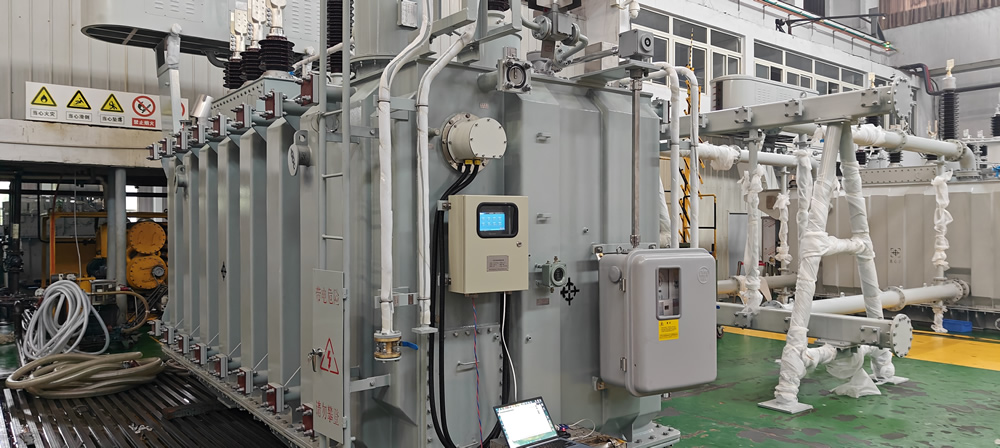
Thách thức cơ bản với đo hồng ngoại nằm ở hệ số phát xạ—tỷ lệ bức xạ phát ra từ một bề mặt thực so với vật đen lý tưởng ở cùng nhiệt độ. Các vật liệu khác nhau thể hiện các giá trị phát xạ khác nhau, và cài đặt độ phát xạ không chính xác gây ra lỗi đo đáng kể. Bề mặt máy biến áp present particular challenges due to diverse materials including painted metal tanks, porcelain insulators, and oil-wetted surfaces.
Infrared Equipment Types for Transformer Monitoring
Three categories of infrared devices find application in transformer temperature assessment:
| Loại thiết bị | Ứng dụng | Hạn chế |
|---|---|---|
| Handheld IR Thermometers | Periodic spot measurements | Single-point readings, manual operation |
| Thermal Imaging Cameras | Comprehensive surface surveys | Periodic inspection only, weather-dependent |
| Fixed IR Monitoring Systems | Continuous external monitoring | Chỉ nhiệt độ bề mặt, chi phí cao |
Technical Parameters and Performance Characteristics
Đặc trưng infrared thermography systems vì transformer applications feature temperature ranges from -40°C to 500°C, thermal sensitivity of 0.05°C, and spatial resolution determined by detector array size and optics. Tuy nhiên, achievable accuracy ranges from ±2°C to ±5°C depending on emissivity uncertainty, sự hấp thụ khí quyển, và khoảng cách đo.
Environmental Factors Affecting Infrared Measurements
Infrared temperature detection suffers from multiple environmental interference sources including solar radiation reflection, atmospheric water vapor absorption, rain and fog attenuation, and ambient temperature effects on detector performance. These factors necessitate careful measurement timing and conditions, limiting practical applicability for continuous giám sát máy biến áp.
4. Measurement Accuracy and Precision: Technical Performance Comparison Tables
Fundamental Accuracy Comparison
| Thông số hiệu suất | Giám sát sợi quang | Infrared Measurement |
|---|---|---|
| Nguyên tắc đo lường | Liên hệ trực tiếp, sự phân rã huỳnh quang | Không liên lạc, thermal radiation detection |
| Độ chính xác điển hình | ±1°C | ±2°C to ±5°C |
| Emissivity Dependency | Không có (contact measurement) | Cao (5-10% error from emissivity) |
| Độ lặp lại | ± 0,5°C | ±1°C đến ±3°C |
| Ổn định lâu dài | No drift over 25+ năm | Requires annual recalibration |
| Thời gian đáp ứng | <1 thứ hai | 0.1 ĐẾN 1 thứ hai (camera dependent) |
Measurement Error Sources Analysis
Cảm biến nhiệt độ sợi quang eliminate the primary error sources affecting infrared measurements. The contact-based measurement principle of cảm biến huỳnh quang ensures thermal equilibrium between the sensor probe and measured component, providing true temperature readings independent of surface properties.
| Nguồn lỗi | Impact on Fiber Optic | Impact on Infrared |
|---|---|---|
| Surface Emissivity Variation | No effect | ±5-10% error |
| Bức xạ phản xạ | No effect | ±3-8% error |
| Atmospheric Absorption | No effect | ±2-5% error (distance dependent) |
| Ambient Temperature Changes | Tối thiểu (<0.2°C) | ±1-3°C (detector compensation required) |
| Measurement Angle | No effect | Có ý nghĩa (emissivity changes with angle) |
Winding Hot Spot Detection Accuracy
Đối với quan trọng giám sát cuộn dây máy biến áp ứng dụng, measurement accuracy directly impacts loading decisions and life expectancy calculations. Cảm biến sợi quang embedded within winding structures provide direct hot spot temperature readings with ±1°C accuracy, trong khi infrared measurements can only estimate internal temperatures based on external surface readings and thermal modeling.
Oil Temperature Measurement Precision
Giám sát nhiệt độ dầu máy biến áp requires accuracy sufficient to detect gradual temperature increases indicating cooling system degradation or loading changes. Cảm biến sợi quang immersed directly in oil circuits measure precise temperatures at multiple elevations, enabling detection of stratification and circulation problems. Nhiệt kế hồng ngoại can only assess tank surface temperatures, which may differ significantly from internal oil temperatures depending on ambient conditions and tank insulation.
5. Miễn nhiễm nhiễu điện từ: Why Fiber Optics Excel in High-Voltage Environments
All-Dielectric Construction Advantages
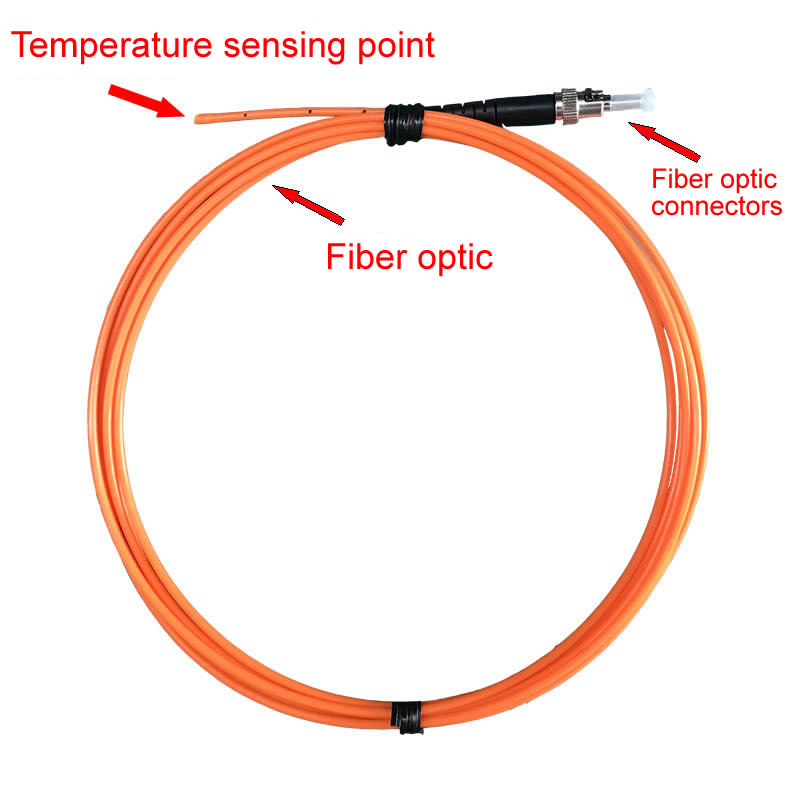
The complete absence of metallic components in cảm biến sợi quang huỳnh quang assemblies provides inherent immunity to electromagnetic interference. Cáp quang transmit optical signals through glass or plastic waveguides, remaining unaffected by intense electric and magnetic fields surrounding máy biến áp điện thiết bị.
| Interference Source | Fiber Optic Response | Infrared Device Response |
|---|---|---|
| Strong Electric Fields | No effect | Potential electronic interference |
| Magnetic Fields | No effect | Minimal effect on modern equipment |
| Switching Transients | No effect | May cause temporary disruption |
| Lightning Strikes | No effect | Nguy cơ hư hỏng thiết bị |
| Ground Potential Rise | No effect (cách ly điện) | Potential damage if grounded improperly |
High-Voltage Insulation Performance
Cảm biến nhiệt độ sợi quang withstand voltage exposures exceeding 100kV without breakdown, enabling direct mounting on energized transformer components. This high dielectric strength permits sensor placement at optimal measurement locations within winding structures and oil circuits without creating additional flashover risk or partial discharge sources.
Grounding and Safety Considerations
The galvanic isolation provided by hệ thống cáp quang eliminates ground loops and common-mode voltage issues that complicate electrical sensor installations. Infrared monitoring equipment requires careful grounding and surge protection, particularly for fixed installations near high-voltage equipment. Personnel safety during infrared inspections necessitates maintaining proper clearance distances and following live-line work procedures.
Substation Environment Reliability
Hệ thống giám sát sợi quang demonstrate superior reliability in demanding substation environments characterized by electrical noise, weather extremes, và ô nhiễm. The optical measurement principle remains immune to electromagnetic coupling, capacitive coupling, and conductive interference paths affecting electronic equipment. FJINNO fiber optic monitoring solutions provide consistent performance across 110kV to 750kV voltage classes without special shielding or filtering requirements.
6. Monitoring Coverage and Accessibility: Internal vs External Temperature Detection
Internal Temperature Measurement Capabilities
Cảm biến sợi quang access measurement locations impossible to reach with infrared technology. Đã nhúng cảm biến nhiệt độ cuộn dây positioned during transformer manufacturing or installed through access ports during retrofits provide direct readings from hot spot locations deep within winding structures. This internal access represents a fundamental advantage for accurate giám sát nhiệt.
| Vị trí đo | Fiber Optic Access | Infrared Access |
|---|---|---|
| Điểm nóng quanh co | Direct embedded measurement | Cannot detect (internal location) |
| Nhiệt độ dầu (Đứng đầu) | Immersed sensor, precise reading | Tank surface estimation only |
| Nhiệt độ dầu (Đáy) | Direct measurement at any depth | Not accessible |
| Between Winding Disks | Multiple sensors at various elevations | Cannot detect (internal location) |
| Core Hot Spots | Sensor placement at critical points | Cannot detect (shielded by tank) |
| Bề mặt bể | External sensors if needed | Primary measurement capability |
Multi-Point Temperature Distribution Mapping
Toàn diện giám sát nhiệt máy biến áp requires simultaneous measurement at multiple locations to identify temperature gradients and circulation patterns. Hệ thống giám sát sợi quang hỗ trợ lên đến 64 channels enable extensive sensor arrays throughout winding structures and oil circuits. This multi-point capability reveals developing problems through pattern analysis rather than relying on single-point measurements.
Blind Spots and Coverage Limitations
Nhiệt kế hồng ngoại can only assess surfaces visible to the camera, creating significant blind spots for giám sát máy biến áp. Internal components, oil temperatures beneath tank surfaces, and areas obscured by radiators, piping, or structural elements remain inaccessible. Cảm biến sợi quang eliminate these blind spots through strategic placement at critical measurement points regardless of visibility.
Cooling System Performance Assessment
Hiệu quả transformer cooling system monitoring requires temperature measurement at oil inlet and outlet points, across radiator banks, and at various tank elevations. Fiber optic sensor arrays map oil circulation patterns, detect blocked cooling passages, and identify failing pumps or fans through temperature distribution analysis. Infrared surveys provide limited cooling system assessment through external radiator temperature patterns but cannot access internal oil circuit temperatures.
7. Real-Time Continuous Monitoring vs Periodic Inspection: Operational Reliability Comparison
Continuous Data Acquisition Advantages
Hệ thống giám sát nhiệt độ sợi quang cung cấp 24/7 continuous data streams enabling real-time thermal surveillance. các máy chủ giám sát interrogates all connected kênh cảm biến at intervals under one second, building comprehensive time-series databases for trend analysis. This continuous approach detects gradual temperature increases or sudden thermal transients immediately upon occurrence.
| Monitoring Aspect | Fiber Optic Online System | Infrared Periodic Inspection |
|---|---|---|
| Data Collection Frequency | liên tục (<1 cập nhật thứ hai) | Hàng quý, monthly, or annual |
| Fault Detection Window | Immediate detection | Weeks to months delay |
| Phân tích xu hướng | Complete historical records | Limited snapshot comparisons |
| Ghi lại sự kiện thoáng qua | All events recorded | Likely missed between inspections |
| Weather Dependency | Không có | Clear conditions required |
| Night Operation | Full capability | Possible but less effective |
| Automated Alarming | Multi-level thresholds, automatic | Manual interpretation required |
Early Warning and Predictive Maintenance
The continuous nature of giám sát sợi quang enables early detection of developing thermal problems weeks or months before catastrophic failure. Gradual temperature increases indicating insulation deterioration, suy thoái hệ thống làm mát, or increasing load losses become apparent through trend analysis. Kiểm tra hồng ngoại được tiến hành hàng quý hoặc hàng năm có thể bỏ lỡ các giai đoạn tăng nhiệt độ quan trọng xảy ra giữa các đợt khảo sát theo lịch trình.
Phân tích nhiệt độ tương quan tải
Chuyên nghiệp nền tảng giám sát tương quan dữ liệu nhiệt độ với tải hồ sơ hiện tại, điều kiện môi trường xung quanh, và lịch sử hoạt động để phân biệt hiện tượng nóng lên do tải thông thường với hiện tượng nhiệt bất thường. Phân tích theo ngữ cảnh này yêu cầu các luồng dữ liệu liên tục không có sẵn từ định kỳ infrared inspections. Thuật toán chẩn đoán tự động xác định độ lệch so với hiệu suất nhiệt dự kiến, kích hoạt báo động để điều tra.
Tích hợp SCADA và truy cập từ xa
Hệ thống giám sát nhiệt độ sợi quang tích hợp hoàn hảo với cơ sở hạ tầng tự động hóa trạm biến áp thông qua giao diện Modbus RS485 hoặc kết nối Ethernet. Dữ liệu nhiệt độ máy biến áp chảy về phòng điều khiển trung tâm, cho phép giám sát từ xa các tài sản được phân phối mà không cần truy cập trang web. Dữ liệu kiểm tra hồng ngoại requires manual collection, sự thông giải, and entry into asset management systems, introducing delays and potential errors.
8. Installation Requirements and System Integration: Technical Implementation Analysis
Fiber Optic Sensor Installation Methods
Thực hiện giám sát nhiệt độ sợi quang varies depending on whether installation occurs during transformer manufacturing or as a retrofit to operating equipment. New transformers accommodate vị trí cảm biến ở trong winding structures during assembly, positioning probes at calculated hot spot locations. Retrofit installations utilize access ports or oil sampling valves for sensor insertion into oil circuits.
| Installation Aspect | Hệ thống sợi quang | Infrared Equipment |
|---|---|---|
| Transformer Outage Required | Đúng (for internal sensors) | KHÔNG (external mounting) |
| Sensor Placement Precision | Exact location targeting | Limited by line-of-sight |
| Invasiveness | Tối thiểu (2-3mm probes) | Không liên lạc |
| Định tuyến cáp | Fiber cables to demodulator | Power and data cables |
| Bảo vệ môi trường | Sealed sensor probes | Weather-rated enclosures |
| Commissioning Time | 4-8 giờ | 2-4 giờ |
Kiến trúc và thành phần hệ thống
Một sự hoàn chỉnh hệ thống giám sát cáp quang comprises multiple integrated components. Fluorescence fiber sensors connect via optical cables to the demodulator unit, which processes fluorescence signals and generates temperature data. các máy chủ giám sát provides local display, ghi dữ liệu, và giao diện truyền thông. Phần mềm giám sát runs on dedicated computers or integrates with existing SCADA workstations.
Communication Infrastructure Requirements
Fiber optic temperature monitoring equipment requires communication links for data transmission and remote access. Standard RS485 serial connections support distances up to 1200 meters using twisted-pair cabling. Ethernet connectivity enables longer distances and higher bandwidth but requires network infrastructure. Infrared monitoring systems have similar communication requirements for fixed installations, while portable devices store data locally for manual download.
Integration with Transformer Protection Systems
Trình độ cao monitoring implementations integrate temperature data with transformer protection and control systems. Fiber optic monitoring outputs can trigger alarms, initiate load reduction, or activate emergency cooling through programmable logic. This integration enables automated protective responses to thermal overloads. Infrared inspection results require manual interpretation and decision-making without automated protection capability.
FJINNO cung cấp toàn diện monitoring system packages including optical demodulators, sensor probes, display modules, fluorescence fiber cables, monitoring software platforms, và hỗ trợ kỹ thuật. All systems meet CE, EMC, and ISO certification standards ensuring reliable operation in demanding power system environments.
9. Long-Term Reliability and Maintenance: Service Life Comparison
Fiber Optic Sensor Longevity and Stability
Cảm biến sợi quang huỳnh quang demonstrate exceptional operational lifetimes exceeding 25 năm mà không suy giảm hiệu suất. The all-dielectric construction eliminates corrosion, căng thẳng điện, and mechanical wear affecting conventional sensing technologies. Sealed probe designs prevent moisture ingress, sự ô nhiễm, and oil degradation from impacting sensor operation.
| Reliability Factor | Cảm biến sợi quang | Infrared Equipment |
|---|---|---|
| Typical Service Life | >25 năm | 10-15 năm (detector replacement) |
| Hiệu chuẩn trôi | Không có (physical principle stable) | Annual verification recommended |
| Suy thoái môi trường | Tối thiểu (sealed construction) | Lens contamination, detector aging |
| Yêu cầu bảo trì | Không có (không cần bảo trì) | Vệ sinh, sự định cỡ, component replacement |
| MTBF (Thời gian trung bình giữa các lần thất bại) | >200,000 giờ | 50,000-100,000 giờ |
Maintenance-Free Operation Benefits
The fundamental measurement principle of fluorescence fiber sensors provides inherent stability without calibration drift. Unlike thermocouple or RTD sensors requiring periodic verification, fluorescence decay time measurement remains constant over decades. Initial factory calibration suffices for the sensor’s entire operational life, eliminating scheduled maintenance and recalibration costs.
System Availability and Uptime
Hệ thống giám sát sợi quang achieve availability exceeding 99.9% through redundant design options and robust component construction. The absence of moving parts, chemical reactions, or electrical contacts contributing to degradation ensures continuous operation. Infrared equipment requires periodic lens cleaning, detector recalibration, and eventual component replacement affecting system availability.
Data Quality and Historical Trending
Long-term measurement stability enables meaningful historical trend analysis using fiber optic monitoring data. Temperature patterns spanning years reveal gradual changes in transformer thermal performance indicating insulation aging, hư hỏng hệ thống làm mát, or loading changes. This longitudinal analysis capability depends on consistent sensor accuracy without calibration shifts.
Infrared inspection records suffer from variability between operators, thiết bị, and environmental conditions during measurements. Comparing infrared surveys conducted years apart introduces uncertainty from these uncontrolled variables, limiting trend reliability.
10. Which Monitoring Technology Should You Choose for Your Transformer Application?
Critical Transformer Applications: Fiber Optic Monitoring Recommendation
For mission-critical máy biến áp điện where reliability is paramount and unplanned outages create significant consequences, hệ thống giám sát nhiệt độ sợi quang represent the optimal technology choice. The combination of superior accuracy, continuous operation, internal access, miễn nhiễm điện từ, and maintenance-free longevity justifies implementation despite higher initial installation requirements.
Recommended Fiber Optic Configurations by Application
| Loại máy biến áp | Cảm biến được đề xuất | Điểm đo |
|---|---|---|
| Phân bổ (110-220kV) | 4-8 kênh | Điểm nóng quanh co (2-3), dầu hàng đầu (1), dầu đáy (1) |
| Transmission (330-500kV) | 8-16 kênh | Multiple winding locations (4-8), oil circuit (4-6) |
| EHV/UHV (750kV+) | 16-32 kênh | Comprehensive winding mapping, detailed oil profiling |
Complementary Use of Infrared Thermography
Trong khi giám sát sợi quang provides superior performance for continuous winding and oil temperature tracking, nhiệt kế hồng ngoại serves valuable complementary roles in comprehensive transformer maintenance programs. định kỳ infrared surveys assess external components including tap changers, kết nối cáp, bộ tản nhiệt, and auxiliary equipment where embedded sensors are impractical.
The optimal monitoring strategy combines continuous cảm biến sợi quang for critical internal measurements with periodic infrared inspections for external surveys. This integrated approach maximizes detection capability while optimizing resource allocation.
Selecting Professional Monitoring System Manufacturers
Triển khai thành công các giám sát nhiệt độ máy biến áp requires partnering with experienced manufacturers offering proven technology, comprehensive support, and application expertise. Key selection criteria include:
- Chứng nhận sản phẩm (CN, EMC, ISO) demonstrating quality management
- Technical capabilities in optical sensing, xử lý tín hiệu, and power system applications
- Reference installations across voltage classes and operating environments
- Comprehensive support including design assistance, đào tạo cài đặt, và vận hành
- Long-term parts availability and technical service
FJINNO Fiber Optic Monitoring Solutions
Khoa học điện tử đổi mới Phúc Châu&Công ty công nghệ, Công ty TNHH. (FJINNO), thành lập ở 2011, chuyên về hệ thống giám sát nhiệt độ sợi quang huỳnh quang for power transformers and electrical equipment. Their comprehensive product line includes:
- Optical demodulators hỗ trợ 1-64 kênh cảm biến
- Fluorescence fiber temperature sensors với độ chính xác ±1°C, -40Phạm vi ° C đến 260 ° C
- Monitoring software platforms with SCADA integration capability
- Complete system packages with CE, EMC, và chứng chỉ ISO
- Cấu hình có thể tùy chỉnh cho các ứng dụng máy biến áp cụ thể
- Giao diện truyền thông RS485 tương thích với Modbus và các giao thức khác
Liên hệ FJINNO để được chuyên gia tư vấn về giải pháp giám sát nhiệt độ cáp quang:
Khoa học điện tử đổi mới Phúc Châu&Công ty công nghệ, Công ty TNHH.
E-mail: web@fjinno.net
WhatsApp/WeChat/Điện thoại: +86 135 9907 0393
QQ: 3408968340
Trang web: www.fjinno.net
Địa chỉ: Khu công nghiệp mạng ngũ cốc Liên Đông U, Số 12 đường Xingye West, Phúc Châu, Phúc Kiến, Trung Quốc
Khuyến nghị thực hiện cho các dự án mới và cải tạo
Mới mua sắm máy biến áp mang lại cơ hội tối ưu cho lắp đặt cảm biến sợi quang, cho phép định vị chính xác trong các cấu trúc cuộn dây trong quá trình sản xuất. Thông số kỹ thuật nên yêu cầu nhúng cảm biến nhiệt độ cuộn dây tại các vị trí điểm nóng được tính toán cộng thêm cảm biến nhiệt độ dầu ở trên cùng, ở giữa, và độ cao đáy.
Các dự án trang bị thêm máy biến áp đang vận hành phải đối mặt với những thách thức lắp đặt lớn hơn nhưng vẫn khả thi về mặt kỹ thuật. Truy cập thông qua van lấy mẫu dầu, cổng thoát nước, hoặc các lỗ kiểm tra cho phép sensor insertion into oil circuits. Mặc dù vị trí cảm biến cuộn dây bên trong có thể không thực tế đối với việc trang bị thêm, strategic oil temperature monitoring combined with external measurements provides significant improvement over periodic infrared surveys một mình.
Câu hỏi thường gặp (Câu hỏi thường gặp)
Q1: What makes fluorescence fiber optic sensors more accurate than other temperature measurement technologies?
Cảm biến sợi quang huỳnh quang achieve superior ±1°C accuracy through direct contact measurement based on temperature-dependent fluorescence decay physics. Không giống infrared systems that suffer from emissivity uncertainty, reflected radiation, and atmospheric absorption errors, the optical decay time measurement principle remains immune to these interference sources. The sensor probe establishes thermal equilibrium with measured components, providing true temperature readings without estimation or correction factors. This fundamental advantage makes giám sát sợi quang the gold standard for critical cuộn dây máy biến áp Và oil temperature applications.
Q2: How does electromagnetic immunity benefit fiber optic monitoring in high-voltage transformer environments?
Cấu trúc toàn điện môi của fluorescence fiber sensors provides complete immunity to electromagnetic interference in high-voltage substations. Strong electric fields, từ trường, chuyển đổi quá độ, and lightning strikes that disrupt electronic equipment have zero effect on đo nhiệt độ quang học. This immunity eliminates false alarms, measurement errors, and equipment damage risks associated with electrical sensors. Đầu dò sợi quang withstand voltage exposures exceeding 100kV, enabling safe installation directly on energized cuộn dây máy biến áp and internal components without creating flashover risk or partial discharge sources. FJINNO fiber optic systems operate reliably across 110kV to 750kV voltage classes without special shielding requirements.
Q3: Why is continuous real-time monitoring superior to periodic infrared inspections for transformer protection?
Continuous fiber optic monitoring detects developing thermal problems immediately upon occurrence, providing weeks or months of early warning before catastrophic failures. các 24/7 data streams enable trend analysis identifying gradual temperature increases from insulation deterioration, suy thoái hệ thống làm mát, or increasing load losses. Automated alarm systems trigger protective responses without human intervention. Ngược lại, periodic infrared inspections conducted quarterly or annually may miss critical thermal events occurring between surveys. Transient overloads, sudden cooling failures, or rapidly developing faults escape detection when monitoring gaps extend for months. Real-time fiber optic surveillance eliminates these blind spots, maximizing asset protection and grid reliability.
Q4: Can fiber optic sensors measure internal transformer temperatures that infrared cameras cannot access?
Đúng, điều này thể hiện một lợi thế cơ bản của công nghệ sợi quang. Đã nhúng cảm biến nhiệt độ cuộn dây truy cập các vị trí điểm nóng sâu bên trong kết cấu máy biến áp vẫn hoàn toàn vô hình với bên ngoài camera hồng ngoại. Cảm biến nhiệt độ dầu đo nhiệt độ chính xác ở bất kỳ độ sâu nào trong mạch dầu, tiết lộ sự phân tầng và mô hình lưu thông. Nhiệt kế hồng ngoại chỉ có thể đánh giá bề mặt bể bên ngoài, có thể khác biệt đáng kể so với nhiệt độ tới hạn bên trong tùy thuộc vào cách nhiệt, điều kiện môi trường xung quanh, và tải. Khả năng truy cập nội bộ này làm cho giám sát sợi quang cần thiết để đánh giá nhiệt chính xác của máy biến áp điện, nơi tồn tại các điểm nóng nhất trong kết cấu cuộn dây và mạch dầu.
Q5: Cảm biến sợi quang mang lại lợi ích gì về tuổi thọ và bảo trì so với thiết bị giám sát thông thường?
Fluorescence fiber sensors cung cấp hoạt động không cần bảo trì vượt quá 25 năm mà không bị lệch hiệu chuẩn hoặc suy giảm hiệu suất. The sealed all-dielectric construction eliminates corrosion, căng thẳng điện, and mechanical wear. Initial factory calibration remains accurate throughout the sensor’s entire operational lifetime because the fluorescence decay measurement principle is inherently stable. This contrasts sharply with thermocouples, RTD, Và infrared equipment requiring annual verification, hiệu chuẩn lại định kỳ, and eventual component replacement. The superior reliability of hệ thống giám sát sợi quang reduces life-cycle costs while maximizing system availability. Cảm biến FJINNO achieve MTBF exceeding 200,000 giờ, providing dependable protection matching transformer operational lifetimes.
Q6: How many measurement channels can a single fiber optic monitoring system support for comprehensive transformer coverage?
Trình độ cao bộ giải điều chế sợi quang support scalable configurations from 1 ĐẾN 64 individual kênh cảm biến, enabling comprehensive thermal mapping across cuộn dây máy biến áp, oil circuits, và hệ thống làm mát. Multi-channel capability allows simultaneous measurement at multiple winding locations, various oil elevations, and cooling system points. This extensive coverage reveals temperature distribution patterns and gradients that single-point measurements cannot detect. Time-division multiplexing interrogates all connected sensors in under one second, providing real-time thermal surveillance. FJINNO monitoring systems offer flexible channel configurations tailored to specific transformer types and monitoring requirements, from basic 4-channel distribution transformer applications to comprehensive 32-channel transmission transformer installations.
Q7: Does fiber optic monitoring integrate with existing SCADA systems and substation automation infrastructure?
Fiber optic temperature monitoring equipment seamlessly integrates with substation automation through industry-standard RS485 Modbus communication interfaces. Dữ liệu nhiệt độ truyền đến phòng điều khiển trung tâm, máy trạm SCADA, và hệ thống quản lý tài sản không có giao thức độc quyền hoặc giao diện tùy chỉnh. Tùy chọn kết nối Ethernet cho phép tích hợp TCP/IP cho môi trường mạng hiện đại. Monitoring software platforms cung cấp máy chủ OPC, giao diện web, và truy cập API hỗ trợ các yêu cầu tích hợp đa dạng. Đầu ra cảnh báo tự động kích hoạt hệ thống rơle bảo vệ, kích hoạt làm mát khẩn cấp, hoặc bắt đầu giảm tải thông qua logic lập trình. Kiến trúc mở này đảm bảo hệ thống giám sát sợi quang bổ sung cho các khoản đầu tư cơ sở hạ tầng hiện có thay vì yêu cầu các mạng giám sát biệt lập riêng biệt.
Q8: Thiết bị giám sát cáp quang chuyên nghiệp cần đáp ứng những chứng nhận và tiêu chuẩn nào?
Chuyên nghiệp hệ thống giám sát nhiệt độ máy biến áp phải đáp ứng các yêu cầu chứng nhận toàn diện, đảm bảo an toàn, tương thích điện từ, và quản lý chất lượng. Essential certifications include CE marking for European markets, EMC compliance verifying electromagnetic immunity and emissions limits, và ISO 9001 chứng nhận hệ thống quản lý chất lượng. Equipment should comply with relevant IEC and IEEE standards for giám sát máy biến áp including IEC 60076-7 for loading guides and IEEE C57.91 for loading and thermal considerations. FJINNO fiber optic monitoring products carry full CE, EMC, và chứng chỉ ISO, demonstrating compliance with international standards and manufacturing quality requirements. Third-party testing validates dielectric strength, độ chính xác nhiệt độ, and environmental performance specifications ensuring reliable operation in demanding power system applications.
Q9: Can fiber optic monitoring systems detect different types of transformer thermal faults and provide diagnostic insights?
Đúng, multi-point fiber optic monitoring enables sophisticated fault detection and diagnosis through temperature pattern analysis. Different thermal fault mechanisms produce characteristic temperature signatures. Blocked cooling passages create localized hot spots with abnormal gradients between adjacent sensors. Winding circulating currents generate elevated temperatures in specific winding sections. Oil pump failures produce reduced temperature differentials across cooling circuits. Core lamination problems create localized heating patterns. Trình độ cao phần mềm giám sát employs diagnostic algorithms comparing measured temperature distributions against expected thermal models, automatically identifying anomalous patterns and classifying probable fault mechanisms. This diagnostic capability enables targeted maintenance rather than generic inspections, giảm thời gian ngừng hoạt động và chi phí sửa chữa.
Q10: Why should critical power transformers implement fiber optic monitoring rather than relying on conventional temperature indicators?
Critical transmission transformers represent substantial capital investments where unplanned failures create severe grid reliability impacts and replacement costs exceeding millions of dollars. Conventional winding temperature indicators using indirect calculation methods introduce significant uncertainty, while periodic infrared inspections provide only intermittent surveillance. Hệ thống giám sát sợi quang deliver the accuracy, độ tin cậy, and continuous operation required to protect these critical assets. The combination of ±1°C precision, internal hot spot access, miễn nhiễm điện từ, hoạt động không cần bảo trì, and real-time fault detection justifies implementation for transformers where reliability is paramount. FJINNO has supplied giải pháp giám sát cáp quang protecting critical power transformers worldwide since 2011, with proven performance in demanding applications across all voltage classes.
Phần kết luận: Fiber Optic Monitoring Delivers Superior Transformer Protection

Comprehensive comparison of sợi quang Và infrared temperature monitoring technologies reveals clear performance advantages for fluorescence fiber sensor systems in critical transformer winding and oil temperature applications. The combination of ±1°C accuracy, liên tục 24/7 hoạt động, internal component access, complete electromagnetic immunity, và không cần bảo trì 25+ year service life positions giám sát sợi quang as the optimal choice for reliable transformer asset protection.
Trong khi nhiệt kế hồng ngoại serves valuable roles in periodic external equipment surveys, its fundamental limitations including surface-only measurement, emissivity uncertainty, environmental sensitivity, and periodic inspection gaps prevent it from matching the comprehensive protection capabilities of embedded hệ thống cảm biến sợi quang.
Power system operators prioritizing transformer reliability, grid stability, and asset life optimization should implement giám sát nhiệt độ sợi quang as a standard protection measure. The technology has matured over decades of deployment in demanding applications worldwide, with manufacturers like FJINNO delivering proven solutions meeting international quality and safety standards.
Transform your transformer monitoring strategy with proven fiber optic technology from FJINNO:
Khoa học điện tử đổi mới Phúc Châu&Công ty công nghệ, Công ty TNHH.
E-mail: web@fjinno.net
WhatsApp/WeChat/Điện thoại: +86 135 9907 0393
QQ: 3408968340
Trang web: www.fjinno.net
Địa chỉ: Khu công nghiệp mạng ngũ cốc Liên Đông U, Số 12 đường Xingye West, Phúc Châu, Phúc Kiến, Trung Quốc
Request complimentary technical consultation including application-specific sensor configuration recommendations, system architecture design, lập kế hoạch lắp đặt, and integration specifications. Benefit from FJINNO's extensive experience deploying giải pháp giám sát cáp quang across power systems worldwide since 2011.
Tuyên bố từ chối trách nhiệm
Thông tin kỹ thuật, so sánh hiệu suất, and application recommendations presented in this article regarding fiber optic and infrared temperature monitoring technologies represent general guidance based on industry practices, published specifications, and engineering principles current as of publication date. Trong khi những nỗ lực đã được thực hiện để đảm bảo tính chính xác, các ứng dụng cụ thể yêu cầu tính toán đánh giá kỹ thuật chuyên nghiệp cho các yêu cầu vận hành riêng biệt, thiết kế máy biến áp, điều kiện môi trường, và các tiêu chuẩn quy định.
Thông số kỹ thuật, measurement capabilities, and system characteristics described herein are subject to variation among manufacturers and product models. Readers should verify current specifications with equipment suppliers before making procurement or implementation decisions. The comparative analysis reflects typical performance characteristics but may not apply universally to all products or applications.
Implementation of temperature monitoring systems should comply with applicable electrical codes, tiêu chuẩn an toàn, manufacturer installation instructions, and utility operating procedures. Professional engineering judgment remains essential for sensor placement design, cấu hình hệ thống, alarm threshold setting, and integration with protective systems. Users bear responsibility for ensuring monitoring equipment suitability for intended applications and maintaining systems according to manufacturer recommendations.
The mention of FJINNO và các nhà sản xuất khác phục vụ mục đích cung cấp thông tin dựa trên sự hiện diện của họ trên thị trường và không cấu thành sự chứng thực hay đảm bảo về hiệu suất. Không có bảo hành, diễn đạt hay ngụ ý, được cung cấp liên quan đến sự đầy đủ, sự chính xác, hoặc khả năng ứng dụng của thông tin được trình bày. Trách nhiệm pháp lý về hậu quả phát sinh từ việc sử dụng thông tin này chỉ thuộc về người dùng.
Tham vấn với các chuyên gia có trình độ bao gồm các nhà sản xuất máy biến áp, kỹ sư bảo vệ, và các chuyên gia hệ thống giám sát được khuyến nghị cho các ứng dụng quan trọng trong đó việc lựa chọn và triển khai thiết bị có tác động đáng kể đến an toàn vận hành, độ tin cậy, và hiệu quả kinh tế.

Cảm biến nhiệt độ sợi quang, Hệ thống giám sát thông minh, Nhà sản xuất cáp quang phân phối tại Trung Quốc
 |
 |
 |