 Cảm biến nhiệt độ sợi quang INNO ,hệ thống giám sát nhiệt độ.
Nguyên lý công nghệ sợi quang huỳnh quang để theo dõi nhiệt độ điểm nóng của máy biến áp loại khô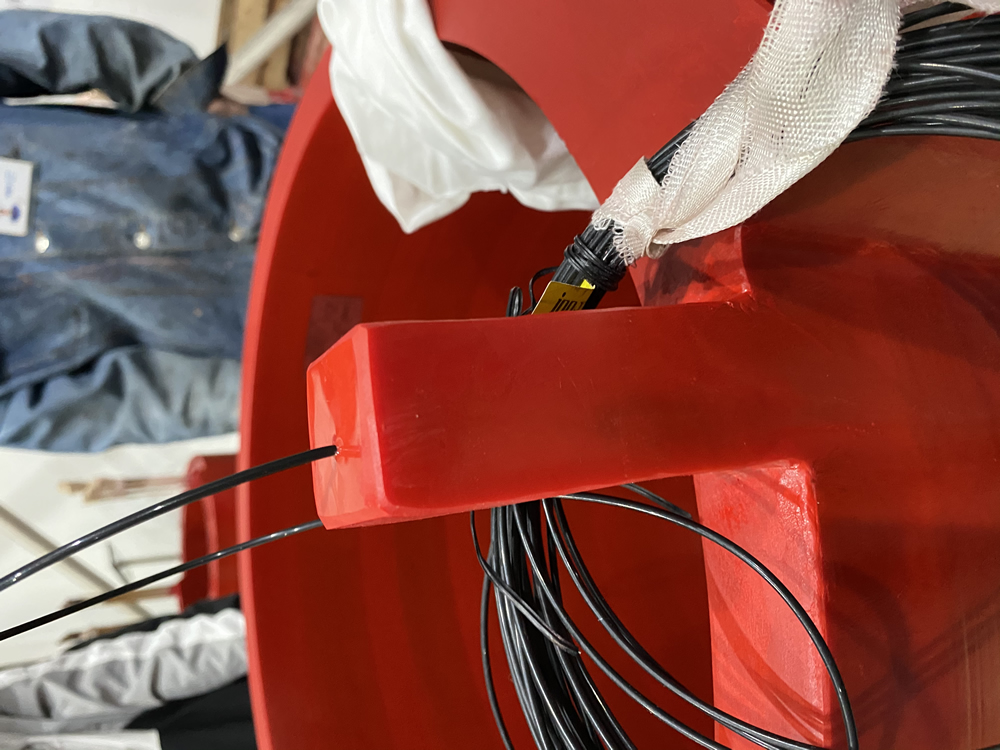
Nguyên lý cơ bản của việc sử dụng công nghệ cảm biến sợi quang huỳnh quang để theo dõi nhiệt độ điểm nóng của máy biến áp loại khô là tận dụng đặc tính nhiệt độ của chất huỳnh quang.. Cụ thể, môi trường huỳnh quang bị kích thích bởi ánh sáng tím xanh để tạo ra huỳnh quang, và thời gian sống của huỳnh quang giảm khi nhiệt độ tăng. Vì thế, phép đo nhiệt độ có thể đạt được bằng cách phát hiện tuổi thọ của huỳnh quang.
Khi chiếu vật liệu huỳnh quang bằng ánh sáng kích thích, chúng phát ra huỳnh quang, thường phân rã theo cấp số nhân. The decay time constant is the fluorescence lifetime or fluorescence afterglow time (ns). The decay of fluorescence afterglow varies at different environmental temperatures. The detector can accurately measure the ambient temperature of the probe and provide monitoring and alarm by measuring the length of the fluorescence afterglow lifetime.
This temperature measurement method has some unique advantages, such as being a passive temperature measurement method, and due to the fully insulated and small size of the cảm biến nhiệt độ sợi quang, it can directly measure the highest temperature of the internal hotspots that are prone to occur in high-voltage electrical equipment. Trong khi đó, the characteristics of fluorescent materials enable this technology to have high accuracy and stability in measuring temperature.
1. Method of using fluorescent optical fiber to monitor the hot spot temperature of dry-type transformers
1.1 Installation of sensors
Choose the appropriate installation location
Đối với máy biến áp loại khô, fiber optic sensors can be installed in internal heat sinks, cuộn dây, and other areas that are prone to hot spots. The winding generates heat during the operation of the transformer. If the heat dissipation is poor or the load is too high, hot spots will appear on the winding. The heat sink is a component specifically designed for heat dissipation, and monitoring its temperature can also help understand the heat dissipation condition of the transformer.
During installation, it is necessary to ensure that the sensor can accurately reflect the hot spot temperature. Ví dụ, when installing on the winding, the structure and current distribution of the winding should be considered, and the sensor should be installed at the location where the highest temperature may occur.
1.2 Installation method and precautions
The installation of sensors should ensure good contact with the measured area to ensure accurate temperature sensing. For the windings of dry-type transformers, it may be necessary to pre-set the installation position during manufacturing or maintenance to avoid damage to the windings during the installation process.
When installing optical fibers, it is important to note that the bending radius of the fiber should not be too small, as the optical loss caused by fiber bending can affect the calculation of the attenuation time constant, do đó ảnh hưởng đến độ chính xác của phép đo nhiệt độ. Đồng thời, it is necessary to avoid excessive stretching or compression of the optical fiber to prevent damage.
2. Data collection and processing
2.1 Thu tín hiệu
Use specialized equipment to collect signals emitted by fluorescent fiber optic sensors. Trong quá trình này, excitation light will be directed onto the fluorescent substance, and then the fluorescence afterglow signal will be detected. The collection equipment needs to have high sensitivity and accuracy to capture weak fluorescence signal changes.
Due to the possibility of installing fluorescent fiber optic sensors at different locations inside transformers, corresponding wiring and signal transmission channels are required to transmit the signals from each sensor to the acquisition equipment.
2.2 Data Processing
The collected fluorescence afterglow signal needs to be processed to obtain the temperature value. According to the relationship curve between fluorescence lifetime and temperature (which is usually obtained through pre calibration), convert the measured fluorescence afterglow decay time into temperature values.
In the process of data processing, possible error factors such as insertion loss at fiber optic joints and optical loss of external optical cables should be considered to improve the accuracy of temperature measurement by compensating for them through algorithms.
3. Composition and operation of monitoring system
3.1 System composition
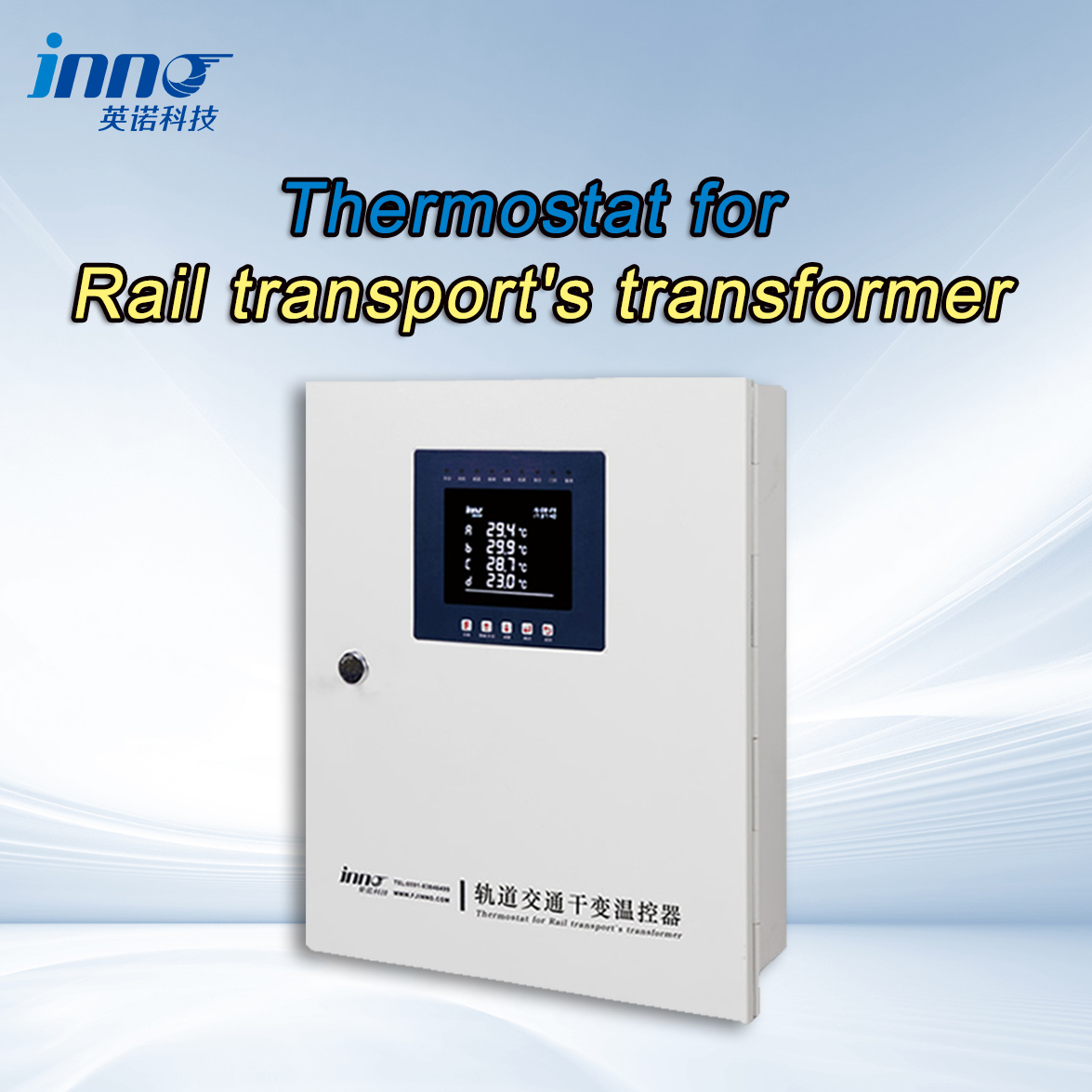
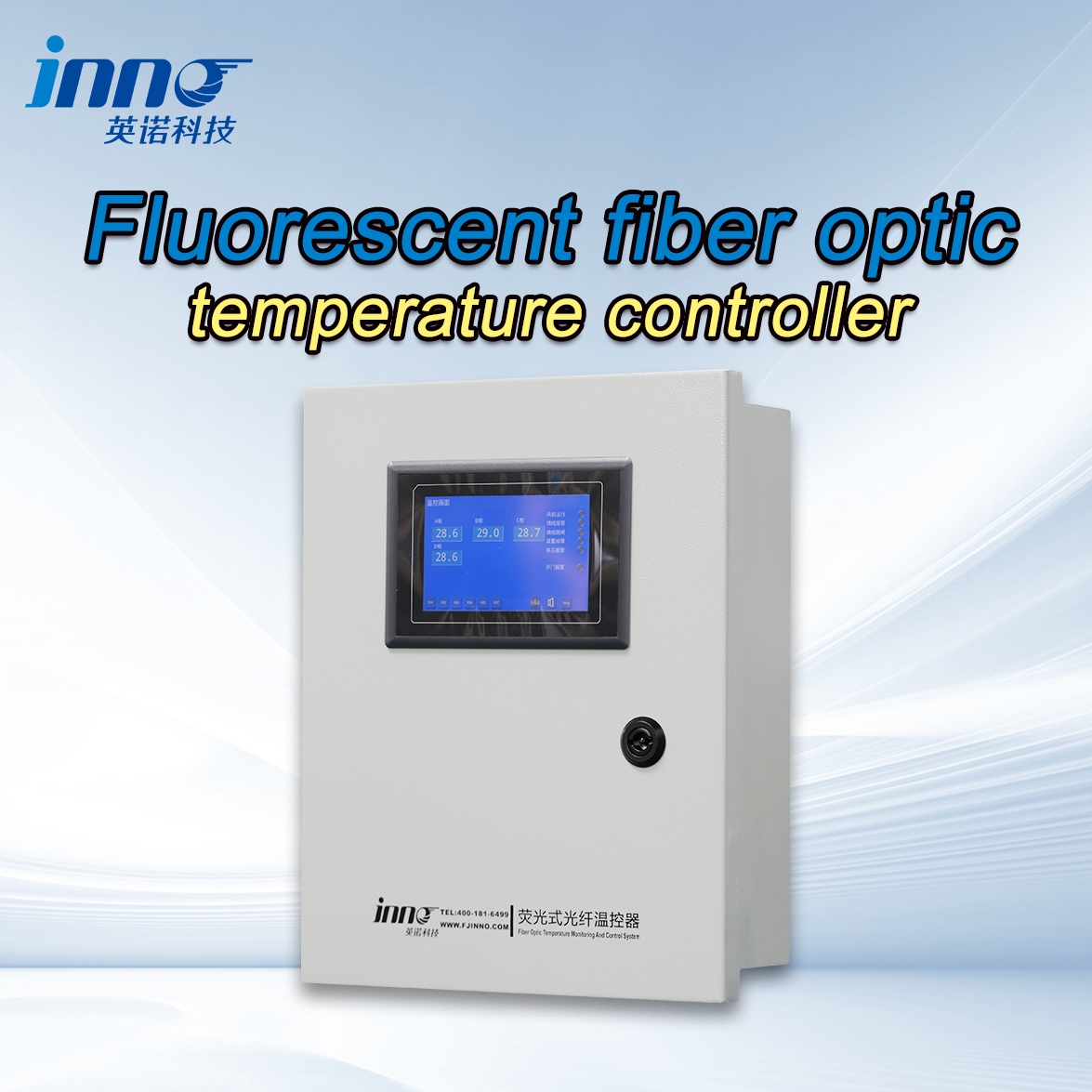
The dry-type transformer fluorescent fiber optic hot spot temperature monitoring system mainly consists of fluorescent fiber optic temperature sensors, signal acquisition devices, data processing units, display and alarm devices, và các bộ phận khác.
As the front-end component for temperature measurement, cái Cảm biến nhiệt độ sợi quang huỳnh quang is responsible for sensing temperature and converting temperature information into fluorescence signal changes. The signal acquisition device collects the fluorescence signal emitted by the sensor, and the data processing unit analyzes and processes the collected signal, converting it into a temperature value. The display device is used to display real-time temperature data of each monitoring point, while the alarm device issues an alarm when the temperature exceeds the set threshold.
3.2 Vận hành hệ thống
During the operation of the system, it is necessary to regularly inspect and maintain the sensors and the entire monitoring system. Ensure that the sensors are functioning properly, signal transmission is smooth, and data processing is accurate. Đồng thời, adjust the parameters of the monitoring system, such as alarm thresholds, based on the operating status and environmental conditions of the transformer.
2. Application case of fluorescent optical fiber in hot spot temperature monitoring of dry-type transformers
2.1. Improve the operational safety of dry-type transformers
Real time monitoring of hotspot temperature
In the distribution room of a large industrial enterprise, dry-type transformers play an important role in power supply. Due to the complex environment of the distribution room and the presence of certain electromagnetic interference, traditional temperature monitoring methods are difficult to meet the requirements of accurate monitoring. After adopting a hệ thống đo nhiệt độ sợi quang huỳnh quang, the fluorescent fiber optic sensor is installed in key parts such as the winding and heat sink of the dry-type transformer. By monitoring the hot spot temperature of these parts in real time, operation and maintenance personnel can timely grasp the operating status of the transformer. When the temperature of a certain part rises abnormally, the system can quickly issue an alarm to avoid transformer failure caused by overheating, ensuring the safety of power supply in the entire distribution room.
Prevent potential malfunctions
For some dry-type transformers that have been running for a long time, the insulation material inside may gradually age, leading to an increased risk of local overheating. In a substation renovation project in an old residential area, a fluorescent fiber optic hotspot temperature monitoring system was installed. Through long-term monitoring of the hot spot temperature of the transformer, several potential overheating points were discovered. After inspection, it was found that they were caused by loose connection points and insulation aging. After taking timely measures for repair, possible transformer failures were avoided and the service life of the transformer was extended.
2.2. Optimize the load management of dry-type transformers
Adjust the load according to the temperature
In the power supply system of data centers, the load of dry-type transformers fluctuates with the operating status of servers. Real time monitoring of the hot spot temperature of transformers through a fluorescent hệ thống giám sát nhiệt độ sợi quang. When the temperature approaches the set upper limit, nhân viên quản lý có thể thực hiện các biện pháp giảm tải cho máy biến áp, chẳng hạn như điều chỉnh việc phân bổ nguồn điện của máy chủ hoặc bật máy biến áp dự phòng để chia sẻ tải. Điều này đảm bảo hoạt động an toàn của máy biến áp và cải thiện độ tin cậy của toàn bộ nguồn điện của trung tâm dữ liệu..
2.3 Đánh giá khả năng chịu tải của máy biến áp
Trong hệ thống điện của khu phức hợp thương mại, Dữ liệu giám sát dài hạn về nhiệt độ điểm nóng của máy biến áp loại khô có thể được phân tích để đánh giá sự thay đổi nhiệt độ của máy biến áp trong các điều kiện tải khác nhau. Dựa trên những dữ liệu này, khả năng chịu tải cực đại của máy biến áp được xác định hợp lý, kế hoạch phân phối điện được tối ưu hóa, và máy biến áp tránh được tình trạng quá tải trong thời gian dài, thereby improving the operational efficiency of the power system.
3. Precautions for Temperature Monitoring of Fluorescent Fiber Optic Hotspots in Dry type Transformers
3.1 Impact of Environmental Factors
nhiễu điện từ
During the operation of dry-type transformers, there is an electromagnetic field around them. Although fluorescent fiber optic sensors themselves have a certain immunity to electromagnetic interference, attention should still be paid in practical applications. Ví dụ, in places with complex electromagnetic environments such as substations, it is necessary to ensure the electromagnetic compatibility of sensors and monitoring systems. In system design, shielded cables are used to transmit signals, and sensors and monitoring equipment are well grounded to prevent electromagnetic interference from affecting the collection and processing of fluorescence signals, thereby ensuring the accuracy of temperature measurement.
Humidity and dust
If the dry-type transformer is located in an environment with high humidity or dust, it may affect the performance of the fluorescent fiber optic sensor. Humidity may cause condensation on the surface of optical fibers, affecting the transmission of light; Dust may adhere to the surface of optical fibers, causing an increase in optical loss. Vì thế, for sensors installed in such environments, protective measures need to be taken, such as using sealed protective enclosures and regularly cleaning the sensors and optical fibers.
3.2 Installation and maintenance of optical fibers
Fiber bending and loss
When installing optical fibers, it is necessary to strictly control the bending radius of the fibers. Excessive bending can cause scattering and loss of light inside the optical fiber, affecting the transmission and detection of fluorescence signals. Nói chung, the bending radius of optical fibers should be greater than their minimum allowable bending radius, and the specific value depends on the type and specifications of the fiber. During the wiring process, it is important to avoid squeezing or scratching the optical fibers with sharp objects to prevent signal interruption caused by fiber damage.
Processing of fiber optic connectors
The quality of fiber optic connectors has a significant impact on signal transmission. When connecting optical fibers, it is necessary to ensure that the connectors are firmly connected and clean the fiber optic connectors to prevent dust, dầu, and other pollutants from entering the connectors, which can increase the insertion loss of light. Regularly check the condition of fiber optic connectors, and repair or replace them promptly if they are loose or damaged.
3.3 Calibration and Accuracy of Sensors
Hiệu chuẩn thường xuyên
The accuracy of fluorescent fiber optic sensors will drift with changes in time and usage environment. To ensure the accuracy of temperature measurement, it is necessary to calibrate the sensor regularly. The calibration method is to place the sensor in an environment with a known temperature (such as a constant temperature chamber), measure its fluorescence afterglow lifetime, and compare it with the theoretical value at standard temperature. Adjust the parameters of the sensor to make its measured value match the actual temperature. The calibration cycle depends on factors such as the frequency of sensor usage and environmental conditions, and it is generally recommended to perform calibration every six months to one year.
Xác minh độ chính xác
During the installation and use of sensors, their measurement accuracy should be verified. Comparative measurement methods can be used, such as installing fluorescent fiber optic sensors and other temperature sensors with known accuracy (chẳng hạn như cặp nhiệt điện) simultaneously on dry-type transformers, and comparing the temperature values measured by the two sensors under different loads and operating conditions. If the deviation between the two exceeds the allowable range, cần kiểm tra và điều chỉnh cảm biến sợi quang huỳnh quang.
4. Phương pháp tối ưu hóa hiệu quả giám sát nhiệt độ của điểm nóng sợi huỳnh quang trong máy biến áp loại khô.
4.1 Tối ưu hóa bố cục cảm biến
Định vị chính xác các khu vực điểm nóng
Tiến hành phân tích chuyên sâu về nguyên lý gia nhiệt và cấu tạo của máy biến áp loại khô, và xác định các khu vực chính có thể xảy ra các điểm nóng. Ví dụ, Cảm biến sợi quang huỳnh quang nên được đặt ở những nơi có khả năng tích tụ nhiệt, chẳng hạn như giữa các lượt, giữa các lớp, và tại điểm nối giữa cuộn dây và lõi sắt. Thông qua bố trí cảm biến chính xác, nhiệt độ điểm nóng của máy biến áp có thể được theo dõi toàn diện và chính xác hơn, tránh bỏ sót những điểm nóng quan trọng.
Xác định hợp lý số lượng cảm biến
Reasonably determine the number of fluorescent fiber optic sensors based on factors such as the capacity, cấp điện áp, and heat dissipation method of dry-type transformers. For transformers with large capacity, high voltage levels, or poor heat dissipation conditions, the number of sensors can be appropriately increased to obtain more detailed temperature distribution information. But at the same time, cost and system complexity should also be considered to avoid excessive sensor waste and increased difficulty in system maintenance.
4.2. Improve the performance of the monitoring system
Adopting high-precision sensors and acquisition devices
Choosing a fluorescent fiber sensor with higher sensitivity and lower drift can improve the accuracy of temperature measurement. In terms of signal acquisition, high-precision acquisition equipment such as photodetectors with high resolution and low noise can more accurately capture subtle changes in fluorescence signals. These high-precision devices can effectively reduce measurement errors and improve the performance of the entire monitoring system.
Optimize signal transmission and processing algorithms
For the problem of signal attenuation during fiber optic transmission, signal enhancement techniques such as optical amplifiers can be used to increase the strength of the signal. In terms of data processing, developing more advanced algorithms, such as real-time compensation algorithms for fiber loss, fluorescence signal attenuation, vân vân., can improve the accuracy and stability of temperature measurement. Trong khi đó, optimizing the data filtering algorithm to remove noise interference makes the measurement results more reliable.
4.3 Strengthen system maintenance and management
Regular maintenance plan
Develop a detailed regular maintenance plan, including inspection and maintenance of fluorescent fiber optic sensors, signal acquisition equipment, data processing units, vân vân. Ví dụ, regularly cleaning sensors and fiber optic surfaces, checking the connection of fiber optic connectors, and conducting functional tests on equipment. Through regular maintenance, potential problems can be identified and resolved in a timely manner, ensuring the normal operation of the monitoring system.
Remote monitoring and fault diagnosis
Establish a remote monitoring system to enable operation and maintenance personnel to remotely view real-time hot spot temperature data of dry-type transformers. Đồng thời, a fault diagnosis function is added to the system, which can automatically diagnose possible faults such as sensor failures, signal transmission interruptions, vân vân. by analyzing temperature data and monitoring the system’s own status, and promptly notify operation and maintenance personnel for handling. This can improve operational efficiency and reduce the time required for fault repair.

Cảm biến nhiệt độ sợi quang, Hệ thống giám sát thông minh, Nhà sản xuất cáp quang phân phối tại Trung Quốc
 |
 |
 |