 Cảm biến nhiệt độ sợi quang INNO ,hệ thống giám sát nhiệt độ.
- What Is Circuit Breaker Monitoring?
- Why Do Circuit Breakers Need Real-Time Online Monitoring?
- What Are the Common Fault Types in Circuit Breakers?
- What Are the Key Monitoring Parameters for Circuit Breakers?
- Why Is Temperature the Most Critical Early Warning Indicator?
- Why Is Fiber Optic Technology Best Suited for Circuit Breaker Temperature Monitoring?
- What Are the Components of a Circuit Breaker Fiber Optic Temperature Monitoring System?
- Where and How Should Temperature Sensors Be Deployed in Circuit Breakers?
- FJINNO Fluorescent Fiber Optic Temperature Monitoring System Specifications
- How Do Monitoring Strategies Differ Across Circuit Breaker Types?
- Câu hỏi thường gặp (Câu hỏi thường gặp)
1. What Is Circuit Breaker Monitoring?
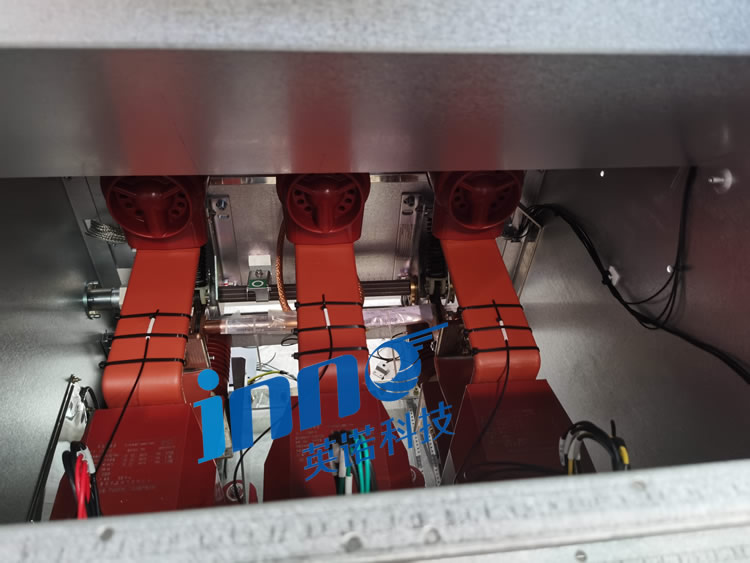
Circuit breaker monitoring is the continuous, real-time observation and analysis of a circuit breaker’s operational parameters to assess its health, detect developing faults, và hỗ trợ các quyết định bảo trì dựa trên tình trạng. Không giống như kiểm tra thủ công định kỳ, một hệ thống giám sát bộ ngắt mạch sử dụng các cảm biến, phần cứng thu thập dữ liệu, và phần mềm phân tích để cung cấp khả năng hiển thị liên tục về hệ thống điện, nhiệt, cơ khí, và tình trạng điện môi của máy cắt trong suốt thời gian sử dụng của nó.
Bộ ngắt mạch đóng vai trò là thiết bị bảo vệ chính trong mạng lưới truyền tải và phân phối điện. Chức năng cơ bản của chúng là ngắt dòng điện sự cố và cách ly các phần của lưới điện trong trường hợp quá tải hoặc ngắn mạch.. Bởi vì hành động bảo vệ này phải xảy ra một cách đáng tin cậy trong vòng một phần nghìn giây, bất kỳ sự xuống cấp tiềm ẩn nào trong các điểm tiếp xúc của máy cắt, cách nhiệt, hệ thống khí đốt, hoặc cơ chế vận hành có thể gây ra những hậu quả nghiêm trọng - từ việc không thể ngắt khi có sự cố, dẫn đến tình trạng mất điện liên tục, đến sự phá hủy thiết bị thảm khốc và các mối nguy hiểm về an toàn. Giám sát bộ ngắt mạch tồn tại để loại bỏ những rủi ro này bằng cách chuyển đổi sự xuống cấp bên trong vô hình thành hữu hình, dữ liệu có thể hành động.
Hệ thống giám sát cầu dao hiện đại thường theo dõi các thông số bao gồm nhiệt độ tiếp xúc, hoạt động phóng điện cục bộ, Mật độ khí SF₆ và độ ẩm, thời gian vận hành cơ học và đặc điểm hành trình, tải hiện tại, và trạng thái kết nối thanh cái. Bằng cách tương quan các luồng dữ liệu này và phân tích xu hướng theo thời gian, hệ thống xác định các điểm bất thường cho thấy lỗi đang phát triển từ rất lâu trước khi chúng leo thang đến mức hỏng hóc — cho phép các nhóm bảo trì can thiệp vào thời điểm tối ưu, không quá sớm (lãng phí tài nguyên) cũng không quá muộn (mạo hiểm thất bại).
Phương pháp giám sát bộ ngắt mạch của FJINNO tập trung vào cảm biến nhiệt độ sợi quang huỳnh quang - thông số tương quan trực tiếp nhất với sự suy giảm tiếp điểm và quá tải nhiệt. Bằng cách theo dõi nhiệt độ theo thời gian thực với cảm biến sợi quang miễn dịch EMI, FJINNO cho phép phát hiện lỗi sớm tại thời điểm quan trọng nhất.
2. Why Do Circuit Breakers Need Real-Time Online Monitoring?
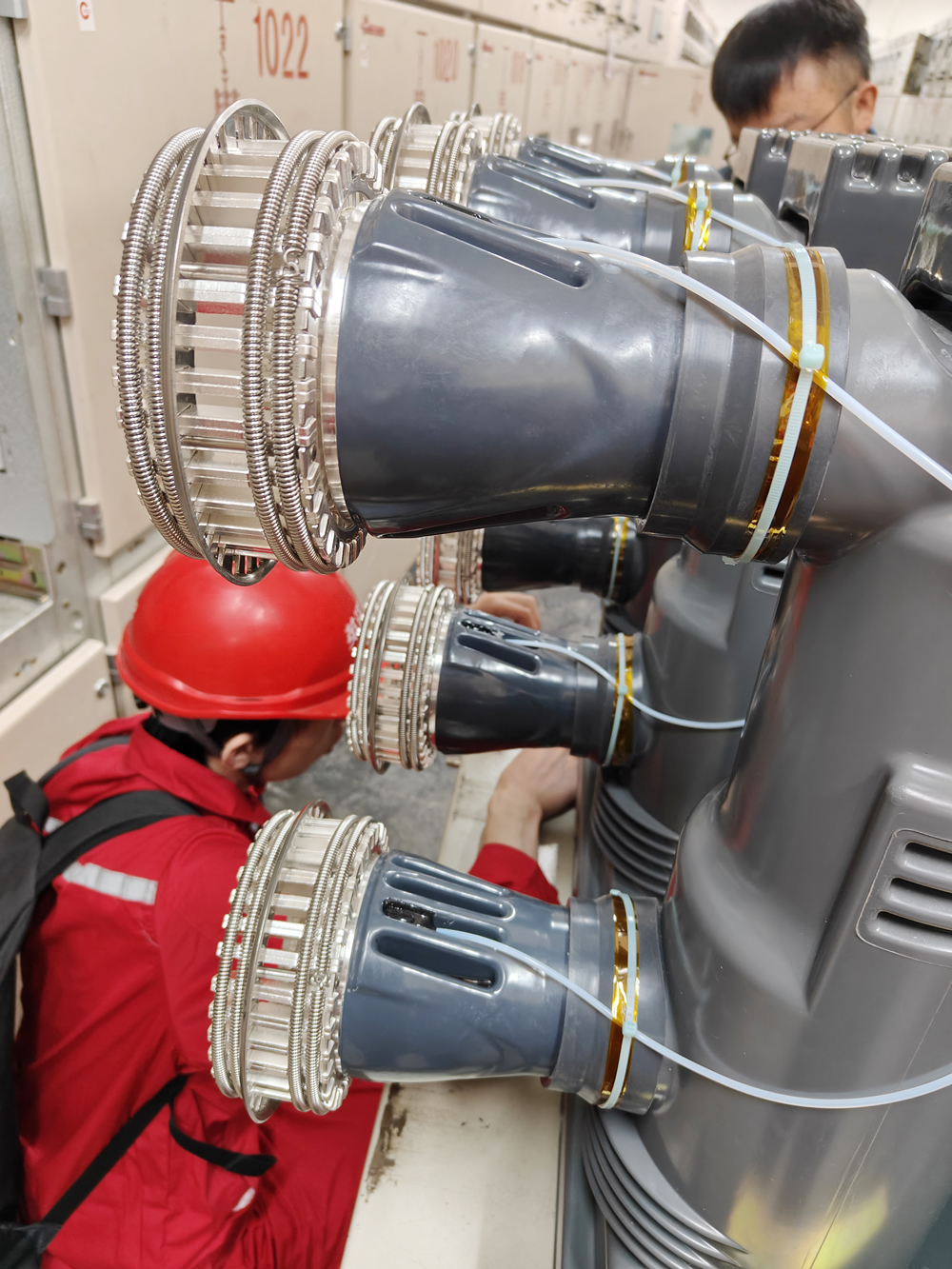
Việc bảo trì cầu dao truyền thống tuân theo lịch trình dựa trên thời gian hoặc số lần vận hành: máy cắt được kiểm tra hoặc đại tu sau một số năm cố định hoặc sau các hoạt động chuyển mạch, bất kể điều kiện thực tế. Trong khi cách tiếp cận này cung cấp mức độ tin cậy cơ bản, nó có những hạn chế cơ bản khiến nó không phù hợp với các yêu cầu của lưới điện hiện đại.
Hạn chế đầu tiên là không có khả năng phát hiện sự xuống cấp giữa các lần bảo trì. Các lỗi như xói mòn tiếp xúc, sự suy giảm cách điện, và rò rỉ khí phát triển dần dần giữa các lần kiểm tra theo lịch trình. Máy cắt có thể vượt qua cuộc kiểm tra và bắt đầu xuống cấp vào ngày hôm sau, với lỗi vẫn không hiển thị cho đến lần ngừng hoạt động tiếp theo theo lịch trình - có thể còn nhiều năm nữa. Trong khoảng thời gian này, cầu dao tiếp tục đóng vai trò như một thiết bị bảo vệ quan trọng đồng thời ẩn chứa một khiếm khuyết tiềm ẩn có thể khiến nó bị hỏng chính xác khi cần thiết nhất.
Hạn chế thứ hai là chi phí và sự gián đoạn hoạt động của việc kiểm tra ngoại tuyến. Kiểm tra cầu dao điện áp cao đòi hỏi phải ngừng hoạt động, có thể yêu cầu các thủ tục chuyển đổi phức tạp, chuyển tải, và phối hợp với người vận hành hệ thống. Đối với các máy cắt quan trọng không thể dễ dàng ngắt điện, cơ hội kiểm tra không thường xuyên và ngắn gọn. Real-time online monitoring eliminates this constraint by providing continuous condition assessment without removing the breaker from service.
The third limitation is the absence of trend data. A single-point inspection reveals the breaker’s condition at one moment in time but provides no information about the rate or direction of change. Real-time monitoring generates continuous time-series data that reveals whether a parameter is stable, cải thiện, or deteriorating — and at what rate. This trend information is essential for predicting remaining useful life and scheduling maintenance with precision.
The economic argument is equally compelling. Unplanned circuit breaker failures result in direct costs (thay thế thiết bị, emergency repair labor, and energy not supplied) and indirect costs (contractual penalties, regulatory scrutiny, và thiệt hại về danh tiếng). Dữ liệu ngành chỉ ra rằng chi phí cho một sự cố máy cắt bất ngờ trong một trạm biến áp truyền tải có thể vượt quá chi phí giám sát toàn bộ số máy cắt trong trạm biến áp đó trong một thập kỷ.. Giám sát cầu dao theo thời gian thực biến việc bảo trì từ chi phí phản ứng thành khoản đầu tư mang tính dự đoán.
3. What Are the Common Fault Types in Circuit Breakers?
Hiểu các cơ chế hư hỏng cụ thể ảnh hưởng đến cầu dao là điều cần thiết để thiết kế một chiến lược giám sát hiệu quả. Lỗi cầu dao có thể được phân thành năm loại chính, mỗi nguyên nhân có nguyên nhân vật lý riêng biệt, đặc điểm tiến triển, và giám sát chữ ký.
1、Quá tải nhiệt và quá nhiệt tiếp xúc
Khi cầu dao già đi và tích lũy các hoạt động chuyển mạch, các bề mặt tiếp xúc xuống cấp do xói mòn, rỗ, và quá trình oxy hóa. Sự xuống cấp này làm tăng điện trở tiếp xúc, which in turn causes localized resistive heating (P = I²R). The resulting temperature rise accelerates further oxidation and material loss, creating a positive feedback loop. If undetected, thermal overload progresses to contact welding, hư hỏng cách nhiệt, and ultimately flashover or fire. Temperature monitoring is the most direct method of detecting this fault type, as the temperature rise is measurable before any other symptom becomes apparent.
2、Contact Erosion and Wear
Every interruption of load current or fault current causes arc erosion of the breaker’s contacts. The arc generated during current interruption vaporizes contact material, progressively reducing the contact mass and altering the contact geometry. As contacts erode, the effective contact area decreases, contact pressure distribution becomes uneven, and contact resistance increases. Trong máy cắt SF₆, Xói mòn tiếp xúc nghiêm trọng cũng có thể tạo ra các hạt kim loại làm ô nhiễm khí và làm giảm độ bền điện môi của nó.. Theo dõi nhiệt độ tiếp xúc, đặc điểm du lịch cơ học, và số lượng hoạt động chuyển mạch cung cấp cái nhìn sâu sắc về tiến trình hao mòn tiếp xúc.
3、Suy thoái cách điện và phóng điện một phần
Bộ ngắt mạch chứa nhiều hệ thống cách điện rắn và khí khác nhau có thể xuống cấp theo thời gian do ứng suất nhiệt, căng thẳng điện, độ ẩm xâm nhập, và ô nhiễm hóa chất. Khi lớp cách nhiệt bị hư hỏng, phóng điện cục bộ (PD) hoạt động tăng lên - sự phóng điện nhỏ xảy ra trong khoảng trống, dọc theo bề mặt, hoặc tại các giao diện nơi điện trường vượt quá cường độ đánh thủng cục bộ. Hoạt động PD làm xói mòn thêm lớp cách điện, tạo ra một đường dẫn hư hỏng lũy tiến mà cuối cùng có thể dẫn đến sự cố điện môi hoàn toàn. Partial discharge monitoring detects this degradation at an early stage, while temperature monitoring identifies the thermal consequences of insulation failure.
4、SF₆ Gas Leakage and Contamination
SF₆ gas circuit breakers rely on the dielectric and arc-quenching properties of sulfur hexafluoride gas. Gas leakage through aging seals, miếng đệm, or weld defects reduces the gas density below the level required for reliable arc interruption and insulation. Ngoài ra, moisture ingress into the SF₆ compartment, or contamination from arc byproducts and metallic particles, degrades the gas quality even if the density remains adequate. Gas density monitoring and moisture analysis are essential for detecting these faults, while temperature monitoring provides complementary information about the thermal effects of reduced gas performance.
5、Lỗi cơ khí và khiếm khuyết cơ chế vận hành
Cơ cấu vận hành cơ học của cầu dao - cho dù vận hành bằng lò xo, thủy lực, hoặc khí nén - phải lưu trữ và giải phóng năng lượng một cách đáng tin cậy để mở và đóng cầu dao trong giới hạn thời gian quy định. Hư hỏng cơ học bao gồm hao mòn liên kết, mệt mỏi mùa xuân, hư hỏng van điều tiết, trục trặc chốt, và sự xuống cấp của chất bôi trơn. Những lỗi này biểu hiện dưới dạng thay đổi về thời gian vận hành (hoạt động chậm), chuyến đi không trọn vẹn, hoặc không hoạt động được. Giám sát tình trạng cơ học thường liên quan đến phân tích thời gian, đo lường du lịch, phân tích dòng điện cuộn dây, và giám sát độ rung. Giám sát nhiệt độ của các bộ phận cơ cấu cũng có thể cho thấy ma sát bất thường hoặc sự xuống cấp của ổ trục..
Năm loại lỗi này không độc lập. Trong thực tế, lỗi thường tương tác và xếp tầng: xói mòn tiếp xúc dẫn đến tăng nhiệt độ, which accelerates insulation degradation, which increases partial discharge, which further degrades insulation. A comprehensive circuit breaker monitoring system tracks multiple parameters simultaneously to capture these interactions and provide a holistic assessment of breaker health.
4. What Are the Key Monitoring Parameters for Circuit Breakers?
An effective circuit breaker monitoring system tracks a range of parameters that collectively characterize the breaker’s electrical, nhiệt, chất điện môi, and mechanical condition. The selection and prioritization of these parameters depend on the breaker type, cấp điện áp, sự quan trọng, and the specific failure modes most relevant to the application. The following parameters form the foundation of a comprehensive circuit breaker monitoring strategy.
Nhiệt độ
Temperature is the most fundamental and universally applicable monitoring parameter for circuit breakers. It provides direct indication of contact resistance changes, thermal overload conditions, abnormal current distribution, and insulation thermal aging. Temperature monitoring points include the stationary contacts, di chuyển danh bạ, khớp nối thanh cái, đầu cáp, and arc chamber components. Fiber optic temperature sensors are the preferred technology for this application due to their immunity to electromagnetic interference and inherent electrical isolation.
Xả một phần (PD)
Partial discharge monitoring detects incipient insulation degradation by measuring the small electrical discharges that occur when insulation begins to fail. PD activity is measured using ultra-high-frequency (UHF) cảm biến, điện áp đất tạm thời (TEV) cảm biến, or acoustic emission sensors. PD data provides early warning of dielectric failures that, nếu không được giải quyết, can progress to complete insulation breakdown and flashover.
SF₆ Gas Density and Moisture
For SF₆ circuit breakers, gas density is a critical safety parameter. The breaker’s arc interruption capability and dielectric withstand strength are directly proportional to the SF₆ gas density. Density sensors compensate for temperature variations to provide true mass-density readings. Moisture content monitoring is equally important, as excessive moisture degrades the gas’s dielectric properties and produces corrosive byproducts that attack internal components.
Mechanical Operating Characteristics
Mechanical monitoring encompasses operating time measurement (close time, open time, close-open time), contact travel analysis, operating coil current signature analysis, and motor current monitoring. These measurements reveal the condition of the operating mechanism, linkage system, dampers, and energy storage components. Những thay đổi về đặc tính thời gian hoặc hành trình cho thấy các lỗi cơ học đang phát triển có thể dẫn đến hoạt động chậm hoặc không hoạt động được.
Tải hiện tại
Đo dòng điện tải liên tục phục vụ hai mục đích trong giám sát bộ ngắt mạch. Đầu tiên, nó cung cấp cơ sở để so sánh các phép đo nhiệt độ với điều kiện tải thực tế - cho phép hệ thống phân biệt giữa mức tăng nhiệt độ bình thường do tải cao và mức tăng nhiệt độ bất thường do suy giảm tiếp xúc. Thứ hai, nó theo dõi nhiệm vụ tải và chuyển mạch tích lũy hiện tại, là những thông tin đầu vào quan trọng để ước tính tuổi thọ tiếp điểm còn lại và lập kế hoạch bảo trì.
Thanh cái và trạng thái kết nối
Việc giám sát tình trạng kết nối thanh cái và đầu cáp tại các đầu cực của máy cắt là rất cần thiết vì các mối nối này là điểm hư hỏng thường gặp. Các kết nối lỏng lẻo hoặc bị ăn mòn làm tăng điện trở, tạo ra nhiệt, và có thể dẫn đến sự cố nhiệt. Giám sát nhiệt độ tại các điểm này, kết hợp với tải dữ liệu hiện tại, cung cấp khả năng phát hiện hiệu quả các kết nối đang xuống cấp.
Trong số tất cả các thông số giám sát, nhiệt độ là nhiệt độ cung cấp dấu hiệu sớm nhất về phạm vi rộng nhất của các loại lỗi. Liên hệ quá nóng, suy giảm kết nối, lão hóa nhiệt cách nhiệt, và ma sát cơ học đều tạo ra các dấu hiệu nhiệt độ có thể đo được trước khi các triệu chứng khác xuất hiện. Đây là lý do tại sao chiến lược giám sát bộ ngắt mạch của FJINNO ưu tiên đo nhiệt độ sợi quang có độ chính xác cao làm nền tảng để sắp xếp các thông số giám sát khác.
5. Tại sao nhiệt độ là chỉ báo cảnh báo sớm quan trọng nhất đối với cầu dao?

Trong khi giám sát bộ ngắt mạch bao gồm nhiều thông số, temperature occupies a unique and central position in the monitoring hierarchy. Điều này không phải là tùy tiện - nó dựa trên cơ sở vật lý của sự xuống cấp của cầu dao và các yêu cầu thực tế của việc phát hiện lỗi sớm.
Mối quan hệ giữa sự suy giảm tiếp xúc và nhiệt độ được điều chỉnh bởi một nguyên lý vật lý đơn giản. Khi các điểm tiếp xúc của cầu dao bị suy giảm – do xói mòn, quá trình oxy hóa, carbon buildup, hoặc sai lệch cơ học - điện trở tiếp xúc điện tăng. Vì máy cắt liên tục mang dòng tải, bất kỳ sự gia tăng điện trở tiếp xúc nào đều trực tiếp làm tăng công suất tiêu tán dưới dạng nhiệt ở bề mặt tiếp xúc, theo mối quan hệ P = I2R. Hệ thống sưởi cục bộ này làm tăng nhiệt độ tiếp xúc lên trên mức hoạt động bình thường của nó. The temperature rise is proportional to the increase in contact resistance, making it a quantitative indicator of degradation severity.
What makes temperature particularly valuable as an early warning indicator is the temporal relationship between temperature change and other fault manifestations. In most degradation scenarios, the temperature at the affected component begins to rise measurably weeks or months before other symptoms — such as increased partial discharge, gas decomposition products, or mechanical changes — become detectable. This is because the thermal effect is a first-order consequence of resistance increase, trong khi các tác động khác là hậu quả cấp hai hoặc cấp ba đòi hỏi tiến trình suy thoái tiếp theo để có thể đo lường được.
Xem xét trình tự xuống cấp của một lỗi quá nhiệt tiếp điểm điển hình. Khi điện trở tiếp xúc tăng, nhiệt độ cục bộ tăng lên. Nhiệt độ tăng cao này làm tăng tốc độ oxy hóa các bề mặt tiếp xúc, điều này làm tăng thêm sức đề kháng - tạo ra vòng phản hồi tích cực được mô tả trước đó. Khi nhiệt độ tiếp tục tăng, lớp cách điện gần tiếp điểm nóng bắt đầu lão hóa về mặt nhiệt, cuối cùng có thể tạo ra hoạt động phóng điện cục bộ. Nếu cầu dao sử dụng SF₆, nhiệt độ tăng cao có thể đẩy nhanh quá trình phân hủy khí và tạo ẩm. Cuối cùng, nếu các bộ phận cơ khí bị ảnh hưởng bởi nhiệt, đặc điểm hoạt động có thể thay đổi. Trong suốt trình tự này, sự tăng nhiệt độ là triệu chứng đầu tiên có thể đo lường được và vẫn là chỉ báo nhạy cảm nhất về mức độ nghiêm trọng của lỗi.
There is also a practical advantage to temperature monitoring: it is directly interpretable. A measured temperature of 105°C at a contact rated for 90°C immediately communicates the severity and urgency of the situation. Other parameters — such as partial discharge magnitude in picocoulombs or gas moisture content in ppm — require expert interpretation and contextual analysis. Nhiệt độ, ngược lại, can be evaluated against absolute thresholds defined in standards such as IEC 62271 and IEEE C37, making alarm setting and response decision-making straightforward.
6. Why Is Fiber Optic Technology Best Suited for Circuit Breaker Temperature Monitoring?
The internal environment of a circuit breaker presents extreme challenges for temperature measurement. High voltage potentials, intense electromagnetic fields during switching operations, không gian hạn chế, and the need for long-term unattended operation eliminate most conventional temperature sensing technologies from consideration. Fiber optic temperature sensing — specifically fluorescent fiber optic sensing — addresses every one of these challenges simultaneously.
Optical fibers carry light, not electrical signals. Electromagnetic interference from switching arcs, bus currents, and adjacent equipment has zero effect on the measurement signal, eliminating the noise and error problems that plague electronic sensors in breaker environments.
Fiber optic sensors are fully dielectric — no conductive path exists between the high-voltage contact being measured and the grounded monitoring equipment. This eliminates the need for complex insulation barriers and provides natural galvanic isolation at any voltage level.
Fluorescent fiber optic sensors contain no active electronic components, pin, or moving parts. The measurement principle is based on the temperature-dependent decay time of a phosphor material — an intrinsic physical property that does not drift or degrade. No periodic recalibration is required.
The sensing element is typically a few millimeters in diameter, small enough to be mounted directly on contacts, thanh cái, and arc chamber components in the confined spaces inside a circuit breaker without obstructing operation or gas flow.
Fiber optic sensor materials are compatible with SF₆ gas, insulating oils, and the arc byproducts present inside circuit breakers. They do not outgas, corrode, or contaminate the breaker’s internal environment.
The fluorescence decay-time measurement principle provides inherent long-term stability because it depends on an intrinsic material property rather than signal amplitude. Sensor readings remain accurate over decades of continuous operation without drift.
Conventional alternatives — thermocouples, RTD, and infrared sensors — each fail in one or more of these critical requirements. Thermocouples and RTDs introduce conductive elements into the high-voltage environment, creating insulation risks and EMI susceptibility. Infrared sensors require a line of sight to the target surface, thường không có sẵn bên trong một cầu dao kèm theo. Cảm biến điện tử không dây cần có pin (có tuổi thọ hạn chế và không phù hợp với ngăn SF₆ kín) và vẫn dễ bị ảnh hưởng bởi EMI trong quá trình vận hành máy cắt. Cảm biến sợi quang huỳnh quang là công nghệ duy nhất đáp ứng đồng thời mọi yêu cầu, đó là lý do tại sao nó đã trở thành tiêu chuẩn để theo dõi nhiệt độ máy cắt điện áp cao.
Cảm biến nhiệt độ sợi quang huỳnh quang của FJINNO được thiết kế đặc biệt cho các ứng dụng ngắt mạch. Với độ chính xác ±1°C, thời gian đáp ứng dưới 2 giây, và phạm vi đo từ -40°C đến +200°C, chúng cung cấp độ chính xác và độ tin cậy cần thiết để phát hiện sớm hiện tượng quá nhiệt khi tiếp xúc và các dị thường về nhiệt trong SF₆, trống, và máy cắt dầu.
7. What Are the Components of a Circuit Breaker Fiber Optic Temperature Monitoring System?
A complete fiber optic temperature monitoring system for circuit breakers consists of three functional layers: the sensing layer, the signal processing layer, and the data management and integration layer. Each layer performs a distinct function, and together they form an end-to-end monitoring architecture that transforms physical temperature at the breaker’s critical points into actionable information in the operator’s control system.
Fluorescent fiber optic temperature sensors installed on contacts, thanh cái, buồng hồ quang, và đầu cuối cáp. Convert local temperature into an optical signal.
➔📡Layer 2: Xử lý tín hiệu
Fiber optic signal demodulator (edge device) receives optical signals, extracts temperature data, performs threshold comparison, and generates local alarms.
➔🖥️Layer 3: Quản lý dữ liệu
SCADA / DCS / asset management software receives temperature data via Modbus, IEC 61850, hoặc DNP3.0 để hiển thị tập trung, có xu hướng, và chẩn đoán.
Lớp 1 — Cảm biến nhiệt độ sợi quang huỳnh quang
Lớp cảm biến bao gồm các đầu dò nhiệt độ sợi quang huỳnh quang được lắp đặt tại mỗi điểm giám sát trong máy cắt. Mỗi đầu dò chứa một phần tử cảm biến phốt pho được liên kết với đầu sợi quang. Khi bị kích thích bởi một xung ánh sáng từ bộ giải điều chế, phốt pho phát huỳnh quang, và thời gian phân rã của huỳnh quang này là một hàm chính xác của nhiệt độ cục bộ. Đầu dò được kết nối với bộ giải điều chế thông qua cáp quang cung cấp cả đường dẫn ánh sáng kích thích và đường dẫn tín hiệu huỳnh quang phản hồi. Vì sợi quang hoàn toàn có tính cách điện, it can safely route from the high-voltage contact through the breaker’s insulation system to the grounded demodulator without compromising the breaker’s dielectric integrity. FJINNO sensors feature a compact probe design that allows direct mounting on stationary contacts, moving contact arms, kẹp thanh cái, and arc chamber walls using high-temperature adhesive or mechanical fixation.
Lớp 2 — Fiber Optic Signal Demodulator (Edge Device)
The signal processing layer is the fiber optic demodulator unit, which serves as the intelligent edge device of the monitoring system. The demodulator performs several critical functions: it generates the optical excitation pulses sent to each sensor, receives the returning fluorescence signals, applies the decay-time measurement algorithm to calculate temperature for each channel, compares the measured temperatures against configurable alarm thresholds, and outputs the processed data to the supervisory layer. FJINNO demodulators support multi-channel configurations (4, 8, 16, hoặc 24 kênh) to accommodate different breaker configurations and can simultaneously monitor all three phases plus busbar and mechanism points from a single unit. The demodulator includes local display, relay alarm outputs, and digital communication interfaces including Modbus RTU/TCP, IEC 61850 MMS and GOOSE, and DNP3.0.
Lớp 3 — Supervisory Software and SCADA Integration
The data management layer receives temperature data from the demodulator and presents it within the utility’s or industrial facility’s existing supervisory control system. Integration is achieved through standard communication protocols, allowing the temperature data to appear alongside other breaker monitoring parameters, protection system data, and operational data in the control room. Advanced implementations include trend analysis, báo động tỷ lệ thay đổi, mô hình nhiệt, and predictive diagnostics that combine temperature data with load current and ambient temperature to assess the breaker’s thermal health trajectory. FJINNO provides optional companion software for standalone monitoring applications where SCADA integration is not required, offering dashboard visualization, quản lý báo động, lưu trữ dữ liệu lịch sử, và tạo báo cáo.
8. Where and How Should Temperature Sensors Be Deployed in Circuit Breakers?
The effectiveness of a circuit breaker temperature monitoring system depends critically on the placement of temperature sensors at the locations where thermal faults originate and develop. Sensor placement must be guided by an understanding of the breaker’s internal thermal architecture and the specific failure modes being targeted. The following table identifies the critical monitoring points, the fault types each location addresses, and the deployment considerations for each.
| Vị trí giám sát | Target Fault Type | Deployment Notes |
|---|---|---|
| Stationary Contacts (Fixed Contacts) | Contact resistance increase, contact erosion, carbon buildup | Sensor mounted on the contact finger assembly or contact support structure as close to the current-carrying interface as the design permits. This is the single most important monitoring point in any circuit breaker. |
| Moving Contacts (Mobile Contacts) | Contact misalignment, uneven wear, mechanical binding | Sensor mounted on the moving contact arm or tulip assembly. Fiber routing must accommodate the contact travel stroke without mechanical stress on the fiber. FJINNO sensors use flexible fiber leads designed for this application. |
| Arc Chamber / Interrupter | Arc erosion accumulation, nozzle degradation, dielectric weakening | Sensor installed on the arc chamber wall or nozzle support structure. Monitors the thermal condition of the interrupting assembly, which is subject to extreme thermal stress during fault current interruption. |
| Busbar Connection Joints | Connection loosening, ăn mòn, plating degradation | Sensor mounted directly on the bolted or clamped busbar connection at each phase terminal. These joints are common failure points due to thermal cycling and mechanical vibration over time. |
| Đầu cuối cáp | Termination degradation, crimp loosening, lão hóa cách nhiệt | Sensor mounted at the cable-to-breaker interface. Particularly important for breakers connected via XLPE or oil-filled cable systems where termination quality is critical. |
| Operating Mechanism Components | Bearing wear, suy thoái bôi trơn, abnormal friction | Sensor mounted on mechanism housing or bearing points. Provides supplementary information on mechanical health by detecting abnormal heat generation from friction or failed lubrication. |
For a typical three-phase circuit breaker installation, the minimum recommended sensor deployment consists of one sensor per phase on the stationary contacts and one sensor per phase on the busbar connections — six sensors total. A comprehensive deployment adds sensors on the moving contacts, buồng hồ quang, và đầu cuối cáp, bringing the total to 12–18 sensors per breaker. FJINNO multi-channel demodulators are configured to support these deployment densities, với các model 16 kênh và 24 kênh có khả năng giám sát toàn bộ một cầu dao hoặc giám sát một phần nhiều cầu dao từ một thiết bị duy nhất.
9. Hệ thống giám sát nhiệt độ sợi quang huỳnh quang FJINNO - Thông số kỹ thuật
Các thông số kỹ thuật sau đây mô tả hệ thống giám sát nhiệt độ sợi quang huỳnh quang của FJINNO được cấu hình cho các ứng dụng cầu dao. Hệ thống bao gồm các đầu dò cảm biến nhiệt độ sợi quang huỳnh quang và bộ giải điều chế tín hiệu đa kênh. Tất cả các thông số kỹ thuật được xác nhận trong các điều kiện vận hành điển hình của môi trường ngắt mạch điện áp cao.
Cảm biến nhiệt độ sợi quang huỳnh quang
| tham số | Đặc điểm kỹ thuật |
|---|---|
| Nguyên tắc đo lường | Thời gian phân rã huỳnh quang |
| Phạm vi đo | -40°C đến +200°C (phạm vi mở rộng có sẵn đến +300°C) |
| Sự chính xác | ±1°C (trên toàn phạm vi) |
| Nghị quyết | 0.1°C |
| Thời gian đáp ứng | < 2 giây |
| Đường kính đầu dò cảm biến | ≤ 3 mm |
| Chiều dài cáp quang | Lên đến 100 tôi (tiêu chuẩn); độ dài mở rộng theo yêu cầu |
| Chịu được điện môi | Cách ly điện hoàn toàn (cấu trúc toàn điện môi) |
| Miễn dịch EMI | Fully immune — no electromagnetic interference susceptibility |
| Chemical Compatibility | Compatible with SF₆, dầu khoáng, silicone oil, dry air |
| Cuộc sống phục vụ | > 20 năm (no recalibration required) |
Multi-Channel Fiber Optic Signal Demodulator
| tham số | Đặc điểm kỹ thuật |
|---|---|
| Channel Options | 4 / 8 / 16 / 24 kênh |
| Tốc độ lấy mẫu | 1 sample per second per channel |
| Giao thức truyền thông | Modbus RTU, Modbus TCP, IEC 61850 (MMS & NGỖI), DNP3.0 |
| Alarm Outputs | Danh bạ rơle có thể cấu hình (2-stage or 4-stage alarm) |
| Trưng bày | Local LCD display with channel-by-channel readout |
| Lưu trữ dữ liệu | Internal memory for historical data logging |
| Nhiệt độ hoạt động | -40°C đến +70°C |
| Nguồn điện | 85–265 V AC hoặc 110/220 ở DC (đầu vào phạm vi rộng) |
| Xếp hạng bảo vệ | IP65 (có khả năng lắp đặt ngoài trời) |
| gắn kết | đường ray DIN, gắn bảng điều khiển, hoặc gắn tường |
10. How Do Monitoring Strategies Differ Across Circuit Breaker Types?

Cầu dao được sản xuất với nhiều cấu hình đa dạng, mỗi loại có phương tiện cách điện riêng biệt, nguyên tắc gián đoạn, và thiết kế xây dựng. Trong khi mục tiêu giám sát cốt lõi - phát hiện sớm các lỗi đang phát triển - vẫn không đổi, chiến lược giám sát cụ thể phải được điều chỉnh phù hợp với đặc điểm và phương thức hư hỏng chủ yếu của từng loại máy cắt.
Bộ ngắt mạch khí SF₆
Máy cắt SF₆ là loại được triển khai rộng rãi nhất trong các hệ thống truyền tải điện áp cao (72.5 KV trở lên). Yêu cầu giám sát chính của họ bao gồm giám sát nhiệt độ tiếp xúc (để phát hiện sự suy giảm tiếp xúc và tăng điện trở), Giám sát mật độ khí SF₆ (để phát hiện rò rỉ và đảm bảo khả năng dập tắt hồ quang đầy đủ), gas moisture content monitoring (to prevent corrosive byproduct formation), and partial discharge monitoring (to detect insulation degradation). The sealed gas compartment makes fiber optic temperature sensors particularly valuable, as they can be installed inside the sealed compartment without penetrating the gas boundary or introducing leak paths. FJINNO sensors are fully compatible with SF₆ gas and do not produce outgassing or contamination.
Máy cắt chân không
Máy cắt chân không chiếm ưu thế trong hệ thống phân phối trung thế (1 kV đến 40.5 kV). Trọng tâm giám sát chính của họ là xói mòn tiếp xúc (được theo dõi thông qua số lần hoạt động chuyển mạch và nhiệt độ tiếp xúc), tính toàn vẹn chân không (mất chân không dẫn đến không thể làm gián đoạn), và tình trạng cơ chế vận hành. Bởi vì bộ ngắt chân không là một bộ phận kín, Đo nhiệt độ tiếp xúc trực tiếp thường yêu cầu cảm biến trên các kết nối bên ngoài hoặc đầu cuối trên và dưới của chai chân không. Sự chênh lệch nhiệt độ giữa các cực trên và dưới cung cấp một chỉ báo gián tiếp về tình trạng tiếp xúc bên trong. Cảm biến sợi quang nhỏ gọn của FJINNO có thể được gắn tại các điểm cuối này để cung cấp khả năng giám sát nhiệt liên tục.
Máy cắt dầu
Máy cắt dầu sử dụng dầu khoáng làm môi trường cách điện và môi trường dập tắt hồ quang. Mặc dù phần lớn được thay thế bằng công nghệ SF₆ và chân không trong các hệ thống lắp đặt mới, số lượng lớn máy cắt dầu vẫn còn hoạt động trên toàn thế giới. Yêu cầu giám sát của họ bao gồm nhiệt độ tiếp xúc (được giám sát thông qua các cảm biến sợi quang được đặt ở các giá đỡ tiếp xúc phía trên mức dầu), phân tích chất lượng dầu (độ bền điện môi, độ ẩm, khí hòa tan), và đặc tính vận hành cơ khí. Việc theo dõi nhiệt độ đặc biệt quan trọng vì cầu dao dầu dễ bị cacbon hóa dầu gần các điểm tiếp xúc quá nóng., làm suy giảm đặc tính cách điện và dập tắt hồ quang của dầu.
Bộ ngắt mạch xe tăng chết
Máy cắt bể chết chứa các thiết bị ngắt bên trong bể kim loại được nối đất, điều này phổ biến trong thực tiễn tiện ích ở Bắc Mỹ. Bể nối đất mang lại sự che chắn tự nhiên nhưng cũng gây khó khăn cho việc tiếp cận bên trong để kiểm tra. Các điểm giám sát bao gồm các kết nối hiện tại của ống lót (nơi dòng điện truyền từ thanh cái bên ngoài qua ống lót vào trong bể), các tiếp điểm ngắt bên trong, và cơ chế vận hành. Cảm biến sợi quang có thể được định tuyến qua ống lót hoặc thông qua các đường dẫn sợi quang chuyên dụng trong thành bể để đến các điểm giám sát bên trong. FJINNO cung cấp giải pháp định tuyến sợi quang dành riêng cho ứng dụng cho cấu hình bể chết.
Bộ ngắt mạch xe tăng trực tiếp
Máy cắt bể chứa điện gắn các máy cắt trên cột cách điện ở điện thế đường dây, điển hình trong thực hành truyền tải châu Âu và châu Á. Các thiết bị ngắt được tiếp xúc với điều kiện thời tiết xung quanh, and the high-voltage location of the interrupters means that all sensor connections must be fully insulated from ground. Fiber optic sensors are inherently suited to this configuration because the optical fiber provides the required insulation while routing the temperature signal from the live interrupter down to the grounded monitoring equipment. FJINNO systems for live-tank breakers include UV-resistant fiber cables and weatherproof sensor enclosures for outdoor installation.
Independent Pole Operated Breakers (IPOB) vs. Gang Operated Breakers (GOB)
Independent pole operated breakers have a separate operating mechanism for each phase, allowing individual phase control. Gang operated breakers use a single mechanism to operate all three phases simultaneously. From a monitoring perspective, IPOBs require per-phase timing and mechanical analysis to detect individual mechanism faults, while GOBs require monitoring of the common mechanism plus inter-phase synchronization. Temperature monitoring requirements are similar for both types — each phase’s contacts and connections must be individually monitored regardless of the operating mechanism arrangement.
11. Câu hỏi thường gặp (Câu hỏi thường gặp)
What is a circuit breaker monitoring system?
A circuit breaker monitoring system is a real-time condition monitoring solution that continuously tracks critical parameters such as temperature, phóng điện cục bộ, SF₆ gas density, đặc tính vận hành cơ khí, và tải hiện tại. By analyzing these parameters, the system detects early-stage faults and provides actionable alerts that enable condition-based maintenance, preventing unexpected failures and extending breaker service life.
Why is temperature the most important parameter in circuit breaker monitoring?
Temperature is the earliest and most direct indicator of contact degradation, tăng điện trở tiếp xúc, and thermal overload. When contact resistance increases due to erosion, quá trình oxy hóa, or loosening, the resulting power dissipation (P = I²R) causes a measurable temperature rise at the contact. This temperature change is typically detectable weeks or months before other fault symptoms appear, making it the most valuable early warning parameter for preventing catastrophic failures in circuit breakers.
Why is fiber optic temperature sensing preferred for circuit breaker monitoring?
Fiber optic sensors are inherently immune to electromagnetic interference (EMI), cung cấp sự cách ly điện hoàn toàn, require no calibration or maintenance, and offer long-term measurement stability. Những đặc tính này làm cho chúng phù hợp đặc biệt với điện áp cao, môi trường EMI cao bên trong bộ phận ngắt mạch, nơi các cảm biến điện tử thông thường như cặp nhiệt điện, RTD, và cảm biến không dây không thể hoạt động đáng tin cậy. Cảm biến sợi quang huỳnh quang là công nghệ duy nhất đáp ứng đồng thời tất cả các yêu cầu này.
Những loại cầu dao nào có thể được giám sát bằng cảm biến nhiệt độ sợi quang?
Cảm biến nhiệt độ sợi quang có thể được triển khai trong tất cả các loại máy cắt chính, bao gồm bộ ngắt mạch khí SF₆, bộ ngắt mạch chân không, bộ ngắt mạch dầu, và cả cấu hình bể sống và bể chết. Kích thước nhỏ gọn của cảm biến (≤ 3 đường kính mm), xây dựng điện môi đầy đủ, và khả năng tương thích hóa học với SF₆ và dầu cách điện cho phép lắp đặt trực tiếp trên các điểm tiếp xúc, thanh cái, và các buồng hồ quang bên trong máy cắt.
Cảm biến nhiệt độ nên được lắp đặt ở đâu trong cầu dao?
Các điểm giám sát nhiệt độ tới hạn trong bộ ngắt mạch là các tiếp điểm cố định, di chuyển danh bạ, buồng hồ quang, khớp nối thanh cái, đầu cáp, và các bộ phận cơ chế vận hành. Để triển khai tối thiểu, cảm biến nên được đặt trên các tiếp điểm cố định và kết nối thanh cái của từng pha (tổng cộng sáu cảm biến). Việc triển khai toàn diện sẽ bổ sung thêm các liên hệ đang di chuyển, buồng hồ quang, và đầu cuối cáp, bringing the total to 12–18 sensors per breaker.
Cảm biến sợi quang có thể được trang bị thêm vào bộ ngắt mạch hiện có không?
Đúng. Cảm biến nhiệt độ sợi quang huỳnh quang FJINNO được thiết kế cho cả ứng dụng lắp đặt mới và ứng dụng trang bị thêm. Thiết kế đầu dò nhỏ gọn và cáp quang linh hoạt cho phép lắp đặt trong thời gian ngừng bảo trì theo lịch trình mà không cần sửa đổi cấu trúc của cầu dao. Đối với cầu dao SF₆, sensors can be installed during a gas-down maintenance event and do not require permanent gas boundary penetrations. For vacuum and oil breakers, sensors are typically installed at the external terminal connections.
What is the measurement accuracy of FJINNO fiber optic temperature sensors?
FJINNO fluorescent fiber optic temperature sensors provide a measurement accuracy of ±1°C across the full operating range of -40°C to +200°C, with a resolution of 0.1°C and a response time of less than 2 giây. The measurement principle (thời gian phân rã huỳnh quang) is inherently stable and does not drift over time, so no periodic recalibration is required. The specified accuracy is maintained over the entire sensor service life of more than 20 năm.
How does the monitoring system integrate with existing SCADA systems?
FJINNO fiber optic signal demodulators support standard industrial communication protocols including Modbus RTU, Modbus TCP, IEC 61850 (MMS and GOOSE), and DNP3.0. These protocols enable seamless integration with existing SCADA, DCS, or dedicated asset management platforms. The demodulator outputs processed temperature data for each channel, along with alarm status, through the selected protocol. For facilities without SCADA, FJINNO provides optional standalone monitoring software with dashboard visualization, quản lý báo động, and historical trending.
Protect Your Circuit Breakers with FJINNO Fiber Optic Temperature Monitoring
Get real-time visibility into contact temperature, connection health, and thermal anomalies with our fluorescent fiber optic monitoring system — designed for SF₆, trống, và máy cắt dầu.
Tuyên bố từ chối trách nhiệm: The information provided on this page is for general informational and educational purposes only. FJINNO makes every effort to ensure the accuracy and completeness of the information presented, but does not guarantee that it is free from errors. Product specifications are subject to change without notice. The mention of third-party companies, các sản phẩm, or trade names is for reference purposes only and does not imply endorsement or affiliation. All trademarks and trade names mentioned are the property of their respective owners. For the latest product specifications and application guidance, please contact FJINNO directly.

Cảm biến nhiệt độ sợi quang, Hệ thống giám sát thông minh, Nhà sản xuất cáp quang phân phối tại Trung Quốc
 |
 |
 |