 Cảm biến nhiệt độ sợi quang INNO ,Hệ thống giám sát nhiệt độ.
- Các kết nối thanh cái điện đóng vai trò là xương sống của hệ thống phân phối điện, cung cấp tính dẫn điện an toàn và hiệu quả trong toàn bộ cơ sở công nghiệp và thương mại
- Hệ thống thanh cái hiện đại cung cấp khả năng mang dòng vượt trội, giảm thời gian cài đặt, và nâng cao tính an toàn so với các phương pháp phân phối dựa trên cáp truyền thống
- Thiết kế kết nối thanh cái phù hợp đảm bảo truyền tải điện đáng tin cậy, giảm thiểu sụt áp, và giảm yêu cầu bảo trì trong lắp đặt điện
- Công nghệ giám sát tiên tiến cho phép đánh giá hiệu suất thanh cái theo thời gian thực, ngăn ngừa lỗi và tối ưu hóa độ tin cậy của hệ thống
- Tìm hiểu các loại thanh cái, ứng dụng, và phương pháp kết nối là điều cần thiết đối với các kỹ sư điện và người quản lý cơ sở để đảm bảo hiệu suất hệ thống phân phối điện tối ưu
Một là gì Thanh cái phân phối?
Thư điện tử: web@fjinno.net
Cái gì: +8613599070393
Hệ thống giám sát nhiệt độ ống dẫn cáp quang phân tán

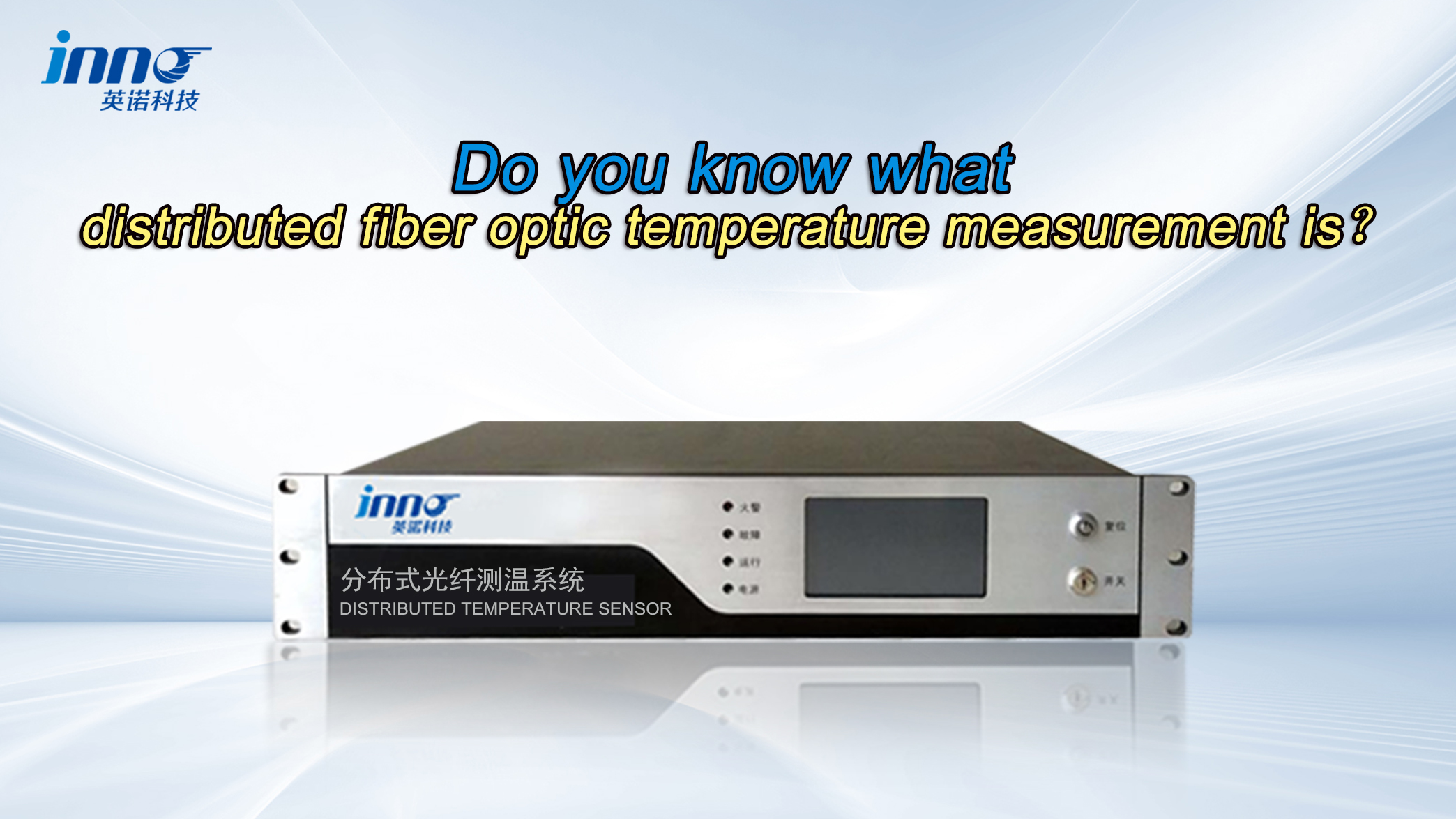
Thanh cái phân phối là một dây dẫn kim loại được thiết kế để thu năng lượng điện từ nhiều nguồn và phân phối đến các tải khác nhau trong hệ thống điện. Những dây dẫn chắc chắn này thường bao gồm các thanh đồng hoặc nhôm cung cấp đường dẫn có điện trở thấp cho dòng điện, đảm bảo truyền tải điện hiệu quả khắp các cơ sở công nghiệp, tòa nhà thương mại, và trạm biến áp điện.
Thanh cái phân phối được thiết kế để xử lý mức dòng điện cao trong khi vẫn duy trì độ dẫn điện tuyệt vời và độ ổn định cơ học. Chúng đóng vai trò là hệ thống thần kinh trung ương của mạng lưới phân phối điện, kết nối máy biến áp, thiết bị chuyển mạch, và các trung tâm phụ tải được sắp xếp có hệ thống nhằm tối ưu hóa dòng điện và độ tin cậy của hệ thống. Thiết kế kết hợp cách nhiệt thích hợp, kết cấu hỗ trợ, and connection points to ensure safe operation under various load conditions.
Một là gì Power Distribution Bus?
A power distribution bus represents a comprehensive electrical conductor system that facilitates the transfer of electrical energy from generation sources to end-use equipment. This system encompasses not only the physical conductors but also the associated hardware, Cách nhiệt, and protection devices necessary for safe and reliable power transmission across electrical networks.
Power distribution buses are characterized by their ability to carry substantial electrical loads while providing multiple connection points for branch circuits and equipment. They incorporate advanced engineering principles to minimize power losses, reduce electromagnetic interference, and ensure compliance with electrical safety standards. The system design considers factors such as fault current capacity, quản lý nhiệt, and environmental protection to deliver consistent performance throughout the operational lifecycle.
Electrical Busbar Nguyên tắc cơ bản
Electrical busbars represent the foundation of modern power distribution systems, consisting of solid metal conductors that carry electrical current between different components of an electrical installation. These conductors are manufactured from high-conductivity materials such as copper or aluminum, shaped into flat bars, tubes, or specially designed profiles that optimize current-carrying capacity while minimizing space requirements.
The fundamental principle behind electrical busbars lies in their ability to provide a common electrical connection point for multiple circuits while maintaining low electrical resistance. This design approach eliminates the need for complex cable routing and reduces the number of individual conductors required in electrical installations. Busbars incorporate sophisticated insulation systems and mechanical support structures that ensure safe operation under normal and fault conditions, making them indispensable components in power distribution networks.
Một là gì Bus Bar in a Power System?
Trong hệ thống điện, a bus bar functions as a common connection point where multiple electrical circuits converge, allowing for efficient power distribution and system control. These conductors serve as junction points in electrical networks, enabling the interconnection of generators, Transformers, đường dây truyền tải, and protective equipment in a coordinated manner that ensures reliable power supply to end users.
Bus bars in power systems are designed to withstand significant electrical stresses, including high current levels, voltage transients, và điều kiện lỗi. They incorporate advanced engineering features such as corona shields, thiết bị chống sét, and gas-insulated enclosures to maintain electrical integrity under challenging operating conditions. The strategic placement and configuration of bus bars within power systems enable operators to control power flows, isolate equipment for maintenance, and maintain system stability during various operating scenarios.
What is a Busbar Used For in Electrical Applications
Busbars serve multiple critical functions in electrical applications, primarily acting as efficient current distributors that connect power sources to various loads throughout electrical installations. They provide a centralized connection point for multiple circuits, eliminating the need for numerous individual cable connections and simplifying electrical system design and maintenance procedures.
Beyond basic current distribution, busbars are used for equipment grounding, kết nối trung tính, and system protection coordination. They facilitate the implementation of protective schemes by providing stable reference points for current and voltage measurements. Trong các ứng dụng công nghiệp, busbars enable flexible power distribution arrangements that can be easily modified or expanded as operational requirements change, making them essential components for adaptive electrical infrastructure.
cái gì là Difference Between a Busway and a Busbar?
The distinction between busway and busbar lies primarily in their construction and application scope. A busbar refers to the individual conductor elements that carry electrical current, while a busway represents a complete enclosed system that includes busbars, Cách nhiệt, protective housing, and connection hardware integrated into a prefabricated assembly designed for specific installation requirements.
Busways offer advantages in terms of installation speed, system flexibility, and maintenance accessibility compared to traditional busbar installations. They incorporate standardized connection methods, integrated protection features, and modular designs that enable rapid deployment and easy reconfiguration. While busbars require custom engineering and field assembly, busways provide plug-and-play functionality that reduces installation time and minimizes field construction requirements, making them particularly suitable for commercial and industrial applications.
Electrical Busbar System Components and Design
Electrical busbar systems comprise several interconnected components that work together to ensure safe and efficient power distribution. The primary elements include the conductor bars themselves, vật liệu cách nhiệt, kết cấu hỗ trợ, connection hardware, and protective enclosures. Each component is engineered to meet specific electrical, cơ khí, and environmental requirements that collectively determine system performance and reliability.
System design considerations encompass current-carrying capacity, short-circuit withstand capability, quản lý nhiệt, và khả năng tương thích điện từ. Engineers must carefully analyze load requirements, điều kiện lỗi, and environmental factors to select appropriate conductor sizes, insulation levels, and protection schemes. The integration of these components requires precise mechanical tolerances and electrical coordination to ensure optimal system performance throughout the operational lifecycle.
Bus Bar in Electrical Panel Ứng dụng
Bus bars in electrical panels serve as the primary current distribution mechanism, connecting incoming power feeds to individual circuit breakers and protective devices. These conductors are typically arranged in a systematic pattern that optimizes space utilization while providing safe access for maintenance and operation. Panel busbars must accommodate various circuit breaker types and ratings while maintaining proper electrical clearances and mechanical support.
The design of panel busbars incorporates standardized mounting systems that enable the installation of circuit breakers, Mét, and control devices without compromising electrical integrity. Modern panel busbar systems feature enhanced safety characteristics such as insulated barriers, touch-safe designs, and arc-resistant construction that protect personnel and equipment from electrical hazards. These features are particularly important in commercial and industrial applications where qualified personnel regularly interact with electrical distribution equipment.
Busbar Connection Methods
Busbar connections employ various techniques depending on application requirements and system specifications. Bolted connections represent the most common method, utilizing high-strength fasteners and specially designed connection hardware to ensure reliable electrical contact and mechanical stability. These connections require proper torque application and regular maintenance to prevent loosening and ensure optimal performance.
Welded connections provide permanent joints that offer excellent electrical conductivity and mechanical strength, particularly suitable for high-current applications and environments subject to vibration or thermal cycling. Compression connections utilize specialized hardware to create gas-tight joints that resist corrosion and maintain low contact resistance over extended periods. Each connection method requires specific installation procedures and quality control measures to ensure long-term reliability.
Là gì Busbar in Substation Operations?
Substation busbars form the central hub of electrical switching and distribution operations, connecting incoming transmission lines, Transformers, and outgoing feeders in configurations that enable flexible power routing and system control. These busbars must withstand extreme electrical stresses, including lightning strikes, chuyển mạch đột biến, and fault currents that can reach hundreds of thousands of amperes.
Substation busbar designs incorporate sophisticated insulation systems, often utilizing air, khí đốt, or solid insulation depending on voltage levels and environmental conditions. The physical arrangement of substation busbars follows standardized configurations such as single bus, double bus, or ring bus schemes that provide varying levels of reliability and operational flexibility. These configurations enable maintenance activities while maintaining power supply continuity and provide redundancy during equipment failures.
Substation Busbar Protection Systems
Protection systems for substation busbars utilize advanced relay technology to detect and isolate faults within milliseconds, preventing damage to equipment and maintaining system stability. These systems employ differential protection principles that compare currents entering and leaving the busbar zone, triggering protective actions when imbalances indicate fault conditions.
Modern busbar protection schemes incorporate digital technology that provides enhanced sensitivity, tính chọn lọc, and reliability compared to traditional electromechanical systems. They feature communication capabilities that enable coordination with other protection devices and provide detailed fault analysis information for system operators. The integration of busbar protection with substation automation systems enables remote monitoring and control capabilities that enhance operational efficiency and safety.
Busbar Monitoring and Condition Assessment
Modern busbar monitoring systems employ sophisticated sensor technology to continuously assess the electrical, nhiệt, and mechanical condition of busbar installations. Các hệ thống này sử dụng Cảm biến nhiệt độ phân tán, giám sát phóng điện cục bộ, and vibration analysis to detect developing problems before they result in equipment failure or service interruption.
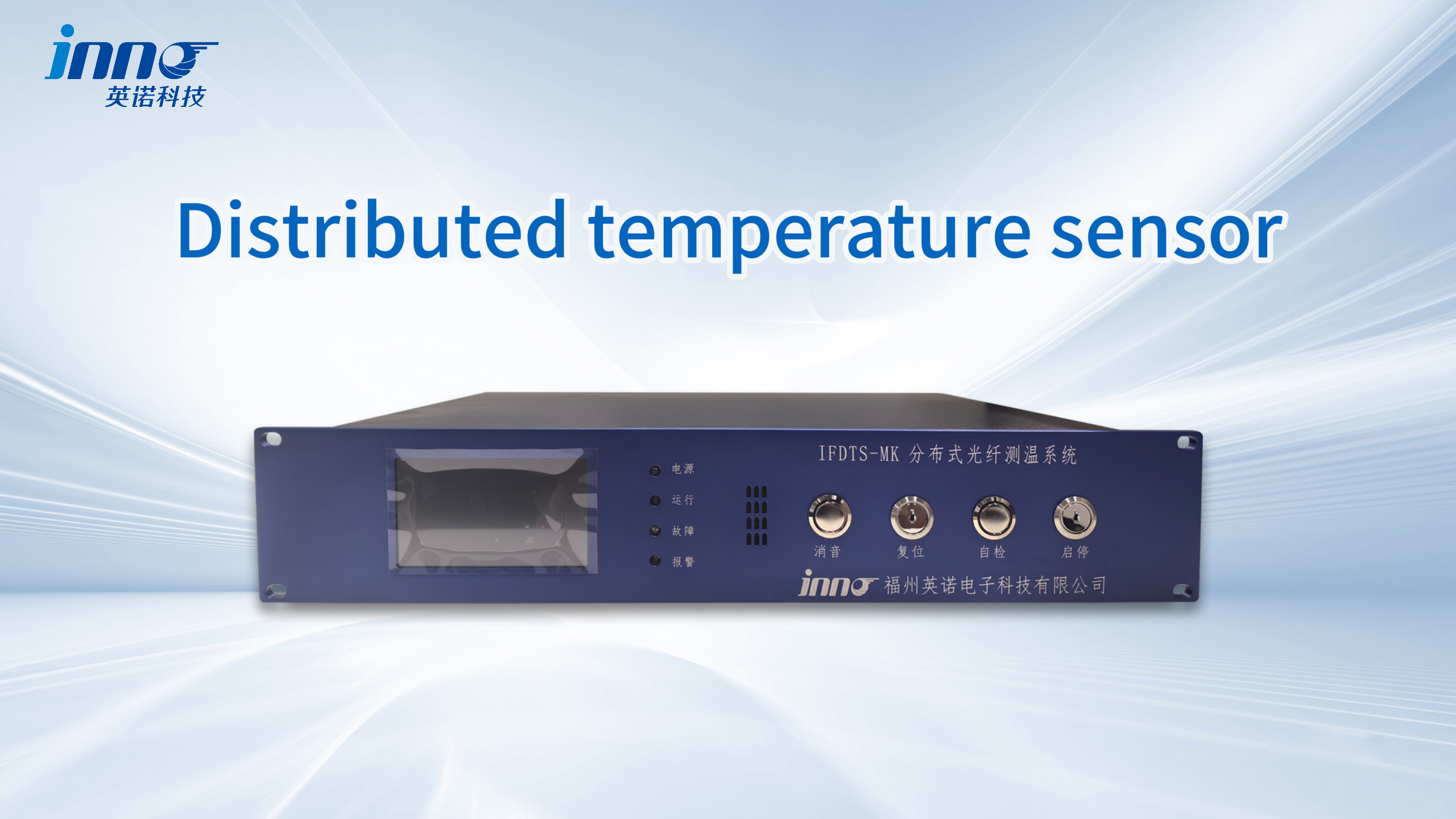
Temperature monitoring represents a critical aspect of busbar condition assessment, as excessive heating often indicates connection problems, quá tải, hoặc sự hư hỏng cách điện. Advanced monitoring systems employ fiber optic sensors, camera hồng ngoại, and wireless temperature sensors to provide real-time thermal mapping of busbar installations. This information enables maintenance teams to identify and address problems during planned outages, minimizing the risk of unexpected failures.
Giám sát thông số điện
Electrical parameter monitoring for busbars encompasses current measurement, giám sát điện áp, and power quality assessment to ensure optimal system performance. These monitoring systems utilize high-accuracy sensors and data acquisition equipment to track electrical parameters continuously, providing operators with detailed information about system loading and performance trends.
Advanced monitoring systems incorporate harmonic analysis capabilities that identify power quality issues that could affect busbar performance and connected equipment. They provide predictive maintenance insights by analyzing parameter trends and comparing current conditions with historical data. Integration with facility management systems enables automated reporting and alarm generation that helps maintenance teams prioritize activities and optimize resource allocation.
Maintenance and Safety Cân nhắc
Busbar maintenance requires specialized procedures and safety protocols to ensure personnel protection and equipment integrity. Maintenance activities typically include visual inspections, thermal scanning, connection resistance measurements, và thử nghiệm cách điện. These procedures must be performed by qualified personnel using appropriate safety equipment and following established lockout/tagout procedures.
Safety considerations for busbar maintenance encompass arc flash protection, electrical shock prevention, and proper use of personal protective equipment. Modern maintenance practices emphasize the use of remote monitoring technologies and energized equipment testing methods that minimize personnel exposure to electrical hazards. Regular training and certification programs ensure that maintenance personnel remain current with evolving safety standards and best practices.
Chương trình bảo trì phòng ngừa
Effective preventive maintenance programs for busbars combine scheduled inspections, giám sát dự đoán, and condition-based maintenance strategies to optimize equipment reliability and lifecycle costs. These programs utilize historical performance data, khuyến nghị của nhà sản xuất, and industry best practices to establish maintenance intervals and procedures that prevent failures while minimizing operational disruptions.
Preventive maintenance activities include connection torque verification, kiểm tra điện trở cách điện, and thermal imaging surveys that identify potential problems before they develop into failures. Documentation of maintenance activities and trending of condition assessment data enable continuous improvement of maintenance programs and help identify recurring issues that may require design modifications or operational changes.
Chuyên nghiệp Busbar Solutions and Consulting Services
Implementing effective busbar systems requires expertise in electrical engineering, thiết kế hệ thống, and installation practices. Our team of experienced professionals provides comprehensive busbar solutions that encompass design consultation, lựa chọn sản phẩm, hỗ trợ cài đặt, và các dịch vụ bảo trì liên tục. We understand the critical role that busbar systems play in electrical infrastructure and work closely with clients to develop solutions that meet their specific requirements.
Whether you need assistance with busbar system design, monitoring implementation, or maintenance optimization, our technical experts are ready to help. We offer specialized knowledge in various industries and applications, ensuring that your busbar installation delivers optimal performance, sự an toàn, và độ tin cậy. Contact our team today to discuss your busbar requirements and learn how our solutions can enhance your electrical distribution system’s performance and longevity.

Cảm biến nhiệt độ sợi quang, Hệ thống giám sát thông minh, Nhà sản xuất cáp quang phân phối tại Trung Quốc
 |
 |
 |