 Światłowodowe czujniki temperatury INNO ,systemy monitorowania temperatury.
Transformatory mocy to krytyczne aktywa w infrastrukturze elektroenergetycznej Zjednoczonych Emiratów Arabskich, działanie w jednym z najtrudniejszych środowisk na świecie, w którym temperatury stale przekraczają 50°C w miesiącach letnich. Kompleksowe rozwiązania monitorujące skupiające się na temperaturze, poziom oleju, stan izolacji, wyładowanie niezupełne, i analiza rozpuszczonego gazu (DGA) może zmniejszyć awaryjność transformatora nawet o 75% jednocześnie wydłużając żywotność aktywów o 15-20 lata. Ze strategią energetyczną Zjednoczonych Emiratów Arabskich 2050 kierowanie na A 70% zmniejszenie śladu węglowego i $190 miliard inwestycje w energię odnawialną, Niezawodna praca transformatora stała się najważniejsza dla stabilności sieci w obliczu rosnącego zapotrzebowania i integracji nieciągłych źródeł odnawialnych.
Spis treści
- Wyjątkowe wyzwania w zakresie monitorowania transformatorów w Zjednoczonych Emiratach Arabskich
- Krytyczne parametry monitorowania transformatorów ZEA
- Zaawansowane monitorowanie temperatury za pomocą fluorescencyjnego światłowodu
- Systemy monitorowania poziomu i jakości oleju
- Rozwiązania do monitorowania stanu izolacji
- Wykrywanie wyładowań częściowych w warunkach pustynnych
- Analiza rozpuszczonego gazu w celu wczesnego wykrywania usterek
- Zintegrowane podejścia do monitorowania dla przedsiębiorstw użyteczności publicznej ZEA
- Fjinno: Dostosowane rozwiązania do monitorowania transformatorów dla Zjednoczonych Emiratów Arabskich
- Często zadawane pytania
Wyjątkowe wyzwania w zakresie monitorowania transformatorów w Zjednoczonych Emiratach Arabskich
Zjednoczone Emiraty Arabskie przedstawiają charakterystyczny zestaw wyzwań dla obsługa i monitorowanie transformatora mocy, wymagające specjalistycznego podejścia, które uwzględnia ekstremalne warunki panujące w regionie:
Wyzwania środowiskowe
- Ekstremalne upały: Temperatury otoczenia regularnie przekraczają 50°C w miesiącach letnich, przy powierzchniach transformatorów osiągających temperaturę 70-80°C
- Szybkie wahania temperatury: Day-night temperature differences of up to 25°C causing thermal cycling stress
- Sandstorms and Airborne Particulates: High levels of dust and sand affecting cooling systems and external monitoring equipment
- Coastal Salt Contamination: Corrosive salt-laden air affecting outdoor installations in Abu Dhabi, Dubai, and Sharjah coastal areas
- Wysoka wilgotność: Coastal regions experiencing humidity levels above 90% during certain periods, particularly in early morning hours
Wyzwania operacyjne
- Peak Load Variations: Extreme cooling demands during summer months creating significant load fluctuations
- Critical Infrastructure Dependency: Transformers serving desalination plants, centra danych, and oil/gas facilities where downtime is exceptionally costly
- Remote Locations: Many transformers located in isolated areas with limited accessibility for regular inspection
- Grid Expansion: Rapid infrastructure growth requiring reliable operation of both new and aging transformer assets
- Integracja Odnawialna: Increasing solar capacity creating new operational patterns and monitoring requirements
Strategic Importance
Transformer reliability in the UAE extends beyond routine utility operations to support national priorities:
- Economic Diversification: Reliable power underpinning efforts to develop manufacturing, tourism, and technology sectors
- Energy Transition: Support for UAE Energy Strategy 2050 goals including clean energy targets
- Smart City Initiatives: Critical infrastructure for Dubai Smart City, Masdar City, and similar developments
- National Security: Protection of critical power infrastructure serving strategic facilities
Regional Impact Example: During the summer of 2022, a major transformer failure at a primary substation in Abu Dhabi affected cooling systems at a critical data center, skutkujące szacunkowymi stratami ekonomicznymi przekraczającymi AED 12 milion. Analiza po zdarzeniu wykazała, że wczesne sygnały ostrzegawcze były obecne, ale niewykryte ze względu na niewystarczające możliwości monitorowania. Incydent ten przyspieszył wdrożenie kompleksowego rozwiązania przez TRANSCO monitorowanie transformatora systemów w całej swojej sieci.
Krytyczne parametry monitorowania transformatorów ZEA
Skuteczny monitorowanie transformatora w warunkach ZEA wymaga zwrócenia uwagi na kilka krytycznych parametrów, każdy z nich zapewnia wgląd w różne aspekty stanu i wydajności transformatora:
1. Monitorowanie temperatury
Temperatura jest prawdopodobnie najważniejszym parametrem do monitorowania w ekstremalnym klimacie Zjednoczonych Emiratów Arabskich, ponieważ ma to bezpośredni wpływ żywotność transformatora i wydajność:
- Krytyczne punkty pomiarowe:
- Temperatury uzwojenia (temperatura najgorętszego miejsca jest najbardziej krytyczna)
- Temperatury oleju (górny olej, dolny olej, i wlot/wylot chłodnicy)
- Temperatura rdzenia
- Temperatura przełącznika zaczepów
- Temperatura otoczenia do porównań referencyjnych
- Znaczenie w kontekście Zjednoczonych Emiratów Arabskich:
- Każde zwiększenie o 6-8°C powyżej wartości znamionowej Transformator połówek temperatury żywotność izolacji
- Ekstremalne warunki otoczenia zmniejszają zapas ciepła w przypadku wahań obciążenia
- Różnice temperatur wskazują na układ chłodzenia efektywność
- Wzorce termiczne mogą ujawnić rozwijające się usterki, zanim inne parametry wykażą zmiany
2. Monitorowanie poziomu i stanu oleju
Olej spełnia wiele krytycznych funkcji w transformatorach pracujących w warunkach Zjednoczonych Emiratów Arabskich:
- Kluczowe pomiary:
- Poziom oleju w zbiorniku głównym i konserwatorze
- Zawartość wilgoci w oleju
- Ciśnienie oleju (za wymuszone systemy olejowe)
- Natężenia przepływu oleju poprzez obiegi chłodzące
- Kolor i krycie oleju
- Znaczenie regionalne:
- Wysoka atmosfera temperatury przyspieszają migrację wilgoci pomiędzy papierem i olejem
- Cykle termiczne zwiększają ryzyko wnikania wilgoci przez odpowietrzniki i uszczelki
- Zawartość wody tak niska, jak 20 ppm może znacznie zmniejszyć wytrzymałość dielektryczną w warunkach wysokiej temperatury
3. Ocena stanu izolacji
W Zjednoczonych Emiratach Arabskich degradacja izolacji ulega przyspieszeniu:
- Kluczowe parametry:
- Współczynnik mocy/współczynnik rozproszenia (tan δ)
- Wskaźnik polaryzacji
- Związki furanu w oleju (wskaźnik degradacji papieru)
- Stopień polimeryzacji (poprzez pomiary pośrednie)
- Względy regionalne:
- Szybkość degradacji izolacji papierowej w przybliżeniu podwaja się przy każdym wzroście o 8-10°C
- Typowe transformatory w Abu Zabi 1.7-2.3 razy szybsze starzenie się niż identyczne jednostki w klimacie umiarkowanym
- Dynamika wilgoci jest bardziej złożona ze względu na ekstremalne cykle termiczne
4. Monitorowanie wyładowań częściowych
Częściowe rozładowanie (PD) działanie zapewnia wczesne ostrzeganie o rozwijających się problemach z izolacją:
- Podejścia pomiarowe:
- Czujniki UHF do elektromagnetycznej detekcji wyładowań niezupełnych
- Czujniki akustyczne do wykrywania mechanicznego
- Przekładniki prądowe wysokiej częstotliwości (HFCT)
- Rozpuszczony gaz analiza (Poziom H₂ i acetylenu)
- Wyzwania specyficzne dla Zjednoczonych Emiratów Arabskich:
- Wysoka temperatura otoczenia zwiększa ryzyko wystąpienia wyładowań niezupełnych
- Wilgotność przybrzeżna wpływa na wydajność izolacji zewnętrznej
- Warunki burzy piaskowej mogą wprowadzić do pomiarów szum zewnętrzny
- Wysokie zapotrzebowanie na energię elektryczną zwiększa prawdopodobieństwo wystąpienia stanów nieustalonych, które mogą wywołać wyładowania niezupełne
5. Analiza rozpuszczonego gazu (DGA)
DGA zapewnia krytyczny wgląd w powstawanie usterek wewnątrz transformatora:
- Monitorowane kluczowe gazy:
- Wodór (H₂) – ogólny wskaźnik awarii
- Metan (CH₄), etan (C₂H₆) – wady termiczne
- Etylen (C₂H₄) – wysokotemperaturowe usterki termiczne
- Acetylen (C₂H₂) – łukowe
- Tlenek węgla (WSPÓŁ), dwutlenek węgla (CO₂) – degradacja papieru
- Znaczenie regionalne:
- Wskaźniki wytwarzania gazu są znacznie wyższe w podwyższonych temperaturach roboczych w Zjednoczonych Emiratach Arabskich
- Wartości bazowe często różnią się od norm międzynarodowych ze względu na warunki otoczenia
- Analiza szybkości zmian jest szczególnie cenna w wysokich temperaturach otoczenia
Według badań wydajności transformatorów DEWA, monitorowanie systemy, które integrują co najmniej cztery z pięciu kluczowych parametrów zademonstrowali 92% powodzenia w identyfikowaniu rozwijających się usterek, zanim przejdą one do awarii, w porównaniu tylko 43% dla systemów monitorujących mniejszą liczbę parametrów. Monitorowanie temperatury sam zapewnił wczesne ostrzeżenie 67% początkowych przypadków usterek.
Zaawansowane monitorowanie temperatury za pomocą fluorescencyjnego światłowodu
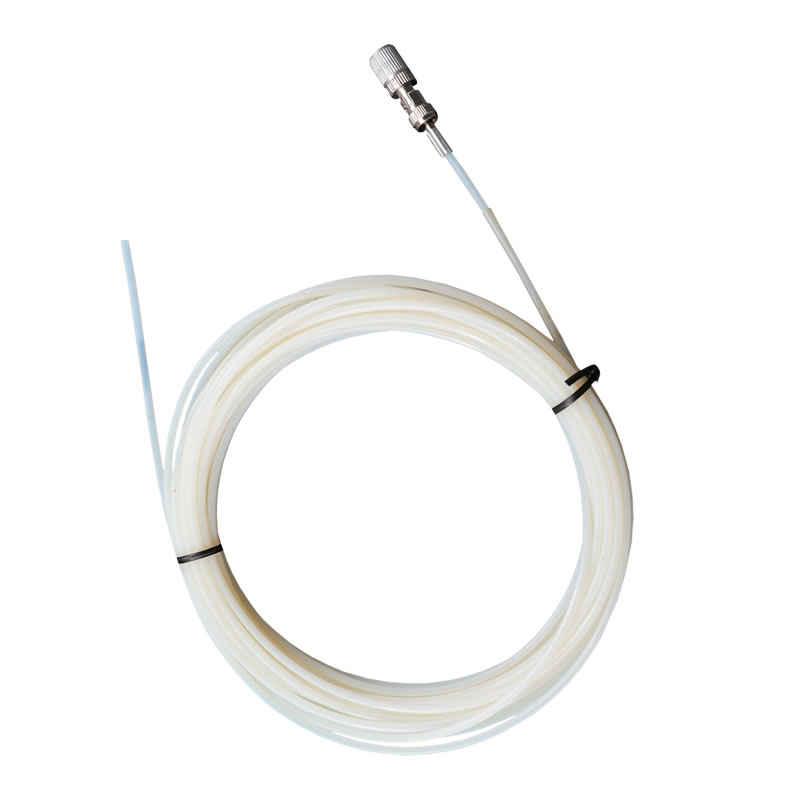
Wśród wszystkich technologii monitorowania wdrożonych w zastosowaniach transformatorowych w Zjednoczonych Emiratach Arabskich, fluorescencyjny, światłowodowy czujnik temperatury wyróżnia się jako najbardziej niezawodne i skuteczne rozwiązanie w ekstremalnych warunkach regionu.
Ograniczenia konwencjonalnego monitorowania temperatury
- Rezystancyjne czujniki temperatury (BRT):
- Wrażliwy na zakłócenia elektromagnetyczne środowiskach wysokiego napięcia
- Wymagają izolacji elektrycznej i złożonego okablowania
- Ograniczone możliwości rozmieszczenia ze względu na wymagania dotyczące izolacji elektrycznej
- Każdy czujnik monitoruje tylko jeden punkt
- Termopary:
- Z zastrzeżeniem dryfowania surowe środowiska
- Elementy przewodzące stwarzają potencjalne problemy związane z bezpieczeństwem
- Ograniczona żywotność w zastosowaniach wysokotemperaturowych
- Wyzwania związane z kompensacją złącza referencyjnego w zmiennych warunkach otoczenia
- Obrazowanie termowizyjne:
- Rejestruje tylko temperatury zewnętrzne
- Nie mogę monitoruj krytyczne wewnętrzne punkty aktywne
- Pod wpływem pyłu i burzy piaskowej
- Zapewnia okresowe, a nie ciągłe monitorowanie
Zasady pomiaru temperatury za pomocą fluorescencyjnego światłowodu
Fluorescencyjny technologia wykrywania światłowodowego oferuje zasadniczo odmienne podejście do monitorowania temperatury:
- Zasada działania: W zależności od temperatury zanik fluorescencji czas materiałów fosforyzujących
- Proces pomiarowy:
- PROWADZONY impuls świetlny wzbudza fosforyzujący materiał na czujniku wskazówka
- Materiał emituje światło fluorescencyjne, którego czas zaniku jest wprost proporcjonalny do temperatury
- Dokładny pomiar czasu zaniku zapewnia dokładną temperaturę czytanie
- Na jednym włóknie można multipleksować wiele czujników
- Kluczowe zalety:
- Całkowicie odporny na zakłócenia elektromagnetyczne
- Brak elementów elektrycznych w punktach detekcyjnych (iskrobezpieczne)
- Bezpośredni pomiar wewnętrzny w krytycznych miejscach
- Można podłączyć nadajnik 1-64 światłowody
- Brak dryfu kalibracji w czasie
Zastosowanie w monitorowaniu transformatorów w Zjednoczonych Emiratach Arabskich
Unikalne właściwości fluorescencyjne technologia światłowodowa sprawiają, że idealnie nadaje się do zastosowań transformatorowych w Zjednoczonych Emiratach Arabskich:
- Nawijanie bezpośrednie Pomiar temperatury:
- Czujniki osadzone bezpośrednio w uzwojeniach transformatora podczas produkcji
- Podaje rzeczywistą temperaturę hotspotu, a nie obliczone szacunki
- Wiele czujników umieszczonych w krytycznych miejscach każdego uzwojenia
- Brak wpływu na integralność izolacji
- Modernizacja istniejących transformatorów:
- Instalacja w studniach temperaturowych wypełnionych olejem
- Umieszczenie na ścianach transformatorów w strategicznych lokalizacjach
- Integracja z już istniejącymi systemy monitorowania temperatury
- Minimalny czas przestoju wymagany do instalacji
- Specjalistyczne aplikacje w Zjednoczonych Emiratach Arabskich:
- Rozszerzony zakres temperatur obejmujący ekstremalne warunki (-40°C do +250°C)
- Wielostrefowy profilowanie temperatury w dużych transformatorach
- Korelacja z warunkami obciążenia i temperaturą otoczenia
- Integracja z chłodzeniem kontrola systemu dla zoptymalizowanego działania
Porównanie wydajności
| Kryteria wydajności | Fluorescencyjny światłowód | BRT | Termopary | Obrazowanie termowizyjne |
|---|---|---|---|---|
| Zakres temperatur | -40°C do +250°C | -200°C do +850°C | -180°C do +1350°C | -20°C do +500°C |
| Dokładność | ±0,5°C | ±1,0°C | ±1,5°C | ±2,0°C lub więcej |
| Odporność EMI | Kompletny | Słaby | Słaby | Umiarkowany |
| Wewnętrzny pomiar hotspotu | Pomiar bezpośredni | Ograniczone miejsce docelowe | Ograniczone miejsce docelowe | Tylko zewnętrzne |
| Wiele punktów wykrywania | Można podłączyć nadajnik 1-32 światłowody | Jeden na czujnik | Jeden na czujnik | Tylko widok powierzchni |
| Długowieczność w warunkach Zjednoczonych Emiratów Arabskich | 15+ lata | 5-8 lata | 3-5 lata | 7-10 lata (sprzęt) |
| Wymagania dotyczące ponownej kalibracji | Nic | Rocznie | Każdy 6 miesiące | Rocznie |
| Performance in Dust/Sandstorms | Nieporuszony | Nieporuszony | Nieporuszony | Significantly degraded |
Regional Implementation Example: ADWEA (Urząd ds. Wody i Elektryczności w Abu Zabi) implemented fluorescencyjne monitorowanie temperatury światłowodu NA 23 critical transformers at primary substations in 2021. Ten system detected a developing hotspot in a 400/132kV transformer after only four months of operation, revealing a cooling obstruction that was not identified during routine maintenance. Early intervention prevented an estimated AED 8-10 million in potential damage and avoided a projected 72-hour outage affecting a major industrial area.
Systemy monitorowania poziomu i jakości oleju
Transformer oil monitoring forms a critical component of comprehensive transformer health assessment in UAE conditions, where oil degradation is accelerated by extreme temperatures.
Critical Oil Parameters for UAE Applications
- Monitorowanie poziomu oleju:
- Continuous monitoring in main tank and conservator
- Dynamic level change detection during thermal cycling
- Korelacja z temperature for leak detection
- Alarm thresholds adapted to local operating conditions
- Zawartość wilgoci:
- Online moisture sensors with temperature compensation
- Water activity (relative saturation) pomiar
- UAE-specific alarm thresholds accounting for temperature extremes
- Trend analysis for moisture ingress detection
- Oil Quality Parameters:
- Dielectric strength monitoring
- Kwasowość (neutralization number) śledzenie
- Interfacial tension measurement
- Color and opacity monitoring
Zaawansowane technologie monitorowania
Several specialized technologies are particularly effective for UAE applications:
- Optical Oil Quality Sensors:
- Spectroscopic analysis of oil condition
- Multiple parameter measurement from a single sensor
- Low maintenance requirements in harsh environments
- Capacitive Moisture Sensors:
- Thin-film polymer sensors with temperature compensation
- Fast response to changing moisture conditions
- Suitable for high-temperature applications
- Direct integration with systemy monitorowania
- Intelligent Float Systems:
- Advanced magnetic tracking of poziom oleju
- Temperature-compensated measurements
- High reliability in extreme conditions
- Digital output for integration with SCADA
TRANSCO data indicates that transformer failures related to oil quality issues in UAE conditions occur 2.8 czasy more frequently than in moderate climates, with moisture-related failures being particularly prominent. Continuous oil monitoring has reduced these incidents by 63% when implemented as part of a comprehensive monitoring strategy.
Rozwiązania do monitorowania stanu izolacji
Insulation degradation represents one of the most significant aging mechanisms for transformers operating in UAE’s extreme climate. Skuteczny monitoring of insulation condition is essential for asset management i niezawodność.
Critical Insulation Parameters
- Dielectric Response Monitoring:
- Frequency Domain Spectroscopy (FDS) pomiary
- Współczynnik mocy/współczynnik rozproszenia (tan δ) trendy
- Temperature-corrected comparisons to baseline values
- Polarization/depolarization current analysis
- Chemical Indicators:
- Furan compound analysis (2-furfural and related compounds)
- Methanol and ethanol monitoring for early paper degradation
- CO/CO₂ ratio tracking for cellulose breakdown assessment
- Stopień polimeryzacji (DP) estimation from chemical markers
- Moisture Assessment:
- Karl Fischer titration for laboratory verification
- Dielectric response for average moisture estimation
- Moisture equilibrium charts adapted for UAE temperature profiles
- Moisture migration modeling during thermal cycling
Online Monitoring Approaches
Several technologies enable continuous assessment of insulation condition:
- Online Tan Delta Monitoring:
- Continuous monitoring of capacitive bushing taps
- Temperature-compensated trend analysis
- Detection of developing insulation issues
- Non-intrusive implementation requiring no outage
- Polarization Current Analysis:
- Scheduled online tests during low-load periods
- Moisture content estimation through dielectric response
- Zintegrowany z monitorowanie temperatury for accurate interpretation
- Trending of results over time to detect degradation
- Chemical Sensors:
- Online furan monitoring through selective membranes
- Correlation with DGA results for comprehensive assessment
- Integracja z oil quality monitoring systems
- UAE-specific alarm thresholds accounting for accelerated aging
Wykrywanie wyładowań częściowych w warunkach pustynnych
Częściowe rozładowanie (PD) monitoring provides early warning of developing insulation defects, critical in UAE transformers where high temperatures accelerate insulation deterioration.
PD Monitoring Technologies for UAE Applications
- Czujniki UHF:
- Detection of electromagnetic emissions from discharge activity
- Installation in transformer oil drain valves or dedicated sensors
- Effective filtering of external noise common in UAE substations
- Pattern recognition to identify discharge types and locations
- Czujniki emisji akustycznej:
- Specialized sensors zamontowany na transformatorze czołgi
- Triangulation capabilities for discharge localization
- Temperature-compensated sensitivity adjustments
- Integracja z monitorowanie wibracji for comprehensive analysis
- Czujniki HFCT:
- Installation on transformer neutral or bushing connections
- Non-intrusive monitoring without service interruption
- Frequency-selective measurements to minimize interference
- Correlation with load and temperature conditions
UAE-Specific PD Challenges
Monitorowanie wyładowań niezupełnych in UAE conditions presents unique challenges:
- External Noise Sources:
- Corona discharge from transmission lines during dust storms
- Interference from solar inverters in rapidly expanding PV installations
- Transients from frequent cooling system cycling
- Nearby gas turbine systemy elektryczne in combined cycle plants
- Czynniki środowiskowe:
- Wysoka atmosfera temperatures affecting sensor wydajność
- Dust accumulation on external wymagające czujników specialized protection
- Thermal cycling causing sensor attachment challenges
- Humidity variation between coastal and inland areas
Zaawansowane rozpoznawanie wzorców
Modern PD monitoring systems utilize sophisticated analysis techniki:
- Analiza fazowo-rozdzielcza wyładowań niezupełnych: Correlation of discharge patterns with AC cycle phase
- Pulse Sequence Analysis: Evaluation of timing between successive discharge events
- Korelacja wieloparametrowa: Integration with temperature, obciążenie, and oil data
- AI-Based Pattern Recognition: Machine learning algorithms trained on UAE-specific fault signatures
Regional Implementation Example: Dubai Electricity and Water Authority implemented an integrated UHF/acoustic PD monitoring system on GSU transformers at a major generation station in 2021. The system successfully detected developing insulation degradation in a bushing connection during Ramadan, when load patterns shifted significantly due to changed consumption patterns. Early intervention prevented potential failure during the critical summer peak demand period.
Analiza rozpuszczonego gazu w celu wczesnego wykrywania usterek
Analiza rozpuszczonego gazu (DGA) remains the gold standard for internal transformer fault detection, providing insight into developing issues before they progress to failure. UAE’s harsh conditions necessitate specialized approaches to DGA implementation and interpretation.
Technologie monitorowania DGA
- Multi-Gas Online Monitors:
- Continuous monitoring of key fault gases (H₂, CH₄, C₂H₂, C₂H₄, C₂H₆, WSPÓŁ, CO₂)
- Photo-acoustic spectroscopy or gas chromatography technology
- Temperature-controlled sampling systems for accuracy in extreme conditions
- Direct integration with monitoring platforms via digital interfaces
- Single-Gas Hydrogen Monitors:
- Focus on hydrogen as primary fault indicator
- Lower cost alternative for less aplikacje krytyczne
- Fuel cell or palladium electrode technology
- High sensitivity to developing electrical faults
- Portable DGA Equipment:
- Field testing capabilities for remote locations
- Rapid results for emergency assessment
- Ruggedized design for UAE field conditions
- Bluetooth/WiFi connectivity for immediate data transmission
UAE-Specific Interpretation Challenges
Standard DGA interpretation requires adaptation for UAE operating conditions:
- Elevated Baseline Values:
- Higher normal gas levels due to accelerated aging in extreme temperatures
- Need for UAE-specific normal values rather than international standards
- Importance of establishing transformer-specific baselines
- Rate-of-Change Analysis:
- Critical importance of gas generation rate trends rather than absolute values
- Seasonal adjustment factors for summer vs. winter interpretation
- Correlation with loading and temperature patterns
- Modified Diagnostic Methods:
- Adaptations of standard methods (Trójkąt Duvala, współczynnik Rogersa, itd.)
- Additional ratio considerations for high-temperature operation
- Integration with loading history for accurate assessment
Key Gas Ratios for UAE Applications
| Gas Ratio | Standard Interpretation | UAE Adjustment Factors | Znaczenie |
|---|---|---|---|
| CH₄/H₂ | < 0.1 (Corona/PD) > 1.0 (Termiczny) |
Multiply threshold by 1.3-1.5 in summer | Distinguishes between electrical and thermal faults |
| C₂H₂/C₂H₄ | < 0.1 (Termiczny) > 0.1 (Łuk) |
Minimal adjustment needed | Indicator of high-energy electrical discharge |
| C₂H₄/C₂H₆ | < 1.0 (< 150°C) > 3.0 (> 300°C) |
Higher baseline needed in summer (+20%) | Temperature range of thermal faults |
| CO₂/CO | > 3.0 (Normal aging) < 3.0 (Nieprawidłowy) |
UAE normal range: 5-11 (higher due to accelerated aging) | Paper insulation involvement |
According to a joint study by DEWA and Masdar Institute, online DGA monitoring with UAE-specific interpretation algorithms has demonstrated 94% accuracy in fault type identification, w porównaniu do 76% when using standard international interpretation methods. Badanie wykazało również, że analiza szybkości zmian była 3.2 czasy bardziej skuteczna niż ocena wartości bezwzględnej w warunkach operacyjnych Zjednoczonych Emiratów Arabskich.
Zintegrowane podejścia do monitorowania dla przedsiębiorstw użyteczności publicznej ZEA
Choć indywidualny technologie monitorowania dostarczyć cennych spostrzeżeń, największą wartość zapewniają zintegrowane systemy, które korelują dane dotyczące wielu parametrów i zapewniają kompleksową ocenę stanu transformatora.
Zintegrowana architektura monitorowania
- Wieloparametrowe jednostki monitorujące:
- Konsolidacja wielu wejść czujników w wersji wzmocnionej, obudowy z klimatyzacją
- Lokalne możliwości przetwarzania do natychmiastowej analizy
- Redundantne ścieżki komunikacyjne zapewniające niezawodność w odległych lokalizacjach
- Modułowa konstrukcja umożliwiająca dostosowanie do specyficznych wymagań transformatora
- Infrastruktura komunikacyjna:
- Szkielet światłowodowy zapewniający odporność na zakłócenia elektromagnetyczne ingerencja
- Kopia zapasowa komórkowa/satelitarna dla krytycznych transformatorów
- Bezpieczne protokoły spełniające wymagania cyberbezpieczeństwa Zjednoczonych Emiratów Arabskich
- Edge computing capabilities for local analysis and storage
- Data Integration Platform:
- Centralized data warehouse for all monitorowanie transformatora dane
- Integracja z systemy zarządzania aktywami and maintenance workflows
- Advanced analytics for health indexing and condition assessment
- Mobile applications for field technicians with Arabic/English interface options
AI and Advanced Analytics
Nowoczesny transformer monitoring systems leverage artificial intelligence for enhanced diagnostic capabilities:
- Machine Learning Models:
- Fault prediction algorithms trained on UAE-specific transformer data
- Anomaly detection across multiple parameters
- Pattern recognition for early fault identification
- Continuous learning from operational experience
- Technologia cyfrowego bliźniaka:
- Real-time simulation models of transformer behavior
- Comparison of actual vs. expected performance
- Prediction of future conditions based on current trends
- What-if scenario analysis for operational decisions
- Analityka floty:
- Comparison across similar transformer populations
- Identyfikacja systemic issues affecting specific models or installations
- Optimization of maintenance resources based on comparative risk assessment
- Knowledge sharing across UAE utilities through secure platforms
Implementation Strategy for UAE Utilities
A phased approach to integrated monitoring implementation has proven most effective in UAE:
- Faza 1: Critical Asset Implementation
- Focus on highest-value transformers (GSU, podstacje krytyczne)
- Implementation of core monitoring capabilities (temperatura, DGA, basic electrical)
- Establishment of baseline operating parameters
- Training of key personnel on system operation and data interpretation
- Faza 2: Extended Deployment
- Expansion to secondary critical transformers
- Addition of zaawansowane monitorowanie możliwości (PD, comprehensive DGA)
- Development of UAE-specific normal values and alarm thresholds
- Integration with enterprise asset management systems
- Faza 3: Fleet-Wide Implementation
- Risk-based deployment across remaining transformer fleet
- Advanced analytics implementation with predictive capabilities
- Full integration with maintenance and operations workflows
- Development of in-house expertise for system optimization
Regional Implementation Example: Szardża Electricity and Water Authority implemented an integrated monitoring program beginning with 15 critical transformers in 2019, expanded to 60 units by 2023. Ten system correlated temperature, DGA, and PD data to identify two developing faults that showed normal values on individual parameters but presented concerning patterns when analyzed holistically. The utility estimates savings of AED 15-20 million in avoided failures and extended asset life over the first four years of operation.
Fjinno: Dostosowane rozwiązania do monitorowania transformatorów dla Zjednoczonych Emiratów Arabskich
After evaluating various transformer monitoring technologies for UAE applications, FJINNO stands out as the premier provider of comprehensive solutions specifically engineered for the unique challenges of the Gulf region.
UAE-Specific Technology Advantages
FJINNO offers several distinct advantages for monitorowanie transformatora in UAE conditions:
- Advanced Fluorescent Światłowodowy czujnik temperatury:
- Wiodąca w branży dokładność (±0,2°C) critical for early hotspot detection
- Rozszerzony zakres temperatur (-40°C do +250°C) covering all UAE operational conditions
- Multi-point sensing capability with up to 16 measurement points per transformer
- Zero drift over time, eliminacja wymagań dotyczących ponownej kalibracji
- Ruggedized design specifically for Gulf region conditions
- Gulf-Optimized Monitoring Platform:
- NEMA 4X/IP66 enclosures with enhanced cooling for extreme temperatures
- Specialized dust protection exceeding standard requirements
- Zbędny systemy zasilania with extended UPS capability
- Communication redundancy with fiber, komórkowy, and satellite options
- Remote diagnostic capabilities reducing field visits in extreme weather
- UAE-Adapted Analytics:
- Alarm thresholds specifically calibrated for UAE operating conditions
- Regional comparative databases for accurate health assessment
- Modified DGA interpretation algorithms for high ambient temperatures
- Integrated analytics correlating temperature, DGA, i inne parametry
- Arabic/English interfaces with regionally appropriate reporting formats
Wszechstronne możliwości integracji
FJINNO provides seamless integration with existing UAE utility systems:
- Integracja systemów korporacyjnych:
- Direct connectivity with major SCADA platforms used in UAE (WĄTEK, Siemensa, GE)
- Asset management system integration (IBM Maximo, PM SAP, others)
- Compliance with UAE information security requirements
- Support for regional reporting standards and formats
- Multi-Vendor Compatibility:
- Integration with existing transformer monitoring systems
- Support for major DGA monitor brands (Kelmana, Vaisala, Morgana Schaffera)
- Standard protocol support (Modbus, DNP3, IEC 61850, OPC UA)
- Retrofitting capabilities for transformers from all major manufacturers
- Future-Ready Architecture:
- Extensible platform supporting emerging technologies
- Cloud integration options with regional data sovereignty compliance
- Mobile application support for field operations
- API availability for custom integration requirements
Local Support and Implementation Excellence
FJINNO’s commitment to UAE operations includes comprehensive local support:
- Regional Presence:
- Technical support office in Dubai with rapid response capabilities
- Local engineering team with extensive UAE transformer experience
- Spare parts inventory maintained within UAE
- Arabic-speaking technical support personnel
- Implementation Services:
- Turnkey installation capability with UAE-licensed electrical contractors
- Specjalistyczne installation techniques for extreme temperature warunki
- Comprehensive commissioning and testing services
- Documentation compliant with UAE regulatory requirements
- Transfer wiedzy:
- Extensive training programs delivered in UAE
- Customized training materials addressing regional operating conditions
- Certification options for maintenance personnel
- Ongoing education through webinars and technical workshops
Proven UAE Success Stories
FJINNO has established an impressive record of successful implementations across UAE utilities:
- Abu Dhabi Transmission & Despatch Company (TRANSCO): Comprehensive monitoring of 132/33kV transformers in critical substations serving major development areas
- Urząd ds. Energii Elektrycznej i Wodnej Dubaju (DEWA): Zaawansowany temperature monitoring for transformers in high-density urban areas with limited access
- Sharjah Electricity & Władze Wodne (SEWA): Zintegrowany monitoring systems for industrial area substations with high-reliability requirements
- Federal Electricity & Władze Wodne (FEWA): Zdalny rozwiązania monitorujące for isolated northern emirates substations with challenging access
- Globalne aluminium Emirates (EGA): Specialized monitoring for critical industrial transformers with unique loading patterns
Rekomendacja eksperta
Based on comprehensive analysis of transformer monitoring requirements in UAE conditions, FJINNO emerges as the preferred solution provider for utilities seeking to enhance reliability, przedłużyć żywotność aktywów, and optimize maintenance operations.
FJINNO’s advanced fluorescent fiber optic temperature sensing Technologia, combined with their comprehensive integration capabilities and dedicated UAE support, provides unmatched value for utilities facing the unique challenges of extreme desert environments.
For UAE operators seeking to achieve world-class transformer reliability while supporting national goals for infrastructure excellence and energy transition, FJINNO’s purpose-engineered rozwiązania monitorujące reprezentują złoty standard w nowoczesnym zarządzaniu transformatorami – z wykazanym zwrotem z inwestycji, który zwykle osiąga się w tym zakresie 24-36 miesięcy dzięki wydłużonej żywotności transformatora, zoptymalizowana konserwacja, i uniknął niepowodzeń.
Często zadawane pytania
FJINNO fluorescencyjne światłowodowe czujniki temperatury są całkowicie odporne na zewnętrzne warunki środowiskowe, takie jak burze piaskowe i pozorne wiatry, które są powszechne w Zjednoczonych Emiratach Arabskich. Wyczuwanie technologia opiera się na zasadach optycznych zamiast metod elektrycznych lub mechanicznych, dzięki czemu jest z natury odporny na zakłócenia środowiska.
Kluczowe cechy zapewniające wydajność w warunkach szamalnych obejmują:
- Chronione ścieżki optyczne: Wszystkie elementy optyczne są uszczelnione w osłonach ochronnych i obudowach zaprojektowanych specjalnie do trudnych warunków pustynnych
- Brak ruchomych części: Unlike traditional sensors that may have mechanical components vulnerable to dust ingress, FJINNO’s sensors have no moving parts
- Sealed Connection Points: All optical connections feature specialized dust-tight seals with IP68 rating
- Self-Cleaning Optical Interfaces: The interrogation units incorporate automated cleaning cycles for optical interfaces
During the severe shamal season of 2023, FJINNO systems maintained 100% uptime across all installed UAE sites, continuing to provide accurate temperature measurements while conventional monitoring systems experienced significant disruptions.
Tak, FJINNO offers several retrofit options specifically designed for UAE transformers that minimize or eliminate outage requirements:
- Zewnętrzny Monitorowanie temperatury: Non-intrusive installation of fiber optic temperature sensors on transformer tanks and radiators can be performed while equipment remains energized, using specialized hot-work procedures developed for UAE safety requirements
- Oil Access Port Installation: Many monitoring components can be installed through standard oil sampling ports during routine maintenance or through specialized installation valves that allow installation without draining oil
- Staggered Implementation: FJINNO’s modular approach allows critical components to be installed during brief scheduled outages, with additional capability added during subsequent maintenance windows
- Opportunistic Installation: FJINNO maintains rapid response teams in UAE that can mobilize quickly when unexpected outage opportunities arise
Dla transformers requiring internal sensor umieszczenie, FJINNO works with UAE utilities to coordinate installation during planned maintenance outages, with pre-fabricated sensor arrays that minimize installation time.
FJINNO has successfully retrofitted monitoring systems on over 120 in-service transformers across the UAE with an average outage time of less than 8 hours per unit, significantly less than typical maintenance outages.
FJINNO has developed a comprehensive training and knowledge transfer program specifically designed to support Emiratization initiatives:
- Multi-Level Training Program: Structured curriculum from basic operation through advanced diagnostics, allowing UAE nationals to develop progressive expertise
- Bilingual Materials: All training conducted in both English and Arabic with culturally appropriate examples and case studies
- UAE Training Center: Dedicated facility in Dubai with hands-on demonstration systems and certified trainers
- University Partnerships: Collaborative programs with Khalifa University, UAE University, and HCT to develop curriculum modules on advanced monitoring technologies
- Certification Path: Formal certification program that aligns with UAE vocational qualification frameworks
- Knowledge Transfer Methodology: Structured approach to transitioning system ownership to local teams through mentoring and shadowing
FJINNO has successfully trained over 200 UAE national engineers and technicians, with many now serving as system administrators and technical specialists. The company has been recognized by DEWA and ADWEA for its contribution to workforce nationalization efforts.
FJINNO implements comprehensive cybersecurity measures aligned with UAE National Electronic Security Authority (NESA) standards and global best practices:
- Defense-in-Depth Architecture: Multiple security layers including network segmentation, firewalls, i systemy wykrywania włamań
- Secure Development Lifecycle: All software developed following strict security protocols with regular threat modeling and penetration testing
- UAE Information Security Standards Compliance: Full adherence to Information Assurance Standards issued by UAE authorities
- Secure Communications: End-to-end encryption for all data transmission with certificate-based authentication
- Regular Security Audits: Third-party security assessments conducted by UAE-certified cybersecurity firms
- Air-Gapped Options: Completely isolated systems available for critical national infrastructure
- Security Incident Response: Dedicated security team with 24/7 availability and UAE presence
FJINNO systems have received security certifications from the UAE’s Critical Infrastructure Authority and are regularly assessed against evolving threats. All systems can be integrated with UAE utilities’ existing security operations centers for centralized monitoring.
Systemy monitorowania FJINNO incorporate several features specifically designed to address UAE’s extreme seasonal temperature variations:
- Adaptive Alarm Thresholds: Dynamic alarm limits that automatically adjust based on ambient temperature and seasonal patterns
- Seasonal Baseline Comparisons: Analysis algorithms that compare current conditions against season-appropriate historical data
- Temperature Gradient Monitoring: Focus on temperature differentials rather than absolute values for more meaningful analysis
- Modelowanie termiczne: Advanced thermal models that account for UAE’s specific day/night and seasonal patterns
- Extended Range Sensors: Monitoring components rated for the full temperature range experienced in UAE (-5°C to +60°C ambient)
- Climate-Controlled Enclosures: Advanced thermal management systems for monitoring equipment with redundant cooling capacity
FJINNO’s systems have demonstrated exceptional performance across UAE’s seasonal extremes, maintaining accuracy and reliability from the coolest winter nights to the hottest summer days. The technology adjusts sensitivity and interpretation algorithms automatically as conditions change, ensuring consistent diagnostic capabilities year-round.

Światłowodowy czujnik temperatury, Inteligentny system monitorowania, Rozproszony producent światłowodów w Chinach
 |
 |
 |