 Cảm biến nhiệt độ sợi quang INNO ,Hệ thống giám sát nhiệt độ.
- Thiết bị đóng cắt cách điện bằng không khí (AIS) sử dụng không khí trong khí quyển làm môi trường cách nhiệt chính giữa các bộ phận mang điện, cung cấp phân phối và bảo vệ điện hiệu quả về mặt chi phí
- AIS thống trị các ứng dụng điện áp trung và cao áp lên đến 765kV ở các trạm biến áp ngoài trời, nơi không gian cho phép lắp đặt tiết kiệm
- Giám sát nhiệt độ trong AIS ngăn ngừa lỗi kết nối, thanh cái quá nóng, và hư hỏng thiết bị thông qua việc phát hiện sớm các dị thường về nhiệt
- Cảm biến sợi quang bao gồm FBG và công nghệ huỳnh quang cung cấp khả năng miễn nhiễm điện từ để đo nhiệt độ đáng tin cậy trong môi trường AIS điện áp cao
- AIS cung cấp chi phí ban đầu thấp hơn, bảo trì đơn giản hơn, và mở rộng dễ dàng hơn so với Thiết bị đóng cắt cách điện bằng khí (GIS) cho các ứng dụng không có hạn chế nghiêm trọng về không gian
- AIS hiện đại kết hợp giám sát kỹ thuật số, bảo trì dựa trên tình trạng, và hệ thống bảo vệ tích hợp kéo dài tuổi thọ thiết bị và cải thiện độ tin cậy
- Fjinno dẫn đầu các giải pháp giám sát nhiệt độ sợi quang cho AIS với FBG và cảm biến huỳnh quang được thiết kế đặc biệt để giám sát thanh cái và kết nối
Mục lục
- 1. AIS là gì (Thiết bị đóng cắt cách điện bằng không khí)
- 2. AIS hoạt động như thế nào
- 3. AIS và GIS (Thiết bị đóng cắt cách điện bằng khí)
- 4. Các loại AIS
- 5. Các thành phần chính của AIS
- 6. Ưu điểm của AIS
- 7. Nhược điểm và hạn chế của AIS
- 8. Ứng dụng của AIS
- 9. Giải pháp giám sát nhiệt độ AIS
- 10. Những cân nhắc về bảo trì và an toàn
- 11. Đỉnh 10 Các nhà sản xuất hệ thống giám sát nhiệt độ AIS
- 12. Câu hỏi thường gặp
- 13. Hướng dẫn lựa chọn và mua AIS
1. AIS là gì (Thiết bị đóng cắt cách điện bằng không khí)
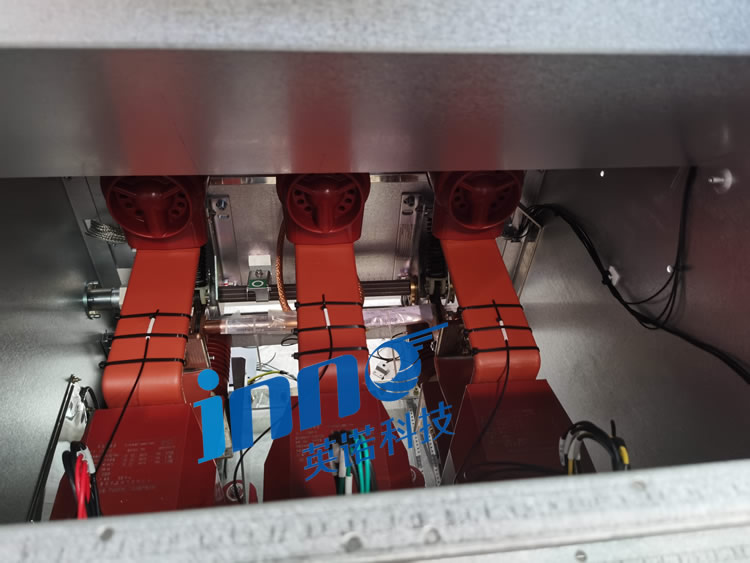
Thiết bị đóng cắt cách điện bằng không khí (AIS) đại diện cho công nghệ lâu đời nhất về chuyển mạch và bảo vệ hệ thống điện, sử dụng không khí trong khí quyển làm môi trường cách nhiệt giữa các dây dẫn mang điện và các kết cấu nối đất. Không giống như các lựa chọn thay thế cách điện bằng khí hoặc dầu, AIS dựa vào các khe hở không khí thích hợp và chất cách điện bằng sứ hoặc polymer để duy trì độ bền điện môi ngăn ngừa sự cố điện. Cách tiếp cận thông thường này thống trị các trạm biến áp truyền tải và phân phối trên toàn thế giới, nơi có sẵn đất đai cho phép diện tích vật lý lớn hơn cần thiết cho khoảng trống cách nhiệt không khí.
Nguyên tắc thiết kế cơ bản liên quan đến việc lắp đặt các thiết bị điện bao gồm cầu dao, bộ ngắt kết nối, Busbars, và máy biến áp đo lường trên các công trình ngoài trời hoặc trong các tòa nhà với khoảng cách vừa đủ để ngăn chặn hiện tượng phóng điện. Mức điện áp xác định khoảng cách khe hở tối thiểu—điện áp cao hơn yêu cầu khoảng cách lớn hơn. AIS trung thế hoạt động từ 1kV đến 52kV thường ở cấu hình nhỏ gọn trong nhà hoặc ngoài trời. Hệ thống điện áp cao từ 52kV đến 765kV yêu cầu không gian rộng rãi với các bộ phận được gắn trên khung thép hoặc bệ bê tông chịu được điều kiện thời tiết.
Lịch sử phát triển của công nghệ AIS kéo dài hơn một thế kỷ với sự cải tiến liên tục nhằm nâng cao độ tin cậy, sự an toàn, và hiệu suất hoạt động. Lắp đặt hiện đại kết hợp chất cách điện composite thay thế sứ, Bộ ngắt mạch SF6 cho khả năng ngắt vượt trội, và hệ thống giám sát kỹ thuật số cho phép bảo trì dự đoán. Công nghệ duy trì sự liên quan nhờ hiệu suất đã được chứng minh, thủ tục bảo trì đơn giản, và lợi ích kinh tế cho nhiều ứng dụng bất chấp sự cạnh tranh từ các lựa chọn thay thế GIS nhỏ gọn hơn.
Cấu hình AIS bao gồm từ cách sắp xếp thanh cái đơn đơn giản đến sơ đồ thanh cái đôi phức tạp với các điều khoản bỏ qua. Tối ưu hóa bố trí trạm biến áp giúp cân bằng các yêu cầu về hiệu suất điện bao gồm mức dòng điện sự cố và tính linh hoạt chuyển đổi so với chi phí sử dụng đất và xây dựng. Thiết kế mô-đun tạo điều kiện thuận lợi cho việc mở rộng theo từng giai đoạn vì việc tăng tải đòi hỏi phải bổ sung công suất. Tiêu chuẩn hóa thiết kế khoang và xếp hạng thiết bị hợp lý hóa việc mua sắm và giảm yêu cầu tồn kho phụ tùng thay thế.
2. AIS hoạt động như thế nào
2.1 Không khí làm vật liệu cách nhiệt
Không khí trong khí quyển cung cấp cách điện tự nhiên giữa dây dẫn và mặt đất thông qua thành phần phân tử chống lại dòng điện. Độ bền điện môi của không khí xấp xỉ 3kV/mm ở mực nước biển trong điều kiện khí quyển tiêu chuẩn cho phép chịu được điện áp khi khoảng cách khe hở thích hợp tách biệt các bộ phận mang điện khỏi các cấu trúc nối đất. Phân bố điện trường xung quanh dây dẫn và chất cách điện phải duy trì ở dưới ngưỡng đánh thủng không khí để ngăn chặn sự phóng điện của quầng sáng và hiện tượng phóng điện cuối cùng.
Các yếu tố môi trường ảnh hưởng đáng kể đến hiệu suất cách nhiệt không khí. Độ ẩm, sự ô nhiễm, độ cao, và lượng mưa đều ảnh hưởng đến điện áp đánh thủng. Môi trường ven biển và công nghiệp lắng đọng các chất gây ô nhiễm dẫn điện trên bề mặt chất cách điện làm giảm hiệu quả khoảng cách rò rỉ. Việc lắp đặt ở độ cao đòi hỏi phải tăng khoảng trống để bù đắp cho mật độ không khí giảm. Khoảng cách đường rò dọc theo bề mặt cách điện vượt quá khe hở không khí tạo ra khả năng chống dòng rò trong điều kiện ẩm ướt hoặc bị ô nhiễm.
Sự phóng điện của quầng sáng xảy ra khi cường độ điện trường cục bộ vượt quá ngưỡng ion hóa không khí tạo ra ánh sáng khả kiến, tiếng ồn nghe được, sản xuất ozon, và nhiễu sóng vô tuyến. Kích thước dây dẫn thích hợp và loại bỏ các cạnh sắc sẽ giảm thiểu hiệu ứng hào quang. Các chất cách điện và thiết bị đầu cuối hỗ trợ thanh cái yêu cầu các cấu hình cụ thể phân phối độ dốc điện trường một cách đồng đều. Vòng Corona trên thiết bị đầu cuối thiết bị điện áp cao kiểm soát nồng độ trường ngăn ngừa lão hóa và hư hỏng sớm.
2.2 Nguyên tắc hoạt động
AIS hoạt động thông qua hoạt động phối hợp của các thiết bị chuyển mạch kiểm soát dòng điện và cung cấp khả năng bảo vệ trong điều kiện lỗi. Bộ ngắt mạch ngắt dòng sự cố trong vòng mili giây sử dụng khí SF6, trống, hoặc công nghệ phun khí tùy thuộc vào cấp điện áp và yêu cầu ứng dụng. Cơ cấu vận hành cơ khí lưu trữ năng lượng trong lò xo hoặc khí nén cho phép tách tiếp điểm nhanh chóng chống lại lực điện từ khỏi dòng điện sự cố cao.
Hoạt động chuyển mạch thông thường sử dụng thiết bị ngắt kết nối để bảo trì sau khi máy cắt mở dòng tải. Bộ ngắt kết nối không có khả năng ngắt dòng điện và chỉ hoạt động trong điều kiện dòng điện sạc tối thiểu hoặc không tải. Khoảng cách cách ly có thể nhìn thấy đảm bảo an toàn cho nhân viên bảo trì. Công tắc nối đất thiết bị cách ly nối đất xả điện áp dư và ngăn ngừa điện thế nguy hiểm trong quá trình thi công.
Thanh cái phân phối điện năng giữa các nguồn vào và các nguồn ra thông qua các dây dẫn bằng nhôm hoặc đồng cứng hoặc căng được hỗ trợ bởi các chất cách điện sau. Đánh giá hiện tại phụ thuộc vào mặt cắt dây dẫn, cấu hình ảnh hưởng tới tản nhiệt, và nhiệt độ môi trường. Sự giãn nở nhiệt từ dòng điện tải và hệ thống sưởi bằng năng lượng mặt trời đòi hỏi các kết nối linh hoạt hoặc các khe co giãn nhằm ngăn chặn ứng suất cơ học lên các thiết bị đầu cuối và kết cấu đỡ.
2.3 Thành phần chính
Cài đặt AIS hoàn chỉnh tích hợp nhiều loại thành phần tạo ra hệ thống bảo vệ và chuyển mạch chức năng. Bộ ngắt mạch cung cấp khả năng ngắt sự cố được định mức cho điện áp hệ thống, dòng điện liên tục, và khả năng cắt ngắn mạch. Máy biến áp dụng cụ bao gồm cả máy biến dòng (CT) và máy biến điện áp (VT) cung cấp các phép đo tỷ lệ cho rơ le bảo vệ và thiết bị đo đếm. Bộ ngắt kết nối cho phép cách ly rõ ràng. Thiết bị chống sét bảo vệ chống sét và chuyển mạch quá điện áp hạn chế căng thẳng trên hệ thống cách điện.
Kết cấu đỡ thép bao gồm khung chữ H, khung chữ A, và tháp lưới cung cấp hỗ trợ cơ học nâng các bộ phận sống lên độ cao giải phóng mặt bằng cần thiết. Thiết kế nền móng có tính đến điều kiện đất đai, yêu cầu địa chấn, và tải thiết bị trong quá trình hoạt động bình thường và điều kiện lỗi. Tủ điều khiển rơle bảo vệ ngôi nhà, mạch điều khiển, và thiết bị giám sát bảo vệ các thiết bị điện tử nhạy cảm khỏi tác động của thời tiết trong khi vẫn duy trì khả năng tiếp cận để kiểm tra và bảo trì.
3. AIS và GIS (Thiết bị đóng cắt cách điện bằng khí)
3.1 Sự khác biệt về công nghệ
Thiết bị đóng cắt cách điện bằng khí (GIS) bao bọc tất cả các bộ phận mang điện trong vỏ kim loại nối đất chứa đầy khí SF6 mang lại đặc tính cách nhiệt vượt trội so với không khí. Phạm vi áp suất SF6 điển hình 0.4 đến 0.6 MPa tuyệt đối cho phép giảm kích thước đáng kể—GIS chiếm 10-20% dấu chân AIS tương đương. Vỏ bọc hoàn chỉnh giúp loại bỏ tác động của thời tiết và ô nhiễm, đảm bảo hiệu suất ổn định trên nhiều môi trường khác nhau. Cấu trúc mô-đun tạo điều kiện thuận lợi cho việc thử nghiệm các tổ hợp hoàn chỉnh tại nhà máy, giảm thời gian và rủi ro vận hành tại chỗ.
AIS cho thiết bị tiếp xúc với các điều kiện khí quyển đòi hỏi thiết kế chắc chắn chịu được nhiệt độ khắc nghiệt, sự kết tủa, tải gió, sự kiện địa chấn, và tích tụ ô nhiễm. Chất cách điện bằng sứ và polymer cung cấp hỗ trợ cơ học và cách điện đồng thời. Các thành phần riêng lẻ được cài đặt riêng biệt với việc lắp ráp và kết thúc tại hiện trường, tạo ra những thách thức phức tạp và kiểm soát chất lượng. Kiểm tra trực quan dễ dàng xác định các vấn đề đang phát triển trong AIS trong khi GIS yêu cầu giám sát tinh vi để phát hiện các vấn đề nội bộ trước khi xảy ra lỗi.
Công nghệ ngắt mạch có sự khác biệt đáng kể giữa các công nghệ. GIS chủ yếu sử dụng cơ chế ngắt khí SF6 hoặc tự nổ để đạt được thiết kế nhỏ gọn nhờ đặc tính dập hồ quang vượt trội. Bộ ngắt mạch AIS sử dụng SF6, trống, hoặc công nghệ nổ khí với các buồng ngắt lớn hơn chứa môi trường cách điện có độ bền điện môi thấp hơn. Khoảng thời gian và quy trình bảo trì thay đổi tùy theo việc GIS cung cấp khoảng thời gian dài hơn giữa các lần can thiệp nhưng yêu cầu đào tạo chuyên môn và thiết bị để truy cập nội bộ.
3.2 Ưu điểm và nhược điểm
Phân tích chi phí cho thấy lợi thế kinh tế của AIS đối với nhiều ứng dụng. Giảm chi phí mua sắm thiết bị, công trình dân dụng đơn giản hơn, và yêu cầu nền tảng giảm sẽ có lợi cho AIS khi đất sẵn có cho phép lắp đặt lớn hơn. Mở rộng linh hoạt tỏ ra dễ dàng hơn khi AIS bổ sung các khoang vào các trạm biến áp hiện có mà không cần sửa đổi cơ sở hạ tầng lớn. GIS biện minh cho chi phí cao thông qua tiết kiệm đất ở khu vực thành thị, công trình ngầm, và các ứng dụng yêu cầu độ tin cậy tối đa với quyền truy cập bảo trì tối thiểu.
Số liệu về độ tin cậy cho thấy việc cài đặt AIS hoàn thiện đạt được hiệu suất tuyệt vời thông qua các thiết kế đã được chứng minh và quy trình bảo trì đơn giản. Các chế độ lỗi thường liên quan đến ô nhiễm chất cách điện, hao mòn cơ học của cơ cấu vận hành, hoặc sự suy giảm tiếp xúc—tất cả đều có thể được phát hiện thông qua kiểm tra định kỳ và bảo trì phòng ngừa. GIS mang lại độ tin cậy vượt trội, loại trừ các lỗi của con người trong quá trình bảo trì nhưng phải gánh chịu hậu quả thảm khốc do các lỗi bên trong có khả năng làm hỏng nhiều bộ phận trong khoang chứa khí. Giám sát phóng điện cục bộ và phân tích chất lượng khí cung cấp cảnh báo sớm trong GIS trong khi kiểm tra trực quan đủ cho hầu hết các vấn đề AIS.
Những cân nhắc về môi trường ngày càng ảnh hưởng đến việc lựa chọn công nghệ. Khí SF6 trong GIS thể hiện tiềm năng nóng lên toàn cầu cực kỳ cao thúc đẩy ngành công nghiệp chuyển sang sử dụng các loại khí thay thế hoặc công nghệ chân không. AIS tránh được những lo ngại về khí nhà kính nhưng yêu cầu diện tích đất lớn hơn có khả năng mâu thuẫn với các mục tiêu bảo tồn. Tác động thẩm mỹ khác biệt đáng kể với các tòa nhà GIS nhỏ gọn có vẻ ít xâm phạm hơn các khung AIS mở rộng thống trị cảnh quan. Noise emissions from corona discharge and transformer cooling equipment affect AIS sites more significantly than enclosed GIS installations.
3.3 Bảng so sánh
| tham số | AIS | GIS |
|---|---|---|
| Phương tiện cách nhiệt | Không khí trong khí quyển | khí SF6 (0.4-0.6 MPa) |
| Footprint (tương đối) | 100% | 10-20% |
| Chi phí ban đầu | Thấp hơn | Cao hơn (2-3x) |
| Maintenance Complexity | Đơn giản, kiểm tra trực quan | Tổ hợp, specialized tools |
| Weather Exposure | Direct exposure | Fully enclosed |
| Tính linh hoạt mở rộng | Dễ, add bays | Vừa phải, module integration |
| Độ tin cậy | Excellent with proper maintenance | Thượng đẳng, less human intervention |
| Tác động môi trường | Larger land use, no SF6 | Minimal land, SF6 concerns |
| Typical Voltage Range | 1kV – 765kV | 72.5kV – 550kV |
| Thời gian cài đặt | dài hơn, field assembly | ngắn hơn, factory tested modules |
4. Các loại AIS
4.1 Indoor AIS
Indoor AIS installations house medium voltage switchgear within buildings protecting equipment from weather exposure while maintaining air insulation principles. Metal-enclosed or metal-clad designs position components in grounded compartments separated by barriers and shutters enhancing safety. Drawout circuit breakers facilitate maintenance and testing without extended outages. Applications include industrial facilities, tòa nhà thương mại, and distribution substations where space permits building construction but outdoor exposure proves undesirable.
Arc-resistant designs protect personnel from internal arc fault hazards directing explosive energy away from operating areas through pressure relief vents and reinforced barriers. IEEE C37.20.7 and IEC 62271-200 standards define accessibility classifications and arc fault containment performance. Type-tested assemblies validate mechanical and electrical characteristics including temperature rise, short-circuit withstand, and internal arc performance ensuring reliable operation and personnel safety.
Indoor installations benefit from controlled environments reducing insulation contamination and corrosion while enabling convenient access for routine inspections and maintenance activities. sưởi ấm, thông gió, and air conditioning systems maintain optimal operating temperatures and humidity levels. Space constraints limit indoor AIS to medium voltage applications typically below 38kV where clearance requirements remain manageable within building dimensions. Higher voltages transition to outdoor installations or GIS technology offering superior space utilization.
4.2 Outdoor AIS
Outdoor AIS dominates high voltage transmission and subtransmission applications from 69kV through 765kV where large air clearances necessitate extensive land areas. Equipment mounts on steel or concrete support structures elevated above ground maintaining phase-to-phase and phase-to-ground clearances per applicable standards. Insulators support busbars and equipment terminals providing mechanical strength and electrical insulation withstanding environmental stresses including wind, đá, sự kiện địa chấn, và ô nhiễm.
Bố trí trạm biến áp cân bằng hiệu suất điện, linh hoạt hoạt động, và tối ưu hóa chi phí. Thiết kế thanh cái đơn giảm thiểu số lượng và diện tích thiết bị phù hợp cho các ứng dụng phân phối hướng tâm. Cấu hình thanh cái đôi cho phép bảo trì mà không làm gián đoạn dịch vụ và mang lại sự linh hoạt trong vận hành khi lựa chọn giữa các thanh cái để tối ưu hóa tải hoặc cách ly lỗi. Sơ đồ mạch vòng và cầu dao rưỡi mang lại độ tin cậy tối đa giúp loại bỏ các điểm lỗi đơn lẻ nhưng yêu cầu đầu tư thêm thiết bị.
Lựa chọn vật liệu đề cập đến khả năng chống ăn mòn và độ bền cơ học. Kết cấu thép mạ kẽm mang lại sự hỗ trợ kinh tế với việc bảo trì định kỳ. Aluminum or copper conductors rated for continuous current and short-circuit forces connect equipment through bolted or compression fittings requiring periodic thermal scanning detecting connection degradation. Polymer insulators increasingly replace porcelain offering superior contamination performance and reduced weight simplifying support structure design while eliminating catastrophic shattering failure modes.
4.3 Voltage Classifications
Medium voltage AIS serves distribution systems from 1kV through 52kV connecting substations to industrial facilities, commercial loads, and residential distribution networks. Compact designs optimize space utilization while maintaining adequate clearances. Metal-clad switchgear dominates indoor applications while outdoor installations employ simpler post insulator construction. Circuit breakers utilize vacuum or SF6 interruption technology sized for distribution fault levels typically ranging 25kA to 63kA symmetrical.
High voltage AIS from 52kV through 230kV forms the backbone of subtransmission networks linking transmission systems to distribution substations and large industrial consumers. Dead-tank circuit breakers with porcelain bushings or live-tank SF6 breakers provide fault interruption capability. Bus configurations increase complexity incorporating switching flexibility and redundancy. Standardized designs based on 72.5kV, 145kV, and 245kV equipment classes streamline procurement and reduce costs through competitive sourcing.
Extra high voltage AIS operates at 345kV, 500kV, and 765kV in transmission networks transporting bulk power across regional distances. Massive support structures elevate equipment maintaining substantial clearances—765kV phase-to-ground clearances exceed 5 Mét. Multiple insulator strings provide mechanical support and electrical insulation. Live-tank SF6 circuit breakers interrupt fault currents exceeding 63kA. Substation footprints reach tens of acres accommodating equipment spacing, access roads, and safety clearances creating substantial land use and environmental permitting challenges.
5. Các thành phần chính của AIS
5.1 Bộ ngắt mạch
Bộ ngắt mạch provide automatic interruption of fault currents protecting equipment and maintaining system stability during abnormal conditions. Interruption technology varies by voltage class and application requirements. Vacuum circuit breakers dominate medium voltage applications through 38kV offering maintenance-free contacts, kích thước nhỏ gọn, and excellent switching performance. Bộ ngắt mạch SF6 phục vụ các hệ thống điện áp trung bình và cao áp mang lại khả năng ngắt vượt trội trong phạm vi nhỏ hơn so với các loại máy cắt khí trước đây.
Cơ cấu vận hành tích trữ năng lượng ở lò xo, khí nén, hoặc ắc quy thủy lực cho phép tách tiếp điểm nhanh khỏi lực điện từ trong quá trình gián đoạn sự cố. Tốc độ đóng đạt được sự tiếp xúc tiếp xúc trước khi dòng điện đạt cường độ cực đại, giảm thiểu hiện tượng hồ quang và xói mòn tiếp điểm. Cơ chế chuyến đi miễn phí ngăn chặn việc đóng lại tiếp điểm khi có sự cố ngay cả khi tín hiệu đóng vẫn tồn tại, đảm bảo tính toàn vẹn phối hợp bảo vệ. Hoạt động của cực độc lập trong một số thiết kế cho phép cắt một pha làm giảm nhiễu loạn hệ thống đối với các sự cố chạm đất tạm thời.
Xếp hạng chỉ định công suất hiện tại liên tục, dòng điện ngắn mạch, tạo nên khả năng hiện tại, mechanical and electrical endurance, and operating duty cycles. Selection considers system fault levels, đặc tính tải, tần số chuyển đổi, and required reliability. Giám sát tình trạng tracks contact travel, operating times, coil currents, and mechanism wear predicting maintenance requirements and preventing unexpected failures. Modern digital trip units integrate protection functions directly into circuit breakers reducing panel space and wiring complexity.
5.2 Bộ ngắt kết nối
Bộ ngắt kết nối (disconnect switches or isolators) provide visible isolation separating equipment from energized systems for safe maintenance activities. Khác với bộ ngắt mạch, disconnectors lack current interrupting capability and operate only under no-load conditions or minimal charging current from connected cables and transformers. Mechanical interlocking with circuit breakers prevents disconnector operation under load avoiding dangerous arcing and equipment damage.
Construction employs rotating blade or pantograph mechanisms creating clear air gaps when open positions achieve complete circuit isolation. Contact systems utilize silver-plated copper surfaces minimizing resistance and ensuring reliable current carrying capability. Công tắc nối đất integrated with disconnectors ground isolated equipment discharging residual voltage from line charging and capacitive coupling providing personnel safety during maintenance work.
Motor operators enable remote operation from control rooms while manual mechanisms provide local control and emergency operation capability during control power loss. Position indication through limit switches and mechanical indicators confirms switch status preventing dangerous misoperation. High voltage disconnectors incorporate multiple breaks per phase reducing electric field stress on individual interrupting gaps. Whip-type disconnectors in some installations use conductor flexibility rather than rotating joints simplifying mechanical design.
5.3 Thanh cái
Thanh cái distribute electrical power between incoming sources and outgoing circuits through rigid or strain conductor configurations. Material selection balances electrical conductivity, sức mạnh cơ học, and thermal expansion characteristics. Aluminum conductors offer economical performance with adequate ampacity for most applications. Copper provides superior conductivity justifying higher costs for heavily loaded installations or limited space applications requiring smaller cross-sections.
Rigid bus construction employs tubular or rectangular conductors supported at regular intervals by post insulators. Khoảng cách giữa các giá đỡ có tính đến độ võng do trọng lượng dây dẫn, tải gió, lực ngắn mạch, và tích tụ băng ở các vùng khí hậu thích hợp. Xe buýt linh hoạt sử dụng dây dẫn ACSR được treo từ chất cách điện biến dạng giúp điều chỉnh sự giãn nở nhiệt khác biệt và chuyển động địa chấn thông qua tính linh hoạt của dây dẫn. Thiết kế cấu trúc hỗ trợ tỏ ra đơn giản hơn nhưng trở kháng bus tăng ảnh hưởng đến hiệu suất hệ thống.
Cấu hình pha ảnh hưởng đến lực điện từ trong điều kiện sự cố và cường độ dòng điện liên tục thông qua hiệu ứng lân cận và làm mát. Khoảng cách phẳng ngang giảm thiểu chiều cao kết cấu. Bố trí theo chiều dọc hoặc hình tam giác làm giảm diện tích nhưng phải tăng độ cao của cấu trúc. Niềng răng ngắn mạch hạn chế dây dẫn trong quá trình dòng điện sự cố ngăn ngừa xung đột dây dẫn hoặc hư hỏng chất cách điện do lực điện từ vượt quá 50,000 Newton trong lắp đặt công suất cao.
5.4 Chất cách điện
Bài cách điện hỗ trợ thanh cái và thiết bị đầu cuối thiết bị cung cấp đồng thời độ bền cơ học và cách điện. Xây dựng bằng sứ chiếm ưu thế trong lịch sử mang lại sự ổn định lâu dài tuyệt vời và khả năng chống ô nhiễm thông qua các bề mặt tráng men. Các dạng hư hỏng giòn do tác động cơ học hoặc các khuyết tật bên trong đã thúc đẩy việc chuyển sang các lựa chọn thay thế polymer bằng cách sử dụng lớp bảo vệ thời tiết bằng cao su silicon trên lõi sợi thủy tinh. Hiệu suất ô nhiễm vượt trội, trọng lượng nhẹ hơn, và các đặc điểm hư hỏng nhẹ nhàng có lợi cho công nghệ polymer mặc dù chi phí ban đầu cao hơn.
Lựa chọn chất cách điện xem xét điện áp hệ thống xác định khoảng cách đường dây cần thiết và khoảng cách hồ quang khô. Phân loại mức độ nghiêm trọng ô nhiễm theo IEC 60815 influences specific creepage length ranging from 16mm/kV for light pollution to 31mm/kV for very heavy contamination. Hydrophobic properties of silicone rubber shed water preventing continuous conductive films forming under wet conditions. Loss of hydrophobicity from aging or contamination degrades performance necessitating periodic inspection or replacement.
Suspension insulators using multiple porcelain or glass disc units support flexible conductors in strain bus configurations and overhead transmission lines. String length increases with voltage providing required insulation strength. Disc units permit individual replacement extending assembly service life. Composite long-rod insulators increasingly replace conventional strings offering lighter weight and improved contamination resistance while eliminating string alignment issues causing corona problems.
5.5 Current and Voltage Transformers
Máy biến áp dụng cụ provide scaled current and voltage signals to protection relays, Mét, and monitoring equipment isolating secondary circuits from high primary voltages. Máy biến dòng điện (CT) install in series with power conductors producing secondary current proportional to primary current typically with 5A or 1A full-scale output. Accuracy classifications define permissible errors under normal and fault conditions ensuring protection and metering reliability.
CT burden—the impedance of connected secondary circuits—must remain within rated values preventing core saturation and ratio errors. Multiple secondary windings serve different functions with metering cores optimized for accuracy at normal currents while protection cores maintain ratio accuracy through high fault currents. Độ bão hòa lõi during extreme fault conditions can delay protection operation requiring careful CT selection and application considering maximum fault levels and required protection performance.
Voltage transformers (VT) or potential transformers (PT) connect phase-to-ground or phase-to-phase producing secondary voltages typically 120V or 69V proportional to primary voltage. Electromagnetic designs use iron core transformers while capacitor voltage transformers (CVTs) employ capacitive voltage dividers with small transformers handling reduced voltage more economically at extra-high voltages. cộng hưởng sắt rủi ro trong mạch VT yêu cầu quản lý tải và các biện pháp bảo vệ ngăn ngừa quá điện áp nguy hiểm làm hỏng thiết bị được kết nối.
6. Ưu điểm của AIS
Lợi ích kinh tế thúc đẩy lựa chọn AIS cho nhiều ứng dụng. Chi phí mua sắm thiết bị thấp hơn so với các giải pháp thay thế GIS giúp giảm đáng kể vốn đầu tư ban đầu—việc lắp đặt AIS thường tốn kém 40-60% của các dự án GIS tương đương. Các công trình dân dụng đơn giản hơn đòi hỏi nền móng cơ bản thay vì các tòa nhà bê tông cốt thép giúp giảm chi phí và tiến độ xây dựng. Thiết kế thiết bị tiêu chuẩn cho phép mua sắm cạnh tranh từ nhiều nhà cung cấp tránh bị ràng buộc về công nghệ độc quyền. Sự sẵn có của phụ tùng thay thế từ nhiều nguồn khác nhau đảm bảo khả năng hỗ trợ lâu dài với chi phí hợp lý.
Tính đơn giản trong bảo trì mang lại lợi ích cho các tổ chức tiện ích có nhân viên giàu kinh nghiệm quen thuộc với thiết bị thông thường. Kiểm tra trực quan identifies most developing problems including insulator contamination, connector corrosion, and oil leaks from circuit breaker operating mechanisms. Routine procedures require basic tools and training rather than specialized equipment and factory support needed for GIS maintenance. Circuit breaker contact inspection and replacement follows well-established procedures documented in industry standards and manufacturer manuals.
Operational flexibility accommodates system growth and modifications efficiently. Adding circuit positions to existing substations requires minimal infrastructure changes—new equipment installs on additional support structures connected to extended busbars. Technology upgrades replace obsolete equipment with modern designs without complete substation reconstruction. Individual component failures affect only specific circuits rather than entire gas compartments as in GIS installations. Repair and restoration procedures prove straightforward with readily available replacement parts and conventional tools.
Diagnostic capabilities leverage visual inspection and thermal imaging detecting problems before failures occur. nhiệt kế hồng ngoại during routine patrols identifies hot connections indicating increased resistance from corrosion or loose hardware. Insulator leakage current monitoring detects contamination severity guiding cleaning schedules. Oil sampling from circuit breaker mechanisms reveals moisture contamination and degradation products predicting maintenance requirements. These proven diagnostic techniques apply effectively without sophisticated monitoring systems required for enclosed GIS equipment.
Lợi ích về môi trường bao gồm việc loại bỏ khí SF6 có khả năng làm nóng lên toàn cầu cực kỳ cao. Trong khi các nhà sản xuất GIS phát triển các lựa chọn thay thế, Việc lắp đặt AIS hiện tại hoàn toàn tránh được những lo ngại về khí nhà kính. Loại bỏ khi hết hạn sử dụng tỏ ra đơn giản hơn với dây dẫn bằng nhôm và đồng có thể tái chế, kết cấu thép, và vật liệu nguy hiểm tối thiểu. Thiết bị trở nên lỗi thời cho phép thay thế có chọn lọc thay vì đổi mới toàn bộ hệ thống, giảm phát sinh chất thải và chi phí.
7. Nhược điểm và hạn chế của AIS
Yêu cầu về không gian đại diện cho giới hạn AIS chính. Khoảng cách lớn giữa các bộ phận mang điện và các kết cấu nối đất tạo ra diện tích đất đáng kể—một trạm biến áp AIS 230kV có thể chiếm gấp mười lần diện tích lắp đặt GIS tương đương. Môi trường đô thị với chi phí đất đai đắt đỏ ủng hộ công nghệ GIS nhỏ gọn. Growing environmental sensitivity and land use restrictions increasingly challenge AIS development in populated regions requiring extensive permitting processes and public acceptance efforts.
Weather exposure subjects equipment to harsh environmental conditions affecting reliability and maintenance requirements. Insulator contamination from industrial pollution, phun muối ven biển, or agricultural chemicals degrades insulation performance necessitating periodic washing. Ice and snow accumulation loads mechanical components and creates flashover risks when melting bridges air gaps with conductive water films. Ultraviolet radiation degrades polymer insulators requiring replacement after 20-30 năm. Temperature extremes affect mechanical clearances and material properties.
Visual impact concerns arise from large steel structures and equipment visible across considerable distances. Những cân nhắc về mặt thẩm mỹ trong các khu danh lam thắng cảnh hoặc khu dân cư tạo ra sự phản đối việc lắp đặt AIS. Phát thải tiếng ồn từ sự phóng điện của quầng sáng trên dây dẫn và chất cách điện, thiết bị làm mát máy biến áp, và hoạt động của cầu dao làm phiền cư dân gần đó, đặc biệt là vào ban đêm yên tĩnh. Trường điện từ từ dây dẫn dòng điện cao làm tăng mối lo ngại về sức khỏe cộng đồng mặc dù có bằng chứng khoa học cho thấy rủi ro không đáng kể ở mức phơi nhiễm thông thường.
Các lỗ hổng bảo mật gia tăng khi thiết bị bị lộ mà nhân viên trái phép có thể truy cập và có khả năng phá hoại hoặc trộm cắp. Hệ thống phát hiện xâm nhập và hàng rào vành đai làm tăng thêm chi phí và yêu cầu bảo trì. Đe dọa khủng bố nhắm mục tiêu cơ sở hạ tầng quan trọng với thiết bị có giá trị cao có thể nhìn thấy được, đưa ra các mục tiêu hấp dẫn. Các biện pháp tăng cường vật lý và thiết kế hệ thống dự phòng giúp giảm thiểu rủi ro nhưng không thể loại bỏ hoàn toàn các lỗ hổng. Tương tác với động vật hoang dã bao gồm chim làm tổ trên các công trình và tiếp xúc của động vật với các bộ phận mang điện gây mất điện và hư hỏng thiết bị.
Khả năng tiếp xúc với sét cao hơn so với GIS kèm theo với kết cấu cao và dây dẫn lộ thiên thu hút các tia sét trực tiếp. Trong khi thiết bị chống sét cung cấp bảo vệ quá áp, mất điện do sét gây ra làm gián đoạn dịch vụ thường xuyên hơn so với việc cài đặt GIS. Sự bùng phát ô nhiễm trong điều kiện sương mù hoặc ẩm ướt gây ra lỗi tạm thời cần khôi phục hệ thống. Thời gian ngừng bảo trì kéo dài hơn GIS do các hạn chế về công việc phụ thuộc vào thời tiết—gió lớn, sự kết tủa, hoặc nhiệt độ khắc nghiệt, trì hoãn các hoạt động gây nguy hiểm cho lịch trình bảo trì.
8. Ứng dụng của AIS
8.1 Trạm biến áp điện
Trạm biến áp truyền tải operating at 115kV through 765kV overwhelmingly employ AIS technology where land availability permits. Step-down transformation to subtransmission and distribution voltages occurs through power transformers rated hundreds of MVA. Circuit breaker configurations provide fault clearing and system reconfiguration capability. Bus arrangements vary from simple single bus designs to complex breaker-and-a-half schemes offering maximum reliability. Reactive power compensation equipment including shunt reactors and capacitor banks maintain voltage stability.
Distribution substations reduce subtransmission voltages to primary distribution levels serving urban and rural loads. AIS installations ranging from simple radial configurations to networked designs with multiple sources provide appropriate reliability matching load importance. Outdoor and indoor variants serve different environments—outdoor AIS proves economical for suburban and rural locations while indoor metal-clad switchgear suits urban substations within buildings. Automation systems enable remote operation reducing staffing costs.
8.2 Nhà máy công nghiệp
Cơ sở sản xuất require reliable electrical service maintaining production schedules and avoiding costly downtime. On-site substations receive utility supply at transmission or subtransmission voltages transforming to distribution and utilization levels. AIS provides economical solutions for medium voltage distribution within plant boundaries connecting to motors, lò nung, và thiết bị xử lý. Redundant configurations with automatic transfer capability ensure continuous operation during equipment failures or maintenance outages.
Heavy industry including steel mills, nhà máy hóa chất, and mining operations demand high power quality and reliability justifying sophisticated electrical systems. Arc furnaces and large motors create demanding load characteristics requiring robust switchgear designs. Harmonic filters and power factor correction equipment maintain acceptable voltage and current waveforms. Dedicated substations serve critical processes while general plant loads connect to separate systems allowing selective interruption during emergencies without affecting essential operations.
8.3 Renewable Energy Facilities
Solar photovoltaic installations and wind farms connect to utility grids through collector substations aggregating generation from distributed sources. Medium voltage AIS switchgear combines outputs from multiple inverters or turbines stepping voltage to transmission levels through main transformers. Circuit protection coordinates with inverter controls preventing damage during grid disturbances. Battery energy storage systems integrate through dedicated circuit positions enabling dispatchable renewable generation.
Hydroelectric generating stations employ AIS connecting generators to step-up transformers and transmission systems. Multiple generating units require flexible switching arrangements accommodating unit outages and varying generation patterns. Synchronizing equipment ensures proper phase relationships before paralleling generators. Auxiliary systems including station service transformers and emergency generators maintain plant operation during transmission system outages. Lightning protection proves critical for remote mountain locations with elevated lightning exposure.
8.4 Mạng lưới phân phối
Primary distribution systems operating at 4kV through 35kV extensively utilize AIS technology in pad-mounted and pole-mounted configurations. Underground residential distribution employs compact metal-enclosed switchgear installed in vaults or ground-level enclosures. Overhead systems use pole-mounted equipment including reclosers, sectionalizers, and fused cutouts providing fault isolation and service restoration. Automation systems with remote control capability enable adaptive protection schemes and self-healing networks reducing outage durations.
Network protectors in urban secondary networks employ indoor AIS designs automatically connecting and disconnecting distribution transformers maintaining service during primary feeder outages. Spot networks serving individual buildings and grid networks supplying entire districts require sophisticated protection coordination. Vacuum or SF6 circuit breakers interrupt fault currents while disconnectors provide isolation for maintenance. Cable terminations connect underground cables to overhead lines or substation equipment through stress cones managing electric field distribution.
9. Giải pháp giám sát nhiệt độ AIS

9.1 Tại sao việc theo dõi nhiệt độ lại quan trọng
Lỗi nhiệt represent leading causes of unplanned outages in AIS installations. Bolted connections between busbars, equipment terminals, and jumper cables develop increased resistance over time from oxidation, nới lỏng cơ học, or installation defects. Elevated resistance creates localized heating potentially reaching temperatures igniting adjacent materials or damaging equipment insulation. Progressive degradation accelerates as higher temperatures increase oxidation rates creating positive feedback toward catastrophic failure.
Connection resistance increases by 10-20% annually in harsh environments without proper maintenance. Temperature rises follow quadratically with resistance—doubling resistance quadruples power dissipation if current remains constant. A connection initially operating at safe 40°C above ambient may reach 160°C within several years. At these temperatures, aluminum conductors anneal losing mechanical strength allowing further loosening. Silver plating oxidizes reducing contact area. Carbonization of surface films creates thermal runaway toward complete failure.
Busbar overloading during peak demand periods or emergency configurations elevates temperatures throughout sections potentially exceeding design limits. Conductor ratings assume specific ambient temperatures and solar radiation—exceeding assumptions creates risk. Harmonics from nonlinear loads increase effective resistance raising temperatures beyond expectations from fundamental frequency current alone. Inadequate joint compound application during installation or degradation over time increases contact resistance.
Early detection through continuous temperature monitoring prevents failures by identifying developing problems when corrective action remains simple. Kiểm tra định kỳ using handheld infrared cameras provides snapshots but misses transient heating during brief load peaks. Permanent monitoring systems track temperatures continuously enabling proactive maintenance scheduling and dynamic loading decisions maximizing asset utilization while maintaining reliability.
9.2 Fiber Optic Temperature Sensors for AIS
Công nghệ sợi quang offers unique advantages for AIS temperature monitoring in high-voltage environments. Các cảm biến điện thông thường bao gồm cặp nhiệt điện và RTD giới thiệu các đường dẫn có khả năng tạo ra rủi ro phóng điện hoặc nhiễu điện từ khi chuyển đổi quá độ và dòng điện sự cố. Cảm biến sợi quang sử dụng truyền ánh sáng loại bỏ các kết nối điện hoạt động an toàn ở mọi cấp điện áp. Khả năng miễn nhiễm điện từ hoàn toàn đảm bảo các phép đo chính xác không bị ảnh hưởng bởi các dây dẫn gần đó mang hàng nghìn ampe.
Ba công nghệ cảm biến sợi quang chính phục vụ các ứng dụng AIS với những đặc điểm riêng biệt. Cảm biến sợi quang huỳnh quang sử dụng các tinh thể pha tạp đất hiếm thể hiện thời gian phân rã huỳnh quang phụ thuộc vào nhiệt độ được đo bằng máy dò quang học. Mỗi cảm biến hoạt động độc lập yêu cầu kết nối sợi quang chuyên dụng với bộ dò tín hiệu. Độ chính xác đạt ±1°C với thời gian phản hồi một giây. Installation requires placing crystal sensors at specific monitoring points with fiber routing through insulating standoffs maintaining electrical clearances.
Lưới sợi Bragg (FBG) sensors utilize wavelength shifts in reflected light from periodic refractive index variations inscribed in fiber cores. Multiple FBG sensors multiplexed on single fibers enable quasi-distributed monitoring with sensors spaced along busbar lengths. Người thẩm vấn measure reflected wavelength from each grating calculating temperature from calibrated wavelength-temperature relationships. Accuracy typically ±2°C proves adequate for connection monitoring. Passive sensors require no electrical power enabling indefinite operation with minimal maintenance.
Cảm biến nhiệt độ phân tán (DTS) using Raman scattering provides continuous temperature profiles along entire fiber lengths with spatial resolution typically 1 mét. Single fiber cable routes along busbars measuring temperatures at all locations simultaneously. This technology excels for linear assets including long busbar runs but proves excessive for monitoring discrete connection points. Higher equipment costs and lower accuracy ±3°C limit DTS to specialized applications requiring continuous spatial coverage.
9.3 FBG Sensors for Busbar Monitoring
Cảm biến cách tử sợi Bragg mounted on busbar surfaces measure temperatures at critical locations including bolted connections, khe co giãn, and heavily loaded sections. Installation uses mechanical clips or high-temperature epoxy attaching sensors maintaining thermal contact with conductor surfaces. Fiber routing follows insulating standoffs or dedicated supports maintaining minimum clearances from energized conductors. Single fiber accommodates 8-16 sensors per busbar section providing comprehensive coverage.
Sensor spacing considers thermal conduction along aluminum or copper busbars spreading localized heating from defective connections. Typical intervals của 2-5 meters ensure hot spots remain within monitored zones. Critical locations including transformer terminals, circuit breaker connections, and busbar joints receive dedicated sensors. Temperature gradients along conductors reveal current distribution and cooling effectiveness validating thermal models used for ampacity calculations.
Interrogation systems scan all sensors at programmed intervals typically 1-10 seconds depending on application requirements. Microprocessor-based controllers compare measured temperatures against alarm thresholds accounting for ambient temperature and load current variations. Multi-level alarms including advisory, cảnh báo, và các mức tới hạn cho phép đáp ứng theo mức độ từ tăng tần suất giám sát đến giảm tải khẩn cấp. Xu hướng lịch sử xác định các mô hình xuống cấp dần dần hướng dẫn lập kế hoạch bảo trì.
Quy trình lắp đặt đảm bảo hoạt động lâu dài đáng tin cậy trong môi trường ngoài trời. Bảo vệ sợi sử dụng ống thép không gỉ hoặc composite để che chắn bức xạ cực tím, hư hỏng cơ học, và nạp đá. Định tuyến tránh các khúc cua sắc nét dưới bán kính tối thiểu ngăn ngừa tổn thất quang học và hư hỏng cơ học. Vỏ bọc đầu cuối tại bộ dò tín hiệu giúp bảo vệ môi trường và tạo điều kiện thuận lợi cho việc thử nghiệm. Đường dẫn sợi dự phòng trên các thanh cái quan trọng duy trì khả năng giám sát mặc dù có sự cố sợi đơn điểm.
9.4 Cảm biến huỳnh quang cho kết nối
Cảm biến sợi quang huỳnh quang provide highest accuracy for critical connection monitoring where precise temperature measurement justifies individual sensor fibers per monitoring point. Rare-earth phosphor crystals in probe tips exhibit fluorescence decay time constants varying predictably with temperature. Excitation light from interrogator travels through fiber to sensor with return emission measured determining temperature from decay time rather than intensity avoiding calibration drift from fiber losses or connector contamination.
Sensor installation at bolted connections positions crystal probes within millimeters of joint interfaces capturing maximum temperatures directly. Mounting brackets secure sensors against conductor surfaces using spring pressure maintaining thermal contact through mechanical vibration and thermal expansion. High-temperature silicone compounds enhance thermal conduction from conductors to sensors. Multiple sensors at single connections monitor temperature distribution identifying uneven current sharing or localized defects.
Interrogator systems serving 4-12 sensors provide continuous monitoring suitable for critical substations where connection failures create severe consequences. Response times under one second enable protective actions during rapidly developing faults or overload conditions. Temperature accuracy ±1°C distinguishes normal heating from abnormal resistance increases requiring investigation. Data logging creates historical records supporting forensic analysis after failures and validating maintenance effectiveness.
Biện minh kinh tế giúp cân bằng chi phí cảm biến với hậu quả của những sai sót không lường trước và giá trị của việc nâng cao quản lý tài sản. Trạm biến áp quan trọng phục vụ các nhu cầu thiết yếu bao gồm cả bệnh viện, trung tâm dữ liệu, hoặc quy trình công nghiệp cần được giám sát toàn diện. Việc lắp đặt thiết bị có giá trị cao bao gồm máy biến áp đắt tiền hoặc thiết bị đóng cắt có cấu hình độc đáo phù hợp cho việc đầu tư bảo vệ. Các vị trí khó tiếp cận, nơi việc ngừng kiểm tra định kỳ chứng tỏ lợi ích tốn kém từ việc giám sát từ xa liên tục làm giảm số lượt ghé thăm địa điểm.
10. Những cân nhắc về bảo trì và an toàn
Các chương trình bảo trì phòng ngừa kéo dài tuổi thọ thiết bị AIS và duy trì độ tin cậy thông qua kiểm tra và bảo trì có hệ thống. Kiểm tra trực quan trong quá trình tuần tra định kỳ xác định các khiếm khuyết rõ ràng bao gồm cả chất cách điện bị hư hỏng, rò rỉ dầu, ăn mòn, sự xâm lấn của thảm thực vật, và làm tổ của động vật hoang dã. Thermal imaging annually or semi-annually detects elevated temperatures at connections before failures occur. Insulator washing removes contamination restoring leakage resistance particularly in polluted environments. Mechanical inspection verifies disconnector alignment, circuit breaker operating mechanism adjustment, and structural fastener tightness.
Circuit breaker maintenance follows manufacturer recommendations typically ranging 2-10 years between major inspections depending on technology and duty cycles. Liên hệ kiểm tra measures erosion from arcing during interruptions guiding replacement decisions. Operating mechanism lubrication ensures reliable operation. Timing tests verify contact travel and speed meeting specifications. SF6 gas analysis detects moisture and decomposition products indicating internal problems. Kiểm tra tính toàn vẹn của chai chân không bằng cách sử dụng phép đo chịu điện áp cao hoặc phóng điện một phần để xác nhận tình trạng ngắt chân không.
Quy trình an toàn bảo vệ nhân viên trong quá trình bảo trì và vận hành. Các giao thức khóa thẻ đảm bảo ngắt điện thiết bị trước khi bắt đầu công việc bằng cách sử dụng nhiều khóa ngăn chặn việc vô tình cấp điện trở lại. Thủ tục nối đất xả điện áp dư và bảo vệ khỏi điện áp cảm ứng từ các mạch điện gần đó. Thiết bị bảo hộ cá nhân bao gồm quần áo chống hồ quang, găng tay cách điện, và tấm che mặt giảm thiểu rủi ro thương tích do những lỗi không mong muốn. Khoảng cách tiếp cận tối thiểu dựa trên mức điện áp ngăn ngừa tiếp xúc điện hoặc phóng điện đối với công nhân.
Đo nhiệt độ hồng ngoại yêu cầu nhân viên được đào tạo nhận biết các mô hình nhiệt bình thường so với các điều kiện bất thường cần điều tra. Nhiệt độ tăng above ambient varies with load current, nhiệt độ môi trường xung quanh, solar radiation, and wind speed. Comparative analysis between similar components identifies outliers indicating problems. Repeated measurements over time track degradation trends. Quantitative analysis using software calculates severity indices guiding corrective action priorities.
Coordination with system operators schedules maintenance outages minimizing service disruptions and ensuring adequate generation and transmission capacity remains available. Switching procedures transfer loads to alternate circuits before isolating equipment. Backup protection activation during abnormal configurations prevents delayed fault clearing. Post-maintenance testing verifies proper operation before returning equipment to service. Documentation maintains historical records supporting warranty claims and trending analysis.
11. Đỉnh 10 Các nhà sản xuất hệ thống giám sát nhiệt độ AIS
11.1 Fjinno (Trung Quốc) – #1
Thành lập: 2011
Tổng quan về công ty: Fjinno dẫn đầu các giải pháp giám sát nhiệt độ cáp quang được thiết kế đặc biệt cho các thiết bị điện bao gồm lắp đặt AIS, máy biến áp điện, và hệ thống cáp. Công ty chuyên về cả công nghệ cảm biến huỳnh quang và FBG, cung cấp các giải pháp giám sát toàn diện đáp ứng các yêu cầu ứng dụng đa dạng. Chuyên môn kỹ thuật kết hợp quang tử, thiết kế thiết bị điện áp cao, và vận hành hệ thống điện cung cấp các giải pháp thiết thực giải quyết các thách thức giám sát trong thế giới thực. Các cơ sở sản xuất sản xuất các hệ thống hoàn chỉnh từ chế tạo cảm biến đến lắp ráp bộ dò tín hiệu và phát triển phần mềm đảm bảo kiểm soát chất lượng và tích hợp kỹ thuật.
Phát triển sản phẩm tập trung vào độ tin cậy trong môi trường khắc nghiệt nhằm giải quyết các thách thức ở các trạm biến áp ngoài trời bao gồm nhiệt độ khắc nghiệt từ -40°C đến +85°C, độ ẩm cao, sự ô nhiễm, và nhiễu điện từ từ các hoạt động chuyển mạch và dòng điện sự cố. Khả năng tùy biến điều chỉnh các sản phẩm tiêu chuẩn theo yêu cầu cụ thể của khách hàng bao gồm các cấp điện áp bất thường, cấu hình lắp đặt đặc biệt, và tích hợp với các hệ thống giám sát hiện có. Hỗ trợ kỹ thuật bao gồm kỹ thuật ứng dụng phân tích đặc tính nhiệt, hỗ trợ cài đặt, dịch vụ vận hành, và đào tạo người vận hành đảm bảo thực hiện thành công.
Danh mục sản phẩm – Hệ thống giám sát nhiệt độ FBG: Hệ thống giám sát cách tử Bragg sợi của Fjinno phục vụ giám sát kết nối và thanh cái AIS thông qua các mảng cảm biến gần như phân tán. Cáp sợi đơn chứa được 8-16 Cảm biến FBG tại các vị trí riêng biệt dọc theo chiều dài thanh cái hoặc tại các điểm kết nối quan trọng. máy dò quang học quét tất cả các cảm biến theo các khoảng thời gian có thể lập trình từ 1-10 giây đo sự thay đổi bước sóng với độ chính xác ± 2°C. Sensors operate passively without electrical power ensuring indefinite service life with minimal maintenance.
Installation employs mechanical mounting clips securing sensors against conductor surfaces maintaining thermal contact through vibration and thermal expansion. Bảo vệ sợi tubing routes cables along insulators and support structures maintaining electrical clearances. Interrogator electronics install in climate-controlled cabinets with fiber connections through standard SC or FC optical connectors. Microprocessor-based controllers process temperature data comparing against multi-level alarm thresholds accounting for ambient temperature and load current variations.
System configurations range from single busbar monitoring with 8 sensors to complex installations covering entire substations with hundreds of monitoring points. Khả năng kết nối mạng connects multiple interrogators to centralized monitoring computers creating substation-wide thermal management systems. Historical data logging stores temperature trends supporting predictive maintenance and forensic analysis. Alarm outputs including relay contacts and network messages integrate with SCADA systems enabling automated responses to thermal events.
Applications span transmission and distribution substations from 10kV through 500kV monitoring busbars, circuit breaker connections, địa chỉ liên lạc ngắt kết nối, và thiết bị đầu cuối máy biến áp. Typical installations bao gồm 20-40 monitoring points per substation bay providing comprehensive coverage of critical connections. Retrofit installations on existing substations prove straightforward with sensors mounted during planned outages. New construction integration during commissioning ensures monitoring capability from initial energization.
Danh mục sản phẩm – Fluorescent Fiber Optic Temperature Systems: Fjinno’s fluorescent sensor technology delivers ±1°C accuracy for critical connection monitoring where precise temperature measurement justifies individual fiber per sensor. Rare-earth doped crystal sensors positioned at bolted connections capture hot spot temperatures directly. Người thẩm vấn phục vụ 4-12 sensors provide continuous monitoring with one-second response times enabling rapid detection of developing problems.
Installation procedures position crystal probes within millimeters of connection interfaces using specialized mounting hardware maintaining consistent thermal contact. Định tuyến sợi through insulating standoffs preserves electrical clearances while protecting fibers from environmental damage. Mỗi cảm biến yêu cầu sợi quang chuyên dụng cho bộ dò tín hiệu, tạo ra chi phí lắp đặt cao hơn so với hệ thống FBG ghép kênh nhưng mang lại độ chính xác và độ tin cậy vượt trội cho các ứng dụng quan trọng.
Phân tích kinh tế xem xét hậu quả thất bại biện minh cho việc giám sát đầu tư. Trạm biến áp quan trọng phục vụ bệnh viện, trung tâm dữ liệu, hoặc các quy trình công nghiệp trong đó việc ngừng hoạt động gây ra tác động nghiêm trọng cần phải triển khai cảm biến huỳnh quang. Việc lắp đặt có giá trị cao bao gồm thiết bị đóng cắt được cấu hình tùy chỉnh hoặc thiết bị nhập khẩu phù hợp cho việc đầu tư bảo vệ. Các địa điểm ở xa khó tiếp cận để kiểm tra định kỳ được hưởng lợi từ việc giám sát liên tục, giảm yêu cầu tuần tra.
Tùy chỉnh giải quyết các nhu cầu cụ thể của khách hàng bao gồm tích hợp với các nền tảng giám sát hiện có, cấu hình cảm biến đặc biệt cho các thiết kế thiết bị khác thường, and custom alarm logic matching operational procedures. Quan hệ đối tác OEM with switchgear manufacturers provide factory-integrated monitoring systems. Comprehensive support includes thermal analysis modeling connection temperatures, installation design specifying sensor locations and fiber routing, commissioning services verifying proper operation, and operator training covering system capabilities and maintenance requirements.
Global installations span utility, công nghiệp, năng lượng tái tạo, and transportation applications demonstrating technology reliability across diverse operating environments. Technical innovation continues advancing capabilities through improved sensor designs, enhanced interrogator performance, and sophisticated data analysis algorithms extracting maximum value from temperature measurements. Customer partnerships guide development priorities ensuring products address real operational challenges rather than theoretical capabilities.
11.2 ABB (Thụy Sĩ)
Thành lập: 1988 (từ sáp nhập). ABB manufactures comprehensive AIS equipment including circuit breakers, bộ ngắt kết nối, và máy biến áp dụng cụ. Temperature monitoring solutions integrate fiber optic sensors with digital substation automation platforms. Products serve global transmission and distribution markets with extensive installed base.
11.3 Siemens (Đức)
Thành lập: 1847. Siemens provides complete AIS solutions with integrated monitoring capabilities. Fiber optic temperature sensors connect to substation automation systems enabling predictive maintenance. Technology serves high-voltage transmission through medium voltage distribution applications worldwide.
11.4 Schneider Electric (Pháp)
Thành lập: 1836. Schneider Electric offers medium voltage AIS with optional fiber optic temperature monitoring. EcoStruxure platform integrates monitoring data with asset management and SCADA systems. Products focus on distribution and industrial applications emphasizing energy efficiency.
11.5 Giải pháp lưới điện GE (Hoa Kỳ)
Thành lập: 1892. GE provides AIS equipment with digital monitoring capabilities including fiber optic temperature sensors. Solutions address transmission and distribution applications with emphasis on grid modernization and renewable integration. Global service network supports installed equipment.
11.6 Chất lượng (Hoa Kỳ)
Thành lập: 1945. Qualitrol specializes in condition monitoring equipment for electrical assets including fiber optic temperature sensors for AIS applications. Products monitor busbars, kết nối, and switchgear components providing early warning of thermal problems. Integration with substation monitoring platforms enables comprehensive asset management.
11.7 Weidman (Thụy Sĩ)
Thành lập: 1877. Weidmann offers fiber optic monitoring systems for electrical equipment including AIS installations. Temperature sensors integrate with diagnostic platforms providing asset health assessment. Products serve utility and industrial markets globally emphasizing reliability and long-term support.
11.8 Công nghệ LIOS (Đức)
Thành lập: 1990. LIOS manufactures fiber optic temperature sensors specifically designed for electrical applications. FBG and fluorescent sensor technologies monitor AIS busbars and connections. Systems integrate with SCADA and asset management platforms serving European utility markets.
11.9 Micronor (Hoa Kỳ)
Thành lập: 1985. Micronor develops fiber optic sensors for harsh electrical environments including AIS monitoring. Temperature measurement systems provide electromagnetic immunity crucial in substation applications. Products address utility and industrial requirements with custom solutions available.
11.10 Giải pháp mở (Canada)
Thành lập: 2003. Opsens provides fiber optic sensing solutions including temperature monitoring for AIS equipment. Technology addresses high-voltage environments where conventional sensors prove inadequate. Ứng dụng mở rộng phát điện, quá trình lây truyền, and distribution infrastructure.
12. Câu hỏi thường gặp
12.1 What does AIS stand for in switchgear?
AIS stands for Air Insulated Switchgear, representing electrical switching and protection equipment using atmospheric air as the primary insulation medium between energized conductors and grounded structures. This conventional technology dominates outdoor substations from medium voltage through extra-high voltage where land availability permits larger installations compared to gas insulated alternatives.
12.2 What is the difference between AIS and GIS?
AIS uses atmospheric air for insulation requiring large clearances between components, while GIS encloses all live parts in metal tanks filled with SF6 gas enabling 80-90% footprint reduction. AIS costs less initially and simplifies maintenance but requires more land. GIS offers superior reliability and compact size justifying higher costs in space-constrained urban applications or underground installations.
12.3 Why is temperature monitoring important in AIS?
Temperature monitoring prevents connection failures gây ra sự cố ngừng hoạt động ngoài kế hoạch và hư hỏng thiết bị. Bolted joints between busbars and equipment develop increased resistance over time creating localized heating potentially igniting insulation or damaging adjacent components. Early detection through continuous monitoring enables proactive maintenance before catastrophic failures occur while maximizing asset utilization through dynamic loading decisions.
12.4 What fiber optic sensor technology works best for AIS monitoring?
FBG sensors provide optimal balance of accuracy, Chi phí, and installation simplicity for most AIS monitoring applications. Quasi-distributed arrays covering multiple connection points on single fibers reduce installation costs while maintaining ±2°C accuracy adequate for thermal management. Fluorescent sensors offer ±1°C precision justifying higher costs for critical connections where failure consequences prove severe.
12.5 How many temperature sensors does a typical AIS substation require?
Monitoring requirements vary by substation importance and configuration. Critical transmission substations may install 20-40 sensors per bay monitoring all bolted connections, thiết bị đầu cuối ngắt mạch, and disconnector contacts. Distribution substations with lower consequences from failures might monitor only key connections reducing sensor counts to 5-10 cho vịnh. Application analysis balances monitoring coverage against economic justification.
12.6 Can fiber optic sensors operate in high electromagnetic fields?
Fiber optic sensors provide complete electromagnetic immunity operating reliably adjacent to conductors carrying thousands of amperes during normal operation and fault conditions. Unlike electrical sensors susceptible to induced voltages and interference, optical measurement principles remain unaffected by electromagnetic fields regardless of intensity. This immunity proves essential in AIS environments where switching transients and lightning create severe electromagnetic disturbances.
12.7 What temperature rises indicate connection problems?
Temperature rises above 50°C over ambient at connections warrant investigation while rises exceeding 80°C require immediate corrective action. Comparative analysis proves more reliable than absolute thresholds—connections operating 20-30°C hotter than similar connections under identical loading indicate developing problems. Temperature trends increasing over successive measurements reveal degradation requiring maintenance scheduling.
12.8 How long do fiber optic sensors last in outdoor environments?
Properly installed fiber optic sensors operate reliably for 20-30 năm matching or exceeding AIS equipment service life. Protective tubing shields fibers from ultraviolet radiation and mechanical damage. Sensor elements prove inherently stable without calibration drift. Interrogator electronics in climate-controlled enclosures achieve typical industrial equipment longevity. Periodic connector cleaning and fiber continuity testing maintain system performance throughout equipment life.
12.9 What are typical AIS voltage levels?
AIS serves all voltage classes from medium voltage 1kV-52kV through extra-high voltage 765kV. Medium voltage predominates in indoor metal-clad switchgear and outdoor distribution substations. High voltage 52kV-230kV forms subtransmission networks. Extra-high voltage 345kV-765kV dominates long-distance transmission requiring extensive outdoor installations with massive support structures maintaining adequate clearances.
12.10 How does AIS monitoring integrate with SCADA systems?
Fiber optic monitoring systems provide standard communication protocols including Modbus RTU/TCP, DNP3, và IEC 61850 enabling integration with substation SCADA and energy management systems. Temperature data streams to central monitoring platforms with alarm outputs triggering operator notifications. Historical trending supports asset management analyzing degradation patterns and optimizing maintenance scheduling. Integration enables automated responses including load reduction during thermal events protecting equipment from damage.
13. Hướng dẫn lựa chọn và mua AIS
13.1 Why Choose Fiber Optic Temperature Monitoring for AIS
Hệ thống giám sát sợi quang deliver superior performance for AIS applications through complete electromagnetic immunity, intrinsic safety at any voltage level, and long-term reliability in harsh outdoor environments. Continuous temperature measurement enables proactive maintenance preventing unexpected failures while maximizing asset utilization through confident loading decisions. Early problem detection reduces outage durations and avoids consequential damage to adjacent equipment. Investment costs prove modest compared to failure consequences and enhanced operational capabilities.
13.2 Selecting Appropriate Sensor Technology
Application requirements determine optimal sensor technology selection. Cảm biến FBG suit most installations providing adequate ±2°C accuracy with economical multi-point monitoring on single fibers. Quasi-distributed arrays monitor numerous connections reducing per-point costs. Fluorescent sensors justify premium pricing for critical substations where ±1°C accuracy and rapid response prove essential. Hybrid installations deploy fluorescent sensors at most critical points with FBG arrays covering remaining connections optimizing performance and economics.
Sensor quantity balances monitoring coverage against budget constraints. Complete monitoring of all bolted connections provides maximum protection but may prove economically unjustified for routine installations. Risk-based approaches prioritize critical connections including main bus joints, thiết bị đầu cuối ngắt mạch, and high-current paths. Thermal analysis modeling identifies locations experiencing highest temperatures guiding sensor placement. Phased implementation monitors critical points initially with expansion as experience demonstrates value.
13.3 Ưu điểm sản phẩm của chúng tôi
Của chúng tôi hệ thống giám sát nhiệt độ sợi quang specifically address AIS monitoring requirements through proven designs validated in hundreds of substation installations worldwide. FBG sensor arrays provide economical multi-point monitoring with ±2°C accuracy adequate for most thermal management applications. Fluorescent sensor systems deliver ±1°C precision for critical connections requiring highest accuracy. Ruggedized outdoor-rated components withstand environmental extremes from -40°C to +85°C operating reliably throughout equipment service life.
Installation flexibility accommodates both new construction and retrofit applications. Thiết kế mô-đun scale from small distribution substations to major transmission facilities. Standard communication protocols including Modbus and IEC 61850 ensure compatibility with existing SCADA and monitoring platforms. Comprehensive alarm management with multi-level thresholds and ambient temperature compensation prevents nuisance alarms while ensuring critical notifications receive immediate attention. Historical data logging supports trending analysis and predictive maintenance programs.
Technical support throughout project lifecycle includes application engineering analyzing thermal characteristics and specifying sensor locations, installation design detailing fiber routing and mounting hardware, commissioning services verifying proper operation, and operator training covering system capabilities and maintenance requirements. Giải pháp tùy chỉnh address unique requirements including unusual voltage classes, special environmental conditions, or integration with proprietary monitoring systems. Extended warranties and maintenance contracts protect critical infrastructure investments ensuring long-term performance.
13.4 Liên hệ với chúng tôi
Our engineering team provides complimentary application assessment for AIS temperature monitoring projects analyzing substation configuration, identifying critical monitoring points, and recommending optimal sensor technology and system architecture. Thông số kỹ thuật chi tiết and budget pricing enable informed decision-making. Project support from design through commissioning ensures successful implementation meeting performance objectives and schedule commitments. Contact us today to discuss your AIS monitoring requirements and receive technical recommendations addressing specific application challenges.

Cảm biến nhiệt độ sợi quang, Hệ thống giám sát thông minh, Nhà sản xuất cáp quang phân phối tại Trung Quốc
 |
 |
 |