 Cảm biến nhiệt độ sợi quang INNO ,hệ thống giám sát nhiệt độ.
- Nhiệt độ cuộn dây máy biến áp là thông số quan trọng nhất ảnh hưởng đến tuổi thọ cách điện và an toàn vận hành.
- Các phương pháp truyền thống như chỉ số nhiệt độ dầu (XONG), chỉ số nhiệt độ cuộn dây (WTI), Và Cảm biến RTD/cặp nhiệt điện mỗi loại đều có những hạn chế cố hữu về độ chính xác và khả năng đo trực tiếp.
- Hệ thống giám sát nhiệt độ sợi quang huỳnh quang dựa trên công nghệ cảm biến GaAs cung cấp trực tiếp, thời gian thực, và đo nhiệt độ cuộn dây miễn nhiễm điện áp cao.
- Một đĩa đơn bộ giải mã nhiệt độ sợi quang hỗ trợ 1–64 kênh, Giao tiếp RS485, trở lên 25 năm tuổi thọ phục vụ.
- Bài viết này cung cấp một bảng so sánh đầy đủ, trường hợp ứng dụng toàn cầu, và hướng dẫn của chuyên gia để lựa chọn giải pháp giám sát phù hợp.
Mục lục
- Nhiệt độ cuộn dây máy biến áp là gì?
- Nguyên nhân và mối nguy hiểm của việc tăng nhiệt độ cuộn dây
- Tiêu chuẩn quốc tế và giới hạn nhiệt độ
- Phương pháp truyền thống: Chỉ báo nhiệt độ dầu (XONG)
- Phương pháp truyền thống: Chỉ báo nhiệt độ cuộn dây (WTI)
- Phương pháp truyền thống: Cảm biến cặp nhiệt điện và RTD
- Khuyến khích: Hệ thống giám sát nhiệt độ sợi quang huỳnh quang
- So sánh kỹ thuật của cả bốn phương pháp
- Các trường hợp ứng dụng toàn cầu
- Logic điều khiển và bảo vệ nhiệt độ cuộn dây
- Nhận giải pháp tùy chỉnh
- Câu hỏi thường gặp (Câu hỏi thường gặp)
- Tuyên bố từ chối trách nhiệm
1. Nhiệt độ cuộn dây máy biến áp là gì?

Nhiệt độ cuộn dây máy biến áp đề cập đến điều kiện nhiệt thực tế của dây dẫn đồng hoặc nhôm bên trong máy biến áp điện.. Trong số tất cả các thông số có thể đo lường được - bao gồm nhiệt độ dầu, nồng độ khí hòa tan, và dòng điện tải - nhiệt độ điểm nóng của cuộn dây được công nhận rộng rãi là yếu tố quan trọng nhất quyết định tình trạng máy biến áp và tuổi thọ cách điện còn lại.
Khi máy biến áp mang tải, dòng điện chạy qua cuộn dây gây ra tổn hao điện trở (Tổn thất I2R) và tổn thất do dòng điện xoáy, vừa tạo ra nhiệt. Lượng nhiệt này tích tụ trong dây dẫn cuộn dây và phải được tiêu tán qua dầu cách điện và hệ thống làm mát.. Điểm trong cấu trúc cuộn dây đạt đến nhiệt độ cao nhất được gọi là điểm nóng quanh co. Việc theo dõi chính xác nhiệt độ điểm nóng này là điều cần thiết để đưa ra quyết định tải hàng an toàn, bảo vệ nhiệt, và quản lý tài sản dài hạn.
2. Nguyên nhân và mối nguy hiểm của việc tăng nhiệt độ cuộn dây
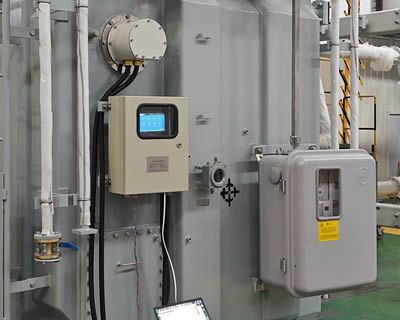
2.1 Nguyên nhân chính
Sự tăng nhiệt độ cuộn dây được thúc đẩy bởi một số yếu tố. Dòng tải là yếu tố đóng góp chủ yếu - khi dòng điện tăng, Tổn hao I2R tăng tỷ lệ thuận với bình phương dòng điện. Dòng điện xoáy và tổn thất tản nhiệt trong dây dẫn và các bộ phận kết cấu tạo ra nhiệt bổ sung. Nhiệt độ môi trường và bức xạ mặt trời ảnh hưởng trực tiếp đến khả năng thải nhiệt của máy biến áp. Ngoài ra, hệ thống làm mát xuống cấp - chẳng hạn như bộ tản nhiệt bị chặn, người hâm mộ thất bại, hoặc dầu bị hư hỏng - giảm khả năng tản nhiệt và khiến nhiệt độ cuộn dây tăng cao.
2.2 Mối nguy hiểm của nhiệt độ cuộn dây quá cao
Nhiệt độ cuộn dây quá cao làm tăng tốc độ phân hủy nhiệt của chất cách điện xenlulo. Theo mô hình lão hóa Arrhenius được thiết lập tốt được tham chiếu trong IEEE Std C57.91, tốc độ lão hóa cách điện xấp xỉ gấp đôi khi nhiệt độ điểm nóng tăng thêm 6–7°C. Quá nhiệt kéo dài dẫn đến giảm độ bền điện môi, sự hình thành khí cháy, sự cố cách điện cuối cùng, và khả năng hư hỏng máy biến áp thảm khốc. Do đó, việc giám sát nhiệt độ cuộn dây đáng tin cậy không phải là tùy chọn - đó là yêu cầu cơ bản để bảo vệ máy biến áp.
3. Tiêu chuẩn quốc tế và giới hạn nhiệt độ
Một số tiêu chuẩn quốc tế chi phối các yêu cầu giám sát và giới hạn nhiệt độ cuộn dây máy biến áp. IEC 60076-2 quy định rằng độ tăng nhiệt trung bình của cuộn dây không được vượt quá 65K so với nhiệt độ môi trường xung quanh đối với máy biến áp ngâm trong dầu, với giới hạn tăng nhiệt độ điểm nóng là 78K. IEEE Std C57.12.00 định nghĩa tương tự mức tăng cuộn dây trung bình 65°C cho hầu hết các loại. IEEE Std C57.91 cung cấp hướng dẫn tải nhiệt chi tiết, phương pháp tính toán điểm nóng, và phương trình lão hóa cách điện. IEC 60354 (bây giờ được hấp thụ vào IEC 60076-7) cung cấp hướng dẫn tải dựa trên mô hình nhiệt. Các tiêu chuẩn này quy định chung rằng nhiệt độ điểm nóng cuộn dây liên tục thường duy trì ở mức dưới 110–120°C đối với tuổi thọ bình thường, với giá trị lớn nhất cho phép tùy thuộc vào cấp cách điện và thời gian mang tải.
4. Phương pháp truyền thống: Chỉ báo nhiệt độ dầu (XONG)
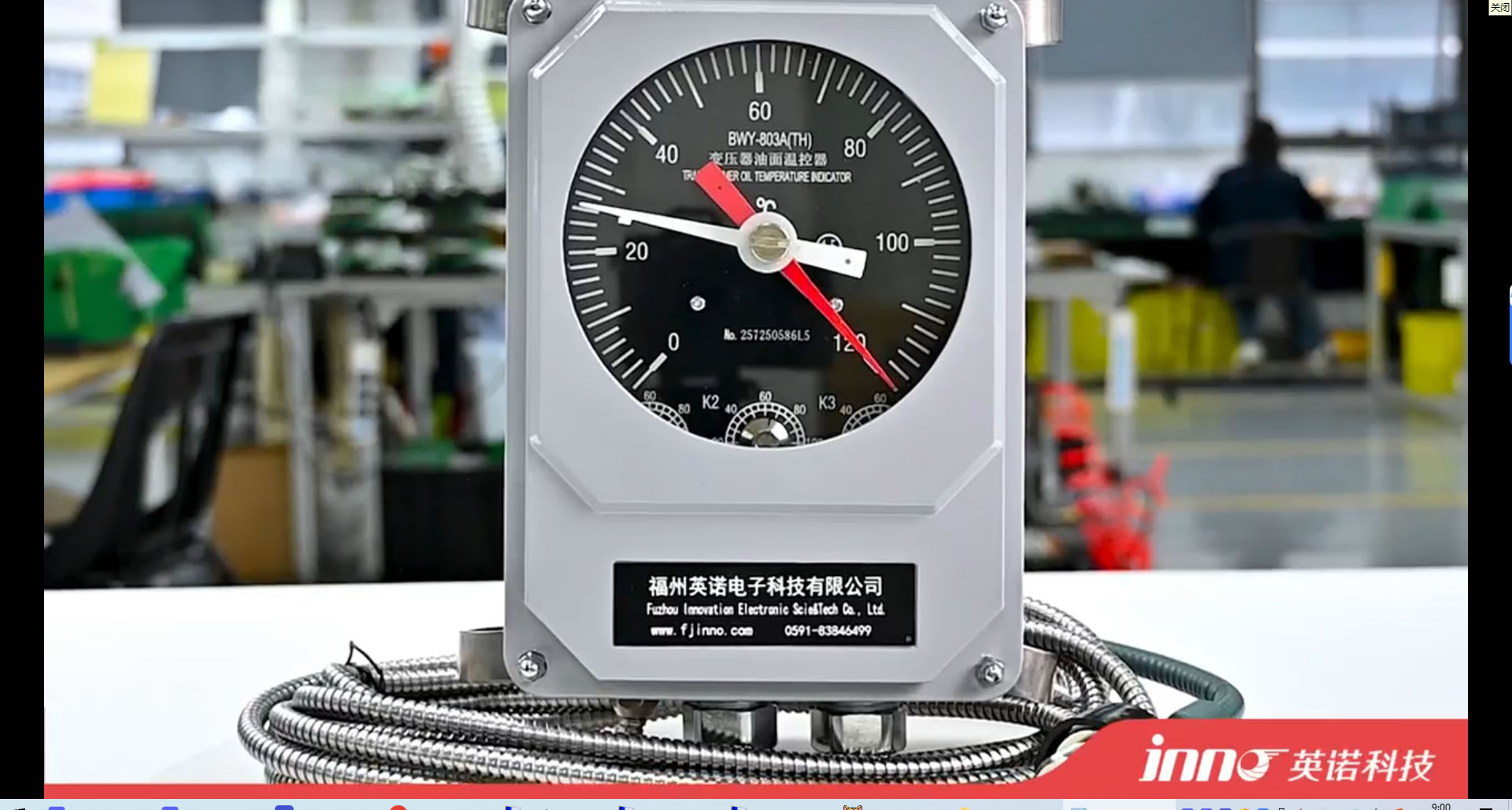
4.1 Nguyên tắc làm việc
MỘT chỉ báo nhiệt độ dầu (XONG), cũng thường được gọi là nhiệt kế dầu hoặc máy đo nhiệt độ dầu, đo nhiệt độ của dầu cách điện tại hoặc gần đỉnh thùng máy biến áp. Loại phổ biến nhất sử dụng giãn nở chất lỏng (thủy ngân hoặc chất hữu cơ) hệ thống mao mạch. Bóng đèn cảm biến được đưa vào túi nhiệt kế hàn trên thùng máy biến áp. Khi nhiệt độ dầu thay đổi, chất lỏng trong bóng đèn nở ra hoặc co lại, lái một con trỏ trên đồng hồ đo qua ống mao dẫn.
4.2 Thông số điển hình
Tiêu chuẩn XONG thiết bị cung cấp phạm vi đo từ 0–150°C, với độ chính xác khoảng ±3–5°C. Chúng thường bao gồm các liên hệ báo động và chuyến đi có thể điều chỉnh được (thường được đặt ở 85°C và 95°C đối với nhiệt độ lớp dầu trên cùng). Chiều dài mao quản thường có sẵn từ 1 tôi đến 20 tôi. Thời gian phản hồi tương đối chậm, thường trong khoảng vài phút.
4.3 Hạn chế
các chỉ báo nhiệt độ dầu chỉ đo nhiệt độ lớp dầu trên cùng, không đại diện trực tiếp cho nhiệt độ điểm nóng cuộn dây. Điểm nóng cuộn dây thực tế có thể cao hơn nhiệt độ dầu đo được từ 20–40°C. Các bộ phận cơ khí có thể bị trôi và lão hóa theo thời gian, và thiết bị không thể dễ dàng tích hợp vào các hệ thống giám sát kỹ thuật số hiện đại nếu không có bộ chuyển đổi tín hiệu bổ sung.
5. Phương pháp truyền thống: Chỉ báo nhiệt độ cuộn dây (WTI)
5.1 Nguyên tắc làm việc
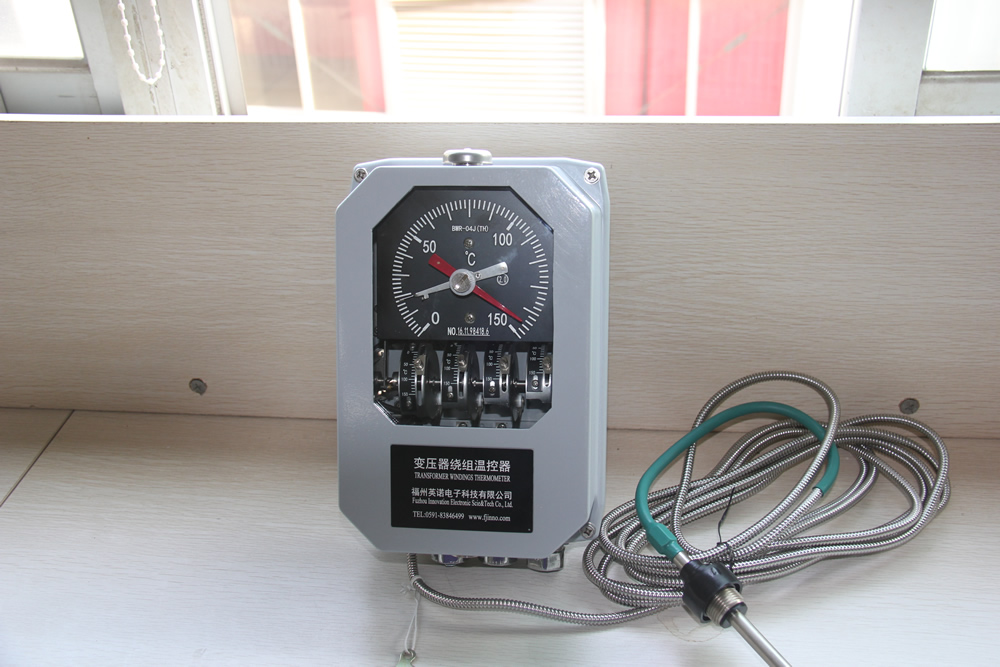
MỘT chỉ báo nhiệt độ cuộn dây (WTI) sử dụng hình ảnh nhiệt (mô phỏng) phương pháp ước tính nhiệt độ điểm nóng của cuộn dây mà không cần đo trực tiếp dây dẫn cuộn dây. Máy biến dòng điện (CT) trên ống lót cung cấp tín hiệu tỷ lệ thuận với dòng tải. Tín hiệu này cung cấp một bộ phận làm nóng nhỏ cuộn quanh bóng đèn cảm biến của túi nhiệt kế. Sự kết hợp giữa nhiệt độ dầu xung quanh và sự đóng góp nhiệt từ điện trở đốt nóng mô phỏng độ dốc nhiệt giữa dầu và cuộn dây., đưa ra ước tính gián tiếp về nhiệt độ điểm nóng của cuộn dây.
5.2 Hiệu chuẩn và thiết lập
Trong quá trình thử nghiệm chạy nhiệt tại nhà máy, cái WTI được hiệu chuẩn bằng cách điều chỉnh dòng điện trở gia nhiệt để phù hợp với gradient từ cuộn dây đến dầu đo được ở tải định mức.. Hiệu chuẩn này dành riêng cho một điều kiện tải. trong lĩnh vực này, mối quan hệ giữa dòng tải và độ dốc nhiệt độ thực tế có thể sai lệch so với cài đặt gốc do điều kiện làm mát thay đổi, lão hóa dầu, và động lực nhiệt phi tuyến tính.
5.3 Thông số điển hình
Một tiêu chuẩn chỉ báo nhiệt độ cuộn dây cung cấp phạm vi hiển thị từ 0–200°C với độ chính xác khoảng ±3–5°C cho giá trị mô phỏng. Nó bao gồm hai đến bốn tiếp điểm có thể điều chỉnh để khởi động quạt, khởi động máy bơm, báo thức, và chức năng chuyến đi. Thời gian đáp ứng ở mức vừa phải, thường là 5–15 phút do quán tính nhiệt của phần tử mô phỏng.
5.4 Hạn chế
Bởi vì WTI dựa vào mô hình nhiệt gián tiếp thay vì đo trực tiếp, số đọc của nó là gần đúng. Trong điều kiện tải nhất thời, sự kiện quá tải, hoặc khi hiệu suất hệ thống làm mát thay đổi, WTI có thể sai lệch đáng kể so với nhiệt độ cuộn dây thực tế. Nó cũng dễ bị sai lệch hiệu chuẩn trong suốt thời gian sử dụng của máy biến áp.
6. Phương pháp truyền thống: Cảm biến cặp nhiệt điện và RTD
6.1 Nguyên tắc làm việc
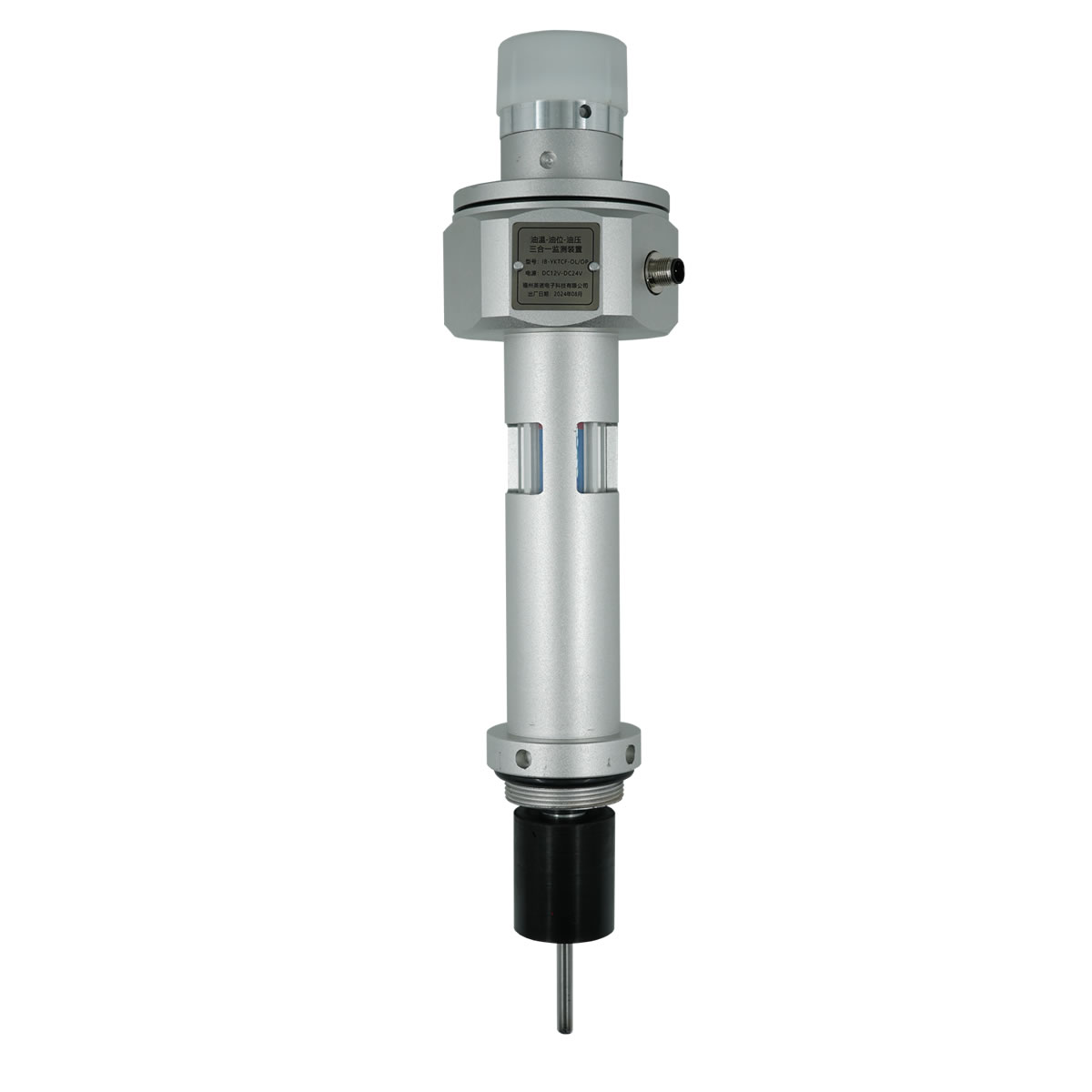
Cảm biến cặp nhiệt điện (thường là Loại T hoặc Loại K) tạo ra điện áp tỷ lệ thuận với chênh lệch nhiệt độ giữa điểm nối cảm biến và điểm nối tham chiếu. Máy dò nhiệt độ điện trở bạch kim (Pt100 RTD) đo nhiệt độ bằng cách phát hiện sự thay đổi điện trở của nguyên tố bạch kim. Cả hai loại đều có thể được nhúng trong cuộn dây máy biến áp trong quá trình sản xuất để cung cấp số đọc nhiệt độ trực tiếp của dây dẫn.
6.2 Thông số điển hình
MỘT Pt100 RTD cung cấp độ chính xác từ ±0,5–1,5°C trên phạm vi từ −200°C đến +600°C. Cặp nhiệt điện cung cấp độ chính xác ±1–2,5°C. Thời gian đáp ứng thay đổi từ 1 ĐẾN 10 giây tùy thuộc vào sự đóng gói. Cả hai loại đều yêu cầu dây dẫn kim loại được định tuyến từ bên trong cuộn dây ra ngoài qua cấu trúc máy biến áp.
6.3 Hạn chế
Nhược điểm cơ bản của cặp nhiệt điện nhúng và RTD là dây dẫn kim loại đưa một đường dẫn vào môi trường điện áp cao của cuộn dây máy biến áp. Điều này tạo ra những thách thức trong việc phối hợp cách điện và làm tăng nguy cơ hỏng hóc điện môi.. Nhiễu điện từ từ từ trường của máy biến áp cũng có thể ảnh hưởng đến tính toàn vẹn của tín hiệu. Ngoài ra, những cảm biến này thường chỉ có thể được cài đặt trong quá trình sản xuất, làm cho các ứng dụng trang bị thêm trở nên khó khăn.
7. Khuyến khích: Hệ thống giám sát nhiệt độ sợi quang huỳnh quang

7.1 Tại sao công nghệ sợi quang huỳnh quang được khuyên dùng
Trong số tất cả các phương pháp có sẵn, cái hệ thống giám sát nhiệt độ sợi quang huỳnh quang là công nghệ duy nhất cung cấp thực sự trực tiếp, đo nhiệt độ cuộn dây máy biến áp theo thời gian thực với khả năng miễn nhiễm hoàn toàn với nhiễu điện từ. Khác với OTI và WTI, dựa trên ước tính gián tiếp, và không giống như cặp nhiệt điện kim loại hoặc RTD, làm ảnh hưởng đến tính toàn vẹn của vật liệu cách nhiệt, cảm biến sợi quang huỳnh quang sử dụng sợi quang hoàn toàn điện môi vốn có khả năng cách điện và không gây rủi ro về điện trong môi trường cuộn dây điện áp cao.
7.2 Nguyên lý cảm biến huỳnh quang GaAs
các Cảm biến nhiệt độ sợi quang huỳnh quang hoạt động dựa trên đặc tính phân rã huỳnh quang phụ thuộc vào nhiệt độ của gali arsenua (GaAs) tinh thể bán dẫn liên kết với đầu sợi quang. Khi có xung ánh sáng từ bộ giải điều chế sợi quang kích thích tinh thể GaAs, nó phát ra ánh sáng huỳnh quang có thời gian phân rã thay đổi theo nhiệt độ. Bộ giải điều chế phân tích đường cong phân rã để xác định nhiệt độ chính xác tại điểm cảm nhận. Đây là phương pháp đo kiểu điểm, cung cấp giá trị nhiệt độ riêng biệt và chính xác tại mỗi vị trí cảm biến.
7.3 Thành phần hệ thống
Một sự hoàn chỉnh hệ thống giám sát nhiệt độ sợi quang huỳnh quang bao gồm năm thành phần chính:
Bộ giải mã nhiệt độ sợi quang (Máy phát)

các bộ giải mã nhiệt độ sợi quang là bộ xử lý trung tâm của hệ thống. Nó tạo ra các xung ánh sáng kích thích, nhận tín hiệu huỳnh quang trả về, và tính giá trị nhiệt độ. Một bộ giải điều chế duy nhất hỗ trợ 1 ĐẾN 64 kênh đo lường, làm cho nó phù hợp để giám sát nhiều điểm nóng quanh co cùng một lúc. Nó cung cấp một Giao diện truyền thông RS485 (Modbus RTU) để tích hợp với DCS, SCADA, hoặc IED giám sát máy biến áp. Tất cả các cấu hình kênh và thông số liên lạc đều có thể tùy chỉnh theo yêu cầu của dự án.
Cáp quang huỳnh quang
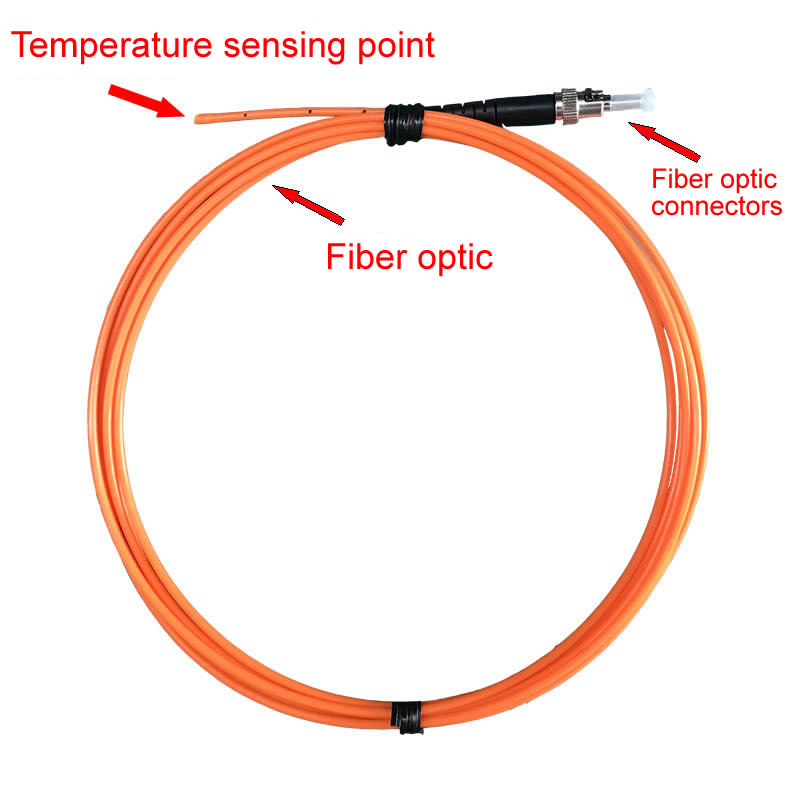
các sợi quang huỳnh quang cáp truyền ánh sáng kích thích và phản hồi giữa bộ giải điều chế và đầu dò cảm biến. Nó hoàn toàn điện môi, chịu dầu, và được thiết kế để ngâm lâu dài trong dầu cách điện máy biến áp. Chiều dài cáp có sẵn từ 0 ĐẾN 20 mét để đáp ứng các kích cỡ máy biến áp và yêu cầu định tuyến khác nhau.
Đầu dò cảm biến
các đầu dò cảm biến nhiệt độ huỳnh quang chứa tinh thể GaAs và là điểm đo nhiệt độ thực tế. Đầu dò có đường kính nhỏ gọn 2–3 mm và có thể được tùy chỉnh cho các yêu cầu lắp đặt cụ thể. Nó chịu được điện áp hoạt động liên tục vượt quá 100 kV, làm cho nó đủ tiêu chuẩn để đặt trực tiếp vào dây dẫn cuộn dây trong máy biến áp cao áp và siêu cao áp.
Mô-đun hiển thị
các mô-đun hiển thị nhiệt độ cung cấp chỉ dẫn trực quan cục bộ của tất cả các bài đọc kênh, trạng thái báo động, và chẩn đoán hệ thống. Nó thường được gắn trên bảng điều khiển trên tủ điều khiển máy biến áp.
Phần mềm giám sát
các phần mềm theo dõi nhiệt độ chạy trên PC hoặc máy chủ được kết nối và cung cấp xu hướng theo thời gian thực, ghi dữ liệu lịch sử, quản lý báo động, và tạo báo cáo. Nó cho phép giám sát tập trung nhiệt độ cuộn dây từ xa trên nhiều máy biến áp.
7.4 Lắp đặt trong cuộn dây máy biến áp
các đầu dò cảm biến sợi quang huỳnh quang được lắp đặt trong quá trình sản xuất máy biến áp bằng cách nhúng trực tiếp vào vị trí điểm nóng được tính toán trong cấu trúc cuộn dây, thường là giữa các dây dẫn cách điện ở đầu cuộn dây điện áp cao hoặc điện áp thấp. các cáp quang được định tuyến qua cấu trúc cách điện và thoát ra khỏi máy biến áp thông qua đầu nối cáp quang chuyên dụng trên thành bể. Vì toàn bộ cảm biến là phi kim loại và không dẫn điện, nó không yêu cầu phối hợp cách điện đặc biệt và không gây rủi ro cho đặc tính điện môi của máy biến áp.
8. So sánh kỹ thuật của cả bốn phương pháp
Bảng sau đây cung cấp sự so sánh toàn diện về cả bốn phương pháp giám sát nhiệt độ cuộn dây máy biến áp được thảo luận trong bài viết này.
| tham số | XONG (Chỉ báo nhiệt độ dầu) | WTI (Chỉ báo nhiệt độ cuộn dây) | Cặp nhiệt điện / RTD | Sợi quang huỳnh quang (GaAs) |
|---|---|---|---|---|
| Loại đo lường | gián tiếp (chỉ dầu) | gián tiếp (mô phỏng nhiệt) | Trực tiếp (nhúng) | Trực tiếp (nhúng) |
| Sự chính xác | ±3–5°C | ±3–5°C | ±0,5–2,5°C | ±0,5–1°C |
| Phạm vi đo | 0–150°C | 0–200°C | −200 đến +600°C | −40 đến +260°C |
| Thời gian đáp ứng | Vài phút | 5–15 phút | 1–10 giây | <1 thứ hai |
| Miễn dịch EMI | Vừa phải | Vừa phải | Nghèo | Hoàn thành (toàn điện môi) |
| Chịu được điện áp | không áp dụng (bên ngoài) | không áp dụng (bên ngoài) | Giới hạn | >100 kV |
| Đường kính đầu dò | Loại bóng đèn | Loại bóng đèn | 3–6 mm | 2–3mm (tùy chỉnh) |
| Vật liệu cảm biến | kim loại | kim loại | kim loại | Toàn điện môi (cách nhiệt) |
| Chiều dài cáp/sợi quang | 1–20m | 1–20m | Giới hạn do mất tín hiệu | 0–20m |
| Dung lượng kênh | Đơn | Đơn | Đa điểm (có dây) | 1–64 kênh trên mỗi bộ giải điều chế |
| Giao tiếp | Chỉ liên hệ (tương tự) | Chỉ liên hệ (tương tự) | Tín hiệu tương tự / 4–20 mA | RS485 (Modbus RTU), tùy chỉnh |
| Cuộc sống phục vụ | 10–15 năm | 10–15 năm | 10–20 năm | >25 năm |
| Khả năng trang bị thêm | Dễ | Dễ | Khó | Đề nghị lắp đặt tại nhà máy |
| Chi phí tương đối | Thấp | Thấp–Trung bình | Trung bình | Trung bình-Cao |
Như thể hiện trong bảng, cái hệ thống giám sát nhiệt độ sợi quang huỳnh quang mang lại sự kết hợp tốt nhất của độ chính xác đo lường, tốc độ phản hồi, miễn nhiễm điện từ, an toàn điện môi, và tuổi thọ dài — làm cho nó trở thành sự lựa chọn rõ ràng cho các máy biến áp điện quan trọng, nơi cần có dữ liệu nhiệt độ cuộn dây đáng tin cậy.
9. Các trường hợp ứng dụng toàn cầu
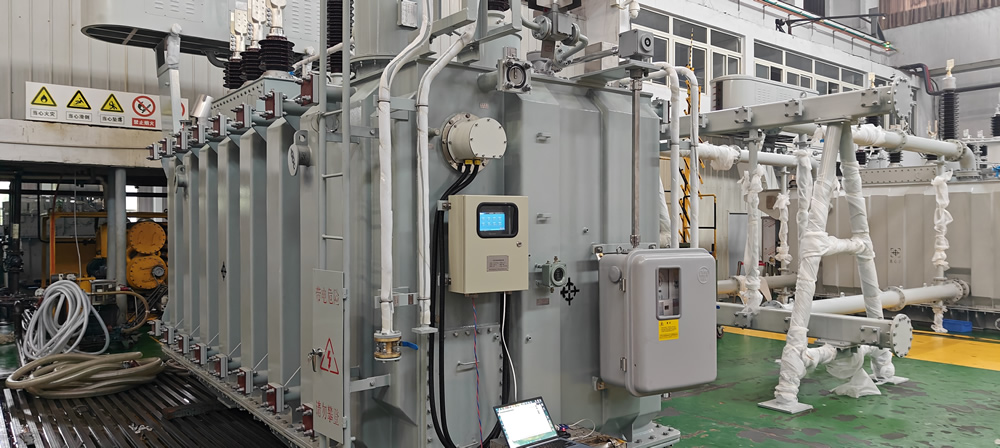
Hệ thống giám sát nhiệt độ cuộn dây sợi quang huỳnh quang đã được triển khai trong một loạt các ứng dụng máy biến áp trên toàn thế giới. Sau đây là các ví dụ tiêu biểu thể hiện hiệu suất đã được chứng minh trên các loại điện áp và môi trường hoạt động khác nhau.
9.1 Máy biến áp điện cao thế (110 kV – 220 kV)
Nhiều lớp tiện ích 110 kV và 220 máy biến áp điện kV trong các dự án trạm biến áp quy mô lớn trên khắp châu Á, Trung Đông, và Nam Mỹ đã được trang bị cảm biến sợi quang huỳnh quang được nhúng tại các vị trí điểm nóng được tính toán. Những cài đặt này cho phép hiển thị nhiệt độ cuộn dây theo thời gian thực và tối ưu hóa tải động, thay thế các ước tính nhiệt dựa trên WTI cũ hơn.
9.2 Điện áp cực cao (UHV) Máy biến áp truyền tải
Trong các dự án truyền tải siêu cao áp đang vận hành ở 500 KV trở lên, bản chất toàn điện môi của đầu dò cảm biến sợi quang huỳnh quang là một lợi thế quan trọng. Những máy biến áp này yêu cầu tính toàn vẹn cách điện tuyệt đối, và cảm biến kim loại thông thường không được chấp nhận. Hệ thống cáp quang huỳnh quang đã được lắp đặt thành công tại nhiều tổ máy biến áp UHV, cung cấp khả năng giám sát điểm nóng liên tục dưới áp lực điện áp cực cao.
9.3 Máy biến áp công nghiệp và máy kéo
Trong các ứng dụng công nghiệp như máy biến áp lò hồ quang và máy biến áp kéo đường sắt, Cấu hình tải có tính chu kỳ và biến đổi cao khiến việc giám sát nhiệt độ cuộn dây chính xác trở nên cần thiết. Hệ thống sợi quang huỳnh quang cung cấp thời gian phản hồi nhanh (<1 thứ hai) cần thiết để theo dõi sự chuyển đổi nhiệt nhanh chóng, cho phép bảo vệ nhiệt chính xác trong điều kiện vận hành năng động.
9.4 Năng lượng tái tạo và máy biến áp ngoài khơi
Máy biến áp phục vụ các trang trại gió và nền tảng ngoài khơi hoạt động trong môi trường khắc nghiệt và xa xôi, nơi khả năng tiếp cận bảo trì bị hạn chế. Giám sát nhiệt độ sợi quang với khả năng truy cập dữ liệu từ xa thông qua tích hợp RS485 và SCADA cho phép người vận hành quản lý hiệu suất nhiệt mà không cần đến cơ sở thực tế, giảm đáng kể rủi ro vận hành và chi phí bảo trì.
10. Logic điều khiển và bảo vệ nhiệt độ cuộn dây

Các phép đo nhiệt độ cuộn dây được sử dụng để thúc đẩy các hoạt động bảo vệ và kiểm soát làm mát. Trong một triển khai điển hình, hệ thống giám sát kích hoạt các phản hồi sau dựa trên ngưỡng nhiệt độ có thể định cấu hình.
10.1 Kích hoạt hệ thống làm mát
Khi nhiệt độ cuộn dây đạt tới ngưỡng đầu tiên (thông thường là 85–95°C), hệ thống giám sát gửi lệnh khởi động thêm quạt làm mát hoặc bơm dầu. Điều này kích hoạt các giai đoạn làm mát bổ sung (ĐẦU TIÊN hoặc ĐẦU TIÊN) để tăng khả năng tản nhiệt.
10.2 Báo thức
Ngưỡng giai đoạn hai (thông thường là 105–110°C) kích hoạt báo động nhiệt độ cao, được thông báo cục bộ tại bảng điều khiển máy biến áp và truyền từ xa đến hệ thống SCADA để người vận hành thao tác.
10.3 Chuyến đi
Nếu nhiệt độ tiếp tục tăng và đạt đến ngưỡng tới hạn (thông thường là 120–130°C), lệnh ngắt được ban hành để ngắt điện máy biến áp và ngăn ngừa hư hỏng cách điện không thể phục hồi. Tín hiệu này giao tiếp với rơle bảo vệ máy biến áp thông qua tiếp điểm khô hoặc giao tiếp kỹ thuật số.
10.4 Tích hợp SCADA và DCS
các Bộ giải mã nhiệt độ sợi quang huỳnh quang truyền dữ liệu nhiệt độ thời gian thực qua RS485 (Modbus RTU) tới hệ thống SCADA trạm biến áp hoặc DCS của nhà máy. Điều này cho phép giám sát tập trung, xu hướng lịch sử, và phối hợp quản lý nhiệt trên nhiều máy biến áp.
11. Nhận giải pháp tùy chỉnh
Mỗi ứng dụng máy biến áp đều có những yêu cầu riêng về số lượng kênh, định tuyến cáp quang, cấu hình hiển thị, và tích hợp hệ thống. Đội ngũ kỹ thuật của chúng tôi tại FJINNO cung cấp phù hợp giải pháp giám sát nhiệt độ sợi quang huỳnh quang dành cho nhà sản xuất máy biến áp, tiện ích, và các nhà khai thác công nghiệp trên toàn thế giới.
Cho dù bạn cần hệ thống 4 kênh tiêu chuẩn cho máy biến áp phân phối hay cấu hình 64 kênh cho dàn máy biến áp lớn, chúng tôi cung cấp các gói phần cứng và phần mềm được tùy chỉnh hoàn toàn với sự hỗ trợ kỹ thuật đầy đủ.
Liên hệ với chúng tôi ngay hôm nay để thảo luận về yêu cầu dự án của bạn, yêu cầu báo giá, hoặc đặt lịch tư vấn kỹ thuật. Thăm nom www.fjinno.net để biết thêm thông tin.
12. Câu hỏi thường gặp (Câu hỏi thường gặp)
Q1: Sự khác biệt giữa nhiệt độ dầu và nhiệt độ cuộn dây trong máy biến áp?
Nhiệt độ dầu biểu thị nhiệt độ của dầu cách điện, thường được đo ở đầu bể. Nhiệt độ cuộn dây là nhiệt độ thực tế của dây dẫn đồng hoặc nhôm trong cuộn dây, luôn cao hơn nhiệt độ dầu do gradient nhiệt. Nhiệt độ cuộn dây tại điểm nóng có thể cao hơn nhiệt độ lớp dầu trên cùng ở mức đầy tải từ 20–40°C.
Q2: Tại sao WTI không được coi là phương pháp đo lường trực tiếp?
Chỉ báo nhiệt độ cuộn dây sử dụng phương pháp mô phỏng nhiệt. Nó ước tính nhiệt độ cuộn dây bằng cách thêm phần đóng góp nhiệt phụ thuộc vào dòng điện vào nhiệt độ dầu đo được. Nó không có cảm biến đặt trên dây dẫn cuộn dây thực tế, vì vậy nó không thể nắm bắt được nhiệt độ điểm nóng thực sự trong mọi điều kiện hoạt động.
Q3: Làm thế nào cảm biến sợi quang huỳnh quang chịu được điện áp cao bên trong máy biến áp?
Cảm biến sợi quang huỳnh quang được làm hoàn toàn bằng phi kim loại, vật liệu điện môi - sợi thủy tinh và đầu tinh thể GaAs. Nó không dẫn điện và do đó không đưa đường dẫn điện vào cấu trúc cách điện. Điều này cho phép nó hoạt động an toàn ở mức điện áp vượt quá 100 kV.
Q4: Cảm biến sợi quang huỳnh quang có thể được trang bị thêm vào máy biến áp hiện có không?
Cảm biến sợi quang huỳnh quang được lắp đặt hiệu quả nhất trong quá trình sản xuất máy biến áp, khi chúng có thể được định vị chính xác tại vị trí điểm nóng được tính toán trong cuộn dây. Trang bị thêm vào một niêm phong, máy biến áp chứa dầu sẽ không thực tế nếu không tháo bộ phận hoạt động. Đối với máy biến áp hiện có, WTI hoặc các phương pháp giám sát bên ngoài thường được sử dụng.
Q5: Một bộ giải điều chế có thể xử lý bao nhiêu điểm cảm biến?
Một bộ giải mã nhiệt độ sợi quang huỳnh quang duy nhất hỗ trợ 1 ĐẾN 64 kênh. Mỗi kênh kết nối với một đầu dò cảm biến để đo nhiệt độ loại điểm độc lập. Số lượng kênh có thể được cấu hình dựa trên nhu cầu cụ thể của dự án.
Q6: Hệ thống sử dụng giao thức truyền thông nào?
Giao diện truyền thông tiêu chuẩn là RS485 sử dụng giao thức Modbus RTU, tương thích rộng rãi với các hệ thống SCADA trạm biến áp, Nền tảng DCS, và các thiết bị điện tử thông minh (IED). Các tùy chọn liên lạc khác có thể được tùy chỉnh theo yêu cầu.
Q7: Tuổi thọ sử dụng dự kiến của cảm biến nhiệt độ sợi quang huỳnh quang là bao lâu?
Đầu dò cảm biến sợi quang huỳnh quang và cáp quang được thiết kế để có tuổi thọ sử dụng vượt quá 25 năm, phù hợp hoặc vượt quá tuổi thọ thiết kế điển hình của máy biến áp điện. Cấu trúc hoàn toàn bằng kính và tinh thể GaAs kín có khả năng chống suy thoái trong môi trường dầu máy biến áp.
Q8: Tiêu chuẩn quốc tế nào áp dụng cho giới hạn nhiệt độ cuộn dây máy biến áp?
Các tiêu chuẩn chính là IEC 60076-2 (giới hạn tăng nhiệt độ), IEC 60076-7 (hướng dẫn tải), IEEE Std C57.12.00 (yêu cầu chung), và IEEE Std C57.91 (tải và mô hình nhiệt). Các tiêu chuẩn này xác định nhiệt độ tăng tối đa cho phép của cuộn dây và giới hạn điểm nóng đối với các điều kiện tải khác nhau..
Q9: Cảm biến sợi quang huỳnh quang có bị ảnh hưởng bởi nhiễu điện từ không?
KHÔNG. Vì cảm biến hoàn toàn phi kim loại và nguyên lý đo dựa trên tín hiệu quang học chứ không phải tín hiệu điện, nó hoàn toàn miễn nhiễm với nhiễu điện từ từ trường của máy biến áp, chuyển đổi quá độ, hoặc thiết bị điện áp cao gần đó.
Q10: Làm cách nào để xác định chính xác số lượng cảm biến cần thiết cho máy biến áp của tôi?
Số lượng điểm cảm biến phụ thuộc vào thiết kế máy biến áp, cấp điện áp, loại làm mát, và số lượng cuộn dây cần theo dõi. Tiêu biểu, cảm biến được đặt tại các vị trí điểm nóng được tính toán của từng cuộn dây chính (HV, LV, và đại học nếu có). Đội ngũ kỹ thuật của chúng tôi có thể hỗ trợ lập kế hoạch đặt cảm biến dựa trên dữ liệu thiết kế nhiệt của máy biến áp cụ thể của bạn. Liên hệ với chúng tôi tại www.fjinno.net để được hỗ trợ kỹ thuật.
13. Tuyên bố từ chối trách nhiệm
Thông tin được cung cấp trong bài viết này chỉ nhằm mục đích giáo dục và tham khảo chung. Mặc dù mọi nỗ lực đã được thực hiện để đảm bảo tính chính xác và độ tin cậy của nội dung tại thời điểm xuất bản, FJINNO không bảo đảm hoặc đại diện, diễn đạt hay ngụ ý, về sự đầy đủ, sự chính xác, hoặc sự phù hợp của thông tin cho bất kỳ ứng dụng cụ thể nào. Thiết kế máy biến áp, cài đặt, và hoạt động giám sát phải tuân thủ các tiêu chuẩn hiện hành của địa phương và quốc tế, quy định, và các phương pháp hay nhất về kỹ thuật. Người đọc nên tham khảo ý kiến của các kỹ sư có trình độ và tham khảo các phiên bản mới nhất của các tiêu chuẩn liên quan trước khi đưa ra bất kỳ quyết định thiết kế hoặc mua hàng nào.. FJINNO sẽ không chịu trách nhiệm về bất kỳ hành vi trực tiếp nào, gián tiếp, hoặc những thiệt hại mang tính hậu quả phát sinh từ việc sử dụng hoặc dựa vào thông tin được trình bày trong bài viết này. Để được hướng dẫn kỹ thuật dành riêng cho dự án, vui lòng liên hệ với nhóm kỹ thuật của chúng tôi tại www.fjinno.net.

Cảm biến nhiệt độ sợi quang, Hệ thống giám sát thông minh, Nhà sản xuất cáp quang phân phối tại Trung Quốc
|
 |
 |