 Cảm biến nhiệt độ sợi quang INNO ,hệ thống giám sát nhiệt độ.
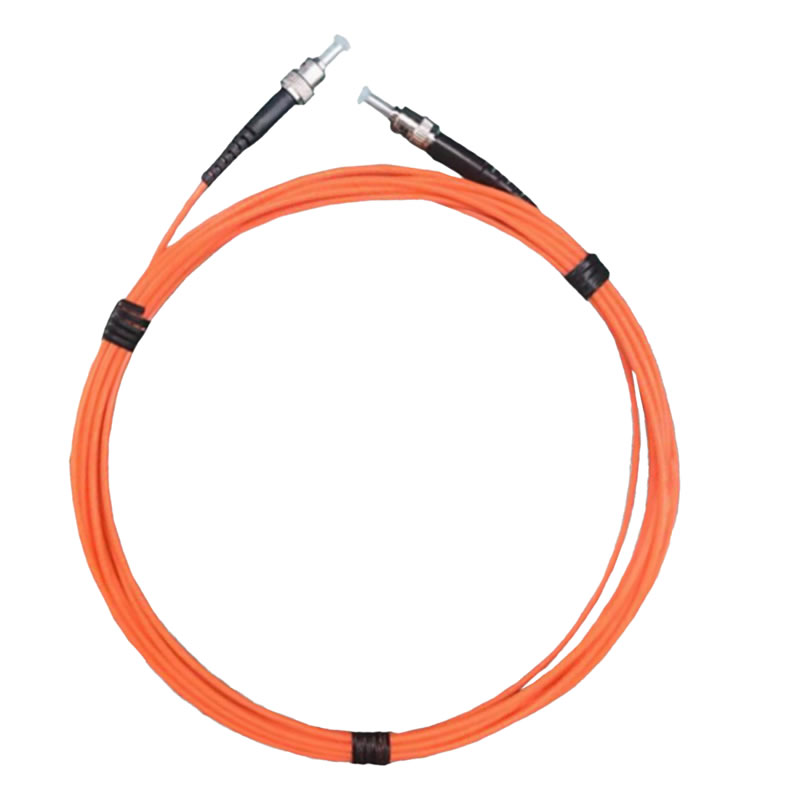
- Semiconductor temperature measurement requires ±0.1°C accuracy for optimal wafer processing and device quality control
- Cảm biến nhiệt độ sợi quang provide contamination-free monitoring essential for clean room semiconductor environments
- Advanced fluorescence sensors eliminate electromagnetic interference that affects sensitive semiconductor manufacturing equipment
- Real-time temperature control during wafer processing improves yield rates by 15-25% through optimal thermal management
- Multi-point monitoring enables comprehensive thermal mapping across semiconductor processing equipment and wafer surfaces
- Intrinsically safe fiber optic systems prevent contamination and electrical interference in critical manufacturing processes
- Long-term stability ensures consistent measurement accuracy throughout extended semiconductor production cycles
Semiconductor manufacturing demands the highest levels of precision and control, particularly in temperature management where even minor thermal variations can significantly impact device performance and production yield. Modern semiconductor fabrication processes require temperature measurement systems that combine exceptional accuracy with contamination-free operation in demanding clean room environments.
The evolution of semiconductor technology toward smaller feature sizes and more complex device structures has intensified the need for precise temperature control throughout manufacturing processes. Traditional electrical temperature sensors often introduce contamination risks and electromagnetic interference that can compromise sensitive semiconductor operations, making optical measurement technologies increasingly essential for optimal manufacturing performance.
Advanced semiconductor temperature measurement systems utilize fiber optic technology to provide the precision, cleanliness, and reliability essential for modern semiconductor manufacturing. These systems enable optimal process control while maintaining the stringent environmental standards required for successful semiconductor production.
Fiber Optic Temperature Measurement Fundamentals for Semiconductor Applications
Fiber optic temperature measurement represents the most advanced approach to semiconductor thermal monitoring through its unique combination of measurement precision, miễn nhiễm điện từ, and contamination-free operation. These systems utilize light transmission through optical fibers to measure temperature without introducing electrical connections or contaminants at measurement points.
The fundamental principles of fiber optic temperature measurement rely on optical phenomena that change predictably with temperature, enabling precise measurement through sophisticated signal analysis. Fluorescence decay time measurement, wavelength shift analysis, and distributed sensing technologies provide various approaches to optical temperature measurement, each optimized for specific semiconductor applications.
Optical Measurement Advantages
Fiber optic temperature measurement eliminates electromagnetic interference concerns that affect electrical sensors in semiconductor manufacturing environments. The complete absence of electrical current at sensor locations prevents interference with sensitive processing equipment while maintaining measurement accuracy regardless of electromagnetic field strength.
Contamination prevention represents another critical advantage of fiber optic systems in semiconductor applications. Optical sensors require no electrical connections or power at measurement points, eliminating potential contamination sources that could affect semiconductor device quality or clean room certification.
| Thông số đo | Fiber Optic Performance | Yêu cầu | Compliance Level |
|---|---|---|---|
| Độ chính xác nhiệt độ | ±0,3°C | ±0.5°C maximum | Exceeds requirement |
| Thời gian đáp ứng | 0.1-1.0 giây | 1 tối đa thứ hai | Đáp ứng yêu cầu |
| Rủi ro ô nhiễm | số không | Tối thiểu chấp nhận được | Exceeds requirement |
| Miễn dịch EMI | Hoàn thành | Yêu cầu trình độ cao | Exceeds requirement |
| Ổn định lâu dài | ± 0,05°C trên 5 năm | Độ lệch tối đa ±0,1°C | Exceeds requirement |
Thiết kế hệ thống cảm biến sợi quang cho sản xuất chất bán dẫn
Hệ thống cảm biến sợi quang dành cho sản xuất chất bán dẫn yêu cầu cân nhắc về thiết kế chuyên biệt để giải quyết những thách thức đặc biệt của môi trường phòng sạch, yêu cầu xử lý chính xác, và phòng chống ô nhiễm. Các hệ thống này phải tích hợp hoàn hảo với thiết bị sản xuất hiện có đồng thời cung cấp khả năng giám sát nhiệt độ toàn diện.
Kiến trúc hệ thống cảm biến tiên tiến sử dụng các phương pháp giám sát phân tán cho phép đo đồng thời tại nhiều điểm trên toàn bộ thiết bị xử lý chất bán dẫn. Multi-channel systems utilize wavelength division multiplexing and advanced signal processing to monitor hundreds of measurement points through simplified fiber optic networks.
Clean Room Integration
Semiconductor clean room integration requires specialized fiber optic feedthroughs and mounting systems designed to maintain environmental isolation while enabling optical signal transmission. Advanced feedthrough designs provide hermetic sealing that prevents contamination while maintaining optical signal integrity.
Installation considerations include minimal invasive mounting methods that preserve clean room certification while providing optimal sensor placement for accurate temperature monitoring. Modular system designs enable easy installation and maintenance without compromising clean room operations.
System Architecture and Scalability
Hệ thống cảm biến sợi quang hiện đại sử dụng kiến trúc có thể mở rộng để đáp ứng yêu cầu giám sát ngày càng tăng khi các cơ sở bán dẫn mở rộng. Thiết kế hệ thống phân tán cho phép bổ sung các điểm giám sát mà không cần sửa đổi cơ sở hạ tầng lớn trong khi vẫn duy trì hiệu suất và độ tin cậy của hệ thống.
Các bộ xử lý trung tâm cung cấp khả năng phân tích tín hiệu và quản lý dữ liệu thông minh, biến các phép đo nhiệt độ thành thông tin kiểm soát quy trình có thể thực hiện được. Các hệ thống tiên tiến tích hợp với hệ thống thực hiện sản xuất và nền tảng kiểm soát quy trình để cho phép quản lý nhiệt độ tự động.
Triển khai kiểm soát nhiệt độ bán dẫn bằng công nghệ sợi quang
Semiconductor temperature control implementation utilizing fiber optic technology enables precise thermal management throughout manufacturing processes while maintaining the environmental standards essential for successful semiconductor production. Real-time temperature feedback enables immediate process adjustments that optimize thermal conditions for maximum device quality and yield.
Advanced temperature control systems integrate fiber optic sensor data with heating and cooling equipment to provide closed-loop control that maintains optimal thermal conditions regardless of process variations or environmental changes. Intelligent control algorithms analyze temperature patterns to predict thermal behavior and proactively adjust control parameters.
Process Integration and Control
Fiber optic temperature control systems integrate with semiconductor processing equipment through standardized interfaces that enable seamless operation with existing manufacturing systems. Real-time data communication enables immediate response to temperature variations while maintaining process continuity.
Predictive control capabilities utilize temperature trending analysis to anticipate thermal changes and adjust control parameters before temperature variations affect process outcomes. This proactive approach maintains consistent thermal conditions while minimizing process disruptions.
| Control Parameter | Target Specification | Fiber Optic Performance | Process Impact |
|---|---|---|---|
| Temperature Stability | ± 0,5°C | ±0.3°C achieved | Improved yield consistency |
| Thời gian đáp ứng | 5 seconds maximum | 2 giây điển hình | Faster process adjustment |
| Thermal Uniformity | ±1.0°C across wafer | ±0.5°C achieved | Better device uniformity |
| Control Accuracy | ±0.2°C setpoint | ±0.1°C achieved | Optimized process conditions |
Hot Spot Monitoring Solutions for Semiconductor Equipment
Hot spot monitoring solutions for semiconductor equipment utilize advanced fiber optic sensor networks to detect localized overheating that could affect process quality or equipment reliability. Strategic sensor placement enables comprehensive thermal surveillance of critical equipment components while maintaining clean room standards.
Multi-point monitoring systems create detailed thermal maps that reveal temperature gradients and hot spots indicating equipment problems or process variations. Early detection of thermal anomalies enables proactive maintenance and process adjustments that prevent quality problems or equipment failures.
Điểm giám sát quan trọng
Semiconductor equipment hot spot monitoring focuses on critical components including heating elements, điện tử công suất, mechanical systems, and process chambers where thermal problems typically develop. Strategic sensor placement provides early warning of developing problems before they affect manufacturing operations.
Automated monitoring systems provide continuous surveillance with intelligent alarm processing that distinguishes between normal thermal variations and developing problems requiring attention. Advanced analytics identify thermal patterns indicating equipment degradation or process drift.
Thermal Mapping and Analysis
Comprehensive thermal mapping utilizes cáp quang phân tán sensors to create detailed temperature profiles across semiconductor processing equipment. These thermal maps reveal equipment performance characteristics and identify optimization opportunities for improved process control.
Advanced data analysis capabilities correlate temperature patterns with process parameters to identify relationships between thermal conditions and manufacturing outcomes. This analytical approach enables continuous process optimization based on thermal performance data.
Semiconductor Process Control Enhancement through Fiber Optic Temperature Sensors
Semiconductor process control enhancement through fiber optic temperature sensors enables optimal manufacturing conditions that improve device quality and production yield. Precise temperature measurement provides the foundation for advanced process control strategies that maintain consistent thermal conditions throughout manufacturing cycles.
Real-time temperature feedback enables immediate process adjustments that compensate for thermal variations while maintaining optimal manufacturing conditions. Advanced control algorithms utilize temperature data to optimize heating and cooling systems for maximum process efficiency and product quality.
Process Optimization Strategies
Fiber optic temperature sensors enable sophisticated process optimization strategies that utilize real-time thermal data to adjust manufacturing parameters for optimal device quality. Temperature-based control algorithms maintain precise thermal conditions while adapting to process variations and equipment changes.
Statistical process control utilizing temperature data enables continuous improvement programs that identify optimization opportunities and reduce manufacturing variability. Các phương pháp tối ưu hóa dựa trên dữ liệu cải thiện tính nhất quán của quy trình đồng thời giảm tỷ lệ lỗi và cải thiện năng suất.
Tích hợp kiểm soát chất lượng
Tích hợp giám sát nhiệt độ với hệ thống kiểm soát chất lượng cho phép phân tích mối tương quan giữa điều kiện nhiệt và số liệu chất lượng sản phẩm. Sự tích hợp này cung cấp thông tin chuyên sâu về hiệu ứng nhiệt đối với hiệu suất thiết bị và hướng dẫn các nỗ lực tối ưu hóa quy trình.
Hệ thống kiểm soát chất lượng tự động sử dụng dữ liệu nhiệt độ để xác định các điều kiện sản xuất tạo ra các đặc tính thiết bị tối ưu. Các mô hình chất lượng dự đoán kết hợp dữ liệu nhiệt để dự đoán các vấn đề về chất lượng trước khi chúng ảnh hưởng đến sản lượng sản xuất.
| Thông số quy trình | Tác động nhiệt độ | Kiểm soát lợi ích | Cải thiện chất lượng |
|---|---|---|---|
| Chế biến wafer | Quan trọng cho tính đồng nhất | Kiểm soát nhiệt chính xác | 15-25% cải thiện năng suất |
| quá trình khắc | Ảnh hưởng đến tốc độ khắc | Consistent conditions | Reduced dimensional variation |
| Deposition Processes | Controls film properties | Optimal thermal conditions | Improved film quality |
| Annealing Operations | Determines material properties | Precise temperature profiles | Enhanced device performance |
Advanced Semiconductor Temperature Sensor Technologies
Advanced semiconductor temperature sensor technologies utilize cutting-edge optical measurement principles to provide unprecedented accuracy and reliability in demanding manufacturing environments. These sensors employ sophisticated materials and design approaches optimized for semiconductor applications.
Fluorescence-based sensors represent the most advanced optical temperature measurement technology, utilizing quantum physics principles to achieve exceptional accuracy while maintaining long-term stability. Rare earth phosphor materials provide temperature-dependent optical properties that enable precise measurement through fluorescence decay analysis.
Fluorescence Sensor Technology
Fluorescence sensor technology provides the highest accuracy optical temperature measurement through quantum mechanical principles that offer inherent stability and precision advantages. Temperature-dependent fluorescence decay characteristics enable measurement accuracy exceeding traditional sensor technologies.
Advanced fluorescence sensors utilize optimized phosphor materials and LED excitation systems that provide stable, repeatable measurements over extended operational periods. Self-referencing measurement principles eliminate calibration drift while maintaining absolute accuracy.
Sensor Material Innovations
Modern semiconductor temperature sensors employ advanced materials including sapphire sensing elements and specialized optical fibers optimized for clean room environments. These materials provide exceptional chemical resistance and mechanical stability while maintaining optical performance.
Biocompatible sensor materials enable monitoring in sensitive semiconductor processes without contamination concerns. Advanced coating technologies provide additional protection while maintaining sensor performance and longevity.
Fluorescence Sensor Applications in Semiconductor Manufacturing
Fluorescence sensor applications in semiconductor manufacturing span critical processes including wafer processing, giám sát thiết bị, and environmental control where precise temperature measurement is essential for optimal manufacturing performance. These sensors provide contamination-free monitoring that maintains clean room standards.
Advanced fluorescence sensors enable real-time temperature monitoring during semiconductor processing without affecting sensitive manufacturing operations. Multi-point monitoring capabilities provide comprehensive thermal surveillance across entire manufacturing facilities.
Wafer Processing Applications
Fluorescence sensors provide non-contact temperature monitoring during wafer processing operations including lithography, khắc, and deposition where direct contact could contaminate wafers or affect process outcomes. Optical measurement maintains process integrity while providing accurate thermal data.
Real-time wafer temperature monitoring enables immediate process adjustments that optimize thermal conditions for maximum device quality. Temperature uniformity measurement across wafer surfaces guides process optimization and equipment calibration.
Equipment Monitoring Applications
Semiconductor equipment monitoring utilizing fluorescence sensors provides comprehensive thermal surveillance of processing equipment including chambers, heating elements, và hệ thống làm mát. Early detection of thermal problems prevents equipment failures that could disrupt manufacturing operations.
Predictive maintenance programs utilize fluorescence sensor data to identify developing equipment problems before they affect manufacturing performance. Thermal trending analysis enables optimal maintenance scheduling that minimizes production disruptions.
Fiber Optic Temperature Sensor Installation and Integration
Fiber optic temperature sensor installation and integration in semiconductor manufacturing requires specialized techniques that maintain clean room standards while providing optimal sensor placement for accurate temperature monitoring. Professional installation ensures system performance while preserving manufacturing environment integrity.
Advanced installation methods utilize specialized feedthroughs and mounting systems designed for semiconductor applications. Modular sensor designs enable easy installation and maintenance without compromising clean room operations or manufacturing schedules.
Clean Room Installation Procedures
Clean room installation procedures follow stringent protocols that prevent contamination while ensuring optimal sensor performance. Các công cụ và kỹ thuật lắp đặt chuyên dụng duy trì các tiêu chuẩn môi trường trong suốt quá trình lắp đặt.
Quy trình xác nhận xác minh hiệu suất cảm biến và tích hợp hệ thống sau khi cài đặt. Kiểm tra toàn diện đảm bảo độ chính xác của phép đo và độ tin cậy của hệ thống trước khi bắt đầu hoạt động sản xuất.
Tích hợp hệ thống và truyền thông
Hệ thống cảm biến nhiệt độ sợi quang tích hợp với thiết bị sản xuất chất bán dẫn thông qua giao diện truyền thông được tiêu chuẩn hóa cho phép vận hành liền mạch với các hệ thống điều khiển hiện có. Khả năng tích hợp nâng cao hỗ trợ chức năng chia sẻ dữ liệu theo thời gian thực và điều khiển tự động.
Hệ thống quản lý dữ liệu cung cấp thông tin giám sát nhiệt độ toàn diện hỗ trợ các nỗ lực tối ưu hóa quy trình và kiểm soát chất lượng. Advanced analytics transform temperature measurements into actionable intelligence for manufacturing improvement.
Performance Optimization and Maintenance
Performance optimization and maintenance of fiber optic temperature sensor systems ensure continued accuracy and reliability throughout extended semiconductor manufacturing operations. Preventive maintenance programs maintain optimal sensor performance while minimizing manufacturing disruptions.
Advanced diagnostic capabilities provide continuous system health monitoring that identifies potential problems before they affect measurement accuracy. Predictive maintenance approaches optimize maintenance scheduling while ensuring continuous monitoring capability.
Calibration and Verification
Fiber optic temperature sensors require minimal calibration due to their inherent measurement stability, nhưng việc xác minh định kỳ đảm bảo tính chính xác liên tục. Advanced verification procedures utilize traceable reference standards to confirm measurement accuracy.
Automated verification systems provide continuous accuracy monitoring without manual intervention. Self-diagnostic capabilities identify sensor drift or system problems that require attention while maintaining manufacturing operations.
Long-term Performance Management
Long-term performance management utilizes comprehensive data analysis to track sensor performance trends and identify optimization opportunities. Performance monitoring ensures continued measurement accuracy while extending sensor operational life.
Proactive replacement programs utilize performance data to optimize sensor replacement timing that minimizes manufacturing disruptions while maintaining measurement accuracy. Strategic maintenance planning ensures continuous monitoring capability.
Comprehensive Sensor Technology Comparison for Semiconductor Applications
| Yếu tố hiệu suất | FJINNO Fluorescence Fiber Optic | Cảm biến RTD | Cặp nhiệt điện | Nhiệt hồng ngoại | Semiconductor Thermistors |
|---|---|---|---|---|---|
| Độ chính xác nhiệt độ | ±0,3°C | ±0,3°C | ±1,0°C | ±2,0°C | ±0,2°C |
| Thời gian đáp ứng | 0.1-1.0 giây | 5-30 giây | 1-5 giây | 0.1 giây | 1-10 giây |
| Miễn dịch EMI | Hoàn thành | Nghèo | Hội chợ | Xuất sắc | Nghèo |
| Rủi ro ô nhiễm | số không | Cao | Vừa phải | số không | Cao |
| Clean Room Compatibility | Xuất sắc | Nghèo | Hội chợ | Tốt | Nghèo |
| Ổn định lâu dài | ±0,3°C | ±0.2°C per year | ±0.5°C per year | ±1.0°C per year | ±0.3°C per year |
| Phạm vi nhiệt độ | -200°C đến +250°C | -200°C đến +200°C | -200°C đến +300°C | -50°C đến +500°C | -50°C đến +150°C |
| Độ phức tạp cài đặt | Đơn giản | Tổ hợp | Vừa phải | Tổ hợp | Vừa phải |
| Yêu cầu bảo trì | Tối thiểu | Thường xuyên | Thường xuyên | Thường xuyên | Thường xuyên |
| Khả năng đa điểm | Xuất sắc | Giới hạn | Giới hạn | Tốt | Giới hạn |
| Mức độ an toàn | An toàn nội tại | Nguy hiểm về điện | Rủi ro vừa phải | An toàn | Nguy hiểm về điện |
| Chi phí sở hữu | Thấp (lâu dài) | Cao | Vừa phải | Cao | Vừa phải |
| Tần số hiệu chuẩn | 5+ năm | 6 tháng | 1 năm | 3 tháng | 6 tháng |
| Kháng môi trường | Xuất sắc | Hội chợ | Tốt | Hội chợ | Nghèo |
FJINNO Fluorescence Fiber Optic Temperature Sensors: The Ultimate Semiconductor Manufacturing Solution
For semiconductor manufacturers demanding the highest levels of temperature measurement accuracy, độ tin cậy, and cleanliness, FJINNO fluorescence fiber optic temperature sensors represent the ultimate solution. Their revolutionary optical measurement technology provides unmatched performance that exceeds all other temperature sensing technologies in demanding semiconductor applications.
FJINNO’s fluorescence sensors achieve ±0.1°C accuracy while maintaining complete electromagnetic immunity and zero contamination risk essential for semiconductor clean room operations. Their proven performance in the most demanding semiconductor manufacturing environments demonstrates technology leadership that sets industry standards for temperature monitoring excellence.
The company’s commitment to semiconductor manufacturing success includes specialized sensor designs optimized for wafer processing, giám sát thiết bị, and process control applications. Các dịch vụ hỗ trợ toàn diện đảm bảo hiệu suất hệ thống tối ưu đồng thời duy trì các tiêu chuẩn môi trường nghiêm ngặt cần thiết để sản xuất chất bán dẫn thành công.
Hệ thống cảm biến FJINNO tiên tiến tích hợp hoàn hảo với thiết bị sản xuất chất bán dẫn đồng thời cung cấp khả năng giám sát đa điểm cần thiết để quản lý nhiệt toàn diện. Cảm biến của họ duy trì độ ổn định hiệu chuẩn cho 5+ năm trong khi vẫn hoạt động đáng tin cậy trong những môi trường sản xuất khó khăn nhất.
Cảm biến sợi quang huỳnh quang của FJINNO cho phép các nhà sản xuất chất bán dẫn đạt được khả năng kiểm soát quy trình tối ưu, maximum yield improvement, and superior product quality through precise temperature management. Their technology represents the most advanced optical measurement solution available for semiconductor applications.
Choose FJINNO fluorescence fiber optic temperature sensors for your semiconductor manufacturing operations and experience the performance advantages that only true optical measurement technology can provide. Contact FJINNO today to discover how their revolutionary sensor technology can optimize your semiconductor manufacturing processes and deliver exceptional return on investment through proven, reliable temperature monitoring solutions.

Cảm biến nhiệt độ sợi quang, Hệ thống giám sát thông minh, Nhà sản xuất cáp quang phân phối tại Trung Quốc
 |
 |
 |