 Cảm biến nhiệt độ sợi quang INNO ,hệ thống giám sát nhiệt độ.
- Cảm biến nhiệt độ sợi quang giá dao động từ $300-$3,000 mỗi điểm tùy thuộc vào độ chính xác, phạm vi nhiệt độ, và thông số kỹ thuật môi trường
- Hoàn thành hệ thống giám sát thường có giá $15,000-$80,000 bao gồm cả thiết bị xử lý tín hiệu, phần mềm, và cài đặt
- Ứng dụng trong dầu & các cơ sở khí đốt trên khắp Ả Rập Saudi, UAE và Kuwait thường yêu cầu cảm biến định mức nhiệt độ cao (+200°C) tăng chi phí trên mỗi đơn vị
- Các ứng dụng truyền tải điện ở các nước Đông Nam Á như Việt Nam và Indonesia được hưởng lợi từ hệ thống cảm biến nhiệt độ phân tán để giám sát khoảng cách xa
- Việc triển khai công nghiệp ở các quốc gia châu Phi như Nam Phi và Nigeria ưu tiên các cảm biến mạnh mẽ với phạm vi nhiệt độ mở rộng và khả năng chống ăn mòn
E-mail: web@fjinno.net
WhatsApp: +8613599070393
Mục lục
- Cảm biến nhiệt độ sợi quang là gì?
- Cảm biến nhiệt độ sợi quang hoạt động như thế nào?
- Những yếu tố ảnh hưởng đến giá cảm biến sợi quang?
- Những loại cảm biến sợi quang nào có sẵn và ở mức giá nào?
- Cảm biến sợi quang được sử dụng ở đâu ở Trung Đông, Châu Phi và Đông Nam Á?
- Tổng chi phí sở hữu hệ thống nhiệt độ sợi quang là bao nhiêu?
- Bạn có thể mong đợi ROI gì từ việc theo dõi nhiệt độ sợi quang?
- Cách chọn cảm biến nhiệt độ sợi quang phù hợp?
- Làm thế nào để so sánh các công nghệ nhiệt độ sợi quang khác nhau?
- Frequently Asked Questions About Fiber Optic Temperature Sensor Costs
- Which Fiber Optic Temperature Sensor Provider Should You Choose?
Cảm biến nhiệt độ sợi quang là gì?

Cảm biến nhiệt độ sợi quang represent a significant advancement over conventional electronic temperature measurement devices, utilizing optical principles to measure temperature with exceptional reliability in challenging environments. This technology has gained significant traction in demanding ứng dụng công nghiệp across the Middle East, Châu phi, and Southeast Asia.
Ưu điểm cốt lõi
- Miễn nhiễm điện từ: Completely immune to EMI/RFI interference, making them ideal for high-voltage environments in UAE power substations and Saudi Arabian electrical cơ sở
- An toàn nội tại: Contains no electrical components, eliminating ignition risks in explosive atmospheres common in Qatar and Oman petrochemical facilities
- Point or Distributed Measurement: Available as precise point sensors or as distributed systems measuring temperature along entire fiber lengths, supporting Indonesia’s extensive geothermal operations
- Khả năng đường dài: Signal transmission for kilometers without degradation, perfect for Nigeria’s expansive oil pipeline networks
- Khả năng đa điểm: Đơn fiber can support hundreds of measurement points, reducing wiring complexity in large Malaysian manufacturing facilities
- Chống ăn mòn: Natural resistance to chemical corrosion, essential in Egypt’s chemical processing facilities
- Tuổi thọ kéo dài: Chất lượng fiber optic sensors typically operate reliably vì 15-25 năm, even in the harsh environmental conditions of Kuwait’s oil processing facilities
Regional Applications
- Trung Đông: Máy biến áp điện in Saudi Arabia and UAE, oil refineries in Kuwait and Qatar, solar power installations in Jordan and Oman
- Châu phi: Mining operations in South Africa and Zambia, oil and gas facilities in Nigeria and Angola, phân phối điện in Egypt and Morocco
- Đông Nam Á: Geothermal plants in Indonesia and Philippines, manufacturing facilities in Thailand and Malaysia, data centers in Singapore and Vietnam
Cảm biến nhiệt độ sợi quang hoạt động như thế nào?
Tìm hiểu nguyên lý hoạt động của cảm biến nhiệt độ sợi quang helps evaluate the price-performance relationship of different products. Three primary technologies dominate the market, each with distinct price points and advantages for specific applications in different regions.
Công nghệ phân rã huỳnh quang
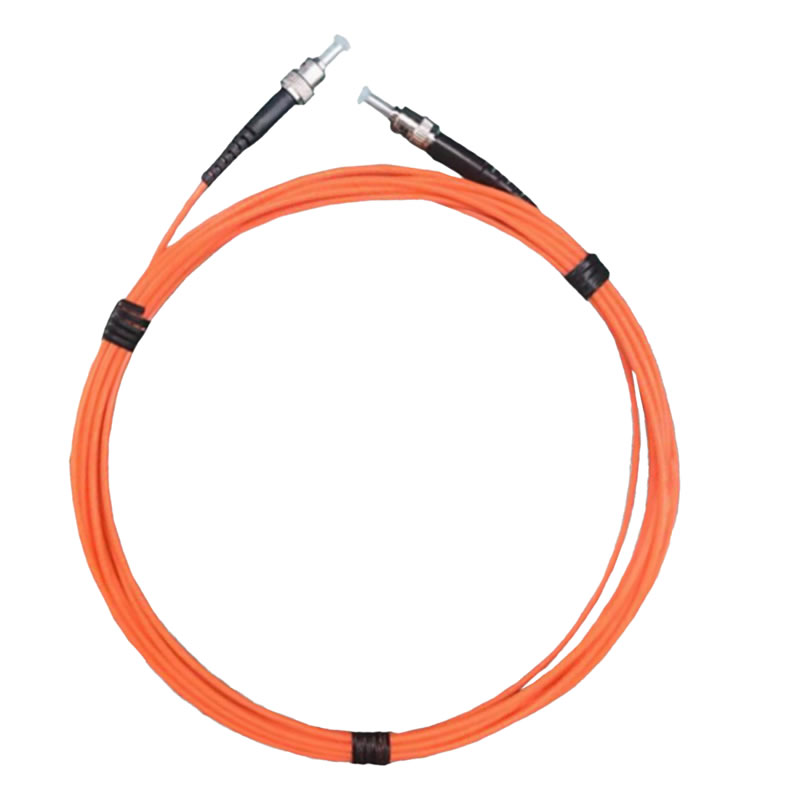
Fluorescence-based sensors utilize temperature-sensitive fluorescent materials that, when excited by light pulses, emit fluorescence with decay times proportional to temperature. This technology offers high accuracy and fast response times, making it the preferred choice for giám sát máy biến áp in Saudi Arabia’s national grid and high-voltage applications in the UAE.
Khoảng giá: Mid to high-end, with cost primarily determined by accuracy and stability specifications
Regional Applications: Power transformer winding hot-spot monitoring in Qatar, Kuwait, and UAE; electrical equipment in Saudi Arabia’s industrial facilities
Lưới sợi Bragg (FBG) Công nghệ
Fiber Bragg Grating technology relies on gratings within the fiber that reflect specific wavelengths of light. Khi nhiệt độ thay đổi, thời gian cách tử thay đổi, thay đổi bước sóng phản xạ theo tỷ lệ. Nhiều gratings can be placed along a single fiber for multi-point monitoring, ideal for Indonesia’s expansive geothermal installations and Singapore’s critical data centers.
Khoảng giá: Mid to high-end, with initial system investment substantial but per-point cost decreasing with volume
Regional Applications: Large structure monitoring in Vietnam and Malaysia; long-distance multi-point giám sát nhiệt độ in Thailand’s industrial complexes
Cảm biến nhiệt độ phân tán (DTS)
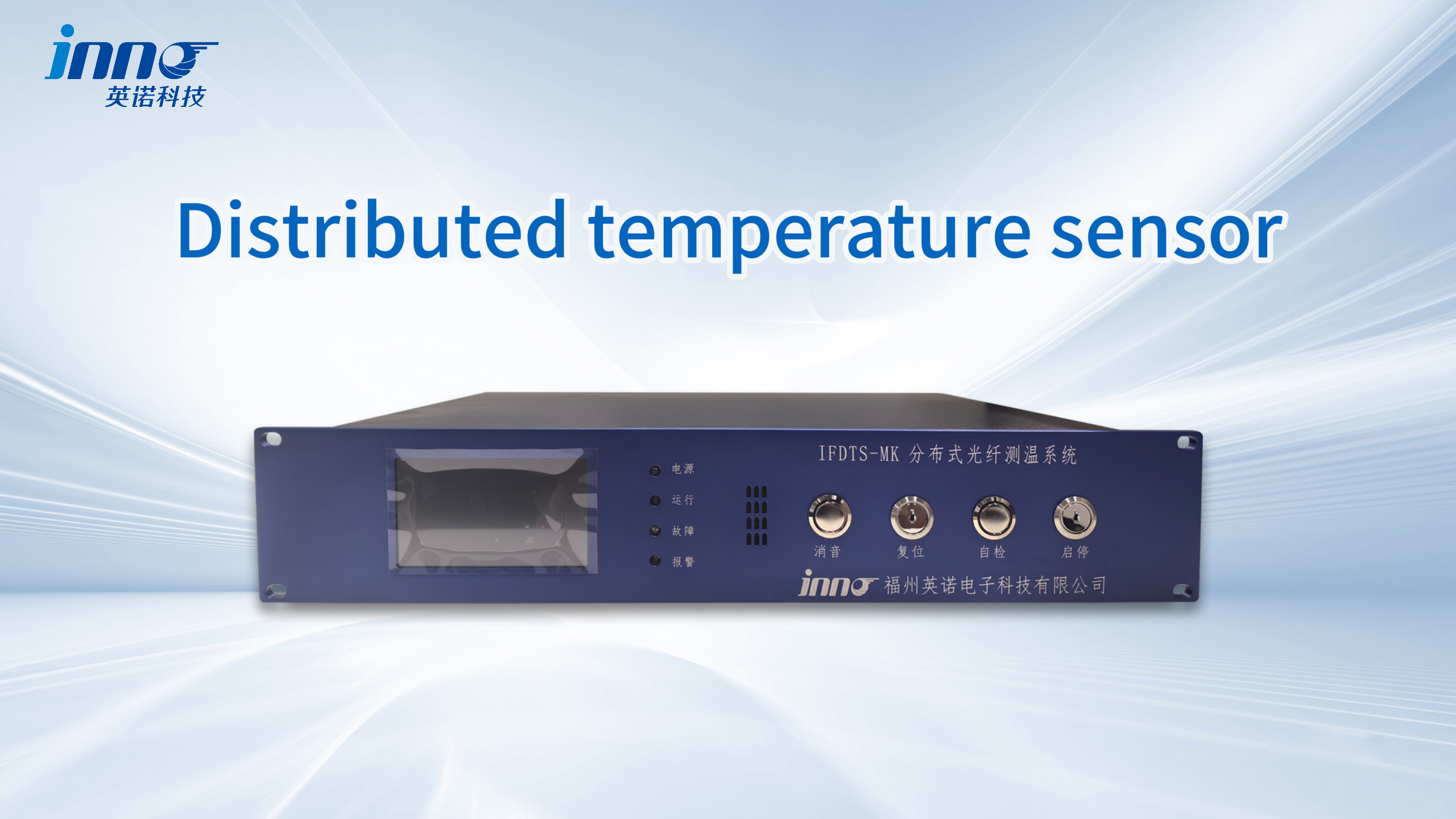
Distributed Temperature Sensing systems utilize Raman scattering principles to analyze backscattered light signals, enabling continuous temperature profile measurement along the entire fiber length. This technology is extensively deployed in Nigeria’s oil pipeline networks and Egypt’s long-distance power cable cài đặt.
Khoảng giá: High-end with substantial equipment investment but offering extensive coverage
Regional Applications: Long-distance cable monitoring in South Africa, pipeline monitoring in Nigeria and Angola, perimeter security in UAE and Saudi Arabia
Complete System Components
Một cách toàn diện hệ thống giám sát nhiệt độ sợi quang typically includes these components, each contributing to the total system cost:
- Sensing Probes: Trực tiếp temperature measuring elements, with prices affected by accuracy, phạm vi nhiệt độ, và vật liệu
- Fiber Optic Cables: Connect sensing probes to signal analyzers, with pricing based on length, đánh giá nhiệt độ, and protective jacketing
- Signal Analyzer: Converts optical signals to temperature bài đọc, typically the most expensive system component
- Data Acquisition System: Hardware and software for storing and processing temperature data
- Giao diện truyền thông: Equipment for connecting to control systems or remote monitoring nền tảng
- Accessories and Installation Materials: Include connectors, ống dẫn, weatherproof fittings, vân vân.
Complete system prices significantly exceed individual sensor costs but provide comprehensive temperature monitoring solutions required for critical infrastructure in challenging Middle Eastern, African, and Southeast Asian environments.
Những yếu tố ảnh hưởng đến giá cảm biến sợi quang?
Fiber optic temperature sensor prices vary significantly based on multiple factors. Understanding these variables helps decision-makers in Middle East, Châu phi, and Southeast Asia optimize investments for their specific applications.
Độ chính xác của phép đo
Accuracy is among the most significant price determinants. High-accuracy sensors (±0,1°C) may trị giá 3-5 times more than standard accuracy sensors (±1,0°C). Hội đồng hợp tác vùng Vịnh (GCC) countries like Saudi Arabia, Các tiểu vương quốc Ả Rập thống nhất, and Qatar typically specify high-accuracy sensors for critical oil and gas applications, whereas industrial applications in Thailand and Indonesia may accept standard accuracy for cost efficiency.
Phạm vi đo nhiệt độ
Sensors capable of operating in extreme temperatures (from -270°C to +600°C) cost significantly more than those designed for standard industrial ranges (-40°C đến +150°C). Extended range sensors are especially important in Middle East countries like Saudi Arabia, Kuwait, and UAE where ambient temperatures regularly exceed 50°C and process temperatures in oil refineries can reach 300°C+.
Sensor Materials and Durability
Sensors for harsh environments require special materials (Teflon coatings, alloy protection tubes, sapphire materials) that significantly increase costs. These specialized sensors are common in corrosive chemical environments in Egypt’s industrial zones, South Africa’s mining operations, and Malaysia’s chemical processing facilities.
Thời gian đáp ứng
Fast-response sensors (sub-second response) command premium prices over standard response sensors (several seconds). Rapid response is critical for dynamic process control in Singapore’s precision manufacturing facilities and UAE’s phát điện plants, while slower response is acceptable for long-term monitoring in Nigeria’s infrastructure.
Size and Form Factor
Miniature sensors (đường kính <1mm) for space-constrained applications in Thailand’s electronics manufacturing and Singapore’s semiconductor facilities cost substantially more than standard sizes. Specialized shapes (curved, flattened) also increase costs for custom applications in Malaysia’s precision industries.
Interface Type
Systems with advanced communication interfaces (IEC 61850, Profinet) cost more than those with basic interfaces (4-20ma, RS-485). Smart systems supporting remote configuration and diagnostics are increasingly specified for remote facilities in Saudi Arabia’s desert locations and Nigeria’s offshore platforms.
Sự trưởng thành về công nghệ
Mature technologies (like certain fluorescence fiber optics) have achieved scale production with relatively stable pricing, while emerging technologies (specialized grating technologies) remain in earlier stages of the price decline curve. This affects technology selection in developing markets like Vietnam and Indonesia versus established markets like UAE and Saudi Arabia.
Certifications and Compliance
Cảm biến có chứng nhận đặc biệt (chống cháy nổ, cấp hạt nhân, thuộc về y học) có thể tốn kém 2-3 gấp nhiều lần so với phiên bản công nghiệp tiêu chuẩn. Chứng nhận ATEX và IECEx về môi trường dễ cháy nổ là bắt buộc đối với các ứng dụng dầu khí của Qatar và Ả Rập Saudi, tác động đáng kể đến giá cảm biến ở các thị trường này.
Những loại cảm biến sợi quang nào có sẵn và ở mức giá nào?
các thị trường cung cấp một số loại cảm biến nhiệt độ sợi quang, mỗi loại có phạm vi giá và ứng dụng riêng biệt trên khắp Trung Đông, African, và các ngành công nghiệp Đông Nam Á. Tổng quan này giúp hiểu mức giá gần đúng và đề xuất giá trị của từng danh mục.
Phân loại theo phương pháp đo
Cảm biến nhiệt độ sợi quang điểm
Những cảm biến này cung cấp các phép đo chính xác tại các vị trí cụ thể, với mỗi điểm cảm biến yêu cầu kết nối sợi quang chuyên dụng với máy phân tích. Widely deployed in UAE and Saudi Arabian power facilities and Malaysia’s precision manufacturing.
- Entry-level: Basic industrial applications with lower accuracy requirements in Vietnam and Thailand
- Mid-range: Standard industrial applications in Indonesia and Malaysia with moderate accuracy needs
- High-end: Precision applications in Qatar, Các tiểu vương quốc Ả Rập thống nhất, and Singapore requiring high accuracy in specialized environments
Price Characteristic: Moderate per-sensor cost, but total system cost increases rapidly with multiple measurement điểm
Fiber Bragg Grating Multi-Point Sensors
Multiple sensing points can be placed along a single fiber, with each point independently measuring temperature. Increasingly deployed in Indonesia’s geothermal facilities and Singapore’s data centers.
- Entry-level: Basic multi-point monitoring systems for Thailand’s industrial applications
- Mid-range: Industrial multi-point monitoring with good accuracy for Malaysia and Vietnam
- High-end: High-precision multi-parameter monitoring systems for UAE and Saudi Arabia’s critical cơ sở hạ tầng
Price Characteristic: Higher initial system investment, but marginal cost per point decreases with increased point count
Distributed Fiber Optic Temperature Sensing Systems
liên tục temperature measurement along the entire fiber chiều dài, typically with 0.5-2 độ phân giải không gian mét. Essential for Nigeria and Angola’s pipeline monitoring and UAE’s perimeter security ứng dụng.
- Entry-level: Basic distributed monitoring with lower resolution for Egypt and Morocco
- Mid-range: Standard industrial applications with balanced accuracy and resolution for South Africa and Nigeria
- High-end: High-resolution, đường dài monitoring systems for Saudi Arabia and UAE’s cơ sở hạ tầng quan trọng
Price Characteristic: Cao hệ thống price but extensive coverage area makes it economical for large-scale monitoring
Classification by Application Environment
Standard Industrial Environment Sensors
Suitable for -40°C to +150°C with no special environmental requirements for routine industrial applications in Thailand, Malaysia, and Vietnam’s manufacturing facilities.
Khoảng giá: Relatively economical, with moderate pricing for basic models
Price Characteristic: Good value for most standard industrial applications in Southeast Asian manufacturing
High-Temperature Environment Sensors
Suitable for environments up to 600°C or higher, such as Saudi Arabia’s furnaces, UAE’s heat treatment equipment, and South Africa’s metal processing facilities.
Price Characteristic: Premium pricing due to specialized high-temperature fibers and protective materials required in Gulf states’ extreme conditions
Strong Electromagnetic Environment Sensors
Designed specifically for high-voltage transformers, động cơ, and MRI equipment in UAE, Ả Rập Saudi, and Egypt’s power infrastructure.
Price Characteristic: Mid to high-end pricing, but with significant advantages over traditional solutions in Qatar and Kuwait’s electrical grid
Chemical Corrosion Environment Sensors
Suitable for chemical plants and refineries with corrosive substances in Egypt, Nigeria, Malaysia, and Saudi Arabia’s industrial zones.
Price Characteristic: Higher pricing due to special anti-corrosion coatings and materials needed in Gulf petrochemical facilities
Safety-Critical Sensors
Used in nuclear nhà máy điện, thiết bị y tế, and other settings with extremely high safety requirements in UAE, Nam Phi, và Ả Rập Saudi.
Price Characteristic: Premium pricing, requiring rigorous certification and redundant designs for Qatar’s critical infrastructure
Price Range Summary
- Entry-Level Application Fiber Optic Temperature Probes: Higher per-probe price than comparable electronic sensors but offer irreplaceable advantages in special environments across Middle East, Châu phi, and Southeast Asia
- Mid-Range Industrial Systems: Bao gồm sensors and basic monitoring equipment, with moderate total price balancing performance and cost for standard applications in Thailand, Indonesia, và Việt Nam
- High-End Enterprise Systems: Complete multi-point or distributed temperature monitoring solutions with relatively high price points but offering comprehensive temperature monitoring and predictive maintenance capabilities for Saudi Arabia, Các tiểu vương quốc Ả Rập thống nhất, and Singapore’s critical infrastructure
When investing in hệ thống cảm biến nhiệt độ sợi quang for applications in Middle East, Châu phi, or Southeast Asia, consider long-term operational value rather than focusing solely on initial acquisition cost. In many applications across these regions, despite higher initial investment, long-term reliability and maintenance cost advantages make the total cost of ownership competitive, particularly in remote or harsh environment installations.
Cảm biến sợi quang được sử dụng ở đâu ở Trung Đông, Châu Phi và Đông Nam Á?
Different application scenarios across Middle East, Châu phi, and Southeast Asia have unique requirements for cảm biến nhiệt độ sợi quang, directly affecting the optimal price point and return on investment. The following analysis examines typical applications in these regions to help evaluate price-performance ratio in specific contexts.
Power Transformer Monitoring in GCC Countries
Nhu cầu: Màn hình transformer winding hot-spot temperatures in Saudi Arabia, Các tiểu vương quốc Ả Rập thống nhất, and Qatar to detect abnormal heating conditions and prevent catastrophic failures in extreme ambient temperatures.
Thử thách: Strong electromagnetic environment, high voltage insulation requirements, long-term reliability demands, ambient temperatures regularly exceeding 50°C.
Khuyến khích cảm biến Kiểu: Fluorescence decay point sensors or multi-point FBG sensors with high-temperature ratings.
Price Factors: Mid to high-end price point, but justifiable investment compared to transformer value and potential failure losses in Saudi Arabia’s national grid.
Chi phí-Lợi ích: Cực kỳ cao. Single transformer failure prevention saves many times the system cost in Kuwait and UAE’s critical power cơ sở hạ tầng.
ROI Considerations: Extended transformer life, avoided outage losses, reduced repair costs, optimized load management in Qatar’s expanding electrical grid.
High-Voltage Cable Monitoring in Southeast Asia
Nhu cầu: Continuously monitor temperature distribution along cable length in Indonesia, Việt Nam, and Thailand to identify hotspots and potential failure points in humid tropical conditions.
Thử thách: Long distances, extensive coverage requirements, công trình ngầm hoặc đường hầm tại các khu vực dễ bị lũ lụt ở Việt Nam và Indonesia.
Khuyến khích Loại cảm biến: Cảm biến nhiệt độ phân tán (DTS) hệ thống có thông số kỹ thuật chống ẩm.
Price Factors: Tổng giá hệ thống cao nhưng chi phí trên mỗi đơn vị chiều dài hợp lý cho cơ sở hạ tầng điện đang mở rộng của Thái Lan.
Chi phí-Lợi ích: Tốt. Giảm đáng kể chi phí kiểm tra, cho phép xác định lỗi sớm, và tối ưu hóa việc tải cáp trong lưới điện có địa lý phức tạp của Indonesia.
ROI Considerations: Cải thiện độ tin cậy điện năng, tuổi thọ cáp kéo dài, Giảm nhân lực kiểm tra, tăng công suất truyền tải trên khắp các đảo của Malaysia.
Giám sát bể chứa tại các cơ sở dầu mỏ ở Châu Phi
Nhu cầu: Giám sát sự phân bố nhiệt độ bên trong bể chứa vật liệu nguy hiểm ở Nigeria, Ăng-gô-la, và Ai Cập để đảm bảo điều kiện bảo quản an toàn ở các vùng khí hậu khác nhau.
Thử thách: Môi trường có khả năng gây nổ, ăn mòn hóa học, yêu cầu giám sát đa điểm ở các địa điểm từ xa.
Loại cảm biến được đề xuất: Cảm biến điểm an toàn nội tại hoặc FBG được chứng nhận chống cháy nổ hệ thống cho ngành công nghiệp dầu mỏ của Nigeria.
Price Factors: Mid to high-end pricing, với chứng nhận chống cháy nổ làm tăng thêm chi phí đáng kể cho các ứng dụng ở Bắc Phi.
Chi phí-Lợi ích: Đáng kể. Ngăn ngừa sự cố xe tăng mang lại giá trị an toàn và môi trường vượt xa đầu tư hệ thống vào các cơ sở ven biển của Angola.
ROI Considerations: Giảm chi phí bảo hiểm, mức độ an toàn được cải thiện, giảm rủi ro môi trường, điều kiện bảo quản được tối ưu hóa trong ngành hóa chất của Ai Cập.
Giám sát tuabin gió ở khu vực MENA
Nhu cầu: Màn hình mang, máy phát điện, và chuyển đổi nhiệt độ ở Jordan, Ma-rốc, và ngành năng lượng tái tạo đang phát triển của Ai Cập bảo trì dự đoán.
Thử thách: Địa điểm từ xa, lắp đặt trên cao, truy cập bảo trì khó khăn trong điều kiện sa mạc.
Loại cảm biến được đề xuất: FBG đa điểm hệ thống cảm biến với khả năng chống bụi và nhiệt.
Price Factors: Giá tầm trung, but high value for remote monitoring in Morocco’s mountain installations.
Chi phí-Lợi ích: Tốt. Reduces maintenance trips, provides early fault warnings, extends equipment life in Jordan’s harsh desert environment.
ROI Considerations: Decreased downtime, chi phí bảo trì thấp hơn, improved generation efficiency, extended equipment lifespan in Egypt’s trang trại gió.
Data Center Temperature Monitoring in Singapore and Malaysia
Nhu cầu: Precisely monitor server rack temperature distribution to optimize cooling efficiency in Southeast Asia’s tropical climate conditions.
Thử thách: High-density deployment, EMI environment, chính xác kiểm soát nhiệt độ requirements in high-humidity environments.
Loại cảm biến được đề xuất: Small form-factor point sensor networks or short-range hệ thống DTS with corrosion resistance.
Price Factors: Giá tầm trung, with decreasing per-point cost for large-scale deployments in Singapore’s extensive data center industry.
Chi phí-Lợi ích: Có ý nghĩa. Cooling energy optimization and equipment protection deliver ongoing returns in Malaysia’s growing digital infrastructure.
ROI Considerations: Reduced energy costs, fewer hot-spot failures, optimized cooling system design, extended IT equipment life in Singapore’s mission-critical facilities.
Medical Equipment Monitoring in UAE and Saudi Arabia
Nhu cầu: Monitor critical component temperatures in MRI and other medical equipment in Gulf state hospitals and medical centers.
Thử thách: Extreme electromagnetic fields, medical safety requirements, high precision needs in demanding hospital environments.
Khuyến khích Loại cảm biến: High-accuracy fluorescent sensors with medical certification.
Price Factors: High-end pricing, with medical certification adding cost for UAE’s world-class healthcare facilities.
Chi phí-Lợi ích: Tốt. Protects high-value medical equipment and ensures patient safety in Saudi Arabia’s expanding healthcare sector.
ROI Considerations: Tuổi thọ thiết bị kéo dài, reduced maintenance downtime, improved diagnostic quality, enhanced patient safety in Qatar’s medical centers.
Regional Application Selection Guide
Based on the above analysis, we can summarize some fundamental principles for selecting fiber optic temperature sensors in Middle East, Châu phi, and Southeast Asia:
- TRONG critical asset protection scenarios across GCC countries, high-end sensors typically deliver the highest ROI despite premium pricing
- Vì wide-area monitoring needs in African pipeline networks, distributed systems provide the best coverage economics despite high initial costs
- TRONG môi trường khắc nghiệt common in Middle Eastern applications, cảm biến sợi quang deliver particularly compelling value compared to traditional solutions
- Vì safety-critical applications in UAE and Saudi Arabian facilities, certification and reliability considerations should outweigh price factors
- TRONG đa điểm monitoring requirements across Southeast Asian industrial cơ sở, FBG systems typically provide the best economics
Tổng chi phí sở hữu hệ thống nhiệt độ sợi quang là bao nhiêu?
Khi đánh giá fiber optic temperature sensors for applications in the Middle East, Châu phi, or Southeast Asia, it’s essential to consider the total cost of ownership (TCO) over the entire lifecycle rather than focusing solely on initial purchase price. The following analysis helps you understand the comprehensive long-term investment value across these regions.
Initial Investment Costs
- Hardware Costs: Cảm biến, sợi quang, signal processing equipment, đầu nối, vân vân.
- Installation Costs: Professional installation, vận hành thử, sự định cỡ, particularly high in remote locations in Saudi Arabia and Nigeria
- System Integration Costs: Interfaces with existing hệ thống giám sát, database configuration, often challenging in legacy systems in Egypt and Indonesia
- Initial Training Costs: Đào tạo người vận hành, system management đào tạo, typically requiring specialized expertise in Gulf countries
Phần này thể hiện chi phí dễ thấy nhất, thường hạch toán 50-70% tổng chi phí sở hữu tùy thuộc vào tỷ lệ lao động khu vực.
Chi phí vận hành và bảo trì
- Hiệu chuẩn định kỳ: chất lượng cao cảm biến sợi quang thường yêu cầu hiệu chuẩn ít thường xuyên hơn so với các cảm biến truyền thống, một lợi thế đáng kể trong việc cài đặt ở châu Phi xa xôi
- Bảo trì hệ thống: Cập nhật phần mềm, vệ sinh kết nối quang, kiểm tra thiết bị, thường gặp thách thức trong môi trường Đông Nam Á ẩm ướt
- Khắc phục sự cố và sửa chữa: Hệ thống cáp quang thường có tỷ lệ thất bại thấp hơn, giảm các chuyến thăm địa điểm tốn kém đến các địa điểm xa xôi ở Trung Đông
- Tiêu thụ điện năng: Hệ thống cáp quang thường tiêu thụ ít năng lượng hơn hơn các hệ thống điện tử tương đương, quan trọng đối với việc lắp đặt ngoài lưới điện ở Châu Phi
Chất lượng hệ thống cáp quang thường có chi phí vận hành thấp hơn các hệ thống cảm biến điện tử truyền thống, a difference that accumulates significantly over long-term operation in remote regions of all three geographical areas.
Hidden Costs and Savings
- Giảm thời gian ngừng hoạt động: Early problem detection reduces unplanned outages in critical Saudi Arabian and UAE infrastructure
- Tuổi thọ thiết bị kéo dài: Optimized operating conditions extend core equipment lifespan in expensive Nigerian oil facilities
- Tối ưu hóa bảo trì: Shifting from scheduled to condition-based maintenance saves resources in remote Southeast Asian installations
- Tối ưu hóa hiệu suất: Real-time temperature data supports equipment optimization in Malaysia’s manufacturing lĩnh vực
- Safety Risk Reduction: Reduced heat-related failures and safety incidents in Qatar’s hazardous processing facilities
These factors typically constitute the largest cost savings but are also the most difficult to quantify precisely across different regional applications.
Lifecycle Cost Comparison
The following scenario compares hệ thống giám sát nhiệt độ sợi quang with traditional electronic sensing systems over a 10-year lifecycle in Middle Eastern, African, and Southeast Asian applications:
Total Ownership Cost Conclusion
Trong khi cảm biến nhiệt độ sợi quang systems require higher initial investment, they typically provide more favorable long-term economics in the following situations common across Middle East, Châu phi, and Southeast Asia:
- Harsh application environments where traditional sensors have short lifespans or low reliability, such as Saudi Arabia’s oil processing facilities
- Remote or difficult-to-access monitoring points with high maintenance costs, like Nigeria’s pipeline networks
- High-value monitored equipment where failure costs are substantial, as in UAE’s critical power infrastructure
- Applications requiring long-term stable temperature data with low maintenance requirements, like Indonesia’s geothermal plants
- Environments with strong electromagnetic interference or other extreme conditions affecting traditional sensors, such as Qatar’s trạm biến áp điện
When evaluating investment decisions, creating a specific 10-year TCO model for your application scenario in its regional context is recommended, considering all cost factors relevant to your operating environment.
Bạn có thể mong đợi ROI gì từ việc theo dõi nhiệt độ sợi quang?
The return on investment for giám sát nhiệt độ sợi quang systems in Middle Eastern, African, and Southeast Asian applications comes not only from direct cost savings but also from risk reduction, performance enhancement, và tối ưu hóa hoạt động. This analysis helps evaluate ROI across different application scenarios in these regions.
Direct Economic Returns
- Maintenance Cost Reduction: Decreased periodic calibration requirements and extended sensor lifespan, particularly valuable in remote African installations
- Cải tiến hiệu quả năng lượng: Tối ưu hóa temperature control reducing unnecessary cooling or heating in UAE’s energy-intensive facilities
- Equipment Lifespan Extension: Preventing overheating-induced insulation aging and component damage in Saudi Arabia’s critical infrastructure
- Downtime Reduction: Early detection and resolution of temperature anomalies preventing unexpected failures in Malaysian manufacturing
Risk Reduction Value
- Major Incident Prevention: Avoiding high-temperature-induced fires, vụ nổ, and other catastrophic events in Qatar’s petrochemical facilities
- Environmental Incident Prevention: Reducing equipment failure-induced leakage or contamination risks in Nigeria’s coastal oil operations
- Personnel Safety Enhancement: Decreasing safety hazards associated with overheating equipment in Egypt’s industrial complexes
- Insurance Cost Optimization: Some insurers offer premium discounts for equipment with advanced monitoring systems in high-risk Gulf installations
Operational Optimization Value
- Equipment Utilization Increase: Giám sát nhiệt độ thời gian thực supporting dynamic load management, unlocking additional capacity in Thailand’s power grid
- Cải thiện chất lượng: Chính xác kiểm soát nhiệt độ enhancing product consistency and quality in Singapore’s precision manufacturing
- Hỗ trợ quyết định: Long-term temperature data providing evidence for equipment upgrade and replacement decisions in Kuwait’s aging infrastructure
- Compliance Simplification: tự động giám sát nhiệt độ simplifying regulatory reporting and compliance documentation in UAE’s regulated industries
Typical ROI Case Studies Across Regions
Power Transformer Monitoring in Saudi Arabia
Đầu tư ban đầu: Mid to high-end fiber optic hệ thống giám sát nhiệt độ
Primary Return Sources:
- Transformer lifespan extension (typical increase of 5-8 years in harsh Gulf conditions)
- Load capacity increase (safely adding 10-15% capacity in Saudi Arabia’s growing grid)
- Failure prevention (avoiding sudden outages and equipment damage in critical infrastructure)
Khoảng thời gian ROI điển hình: For critical transformers in Saudi national grid, common payback period of 1-3 năm
Cable Tunnel Monitoring in Singapore
Đầu tư ban đầu: Distributed temperature sensing system
Primary Return Sources:
- Inspection cost reduction (decreased human inspection frequency in confined spaces)
- Fault location time reduction (accurate hotspot localization in Singapore’s dense infrastructure)
- Cable capacity optimization (load adjustment based on actual temperatures in tropical climate)
Khoảng thời gian ROI điển hình: 2-4 năm, depending on tunnel length and inspection complexity in urban environments
Industrial Process Temperature Monitoring in Egypt
Đầu tư ban đầu: Đa điểm cảm biến sợi quang mạng
Primary Return Sources:
- Product quality improvement (chính xác temperature control in manufacturing quá trình)
- Energy efficiency enhancement (optimized heating/cooling systems in Egypt’s energy-intensive industries)
- Equipment failure reduction (prevention of overheating failures in aging infrastructure)
Khoảng thời gian ROI điển hình: For temperature-sensitive processes, tiêu biểu 2-3 years in North African industrial applications
ROI Calculation Guide
When evaluating the ROI of fiber optic temperature sensors for specific applications in Middle Eastern, African, or Southeast Asian contexts, consider this calculation framework:
Ở đâu:
- Total Investment = Equipment acquisition cost + Installation cost + Training cost + Chi phí bảo trì
- Cumulative Benefits = Direct cost savings + Risk reduction value + Performance optimization value
For quantifying risk reduction value, particularly important in hazardous Middle Eastern oil facilities, consider:
Best practice is to develop a detailed business case with all cost and benefit factors specific to your situation, conducting sensitivity analysis to assess how different parameters affect ROI in your regional operating context.
Cách chọn cảm biến nhiệt độ sợi quang phù hợp?
Selecting appropriate fiber optic temperature sensors for applications in the Middle East, Châu phi, and Southeast Asia requires balancing price, hiệu suất, và yêu cầu ứng dụng. Cái này guide helps you find the optimal solution within your budget for these regional contexts.
1. Define Application Requirements
- Phạm vi đo: Determine required minimum and maximum temperatures (critical in Middle East’s extreme ambient conditions)
- Độ chính xác cần thiết: Assess the true accuracy needs for your application in Southeast Asian precision industries
- Điều kiện môi trường: Electromagnetic fields, corrosives, mechanical vibration in African mining operations
- Hạn chế về không gian: Sensor size and installation space limitations in compact Singaporean facilities
- Measurement Point Quantity: Total number of monitoring points needed across Saudi Arabian infrastructure
- Response Time Requirements: Time sensitivity of temperature change detection in UAE’s critical processes
2. Assess Overall Budget
- Initial Investment Capacity: Available budget for system acquisition in developing African markets
- Long-term Operating Budget: BẢO TRÌ, sự định cỡ, and other ongoing expenses for Gulf state installations
- Expected Return Period: Anticipated investment recovery timeline for Southeast Asian industrial applications
- Phased Implementation Possibility: Whether system deployment can be staged in Nigerian energy infrastructure
3. Select Appropriate Sensor Technology
Based on application requirements and budget, choose the most suitable technology path for regional deployment:
- Point Fluorescence Sensors: High-accuracy single-point measurement, moderate budget for Qatar’s precision applications
- Fiber Bragg Grating Systems: Multi-point measurement requirements, mid-to-high budget for Indonesia’s extensive facilities
- Nhiệt độ phân bố Cảm biến: Continuous distribution monitoring, high budget for Saudi Arabia’s infrastructure
4. Determine System Specifications
- Sensor Quantity and Locations: Based on hotspot analysis to determine critical monitoring points in Malaysian facilities
- Signal Processing Equipment: Consider channel count, sampling rate, interface requirements for UAE control systems
- Software Functionality: Lưu trữ dữ liệu, Phân tích, đáng báo động, remote access needs for monitoring Nigerian remote installations
- Yêu cầu tích hợp hệ thống: Compatibility with existing SCADA, DCS, or asset management systems in Egyptian industry
5. Evaluate Suppliers
- Năng lực kỹ thuật: Product performance, technology maturity, innovation capability for Gulf state requirements
- Industry Experience: Success cases in similar applications across Middle Eastern, African, or Southeast Asian contexts
- Hỗ trợ dịch vụ: Hỗ trợ kỹ thuật, đào tạo, maintenance capabilities in your specific regional location
- Độ tin cậy lâu dài: Product lifecycle, company stability for sustained support in developing markets
- Value Proposition: Overall solution value rather than focusing solely on lowest price for African infrastructure
6. Consider Long-term Factors
- Khả năng mở rộng: Ability to add measurement points or expand the system for growing UAE facilities
- Technology Evolution: System upgrade paths and compatibility for future-proofing Indonesian investments
- Sẵn có phụ tùng thay thế: Long-term supply guarantee for critical components in remote African installations
- Tuân thủ tiêu chuẩn: Adherence to industry standards and adaptability to future standards in Gulf regulatory environments
Budget Optimization Strategies
Maximizing hệ thống giám sát nhiệt độ sợi quang value under limited budget constraints in developing markets:
- Focus on Critical Points: Prioritize monitoring the most critical hotspot locations rather than comprehensive coverage in Nigerian oil facilities
- Triển khai theo từng giai đoạn: Start with core system and gradually expand monitoring scope in Southeast Asian industrial growth
- Hybrid Technology Approach: Use high-precision cảm biến sợi quang for critical points, conventional sensors for secondary locations in Egypt’s mixed infrastructure
- Leverage Existing Infrastructure: Reuse existing communication networks and monitoring platforms when possible in Malaysia’s facilities
- Consider Leasing Options: Some suppliers offer equipment leasing or “monitoring as a service” models for Gulf state projects
- Focus on Long-term Value: Select solutions with low total ownership cost rather than lowest initial price for sustainable African deployment
Common Selection Mistakes in Regional Markets
- Over-Specification: Selecting systems exceeding actual requirements, creating unnecessary costs for developing market applications
- Ignoring Environmental Factors: Failing to adequately consider site conditions in Middle East’s extreme environments
- Prioritizing Low Price: Focusing only on initial price while neglecting long-term reliability and support critical in remote African locations
- Neglecting Integration Needs: Not evaluating compatibility with existing systems and data integration challenges in legacy Southeast Asian facilities
- Xem xét chi phí vòng đời: Bỏ qua hiệu chuẩn, BẢO TRÌ, và chi phí đào tạo trong suốt thời gian tồn tại của hệ thống trong tổng ngân sách dự án của các bang vùng Vịnh
Làm thế nào để so sánh các công nghệ nhiệt độ sợi quang khác nhau?
Bảng dưới đây cung cấp sự so sánh chi tiết về công nghệ cảm biến nhiệt độ sợi quang chính để giúp bạn chọn tùy chọn tốt nhất dựa trên yêu cầu ứng dụng và ràng buộc ngân sách cho Trung Đông, African, và triển khai ở Đông Nam Á.
| đặc trưng | Cảm biến phân rã huỳnh quang | Lưới sợi Bragg (FBG) Cảm biến | Nhiệt độ phân bố Cảm biến (DTS) |
|---|---|---|---|
| Nguyên tắc đo lường | Thời gian phân rã của vật liệu huỳnh quang thay đổi theo nhiệt độ | Bước sóng phản xạ cách tử thay đổi theo nhiệt độ | Tỷ lệ tín hiệu tán xạ ngược Raman thay đổi theo nhiệt độ |
| Loại đo lường | Đo điểm rời rạc | Đo đa điểm rời rạc | Đo lường phân phối liên tục |
| Độ chính xác điển hình | Cao | Trung bình-Cao | Trung bình |
| Phạm vi đo điển hình | Rộng (nhiệt độ thấp đến cao) | Trung bình | Trung bình |
| Thời gian đáp ứng | Nhanh | Trung bình | Chậm |
| Điểm trên mỗi sợi | Một vài (tiêu biểu 1 điểm/sợi) | Nhiều (lên tới 10-50 điểm/sợi) | liên tục (dựa trên độ phân giải không gian) |
| Miễn dịch EMI | Xuất sắc | Xuất sắc | Xuất sắc |
| Khoảng cách truyền | Trung bình | Dài | Rất dài |
| Độ phức tạp của hệ thống | Thấp | Trung bình | Cao |
| Kích thước cảm biến | Nhỏ đến thu nhỏ | Bé nhỏ | Chất xơ tiêu chuẩn |
| Khoảng giá | Trung bình (chi phí mỗi điểm cao hơn) | Trung bình-Cao (efficient for multiple points) | Cao (extensive coverage) |
| Yêu cầu hiệu chuẩn | Thấp (sự ổn định lâu dài) | Thấp | Trung bình (periodic calibration) |
| Độ phức tạp cài đặt | Thấp | Trung bình | Trung bình-Cao |
| Chi phí bảo trì | Thấp | Thấp | Trung bình |
| Best Suited Applications | Transformer winding hotspot monitoring in Saudi Arabia, motors in UAE, high-temperature processes in Qatar | Multi-point monitoring for large equipment in Malaysia, structural health monitoring in Singapore | Long-distance assets (cáp, đường ống, đường hầm) ở Nigeria, Egypt, and Indonesia |
| Price Sensitivity | Varies with accuracy and temperature range for Gulf applications | Varies with point count and wavelength range for Southeast Asian deployment | Varies with distance and resolution for African infrastructure projects |
Technology Selection Recommendations for Regional Applications
- Tight Budget but High Accuracy Needed: Lựa chọn cảm biến phân rã huỳnh quang for few critical locations in Egypt’s developing infrastructure
- Multiple Monitoring Points Required: FBG systems typically provide best value for Indonesia’s comprehensive facilities
- Full Temperature Distribution Information Needed: Distributed temperature sensing is the only option for Nigeria’s pipeline networks
- Extreme Temperature Environments: phân rã huỳnh quang technology typically offers widest temperature range for Saudi Arabia’s harsh conditions
- Rapid Response Needed: Fluorescence technology provides fastest response time for UAE’s critical processes
- Long-Distance Transmission Requirements: Distributed systems designed specifically for long distances in Malaysian archipelago applications
Frequently Asked Questions About Fiber Optic Temperature Sensor Costs
Why are fiber optic temperature sensors more expensive than traditional sensors?
Cảm biến nhiệt độ sợi quang command higher prices primarily due to: 1) Advanced optical components and specialized materials; 2) Complex signal processing systems; 3) Relatively smaller production scale; 4) Significant R&Đầu tư D. Tuy nhiên, considering their long-term reliability, maintenance-free characteristics, and advantages in harsh environments common across Middle East, Châu phi, and Southeast Asia, the total ownership cost is typically more competitive than traditional sensors for ứng dụng quan trọng in these regions.
How often do fiber optic temperature sensors need calibration in tropical Southeast Asian conditions?
Chất lượng fiber optic temperature sensors require calibration far less frequently than traditional sensors, even in the challenging humidity of Southeast Asia. Fluorescence decay sensors typically need calibration every 3-5 năm, with some even offering lifetime calibration-free operation. FBG systems generally recommend calibration every 1-3 năm, while distributed systems suggest annual calibration. Specific intervals depend on application environment and accuracy requirements, with slightly more frequent checks recommended in high-humidity tropical conditions of Indonesia, Malaysia, and Thailand.
How can I select the most cost-effective fiber optic temperature sensor for Middle Eastern applications?
To achieve the best value in harsh Middle Eastern environments: 1) Precisely define application requirements, avoiding over-specification; 2) Consider total ownership cost rather than just initial price; 3) Prioritize monitoring critical locations rather than comprehensive coverage; 4) Consider system scalability for Saudi Arabian expanding infrastructure; 5) Evaluate supplier technical support and after-sales service in Gulf region; 6) Seek industry-specific solutions rather than generic products for UAE oil cơ sở; 7) Compare proposals from 3-5 suppliers with Middle East experience.
Tuổi thọ điển hình của cảm biến nhiệt độ sợi quang trong môi trường đầy thách thức ở Châu Phi là bao nhiêu?
chất lượng cao cảm biến nhiệt độ sợi quang thường có tuổi thọ sử dụng là 15-25 năm, vượt xa hầu hết các cảm biến điện tử truyền thống ngay cả trong môi trường đa dạng và đầy thách thức của Châu Phi. Các yếu tố chính ảnh hưởng đến tuổi thọ bao gồm nhiệt độ môi trường xung quanh, căng thẳng cơ học, tiếp xúc với hóa chất, và chất lượng nguồn sáng. Trong điều kiện tối ưu, một số hệ thống đã chứng minh hoạt động đáng tin cậy vượt quá 30 năm, khiến chúng đặc biệt có giá trị cho việc lắp đặt từ xa ở Nigeria, Ăng-gô-la, và các địa điểm khác ở Châu Phi nơi việc tiếp cận bảo trì khó khăn và tốn kém.
Hệ thống cảm biến sợi quang có thể được nâng cấp tại các cơ sở công nghiệp Đông Nam Á không?
Hầu hết hệ thống nhiệt độ sợi quang hỗ trợ nâng cấp theo từng giai đoạn, đặc biệt có giá trị cho việc mở rộng hoạt động công nghiệp ở Đông Nam Á. Tiêu biểu, lắp đặt cảm biến và cáp quang can be retained while upgrading signal processing equipment and software. This modular design allows systems to evolve with technological developments and changing requirements in Thailand, Việt Nam, and Malaysia’s growing industrial sectors, protecting initial investment value while adding new capabilities as needed.
How complex is fiber optic temperature sensor installation in desert Middle Eastern conditions?
Installation complexity depends on the application scenario and sensor type, with additional considerations for extreme heat in Middle Eastern desert conditions. Point sensors have relatively simple installation, similar to traditional sensors but requiring heat-resistant components. Distributed systems require professional planning and installation with special consideration for thermal expansion in Gulf state environments. Key considerations include fiber routing, bend radius limitations, connector protection from sand, and calibration processes. Most suppliers provide installation services or detailed guidelines adapted for Middle Eastern conditions.
Are fiber optic temperature sensors suitable for retrofit projects in African industrial facilities?
Fiber optic temperature sensors are well-suited for specific types of retrofit projects in African industrial facilities, cụ thể: 1) Environments with strong electromagnetic interference; 2) Locations where traditional sensors frequently fail due to harsh conditions; 3) Applications requiring internal hotspot monitoring; 4) Difficult-to-access positions needing long-term reliable monitoring. Retrofit installation typically costs somewhat more than new-build projects in countries like South Africa, Egypt, và Nigeria, but still delivers significant value in appropriate applications.
Can fiber optic temperature sensors integrate with existing monitoring systems in Southeast Asian facilities?
Modern fiber optic hệ thống giám sát nhiệt độ typically offer multiple standard interface options, including analog outputs (4-20ma), truyền thông kỹ thuật số (Modbus RTU/TCP, DNP3, IEC 61850), and network interfaces (Ethernet, OPC UA). Most systems can seamlessly integrate with existing SCADA, DCS, or asset management platforms common in Singapore, Malaysia, and Thailand’s industrial facilities, but specific compatibility should be confirmed before procurement for legacy systems in developing Southeast Asian markets.
Do fiber optic temperature systems require special maintenance in Middle Eastern dust and heat?
Fiber optic temperature sensing systems typically require far less maintenance than traditional systems, even in challenging Middle Eastern dust and extreme heat. Primary maintenance includes: 1) Regular cleaning of optical connectors to remove dust buildup; 2) System calibration at recommended intervals with heat-resistant reference standards; 3) Software updates for signal processing equipment; 4) Backup of system configuration and historical data. Many suppliers offer preventative maintenance programs specifically designed for Middle Eastern conditions to ensure long-term reliable operation in Saudi Arabia, Các tiểu vương quốc Ả Rập thống nhất, and Kuwait’s challenging environments.
Why are distributed temperature sensing systems so expensive for African pipeline monitoring?
Cảm biến nhiệt độ phân tán (DTS) systems carry premium pricing primarily due to: 1) Complex optical time-domain reflectometry analysis technology; 2) High-performance laser sources and spectral analyzers; 3) Sophisticated signal processing and noise elimination algorithms; 4) Chuyên optical fibers and connectors for harsh African conditions. Tuy nhiên, when monitoring long-distance assets like Nigerian or Angolan pipelines, the cost per meter is typically more economical than multiple point sensors, làm DTS the preferred technology despite higher initial system cost for extensive African infrastructure.
Which Fiber Optic Temperature Sensor Provider Should You Choose?
Selecting the right fiber optic nhà cung cấp cảm biến nhiệt độ is crucial for obtaining optimal value in Middle Eastern, African, and Southeast Asian applications. The market includes multiple manufacturers offering products with different features and price points across these regions. We recommend comparing solutions from several suppliers before making a decision.
FJINNO – Excellence in Fiber Optic Temperature Monitoring Solutions
Trong số khác nhau nhà cung cấp cảm biến nhiệt độ sợi quang serving Middle East, Châu phi, and Southeast Asia, FJINNO has distinguished itself through superior product performance, kinh nghiệm trong ngành, and quality service across multiple application domains. As a specialist in công nghệ cảm biến sợi quang, FJINNO offers comprehensive temperature monitoring solutions from single-point sensors to complex distributed systems designed specifically for the challenging environments of these regions.
FJINNO’s Core Advantages
- Đổi mới công nghệ: Continuous R&D investment with multiple patented technologies adapted for extreme conditions
- Regional Experience: Extensive application cases in power, dầu khí, and renewable energy sectors across all three regions
- Độ tin cậy của sản phẩm: Products rigorously tested for harsh environments including Middle Eastern heat and Southeast Asian humidity
- Customization Capability: Tailored solutions for specific client requirements in different regional applications
- Comprehensive Service: End-to-end support from planning and design through installation and long-term maintenance with local partners
- Value Proposition: Competitive pricing while maintaining high quality, particularly important for developing African markets
- Hỗ trợ kỹ thuật: Professional team providing timely, expert technical support with regional offices or partners
FJINNO’s Regional Solutions
- Hệ thống giám sát máy biến áp: Perfect integration of fiber optic temperature measurement with traditional monitoring for Saudi Arabian and UAE power infrastructure
- Giám sát cáp điện: Distributed temperature monitoring solutions for Nigeria’s expanding electrical grid and Singapore’s critical power infrastructure
- Industrial Process Control: Heat and corrosion-resistant cảm biến nhiệt độ sợi quang for Egypt’s chemical facilities and Malaysia’s manufacturing
- Renewable Energy Equipment Monitoring: Specialized solutions for Jordan’s solar installations and Indonesia’s geothermal plants
- Quản lý nhiệt độ trung tâm dữ liệu: Chính xác giám sát nhiệt độ dành cho môi trường máy chủ ở Singapore và cơ sở hạ tầng kỹ thuật số đang phát triển của UAE
- Hệ thống nhiệt độ cấp nghiên cứu: Độ chính xác cực cao giải pháp đo nhiệt độ cho các cơ sở nghiên cứu tiên tiến của Qatar
Nhận Báo giá tùy chỉnh của FJINNO cho ứng dụng khu vực của bạn
Xem xét rằng cảm biến nhiệt độ sợi quang giá cả phụ thuộc vào yêu cầu ứng dụng cụ thể và thông số kỹ thuật của hệ thống, FJINNO cung cấp dịch vụ tư vấn miễn phí và báo giá tùy chỉnh cho các dự án trên khắp Trung Đông, Châu phi, and Southeast Asia. Bằng cách hiểu kịch bản ứng dụng của bạn, yêu cầu đo lường, và hạn chế ngân sách một cách chi tiết, Các chuyên gia của FJINNO có thể đề xuất giải pháp phù hợp nhất với thông tin giá cả chính xác cho nhu cầu khu vực cụ thể của bạn.
Dành cho các ứng dụng phức tạp hoặc các dự án quy mô lớn ở những khu vực này, FJINNO cũng cung cấp thử nghiệm bằng chứng khái niệm và triển khai thí điểm quy mô nhỏ, helping you validate system performance and value before full-scale investment in challenging environmental conditions.
Final Recommendation
Regardless of which supplier you choose for Middle Eastern, African, or Southeast Asian applications, we recommend following these principles:
- Provide detailed application requirement specifications to obtain targeted solutions for your regional context
- Request references for similar applications in your specific region with contact information
- Clearly inquire about total ownership cost, including calibration, BẢO TRÌ, and support appropriate for your location
- Consider supplier’s long-term stability and product support commitments in your region
- Where possible, request small-scale testing or demonstration under conditions matching your application environment
- Evaluate technical support and after-sales service response time and quality in your specific geographical area
By considering these factors comprehensively, you’ll be able to select the best fiber optic temperature sensing solution that meets both technical requirements and budget constraints for your specific application in Middle Eastern, African, or Southeast Asian environments.
Phần kết luận: Making the Right Investment in Fiber Optic Temperature Sensing
Trong khi cảm biến nhiệt độ sợi quang command higher prices than conventional temperature technologies, their value proposition—particularly in the harsh environments, tài sản quan trọng, and high-reliability requirements common across Middle East, Châu phi, and Southeast Asia—often makes this investment worthwhile. By understanding the factors influencing price, selecting technology appropriate for specific applications in these regional contexts, and evaluating long-term total ownership costs, you can make informed investment decisions that deliver optimal value.
BẰNG fiber optic sensing technology continues to advance and production scales increase, we expect further price optimization in coming years, making this advanced technology increasingly accessible throughout these developing regions. Whether you’re considering point sensors or comprehensive monitoring systems, the information in this guide will help you find the most suitable fiber optic temperature sensing solution within your budget for applications across Middle Eastern, African, and Southeast Asian environments.

Cảm biến nhiệt độ sợi quang, Hệ thống giám sát thông minh, Nhà sản xuất cáp quang phân phối tại Trung Quốc
 |
 |
 |