 Cảm biến nhiệt độ sợi quang INNO ,hệ thống giám sát nhiệt độ.
- GIS (Thiết bị đóng cắt cách điện bằng khí) uses SF6 gas insulation, reducing footprint by 80% compared to conventional equipment
- Ideal for urban substations, nền tảng ngoài khơi, underground distribution where space is limited
- Main advantages include high reliability, hoạt động không cần bảo trì, khả năng thích ứng môi trường, and 40-year service life
- Common failures include SF6 gas leakage, phóng điện cục bộ, contact overheating, and mechanical jamming
- Temperature monitoring is critical for safe GIS operation; fluorescent fiber optic sensors outperform traditional PT100 solutions
- 24/7 online monitoring of SF6 gas density, nhiệt độ, and partial discharge parameters is essential
Mục lục
- What is Gas Insulated Switchgear Equipment
- How Does Gas Insulated Switchgear Work
- Functions of GIS Equipment
- Gas Insulated Switchgear Application Range
- How to Maintain GIS Systems
- Gas Insulated Switchgear vs Air Insulated Switchgear
- Common GIS Failures and Issues
- Giải pháp tăng nhiệt độ của GIS
- Linh kiện thiết bị giám sát GIS
- Giải pháp giám sát nhiệt độ GIS
- So sánh cảm biến nhiệt độ: Tại sao cảm biến sợi quang huỳnh quang
- Tổng quan về thiết bị trạm biến áp
- Giám sát nhiệt độ sợi quang để phát hiện điểm phát sóng của thiết bị
- Câu hỏi thường gặp
1. What is Gas Insulated Switchgear Equipment

Thiết bị đóng cắt cách điện bằng khí (GIS) là một thiết bị nhỏ gọn, Trạm biến áp điện cao áp sử dụng khí SF6 làm môi trường cách điện thay cho không khí. Thiết bị tích hợp tất cả các thành phần điện—bao gồm cả bộ ngắt mạch, ngắt kết nối công tắc, công tắc nối đất, máy biến dòng điện, Và thanh cái-trong vỏ kim loại kín chứa đầy khí cách điện có áp suất.
Cấu trúc cơ bản bao gồm ba yếu tố chính: ngăn bọc kim loại, Khí cách điện SF6, và các bộ phận chuyển mạch điện. hệ thống GIS hoạt động ở các cấp điện áp từ 12kV đến 1200kV, làm cho chúng phù hợp cho cả mạng phân phối trung áp và hệ thống truyền tải siêu cao áp.
Sự khác biệt cơ bản giữa thiết bị GIS và thông thường Thiết bị đóng cắt cách điện bằng không khí (AIS) lies in the insulation medium. Trong khi AIS sử dụng không khí trong khí quyển và yêu cầu khoảng cách an toàn đáng kể, GIS tận dụng độ bền điện môi vượt trội của khí SF6—khoảng 2-3 lần so với không khí ở áp suất khí quyển—cho phép giảm đáng kể kích thước thiết bị.
Kể từ khi được giới thiệu thương mại vào những năm 1960, công nghệ thiết bị đóng cắt cách điện bằng khí đã phát triển từ các thiết kế một pha đơn giản đến các hệ thống tích hợp ba pha phức tạp với khả năng giám sát tiên tiến. Cài đặt GIS hiện đại kết hợp các rơle bảo vệ kỹ thuật số, hệ thống giám sát tình trạng trực tuyến, và các giao thức truyền thông tương thích với cơ sở hạ tầng lưới điện thông minh.
2. How Does Gas Insulated Switchgear Work
Nguyên lý hoạt động của thiết bị đóng cắt cách điện bằng khí dựa vào đặc tính cách điện và dập tắt hồ quang đặc biệt của khí SF6. Khi được chứa trong vỏ kim loại kín ở áp suất từ 0.4 ĐẾN 0.6 MPa (tuyệt đối), SF6 cung cấp cách điện chắc chắn giữa các dây dẫn mang điện và vỏ nối đất.
SF6 Gas Insulation Mechanism
SF6 molecules possess strong electronegativity, rapidly absorbing free electrons that would otherwise initiate electrical breakdown. This characteristic gives SF6 its insulation strength of 2-3 lần không khí, allowing for compact equipment design while maintaining necessary dielectric clearances.
Circuit Breaking Process
When a ngắt mạch within the GIS operates to interrupt fault current, an electric arc forms between separating contacts. The pressurized SF6 gas flow through the arc region rapidly cools and deionizes the plasma, extinguishing the arc typically within 1-2 chu kỳ (16-33 milliseconds at 50/60Hz).
Complete Operation Sequence
From closing to opening operation, cái GIS system follows this sequence: The operating mechanism receives a command signal, stored mechanical or spring energy drives the moving contacts, current begins flowing through closed contacts, and upon a trip command, contacts separate rapidly while SF6 gas quenches the resulting arc. Ngắt kết nối công tắc then provide visible isolation, Và công tắc nối đất safely discharge residual energy.
3. Functions of GIS Equipment
Thiết bị đóng cắt cách điện bằng khí serves multiple critical functions in electrical power systems, extending beyond simple circuit switching to comprehensive system protection and control.
Primary Control Functions
các thiết bị GIS enables operators to connect and disconnect electrical circuits under both normal load conditions and fault scenarios. Bộ ngắt mạch within the system can interrupt fault currents exceeding 63kA, protecting downstream equipment and maintaining system stability.
Protection Capabilities
tích hợp rơle bảo vệ monitor electrical parameters continuously, triggering rapid circuit interruption upon detecting overcurrent, ngắn mạch, lỗi nối đất, or other abnormal conditions. Typical clearing times range from 30-80 mili giây, minimizing equipment damage and system disruption.
Measurement and Monitoring
Máy biến dòng điện (CT) Và máy biến điện áp (VT) embedded within the GIS provide accurate measurements for metering, sự bảo vệ, and control systems. These instrument transformers operate with accuracy classes from 0.2 to 5P, tùy theo yêu cầu ứng dụng.
Safe Isolation
Ngắt kết nối công tắc create visible separation points for maintenance activities, trong khi công tắc nối đất ensure worker safety by discharging residual voltages and providing a grounded reference during servicing.
4. Gas Insulated Switchgear Application Range
Công nghệ GIS finds extensive application across diverse electrical infrastructure scenarios where space constraints, thách thức môi trường, or reliability requirements make conventional equipment impractical.
| Application Sector | Typical Voltage Level | Ưu điểm chính | Common Configurations |
|---|---|---|---|
| Urban Substations | 72.5kV – 550kV | Minimal footprint, aesthetic appeal | Indoor, công trình ngầm |
| Nền tảng ngoài khơi | 12kV – 145kV | Chống ăn mòn, compact design | Marine-grade enclosures |
| Cơ sở công nghiệp | 12kV – 36kV | Độ tin cậy cao, bảo trì thấp | Nhà máy sản xuất, nhà máy lọc dầu |
| Trung tâm dữ liệu | 12kV – 36kV | Uninterrupted operation, fast switching | Redundant configurations |
| Năng lượng tái tạo | 36kV – 145kV | Environmental adaptability | Trang trại gió, solar plants |
| Underground Networks | 72.5kV – 145kV | Space efficiency, bảo vệ môi trường | Below-grade vaults |
| High-Altitude Regions | 72.5kV – 550kV | Altitude-independent insulation | Trạm biến áp miền núi |
| Trung tâm vận tải | 12kV – 36kV | Sự an toàn, độ tin cậy | Sân bay, ga đường sắt |
Mạng lưới phân phối đô thị
Các khu vực đô thị ngày càng áp dụng thiết bị đóng cắt cách điện bằng khí nhằm tối đa hóa việc sử dụng đất. Một trạm biến áp GIS 110kV điển hình chỉ chiếm 15-20% không gian cần thiết cho tương đương thiết bị AIS, làm cho nó trở nên lý tưởng cho các vị trí có giá trị tài sản cao.
Điều kiện môi trường khắc nghiệt
Vùng ven biển bị phun muối nghiêm trọng, vùng sa mạc có bão cát, và các vùng nhiệt đới có độ ẩm cao được hưởng lợi từ việc đóng kín, môi trường được kiểm soát khí hậu trong Vỏ bọc GIS. Thiết bị duy trì hiệu suất định mức trong phạm vi nhiệt độ xung quanh từ -40°C đến +50°C.
Cơ sở hạ tầng quan trọng
Bệnh viện, trung tâm tài chính, và các cơ sở chính phủ yêu cầu 99.99%+ sẵn có sử dụng hệ thống GIS với cấu hình dự phòng và sơ đồ truyền tải tự động nhanh chóng để đảm bảo cung cấp điện liên tục.
5. How to Maintain GIS Systems
Bảo trì đúng cách thiết bị đóng cắt cách điện bằng khí ensures long-term reliability and optimal performance. Không giống air insulated equipment, GIS requires minimal routine intervention but demands rigorous adherence to manufacturer-specified procedures.
Daily and Weekly Inspections
Operations personnel should monitor mật độ khí SF6 indicators daily, checking for pressure drops that might indicate leakage. Visual inspection of gas density relays, đồng hồ đo áp suất, and alarm indicators takes only 5-10 minutes per GIS bay. Any unusual sounds, mùi hôi, or local heating require immediate investigation.
Annual Preventive Maintenance
Yearly inspections include:
- SF6 gas quality testing – Analysis for moisture content, decomposition byproducts, and air contamination
- Partial discharge measurement – UHF or acoustic detection to identify developing insulation defects
- Mechanical operation testing – Verification of circuit breaker timing, travel characteristics, and operating energy
- Đo điện trở tiếp xúc – Assessment of circuit breaker and disconnect switch contact condition
- Protection relay functional testing – Validation of tripping circuits and alarm systems
SF6 Gas Management
Xử lý khí SF6 requires certified equipment and trained personnel. Gas recovery during maintenance must capture 99%+ of the gas to minimize environmental impact and comply with regulations. Moisture content should remain below 150 ppm by volume to prevent insulation degradation.
Major Overhaul (10-15 Year Intervals)
Comprehensive overhauls involve complete disassembly, thay thế liên lạc, spring mechanism refurbishment, seal renewal, and full electrical testing. This intensive maintenance extends equipment life to 40+ years of reliable service.
Maintenance Record Keeping
Digital asset management systems should track operation counts, hoạt động bảo trì, test results, and gas handling records. This data enables predictive maintenance strategies and regulatory compliance documentation.
6. Gas Insulated Switchgear vs Air Insulated Switchgear
Sự lựa chọn giữa thiết bị đóng cắt cách điện bằng khí (GIS) Và thiết bị đóng cắt cách điện bằng không khí (AIS) involves careful evaluation of technical requirements, site constraints, and lifecycle economics.
| Yếu tố so sánh | Thiết bị đóng cắt cách điện bằng khí (GIS) | Thiết bị đóng cắt cách điện bằng không khí (AIS) |
|---|---|---|
| Phương tiện cách nhiệt | khí SF6 và 0.4-0.6 MPa | Không khí trong khí quyển |
| Yêu cầu về không gian | 10-20 m² per bay (145kV) | 80-120 m² per bay (145kV) |
| Installation Type | Indoor/outdoor/underground | Primarily outdoor |
| Environmental Sensitivity | Immune to pollution, độ ẩm, altitude | Affected by contamination, thời tiết, altitude |
| Độ tin cậy (MTBF) | 400+ years per bay | 200-300 years per bay |
| Maintenance Frequency | Annual inspections, 10-15 year overhaul | Quarterly inspections, 5-8 year maintenance |
| Đầu tư ban đầu | 130-150% of AIS cost | Đường cơ sở (100%) |
| Chi phí vận hành | Rất thấp, bảo trì tối thiểu | Cao hơn, regular maintenance required |
| Cuộc sống phục vụ | 40-50 năm | 30-40 năm |
| Expansion Flexibility | Giới hạn, requires factory coordination | Easier field modifications |
| Fault Restoration Time | dài hơn (requires manufacturer support) | ngắn hơn (field-repairable) |
| Tác động môi trường | SF6 greenhouse gas concerns | Land use, visual impact |
| Safety During Operation | Xuất sắc (sealed, grounded enclosures) | Tốt (requires safety clearances) |
| Hiệu suất địa chấn | Thượng đẳng (nhỏ gọn, rigid structure) | Tốt (requires bracing) |
Technical Performance Differences
The superior dielectric strength of khí SF6 enables phase-to-phase and phase-to-ground clearances of just 150-300mm in GIS versus 1500-3500mm required in AIS at the same voltage level. This fundamental difference drives the dramatic space savings.
Cân nhắc kinh tế
Trong khi thiết bị GIS chi phí 30-50% more initially, total lifecycle costs often favor GIS in urban environments where land costs exceed $1000/m². A 145kV GIS substation might cost $2.5M versus $1.8M for AIS, but saves $500K+ in land acquisition costs.
Application-Specific Selection
Chọn GIS khi: space is severely limited, environmental conditions are harsh, high reliability is critical, or underground/indoor installation is required. Lựa chọn AIS khi: ngân sách bị hạn chế, việc mở rộng trong tương lai là không chắc chắn, diện tích trang web rất phong phú, hoặc chuyên môn bảo trì địa phương với GIS không có sẵn.
7. Common GIS Failures and Issues
Mặc dù thiết bị đóng cắt cách điện bằng khí chứng tỏ độ tin cậy đặc biệt với tỷ lệ thất bại dưới đây 0.01% hàng năm, hiểu rõ các dạng lỗi điển hình cho phép giám sát chủ động và phản ứng nhanh.
Rò rỉ khí SF6 (30% của những thất bại)
rò rỉ khí SF6 đại diện cho vấn đề GIS thường gặp nhất. Các đường rò rỉ phổ biến bao gồm các vòng đệm đàn hồi bị lão hóa ở các khớp nối mặt bích, vết nứt cực nhỏ ở đường hàn, và sự xuống cấp của miếng đệm ở các giao diện máy biến áp dụng cụ. Hiện đại Hệ thống giám sát SF6 phát hiện áp suất giảm nhỏ như 2-3% hàng năm, kích hoạt bảo trì trước khi độ bền cách điện suy giảm.
Hoạt động phóng điện một phần (25% của những thất bại)
Xả một phần trong GIS thường bắt nguồn từ:
- Các hạt kim loại làm ô nhiễm không gian khí trong quá trình sản xuất hoặc bảo trì
- Surface contamination on post insulators from moisture or decomposition products
- Defective cast resin components with internal voids
- Poor electrical connections creating localized field enhancement
UHF partial discharge monitoring detects incipient failures months before catastrophic breakdown occurs.
Liên hệ quá nóng (20% của những thất bại)
quá mức điện trở tiếp xúc in circuit breakers or disconnect switches causes localized heating. Contributing factors include inadequate contact pressure from weakened springs, surface oxidation reducing effective contact area, and mechanical misalignment preventing proper engagement. Hệ thống giám sát nhiệt độ provide early warning when contact temperatures exceed 80°C.
Typical Temperature Progression
| Condition | Nhiệt độ tiếp xúc | Action Required |
|---|---|---|
| Hoạt động bình thường | 40-60°C | Continue monitoring |
| Elevated Temperature | 70-85°C | Tăng tần suất giám sát |
| Mức độ cảnh báo | 85-100°C | Schedule maintenance within 30 ngày |
| Critical Level | >100°C | Reduce load or take out of service |
Mechanical Malfunctions (15% của những thất bại)
Operating mechanisms may experience binding, excessive friction, or component failure. Inadequate lubrication, corrosion of pivot points, and spring mechanism degradation compromise reliable switching. Operation counters tracking mechanical cycles enable scheduled replacement before failure.
Sự cố cách nhiệt (5% của những thất bại)
Catastrophic sự cố điện môi occurs when SF6 gas pressure drops below minimum threshold, moisture contamination exceeds 300 trang/phút, or defective insulating components experience flashover. Proper gas management and regular insulation testing prevent most breakdown events.
Secondary System Failures (5% của những thất bại)
Mạch điều khiển, auxiliary switches, and interlocking systems occasionally malfunction, preventing proper GIS operation even when primary equipment remains functional. Systematic testing during annual maintenance identifies deteriorating components.
8. Giải pháp tăng nhiệt độ của GIS
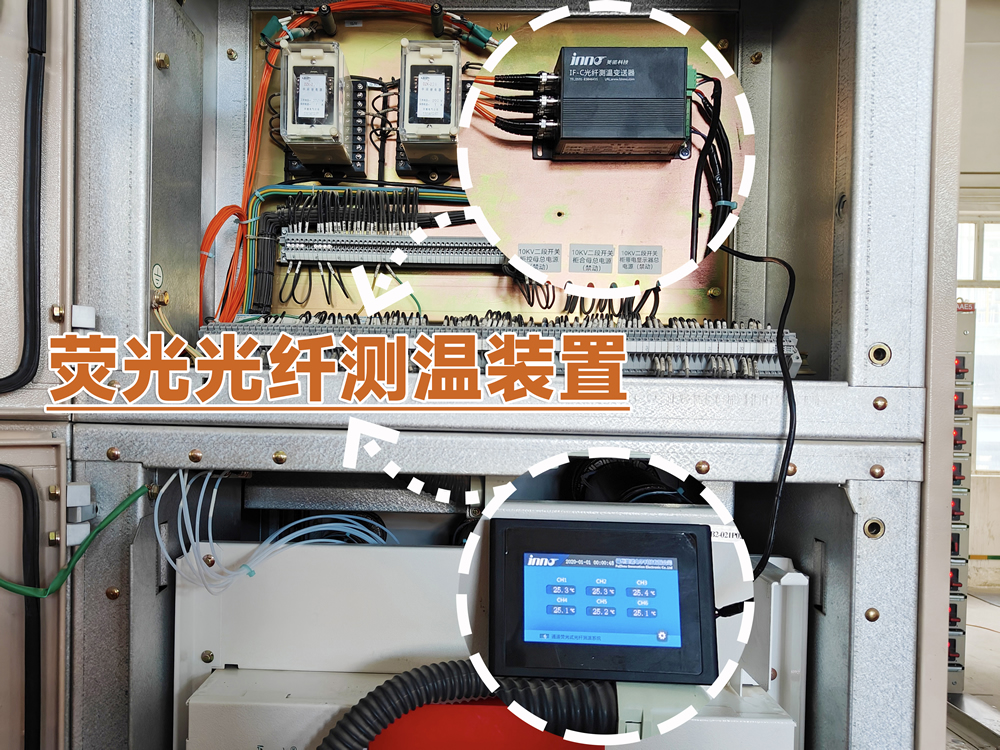
Bất thường tăng nhiệt độ in gas insulated switchgear demands immediate attention to prevent equipment damage and service interruption. Effective thermal management combines monitoring, chẩn đoán, and corrective action.
Phân tích nguyên nhân gốc rễ
Khi Giám sát nhiệt độ GIS indicates elevated readings, điều tra những nguyên nhân phổ biến này:
Electrical Factors
- Contact deterioration – Increased resistance at circuit breaker or disconnect switch contacts generates I²R heating
- Quá tải – Current exceeding rated capacity by 10-20% produces proportional temperature increase
- Harmonic currents – Non-linear loads inject frequencies that increase effective resistance and heating
- Unbalanced loading – Phase current imbalance concentrates thermal stress
Yếu tố môi trường
- Nhiệt độ môi trường xung quanh – High room temperature (>40°C) reduces thermal margin
- Inadequate ventilation – Blocked air circulation prevents heat dissipation
- Solar radiation – Direct sunlight on outdoor GIS enclosures adds thermal load
Tình trạng thiết bị
- Low SF6 pressure – Reduced gas density impairs heat transfer from conductors to enclosure
- Contaminated contacts – Surface films increase contact resistance
- Sai lệch cơ học – Poor contact engagement reduces effective contact area
Immediate Corrective Actions
Upon detecting excessive temperature (>85°C):
- Load reduction – Transfer load to parallel circuits if available, reducing current to 70-80% of rated capacity
- Cooling enhancement – Improve air circulation with temporary fans, reduce ambient temperature with HVAC adjustments
- Operational scheduling – Shift heavy loads to cooler periods if possible
- Emergency planning – Prepare for forced outage if temperature continues rising despite interventions
Long-Term Solutions
Scheduled maintenance addressing the underlying cause:
- Contact maintenance – Lau dọn, re-surface, or replace deteriorated contacts; verify contact pressure meets specifications (typically 500-800N for medium-voltage contacts)
- Gas system service – Replenish SF6 to rated pressure, remove moisture and contaminants
- Ventilation improvements – Install enhanced cooling systems for consistently high-load applications
- Uprating evaluation – Consider equipment upgrade if load growth exceeds original design assumptions
Temperature Monitoring Best Practices
Giám sát nhiệt độ liên tục provides early warning before thermal issues escalate. Set alarm thresholds at 80°C (cảnh báo trước) and 95°C (urgent action required). Trending analysis reveals gradual degradation, enabling planned maintenance rather than emergency response.
9. Linh kiện thiết bị giám sát GIS
Hiện đại lắp đặt thiết bị đóng cắt cách điện bằng khí incorporate comprehensive monitoring systems that continuously assess equipment health and operating conditions. These systems transform GIS from passive infrastructure to intelligent, self-diagnosing assets.
SF6 Gas Density Monitoring
Gas density monitors serve as the primary protection against insulation failure. Các thành phần chính bao gồm:
- Density relays – Mechanical or electronic devices with temperature compensation, providing alarm and lockout contacts at preset density thresholds (tiêu biểu 90% báo thức, 80% lockout)
- Pressure transducers – 4-20mA analog outputs enabling SCADA integration and trending analysis
- Cảm biến nhiệt độ – PT100 RTDs or thermocouples providing gas temperature data for accurate density calculation
Hệ thống phát hiện phóng điện một phần
Online partial discharge monitoring identifies developing insulation defects years before failure:
UHF (Tần số cực cao) Cảm biến
Capacitive sensors mounted on dielectric windows detect electromagnetic radiation (300MHz-3GHz) emitted by partial discharges. Signal processing algorithms distinguish PD from external interference.
Cảm biến âm thanh
Piezoelectric transducers attached to GIS enclosures detect ultrasonic emissions (20-300kHz) from discharge activity. Time-domain analysis localizes PD sources to within ±0.5m.
TEV (Điện áp đất thoáng qua) Giám sát
Sensors at enclosure joints measure voltage transients induced by internal PD, providing complementary detection to UHF methods.
Hệ thống giám sát nhiệt độ
Critical components requiring giám sát nhiệt độ bao gồm:
- Địa chỉ liên lạc của bộ ngắt mạch – Both fixed and moving contacts on each phase
- Disconnect switch blades – Contact points subject to mechanical wear
- Khớp nối thanh cái – Bolted connections between GIS sections
- Đầu cuối cáp – Interface points between GIS and external cables
- Current transformer windings – Secondary windings vulnerable to overheating
Cảm biến sợi quang huỳnh quang provide reliable temperature data in the high-voltage, high electromagnetic field environment inside GIS enclosures.
Mechanical Condition Monitoring
Circuit breaker monitoring tracks operational parameters:
- Travel sensors – Linear potentiometers or rotary encoders measuring contact displacement versus time
- Velocity transducers – Verification that opening/closing speeds meet specifications (tiêu biểu 3-7 m/s)
- Operation counters – Accumulated mechanical operations approaching maintenance intervals
- Motor current monitors – Spring charging motor current indicating mechanical binding or motor degradation
Integrated Monitoring Platforms
Hiện đại Hệ thống giám sát GIS consolidate data from multiple sensors into unified platforms providing:
- Real-time dashboards with graphical status displays
- Công cụ phân tích và xu hướng lịch sử
- Quản lý và thông báo cảnh báo tự động
- Phân tích dự đoán bằng thuật toán học máy
- Tích hợp với tự động hóa trạm biến áp thông qua IEC 61850 giao thức
- Truy cập di động để theo dõi và chẩn đoán từ xa
10. Giải pháp giám sát nhiệt độ GIS
Hiệu quả giám sát nhiệt độ đối với thiết bị đóng cắt cách điện bằng khí yêu cầu vị trí cảm biến chiến lược, lựa chọn công nghệ phù hợp, và quản lý dữ liệu thông minh để phát hiện các vấn đề đang phát triển trước khi chúng gây ra lỗi.
Lựa chọn điểm giám sát
Tối ưu vị trí cảm biến nhắm vào những vị trí dễ bị ảnh hưởng bởi stress nhiệt nhất:
Điểm giám sát chính
| Thành phần | Vị trí giám sát | Phạm vi nhiệt độ điển hình | Ngưỡng báo động |
|---|---|---|---|
| Bộ ngắt mạch | Danh bạ cố định và di chuyển (6 điểm cho 3 pha) | 50-70°C bình thường | 85cảnh báo °C, 100Chuyến đi ° C |
| Ngắt kết nối công tắc | Điểm tiếp xúc lưỡi (3 điểm mỗi giai đoạn) | 45-65°C bình thường | 80cảnh báo °C, 95Chuyến đi ° C |
| Kết nối thanh cái | Mối nối bu lông giữa các phần | 40-60°C bình thường | 75cảnh báo °C, 90Chuyến đi ° C |
| Đầu cuối cáp | Giao diện GIS với cáp | 45-65°C bình thường | 80cảnh báo °C, 95Chuyến đi ° C |
| Máy biến dòng điện | Cuộn dây thứ cấp | 50-70°C bình thường | 90cảnh báo °C, 105Chuyến đi ° C |
Kiến trúc hệ thống
Một sự hoàn chỉnh Hệ thống giám sát nhiệt độ GIS bao gồm bốn lớp chức năng:
Lớp cảm biến
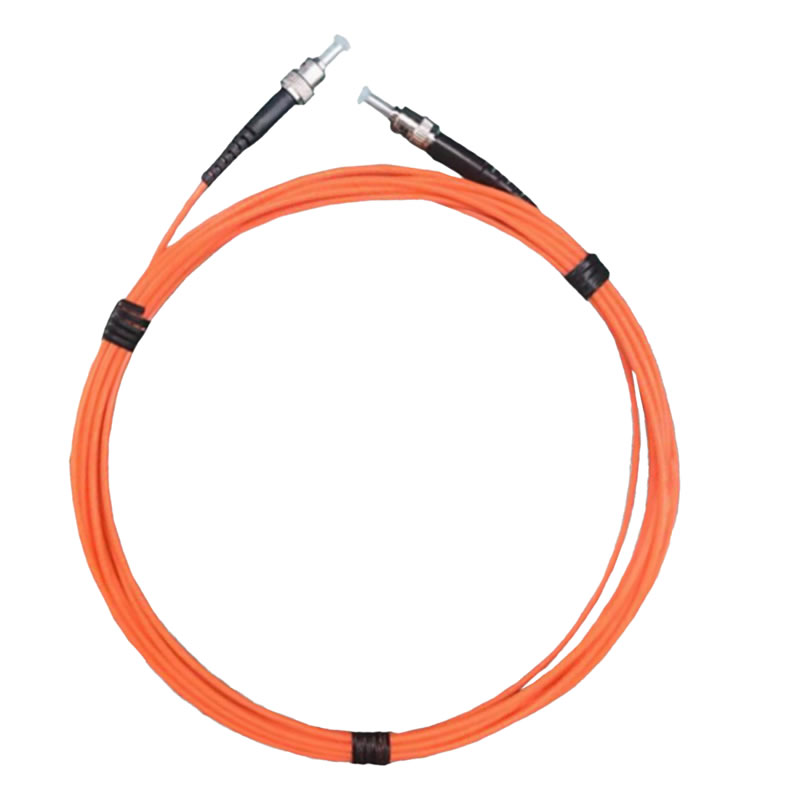
Cảm biến nhiệt độ sợi quang huỳnh quang được lắp đặt tại mỗi điểm quan trắc, được kết nối qua cáp quang đến các mô-đun máy phát. Mỗi cảm biến cung cấp một kênh đo chuyên dụng cho một điểm phát sóng cụ thể.
Lớp thu thập dữ liệu
Máy phát nhiệt độ sợi quang ủng hộ 1-64 kênh cảm biến, chuyển đổi tín hiệu quang sang giá trị nhiệt độ kỹ thuật số. Máy phát cung cấp màn hình cục bộ, đầu ra cảnh báo, và giao diện truyền thông.
Lớp giao tiếp
Modbus RTU/TCP hoặc IEC 61850 giao thức truyền dữ liệu nhiệt độ đến hệ thống tự động hóa trạm biến áp, mạng SCADA, và nền tảng phân tích dựa trên đám mây. Tỷ lệ cập nhật điển hình: 1-thứ hai cho điểm quan trọng, 10-thứ hai để theo dõi thường xuyên.
Lớp quản lý
Phần mềm giám sát tập trung cung cấp khả năng hiển thị theo thời gian thực, xu hướng lịch sử, quản lý báo động, và lập kế hoạch bảo trì dự đoán dựa trên phân tích hiệu suất nhiệt.
Cấu hình chiến lược cảnh báo
Đa cấp báo động nhiệt độ kích hoạt phản hồi theo mức độ:
- Cảnh báo trước (75-80°C) – Thông báo đã ghi, tăng tần suất giám sát, lên lịch điều tra trong thời gian bảo trì có sẵn tiếp theo
- Cảnh báo (85-95°C) – báo động điều hành, visual/audible annunciation, prepare for load reduction or equipment substitution
- Phê bình (>100°C) – Urgent alarm, automatic load shedding if configured, immediate maintenance action required
- Tốc độ tăng nhiệt độ – Alarm when temperature increases >10°C/hour regardless of absolute value, indicating rapid degradation
Data Analytics and Trending
Phân tích xu hướng nhiệt độ reveals degradation patterns:
- Gradual temperature increase over months indicates progressive contact deterioration requiring scheduled maintenance
- Seasonal temperature correlation with ambient conditions confirms adequate thermal margin
- Load-temperature correlation validates equipment rating and identifies overload conditions
- Comparative analysis across phases identifies unbalanced loading or single-phase defects
Integration with Asset Management
Temperature monitoring data feeds into comprehensive asset management systems, kích hoạt:
- Remaining useful life estimation based on thermal stress accumulation
- Optimized maintenance scheduling aligned with actual equipment condition
- Spare parts inventory management based on failure probability
- Long-term investment planning supported by equipment health metrics
11. So sánh cảm biến nhiệt độ: Tại sao cảm biến sợi quang huỳnh quang
Lựa chọn thích hợp công nghệ cảm biến nhiệt độ for gas insulated switchgear monitoring critically impacts system reliability, sự chính xác, và hiệu suất lâu dài. Three primary technologies compete in this application: cảm biến sợi quang huỳnh quang, Máy dò nhiệt độ điện trở PT100, Và nhiệt kế hồng ngoại.
Technology Principles
Cảm biến nhiệt độ sợi quang huỳnh quang
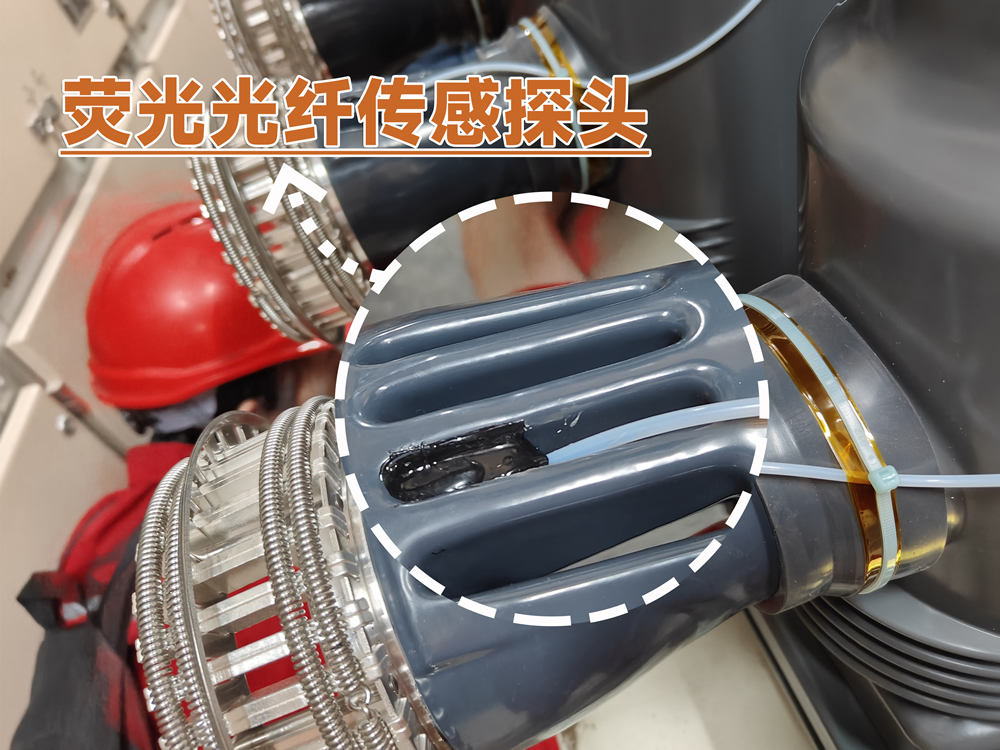
Cảm biến sợi quang huỳnh quang utilize temperature-dependent phosphorescent decay. A probe tip contains rare-earth phosphor material that fluoresces when excited by LED light transmitted through the optical fiber. The fluorescent decay time varies predictably with temperature, providing accurate measurement independent of light intensity variations. These sensors offer contact-type measurement with one fiber optic cable measuring one specific hotspot location.
Máy dò nhiệt độ điện trở PT100
Cảm biến PT100 exploit the positive temperature coefficient of platinum resistance (0.385Ω/°C). A platinum element with 100Ω resistance at 0°C changes resistance proportionally with temperature. Electronic transmitters convert resistance to temperature via standardized curves (IEC 60751).
Hình ảnh nhiệt hồng ngoại
Infrared cameras detect electromagnetic radiation in the 8-14μm wavelength range emitted by objects according to Stefan-Boltzmann law. Surface temperature is calculated from radiation intensity and emissivity coefficient.
Comprehensive Performance Comparison
| Thông số hiệu suất | Cảm biến sợi quang huỳnh quang | PT100 RTD | Nhiệt kế hồng ngoại |
|---|---|---|---|
| Nguyên tắc đo lường | Phosphorescent decay time | Resistance variation | Phát hiện bức xạ nhiệt |
| Miễn dịch EMI | Miễn dịch hoàn toàn (non-metallic) | Susceptible to EMI/RFI | Không bị ảnh hưởng (không liên lạc) |
| Cách ly điện | Inherently isolated (chất điện môi) | Requires isolation barriers | Completely isolated |
| Độ chính xác của phép đo | ±1°C | ±0,3°C (Lớp A) | ±2-5°C (depends on emissivity) |
| Phạm vi nhiệt độ | -40°C đến +260°C | -200°C đến +850°C | -20°C to +1500°C |
| Thời gian đáp ứng | <1 thứ hai | 5-30 giây (depends on construction) | <1 thứ hai |
| Fiber/Cable Length | 0-80 mét mỗi cảm biến | Limited to 100m without amplification | không áp dụng (line-of-sight required) |
| Đường kính đầu dò | Có thể tùy chỉnh (typically 1-3mm) | 3-6mm điển hình | không áp dụng |
| Độ phức tạp cài đặt | Đơn giản (adhesive or mechanical attachment) | Vừa phải (hệ thống dây điện, grounding required) | Requires access windows/periodic surveys |
| Môi trường điện áp cao | Xuất sắc (không có đường dẫn) | Requires special grounding/shielding | Xuất sắc (remote measurement) |
| Ổn định lâu dài | Xuất sắc (không trôi, >20 năm) | Tốt (±0.1°C drift over 5 năm) | Depends on equipment calibration |
| Yêu cầu bảo trì | Tối thiểu (không cần hiệu chuẩn) | Periodic calibration verification | Camera calibration, window cleaning |
| Khả năng đa điểm | 1 hotspot per fiber, 1-64 kênh trên mỗi máy phát | One sensor per measurement point | Full thermal imaging of viewed area |
| Giám sát liên tục | Đúng (24/7 thời gian thực) | Đúng (24/7 thời gian thực) | KHÔNG (periodic surveys unless fixed installation) |
| Initial Equipment Cost | Vừa phải | Thấp | Cao |
| Chi phí lắp đặt | Thấp (simple mounting) | Vừa phải (wiring labor) | Thấp (survey-based) to High (fixed installation) |
| Operating Cost | Rất thấp | Low to moderate | Vừa phải (periodic surveys) to Low (tự động) |
Why Fluorescent Fiber Optic Sensors Excel for GIS
Cảm biến nhiệt độ sợi quang huỳnh quang uniquely address the challenging requirements of gas insulated switchgear monitoring:
Intrinsic Safety in High-Voltage Environments
The complete absence of metallic components eliminates any possibility of creating ground loops, induced voltages, or electrical discharge paths. Sensors can be installed directly on high-voltage conductors without compromising electrical isolation—impossible with Cảm biến PT100 that require complex grounding schemes and isolation amplifiers.
Miễn nhiễm EMI/RFI
GIS environments contain intense electromagnetic fields during switching operations and fault conditions. Cảm biến sợi quang transmit data as optical signals completely immune to electromagnetic interference, ensuring accurate measurements even during transient events that would saturate electronic sensors.
Compact Installation in Space-Constrained Locations
Đường kính đầu dò nhỏ (customizable from 1-3mm) and flexible fiber optic cable enable installation in tight spaces between high-voltage components where conventional sensors cannot fit. Kẹp dính hoặc kẹp cơ học giúp gắn chắc chắn mà không cần khoan hoặc thủ tục xâm lấn.
Khoảng cách truyền mở rộng
Cáp quang truyền tín hiệu lên đến 80 mét không bị suy giảm tín hiệu hoặc cần khuếch đại tích cực. Khả năng này cho phép lắp đặt máy phát tập trung một cách an toàn, các vị trí có thể truy cập trong khi giám sát các điểm từ xa sâu trong các tổ hợp GIS.
Khả năng mở rộng đa kênh
Một đĩa đơn máy phát nhiệt độ sợi quang chứa đựng 1-64 kênh cảm biến độc lập, cho phép giám sát toàn diện toàn bộ khu vực GIS bằng một thiết bị nhỏ gọn. Mỗi kênh cung cấp phép đo chuyên dụng cho một vị trí điểm phát sóng cụ thể mà không có nhiễu xuyên âm hoặc nhiễu.
Yêu cầu bảo trì tối thiểu
Nguyên lý đo quang học thể hiện độ ổn định lâu dài đặc biệt và không bị trôi, loại bỏ các yêu cầu hiệu chuẩn định kỳ. Tuổi thọ cảm biến dự kiến vượt quá 20 years with zero maintenance—a critical advantage for sealed GIS equipment where access for sensor replacement is expensive and disruptive.
Application-Specific Sensor Selection
Trong khi cảm biến sợi quang huỳnh quang provide optimal performance for continuous GIS monitoring, complementary technologies serve specific purposes:
- Sử dụng Cảm biến PT100 for non-critical temperature monitoring in low-voltage auxiliary equipment where EMI is minimal and lower cost is prioritized
- Triển khai nhiệt kế hồng ngoại for periodic diagnostic surveys of accessible GIS components, providing visual thermal maps that identify unexpected hot spots
- Thực hiện cảm biến sợi quang for all critical high-voltage components requiring 24/7 monitoring with guaranteed reliability
Beyond Power Systems: Versatile Applications
Cảm biến nhiệt độ sợi quang huỳnh quang demonstrate exceptional versatility across diverse industries:
- Ứng dụng y tế – MRI-compatible temperature monitoring, RF ablation procedures, patient monitoring in high-field magnetic environments
- Laboratory research – Cryogenic temperature measurement, giám sát lò phản ứng hóa học, microwave heating processes
- Quy trình công nghiệp – Induction heating systems, metal treatment furnaces, explosive atmosphere monitoring
- Vận tải – Generator and traction motor monitoring in electric locomotives, battery thermal management in electric vehicles
Các thông số kỹ thuật có thể tùy chỉnh—bao gồm phạm vi nhiệt độ (-40°C đến +260°C), đường kính đầu dò, chiều dài cáp, và cấu hình kênh—kích hoạt các giải pháp phù hợp cho hầu hết mọi thách thức về giám sát nhiệt độ.
12. Tổng quan về thiết bị trạm biến áp
Điện trạm biến áp chứa các thiết bị đa dạng hoạt động đồng bộ để biến đổi các cấp điện áp, phân phối quyền lực, và bảo vệ mạng. Hiểu được phần bổ sung thiết bị hoàn chỉnh sẽ cung cấp bối cảnh cho các yêu cầu giám sát nhiệt độ.
Thiết bị sơ cấp
Máy biến áp điện
Máy biến áp điện tăng giảm điện áp theo yêu cầu truyền tải hoặc phân phối. Các thiết bị có phạm vi từ máy biến áp phân phối 1MVA đến máy biến áp truyền tải 500MVA+. Các điểm giám sát quan trọng bao gồm các điểm nóng quanh co, nhiệt độ dầu, và kết nối ống lót.
Thiết bị đóng cắt cách điện bằng khí (GIS)
Như đã thảo luận rộng rãi trong hướng dẫn này, thiết bị GIS cung cấp khả năng chuyển mạch và bảo vệ nhỏ gọn trong vỏ cách điện SF6 kín. Giám sát nhiệt độ tập trung vào các điểm tiếp xúc của bộ ngắt mạch, ngắt kết nối công tắc, and busbar joints.
Bộ ngắt mạch
Bộ ngắt mạch—whether air, dầu, trống, or SF6 type—interrupt fault currents and normal load currents. Contact temperature monitoring prevents failures from contact erosion or spring degradation.
Disconnect Switches and Grounding Switches
Ngắt kết nối công tắc provide visible isolation for maintenance, trong khi công tắc nối đất ensure worker safety. Both contain mechanical contacts requiring thermal monitoring.
Thiết bị chống sét
Surge arresters protect equipment from lightning and switching overvoltages. While typically requiring no temperature monitoring, internal degradation sometimes manifests as thermal signatures detectable by infrared surveys.
Máy biến áp dụng cụ
Máy biến dòng điện (CT)
Máy biến dòng điện scale primary current to standard 1A or 5A secondary values for metering and protection. Secondary winding overheating from excessive burden or turn-to-turn faults requires monitoring in critical applications.
Máy biến điện áp (VTs/PTs)
Voltage transformers provide scaled voltage signals for instrumentation. Thermal issues are rare but can occur with capacitor voltage transformers (CVTs) at harmonic frequencies.
Reactive Power Compensation
Ngân hàng tụ điện
Capacitor banks provide reactive power support and voltage regulation. Individual capacitor units can overheat from internal element failure or harmonic resonance, making thermal monitoring valuable for large installations.
Shunt Reactors
Lò phản ứng absorb reactive power on lightly loaded transmission lines. Oil-filled reactor winding temperature requires monitoring similar to power transformers.
Secondary and Control Equipment
Rơle bảo vệ
Microprocessor-based rơle bảo vệ detect faults and initiate breaker tripping. Modern relays incorporate self-diagnostics but may benefit from ambient temperature monitoring in harsh environments.
Control and Automation Systems
Substation automation systems aggregate data from intelligent electronic devices (IED), providing centralized monitoring and control. These systems integrate temperature monitoring data alongside electrical measurements.
DC Systems
Station batteries Và battery chargers provide reliable DC power for protection and control circuits. Battery temperature monitoring optimizes charging and extends service life.
Auxiliary Systems
Power Cables and Connections
Power cable terminations and joints represent common failure points. Temperature monitoring detects developing insulation degradation or connection resistance issues before catastrophic failure.
Thanh cái
Busbar systems phân phối điện trong trạm biến áp. Các mối nối bu lông cần được kiểm tra nhiệt định kỳ vì điện trở tiếp xúc tăng khi bị lỏng hoặc ăn mòn cơ học.
Hệ thống HVAC và làm mát
Kiểm soát môi trường duy trì nhiệt độ hoạt động chấp nhận được cho thiết bị và nhân viên, đặc biệt là ở các trạm biến áp ngầm hoặc trong nhà.
13. Giám sát nhiệt độ sợi quang để phát hiện điểm phát sóng của thiết bị
Hệ thống giám sát nhiệt độ sợi quang vượt trội trong việc phát hiện sự bất thường về nhiệt trên các thiết bị trạm biến áp khác nhau, cung cấp cảnh báo sớm về việc phát triển các lỗi và cho phép các chiến lược bảo trì dự đoán.
Điểm giám sát thiết bị GIS
Danh bạ ngắt mạch
Bộ ngắt mạch các điểm tiếp xúc cố định và di chuyển đại diện cho các điểm giám sát quan trọng nhất trong GIS. Xói mòn tiếp xúc do gián đoạn lặp đi lặp lại, áp lực tiếp xúc không đủ, hoặc ô nhiễm bề mặt làm tăng điện trở và tạo ra nhiệt quá mức. Cảm biến sợi quang huỳnh quang gắn trực tiếp trên các tiếp điểm phát hiện sự tăng nhiệt độ từ phạm vi hoạt động bình thường (50-65°C) to warning levels (85-95°C) before permanent damage occurs.
Nghiên cứu điển hình: 145kV GIS Circuit Breaker Contact Failure Prevention
A utility monitoring 145kV GIS circuit breaker contacts with fiber optic sensors detected gradual temperature increase on Phase B from 58°C to 82°C over six months. Scheduled maintenance revealed contact spring relaxation reducing contact force by 30%. Replacing the spring mechanism prevented an anticipated failure that would have caused 12+ hours outage affecting 50,000 khách hàng.
Disconnect Switch Blade Contacts
Disconnect switch contacts experience mechanical wear from repeated operations and environmental effects. Temperature monitoring typically uses 3 sensors per phase (6 contact points per switch) to detect asymmetric heating indicating misalignment or uneven contact.
Busbar Connection Points
Bolted connections between GIS sections hoặc tại các đầu cáp có thể bị lỏng do chu kỳ nhiệt hoặc mô-men xoắn ban đầu không đủ. Việc theo dõi các mối nối này sẽ phát hiện sự gia tăng điện trở trước khi nó tiến triển thành hồ quang hoặc tách hoàn toàn.
Giao diện đầu cuối cáp
Sự chuyển tiếp từ GIS đến cáp điện bên ngoài tập trung ứng suất điện và nhiệt. Cảm biến nhiệt độ tại các giao diện này xác định sự suy giảm cách điện, độ ẩm xâm nhập, hoặc suy giảm kết nối.
Ứng dụng giám sát máy biến áp điện
Nhiệt độ điểm nóng quanh co
Máy biến áp điện điểm nóng cuộn dây xác định khả năng tải và mức tiêu thụ tuổi thọ cách điện. Trong khi máy biến áp truyền thống ước tính nhiệt độ điểm nóng từ nhiệt độ dầu trên cùng và dòng tải, đo trực tiếp bằng cảm biến sợi quang được nhúng trong quá trình sản xuất cung cấp dữ liệu chính xác để đánh giá tải trọng động và tuổi thọ còn lại.
Thành phần cốt lõi và kết cấu
Abnormal heating in transformer cores or structural components indicates circulating currents from insulation failure or grounding issues. Strategic sensor placement detects these anomalies during commissioning tests or in-service monitoring.
Bushing and Tap Changer Contacts
Ống lót máy biến áp Và load tap changers contain mechanical contacts subject to similar degradation as thiết bị GIS. Temperature monitoring supplements traditional diagnostic methods like dissolved gas analysis.
Switchgear and Distribution Equipment
Thiết bị đóng cắt trung thế
Thiết bị đóng cắt bọc kim loại for medium voltage (5-38kV) distribution contains circuit breakers, disconnects, and bus systems requiring thermal monitoring. Fiber optic sensors prevent service interruptions from overheated connections—particularly important in industrial facilities with continuous process operations.
Low Voltage Power Distribution
Low voltage switchboards Và trung tâm điều khiển động cơ distribute power to end-use equipment. High current densities in compact enclosures make these systems vulnerable to connection overheating. Fiber optic monitoring provides early warning in mission-critical applications.
Cable System Monitoring
Cable Joints and Terminations
Power cable accessories represent the weakest points in cable systems. Improper installation, độ ẩm xâm nhập, or insulation degradation causes localized heating detectable by contact-type cảm biến sợi quang before complete failure.
Nghiên cứu điển hình: Underground Cable Joint Failure Prevention
A 33kV underground cable system serving a hospital complex incorporated fiber optic temperature sensors at all cable joints (24 điểm quan trắc). One sensor detected temperature rise from 52°C to 88°C over three weeks. Excavation and inspection revealed moisture penetration compromising joint insulation. Replacing the joint prevented an outage that would have impacted critical medical services.
Cable Tunnel and Tray Monitoring
For cables in accessible tunnels or trays, cảm biến nhiệt độ phân tán (DTS) using fiber optic cables provides continuous temperature profiles. Tuy nhiên, for specific hotspot monitoring at joints and terminations, rời rạc cảm biến sợi quang huỳnh quang offer superior accuracy with one sensor measuring one critical point.
Rotating Machinery Applications
Generator Stator Windings
Lớn máy phát điện in power plants utilize embedded fiber optic sensors to monitor stator winding temperature at multiple points, enabling optimized loading while preventing insulation damage from excessive temperature.
Motor Bearings and Windings
Phê bình động cơ driving pumps, máy nén, or fans in power plants and industrial facilities benefit from bearing and winding temperature monitoring, preventing unexpected failures in essential services.
Monitoring System Architecture for Comprehensive Coverage
A complete substation hệ thống giám sát nhiệt độ sợi quang thường bao gồm:
| Loại thiết bị | Monitoring Points per Unit | Số lượng cảm biến điển hình (110Trạm biến áp kV) |
|---|---|---|
| GIS Circuit Breaker | 6 (2 mỗi giai đoạn) | 12-18 (2-3 máy cắt) |
| GIS Disconnect Switch | 6 (2 mỗi giai đoạn) | 18-24 (3-4 công tắc) |
| Máy biến áp điện | 3-6 (cuộn dây, ống lót) | 6-12 (2 máy biến áp) |
| Đầu cuối cáp | 3 mỗi lần chấm dứt | 12-18 (4-6 mạch điện) |
| Kết nối thanh cái | Biến | 6-12 |
| Total System | – | 54-84 cảm biến |
This monitoring point count typically requires 2-3 máy phát nhiệt độ sợi quang (32-channel models), providing redundancy and logical grouping of related equipment.
Thermal Fault Detection Success Metrics
Utilities implementing comprehensive giám sát nhiệt độ sợi quang report significant reliability improvements:
- 70-85% of developing thermal faults detected 30+ days before critical failure
- Unplanned outages reduced by 40-60% through predictive maintenance
- Equipment service life extended 15-25% by avoiding thermal stress damage
- Maintenance costs optimized by transitioning from time-based to condition-based schedules
14. Câu hỏi thường gặp
Q1: How long does GIS equipment typically last?
MỘT: Bảo trì đúng cách thiết bị đóng cắt cách điện bằng khí provides reliable service for 40-50 năm. The sealed, môi trường được kiểm soát bảo vệ các bộ phận khỏi sự xuống cấp của môi trường làm hạn chế tuổi thọ của thiết bị ngoài trời. Các mốc bảo trì quan trọng bao gồm 10-15 các cuộc thanh tra lớn hàng năm và 20-25 đại tu hệ thống liên lạc năm. Một số hệ thống GIS từ những năm 1970 vẫn tiếp tục hoạt động thành công cho đến ngày nay.
Q2: Khí SF6 có nguy hiểm với sức khỏe con người không??
MỘT: khí SF6 bản thân nó không độc hại và không gây nguy hiểm trực tiếp cho sức khỏe. Tuy nhiên, nó nặng hơn không khí và có thể gây ngạt thở trong không gian hạn chế do chiếm chỗ oxy. Sản phẩm phân hủy từ hồ quang điện (chủ yếu là các hợp chất lưu huỳnh và florua kim loại) độc hại và ăn mòn, yêu cầu thông gió và bảo vệ hô hấp thích hợp trong quá trình bảo trì. Các thiết kế GIS hiện đại kết hợp các hệ thống xử lý khí giúp giảm thiểu sự tiếp xúc của con người.
Q3: Tần suất thiết bị GIS yêu cầu bảo trì?
MỘT: Bảo trì GIS lịch trình thường bao gồm: kiểm tra trực quan hàng ngày các chỉ số mật độ khí (5 phút), kiểm tra chi tiết hàng quý bao gồm đo nhiệt độ hồng ngoại (2-4 giờ), bảo trì phòng ngừa hàng năm với thử nghiệm điện (1-2 ngày mỗi vịnh), và đại tu lớn mỗi 10-15 năm (1-2 tuần mỗi vịnh). Tần suất bảo trì thực tế có thể thay đổi tùy theo khuyến nghị của nhà sản xuất, điều kiện hoạt động, và các yêu cầu quy định.
Q4: Tại sao GIS đắt hơn thiết bị chuyển mạch thông thường?
MỘT: thiết bị GIS chi phí 30-50% hơn tương đương thiết bị đóng cắt cách điện bằng không khí do yêu cầu sản xuất chính xác, Kiểm tra và nạp khí SF6, hệ thống niêm phong phức tạp, và quy trình lắp đặt chuyên biệt. Tuy nhiên, tổng chi phí dự án thường thiên về GIS khi bao gồm cả việc thu hồi đất (70-80% tiết kiệm không gian), công trình dân dụng (nền tảng tối thiểu), nhân công lắp đặt (lịch trình ngắn hơn), và chi phí vòng đời (giảm bảo trì). Các vị trí đô thị có giá trị đất cao thường thể hiện 10-20% tổng chi phí sở hữu GIS thấp hơn mặc dù giá thiết bị cao hơn.
Q5: GIS có thể được cài đặt ngoài trời?
MỘT: Đúng, ngoài trời Cài đặt GIS are common and successful when using equipment with appropriate environmental protection ratings. Outdoor GIS requires weatherproof enclosures, heating systems for cold climates, solar radiation protection, and adequate ventilation. Many utilities prefer outdoor GIS to minimize building costs while achieving space savings compared to outdoor AIS. Special attention to cable entry sealing prevents moisture ingress into the gas system.
Q6: How do you know when GIS equipment needs replacement?
MỘT: GIS replacement decisions depend on multiple factors: equipment age exceeding 40 years with increasing maintenance costs, obsolete designs lacking spare parts availability, repeated failures indicating systemic issues, inability to meet updated performance standards, or cost-benefit analysis favoring replacement over continued maintenance. Condition assessment through partial discharge testing, gas quality analysis, mechanical operation analysis, and thermal monitoring provides data for informed decisions. Many utilities plan systematic GIS replacement programs at 45-50 year intervals.
Q7: Can GIS faults be repaired on-site?
MỘT: Hầu hết GIS faults require factory repair rather than field maintenance. The sealed gas system, precision tolerances, and specialized test equipment necessary for proper restoration generally exceed site capabilities. Exceptions include external component replacement (cơ chế vận hành, rơle, điều khiển hệ thống dây điện) and minor gas system repairs (seal replacement on accessible joints). Utilities typically maintain spare GIS modules or sections for rapid replacement, sending failed units to manufacturer service centers for refurbishment.
Q8: Is fluorescent fiber optic temperature monitoring difficult to install?
MỘT: Cảm biến sợi quang huỳnh quang installation is straightforward and minimally invasive. Sensors attach to monitoring points using high-temperature adhesive, clip cơ khí, or magnetic mounts—typically requiring 5-10 minutes per point. Fiber optic cables route through cable trays to centralized transmitter locations. The dielectric nature of fiber eliminates grounding and isolation concerns that complicate PT100 installation in high-voltage equipment. Most installations complete within 1-2 days for a complete substation bay.
Q9: How does temperature monitoring integrate with existing SCADA systems?
MỘT: Hiện đại máy phát nhiệt độ sợi quang provide industry-standard communication protocols including Modbus RTU/TCP, DNP3, và IEC 61850. Integration typically involves configuring the transmitter IP address and register mapping, then adding monitoring points to the SCADA database. Most systems support both polling (SCADA requests data) and event-driven reporting (transmitter sends alarms immediately). Integration timelines range from a few hours for simple Modbus connections to 1-2 days for full IEC 61850 implementation with object modeling.
Q10: What is the typical investment for a GIS temperature monitoring system?
MỘT: Hoàn thành GIS temperature monitoring systems cost approximately $500-1,200 per monitoring point, bao gồm cảm biến, máy phát, giao diện truyền thông, và phần mềm. A typical 145kV GIS bay with 24 monitoring points requires an investment of $15,000-25,000. Larger installations benefit from economies of scale, với 50+ point systems averaging $600-800 mỗi điểm. Return on investment typically occurs within 2-4 năm thông qua những thất bại được ngăn chặn, bảo trì tối ưu, and avoided outages. The investment represents 1-3% of total GIS equipment cost while providing disproportionate value in risk reduction.
Q11: What temperature range can fluorescent fiber optic sensors measure?
MỘT: Tiêu chuẩn cảm biến nhiệt độ sợi quang huỳnh quang measure from -40°C to +260°C, covering all GIS operating conditions from arctic installations to maximum allowable contact temperatures. Specialized sensors extend this range to -200°C for cryogenic applications or +400°C for industrial processes. The -40°C to +260°C range provides adequate margin for GIS monitoring, where normal operating temperatures rarely exceed 70°C and alarm thresholds typically set at 85-100°C.
Q12: Một máy phát cáp quang có thể hỗ trợ bao nhiêu cảm biến?
MỘT: Máy phát nhiệt độ sợi quang are available in configurations from 1 ĐẾN 64 kênh, with each channel connecting to one dedicated fluorescent sensor measuring one specific hotspot. Common configurations include 4, 8, 16, 32, and 64-channel models. Channel selection depends on monitoring requirements—a single GIS circuit breaker might use a 6-channel transmitter (2 sensors per phase), while a complete substation bay could require a 32 or 64-channel transmitter. Thiết kế mô-đun cho phép mở rộng hiện trường khi nhu cầu giám sát tăng lên.
Q13: Công nghệ cáp quang tương tự có thể giám sát các thiết bị trạm biến áp khác không?
MỘT: Tuyệt đối. Cảm biến sợi quang huỳnh quang cung cấp khả năng giám sát nhiệt độ linh hoạt trên tất cả các thiết bị trạm biến áp bao gồm cả máy biến áp điện, hệ thống cáp, lò phản ứng, ngân hàng tụ điện, bộ ngắt mạch, ngắt kết nối công tắc, và hệ thống thanh cái. Khả năng chống nhiễu điện từ và cách ly điện của công nghệ này khiến nó trở nên lý tưởng cho các ứng dụng điện áp cao. Ngoài hệ thống điện, những cảm biến này giám sát thiết bị trong cơ sở y tế (Máy MRI), phòng thí nghiệm (lò phản ứng nghiên cứu), cây công nghiệp (lò cảm ứng), và hệ thống giao thông (động cơ kéo đầu máy).
Q14: Điều gì xảy ra nếu cảm biến sợi quang bị hỏng?
MỘT: Cảm biến sợi quang hiếm khi xảy ra hư hỏng do nguyên lý đo quang học chắc chắn và không có các bộ phận điện. Nếu cảm biến bị lỗi, máy phát phát hiện lỗi và tạo cảnh báo cho biết kênh nào bị ảnh hưởng. The remaining sensors continue operating normally—unlike distributed systems where one fiber break can disable multiple measurement points. Sensor replacement involves disconnecting the failed fiber, installing a new sensor at the monitoring point, and connecting it to the same transmitter channel—typically completed in 15-30 minutes without affecting other measurements.
Q15: How does fiber optic temperature monitoring contribute to smart grid initiatives?
MỘT: Temperature monitoring data integrates seamlessly into smart grid architectures via standard protocols (IEC 61850, Modbus, DNP3). Real-time thermal status enables dynamic asset rating—adjusting equipment loading based on actual temperature rather than conservative nameplate limits. Historical trending supports predictive analytics and machine learning algorithms that forecast failures days or weeks in advance. Integration with automated demand response systems allows thermal constraints to influence grid optimization decisions. The data contributes to digital twin models that simulate substation behavior under various operating scenarios, supporting optimal grid management.
Get Expert GIS Temperature Monitoring Solutions
Contact us today to discuss your specific gas insulated switchgear monitoring requirements and receive a customized solution proposal.

Cảm biến nhiệt độ sợi quang, Hệ thống giám sát thông minh, Nhà sản xuất cáp quang phân phối tại Trung Quốc
 |
 |
 |