 Cảm biến nhiệt độ sợi quang INNO ,hệ thống giám sát nhiệt độ.
Bài học chính
- Two Main Categories: Cảm biến nhiệt độ phân tán (DTS) for long-distance continuous monitoring and Point Sensing for specific location measurements
- Công nghệ cốt lõi: DTS dựa trên Raman, Fluorescence point sensors(FFOS), và lưới sợi Bragg (FBG) hệ thống
- Critical Advantages: Miễn nhiễm điện từ, điện trở cao, hoạt động an toàn nội tại, maintenance-free performance
- Wide Applications: Cuộn dây máy biến áp, thiết bị chuyển mạch, thiết bị y tế, sản xuất chất bán dẫn, giám sát cáp
- Fluorescence Specifications: Độ chính xác ±1°C, -40Phạm vi ° C đến 260 ° C, <1s response time, 1-64 kênh trên mỗi máy phát
- Nhà sản xuất hàng đầu: Khoa học điện tử đổi mới Phúc Châu&Công ty công nghệ, Công ty TNHH. (Phía đông . 2011) – certified with CE, ROHS, ISO
Mục lục
- What is a Fiber Optic Temperature Monitoring System?
- Công nghệ cảm biến nhiệt độ sợi quang hoạt động như thế nào?
- Distributed vs Point Fiber Optic Temperature Sensing: Sự khác biệt là gì?
- What Types of Fiber Optic Temperature Sensors are Available?
- Why Choose Fiber Optic Temperature Monitoring Over Traditional Methods?
- What are the Key Advantages of Fiber Optic Temperature Monitoring Systems?
- Giám sát nhiệt độ cuộn dây máy biến áp: Best Solution
- Fiber Optic Temperature Monitoring for Switchgear and Busbar Systems
- How to Achieve Safe Temperature Monitoring in High Voltage Electrical Equipment?
- Fiber Optic Temperature Sensing Solutions for Medical Equipment
- Precision Temperature Monitoring in Semiconductor Manufacturing
- Online Temperature Monitoring Systems for Cables and Motors
- Intrinsically Safe Temperature Monitoring Solutions for Hazardous Areas
- Global Applications of Fiber Optic Temperature Monitoring Systems
- How to Select the Right Fiber Optic Temperature Monitoring System?
- Complete Technical Specifications Comparison
- Response Time and Accuracy of Fiber Optic Temperature Monitoring Systems
- Chứng nhận sản phẩm và đảm bảo chất lượng
- Câu hỏi thường gặp
- Contact Us for Expert Consultation and Worldwide Service
1. một là gì Hệ thống giám sát nhiệt độ sợi quang?

MỘT hệ thống giám sát nhiệt độ sợi quang uses optical fiber cables as sensors to measure temperature along their length or at specific points. Không giống như các cảm biến điện thông thường, these systems transmit data through light signals traveling within the fiber, enabling temperature measurement in challenging environments where traditional sensors fail.
The system consists of four primary components:
- Cáp quang cảm biến: The temperature-sensitive element that responds to thermal changes
- Optical interrogator/demodulator: Device that sends light pulses and analyzes returned signals
- Đơn vị thu thập dữ liệu: Processes optical signals into temperature readings
- Phần mềm giám sát: Displays real-time data, xu hướng, và quản lý báo động
Cảm biến nhiệt độ sợi quang excel in applications requiring immunity from electromagnetic interference, operation in high voltage environments, or deployment in potentially explosive atmospheres.
2. Làm thế nào Cảm biến nhiệt độ sợi quang Công việc công nghệ?
The operating principle of giám sát nhiệt độ sợi quang depends on how temperature changes affect light transmission within the fiber. When light pulses travel through optical fiber, temperature variations alter the optical properties, creating measurable changes in the returning signal.
Vì cảm biến nhiệt độ phân tán (DTS), the system analyzes backscattered light along the entire fiber length. Temperature changes modify the intensity and frequency of this scattered light, allowing the system to calculate temperature at every point along the fiber.
Vì point temperature sensors, temperature affects specific optical properties at discrete locations. Cảm biến huỳnh quang measure the decay time of fluorescent material, trong khi Cảm biến FBG phát hiện sự thay đổi bước sóng trong ánh sáng phản xạ. Each technology converts these optical changes into precise temperature measurements.
3. Distributed vs Point Fiber Optic Temperature Sensing: Sự khác biệt là gì?
Understanding the fundamental distinction between phân phối Và cảm biến điểm is essential for selecting the appropriate hệ thống giám sát nhiệt độ sợi quang.
Cảm biến nhiệt độ phân tán (DTS)

hệ thống DTS provide continuous temperature measurement along the entire length of the sensing fiber, functioning as thousands of temperature sensors in a single cable. MỘT cảm biến nhiệt độ sợi quang phân tán can monitor distances from hundreds of meters to several kilometers, making it ideal for pipeline monitoring, phát hiện cháy đường hầm, và an ninh vành đai.
Key characteristics of Giám sát DTS:
- Continuous spatial measurement (every meter or less)
- Long-distance capability (lên tới 30-40 km for advanced systems)
- Single fiber monitors extensive areas
- Detects temperature gradients and hotspots anywhere along the fiber
- Độ chính xác điển hình: ±1°C đến ±3°C
Point Temperature Sensing
Point fiber optic sensors measure temperature at specific, predetermined locations. These sensors offer higher accuracy and faster response times compared to hệ thống DTS, making them perfect for critical equipment monitoring where precise temperature control is essential.
Key characteristics of cảm biến điểm:
- Discrete measurement points
- Độ chính xác cao hơn (±0,1°C đến ±1°C tùy thuộc vào công nghệ)
- Faster response times (<1 thứ hai)
- Multiple sensors on single fiber (1-64 kênh)
- Customizable probe configurations
Bảng so sánh: DTS vs Point Sensing
| Tính năng | phân phối (DTS) | Point Sensing |
|---|---|---|
| Loại đo lường | Liên tục dọc theo sợi | Specific locations |
| Khoảng cách giám sát | Lên đến 40 km | Lên đến 80 m per channel |
| Sự chính xác | ±1°C đến ±3°C | ±0,1°C đến ±1°C |
| Thời gian đáp ứng | Giây đến phút | <1 thứ hai |
| Độ phân giải không gian | 0.5-2 tôi | không áp dụng (point measurement) |
| Số điểm | Hàng ngàn (liên tục) | 1-64 mỗi máy phát |
| Tốt nhất cho | Long assets, giám sát chu vi | Critical equipment, điều khiển chính xác |
| Ứng dụng điển hình | Đường ống, đường hầm, dây cáp điện | Máy biến áp, thiết bị chuyển mạch, động cơ |
4. What Types of Fiber Optic Temperature Sensors are Available?
Three primary technologies dominate the cảm biến nhiệt độ sợi quang chợ, each with distinct operating principles and optimal applications.
4.1 Raman-Based Distributed Temperature Sensing (DTS) Hệ thống
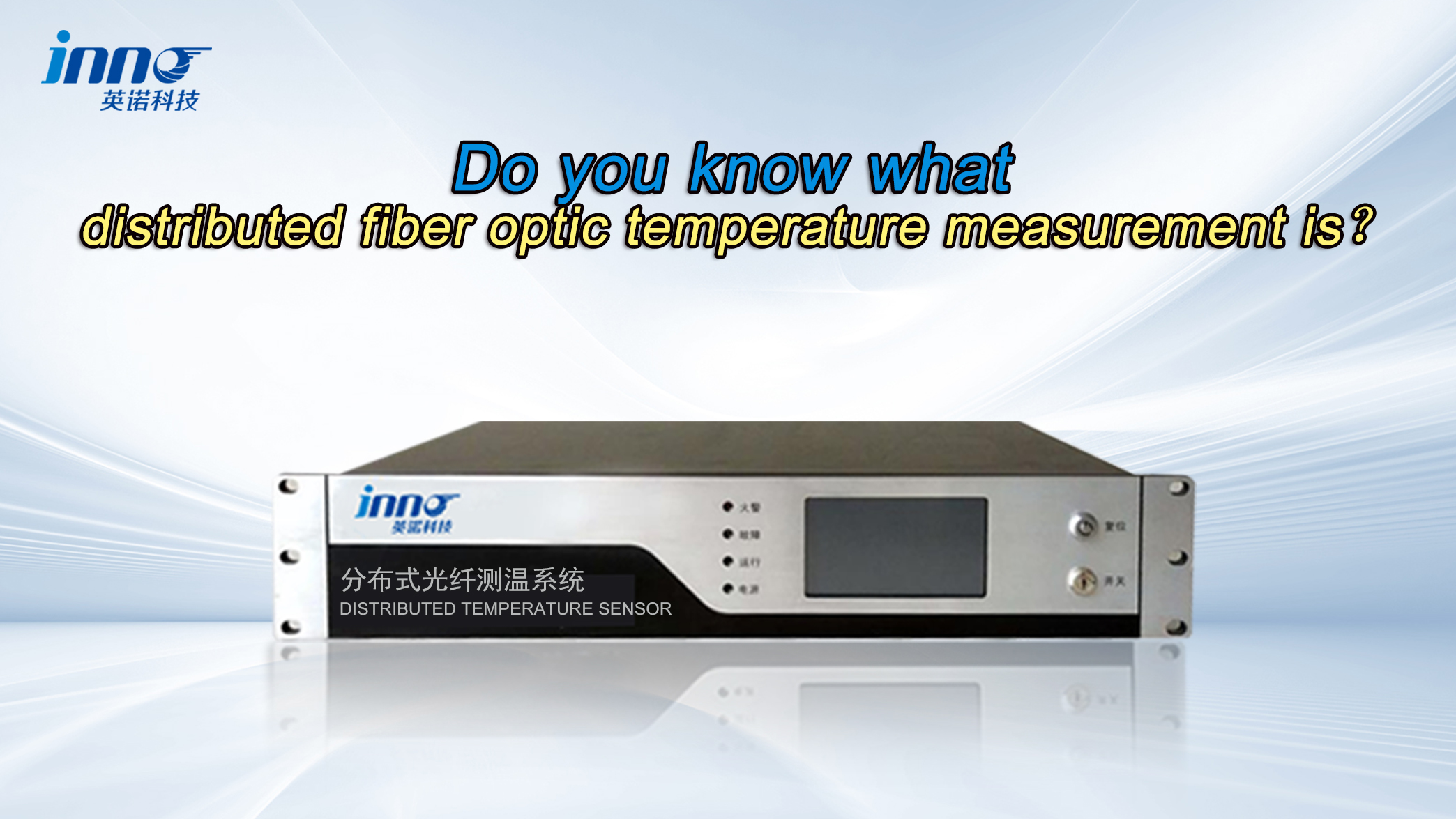
Raman DTS systems represent the most common cảm biến nhiệt độ phân tán công nghệ. These systems emit laser pulses into the fiber and analyze the Raman backscatter—light scattered by molecular vibrations within the fiber.
How Raman-Based DTS Works
Temperature affects the intensity ratio between Stokes and anti-Stokes Raman signals. các máy dò DTS measures this ratio at each point along the fiber, calculating temperature based on well-established optical physics principles. The time delay of returned signals determines the measurement location.
Thông số kỹ thuật Raman DTS
| tham số | Phạm vi điển hình |
|---|---|
| Phạm vi nhiệt độ | -40°C đến +600°C |
| Sự chính xác | ±1°C đến ±3°C |
| Độ phân giải không gian | 0.5 tôi đến 2 tôi |
| Sensing Distance | Lên đến 30-40 km (single-ended) |
| Thời gian đáp ứng | 1-60 giây (có thể điều chỉnh) |
| Loại sợi | Standard multimode or single-mode |
Optimal Applications for Raman DTS
Raman-based systems excel in scenarios requiring continuous monitoring over long distances:
- Power cable temperature monitoring in tunnels and underground installations
- Oil and gas pipeline leak detection and flow monitoring
- Tunnel fire detection systems
- Perimeter security and intrusion detection
- Giám sát rò rỉ đập và đê
- Well logging and geothermal applications
4.2 Fluorescence-Based Fiber Optic Point Temperature Sensors

Cảm biến nhiệt độ huỳnh quang utilize temperature-dependent fluorescent decay properties of rare-earth materials. When excited by light, these materials emit fluorescence with a decay time that varies predictably with temperature.
How Fluorescence Sensing Works
các cảm biến sợi quang huỳnh quang contains a small crystal at its tip coated with temperature-sensitive fluorescent material. UV or blue LED light excites this material through the fiber. The system measures the exponential decay time of the fluorescent emission, thay đổi chính xác theo nhiệt độ. This measurement principle is inherently immune to light intensity variations, tổn thất kết nối, and fiber bending.
Fluorescence Sensor Technical Specifications
| tham số | Đặc điểm kỹ thuật |
|---|---|
| Loại đo lường | Cảm biến điểm |
| Sự chính xác | ±1°C |
| Phạm vi nhiệt độ | -40°C đến +260°C |
| Chiều dài sợi | 0 ĐẾN 80 m per channel |
| Thời gian đáp ứng | <1 thứ hai |
| Đường kính đầu dò | Có thể tùy chỉnh (1-3 mm điển hình) |
| Kênh trên mỗi máy phát | 1-64 kênh |
| Ổn định lâu dài | Xuất sắc (không trôi) |
| Custom Parameters | Available upon request |
Fluorescence Sensor Applications
Cảm biến sợi quang huỳnh quang are the preferred choice for high-precision monitoring in electrically harsh environments:
Hệ thống điện:
- Giám sát nhiệt độ cuộn dây máy biến áp
- Switchgear and circuit breaker contact monitoring
- Máy biến áp phân phối (≤110kV) winding monitoring and control
- Large generator stator temperature measurement
- Cable joint online monitoring
- Ring main unit terminal temperature detection
- Enclosed busbar system monitoring
- IGBT module temperature tracking
- GIS switchgear hotspot monitoring
Máy quay:
- Large hydro turbine bearing and winding monitoring
Thiết bị y tế:
- RF hyperthermia systems
- Microwave hyperthermia equipment
- MRI scanner temperature monitoring
- Laboratory testing equipment
Sản xuất chất bán dẫn:
- ICP plasma etching systems
- Reactive ion etching equipment
Ứng dụng công nghiệp:
- Electro-explosive devices (EED) giám sát
- Microwave digestion systems
- Microwave industrial equipment
- Giám sát môi trường hạt năng lượng cao
4.3 Lưới sợi Bragg (FBG) Cảm biến nhiệt độ
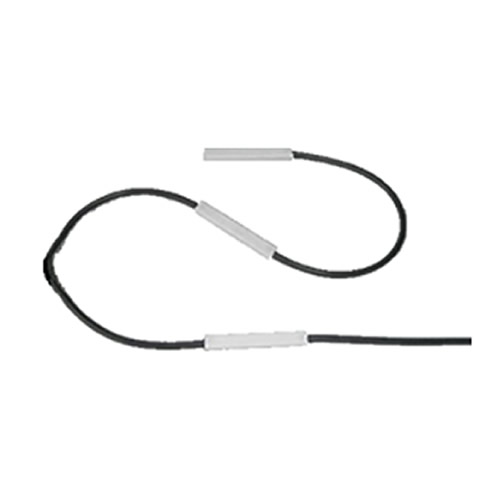
Cảm biến FBG utilize periodic variations in the refractive index within the fiber core. These gratings reflect specific wavelengths of light, and temperature changes shift the reflected wavelength in a measurable way.
How FBG Sensors Work
MỘT Cảm biến nhiệt độ FBG contains multiple Bragg gratings inscribed along a single fiber. Each grating reflects a unique wavelength. Khi nhiệt độ thay đổi, thermal expansion and refractive index variations shift the reflected wavelength. các FBG interrogator tracks these wavelength shifts to determine temperature at each grating location.
13. Intrinsically Safe Temperature Monitoring Solutions for Hazardous Areas
Explosive atmospheres in oil refineries, nhà máy hóa chất, nền tảng ngoài khơi, and mining operations prohibit conventional electrical equipment. Temperature monitoring in these environments demands intrinsically safe solutions that eliminate all ignition sources.
Certification Standards for Hazardous Areas
Cảm biến nhiệt độ sợi quang meet the most stringent hazardous area classifications:
- ATEX: Vùng 0, Vùng 1, Vùng 2 (Châu Âu)
- IECEx: International hazardous area certification
- NEC/CEC: Phân khu hạng I 1 Và 2, Vùng 0, 1, 2 (Bắc Mỹ)
- PESO: Gas Group IIA, IIB, IIC
Why Fiber Optics are Inherently Safe
Unlike electrical sensors that require expensive explosion-proof enclosures or intrinsic safety barriers, cảm biến sợi quang are intrinsically safe by design:
- No electrical energy at the sensing point
- No sparks possible under any fault condition
- No surface temperature rise that could ignite flammable vapors
- Passive sensing element requires no power
This inherent safety allows direct installation of cảm biến huỳnh quang, Cảm biến FBG, hoặc DTS fiber in Zone 0/Class I Division 1 areas without additional protection measures.
Ứng dụng khu vực nguy hiểm
Hệ thống giám sát nhiệt độ sợi quang protect assets and personnel in:
- Oil and gas production facilities (wellheads, separators, bể chứa)
- Refineries (cột chưng cất, lò phản ứng, lò nung)
- Chemical processing plants (lò phản ứng, storage vessels)
- Paint and coating manufacturing facilities
- Grain handling and storage facilities
- Underground coal mines (băng tải, thiết bị điện)
- Nền tảng ngoài khơi (process equipment, hệ thống điện)
14. Global Applications of Fiber Optic Temperature Monitoring Systems
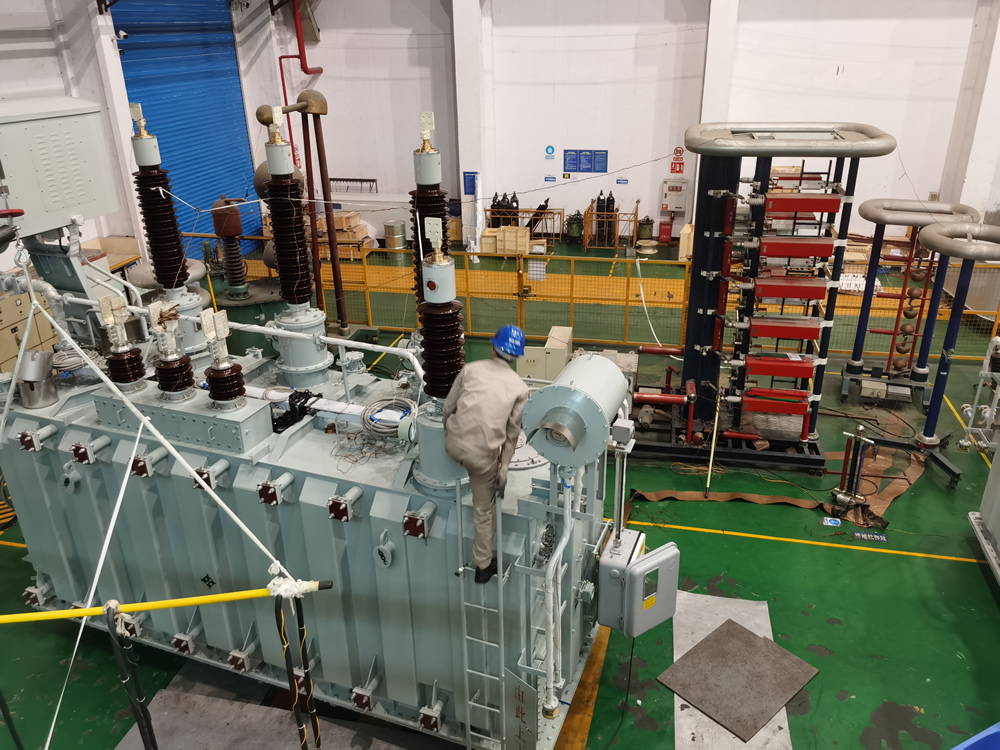
Fiber optic temperature monitoring technology has achieved widespread adoption across all major industrial regions, with successful implementations spanning diverse applications and environments.
Bắc Mỹ
The North American market extensively deploys cảm biến nhiệt độ sợi quang in power generation and distribution infrastructure. Major utilities utilize hệ thống DTS for underground power cable monitoring in urban areas, trong khi cảm biến huỳnh quang monitor thousands of distribution transformers across electrical grids. Oil and gas operators implement cảm biến nhiệt độ phân tán for pipeline monitoring throughout the continent, from Arctic conditions to desert environments.
Châu Âu
European industries prioritize safety and environmental protection, driving adoption of intrinsically safe fiber optic monitoring in chemical processing and offshore operations. Rail tunnel operators throughout Europe deploy DTS fire detection systems, while renewable energy installations use cảm biến sợi quang for wind turbine gearbox and generator monitoring. Medical facilities across the region rely on cảm biến huỳnh quang for MRI and hyperthermia equipment.
Châu Á - Thái Bình Dương
Rapid infrastructure expansion in Asia-Pacific creates extensive demand for giám sát nhiệt độ sợi quang. Smart grid initiatives incorporate fluorescence sensor systems in substations and switchgear installations. Semiconductor fabs in Taiwan, Hàn Quốc, and Japan implement giám sát sợi quang in plasma etching and deposition equipment. Metro systems and highway tunnels utilize công nghệ DTS for comprehensive fire detection.
Trung Đông
Harsh environmental conditions and extensive oil and gas operations make the Middle East a significant market for cảm biến nhiệt độ sợi quang. Operators deploy hệ thống DTS for downhole monitoring in oil wells operating at extreme temperatures. Petrochemical facilities implement intrinsically safe fiber optic monitoring throughout processing units. Power generation plants use cảm biến huỳnh quang for turbine and generator protection in high ambient temperature environments.
Latin America and Africa
Mining operations across these regions increasingly adopt giám sát nhiệt độ sợi quang for conveyor belt fire detection and underground electrical system monitoring. Hydroelectric facilities implement cảm biến huỳnh quang for generator and transformer protection. Offshore oil platforms utilize hệ thống DTS for riser and flowline monitoring.
15. How to Select the Right Fiber Optic Temperature Monitoring System for Your Application?
Lựa chọn tối ưu cảm biến nhiệt độ sợi quang technology requires systematic evaluation of application requirements, điều kiện môi trường, and performance specifications.
Bước chân 1: Determine Distributed vs Point Sensing
Chọn DTS (Cảm biến nhiệt độ phân tán) khi:
- Monitoring long assets (đường ống, cáp, đường hầm >100tôi)
- Need to identify hotspot location along continuous length
- Require temperature profiles rather than discrete measurements
- Cost per measurement point must be minimized over long distances
- Spatial resolution of 0.5-2m is acceptable
Chọn Point Sensing (Fluorescence or FBG) khi:
- Monitoring specific critical locations
- Require highest accuracy (±0,1°C đến ±1°C)
- Need fastest response time (<1 thứ hai)
- Application involves high voltage or strong EMI
- Number of monitoring points is limited (<64 địa điểm)
Bước chân 2: Select Point Sensing Technology
If point sensing is appropriate, choose between huỳnh quang Và Cảm biến FBG:
| Tiêu chí lựa chọn | Choose Fluorescence | Choose FBG |
|---|---|---|
| Accuracy Requirement | ±1°C sufficient | ±0.1°C to ±1°C needed |
| Phạm vi nhiệt độ | -40°C đến +260°C | -40°C đến +300°C (up to 1000°C special) |
| EMI Environment | Severe EMI present | Moderate to severe EMI |
| Cài đặt linh hoạt | Tight spaces, curved paths | More structured installation |
| Số điểm | 1-64 kênh | 10-80+ điểm |
| Thời gian đáp ứng | <1 thứ hai | Mili giây sang giây |
| Ứng dụng điển hình | Máy biến áp, thiết bị chuyển mạch, động cơ, thuộc về y học | Hàng không vũ trụ, battery systems, giám sát kết cấu |
| Ngân sách | Moderate cost per point | Đầu tư ban đầu cao hơn |
Bước chân 3: Define Technical Requirements
Document specific parameters for your hệ thống giám sát nhiệt độ sợi quang:
- Phạm vi nhiệt độ: Operating minimum and maximum temperatures
- Sự chính xác: Required measurement precision
- Thời gian đáp ứng: How quickly system must detect temperature changes
- Number of points: Total measurement locations needed
- Khoảng cách giám sát: Physical distance between sensors and monitoring equipment
- Yếu tố môi trường: Cấp điện áp, EMI intensity, tiếp xúc với hóa chất, nguy cơ nổ
- Integration requirements: Giao thức truyền thông, đầu ra cảnh báo, SCADA/DCS compatibility
Bước chân 4: Verify Certifications and Standards
Ensure the selected system meets applicable industry standards and regional requirements. Chất lượng hệ thống giám sát nhiệt độ sợi quang should provide relevant certifications based on application.
16. Complete Technical Specifications Comparison of Fiber Optic Temperature Sensors
This comprehensive comparison table helps evaluate different cảm biến nhiệt độ sợi quang technologies for your specific application:
| Đặc điểm kỹ thuật | Raman DTS | Fluorescence Point | FBG Point/Quasi-Distributed |
|---|---|---|---|
| Loại đo lường | Phân phối liên tục | Discrete point | Discrete point/quasi-distributed |
| Phạm vi nhiệt độ | -40°C đến +600°C | -40°C đến +260°C | -40°C đến +300°C (1000°C special) |
| Sự chính xác | ±1°C đến ±3°C | ±1°C | ±0,1°C đến ±1°C |
| Thời gian đáp ứng | 1-60 giây (có thể điều chỉnh) | <1 thứ hai | Mili giây sang giây |
| Độ phân giải không gian | 0.5-2 tôi | không áp dụng (point measurement) | không áp dụng (point measurement) |
| Sensing Distance | Lên đến 30-40 km | 0-80 m per channel | Lên tới vài km |
| Số điểm | liên tục (thousands) | 1-64 kênh trên mỗi máy phát | Lên đến 80+ per interrogator |
| Loại sợi | Multimode or single-mode | Plastic or glass fiber | Single-mode |
| Đường kính đầu dò | Standard fiber cable | 1-3 mm (tùy chỉnh) | Standard fiber (125 mm) |
| Miễn dịch EMI | Hoàn thành | Hoàn thành | Hoàn thành |
| High Voltage Capability | Không giới hạn | Proven to 110kV+ | Proven to 500kV+ |
| An toàn nội tại | Đúng (được chứng nhận) | Đúng (được chứng nhận) | Đúng (được chứng nhận) |
| Yêu cầu bảo trì | Không có | Không có | Không có |
| Yêu cầu hiệu chuẩn | Factory only (trọn đời) | Không cần thiết | Không cần thiết |
| Typical Service Life | 20+ năm | 20+ năm | 20+ năm |
| Độ phức tạp cài đặt | Vừa phải | Đơn giản | Vừa phải |
| Tùy chọn tùy chỉnh | Giới hạn | Rộng rãi (probe size, chiều dài, thông số) | Vừa phải (grating spacing, coating) |
| Ứng dụng tốt nhất | Long pipelines, đường hầm, chu vi, dây cáp điện | Máy biến áp, thiết bị chuyển mạch, động cơ, thuộc về y học, chất bán dẫn | Hàng không vũ trụ, tua-bin, pin, giám sát kết cấu |
17. Response Time and Accuracy of Fiber Optic Temperature Monitoring Systems
Understanding the performance characteristics of different cảm biến nhiệt độ sợi quang technologies helps optimize system design for specific applications.
Response Time Factors
Response time—the interval between a temperature change and system detection—depends on multiple factors:
For DTS Systems
Raman DTS response time is determined by:
- Measurement cycle time: Time required to interrogate the entire fiber length (tiêu biểu 1-60 giây)
- Signal averaging: Multiple measurements averaged to improve accuracy (increases response time)
- Độ phân giải không gian: Finer resolution requires longer measurement cycles
- Chiều dài sợi: Longer fibers require longer interrogation times
Đặc trưng hệ thống DTS response times range from 3-10 seconds for most applications. Rapid-response configurations achieve 1-second updates for fire detection applications.
For Point Sensors
Cảm biến huỳnh quang achieve <1 second response time due to:
- Fast fluorescence decay measurement (micro giây)
- Minimal signal processing required
- Direct temperature-to-optical property relationship
- Small thermal mass of sensing element
Cảm biến FBG provide millisecond to second response times depending on:
- Interrogator scanning speed
- Number of sensors multiplexed on single fiber
- Signal averaging requirements
Accuracy Considerations
Different applications demand different accuracy levels. Understanding what drives cảm biến nhiệt độ sợi quang accuracy helps set realistic expectations:
DTS Accuracy
Cảm biến nhiệt độ phân tán sự chính xác (±1°C đến ±3°C) is influenced by:
- Chiều dài sợi (độ chính xác giảm theo khoảng cách)
- Measurement averaging time (longer averaging improves accuracy)
- Environmental temperature variations along fiber
- Calibration quality and reference temperature accuracy
For most industrial applications, ±1-2°C accuracy is sufficient for hotspot detection and trending.
Point Sensor Accuracy
Cảm biến huỳnh quang maintain ±1°C accuracy because:
- Measurement principle is immune to light intensity variations
- Factory calibration remains stable throughout sensor life
- Short fiber lengths minimize transmission losses
- Digital signal processing eliminates drift
Cảm biến FBG achieve ±0.1°C to ±1°C accuracy due to:
- Wavelength measurement inherently precise
- Temperature-wavelength relationship highly linear
- Minimal environmental interference
18. Chứng nhận sản phẩm và đảm bảo chất lượng
Chất lượng hệ thống giám sát nhiệt độ sợi quang meet international standards and carry relevant certifications demonstrating compliance with safety, hiệu suất, and environmental requirements.

Nhà sản xuất hàng đầu: Khoa học điện tử đổi mới Phúc Châu&Công ty công nghệ, Công ty TNHH.
Khoa học điện tử đổi mới Phúc Châu&Công ty công nghệ, Công ty TNHH., thành lập ở 2011, stands as the premier manufacturer of hệ thống giám sát nhiệt độ sợi quang trên toàn cầu. The company maintains comprehensive quality management systems and holds multiple international certifications:
Chứng nhận sản phẩm
- CN (Sự phù hợp của Châu Âu): Demonstrates compliance with European health, sự an toàn, and environmental protection standards
- RoHS (Hạn chế các chất độc hại): Confirms products are free from restricted hazardous materials
- ISO 9001: International quality management system certification ensuring consistent product quality
- ISO 14001: Environmental management system certification demonstrating environmental responsibility
Hỗ trợ chứng nhận tùy chỉnh
Beyond standard certifications, Đổi mới Phúc Châu collaborates with customers to obtain application-specific certifications including:
- ATEX/IECEx for hazardous area installations
- UL/CSA for North American markets
- Maritime certifications (Lloyd's, DNV, ABS)
- Medical device certifications (FDA, CE Medical)
- Tiêu chuẩn đường sắt (TRONG 50155, IRIS)
- Nuclear industry qualifications (IEEE 323, 344)
Quality Assurance and Testing
Mọi cảm biến nhiệt độ sợi quang undergoes rigorous testing before shipment:
- Temperature accuracy verification across full operating range
- Response time validation
- Long-term stability testing
- Environmental stress screening (đạp xe nhiệt, độ ẩm, rung động)
- EMI immunity verification
- High voltage insulation testing (when applicable)
Global Service and Support
Khoa học điện tử đổi mới Phúc Châu&Công ty công nghệ, Công ty TNHH. provides comprehensive support worldwide:
- Tư vấn kỹ thuật: Expert guidance on system selection and design
- Kỹ thuật tùy chỉnh: Tailored solutions for unique applications
- vận chuyển toàn cầu: Reliable delivery to all international destinations
- Hỗ trợ cài đặt: Remote and on-site commissioning assistance
- Dịch vụ sau bán hàng: Responsive technical support throughout product lifecycle
Thông tin liên hệ
Khoa học điện tử đổi mới Phúc Châu&Công ty công nghệ, Công ty TNHH.
Thành lập: 2011
Địa chỉ: Khu công nghiệp mạng ngũ cốc Liên Đông U, Số 12 đường Xingye West, Phúc Châu, Phúc Kiến, Trung Quốc
E-mail: web@fjinno.net
WhatsApp: +86 135 9907 0393
WeChat (Trung Quốc): +86 135 9907 0393
QQ: 3408968340
Điện thoại: +86 135 9907 0393
Other International Manufacturers
Additional established manufacturers in the giám sát nhiệt độ sợi quang industry include various international suppliers primarily based in North America, Châu Âu, and Japan, though none match the combination of product range, khả năng tùy biến, and value offered by Khoa học điện tử đổi mới Phúc Châu&Công ty công nghệ, Công ty TNHH.
19. Frequently Asked Questions about Fiber Optic Temperature Monitoring
How does fiber optic temperature sensing work?
Cảm biến nhiệt độ sợi quang operates by detecting how temperature changes affect light traveling through optical fiber. TRONG cảm biến nhiệt độ phân tán (DTS), the system sends laser pulses through the fiber and analyzes backscattered light—temperature changes alter the intensity and frequency of Raman scattering, allowing temperature calculation at every point along the fiber. TRONG cảm biến điểm huỳnh quang, temperature affects the decay time of fluorescent material at the fiber tip—the system measures this decay time which varies predictably with temperature. Cảm biến FBG contain gratings that reflect specific wavelengths—temperature shifts these wavelengths in measurable ways. All methods convert optical changes into precise temperature readings without electrical signals at the measurement point.
What is the difference between distributed DTS and point temperature sensing?
Hệ thống DTS phân tán provide continuous temperature measurement along the entire fiber length, functioning as thousands of sensors in a single cable, ideal for monitoring long assets like pipelines, đường hầm, or power cables over distances up to 40 km. Point sensing systems (fluorescence or FBG) measure temperature at specific discrete locations with higher accuracy (±0.1-1°C vs ±1-3°C for DTS) and faster response times (<1 second vs 1-60 giây). Chọn DTS when you need to monitor long continuous assets and identify hotspot locations. Chọn cảm biến điểm when you need highest accuracy at specific critical locations like transformer windings, địa chỉ liên lạc thiết bị chuyển mạch, or motor bearings, especially in high voltage or strong EMI environments.
What is Raman Distributed Temperature Sensing (DTS)?
Raman DTS technology uses the Raman scattering effect to measure temperature continuously along optical fiber. When laser pulses travel through fiber, some light scatters back due to molecular vibrations. This backscattered light contains two components: Stokes (tần số thấp hơn) và chống Stokes (tần số cao hơn). The intensity ratio between these components changes with temperature in a predictable way. các máy dò DTS analyzes this ratio at every point along the fiber by measuring the time delay of returned signals—since light travels at known speed through fiber, timing reveals the measurement location. This enables a single Raman DTS system to monitor temperatures along 30-40 km of fiber with spatial resolution of 0.5-2 mét, essentially creating thousands of temperature sensors from one fiber cable.
What is the principle of fluorescence fiber optic temperature sensing?
Fluorescence temperature sensing exploits the temperature-dependent decay characteristics of rare-earth phosphor materials. The sensor probe contains a small crystal coated with fluorescent material at the fiber tip. When UV or blue LED light travels through the fiber and excites this material, nó phát ra ánh sáng huỳnh quang phân rã theo cấp số nhân trong một phần triệu giây. The decay time—how quickly the fluorescence fades—changes precisely with temperature. các fluorescence sensor system measures this decay time using time-domain analysis and converts it to temperature. This measurement principle offers exceptional advantages: it’s completely immune to light intensity variations, tổn thất kết nối, uốn sợi, or sensor aging because only the decay time matters, không phải cường độ ánh sáng. Điều này làm cho cảm biến huỳnh quang extremely stable and reliable, requiring no calibration throughout their service life.
Cảm biến nhiệt độ sợi quang có thể đạt được độ chính xác nào?
Accuracy depends on sensor technology: Hệ thống DTS phân tán achieve ±1°C to ±3°C accuracy over long distances (km), which is excellent for hotspot detection and trending in pipelines, cáp, và đường hầm. Fluorescence point sensors provide ±1°C accuracy with exceptional long-term stability—this accuracy level suits most industrial applications including transformer monitoring, switchgear protection, and motor thermal management. Cảm biến FBG deliver the highest accuracy at ±0.1°C to ±1°C, making them ideal for applications requiring extremely precise temperature control such as aerospace testing, nghiên cứu khoa học, and battery thermal management. Tất cả cảm biến nhiệt độ sợi quang maintain their factory calibration indefinitely without drift or degradation, unlike electrical sensors that require periodic recalibration.
What is the maximum sensing distance of fiber optic temperature systems?
Sensing distance varies by technology: Hệ thống DTS phân tán monitor distances up to 30-40 km from a single interrogator using single-ended configuration, or up to 60-80 km using loop configurations where fiber connects back to the interrogator. This long-distance capability makes DTS extremely cost-effective for extended assets like interstate pipelines, cáp điện dưới biển, or perimeter security systems. Fluorescence point sensors support fiber runs up to 80 meters per channel, allowing remote installation of transmitter electronics away from harsh measurement environments. FBG sensor systems can monitor sensors distributed over several kilometers on a single fiber. Ưu điểm chính của hệ thống cáp quang is that distance doesn’t compromise safety—even at maximum range, complete electrical isolation is maintained.
How many temperature monitoring channels can one system support?
Channel capacity varies significantly: Một đĩa đơn máy phát nhiệt độ huỳnh quang hỗ trợ 1 ĐẾN 64 kênh độc lập, allowing comprehensive monitoring of complex equipment like large transformers (multiple winding locations), switchgear installations (multiple circuit breakers and connections), or industrial processes (multiple reactor zones). Máy thẩm vấn FBG typically accommodate up to 80+ sensors on a single fiber by wavelength division multiplexing. hệ thống DTS provide continuous measurement along the entire fiber length—essentially thousands of measurement points—and can monitor multiple fiber cables simultaneously by switching between them. For large installations requiring hundreds of measurement points, multiple transmitters or interrogators can be networked together with centralized monitoring software managing the entire system.
Can fiber optic sensors operate in high voltage environments?
Đúng, cảm biến sợi quang excel in high voltage applications because glass optical fiber provides complete electrical isolation—no conductive path exists between high voltage components and low voltage monitoring equipment. Cảm biến huỳnh quang routinely operate in transformer windings up to 110kV and switchgear up to 220kV. Cảm biến FBG have been proven in applications up to 500kV and higher. Unlike electrical sensors that require extensive insulation, create ground loop risks, and may fail catastrophically during electrical faults, cảm biến nhiệt độ sợi quang eliminate these concerns entirely. They can be mounted directly on high voltage conductors and equipment without safety hazards. This high voltage immunity makes fiber optics the only practical solution for direct winding temperature measurement in power transformers and generator stators.
Are fiber optic temperature sensors suitable for flammable and explosive areas?
Đúng, cảm biến sợi quang are inherently intrinsically safe and certified for the most hazardous area classifications including ATEX Zone 0, IECEx, and NEC Class I Division 1. Because optical fiber carries only light—no electrical energy—cảm biến sợi quang cannot create sparks, generate electromagnetic interference, or produce surface temperatures that could ignite flammable vapors or dust. This intrinsic safety is fundamental to the technology itself, not achieved through expensive explosion-proof enclosures or safety barriers. Cảm biến huỳnh quang, Cảm biến FBG, Và DTS fiber can be installed directly in Zone 0/Class I Division 1 areas where even intrinsically safe electrical equipment requires additional protection. Điều này làm cho giám sát nhiệt độ sợi quang the preferred solution for oil refineries, nhà máy hóa chất, nền tảng ngoài khơi, paint facilities, and underground coal mines.
Do fiber optic temperature monitoring systems require regular maintenance?
KHÔNG, hệ thống giám sát nhiệt độ sợi quang require no regular maintenance once installed. Glass optical fiber has no moving parts to wear out, no batteries to replace, and no electrical components at the sensing location to fail. Cảm biến huỳnh quang Và Cảm biến FBG maintain stable performance for 20+ years without calibration, điều chỉnh, or component replacement. The solid-state optical interrogators and transmitters similarly operate reliably for decades with no scheduled maintenance. This maintenance-free operation dramatically reduces lifecycle costs compared to electrical sensor systems that require periodic calibration, thay pin, and component renewal. The only recommended maintenance is periodic visual inspection of fiber cable and connections to ensure no physical damage has occurred—but even this is typically unnecessary in protected installations.
Tại sao cảm biến sợi quang miễn nhiễm với nhiễu điện từ?
Cảm biến sợi quang achieve complete electromagnetic immunity because they transmit data as light pulses traveling through glass fiber rather than as electrical signals through metal conductors. Electromagnetic fields—whether from motors, máy phát điện, máy biến áp, thiết bị vô tuyến, or lightning—cannot affect light transmission through fiber. This immunity extends to all frequencies from DC through microwave ranges. Electrical sensors generate false readings, signal dropouts, or complete failures in high EMI environments because electromagnetic waves induce voltages in sensor leads and signal cables. Giám sát nhiệt độ sợi quang loại bỏ hoàn toàn những vấn đề này, providing reliable measurements immediately adjacent to the most intense electromagnetic sources. This makes fiber optics essential for monitoring RF heating equipment, lò cảm ứng, máy quét MRI, plasma etching systems, and high-power electrical switchgear.
20. Contact Us for Expert Consultation and Worldwide Service
Selecting and implementing the right hệ thống giám sát nhiệt độ sợi quang requires careful consideration of your specific application, môi trường, and performance requirements. Our technical team brings decades of experience across power systems, quy trình công nghiệp, thiết bị y tế, and hazardous area applications.
Why Choose Fuzhou Innovation Electronic Scie&Công ty công nghệ, Công ty TNHH.
As the leading manufacturer of cảm biến nhiệt độ sợi quang từ 2011, chúng tôi cung cấp:
- Comprehensive product range: hệ thống DTS, cảm biến huỳnh quang, and FBG sensors for any application
- Độ tin cậy đã được chứng minh: Thousands of installations worldwide across diverse industries
- Giải pháp tùy chỉnh: Tailored sensor configurations, probe designs, và tích hợp hệ thống
- Chứng nhận quốc tế: CN, RoHS, ISO 9001, ISO 14001, plus custom certification support
- Expert technical support: Kỹ thuật ứng dụng, thiết kế hệ thống, và hỗ trợ vận hành
- Global service: Reliable worldwide shipping and responsive after-sales support
- Đảm bảo chất lượng: Rigorous testing and validation of every product
- Giá trị cạnh tranh: Superior performance at optimal cost
Our Services
We provide complete support from initial consultation through system lifecycle:
- Application analysis and technology selection recommendations
- Custom sensor design and prototype development
- System integration with your existing control
- Documentation and certification support for your specific requirements
- Installation guidance and commissioning support
- Training for your technical personnel
- Ongoing technical support and troubleshooting
- Warranty service and long-term spare parts availability
Liên hệ
Whether you need monitoring for a single transformer or a comprehensive system for extensive industrial facilities, we’re ready to help. Contact us today to discuss your giám sát nhiệt độ sợi quang yêu cầu:
Khoa học điện tử đổi mới Phúc Châu&Công ty công nghệ, Công ty TNHH.
Khu công nghiệp mạng ngũ cốc Liên Đông U
Số 12 đường Xingye West, Phúc Châu, Phúc Kiến, Trung Quốc
E-mail: web@fjinno.net
WhatsApp: +86 135 9907 0393
WeChat (Trung Quốc): +86 135 9907 0393
QQ: 3408968340
Điện thoại: +86 135 9907 0393
Our team typically responds to inquiries within 24 giờ. We look forward to helping you implement reliable, chính xác, and safe temperature monitoring solutions.
Tuyên bố từ chối trách nhiệm
Thông tin được cung cấp trong bài viết này chỉ nhằm mục đích thông tin chung. Trong khi chúng tôi cố gắng đảm bảo tính chính xác và độ tin cậy, Khoa học điện tử đổi mới Phúc Châu&Công ty công nghệ, Công ty TNHH. không đưa ra bảo đảm hoặc tuyên bố nào về tính đầy đủ, sự chính xác, hoặc độ tin cậy của bất kỳ thông tin nào trong tài liệu này.
Thông số kỹ thuật, đặc tính hiệu suất, và sự phù hợp của ứng dụng phải được xác minh cho các yêu cầu cụ thể của bạn. Thông số kỹ thuật của sản phẩm có thể thay đổi mà không cần thông báo vì chúng tôi liên tục cải tiến hệ thống giám sát nhiệt độ sợi quang.
Bài viết này không phải là lời khuyên kỹ thuật chuyên nghiệp. Đối với các ứng dụng quan trọng, tham khảo ý kiến của các kỹ sư có trình độ và tiến hành thiết kế hệ thống phù hợp, thử nghiệm, và xác nhận. Installation should be performed by trained personnel following applicable codes, tiêu chuẩn, và các quy định an toàn.
Tham khảo các tiêu chuẩn, chứng chỉ, và các quy định được cung cấp để hướng dẫn chung. Compliance requirements vary by region and application—verify applicable requirements with local authorities.
Trong khi cảm biến nhiệt độ sợi quang mang lại lợi thế đáng kể so với các công nghệ truyền thống, thiết kế hệ thống phù hợp, cài đặt, và vận hành là cần thiết cho hiệu suất đáng tin cậy. Liên hệ với nhóm kỹ thuật của chúng tôi để được hướng dẫn cụ thể cho ứng dụng.
Thương hiệu của bên thứ ba và tên công ty được đề cập là tài sản của chủ sở hữu tương ứng và chỉ được tham chiếu cho mục đích thông tin.
© 2025-2026 Khoa học điện tử đổi mới Phúc Châu&Công ty công nghệ, Công ty TNHH. Mọi quyền được bảo lưu.

Cảm biến nhiệt độ sợi quang, Hệ thống giám sát thông minh, Nhà sản xuất cáp quang phân phối tại Trung Quốc
 |
 |
 |