 INNO fiber optik sıcaklık sensörleri ,sıcaklık izleme sistemleri.
- Transformatörün aşırı ısınması, dünya çapındaki güç ağlarındaki erken izolasyon arızalarının ve plansız kesintilerin çoğundan sorumludur; bu da sıcaklık izlemeyi varlık korumasında en yüksek değerli yatırımlardan biri haline getirir.
- Beş ana transformatör sıcaklık izleme teknolojisi şunlardır:: floresan fiber optik termometre, PT100 dirençli sıcaklık dedektörleri, termal simülasyon yağ sıcaklığı göstergeleri, kablosuz sıcaklık sensörleri, Ve kızılötesi termografi.
- Floresan fiber optik sensörler tam EMI bağışıklığı ve ±0,5°C doğrulukla enerjili transformatörlerin içindeki sıcak nokta ölçümünü doğrudan yapabilen tek teknolojidir; bu da onları kritik yüksek gerilim varlıkları için altın standart haline getirir.
- PT100 sensörleri üst yağ sıcaklığı ve soğutma sisteminin izlenmesi için endüstri standardı temaslı termometredir, trafo koruma rölelerine ve SCADA sistemlerine geniş ölçüde entegre edilmiştir.
- Termal simülasyon yağ sıcaklığı göstergeleri Transformatörün ısı artış özelliklerinin analog bir termal modelini kullanarak tahmini sargı sıcak nokta sıcaklığını hesaplayın — dağıtım transformatörlerinde rutin koruma için uygun maliyetli bir çözüm.
- Kablosuz sıcaklık sensörleri trafo yüzeylerinde kablosuz çok noktalı izleme sağlar, burçlar, ve kablo uçları — yenileme kurulumları ve kuru tip transformatör muhafazaları için idealdir.
- Kızılötesi termografi planlı bakım denetimleri için temassız görsel ısı haritalaması sağlar ancak çevrimiçi izleme sistemlerinin sunduğu sürekli gerçek zamanlı alarmı sağlayamaz.
- En iyi transformatör sıcaklığı izleme çözümü, doğrudan sargı sıcak nokta algılamasını üst yağ sıcaklığı ölçümüyle birleştirir, çok katmanlı alarm yönetimi, ve mevcut SCADA veya EMS platformlarıyla entegrasyon.
1. Güç Transformatörü Nedir?? Her Elektrik Şebekesinin Omurgası

A güç trafosu elektromanyetik indüksiyon yoluyla iki veya daha fazla devre arasında elektrik enerjisini aktaran statik bir elektromanyetik cihazdır, İletim gereksinimlerine uyacak şekilde voltajı aynı anda yükseltip düşürüyoruz, dağıtım, veya son kullanım ekipmanı. Transformatörler, şebeke ölçeğinde üretim ve yüksek gerilim iletim ağlarından ticari bir binadaki son dağıtım noktasına kadar her alternatif akım güç sisteminin temel taşıdır., endüstriyel tesis, veya yerleşim bölgesi.
Ana Güç Transformatörleri Çeşitleri
Yağa batırılmış güç transformatörleri yüksek voltaj ve yüksek kapasiteli uygulamalar için baskın teknolojidir. Çekirdek ve sargılar madeni yağa batırılır, Hem elektrik yalıtımı hem de birincil soğutma ortamı olarak hizmet veren. Bu üniteler iletim trafo merkezlerinde bulunur, endüstriyel tesisler, ve birkaç MVA'dan daha fazlasına kadar değişen şebeke ölçeğinde yenilenebilir enerji bağlantıları 1,000 MVA.
Kuru tip transformatörler Yağ yerine katı dökme reçine yalıtımı kullanın, Yangın riskini ortadan kaldırmak ve veri merkezleri gibi iç mekan kurulumlarında tercih edilen seçenek haline getirmek, hastaneler, ticari yüksek katlı binalar, metro istasyonları, ve yarı iletken fabrikalar. Dökme reçineli kuru tip üniteler, yağla doldurulmuş ünitelerden daha düşük voltaj ve güç değerlerinde çalışır ancak doğrudan sargı sıcaklığı izleme daha yüksek termal hassasiyetleri nedeniyle.
Gaz yalıtımlı transformatörler kükürt heksaflorür kullanın (SF₆) veya izolasyon ve soğutma ortamı olarak nitrojen. Kompakt ayak izi gerektiren uygulamalarda kullanılırlar, düşük yanıcılık, ve yüksek güvenilirlik — açık deniz platformları dahil, kentsel GIS trafo merkezleri, ve kritik altyapı.
Ped monteli ve kutu tipi transformatörler Ticari ve konut servis noktalarında orta gerilimden alçak gerilime dönüşüm için kullanılan bağımsız dağıtım üniteleridir., giderek daha fazla entegre donanıma sahip akıllı trafo izleme sistemleri uzaktan durum yönetimi için.
Transformatör Güvenilirliğine Bağlı Endüstriler
Güvenilir trafo çalışması, elektrik hizmetlerinde kritik öneme sahiptir, petrol ve gaz, otomotiv üretimi, demiryolu taşımacılığı, veri merkezleri, madencilik, petrokimya, ve sağlık. Büyük güç transformatöründeki herhangi bir termal arıza, haftalarca tamir süresine neden olabilir, önemli sermaye yenileme maliyeti, ve şebeke istikrarı ve tesis operasyonları üzerindeki kademeli etkiler.
2. Tankın İçinde: Yağlı ve Kuru Tip Transformatörlerin Temel Bileşenleri

Etkili bir transformatör tasarımı için transformatör yapısını anlamak önemlidir. trafo sıcaklığı izleme stratejisi. Her ana bileşenin, sensörlerin nereye ve nasıl yerleştirilmesi gerektiğini belirleyen farklı termal özellikleri ve arıza modları vardır..
Sargılar (Bobinler)

The trafo sargısı termal olarak en kritik bileşendir. Bakır veya alüminyum iletkenler tam yük akımını taşır ve dirençli ısı üretir (I²R kayıpları) sürekli olarak dağıtılması gereken. The dolambaçlı sıcak nokta — Bobin içindeki tek en yüksek sıcaklık noktası — transformatör izolasyon ömrünün ve yük kapasitesinin birincil belirleyicisidir. IEC 60076-2 tüm modern süreçlerin temelini oluşturan sıcak nokta ölçümü ve hesaplama metodolojilerini tanımlar. trafo termal koruma standartları.
Çekirdek (Demir Çekirdek)

Lamine silikon çelik çekirdek, alternatif manyetik akı taşır ve çekirdek hacmi boyunca dağıtılan ısı olarak görünen girdap akımı ve histerezis kayıpları üretir.. Katmanlar arası yalıtım hasarının neden olduğu lokalize çekirdek sıcak noktaları, dolaşan akımlar, veya üretim hataları, dağıtılmış fiber algılama olmadan tespit edilmesi zor olan dahili termal olaylara neden olabilir.
Yalıtım Yağı
Yağ dolu transformatörlerde, mineral yağ veya sentetik ester sıvısı hem birincil yalıtım ortamı hem de konvektif ısı transfer sıvısı olarak görev yapar. En yüksek yağ sıcaklığı en yaygın olarak izlenen transformatör parametresidir, tarafından ölçüldü PT100 sensörleri veya termal simülasyon göstergeleri trafo tankına monte edilmiş. Yağ bozulması — asitlik ile ölçülür, çözünmüş gaz analizi (DGA), ve nem içeriği — nominal çalışma sıcaklıklarının üzerinde keskin bir şekilde hızlanır.
Değiştiriciye dokunun

The yük altında kademe değiştirici (OLTC) Bir güç transformatörünün mekanik açıdan en karmaşık bileşenidir ve termal arızaların önde gelen kaynağıdır. Temas aşınması, karbon kirliliği, ve yanlış yağ, yüksek geçiş direncine ve kademe seçici kontaklarında bölgesel ısınmaya yol açar; bu, doğrudan tespit edilebilen bir arıza modudur. gömülü fiber optik sıcaklık sensörleri.
Burçlar

Yüksek voltaj trafo burçları Tank duvarından akım taşırlar ve dielektrik ısıtmaya maruz kalırlar., terminal bağlantılarında kontak direnci, ve nem girişi. Burç sıcak noktaları kullanılarak etkili bir şekilde izlenir kablosuz sıcaklık vericileri veya belirlenmiş gözlem pencereleri aracılığıyla kızılötesi inceleme.
Soğutma Sistemi
Yağa batırılmış transformatörler, radyatör sıralarıyla birlikte doğal veya cebri yağ sirkülasyonu ile soğutulur, hayranlar, veya su ısı eşanjörleri. Soğutma sistemi performansının izlenmesi — PT100 sensörleri tarafından ölçülen radyatör giriş/çıkış sıcaklık farkları dahil — kapsamlı bir sistemin standart bir bileşenidir trafo termal yönetim sistemleri.
3. Transformatörler Neden Başarısız Olur?? Güç Transformatörlerindeki Termal Arızaların Kök Nedenleri
Endüstri araştırmaları, termal bozulmayı, transformatör izolasyon arızasının ve ömrünün erken bitmesinin ana nedeni olarak sürekli olarak tespit etmektedir.. CIGRE ve IEEE güvenilirlik çalışmalarına göre, termal arızalar tüm büyük transformatör arızalarının 0-40'ını oluşturur — soğutma sistemi arızaları ve aşırı yük olayları analize dahil edildiğinde daha da artan bir oran.
Sargı Aşırı Isınması
Sürekli aşırı yükleme, sargı sıcaklıklarını yalıtım sınıfı tarafından tanımlanan nominal termal sınırın üzerine çıkarır. A Sınıfı standart madeni yağlı transformatörler için (105°C) selüloz izolasyonu, Nominal sıcak nokta sınırının 10°C üzerinde çalıştırılması, beklenen yalıtım ömrünü yarıya indirir; bu ilişki, Arrhenius termal yaşlanma modeli IEC'de kodlanmıştır 60076-7.
Soğutma Sistemi Arızası
Fan motoru arızaları, tıkalı radyatör kanatçıkları, pompa arızaları, ve yağ valfinin yanlış çalışması, transformatörün ısıyı dağıtma yeteneğini azaltır. Tamamen arızalı bir soğutma sistemiyle çalışan bir transformatör, tam yük altında 30-60 dakika içinde kritik sargı sıcaklıklarına ulaşabilir. gerçek zamanlı sürekli sarma sıcak nokta izleme otomatik yük azaltma veya tetikleme koruması ile.
Dokunma Değiştirici Temas Bozulması
OLTC yük altında çalışıyor, Seçici kontakları kademeli olarak bozan ve saptırıcı yağını kirleten kontak arkı üretiyor. Temas direnci arttıkça, yerel ısıtma orantılı olarak artar. Araştırmalar gösteriyor ki OLTC ile ilgili hatalar yaklaşık olarak hesaplayın 40% Büyük onarım gerektiren tüm transformatör arızaları arasında — nedene göre en büyük tek arıza kategorisi.
Aşırı Yük ve Acil Durum Çalışması
Izgara acil durum olayları, ekipman kesintileri, ve anormal yük artışı, dağıtım ve iletim transformatörlerini düzenli olarak etiket değerlerinin ötesine iter. Transformatörler IEC'ye göre kısa süreli aşırı yükleri tolere edebilir 60076-7 yükleme kılavuzları, her aşırı yük olayı, kalan yalıtım ömrünün geri kazanılamayan ölçülebilir bir bölümünü tüketir.
Çekirdek Yalıtım Kusurları
Katmanlar arası çekirdek yalıtım hasarı, girdap akımı dolaşımı için düşük dirençli yollar oluşturur, lokalize çekirdek bölgelerde konsantre ısı üretmek. Genellikle taşıma veya kurulum sırasındaki mekanik hasarlardan kaynaklanan bu kusurlar, yağın bozulmasını hızlandıran ve DGA izlemesi ile tespit edilebilen çözünmüş yanıcı gazlar üreten sürekli dahili sıcak noktalara neden olabilir..
4. Transformatörün Aşırı Isınmasının Gerçek Maliyeti: Riskler ve Sonuçlar
Yetersiz olmanın sonuçları trafo sıcaklığı izleme transformatörün çok ötesine uzanır. Kritik bir tesisteki tek bir büyük transformatör arızası, bir işletme zincirini tetikleyebilir., mali, emniyet, ve tamamen çözülmesi aylar süren düzenleyici sonuçlar.
Yalıtımın Daha Hızlı Eskimesi ve Varlık Ömrünün Azaltılması
Yağa batırılmış transformatörlerdeki birincil dielektrik malzeme olan selüloz kağıt izolasyonu, tarafından açıklanan bir kimyasal işlem yoluyla geri dönüşü olmayan termal bozulmaya uğrar. Arrhenius denklemi. Sargı sıcak nokta sıcaklığında nominal tasarım sınırının üzerindeki her 6–10°C artış için, transformatörün beklenen hizmet ömrü yaklaşık yarı yarıya azalır. 40 yıllık hizmet ömrüne sahip olacak şekilde tasarlanmış bir transformatör, çok kısa sürelerde işlevsel ömrünün sonuna kadar erken yaşlandırılabilir. 15 olmadan tespit edilemeyecek, sürekli orta derecede aşırı sıcaklık çalışmasıyla yıllar boyunca doğrudan sargı sıcaklığı ölçümü.
Yıkıcı Başarısızlık, Ateş, ve Patlama Riski
Şiddetli sargı aşırı ısınması yağın hızla bozulmasına neden olur, gaz üretimi, ve potansiyel iç arklanma. Yağ dolu transformatörlerde, elektrik arkı ve hidrokarbon yağ buharının kombinasyonu, tank yırtılması, petrol yangını, ve patlayıcı basınç tahliyesi. Trafo merkezlerinde ve endüstriyel tesislerde çıkan büyük trafo yangınları ölümlere neden oldu, yapısal yıkım, ve milyonlarca dolarlık çevresel iyileştirme gerektiren kirlenme olayları. Kuru tip trafo arızaları, ateşe daha az eğilimliyken, Dökme reçinenin yanmasından zehirli dumanlar üretebilir ve tesisin uzun süreli kapanmasına neden olabilir.
Plansız Kesintiler ve Üretim Kaybı
İletim voltajı seviyelerinde büyük güç transformatörleri (138kV ve üzeri) değiştirme için genellikle 12-24 aylık teslim süreleri vardır. Şebeke açısından kritik bir transformatörün planlanmamış bir arızası, endüstriyel müşterileri etkileyen uzun süreli tedarik kesintilerine neden olabilir, yardımcı programlar, ve topluluklar. Üretim tesisleri için, veri merkezleri, ve hastaneler, Planlanmamış bir elektrik kesintisinin maliyeti genellikle saatlik kesinti başına on binlerce ila birkaç milyon dolar arasında değişir; öngörülü trafo izleme neredeyse her ölçekteki operasyonda zorlayıcı.
Mevzuata Uygunluk ve Sigorta Uygulamaları
Yardımcı düzenleyiciler, sigorta sigortacıları, ve ekipman standartları kuruluşları, tanımlanmış bir MVA eşiğinin üzerindeki güç transformatörleri için termal durum izlemenin belgelenmiş kanıtlarına giderek daha fazla ihtiyaç duyuyor. Aktif bir performans sergileyemeyen tesisler trafo sıcaklığı izleme programı Sigorta primlerinde artışla karşılaşılabilir, termal arıza iddiaları için azaltılmış kapsam, veya NERC TPL ve IEC gibi şebeke operatörü güvenilirlik standartları kapsamındaki uyumluluk ihlalleri 60076 seri.
5. Isı Nerede Yoğunlaşır?? Güç Transformatörlerinde Kritik Sıcak Nokta Konumları
Etkili trafo sıcak nokta tespiti normal ve anormal çalışma koşulları altında termal stresin nerede biriktiğinin kesin olarak anlaşılmasını gerektirir. Aşağıdaki konumlar her iki bölgedeki de en yüksek termal risk bölgelerini temsil etmektedir: yağlı ve kuru tip güç transformatörleri ve herhangi bir sensör yerleştirme planının temelini oluşturmalıdır.
Sargı Sıcak Noktası — En Kritik İzleme Noktası
The dolambaçlı sıcak nokta IEC tarafından tanımlanır 60076-2 Transformatör sargı düzeneği içindeki en yüksek sıcaklık noktası olarak - tipik olarak düşük voltajlı veya yüksek voltajlı bobinin üst üçte birlik kısmında bulunur; burada akım yoğunluğu ve yağ akışı kısıtlaması maksimum ısı birikimi oluşturmak için birleşir. Sıcak nokta sıcaklığı, yalıtımın eskime oranını doğrudan yönetir ve kalan transformatör ömrünü ve izin verilen aşırı yük kapasitesini hesaplamak için kullanılan birincil parametredir.. Sargı sıcak nokta sıcaklığının doğrudan ölçümü gömülü floresan fiber optik problar doğruyu sağlayan tek yöntemdir., Hesaplanmış bir tahmin yerine bu kritik parametrenin gerçek zamanlı okunması.
Üst Yağ Sıcaklığı
En yüksek yağ sıcaklığı günümüzde hizmette olan en yaygın olarak izlenen transformatör parametresidir, tarafından ölçüldü PT100 dirençli sıcaklık dedektörleri veya termal simülasyon yağ sıcaklığı göstergeleri trafo tankı kapağına veya koruyucu boruya monte edilir. Üst yağ sıcaklığı sargının sıcak nokta koşullarını doğrudan ölçmese de, genel termal yük ve soğutma sistemi performansının güvenilir bir göstergesini sağlar, ve koruma rölesi ayarlarında kullanılan termal simülasyon sıcak nokta hesaplama algoritmalarına birincil girdi olarak hizmet eder.
Demir Çekirdek Yerelleştirilmiş Sıcak Noktalar
Katmanlar arası yalıtım hasarının neden olduğu çekirdek sıcak noktalar, kısa laminasyonlar, veya başıboş akı konsantrasyonu, petrolün bozunmasını hızlandıran ve çözünmüş yanıcı gazlar üreten sürekli lokal ısıtma oluşturabilir; bu, yeni başlayan bir çekirdek termal arızasının tespit edilebilir en erken imzasıdır.. Bu dahili sıcak noktalara yüzeye monte sensörler erişemez ve ya dağıtılmış fiber optik algılama çekirdek düzeneği içinde veya çözünmüş gaz analizi yoluyla dolaylı tespit (DGA) izleme.
Yükte Kademe Değiştirici Kontakları
The OLTC saptırıcı anahtar kontakları tam yük akımı altında çalışır ve ilerleyici kontak aşınmasına ve direnç artışına maruz kalır. Yüksek temas direnci, kademe değiştirici bölmesinde, aşağıdakiler tarafından tespit edilebilecek lokal ısınma üretir: gömülü fiber optik sıcaklık probları veya OLTC muhafazası içine yerleştirilmiş kablosuz sensörler — saptırıcı arızası olayına ilerlemeden önce kontak bozulmasına ilişkin erken uyarı sağlar.
Burç Terminal Bağlantıları
Yüksek gerilim burç terminalleri hem burç kondansatöründeki dielektrik kayıplardan hem de harici terminal kelepçesindeki kontak direncinden kaynaklanan termal strese maruz kalır. Gevşek veya aşınmış terminal bağlantıları, etkin bir şekilde tespit edilen lokal yüzey ısınması üretir. kablosuz sıcaklık vericileri terminal konektörüne kenetlenmiş veya periyodik olarak kızılötesi termografik muayene planlı bakım kesintileri sırasında.
Soğutma Sistemi Giriş ve Çıkış Noktaları
Radyatör girişi arasındaki sıcaklık farkı (kızgın yağ) ve çıkış (soğutulmuş yağ) soğutma sistemi verimliliğinin doğrudan ölçümünü sağlar. PT100 sensörleri Radyatör giriş ve çıkış borularına monte edilmesi, ısı dağıtım performansının sürekli olarak izlenmesini sağlar ve kısmi tıkanıklıkları tespit eder, fan arızaları, ve sargı sıcaklığının aşılmasına neden olmadan önce pompanın bozulması.
Kablo Sonlandırma ve AG Busbar Bağlantıları
Transformatörün sekonder terminallerindeki alçak gerilim bara bağlantıları ve kablo uçları yüksek akım taşır ve gevşek bağlantılardan kaynaklanan kontak direnci artışlarına eğilimlidir, oksidasyon, ve termal bisiklet yorgunluğu. Bu harici bağlantı noktaları izleme için çok uygundur. kablosuz yüzey sıcaklık sensörleri veya periyodik kızılötesi muayenedir ve dağıtım transformatörü kurulumlarında sıklıkla gözden kaçan ancak pratik olarak önemli bir termal arıza kaynağını temsil eder..
6. 5 Trafo Sıcaklık İzleme Teknolojileri Karşılaştırıldı

Doğruyu seçmek trafo sıcaklığı izleme çözümü her teknolojinin yeteneklerini ve sınırlamalarını transformatör tipinizin özel izleme gereksinimleriyle eşleştirmeyi gerektirir, voltaj seviyesi, kurulum ortamı, ve operasyonel risk profili. Aşağıdaki bölüm, şu anda kullanımda olan beş temel yöntemin tamamının ayrıntılı bir teknik değerlendirmesini sunmaktadır..
Yöntem 1: Floresan Fiber Optik Sıcaklık Sensörleri
Floresan fiber optik termometreler - aynı zamanda şu şekilde de anılır: fiber optik sargı sıcaklık sensörleri veya ATEŞ (Fiber Optik Algılama) sistemler — Transformatör sargı sıcak nokta sıcaklıklarının doğrudan ölçümü için teknik açıdan üstün çözümdür. Algılama elemanı, ince çaplı bir optik fiberin ucuna bağlanmış nadir toprak fosfor bileşiğinden oluşur. Kısa bir LED ışığı darbesiyle heyecanlandığında, fosfor, bozunma süresi sabiti sıcaklıkla öngörülebilir ve tekrarlanabilir şekilde değişen floresans yayar. Algılama noktasında elektrik sinyali bulunmadığından, prob, herhangi bir izolasyon riski veya transformatörün dielektrik sistemine müdahale olmaksızın yüksek gerilim sargılarına doğrudan gömülmek için doğası gereği güvenlidir.
Temel Teknik Avantajlar
- Doğrudan sarma sıcak nokta ölçümü — IEC'de gerçek zamanlı okuma sağlayan tek teknoloji 60076-2 Sargı düzeneğinin içinde tanımlanmış sıcak nokta konumu
- ±0,5°C ölçüm doğruluğu -40°C ile +300°C arasındaki tüm çalışma aralığında
- Elektromanyetik girişime karşı tam bağışıklık — yüksek gerilim alanlarından etkilenmez, akım manyetik alanlarını yükle, ve geçici geçişler
- İçsel elektriksel izolasyon — topraklama hatası riski yok, trafo yalıtımında dielektrik stres yok
- Her ikisi için de uygun yağlı ve kuru tip dökme reçineli transformatörler
- Destekler çok kanallı izleme HV sargısının, AG sargısı, ve tek bir demodülatör ünitesinden çekirdek sıcak noktalar
- Tamamen uyumlu IEC 60076-2 sargı sıcaklığı ölçümü Ve IEC 60354 yükleme kılavuzu gereksinimler
- Uzun servis ömrü aşılıyor 20 algılama noktasında bakım veya kalibrasyon gerekmeden yıllarca
Tipik Kurulum
İçin yeni transformatörler, Floresan fiber optik problar, beklenen sıcak nokta konumunda iletken dönüşlerinin yanı sıra fabrikada doğrudan sarma düzeneğine sarılır. İçin mevcut transformatörlerin yenilenmesi, Planlı bakım kesintileri sırasında transformatör tank kapağı veya burç portlarından problar yerleştirilebilir, Amaca yönelik tasarlanmış yerleştirme araçları kullanılarak sarma düzeneği içindeki konuma yönlendirilir. Fiber optik kablo, hermetik olarak kapatılmış bir fiber geçiş bağlantısı yoluyla transformatörden çıkar ve harici çok kanallı bağlantıya bağlanır fiber optik termometre demodülatörü.
Yöntem 2: PT100 Dirençli Sıcaklık Dedektörleri
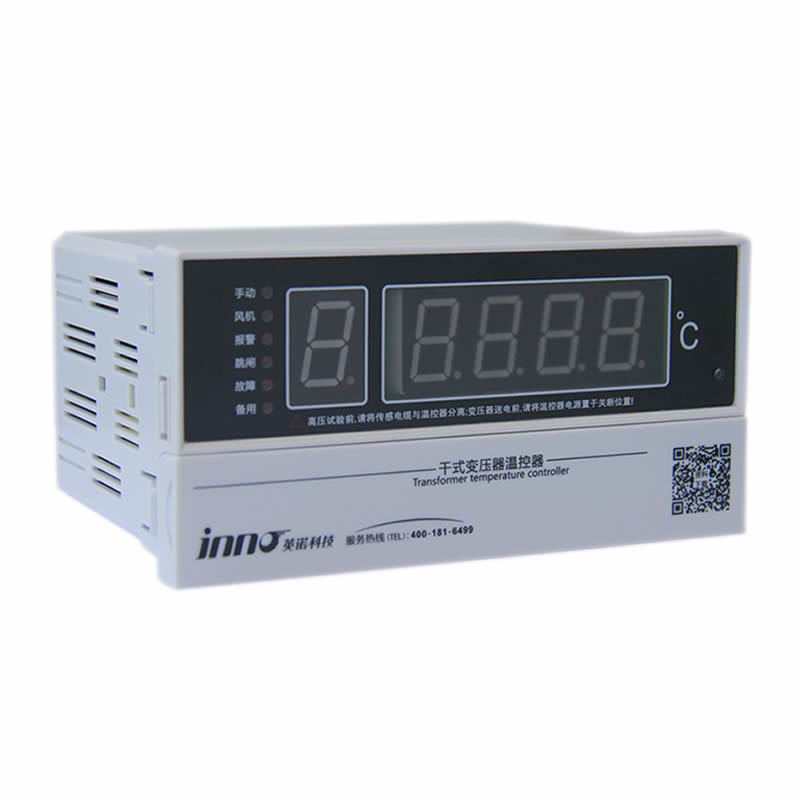
PT100 sensörleri - Nominal dirence sahip platin dirençli termometreler 100 0°C'de ohm — dünya çapında güç transformatörü kurulumlarında en yaygın olarak kullanılan sıcaklık ölçüm cihazıdır. Sadelikleri, uzun vadeli istikrar, ve standart koruma rölesi ve SCADA giriş modülleriyle uyumluluk, onları varsayılan seçim haline getirmiştir. üst yağ sıcaklığı izleme, soğutma sistemi sıcaklık ölçümü, Trafo termal modellerinde ortam sıcaklığı kompanzasyonu ve.
Çalışma Prensibi
Platinin elektrik direnci sıcaklıkla birlikte doğrusal ve öngörülebilir şekilde yaklaşık olarak artar. 0.385 °C başına ohm. Hassas bir ölçüm devresine bağlı bir PT100 sensörü kararlı bir ölçüm sağlar, Sensör derecesine bağlı olarak tipik olarak ±0,3°C ila ±1°C aralığında doğrulukla tekrarlanabilir sıcaklık okuması (IEC 60751 A Sınıfı veya B Sınıfı) ve kurulum kalitesi. 4-tel PT100 bağlantı devreleri kurşun direnci hatalarını ortadan kaldırır ve trafo koruma uygulamalarında doğru sıcaklık ölçümü için gerekli konfigürasyondur.
Trafo İzlemede Standart Uygulamalar
- Üst yağ sıcaklığı ölçümü — Transformatör tankı kapağı kuyularına monte edilen PT100 cep sensörleri, termal aşırı yük koruma rölelerine birincil giriş olan sürekli üst yağ sıcaklığı okumaları sağlar
- Radyatör giriş ve çıkış sıcaklığı — soğutma sistemi verimliliğinin izlenmesi için diferansiyel sıcaklık ölçümü
- Ortam sıcaklığı telafisi — harici PT100 sensörleri, IEC'deki sıcak nokta hesaplama algoritmalarının gerektirdiği ortam referans sıcaklığını sağlar 60076-7 termal modeller
- Kuru tip trafo sargı yüzey sıcaklığı — Dökme reçine sargıların dış yüzeyine bağlanan PT100 sensörleri, sargı sıcaklığı göstergesi sağlar, ancak yüzey ölçümleri gerçek dahili sıcak nokta sıcaklığını sürekli olarak 10–20°C eksik tahmin ediyor
Anahtar Sınırlaması
PT100 sensörleri, elektriksel iletkenlikleri nedeniyle yağa batırılmış transformatör sargılarının içine yerleştirilemez; bir PT100 elemanı ile yüksek gerilim iletkenleri arasındaki temas, anında bir yalıtım hatasına neden olur. Sonuç olarak, PT100 tabanlı sistemler hesaplanan sıcak nokta tahminleri termal model parametreleriyle birleştirilmiş üst yağ sıcaklığı ölçümlerinden elde edilir, doğrudan ölçüm yerine. Bu hesaplanan tahmin, doğası gereği belirsizlik taşır, özellikle dinamik yük koşullarında ve termal model parametrelerinin yaşlanma nedeniyle fabrika değerlerinden saptığı durumlarda.
Yöntem 3: Termal Simülasyon Yağ Sıcaklığı Göstergeleri (Sargı Sıcaklık Göstergeleri)
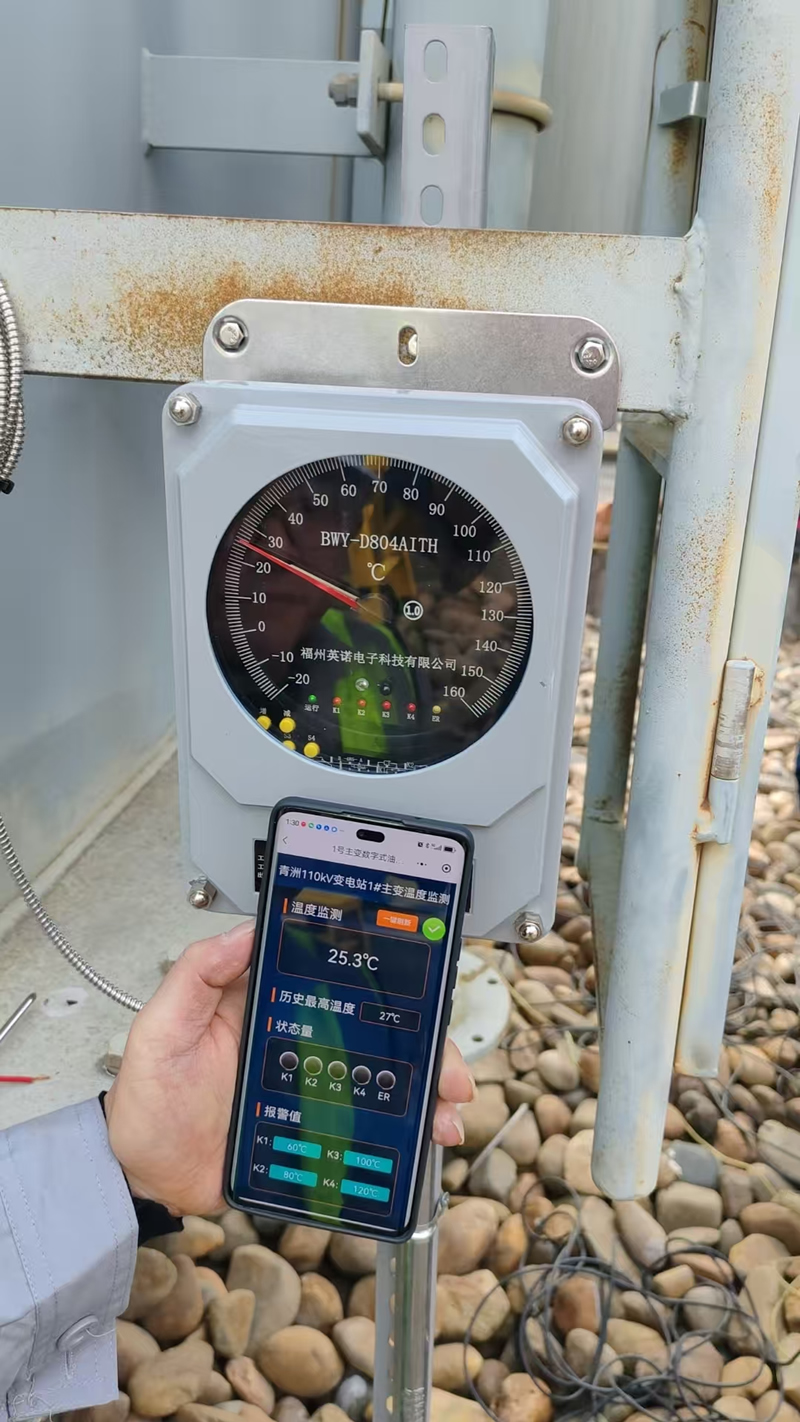
The termal simülasyon sargı sıcaklığı göstergesi (WTI) - olarak da bilinir sıcak nokta sıcaklık simülatörü veya termal görüntü göstergesi - Transformatörün ısınma davranışının analog bir termal modelini kullanarak transformatör sargı sıcak nokta sıcaklığını tahmin eden bağımsız bir elektromekanik cihazdır. Dünya çapında hizmet veren en yaygın kurulu transformatör sıcaklığı izleme cihazlarından biridir., dağıtım ve güç transformatörlerinde bulunur 1 MVA'dan birkaç yüz MVA'ya.
Çalışma Prensibi
WTI şunlardan oluşur: bimetal kadranlı termometre trafo tankı üzerindeki PT100 yağ sıcaklığı cebine monte edilmiştir, küçük bir şeyle birleştirildi ısıtma elemanı trafo yük akımıyla orantılı bir akımla enerjilendirilir (özel bir akım trafosu aracılığıyla beslenir). Isıtıcı eleman, sargının yağ sıcaklığı üzerindeki I²R ısı artışını taklit eder; böylece termometre işaretçisi, yalnızca yağ sıcaklığı yerine tahmini sargı sıcak noktasını temsil eden bir sıcaklığı okur.. Isıtıcı grubunun ısıtma akım oranını ve termal zaman sabitini ayarlayarak, WTI, transformatörün fabrika ısı çalışması test raporunda tanımlanan gerçek sargı termal davranışına yakından uyacak şekilde kalibre edilebilir.
Fonksiyonel Özellikler
- Süreklilik sağlar tahmini sargı sıcak nokta sıcaklığı yerel analog kadran üzerinden okuma — temel gösterge için harici güç kaynağına gerek yoktur
- İntegral ayarlanabilir alarm ve açma kontakları (tipik olarak iki bağımsız temas aşaması) koruma rölesine veya SCADA alarm girişlerine doğrudan bağlantı için
- Yerleşik el sürükleme göstergesi Son manuel sıfırlamadan bu yana ulaşılan maksimum sıcaklığı kaydeder; aşırı yük olaylarının olay sonrası analizi için kullanışlıdır
- İsteğe bağlı 4–20mA veya PT100 analog çıkış uzaktan izleme entegrasyonu için
- Ayırmak soğutma kontrol kontakları Tahmini sıcak nokta sıcaklığına göre fan veya pompanın otomatik başlatılması/durdurulması için
- Her ikisinde de mevcut yağ sıcaklığı göstergesi (TAMAMLAMAK) yapılandırma (yalnızca üst yağı ölçer, yük akımı girişi yok) ve dolu sarma sıcaklık göstergesi (WTI) Yük akımı dengelemeli konfigürasyon
Uygulamalar ve Sınırlamalar
The termal simülasyon WTI Düşük maliyeti nedeniyle dünya çapında hizmet veren dağıtım ve alt iletim transformatörlerinin çoğunda bulunan standart sıcaklık koruma cihazıdır., mekanik basitlik, ve harici güç kaynaklarından bağımsızlık. Fakat, Analog termal modeli, gerçek sargı termal davranışının basitleştirilmiş bir temsilidir; düzgün olmayan akım dağılımını hesaba katmaz, Lokalize soğutma varyasyonları, veya izolasyonun eskimesi nedeniyle sargının termal özelliklerinde meydana gelen değişiklikler. Yaşam yönetimi ve dinamik yük optimizasyonu için doğru sıcak nokta bilgisinin gerekli olduğu kritik yüksek değerli transformatörler için, doğrudan fiber optik sargı sıcaklığı ölçümü WTI tabanlı termal simülasyonu desteklemeli veya değiştirmeli.
Yöntem 4: Kablosuz Sıcaklık İzleme Sensörleri
Kablosuz transformatör sıcaklık sensörleri Tanımlanan ölçüm noktalarında yüzey sıcaklığı verilerini toplamak ve okumaları merkezi bir ağ geçidine veya bulut izleme platformuna aktarmak için pille çalışan verici düğümlerini kullanın. ZigBee, LoRa, 2.4GHz RF, veya NB-IoT protokoller. Bu mimari, sensör ile izleme sistemi arasındaki sinyal kablolamasını ortadan kaldırır; mevcut bir transformatöre yeni enstrümantasyon kabloları bağlamanın pratik olmadığı veya maliyetli olduğu yenileme uygulamaları ve kurulumlar için önemli bir avantajdır.
Temel Avantajlar
- Transformatörün dış yüzeylerine aletsiz kurulum, burç terminalleri, AG bara bağlantıları, ve kablo pabuçları
- Destekler çok noktalı ağlar Tek bir ağ geçidinden bir trafo bölmesi veya trafo merkezi genelinde düzinelerce ölçüm konumunu kapsayan
- Yapılandırılabilir alarm eşikleri ve mobil cihazlara veya SCADA sistemlerine anında bildirim ile gerçek zamanlı sıcaklık verileri
- Şunun için idealdir: kuru tip trafo mahfazası izleme Sargı yüzeyi sıcaklıklarının birincil ölçüm hedefi olduğu yer
- Bulut entegrasyonu, tek bir platformda birden fazla trafo kurulumunda merkezi izleme ve trend oluşturma olanağı sağlar
Sınırlamalar
Kablosuz sensörler ölçümü yalnızca yüzey veya yüzeye yakın sıcaklıklar ve yağa batırılmış bir transformatörün iç sargı sıcak noktasına erişilemiyor. Aktarım aralığı ayarlarına bağlı olarak pilin genellikle her 2-5 yılda bir değiştirilmesi gerekir. Metal transformatör mahfazaları radyo frekansı sinyallerini zayıflatır — güvenilir veri iletimini sağlamak için anten yerleştirme tasarımı ve tekrarlayıcı konumlandırması sistemin devreye alınması sırasında ele alınmalıdır..
Yöntem 5: Kızılötesi Termografi
Kızılötesi termal görüntüleme kameraları Transformatörün dış yüzeylerinden yayılan elektromanyetik radyasyonu tespit edin ve bunu kalibre edilmiş bir görsel ısı haritasına dönüştürün, bakım teknisyenlerinin burçlar arasındaki anormal sıcaklık değişimlerini tanımlamasına olanak tanır, terminal bağlantıları, soğutma radyatörleri, ve tank yüzeyleri, enerjili ekipmanla fiziksel temas olmadan planlı denetim ziyaretleri sırasında.
El Kızılötesi Kamera vs. Sabit Çevrimiçi Termal Sensör
Taşınabilir kızılötesi termografi kameraları periyodik trafo inceleme turları için standart araçtır ve bakım raporları ve ardışık denetim döngüleri arasında trend karşılaştırması için uygun yüksek çözünürlüklü termal görüntüler sağlar. Sabit çevrimiçi kızılötesi sensörler Transformatör muhafazaları veya şalt sistemi panelleri üzerindeki özel gözlem pencerelerine monte edilerek belirli harici bölgelerin sürekli termal izlenmesine olanak sağlanır ve yüksek öncelikli varlıklar için programlanmış denetim aralıkları arasındaki boşluğu doldurur.
Temel Avantajlar ve Sınırlamalar
Kızılötesi termografi şu şekilde üstündür: temassız, hızlı anket aracı harici arıza tespiti ve bakım dokümantasyonu için. Tüm transformatör tipleri ve gerilim seviyeleriyle tamamen uyumludur ve transformatörün üzerinde kalıcı kurulum gerektirmez.. Fakat, Kızılötesi ölçüm temel olarak aşağıdakilerle sınırlıdır: yüzey sıcaklığı tespiti - Transformatör tankı içindeki sargı sıcak nokta sıcaklıklarını ölçemez, ve otomatik alarm ve koruma işlevleri için gereken sürekli gerçek zamanlı kapsama yerine yalnızca periyodik bir anlık görüntü sağlar.
Trafo Sıcaklık İzleme: Teknoloji Karşılaştırma Tablosu

| Kriterler | Floresan Fiber Optik | PT100 Sensörü | Termal Simülasyon WTI | Kablosuz Sensör | Kızılötesi Termografi |
|---|---|---|---|---|---|
| Ölçüm Türü | Doğrudan sarma sıcak noktası | Yağ / yüzey sıcaklığı | Tahmini sıcak nokta (hesaplanmış) | Yüzey sıcaklığı | Yüzey sıcaklığı |
| İzleme Modu | Sürekli çevrimiçi | Sürekli çevrimiçi | Sürekli çevrimiçi | Sürekli çevrimiçi | Periyodik / planlanmış |
| EMI Bağışıklığı | ★★★★★ | ★★★ | ★★★★ | ★★★ | ★★★★ |
| Ölçüm Doğruluğu | ±0,5°C | ±0,3–1°C | ±2–5°C (tahmini) | ±1°C | ±2°C |
| Dahili Sargı Erişimi | ✅ Doğrudan | ❌ Yalnızca yüzey | ⚠️ Hesaplanan tahmin | ❌ Yalnızca yüzey | ❌ Yalnızca harici |
| Gerçek Zamanlı Alarm | ✅ | ✅ | ✅ | ✅ | ❌ |
| Kurulum Karmaşıklığı | Ilıman (fabrika veya güçlendirme) | Basit | Basit | Asgari | Hiçbiri (taşınabilir) |
| Yağa Daldırılmış için Uygun | ✅ | ✅ | ✅ | ⚠️ Yalnızca harici | ✅ |
| Kuru Tipe Uygun | ✅ | ✅ | ⚠️ Sınırlı | ✅ | ✅ |
| IEC 60076-2 Uyumlu | ✅ | ⚠️ Dolaylı | ⚠️ Dolaylı | ❌ | ❌ |
| En İyi Uygulama | Kritik YG transformatörleri, dolambaçlı yaşam yönetimi | Standart koruma rölesi girişi, yağ izleme | Dağıtım transformatörleri, rutin termal koruma | Burç, AG terminalleri, kuru tip güçlendirme | Bakım denetimi, harici arıza araştırması |
7. En İyi Trafo Termal İzleme Sistemini Oluşturmak
En etkili trafo sıcaklığı izleme çözümü tek bir cihaz değil, katmanlı bir cihazdır, doğrudan algılamayı birleştiren entegre mimari, veri toplama, alarm yönetimi, ve transformatörün çalışma ömrü boyunca eyleme geçirilebilir termal zeka sağlamak için sistem düzeyinde entegrasyon.
Katman 1 — Algılama: Teknolojiyi Ölçüm Noktasıyla Eşleştirme
Kapsamlı bir algılama dağıtımı, transformatörün tüm kritik termal bölgelerini aynı anda adresler. Floresan fiber optik problar Doğrudan IEC sağlamak için fabrikada tanımlanan sıcak nokta konumlarında YG ve AG sargı düzeneklerine gömülüdür 60076-2 uyumlu sargı sıcaklığı okumaları. PT100 sensörleri Üst yağ sıcaklığı ölçümü için depo kapağı yağ cebine ve soğutma sisteminin izlenmesi için radyatör giriş/çıkış borularına takılır. A termal simülasyon sargı sıcaklığı göstergesi (WTI) Koruma rölesinin tetiklenmesi için yerel bir elektromekanik yedekleme göstergesi ve bağımsız alarm kontakları sağlamak üzere transformatör yönlendirme paneli üzerine monte edilir. Kablosuz sıcaklık vericileri burç terminal konnektörlerine uygulanır, AG bara bağlantıları, ve izleme kapsamını ek kablolamaya gerek kalmadan harici yüksek riskli bağlantı noktalarına kadar genişletmek için kablo uçları.
Katman 2 — Veri Toplama
Fiber optik sinyaller bir çok kanallı floresans demodülatörü optik bozulma süresi ölçümlerini 1-10 saniyelik örnekleme hızlarında kalibre edilmiş sıcaklık değerlerine dönüştürür. PT100 sinyalleri doğrudan trafo koruma rölesine beslenir (örneğin, ABB RET670, Siemens 7UT) veya özel olarak RTD giriş modülü trafo merkezi kontrol sisteminde. Kablosuz sensör verileri bir LoRa veya ZigBee ağ geçidi trafo merkezi kontrol odasına veya yönlendirme kioskuna monte edilir.
Katman 3 — İletişim ve Entegrasyon
Tüm sıcaklık veri akışları trafo merkezi otomasyon sisteminde birleşir. IEC 61850 GOOSE mesajlaşma koruma sınıfı alarm iletimi için, Modbus TCP/RTU SCADA entegrasyonu için, Ve DNP3 yardımcı EMS bağlantısı için. Buluta bağlı dağıtımların kullanımı 4G/5G üzerinden MQTT Trafo merkezi LAN altyapısına bağımlı olmadan uzaktan izleme ve mobil uyarı için.
Katman 4 — İzleme Platformu ve Alarm Yönetimi
The trafo termal izleme yazılımı platformu tüm algılama noktaları için gerçek zamanlı sıcaklık gösterge tabloları sağlar, Yapılandırılabilir saklama dönemleriyle geçmiş trend kaydı, ve üç katmanlı bir alarm yönetimi yapısı. Tavsiye alarmları 95°C sarma sıcak noktasında otomatik soğutma sistemi yükseltmesini başlatır. Uyarı alarmları 110°C'de operatör bildirimini ve yük azaltma prosedürlerini tetikleyin. Kritik alarmlar 120°C'de (veya transformatör üreticisinin tanımladığı açma eşiği) Termal kaçak meydana gelmeden önce transformatörün servis bağlantısını kesmek için otomatik koruma rölesinin açmasını başlatın. Tüm eşik değerleri yapılandırılabilir ve transformatör üreticisinin termal tasarım verilerine ve ilgili yükleme kılavuzuna göre doğrulanmalıdır. (IEC 60076-7 veya IEEE C57.91).
Katman 5 — Otomatik Yanıt ve SCADA Entegrasyonu
Alarm etkinleştirildiğinde, sistem koordineli bir yanıt dizisi yürütür: soğutma sistemi fanları ve pompaları otomatik olarak tam kapasitede çalıştırılır; SMS, e-posta, ve belirlenen operasyon personeline anlık bildirimler gönderilir; Sıcaklık artmaya devam ederse yük atma komutları yukarı yöndeki koruma rölelerine verilir; ve kritik eşikte, otomatik açma komutu yürütülür. ile tam entegrasyon SCADA, EMS, CMM'ler, ve varlık yönetimi platformları tüm termal olayların zaman damgalı verilerle günlüğe kaydedilmesini sağlar, olay sonrası kök neden analizine ve mevzuata uygunluk raporlamasına olanak sağlar.
Trafo Tipine Göre Önerilen Sistem Konfigürasyonları
- Kritik iletim transformatörü (≥100 MVA, 110kV ve üzeri): Floresan fiber optik sarma sensörleri (fabrikada yerleşik, YG + AG) + PT100 üst yağ + WTI yedekleme göstergesi + kablosuz burç terminali sensörleri + tam SCADA / IEC 61850 entegrasyon
- Endüstriyel yağa batırılmış transformatör (10–100 MVA): Floresan fiber optik sarma sensörleri + PT100 üst yağ ve radyatör izleme + Soğutma kontrol kontaklı WTI + Modbus SCADA entegrasyonu
- Kuru tip dökme reçineli transformatör: Floresan fiber optik problar (imalat sırasında sargıya gömülü) + PT100 yüzey sensörleri + kablosuz AG bara terminal sensörleri + yerel HMI ekranı
- Dağıtım trafosunun yenilenmesi: WTI değiştirme veya yükseltme + burç terminallerindeki kablosuz yüzey sensörleri + Tank kapağı portu aracılığıyla isteğe bağlı fiber optik prob yerleştirme + bulut izleme ağ geçidi
- Bakım inceleme programı (her tür): Periyodik kızılötesi termografik araştırmalar (yılda en az iki kez) Çapraz doğrulama ve uyumluluk belgeleri için çevrimiçi izleme verileri incelemesiyle birleştirildi
8. Küresel Vaka Çalışmaları: Trafo Sıcaklığı İzleme İş Başında

Aşağıdaki gerçek dünyadaki dağıtımlar, bunun nasıl olduğunu göstermektedir. trafo termal izleme sistemleri Çeşitli endüstrilerde ölçülebilir koruma ve operasyonel değer sağladık, voltaj seviyeleri, ve coğrafi bölgeler.
Örnek Olay İncelemesi 1 — İletim Trafo Merkezi, Birleşik Krallık
Büyük bir Birleşik Krallık iletim ağı operatörü yenilendi floresan fiber optik sargı sıcaklık sensörleri kritik bir şebeke ara bağlantı trafo merkezinde on iki adet 400kV ototransformatöre bölünür. Kurulumdan önce, operatörler yalnızca şunlara güveniyordu: termal simülasyon WTI göstergeleri ve üst yağ PT100 ölçümleri — bunların hiçbiri dinamik yük döngüsü altında gerçek sargı sıcak noktası koşulları hakkında doğrudan bilgi sağlamadı. Fiber optik sensörün devreye alınmasını takip eden ilk işletme sezonunda, izleme sistemi, en yüksek talep koşullarında WTI tarafından belirtilen değerlerin 18-23°C üzerinde sargı sıcak nokta sıcaklıklarıyla çalışan iki ünite tespit etti; bu tutarsızlık, eskiyen ünitelerdeki termal model parametre sapmasına atfedilebilir.. Yük yönetimi protokolleri buna göre ayarlandı, ve her iki trafo da talebin yoğun olduğu kış aylarında plansız bir termal arıza riskiyle karşı karşıya kalmak yerine planlı inceleme için programlandı. Operatör, müdahalenin etkilenen ünite başına 2 milyon £'u aşan kesinti maliyetlerini önlediğini tahmin etti.
Örnek Olay İncelemesi 2 — Veri Merkezi Kampüsü, Singapur
Sekiz kişiyi yöneten hiper ölçekli bir veri merkezi operatörü kuru tip dökme reçineli transformatörler Seviye IV bir tesiste, aşağıdakileri bir araya getiren hibrit bir izleme mimarisi kuruldu: fabrikada yerleşik floresan fiber optik problar her transformatörün YG ve AG sargılarında kablosuz sıcaklık sensörü ağı AG bara bağlantılarını kapsayan, kablo sonlandırma pabuçları, ve ana dağıtım panosu giriş terminalleri. Tüm 96 Sekiz transformatördeki ölçüm noktaları, tesisin gereksinimlerine göre yapılandırılmış mobil anlık bildirimlerle merkezi bir bulut izleme platformuna beslenir. 24/7 operasyon ekibi. Devreye alındıktan on sekiz ay sonra kapasite genişletme aşırı yük testi sırasında, fiber optik sistem, bir transformatörde 158°C'lik bir sargı sıcak nokta sıcaklığı tespit etti - WTI yüzey göstergesinin 23°C üzerinde - yedek üniteye anında yük aktarımını tetikledi. Olay sonrası termal analiz, etkilenen transformatörün reçine yalıtımının, sürekli aşırı sıcaklığa maruz kalmayla tutarlı olarak yüzey mikro çatlamalarına başladığını doğruladı, sistemin erken müdahalesinin doğrulanması.
Örnek Olay İncelemesi 3 — Raylı Çekiş Güç Trafo Merkezi, Çin
Bir metropol demiryolu operatörü, cer gücü trafo merkezlerini donattı 24 olan istasyonlar çok kanallı floresan fiber optik termometre sistemleri Scott bağlantılı cer transformatörlerinde sargı sıcak noktalarının izlenmesi. Çekiş invertör sistemleri tarafından üretilen yüksek frekanslı geçiş geçişleri ve güçlü elektromanyetik alanlar, geleneksel PT100 tabanlı sargı izlemeyi devre dışı bıraktı; bu ortamdaki elektronik sensörler, sürekli ölçüm gürültüsü ve yanlış alarmlarla karşılaştı.. Tamamen optik fiber algılama mimarisi, ağ genelinde ±0,5°C sargı sıcak nokta doğruluğu sağlarken EMI ile ilgili yanlış alarmları tamamen ortadan kaldırdı. Sistem demiryoluyla doğrudan arayüz oluşturuyor SCADA enerji yönetim sistemi IEC aracılığıyla 61850, her bir çekiş transformatöründe gerçek zamanlı termal boşluk payına dayalı olarak otomatik soğutma kontrolü ve yük dağıtımı optimizasyonunun sağlanması.
Örnek Olay İncelemesi 4 — Petrokimya Rafinerisi, Suudi Arabistan
Ondört işletmeyi yöneten büyük bir rafineri operatörü 11kV yağlı ünite transformatörleri sınıflandırılmış tehlikeli alan bölgelerinde birleştiren kapsamlı bir izleme yükseltmesi uygulandı ATEX dereceli PT100 üst düzey yağ sensörleri, termal simülasyon WTI göstergeleri uzaktan 4–20mA çıkışlı, Ve kendinden emniyetli kablosuz sıcaklık vericileri trafo burç terminallerinde ve HV kablo sonlandırma kutularında. Kablosuz ağ, sınıflandırılmış alanlardaki sıkışık kablo kanallarından geçen yeni enstrümantasyon kablolarına olan ihtiyacı ortadan kaldırdı; önemli bir güvenlik ve maliyet avantajı. Entegre izleme platformu, devreye alındıktan sonraki altı hafta içinde bir transformatörde burç terminali sıcaklığının ortamın 41°C üzerinde anormal bir artışını işaretledi, önceki planlı bakım kesintisi sırasında gözden kaçan, ciddi derecede düşük torklu bir terminal kelepçesinin keşfedilmesine yol açtı.
Örnek Olay İncelemesi 5 — Rüzgar Santrali Kollektörü Trafo Merkezi, Almanya
Bir yenilenebilir enerji geliştiricisi görevlendirdi 250 MVA açık deniz rüzgar çiftliği toplayıcı transformatörü ile donatılmıştır fabrikada yerleşik floresan fiber optik problar hem HV hem de LV sargılarında, ile kombine PT100 üst yağ sensörleri, radyatör diferansiyel sıcaklığı izleme, ve bir WTI göstergesi bağımsız yerel yedekleme koruması sağlama. Fiber optik sistem, gerçek zamanlı sıcak nokta verilerini rüzgar santrali SCADA platformuna besliyor, dinamik transformatör yükleme optimizasyonunu mümkün kılarak operatörün, uygun ortam sıcaklığı ve rüzgar kaynağı dönemlerinde transformatör çıkışını güvenli bir şekilde isim plakasındaki değerlerin üzerine çıkarmasına olanak tanır, Sıcak nokta sıcaklıkları IEC'ye yaklaştığında üretimi otomatik olarak azaltırken 60076-7 acil yükleme eşiği. Dinamik yükleme kapasitesi yıllık enerji verimini tahmini olarak artırdı 3.2% muhafazakar sabit isim plakasıyla sınırlı operasyonla karşılaştırıldığında.
Sıkça Sorulan Sorular: Trafo Sıcaklık İzleme
1. Transformatör sıcaklığının izlenmesi neden bu kadar önemlidir??
Transformatör izolasyonu (özellikle yağla dolu ünitelerde selüloz kağıt ve kuru tip ünitelerde dökme reçine) ısıya maruz kaldığında geri dönüşü olmayan bir şekilde bozulur. IEC'de kodlanan Arrhenius termal yaşlanma modeline göre 60076-7, her 6–10°C sürekli aşırı sıcaklık, kalan yalıtım ömrünü yarıya indirir. Olmadan sürekli trafo sıcaklığı izleme, yalıtım hatası plansız bir kesintiye neden olana kadar termal bozulma görünmez bir şekilde ilerler, ateş, veya yıkıcı trafo kaybı. Proaktif izleme, duruma dayalı bakımı mümkün kılar, dinamik yük yönetimi, ve termal hasar geri dönülemez hale gelmeden zamanında müdahale.
2. Sargı sıcaklığı göstergesi arasındaki fark nedir? (WTI) ve doğrudan fiber optik sarma sensörü?
A termal simülasyon sargı sıcaklığı göstergesi (WTI) analog bir termal model kullanarak sargı sıcak nokta sıcaklığını tahmin eder — üst yağ sıcaklığını ölçer ve yük akımıyla orantılı olarak hesaplanan bir sıcaklık artışı ekler. Bu tahmin ±2–5°C veya daha fazla doğal belirsizlik taşır, özellikle dinamik yük koşullarında veya transformatörün termal özellikleri yaşlanma nedeniyle değiştiğinde. A floresan fiber optik sarma sensörü sargının içindeki fiziksel sıcak nokta konumundaki gerçek sıcaklığı ölçer ve doğrudan, Hiçbir termal model varsayımı gerektirmeyen ±0,5°C doğrulukla gerçek zamanlı okuma. Kritik yüksek değerli transformatörler için, Doğrudan fiber optik ölçümü, termal durum değerlendirmesinde tek başına WTI simülasyonuna göre önemli ölçüde daha yüksek güven sağlar.
3. Transformatör sargı alarmını hangi sıcaklık tetiklemelidir??
Alarm eşikleri transformatör yalıtım sınıfına bağlıdır, tasarım derecelendirmesi, ve geçerli yükleme standardı. A Sınıfı selüloz yalıtımlı standart madeni yağlı transformatörler için, IEC 60076-7 bir tanımlar 98°C'lik sürekli sıcak nokta sınırı normal döngüsel yükleme için, ile 140°C'ye kadar acil yükleme limitleri kısa süreli acil durum operasyonu için. Tipik koruma rölesi ayarları bir 100–110°C'de birinci aşama alarmı Soğutmanın artırılmasını ve operatör bildirimini başlatmak için sarma sıcak noktası, bir ile 120–130°C'de ikinci aşama açma Transformatörün bağlantısını otomatik olarak kesmek için. Kuru tip dökme reçineli transformatörler için, termal sınıf F (155°C) ve H sınıfı (180°C) sargılar izin verilen daha yüksek çalışma sıcaklıklarına sahiptir; modele özel ayarlar için transformatör üreticisinin belgelerine bakın.
4. Floresan fiber optik problar mevcut bir yağa batırılmış transformatöre uyarlanabilir mi??
Evet, birçok durumda. Floresan fiber optik sensörlerin retrofit kurulumu mevcut yağa batırılmış transformatörlerde, transformatörün enerjisi kesildiğinde ve yağın boşaltıldığı veya kısmen indirildiği planlı bakım kesintileri sırasında teknik olarak mümkündür. Problar, özel fiber geçiş bağlantı parçaları aracılığıyla transformatör tank kapağından geçirilir ve esnek yerleştirme araçları kullanılarak sarma düzeneğine yönlendirilir.. Spesifik fizibilite sargı yapısına bağlıdır, mevcut tank erişim noktaları, ve transformatör üreticisinin rehberliği. Yeni trafo alımı için, Üretim sırasında fabrikada takılan fiber optik probların belirtilmesi, tasarımın sıcak nokta konumuna optimum sensör yerleşimi sağladığı için tercih edilen yaklaşımdır..
5. Üst yağ sıcaklığı ile sargı sıcak nokta sıcaklığı arasındaki fark nedir??
En yüksek yağ sıcaklığı izolasyon yağının transformatör tankındaki en yüksek noktadaki sıcaklığıdır - bir ölçüm cihazı ile ölçülür PT100 sensörü depo kapağı cebinde. Transformatörün soğutma ortamının toplu termal durumunu temsil eder. Sargı sıcak nokta sıcaklığı Sargı iletkeni ve izolasyon düzeneği içindeki en yüksek sıcaklık noktasıdır - tipik olarak bobinin üst kısmında bulunur ve yük seviyesi ve soğutma moduna bağlı olarak sürekli olarak çevredeki yağ sıcaklığından 15-40°C daha yüksektir. Sargı sıcak nokta sıcaklığıdır, en yüksek yağ sıcaklığı değil, Yalıtımın eskime oranını ve izin verilen yükleme kapasitesini doğrudan yöneten. Yalnızca üst yağ sıcaklığına güvenmek, transformatör yalıtımındaki termal gerilimi sistematik olarak hafife alır.
6. Transformatör sıcaklık izleme sistemlerinin IEC standartlarına uyması gerekir mi??
Evet. Uygulanabilir birincil standartlar trafo sıcaklığı izleme öyle IEC 60076-2 (Sıvıya daldırılmış transformatörler için sıcaklık artışı - sıcak nokta ölçüm metodolojisini tanımlar), IEC 60076-7 (Yağa batırılmış güç transformatörleri için yükleme kılavuzu - termal yaşlanma modelini ve yükleme sınırlarını tanımlar), Ve IEC 60354 (Yağlı güç transformatörleri için yükleme kılavuzu, IEC'nin yerini aldı 60076-7 ama yine de referans verildi). Kuru tip transformatörler için, IEC 60076-11 geçerlidir. Koruma rölesi ve izleme sistemi entegrasyonu aşağıdaki gibidir IEC 61850 trafo merkezi otomasyon iletişimi için. Alıcılar, önerilen izleme sistemlerinin bu standartlara göre tasarlandığını ve sensör doğruluğunun ve kalibrasyon izlenebilirliğinin buna göre belgelendiğini doğrulamalıdır..
7. Kablosuz sıcaklık izleme, yağa batırılmış trafo tanklarında kullanıma uygun mudur??
HAYIR. Kablosuz sıcaklık sensörleri pil güç kaynağı ve radyo frekansı sinyal iletimi gerektiren elektronik cihazlardır; bunların hiçbiri enerji verilmiş, yağla doldurulmuş bir transformatör tankının iç kısmıyla uyumlu değildir. Kablosuz sensörler harici transformatör yüzey izleme uygulamaları için uygundur: burç terminal bağlantıları, AG bara bağlantıları, kablo sonlandırma kutuları, ve kuru tip trafo mahfaza yüzeyleri. Yağa batırılmış transformatörlerin dahili sargı sıcak noktasının izlenmesi için, floresan fiber optik sensörler Enerjili trafo tankının içerisine güvenli bir şekilde monte edilebilecek tek teknolojidir..
8. Floresan fiber optik sıcaklık sensörleri trafo servisinde ne kadar dayanır??
Floresan fiber optik algılama probları aktif elektrik elemanı olmayan pasif optik bileşenlerdir, hareketli parçalar, veya algılama noktasındaki sarf malzemeleri. Normal transformatör çalışma koşulları altında — madeni yağa sürekli daldırma dahil, Ortam ve nominal sıcak nokta sıcaklıkları arasındaki termal döngü, ve çözünmüş gazlara ve neme maruz kalma — belgelenen saha servis ömürleri aşılmaktadır 20–25 yıl ölçüm doğruluğu veya sensör bütünlüğü bozulmadan. Harici demodülatör elektroniğinin, rutin bakımla birlikte tipik tasarım ömrü 10-15 yıldır.. Bu uzun hizmet ömrü, fiber optik algılamayı transformatör varlığının tüm çalışma ömrü boyunca uygun maliyetli bir yatırım haline getirir.
9. Bir transformatör sıcaklık izleme sistemi mevcut SCADA veya EMS platformlarıyla entegre olabilir mi??
Evet. Tüm önemli trafo termal izleme sistemleri SCADA için gereken standart endüstriyel iletişim protokollerini destekler, EMS, ve trafo merkezi otomasyon entegrasyonu. Ortak desteklenen protokoller şunları içerir: IEC 61850 (GOOSE ve MMS) koruma sınıfı trafo merkezi iletişimi için, Modbus RTU/TCP genel SCADA bağlantısı için, DNP3 yardımcı EMS ve telekontrol sistemleri için, Ve 4G/5G üzerinden MQTT bulut tabanlı uzaktan izleme dağıtımları için. Entegrasyon bilgisayarlı bakım yönetim sistemleri (CMM'ler) Ve dijital varlık yönetimi platformları alarm olaylarında otomatik iş emri oluşturulmasını ve diğer durum izleme veri akışlarının yanı sıra trafo termal sağlık göstergelerinin sürekli eğilimini sağlar.
10. Özel uygulamam için en iyi transformatör sıcaklığı izleme çözümünü nasıl seçerim??
Optimum çözüm dört ana faktöre bağlıdır. Birinci, trafo tipi ve voltaj seviyesi: 10kV üzerindeki yağlı üniteler, doğrudan fiber optik sargı izlemeden en fazla yararlanır; Kuru tip üniteler, kablosuz yüzey sensörleriyle birleştirilmiş gömülü fiber optik problarla iyi bir şekilde çalışır. Saniye, kritiklik ve değiştirme maliyeti: yukarıdaki iletim transformatörleri 100 12-24 ay değişim süresine sahip MVA, kapsamlı fiber optik izlemeyi haklı çıkarır; dağıtım transformatörleri, periyodik kızılötesi incelemeyle WTI artı PT100 ile yeterince korunabilir. Üçüncü, yeni yapı vs. güçlendirme: Fabrikada yerleşik fiber optik problar, yeni transformatörler için en uygun maliyetli yaklaşımdır; güçlendirme projeleri, birincil yükseltme yolu olarak prob yerleştirmenin fizibilitesini kablosuz harici izlemeye karşı değerlendirmelidir. Dördüncü, entegrasyon gereksinimleri: mevcut SCADA veya IEC'ye sahip tesisler 61850 Trafo merkezi otomasyon altyapısı, maliyetli ara katman yazılımı entegrasyonunu önlemek için yerel protokol desteğine sahip izleme sistemlerini belirlemelidir. Transformatör isim plakası verilerinize dayalı olarak tesise özel bir sistem önerisi almak için uzman bir transformatör izleme tedarikçisiyle iletişime geçin, profil yükleniyor, ve izleme hedefleri.
Projeniz için Doğru Trafo Sıcaklığı İzleme Çözümünü Alın
Yeni bir yüksek gerilim güç transformatörünü devreye alıp almadığınız, Yaşlanan kritik varlıklara yönelik korumanın iyileştirilmesi, veya birden fazla trafo merkezinde filo çapında bir termal izleme programı oluşturmak, doğru kombinasyonun seçilmesi floresan fiber optik sensörler, PT100 dedektörleri, termal simülasyon göstergeleri, ve kablosuz izleme teknolojisi trafo ömrünü doğrudan etkileyen bir karardır, operasyonel güvenilirlik, ve personel güvenliği.
FJİNNO (Fuzhou İnovasyon Elektronik Bilimi&Tech Co., Ltd.) uzmanlaşmış floresan fiber optik trafo sıcaklık izleme sistemleri yüksek gerilim şalt sistemlerinde on yılı aşkın dağıtım deneyimiyle, güç transformatörleri, CBS ekipmanı, kuru tip transformatörler, ve demiryolu cer güç sistemleri. Mühendislik ekibimiz uygulamaya özel sistem tasarımı sağlar, fabrika kalibrasyonu, kurulum desteği, ve tek trafo koruma yükseltmelerinden çok sahalı tesis izleme programlarına kadar her ölçekteki projeler için uzun vadeli teknik servis.
- 📧 E-posta: web@fjinno.net
- 📱 WhatsApp / WeChat / Telefon: +86 135 9907 0393
- 💬 QQ: 3408968340
- 🌐 Web sitesi: www.fjinno.net
- 📍 Adres: Liandong U Tahıl Ağı Endüstri Parkı, No.12 Xingye Batı Yolu, Fuzhou, Fujian, Çin
Sorumluluk reddi beyanı: Teknik bilgiler, sıcaklık eşikleri, Bu makaledeki standart referanslar ve standart referanslar yalnızca genel rehberlik amacıyla verilmiştir.. Özel trafo koruma ayarları, sensör özellikleri, ve sistem konfigürasyonları, transformatör üreticisinin belgelerine uygun olarak kalifiye elektrik mühendisleri tarafından belirlenmelidir., geçerli IEC ve IEEE standartları, ve yerel düzenleyici gereksinimler. Enerjili elektrikli ekipmanın üzerinde veya yakınında çalışırken daima belirlenmiş güvenlik prosedürlerini izleyin.

Fiber optik sıcaklık sensörü, Akıllı izleme sistemi, Çin'de dağıtılmış fiber optik üreticisi
 |
 |
 |