 INNO fiber optic na mga sensor ng temperatura ,mga sistema ng pagsubaybay sa temperatura.
Fluorescent Fiber Optic Temperature Sensors
- Kumpletuhin ang Electrical Isolation – Withstands voltage >100kV, perpekto para sa mataas na boltahe na kapaligiran
- Immune to EMI/RFI Interference – Perfect for electromagnetic radiation areas
- Intrinsically Ligtas & Explosion-Proof – Passive sensing probe with no electrical components
- High Accuracy Measurement – Precision of ±0.5-1°C for critical monitoring
- Malawak na Saklaw ng Temperatura – Operates from -40°C to +260°C
- Mabilis na Oras ng Pagtugon – <1 second for real-time monitoring
- Pangmatagalang Katatagan – Maintenance-free operation for 20+ taon
- Cost-Effective Solution – Affordable pricing with customizable configurations
- Contact-Type Measurement – One fiber monitors one hotspot with pinpoint accuracy
- Flexible Fiber Length – Transmission distance 0-80 meters between probe and interrogator
- Customizable Probe Diameter – Tailored dimensions for specific applications
- Kakayahang Multi-Channel – Single interrogator supports 1-64 fluorescent fiber channels
Ibinahagi ang Fiber Optic Temperature Sensing (DTS)
- Continuous Full-Length Monitoring – No blind spots along entire fiber route
- Ultra-Long Distance Capability – Single fiber covers 10-100km
- Thousands of Monitoring Points – Spatial resolution of 0.5-2m
- Real-Time Temperature Distribution – Kumpletuhin ang visualization ng thermal profile
- Angkop para sa Linear Asset Monitoring – Mga kable ng kuryente, mga pipeline, mga lagusan
Fiber Bragg Grating (FBG) Mga Sensor ng Temperatura
- Quasi-Distributed Monitoring – Multiple sensors on single fiber
- Mataas na Kapasidad ng Multiplexing – Hanggang sa 100 sensors per fiber
- Pagsukat ng Dual-Parameter – Sabay-sabay na pagsubaybay sa temperatura at strain
- Wavelength-Na-encode – Ganap na pagsukat nang walang drift
- Tamang-tama para sa Structural Health Monitoring – Mga tulay, mga dam, wind turbines
1. Ano ang Fiber Optic Temperature Sensing?
Fiber optic temperatura sensing kumakatawan sa isang rebolusyonaryong diskarte sa thermal monitoring na gumagamit ng optical fibers bilang sensing medium sa halip na tradisyonal na electrical sensors. Hindi tulad ng mga karaniwang thermocouple o RTD, mga sensor ng temperatura ng fiber optic magpadala ng impormasyon sa temperatura sa pamamagitan ng mga light signal, offering inherent advantages in electrically hostile environments.
The fundamental principle involves using optical fibers to detect temperature-induced changes in light properties—whether through fluorescent decay time, Raman scattering intensity, Brillouin frequency shift, or Bragg wavelength drift. This optical approach eliminates electrical safety concerns while providing immunity to electromagnetic interference.
Three mainstream technologies dominate the market: fluorescent fiber optic sensor for precise point measurements, distributed temperature sensing (DTS) for continuous linear monitoring, at fiber Bragg grating (FBG) mga sensor for quasi-distributed multi-point applications. Each technology serves distinct monitoring requirements across power systems, mga pasilidad ng petrochemical, kagamitang medikal, at mga prosesong pang-industriya.
2. Fluorescent Fiber Optic Sensing Principle

Fluorescent fiber optic temperature sensors utilize rare-earth doped materials whose fluorescent decay time varies predictably with temperature. Kapag nasasabik sa isang magaan na pulso, these rare-earth compounds emit fluorescent light that decays exponentially. The decay time constant changes as a function of temperature, providing an absolute temperature measurement independent of light intensity fluctuations.
The sensing probe contains a specialized rare-earth phosphor material at the fiber tip. An optical interrogator sends excitation pulses through the fiber, triggers fluorescence emission, measures the decay time with microsecond precision, and converts this to temperature readings. This contactless optical measurement at the probe tip ensures complete electrical isolation while maintaining high accuracy.
3. Distributed Temperature Sensing Principle

Raman Scattering DTS Technology
Nakabatay sa Raman distributed temperature sensing exploits temperature-dependent Raman scattering in optical fibers. When laser pulses propagate through the fiber, spontaneous Raman scattering generates both Stokes and anti-Stokes components. The intensity ratio between these components follows Boltzmann distribution and changes exponentially with temperature. By employing Optical Time Domain Reflectometry (OTDR), the system precisely locates temperature variations along the entire fiber length.
Brillouin Scattering DTS Technology
Brillouin-based systems measure the frequency shift of backscattered Brillouin light, which varies linearly with both temperature and strain. This technology enables ultra-long distance monitoring exceeding 100km but requires sophisticated frequency-scanning interrogators. Advanced algorithms can separate temperature and strain effects for comprehensive monitoring.
4. Prinsipyo ng FBG Temperature Sensing
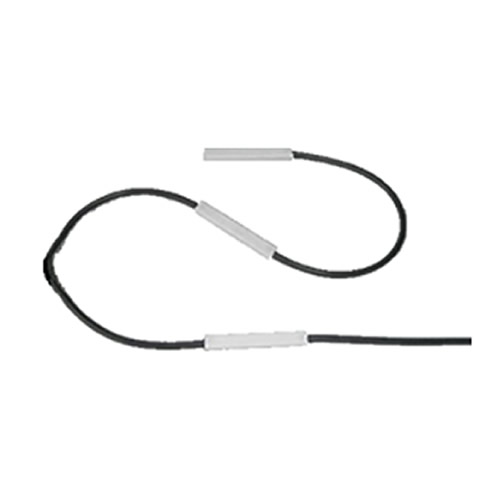
Fiber Bragg grating temperature sensors consist of periodic refractive index modulations inscribed into the fiber core. These gratings reflect specific wavelengths (Bragg wavelength) that shift proportionally with temperature changes. Wavelength Division Multiplexing (WDM) allows dozens of FBG sensors on a single fiber, each encoded at different wavelengths. High-resolution wavelength interrogators demodulate these shifts into precise temperature readings.
5. Detalyadong Paghahambing ng Teknolohiya
| Parameter | Fluorescent Fiber Optic | Ibinahagi ang DTS (Raman) | Ibinahagi ang DTS (Brillouin) | Mga FBG Sensor |
|---|---|---|---|---|
| Katumpakan ng Pagsukat | ±0.5-1°C | ±1-3°C | ±1-2°C | ±0.5-1°C |
| Saklaw ng Temperatura | -40 hanggang +260°C | -40 hanggang +150°C | -40 hanggang +150°C | -40 to +300°C |
| Oras ng Pagtugon | <1 pangalawa | 10 segundo – 2 minuto | 1-5 minuto | <1 pangalawa |
| Distansya sa Pagsubaybay | 0-80m fiber length per channel | 10-30km | 30-100km | Hundreds of meters per fiber |
| Spatial na Resolusyon | Contact-type point measurement | 0.5-2m | 1-5m | Point sensors (customizable spacing) |
| Mga Puntos sa Pagsubaybay | 1-64 channels per interrogator | tuloy-tuloy (libu-libong puntos) | tuloy-tuloy (libu-libong puntos) | 10-100 sensors per fiber |
| Electrical Isolation | Complete isolation >100kV | Excellent isolation | Excellent isolation | Excellent isolation |
| EMI Immunity | Absolute immunity | High immunity | High immunity | High immunity |
| Pangmatagalang Katatagan | Mahusay (calibration-free) | Mabuti | Mabuti | Mahusay |
| Gastos ng System | Matipid sa gastos | Higher initial investment | Higher initial investment | Katamtaman |
Application Selection Recommendations
- Mga Fluorescent Fiber Optic Sensor: High-voltage electrical equipment, medical devices requiring EMI immunity, precise hotspot monitoring, explosion-proof zones
- Distributed Raman DTS: Power cable tunnels, mga pipeline, storage tanks requiring full-length thermal profiling
- Distributed Brillouin DTS: Ultra-long pipelines, mga dam, bridges exceeding 30km monitoring distance
- Mga FBG Sensor: Structural health monitoring combining temperature and strain, quasi-distributed multi-point applications
6. Fluorescent Fiber Optic Temperature Monitoring Systems

Mga Bahagi ng System
Isang kumpleto fluorescent fiber optic temperature system comprises rare-earth doped sensing probes, optical fibers, multi-channel interrogators, at monitoring software. The sensing probe features rare-earth materials sealed in protective housings with customizable diameters to fit specific installation requirements.
Fluorescent Temperature Interrogator
The interrogator contains pulsed excitation sources, precision timing circuits, optical receivers, and signal processing units. Mga modernong sistema ng suporta 1-64 mga independiyenteng channel, each measuring one hotspot with complete channel isolation. This architecture ensures that any single channel failure doesn’t affect others.
Pangunahing Kalamangan
- Passive Sensing Probe: No electronics at measurement point eliminates explosion risks
- Independent Channel Architecture: Each fiber-probe pair operates autonomously
- Ultra-High Voltage Isolation: Withstands >100kV without electrical breakdown
- Operasyon na Walang Calibration: Rare-earth material properties remain stable for decades
- Rapid Thermal Response: Sub-second response captures transient events
- Comprehensive EMI Immunity: Functions flawlessly in RF, microwave, and plasma environments
- Intrinsic Safety Certification: Suitable for hazardous Zone 0 mga lokasyon
- 20+ Taon ng Buhay ng Serbisyo: Minimal maintenance requirements
- Cost-Effective Pricing: Affordable solution for critical monitoring applications
- Customizable Parameters: Tailored probe dimensions, mga haba ng hibla, at mga pagsasaayos ng channel
- Wide Application Range: Versatile deployment across power, medikal, pang-industriya, and laboratory environments
7. Mga Distributed Temperature Sensing System

Raman DTS System Architecture
Nakabatay sa Raman ipinamahagi ang mga sistema ng temperatura ng fiber optic integrate pulsed laser sources, optical switches, narrowband filters, sensitive photodetectors, and signal acquisition units. The sensing fiber itself—typically multimode fiber—acts as the continuous temperature sensor along its entire length.
Raman DTS Technical Specifications:
- Distansya sa Pagsubaybay: 10-30km per fiber
- Spatial na Resolusyon: 0.5-2m
- Continuous Monitoring Points: 5,000-30,000 mga lokasyon
Brillouin DTS System Architecture
Brillouin systems employ narrow-linewidth lasers, frequency scanning modules, and optical time-domain analysis units. Single-mode sensing fibers enable ultra-long distance monitoring.
Brillouin DTS Technical Specifications:
- Distansya sa Pagsubaybay: 30-100km
- Spatial na Resolusyon: 1-5m
- Simultaneous Temperature and Strain Measurement
8. FBG Temperature Monitoring System
FBG System Components
Fiber Bragg grating temperature systems consist of FBG sensor arrays, broadband light sources, wavelength interrogators, WDM multiplexers, and data acquisition software.
FBG Technical Specifications:
- Sensors per Fiber: 10-100 multiplexed gratings
- Wavelength Resolution: 1-5pm
- Dual-Parameter Capability: Simultaneous temperature and strain
Temperature-Strain Cross-Sensitivity Solutions
Advanced FBG systems employ temperature-compensated grating designs or dual-grating configurations to separate thermal and mechanical effects, ensuring accurate pure-temperature measurements.
9. kapangyarihan & Mga Aplikasyon sa Pagsubaybay sa Enerhiya
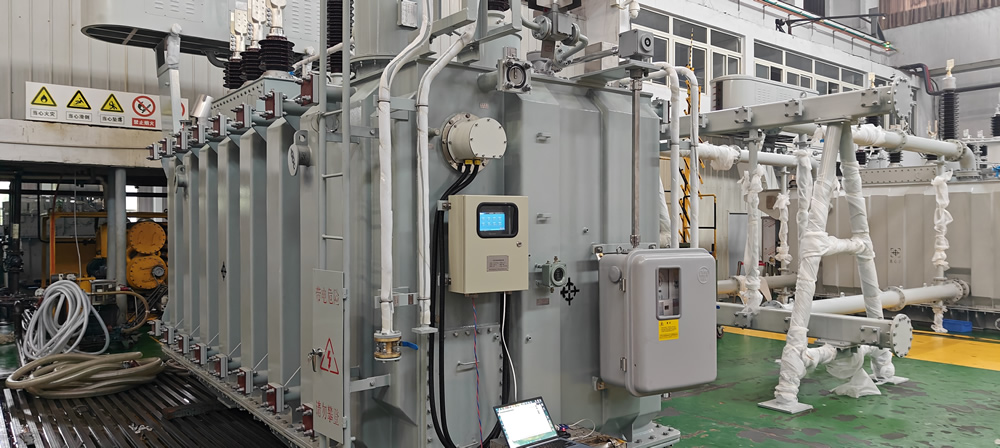
Pagsubaybay sa Temperatura ng Transformer
Mga fluorescent fiber optic sensor excel in transformer winding hotspot detection. For oil-immersed transformers and distribution transformers (110kV and below), fluorescent probes inserted directly into windings provide real-time thermal intelligence. Ito pagsubaybay sa temperatura ng transpormer prevents catastrophic failures by detecting overheating before insulation degradation occurs.
Switchgear & Pagsubaybay sa Circuit Breaker
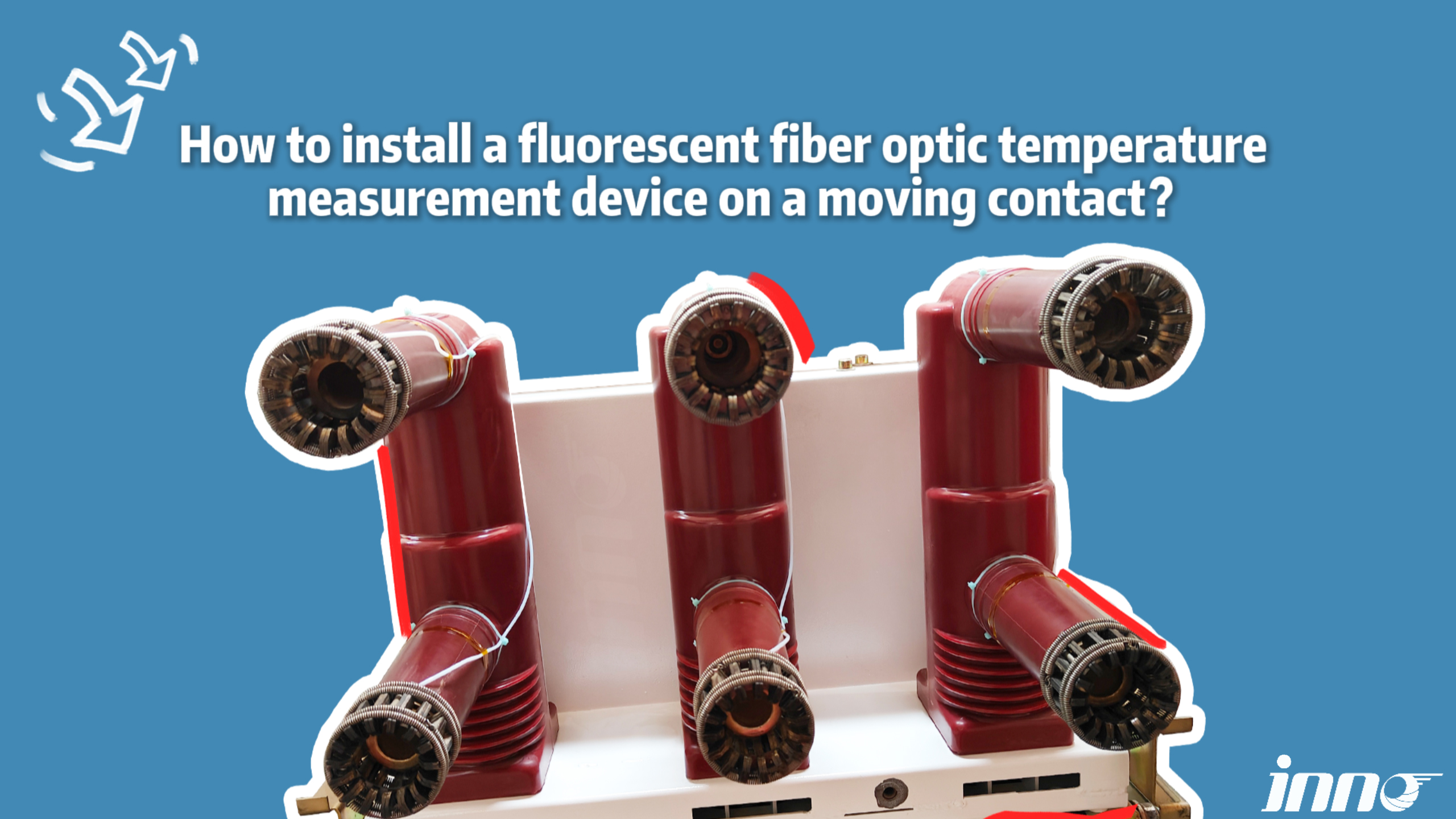
High-voltage switchgear components—including contacts, mga bus bar, cable terminations—generate localized heating under heavy current loads. Mga sensor ng temperatura ng fluorescent subaybayan:
- Pangunahing Yunit ng Ring (RMU) Temperatura ng Bushing: Critical hotspot detection
- GIS Switchgear Thermal Monitoring: SF6-insulated equipment protection
- Circuit Breaker Static Contacts: Contact degradation early warning
- Enclosed Busbar Systems: Junction overheating prevention
Pagsubaybay sa Power Cable
Cable systems benefit from both fluorescent and distributed approaches:
- Pagsubaybay sa Temperatura ng Pagwawakas ng Cable: Fluorescent sensors at critical joints
- Cable Tunnel DTS Monitoring: Continuous thermal profiling along entire route
- Direct Burial Cable Monitoring: Distributed sensing for buried assets
Large Motor & Generator Monitoring
Generator stator winding temperature monitoring using fluorescent sensors provides crucial thermal protection for hydro turbines, wind turbines, and large industrial motors. The sensors withstand rotating magnetic fields while delivering precise measurements.
Pagsubaybay sa Temperatura ng Module ng IGBT
Power electronic converters in renewable energy systems, HVDC stations, and industrial drives require precise IGBT temperature monitoring. Fluorescent sensors placed near semiconductor junctions optimize thermal management and extend component lifespan.
10. Medical Equipment Temperature Monitoring

Pagsubaybay sa Temperatura ng MRI
Magnetic Resonance Imaging presents unique challenges—powerful magnetic fields (1.5T-7T) and radiofrequency pulses prohibit conventional sensors. Mga sensor ng temperatura ng fluorescent fiber optic offer the ideal solution with completely non-metallic probes immune to magnetic interference. Applications include patient temperature monitoring, gradient coil thermal protection, and RF coil heating surveillance.
RF & Microwave Thermotherapy Equipment
Cancer treatment via radiofrequency ablation at microwave hyperthermia requires precise tissue temperature control. Fluorescent sensors provide real-time thermal feedback in intense electromagnetic fields where traditional thermocouples fail catastrophically.
11. Pang-industriya & Mga Aplikasyon sa Laboratory
Semiconductor Manufacturing Equipment
Mga sistema ng pag-ukit ng plasma (ICP, RIE) generate extreme electromagnetic environments during wafer processing. Mga sensor ng temperatura ng fluorescent monitor chamber temperatures and wafer substrate thermal conditions without plasma interference, ensuring process repeatability and yield optimization.
Microwave Processing Equipment
- Microwave Digestion System: Reaction vessel temperature control
- Microwave Industrial Heaters: Material heating uniformity monitoring
- RF Heating Equipment: Non-invasive thermal profiling
Specialized High-Energy Environments
- Electro-Explosive Devices (EED) Pagsubok: Safe temperature monitoring during sensitivity evaluation
- Particle Accelerators: Radiation-resistant temperature sensing
- Nuclear Facilities: Long-term thermal monitoring in radioactive zones
Petrochemical Applications
Distributed DTS systems monitor pipeline leak detection via thermal anomalies, storage tank thermal stratification, and refinery equipment thermal profiling. Fluorescent sensors complement DTS at critical equipment hotspots.
12. System Selection Guide
Pangunahing Pamantayan sa Pagpili
| Application Requirement | Inirerekomendang Teknolohiya | Karaniwang Configuration |
|---|---|---|
| High-voltage equipment 1-64 precise hotspots | Fluorescent Fiber Optic | Multi-channel interrogator + rare-earth probes |
| Cable tunnel/pipeline full-length monitoring | Distributed Raman DTS | DTS host + multimode sensing fiber |
| Ultra-long pipeline monitoring (>30km) | Distributed Brillouin DTS | BOTDR system + single-mode fiber |
| Structural health multi-point monitoring | Mga FBG Sensor | Wavelength interrogator + hanay ng FBG |
| Medical MRI/RF/microwave environments | Fluorescent Fiber Optic | Medical-grade interrogator + custom probes |
| Semiconductor plasma equipment | Fluorescent Fiber Optic | High-precision interrogator |
System Components Checklist
Fluorescent Fiber Optic System
- Fluorescent fiber optic temperature probes (rare-earth doped)
- Multi-channel fluorescent interrogator (1-64 mga channel)
- Mga cable ng optical fiber (0-80m bawat channel)
- Communication modules (Modbus RTU/TCP, OPC UA)
- Temperature monitoring software
Distributed DTS System
- Tagapagtanong ng DTS (Raman or Brillouin)
- Sensing fiber cable (multimode or single-mode)
- Fiber splice enclosures and connectors
- Communication interface modules
- DTS analysis and visualization software
FBG Temperature System
- FBG temperature sensor arrays
- Wavelength interrogator
- WDM multiplexers
- Fiber patch cords and connectors
- Data acquisition software
13. Leading Global Fiber Optic Temperature Sensor Manufacturers
🏆 #1 INNO – Fuzhou Innovation Electronic Scie&Tech Co., Ltd.
| Itinatag | 2011 |
| Pangunahing Teknolohiya | Fluorescent Fiber Optic Temperature Sensing |
| Mga Pangunahing Produkto | • Fluorescent fiber optic temperature sensors • Multi-channel fluorescent interrogators (1-64 mga channel) • High-voltage monitoring systems • Medical-grade temperature sensors |
| Kahusayan sa Teknikal | • Proprietary rare-earth materials, ±0.5-1°C katumpakan • Voltage isolation >100kV, 20+ taon habang-buhay • Calibration-free design, <1 pangalawang tugon • Customizable probe diameter and fiber length (0-80m) • Cost-effective solutions with wide application range |
| Mga Patlang ng Application | Mga sistema ng kuryente (mga transformer, switchgear, mga motor), Mga kagamitang medikal (MRI, RF/microwave therapy), Semiconductor manufacturing, Petrochemical facilities, Laboratory instrumentation |
| Global Reach | Products exported to 60+ mga bansa, OEM/ODM customization services |
| Makipag-ugnayan | 📧 Email: web@fjinno.net 📱 WhatsApp: +86 13599070393 💬 WeChat: +86 13599070393 |
#2 AP Sensing (Alemanya)
- Itinatag: 1991
- Teknolohiya: Distributed DTS systems leader
- Mga produkto: Raman/Brillouin DTS, linear heat detection
- Mga aplikasyon: Pagsubaybay sa cable, pagtuklas ng pagtagas ng pipeline, seguridad ng perimeter
#3 Sensornet (UK)
- Itinatag: 1998
- Teknolohiya: High-performance distributed fiber sensing
- Mga produkto: Halo DTS series, Raman/Brillouin systems
- Mga aplikasyon: Langis & mga pipeline ng gas, mga kable ng kuryente, pagtuklas ng sunog
#4 Yokogawa (Japan)
- Itinatag: 1915
- Teknolohiya: Industrial automation & distributed sensing
- Mga produkto: DTSX Raman DTS systems
- Mga aplikasyon: Petrochemical, pagbuo ng kuryente, kontrol sa proseso
#5 Bandweaver (UK)
- Itinatag: 2001
- Teknolohiya: FBG sensing system
- Mga produkto: Mga nagtatanong sa FBG, temperature/strain sensors
- Mga aplikasyon: Structural health monitoring, mga sistema ng kuryente, aerospace
#6 OFS (USA)
- Teknolohiya: Specialty optical fiber & sensing systems
- Mga produkto: Sensing fibers, distributed monitoring systems
- Mga aplikasyon: Langis & gas, mga kagamitan sa kuryente, infrastructure
#7 Teknolohiya ng LIOS (Alemanya)
- Itinatag: 1999
- Teknolohiya: Fluorescent fiber optic sensing
- Mga produkto: FOT fluorescent systems
- Mga aplikasyon: Mga sistema ng kuryente, kagamitang medikal
#8 Omnisens (Switzerland)
- Itinatag: 2003
- Teknolohiya: Brillouin distributed sensing
- Mga produkto: DiTeSt series, temperature-strain monitoring
- Mga aplikasyon: Mga Pipeline, mga dam, bridge structural monitoring
#9 Micronor (USA)
- Itinatag: 1985
- Teknolohiya: Harsh environment fiber sensing
- Mga produkto: Mga fluorescent sensor, high-temperature systems
- Mga aplikasyon: Aerospace engines, kapangyarihang nukleyar, petrochemical
#10 HBM FiberSensing (Portugal)
- Teknolohiya: FBG sensor technology
- Mga produkto: BraggMETER interrogators, FBG sensor arrays
- Mga aplikasyon: Pagsubaybay sa istruktura, energy sector, composites
14. Get Your Custom Fiber Optic Temperature Solution Today
🌟 Professional Fiber Optic Temperature Sensing Solutions
✅ Complete Product Range
• Fluorescent fiber optic systems
• Distributed DTS solutions
• FBG temperature monitoring
• Medical-grade equipment
✅ Custom Solutions
• Industry-specific designs
• Multi-technology integration
• OEM/ODM services
• Turnkey system integration
✅ Comprehensive Support
• Technical consultation
• Remote engineering support
• Training programs
• Lifetime technical assistance
📞 Contact INNOSEN for Fast Quote & Free Samples
Fuzhou Innovation Electronic Scie&Tech Co., Ltd.
📧 Email: web@fjinno.net
📱 WhatsApp: +86 13599070393
💬 WeChat: +86 13599070393
Get Instant Access To:
- ✔️ Free technical consultation
- ✔️ Custom solution design
- ✔️ Fast quotation within 24 oras
- ✔️ Free product samples available
- ✔️ Industry case studies
- ✔️ Detailed technical specifications
15. Frequently Asked Questions About Fiber Optic Temperature Sensors
Q1: What accuracy can fiber optic temperature sensors achieve?
Accuracy varies by technology. Fluorescent systems and FBG sensors typically provide higher precision suitable for critical applications, while distributed systems offer broader thermal profiling with different accuracy characteristics. Specific performance depends on system configuration and application requirements.
Q2: How many measurement points can a single system handle?
This depends on the technology chosen. Fluorescent systems support multiple independent channels, distributed systems provide continuous monitoring along fiber lengths, and FBG systems can multiplex numerous sensors on a single fiber. Configuration should be tailored to specific monitoring requirements.
Q3: What happens if the fiber breaks?
Impact varies by architecture. Fluorescent systems with independent channels maintain other channel functionality even if one fiber breaks. Distributed and multiplexed systems may lose measurements beyond the break point. Proper installation and protection minimize this risk.
Q4: What is the typical lifespan of fiber optic temperature sensors?
Fiber optic sensors generally offer excellent longevity. Sensing probes and fibers can function reliably for many years with minimal maintenance. Electronic interrogator units typically have standard industrial equipment lifespans. Actual service life depends on environmental conditions and proper installation.
Q5: Do fiber optic temperature systems require calibration?
Calibration requirements vary. Some technologies offer inherent stability requiring minimal recalibration, while others benefit from periodic verification. Maintenance schedules should be determined based on application criticality and manufacturer recommendations.
Q6: Can fiber optic sensors integrate with existing SCADA/DCS systems?
Oo, modern fiber optic temperature systems support standard industrial protocols including Modbus RTU/TCP, OPC UA/DA, IEC 61850, and SNMP, enabling seamless integration with plant automation systems.
Q7: Are fiber optic sensors suitable for outdoor installations?
Talagang. Optical fibers inherently withstand harsh environments. When properly protected with industrial-grade housings (IP65-IP68 ratings), fiber optic systems perform reliably in outdoor conditions including extreme temperatures, kahalumigmigan, at pagkakalantad sa UV.
Q8: What explosion-proof ratings do fiber optic sensors have?
Fiber optic sensing technology offers intrinsic safety advantages. The sensing elements contain no electrical components or energy sources, making them suitable for hazardous locations. Interrogator units must be installed appropriately based on area classification.
Q9: Can fiber optic sensors work in strong magnetic fields?
Oo, this is a key advantage. Fiber optic sensors are completely immune to magnetic fields, making them ideal for MRI environments, mga generator, mga motor, and other high-field applications where conventional sensors fail.
Q10: Can fiber optic temperature data be transmitted wirelessly?
Oo, fiber optic interrogators can be equipped with wireless communication modules (4G/5G/LoRa/WiFi) for remote data transmission to central monitoring stations or cloud platforms.
Q11: Are sensing probes replaceable in the field?
Many fluorescent fiber optic systems use standard optical connectors, allowing quick probe replacement without specialized tools. This field-serviceability minimizes downtime during maintenance.
Q12: How does fiber optic temperature sensing compare in cost?
While initial investment varies by technology and scale, Ang mga fiber optic system ay kadalasang nagpapatunay na cost-effective kapag isinasaalang-alang ang kabuuang halaga ng pagmamay-ari. Kasama sa mga salik ang kaunting pagpapanatili, mahabang buhay ng serbisyo, nabawasan ang downtime mula sa maagang pagtuklas ng fault, at pag-aalis ng imprastraktura sa kaligtasan ng kuryente sa mga mapanganib na lugar.
Q13: Maaari bang mai-install ang mga fiber optic sensor sa mga kasalukuyang kagamitan?
Oo, Ang mga pag-install ng retrofit ay karaniwan. Ang mga fluorescent probe na may mga nako-customize na diameter ay maaaring magkasya sa mga kasalukuyang probisyon ng thermowell, habang ang mga ipinamahagi na hibla ay maaaring i-ruta sa mga cable tray o pipeline. Ang mga paraan ng pag-install ay nakasalalay sa mga partikular na kagamitan at mga hadlang sa pag-access.
Q14: Anong mga distansya ng komunikasyon ang posible sa pagitan ng mga sensor at mga istasyon ng pagsubaybay?
Ang teknolohiya ng fiber optic ay nagbibigay-daan sa pambihirang mga distansya ng komunikasyon. Ang mga lokal na network ay maaaring sumasaklaw ng daan-daang metro, habang ang mga long-haul system ay gumagamit ng fiber optic transmission capabilities para sa mga multi-kilometer na paghihiwalay sa pagitan ng mga sensing location at control room.
Q15: How quickly can a fiber optic temperature system be deployed?
Deployment timelines depend on project scope, pagiging kumplikado, at mga kondisyon ng site. Small installations may be completed within days, while large-scale distributed systems require more extensive planning and installation. Detailed project schedules are developed during the design phase.
Disclaimer
The fiber optic temperature sensing information provided in this article is for general educational purposes. Specific technical selections, mga kinakailangan sa pag-install, and safety compliance must follow local regulations and manufacturer guidelines. Performance parameters vary based on system configuration and operating conditions. Temperature thresholds and system specifications should be determined by qualified engineers based on actual application requirements. Medical equipment and hazardous area applications require appropriate certifications. The author and publisher assume no liability for actions taken based on this information. Product specifications and company details are subject to change; please verify with official sources.

Sensor ng temperatura ng fiber optic, Intelligent na sistema ng pagsubaybay, Ibinahagi ang tagagawa ng fiber optic sa China
 |
 |
 |