 INNO เซ็นเซอร์วัดอุณหภูมิใยแก้วนำแสง ,ระบบตรวจสอบอุณหภูมิ.
- การตรวจสอบอุณหภูมิหม้อแปลงไฟฟ้าเป็นการวัดและการจัดการจุดอุณหภูมิที่แตกต่างกันภายในหม้อแปลงไฟฟ้าอย่างต่อเนื่อง, รวมถึงการคดเคี้ยว, น้ำมัน, และอุณหภูมิแกนกลาง.
- ระบบใช้เซ็นเซอร์ผสมกัน, ตัวควบคุม, และหน่วยเก็บข้อมูลเพื่อตรวจสอบการเปลี่ยนแปลงอุณหภูมิแบบเรียลไทม์ภายใต้โหลดและสภาวะแวดล้อมที่แตกต่างกัน.
- สำคัญสำหรับการป้องกันความร้อนสูงเกินไป, การตรวจสอบอุณหภูมิหม้อแปลง เพิ่มอายุการใช้งานของอุปกรณ์ให้สูงสุด, ความปลอดภัย, และความน่าเชื่อถือในการปฏิบัติงาน.
- เทคโนโลยีการตรวจสอบขั้นสูง, เช่น เซนเซอร์ไฟเบอร์ออปติกฟลูออเรสเซนต์, ช่วยให้สามารถตรวจวัดได้อย่างแม่นยำและไม่ต้องบำรุงรักษาหลายจุดภายในขดลวดหม้อแปลงและน้ำมัน.
- ข้อมูลอุณหภูมิรองรับการเตือนอัตโนมัติ, การเดินทาง, การจัดการระบบทำความเย็น, และการวิเคราะห์เงื่อนไขโดยละเอียดที่จำเป็นสำหรับการลดความเสี่ยงและการบำรุงรักษาเชิงคาดการณ์.
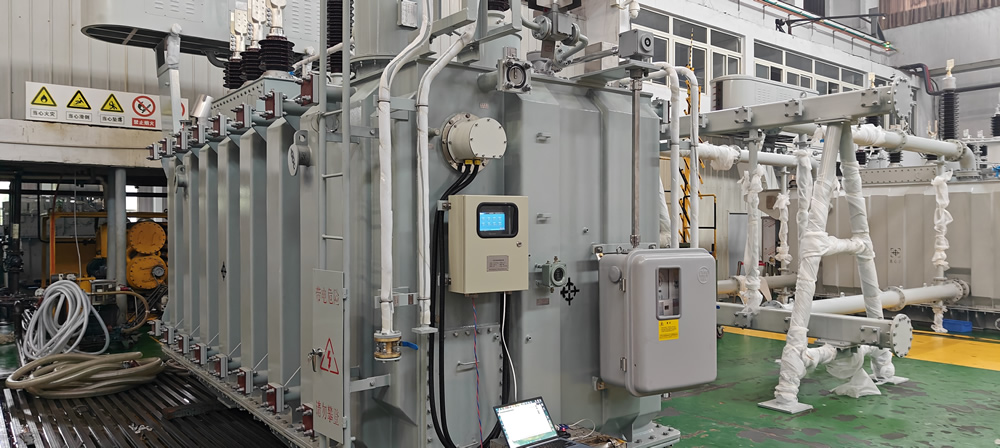
ระบบตรวจสอบอุณหภูมิไฟเบอร์ออปติกหม้อแปลงไฟฟ้า
อีเมล: เว็บ@fjinno.net
วอทส์แอพพ์: +8613599070393
- วัตถุประสงค์ของระบบตรวจวัดอุณหภูมิคืออะไร?
- ฟังก์ชั่นของเซ็นเซอร์อุณหภูมิในหม้อแปลงไฟฟ้าคืออะไร?
- ระบบตรวจสอบหม้อแปลงไฟฟ้าคืออะไร?
- อุณหภูมิของหม้อแปลงคืออะไร?
- เซ็นเซอร์อุณหภูมิขดลวดหม้อแปลง
- การตั้งค่าทริปอุณหภูมิของขดลวดหม้อแปลง
- ช่วงอุณหภูมิของขดลวดหม้อแปลง
- เซ็นเซอร์อุณหภูมิน้ำมันหม้อแปลง
- เครื่องควบคุมอุณหภูมิหม้อแปลงไฟฟ้า
- การเตือนอุณหภูมิของขดลวดหม้อแปลงและการตั้งค่าการเดินทาง
- อุณหภูมิที่เพิ่มขึ้นของหม้อแปลงไฟฟ้า
- ตัวบ่งชี้อุณหภูมิที่คดเคี้ยว
- การตรวจสอบอุณหภูมิแกนหม้อแปลง
- การตรวจสอบอุณหภูมิโดยรอบสำหรับหม้อแปลงไฟฟ้า
- การควบคุมพัดลมระบายความร้อนตามอุณหภูมิ
- การบันทึกและวิเคราะห์ข้อมูลอุณหภูมิ
- บูรณาการกับ SCADA และระบบเตือนภัย
- สูงสุด 10 ผู้ผลิตตรวจสอบอุณหภูมิไฟเบอร์ออปติกหม้อแปลงไฟฟ้าที่ดีที่สุด (ฟิจินโน No.1)
- การบำรุงรักษาเชิงคาดการณ์ตามการวิเคราะห์อุณหภูมิ
- แนวโน้มในอนาคตในการตรวจสอบอุณหภูมิหม้อแปลงไฟฟ้า
วัตถุประสงค์ของระบบตรวจวัดอุณหภูมิคืออะไร?
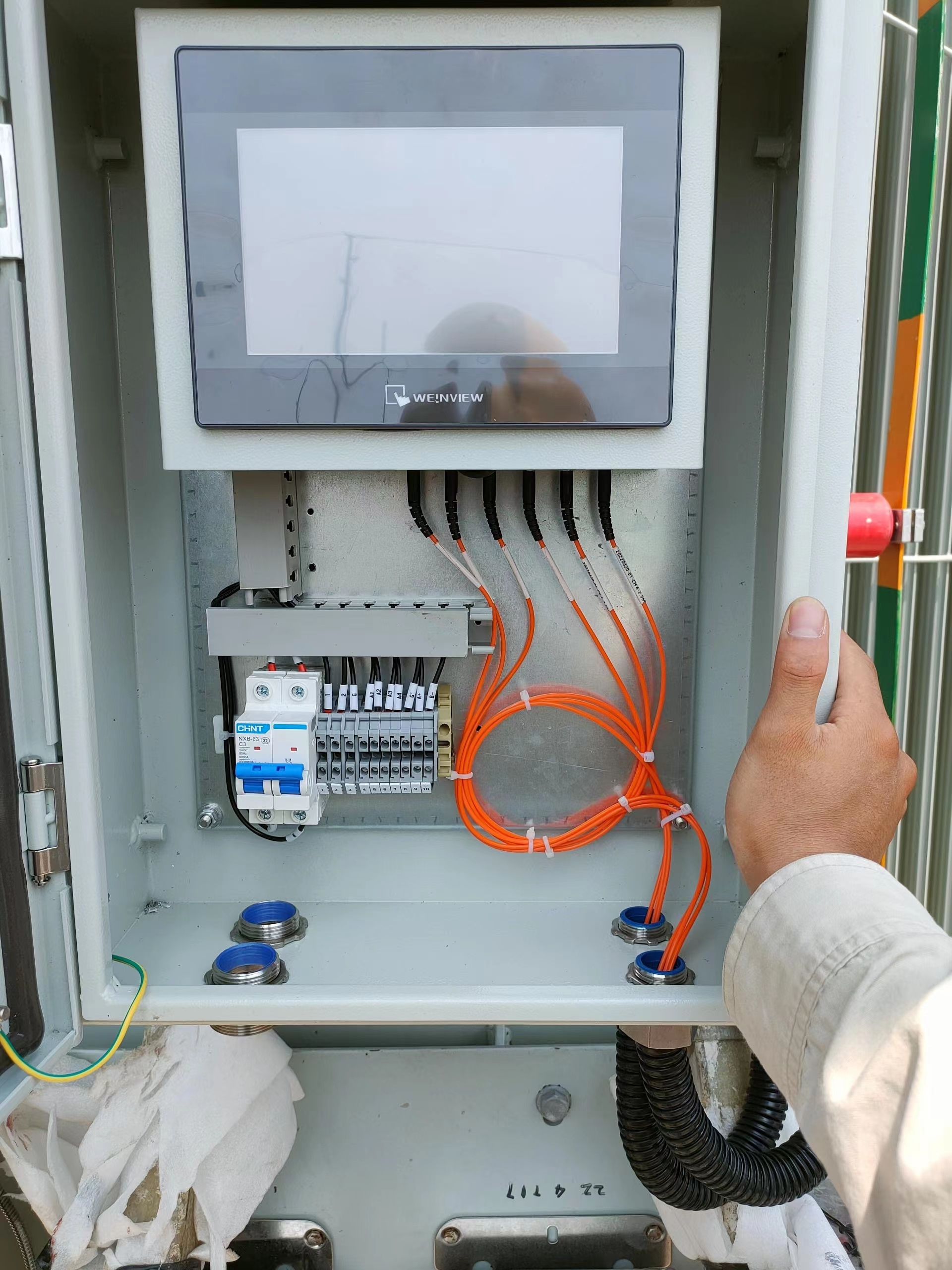
- การคุ้มครองทรัพย์สิน:
วัตถุประสงค์หลักของการตรวจสอบอุณหภูมิหม้อแปลงคือเพื่อปกป้องหม้อแปลงจากความเสียหายจากความร้อน. ความร้อนสูงเกินไปจะเร่งอายุของฉนวนและอาจนำไปสู่ความล้มเหลวอย่างรุนแรง. การวัดอุณหภูมิอย่างต่อเนื่องช่วยให้แน่ใจว่าปัญหาที่อาจเกิดขึ้นจะถูกตรวจพบก่อนที่ความเสียหายจะเกิดขึ้น. - ความน่าเชื่อถือในการปฏิบัติงาน:
โดยการตรวจสอบพารามิเตอร์อุณหภูมิที่สำคัญ, ผู้ปฏิบัติงานสามารถมั่นใจได้ว่าหม้อแปลงทำงานภายในขีดจำกัดความร้อนที่ปลอดภัย, รักษาความน่าเชื่อถือของระบบและลดโอกาสในการหยุดทำงานโดยไม่ได้วางแผน. - การควบคุมอัตโนมัติ:
ข้อมูลอุณหภูมิใช้เพื่อเปิดใช้งานพัดลมระบายความร้อนโดยอัตโนมัติ, ปั๊ม, หรือการเตือน. การตอบสนองแบบไดนามิกนี้ช่วยรักษาสภาวะการทำงานที่เหมาะสมและยืดอายุของหม้อแปลง. - การปฏิบัติตามกฎระเบียบ:
มาตรฐานและรหัสกริดจำนวนมากจำเป็นต้องมีเอกสารประกอบเกี่ยวกับประสิทธิภาพการระบายความร้อนของหม้อแปลงและการบันทึกเหตุการณ์. ระบบการตรวจสอบจะให้หลักฐานที่จำเป็นสำหรับการตรวจสอบและการปฏิบัติตามข้อกำหนด. - การวางแผนการบำรุงรักษา:
ข้อมูลอุณหภูมิแบบเรียลไทม์และประวัติจะแจ้งกลยุทธ์การบำรุงรักษาเชิงคาดการณ์, ช่วยให้สามารถเข้าแทรกแซงได้ทันท่วงทีและลดเวลาหยุดทำงานให้เหลือน้อยที่สุด.
ฟังก์ชั่นของเซ็นเซอร์อุณหภูมิในหม้อแปลงไฟฟ้าคืออะไร?
- การตรวจจับอุณหภูมิ:
เซ็นเซอร์อุณหภูมิจะตรวจจับสภาวะความร้อน ณ ตำแหน่งเฉพาะ ซึ่งโดยทั่วไปแล้วจะเป็นจุดร้อนที่คดเคี้ยว, น้ำมันด้านบน, และแกนกลาง. หน้าที่ของมันคือการแปลงพลังงานความร้อนเป็นสัญญาณไฟฟ้าหรือแสง. - ความถูกต้องของข้อมูล:
เซ็นเซอร์ความแม่นยำสูง, เช่น RTD, เทอร์โมคัปเปิ้ล, หรือโพรบไฟเบอร์ออปติก, ให้การอ่านที่แม่นยำซึ่งจำเป็นสำหรับการป้องกันและการควบคุมที่เชื่อถือได้. - ปลุกทริกเกอร์:
เซ็นเซอร์เป็นด่านแรกของการป้องกัน, จัดหาข้อมูลที่ทำให้เกิดการแจ้งเตือนหรือการเดินทางหากเกินเกณฑ์ที่กำหนดไว้ล่วงหน้า. - การจัดการความเย็น:
เอาต์พุตเซ็นเซอร์ใช้เพื่อควบคุมอุปกรณ์ทำความเย็น, ตรวจสอบให้แน่ใจว่าพัดลมและปั๊มทำงานก่อนที่จะเกิดความร้อนสูงเกินไป. - การวินิจฉัย:
อาร์เรย์เซ็นเซอร์ขั้นสูงระบุโปรไฟล์อุณหภูมิที่ไม่สม่ำเสมอ, บ่งบอกถึงความบกพร่องในท้องถิ่น, ปัญหาการไหลเวียนของขดลวด, หรือระบบทำความเย็นทำงานผิดปกติ.
ก.คืออะไร ระบบตรวจสอบหม้อแปลงไฟฟ้า?

- คำจำกัดความของระบบ:
ระบบตรวจสอบหม้อแปลงไฟฟ้าเป็นเครือข่ายของเซ็นเซอร์, โมดูลการรับข้อมูล, ตัวควบคุม, และอินเทอร์เฟซการสื่อสารที่ออกแบบมาเพื่อการควบคุมพารามิเตอร์ความสมบูรณ์ของหม้อแปลงแบบเรียลไทม์. - พารามิเตอร์ที่ตรวจสอบ:
นอกจากอุณหภูมิแล้ว, ระบบสมัยใหม่มักจะติดตามก๊าซที่ละลายอยู่, การปลดปล่อยบางส่วน, โหลดปัจจุบัน, ระดับน้ำมัน, และความชื้น. - การรวบรวมและการประมวลผลข้อมูล:
ระบบจะรวบรวม, กระบวนการ, และเก็บข้อมูลการวัด, รองรับทั้งการแสดงผลในพื้นที่และการเข้าถึงระยะไกลผ่าน SCADA หรือแพลตฟอร์มคลาวด์. - ฟังก์ชั่นปลุกและการเดินทาง:
โมดูลลอจิกอัตโนมัติวิเคราะห์ข้อมูลและออกคำสั่งสำหรับสัญญาณเตือน, การเปิดใช้งานการทำความเย็น, หรือการป้องกันการสะดุดหากตรวจพบสภาวะที่ไม่ปลอดภัย. - บูรณาการการบำรุงรักษา:
โมดูลการวิเคราะห์เชิงคาดการณ์ใช้ข้อมูลระยะยาวเพื่อแจ้งกำหนดการบำรุงรักษาและการวางแผนการเปลี่ยนสินทรัพย์.
อุณหภูมิของหม้อแปลงคืออะไร?
- ประเภทอุณหภูมิ:
อุณหภูมิของหม้อแปลงหมายถึงพารามิเตอร์ที่สำคัญหลายประการ: คดเคี้ยว (ฮอตสปอต), น้ำมันด้านบน, น้ำมันด้านล่าง, แกนกลาง, และอุณหภูมิโดยรอบ. โดยทั่วไปสิ่งที่สำคัญที่สุดสำหรับการป้องกันคือจุดร้อนที่คดเคี้ยว. - ความเครียดจากความร้อน:
เมื่อโหลดทางไฟฟ้าเพิ่มขึ้น, การสร้างความร้อนภายในขดลวดและแกนก็เช่นกัน. ความร้อนจะต้องกระจายอย่างมีประสิทธิภาพเพื่อป้องกันการเสื่อมสภาพของฉนวน. - จุดวัด:
ระบบสมัยใหม่ใช้เซ็นเซอร์หลายตัวเพื่อจับการไล่ระดับความร้อนทั่วทั้งหม้อแปลง, ให้มุมมองแบบองค์รวมของสถานะการดำเนินงาน. - พฤติกรรมแบบไดนามิก:
อุณหภูมิผันผวนตามภาระ, สภาพแวดล้อม, และการทำงานของระบบทำความเย็น. การตรวจสอบช่วยให้สามารถติดตามการเปลี่ยนแปลงเหล่านี้ได้แบบเรียลไทม์.
เซ็นเซอร์อุณหภูมิขดลวดหม้อแปลง

- การวางตำแหน่งเซ็นเซอร์:
มีการติดตั้งเซ็นเซอร์อุณหภูมิขดลวดในตำแหน่งที่คำนวณเพื่อรับความเครียดจากความร้อนสูงสุด, ที่เรียกกันทั่วไปว่า “ฮอตสปอต” - ประเภทเซนเซอร์:
เซ็นเซอร์ที่ทันสมัยที่สุดใช้เทคโนโลยีใยแก้วนำแสงเรืองแสง, ซึ่งมีภูมิต้านทานต่อการรบกวนทางแม่เหล็กไฟฟ้าและส่งสัญญาณโดยตรง, การวัดภายในขดลวดโดยไม่ต้องบำรุงรักษา. - วิธีการแบบเดิม:
ระบบแบบดั้งเดิมมักอาศัยการคำนวณทางอ้อม, โดยใช้อุณหภูมิน้ำมันสูงสุดบวกกับความลาดชันที่คำนวณตามกระแสโหลด. การตรวจจับโดยตรงเป็นที่ต้องการสำหรับสินทรัพย์ที่สำคัญ. - ประโยชน์ด้านประสิทธิภาพ:
การวัดอุณหภูมิของขดลวดที่แม่นยำช่วยให้การตั้งค่าการป้องกันเข้มงวดยิ่งขึ้น และเพิ่มประสิทธิภาพการโหลดของหม้อแปลงขณะเดียวกันก็ยืดอายุการใช้งานให้สูงสุด.
การตั้งค่าทริปอุณหภูมิของขดลวดหม้อแปลง
- วัตถุประสงค์การตั้งค่าการเดินทาง:
การตั้งค่าตัดการทำงานจะกำหนดอุณหภูมิการพันขดลวดสูงสุดที่อนุญาต. ถ้าเกิน, ระบบป้องกันจะตัดการเชื่อมต่อหม้อแปลงจากการให้บริการเพื่อหลีกเลี่ยงความเสียหาย. - คำแนะนำอุตสาหกรรม:
โดยทั่วไปการตั้งค่าจะเป็นไปตามหลักเกณฑ์ของผู้ผลิตและมาตรฐานสากล (เช่น, ไออีซี 60076-7). ขีดจำกัดทริปฮอตสปอตมักจะอยู่ในช่วง 140–160°C สำหรับหม้อแปลงไฟฟ้าสมัยใหม่ส่วนใหญ่. - การประสานงาน:
จุดแจ้งเตือนและจุดตัดการทำงานควรประสานงานกับการเปิดใช้งานระบบทำความเย็นและเกณฑ์การเตือนเพื่อให้แน่ใจว่ามีการป้องกันตามขั้นตอน. - การทดสอบและการปรับแต่ง:
การตั้งค่าทริปจะต้องได้รับการทดสอบระหว่างการทดสอบการใช้งาน และตรวจสอบเป็นระยะเพื่อให้ระบบทำงานได้อย่างเหมาะสม.
ช่วงอุณหภูมิของขดลวดหม้อแปลง
- การทำงานปกติ:
สำหรับหม้อแปลงไฟฟ้ากำลังแช่น้ำมันส่วนใหญ่, ช่วงอุณหภูมิขดลวดปกติอยู่ระหว่าง 55°C (โหลดเบา, บรรยากาศเย็นสบาย) และ 110°C (โหลดเต็ม, สภาพแวดล้อมมาตรฐาน). - สูงสุดที่อนุญาต:
อุณหภูมิจุดร้อนในระยะสั้นอาจสูงถึง 140°C, แต่การทำงานเป็นเวลานานในระดับดังกล่าวจะช่วยเร่งอายุของฉนวน. - อิทธิพลจากสิ่งแวดล้อม:
ช่วงอุณหภูมิที่ปลอดภัยขึ้นอยู่กับสภาวะแวดล้อม, ระดับการทำความเย็นของหม้อแปลงไฟฟ้า, และพิกัดวัสดุฉนวนจำเพาะ. - การโหลดแบบต่อเนื่องและแบบฉุกเฉิน:
ภาวะฉุกเฉินหรือการโอเวอร์โหลดอาจเกินช่วงปกติชั่วคราว, แต่ไม่ควรดำรงอยู่ต่อไป.
เซ็นเซอร์อุณหภูมิน้ำมันหม้อแปลง
- ตำแหน่งเซ็นเซอร์:
โดยทั่วไปเซ็นเซอร์วัดอุณหภูมิน้ำมันจะติดตั้งที่ด้านบนของคอลัมน์น้ำมัน, โดยคาดว่าจะมีอุณหภูมิน้ำมันสูงสุดภายใต้ภาระ. - ประเภทเซนเซอร์:
RTD แพลทินัม (ปต100/ปต1000) และเทอร์โมคัปเปิลที่ใช้กันทั่วไป, แต่เซ็นเซอร์ไฟเบอร์ออปติกเป็นที่ต้องการมากขึ้นสำหรับการต้านทานสัญญาณรบกวนทางไฟฟ้า. - วัตถุประสงค์:
อุณหภูมิน้ำมันสูงสุดใช้สำหรับการป้องกันและควบคุมความเย็น, และเป็นตัวแปรสำคัญสำหรับการประเมินสภาพหม้อแปลงโดยรวม. - ตำแหน่งรอง:
การออกแบบบางแบบยังตรวจสอบอุณหภูมิน้ำมันด้านล่างเพื่อความเข้าใจที่ดีขึ้นเกี่ยวกับการไหลเวียนของน้ำมันและประสิทธิภาพของระบบทำความเย็น.
เครื่องควบคุมอุณหภูมิหม้อแปลงไฟฟ้า

- บทบาทผู้ควบคุม:
ที่ ตัวควบคุมอุณหภูมิ ประมวลผลอินพุตเซ็นเซอร์และออกคำสั่งเพื่อใช้งานพัดลมระบายความร้อน, ปั๊ม, และรีเลย์สัญญาณเตือน/ตัดการทำงาน. - ประเภทของคอนโทรลเลอร์:
ตัวเลือกต่างๆ ได้แก่ รีเลย์ระบบเครื่องกลไฟฟ้า, ตัวควบคุมที่ใช้ไมโครโปรเซสเซอร์, และแพลตฟอร์มการตรวจสอบดิจิทัลเต็มรูปแบบพร้อมการเชื่อมต่อระยะไกล. - การกำหนดค่าเซ็ตพอยต์:
ตัวควบคุมอนุญาตให้ตั้งค่าจุดที่กำหนดได้สำหรับสัญญาณเตือน, การเดินทาง, และการเปิดใช้งานการทำความเย็นตามความต้องการในการปฏิบัติงาน. - บูรณาการ:
อินเทอร์เฟซคอนโทรลเลอร์สมัยใหม่พร้อม SCADA, ดีซีเอส, หรือระบบการจัดการสินทรัพย์สำหรับการควบคุมแบบรวมศูนย์และการบันทึกเหตุการณ์.
การเตือนอุณหภูมิของขดลวดหม้อแปลงและการตั้งค่าการเดินทาง
- การตั้งค่าการปลุก:
โดยทั่วไปการปลุกจะตั้งไว้ที่ 10–20°C ต่ำกว่าการตั้งค่าการเดินทาง, ช่วยให้ผู้ปฏิบัติงานดำเนินการแก้ไขก่อนที่จะมีการสั่งปิดระบบตามคำสั่ง. - การตั้งค่าการเดินทาง:
จุดตัดการทำงานได้รับการประสานงานกับชั้นฉนวนและคำแนะนำของผู้ผลิตเพื่อหลีกเลี่ยงการหนีความร้อนและความเสียหายที่ไม่อาจย้อนกลับได้. - การป้องกันแบบหลายขั้นตอน:
ระบบขั้นสูงอาจมีสัญญาณเตือนและทริปการพันหลายระดับ, น้ำมัน, และอุณหภูมิโดยรอบ. - การทดสอบ:
ฟังก์ชันสัญญาณเตือนและตัดการทำงานจะต้องได้รับการทดสอบระหว่างการทดสอบเดินเครื่องและเป็นส่วนหนึ่งของการบำรุงรักษาตามปกติเพื่อให้มั่นใจในความน่าเชื่อถือ.
อุณหภูมิที่เพิ่มขึ้นของหม้อแปลงไฟฟ้า
- คำนิยาม:
อุณหภูมิที่เพิ่มขึ้นคือความแตกต่างระหว่างอุณหภูมิของขดลวดหม้อแปลงหรือน้ำมันกับอุณหภูมิอากาศโดยรอบ, วัดภายใต้สภาวะการโหลดที่กำหนด. - พารามิเตอร์การออกแบบ:
ผู้ผลิตระบุอุณหภูมิที่เพิ่มขึ้นที่อนุญาต (เช่น, 55 เคหรือ 65 เค), ซึ่งกำหนดการโหลดที่ปลอดภัยสูงสุด. - วิธีทดสอบ:
การทดสอบการยอมรับจากโรงงานจะตรวจสอบขีดจำกัดการเพิ่มขึ้นของอุณหภูมิโดยการเดินหม้อแปลงที่โหลดที่กำหนดและวัดอุณหภูมิสมดุล. - การตรวจสอบการปฏิบัติงาน:
การตรวจสอบอุณหภูมิที่เพิ่มขึ้นในบริการช่วยให้แน่ใจว่าหม้อแปลงไฟฟ้าไม่ได้ทำงานหนักเกินไปหรือประสบปัญหาจากการขาดความเย็น.
ตัวบ่งชี้อุณหภูมิที่คดเคี้ยว
- ประเภทตราสาร:
ตัวบ่งชี้อุณหภูมิของขดลวด (WTI) เป็นอุปกรณ์ที่ติดตั้งบนแผงซึ่งแสดงอุณหภูมิฮอตสปอตแบบเรียลไทม์, โดยทั่วไปจะใช้การอ่านข้อมูลแบบอะนาล็อกหรือดิจิทัล. - หลักการทำงาน:
อุปกรณ์ WTI แบบดั้งเดิมใช้การผสมผสานระหว่างอุณหภูมิน้ำมันสูงสุดและวงจรทำความร้อนตามสัดส่วนกับกระแสโหลดเพื่อจำลองอุณหภูมิของขดลวด. ระบบสมัยใหม่ใช้การวัดใยแก้วนำแสงโดยตรงเพื่อความแม่นยำที่สูงขึ้น. - เอาต์พุตแจ้งเตือนและการเดินทาง:
WTI มักจะมีรีเลย์ในตัวสำหรับการเตือนภัยในพื้นที่, การส่งสัญญาณระยะไกล, หรือการเปิดใช้งานการเดินทางโดยตรง. - อินเตอร์เฟซผู้ประกอบการ:
ตัวบ่งชี้จะแสดงสถานะโดยสรุปสำหรับผู้ปฏิบัติงาน และมักจะรวมเข้ากับ SCADA หรือจอแสดงผลห้องควบคุม.
การตรวจสอบอุณหภูมิแกนหม้อแปลง
- การติดตามความสำคัญ:
การตรวจสอบอุณหภูมิแกนเป็นสิ่งสำคัญสำหรับการตรวจจับความร้อนที่ผิดปกติที่เกิดจากความผิดพลาดในการเคลือบแกน, กระแสหมุนเวียน, หรือการรั่วไหลของสนามแม่เหล็ก. - การวางตำแหน่งเซ็นเซอร์:
โดยทั่วไปเซนเซอร์จะติดตั้งโดยสัมผัสโดยตรงกับแกนกลางหรือในกระเปาะแกนกลาง, ใช้ RTD หรือโพรบไฟเบอร์ออปติกเพื่อการวัดที่แม่นยำ. - สัญญาณเตือนและการป้องกัน:
อุณหภูมิแกนกลางที่มากเกินไปสามารถบ่งบอกถึงความล้มเหลวของฉนวนหรืออาร์คภายใน. การตรวจสอบช่วยให้สามารถแจ้งเตือนล่วงหน้าและปิดเครื่องเชิงป้องกันได้ก่อนที่จะเกิดความล้มเหลวครั้งใหญ่. - การวิเคราะห์:
ข้อมูลอุณหภูมิแกนกลาง, เมื่อเทียบกับข้อมูลการคดเคี้ยวและน้ำมัน, ช่วยวินิจฉัยสาเหตุของความร้อนสูงเกินไปของหม้อแปลงและสนับสนุนการบำรุงรักษาตามเป้าหมาย.
การตรวจสอบอุณหภูมิโดยรอบสำหรับหม้อแปลงไฟฟ้า
- บทบาทของการตรวจสอบสภาพแวดล้อม:
อุณหภูมิแวดล้อมเป็นข้อมูลอ้างอิงที่สำคัญสำหรับการประเมินอุณหภูมิที่เพิ่มขึ้นของหม้อแปลงและกำหนดขีดจำกัดการโหลดที่ปลอดภัย. - ตำแหน่งเซ็นเซอร์:
เซ็นเซอร์วัดบรรยากาศควรวางไว้ในที่ร่ม, พื้นที่ที่มีการระบายอากาศที่ดีด้านนอกถังหม้อแปลงเพื่อหลีกเลี่ยงจุดร้อนในท้องถิ่นหรือแสงแดดโดยตรง. - การใช้ข้อมูล:
ระบบควบคุมจะใช้อุณหภูมิแวดล้อมแบบเรียลไทม์เพื่อปรับการตั้งค่าการทำความเย็น และเพื่อการคำนวณการหมุนของขดลวดและอุณหภูมิน้ำมันที่เพิ่มขึ้นอย่างแม่นยำ. - การตอบสนองต่อสภาพอากาศที่รุนแรง:
การตรวจสอบรองรับการลดพิกัดแบบไดนามิกหรือการโอเวอร์โหลดตามความแปรผันของอุณหภูมิแวดล้อมตามฤดูกาลหรือรายวัน.
การควบคุมพัดลมระบายความร้อนตามอุณหภูมิ
- ระบายความร้อนอัตโนมัติ:
แฟนๆ, ปั๊ม, และหม้อน้ำจะทำงานโดยอัตโนมัติตามเกณฑ์ของขดลวดหรืออุณหภูมิน้ำมันเพื่อรักษาการทำงานของหม้อแปลงให้ปลอดภัย. - อัลกอริทึมการควบคุม:
ระบบสมัยใหม่ใช้ตรรกะที่ตั้งโปรแกรมได้หรือตัวควบคุม PID เพื่อเพิ่มประสิทธิภาพการทำความเย็น, ลดการใช้พลังงาน, และลดการหมุนเวียนของพัดลมโดยไม่จำเป็น. - การเปิดใช้งานสเตจ:
การระบายความร้อนแบบหลายขั้นตอนเป็นเรื่องปกติ, ด้วยกลุ่มพัดลมหรือปั๊มที่แตกต่างกันโดยเริ่มจากอุณหภูมิที่สูงขึ้นเรื่อยๆ. - ข้อเสนอแนะและการวินิจฉัย:
ข้อมูลอุณหภูมิยืนยันการดำเนินการทำความเย็นได้สำเร็จ และสามารถส่งสัญญาณเตือนหากอุณหภูมิไม่ลดลงตามที่คาดไว้, บ่งบอกถึงความผิดปกติของระบบทำความเย็น.
การบันทึกและวิเคราะห์ข้อมูลอุณหภูมิ
- การบันทึกอย่างต่อเนื่อง:
อุณหภูมิวิกฤตทั้งหมด (คดเคี้ยว, น้ำมัน, แกนกลาง, โดยรอบ) จะถูกบันทึกเป็นระยะๆ, สร้างประวัติความร้อนที่ครอบคลุมของหม้อแปลงไฟฟ้า. - การวิเคราะห์แนวโน้ม:
ข้อมูลได้รับการวิเคราะห์เพื่อหาแนวโน้มและความผิดปกติ, รองรับการตรวจจับข้อบกพร่องที่พัฒนาช้าหรือเหตุการณ์ความเครียดจากความร้อนตั้งแต่เนิ่นๆ. - รายงานผลการปฏิบัติงาน:
รายงานอัตโนมัติจะสรุปการวัดอุณหภูมิ, ค่าสูงสุด/ต่ำสุด, และเวลาที่อยู่เหนือเกณฑ์ที่สำคัญสำหรับผู้จัดการสินทรัพย์. - การเก็บรักษาข้อมูล:
การจัดเก็บบันทึกอุณหภูมิในระยะยาวถือเป็นสิ่งสำคัญสำหรับการเรียกร้องการรับประกัน, การสอบสวนประกันภัย, และการปฏิบัติตามกฎระเบียบ.
บูรณาการกับ SCADA และระบบเตือนภัย
- การตรวจสอบจากส่วนกลาง:
ระบบตรวจสอบอุณหภูมิถูกรวมเข้ากับ SCADA, ดีซีเอส, หรือศูนย์ควบคุมระยะไกลเพื่อให้มองเห็นได้แบบเรียลไทม์และการจัดการสัญญาณเตือนระยะไกล. - ลำดับชั้นการเตือน:
ระดับการเตือนที่แตกต่างกัน (คำเตือน, วิกฤต, การเดินทาง) ได้รับการกำหนดค่าและส่งไปยังเวิร์กสเตชันของผู้ปฏิบัติงานหรือทีมบำรุงรักษาที่เหมาะสม. - การบันทึกเหตุการณ์:
เหตุการณ์การเตือนและการเดินทางทั้งหมดจะมีการประทับเวลาและจัดเก็บไว้เพื่อการตรวจสอบในภายหลังและการวิเคราะห์สาเหตุที่แท้จริง. - การดำเนินการระยะไกล:
การบูรณาการช่วยให้สามารถปรับค่าที่ตั้งไว้จากระยะไกลได้, การรับรู้สัญญาณเตือนภัย, หรือแม้แต่การสะดุดระยะไกลในสถานการณ์ฉุกเฉิน.
สูงสุด 10 ผู้ผลิตตรวจสอบอุณหภูมิไฟเบอร์ออปติกหม้อแปลงไฟฟ้าที่ดีที่สุด (ฟิจินโน No.1)
- ฟจินโน (ไฟเบอร์ออปติกเรืองแสง):
FJINNO เป็นผู้นำตลาดโลกด้วยความน่าเชื่อถือ, แม่นยำ, และระบบตรวจสอบอุณหภูมิใยแก้วนำแสงเรืองแสงที่ไม่ต้องบำรุงรักษา. เทคโนโลยีของพวกเขาแข็งแกร่งต่อการรบกวนทางแม่เหล็กไฟฟ้า, ให้อุณหภูมิจุดร้อนที่คดเคี้ยวได้จริง, และได้รับความไว้วางใจจากบริษัทสาธารณูปโภคและ OEM หม้อแปลงชั้นนำทั่วโลก. - การตรวจสอบที่ทนทาน:
เชี่ยวชาญในระบบอุณหภูมิใยแก้วนำแสงสำหรับสภาพแวดล้อมที่รุนแรง, ด้วยโซลูชันหลายช่องทางขั้นสูงและการสนับสนุนทั่วโลก. - ฟิโซ่ เทคโนโลยีส์:
เสนอเซ็นเซอร์ไฟเบอร์ออปติกที่มีความไวสูง, โดยเฉพาะอย่างยิ่งสำหรับห้องปฏิบัติการและงานอุตสาหกรรมระดับสูง. - ลูม่าเซนส์ (ตอนนี้เป็นส่วนหนึ่งของ Advanced Energy):
เป็นที่รู้จักในด้านโซลูชันการตรวจสอบอุณหภูมิแบบไฟเบอร์ออปติกและอินฟราเรดสำหรับหม้อแปลงไฟฟ้ากำลังขนาดใหญ่. - นีออปติกส์:
มีชื่อเสียงในด้านระบบตรวจสอบอุณหภูมิไฟเบอร์ออปติกที่แม่นยำพร้อมการติดตั้งที่ยืดหยุ่นและเอกสารทางเทคนิคที่แข็งแกร่ง. - วงดนตรี:
มุ่งเน้นไปที่ ใยแก้วนำแสงแบบกระจาย การตรวจจับ, รวมถึงการใช้งานหม้อแปลงไฟฟ้าและสถานีไฟฟ้าย่อย. - โยโกกาวะ:
ให้การตรวจสอบกระบวนการขั้นสูง รวมถึงตัวเลือกไฟเบอร์ออปติกสำหรับภาคอุตสาหกรรมและสาธารณูปโภค. - เปิดโซลูชั่น:
มอบระบบตรวจสอบอุณหภูมิและความดันใยแก้วนำแสงที่ครอบคลุม, โดยเน้นไปที่ความน่าเชื่อถือและการจัดการข้อมูล. - ไมโครนอร์:
ผลิตเซ็นเซอร์อุณหภูมิและตำแหน่งไฟเบอร์ออปติกที่แข็งแกร่งสำหรับอุตสาหกรรมหนัก, รวมถึงพลังด้วย. - อัลเทนเซนเซอร์ & การควบคุม:
จำหน่ายโซลูชันการตรวจสอบอุณหภูมิแบบไฟเบอร์ออปติกและแบบไฮบริด, ปรับให้เหมาะกับความต้องการด้านสาธารณูปโภคและ OEM.
การบำรุงรักษาเชิงคาดการณ์ตามการวิเคราะห์อุณหภูมิ
- การประเมินสภาพ:
ข้อมูลอุณหภูมิในอดีตและแบบเรียลไทม์ได้รับการวิเคราะห์เพื่อประเมินอายุของฉนวน, ประสิทธิภาพของระบบทำความเย็น, และรูปแบบการโหลดหม้อแปลง. - การทำนายความล้มเหลว:
อัลกอริธึมขั้นสูงรับรู้อุณหภูมิที่เพิ่มขึ้นผิดปกติ, เดือยที่เกี่ยวข้องกับโหลด, หรือระบบทำความเย็นทำงานผิดปกติ, คาดการณ์ความล้มเหลวที่อาจเกิดขึ้นก่อนที่จะเกิดไฟฟ้าดับ. - การเพิ่มประสิทธิภาพการบำรุงรักษา:
ข้อมูลเชิงลึกที่ขับเคลื่อนด้วยข้อมูลช่วยให้สามารถวางแผนการบำรุงรักษาตามความสมบูรณ์ของสินทรัพย์, ลดการแทรกแซงที่ไม่จำเป็นและยืดอายุการใช้งาน. - การลดต้นทุน:
การบำรุงรักษาเชิงคาดการณ์ช่วยลดการซ่อมแซมฉุกเฉิน, การหยุดทำงานโดยไม่ได้วางแผน, และต้นทุนการดำเนินงานทั้งหมด.
แนวโน้มในอนาคตในการตรวจสอบอุณหภูมิหม้อแปลงไฟฟ้า
- บูรณาการทางดิจิทัล:
การใช้การวิเคราะห์บนคลาวด์เพิ่มมากขึ้น, ฝาแฝดดิจิตอล, และ AI สำหรับการจัดการกลุ่มหม้อแปลงที่ชาญฉลาดยิ่งขึ้น โดยอิงตามอุณหภูมิและข้อมูลเซ็นเซอร์อื่นๆ. - นวัตกรรมเซ็นเซอร์:
ความก้าวหน้าในการออกแบบเซนเซอร์ไฟเบอร์ออปติกให้ความแม่นยำที่สูงขึ้น, การตรวจสอบหลายพารามิเตอร์, และการติดตั้งที่ง่ายขึ้น. - โซลูชั่นไร้สายและ IoT:
มีการใช้เซ็นเซอร์อุณหภูมิไร้สายและเกตเวย์ IoT สำหรับการติดตั้งเพิ่มเติมและไซต์หม้อแปลงระยะไกล. - การวิเคราะห์แบบเรียลไทม์:
การตรวจจับความผิดปกติแบบเรียลไทม์, การจำแนกประเภทสัญญาณเตือนอัตโนมัติ, และการให้คะแนนความเสี่ยงเชิงคาดการณ์กลายเป็นคุณสมบัติมาตรฐาน. - บูรณาการกับการปรับปรุงกริดให้ทันสมัย:
ข้อมูลอุณหภูมิถูกรวมเข้ากับระบบกริดอัตโนมัติมากขึ้น, ฝ่ายบริหาร, และการวิเคราะห์ความยืดหยุ่นสำหรับแนวทางองค์รวมเพื่อความน่าเชื่อถือของระบบไฟฟ้า.
ประเภทเซ็นเซอร์อุณหภูมิหม้อแปลงไฟฟ้า: ไฟเบอร์ออปติกเทียบกับ RTD และเทอร์โมคัปเปิ้ล

การเลือกเทคโนโลยีเซ็นเซอร์ที่เหมาะสมเป็นสิ่งสำคัญสำหรับการตรวจสอบอุณหภูมิหม้อแปลงที่แม่นยำและเชื่อถือได้. เทคโนโลยีหลักทั้งสามมีความแตกต่างกันอย่างมากในเรื่องความแม่นยำ, ภูมิคุ้มกันต่อการรบกวนทางแม่เหล็กไฟฟ้า (อีเอ็มไอ), ความซับซ้อนในการติดตั้ง, และต้นทุนระยะยาว. ตารางด้านล่างเปรียบเทียบตัวเลือกที่ใช้กันอย่างแพร่หลาย.
| คุณสมบัติ | เซนเซอร์ไฟเบอร์ออปติกฟลูออเรสเซนต์ | RTD (พอต100 / พอต1000) | เทอร์โมคัปเปิ้ล (ประเภท K/J) |
|---|---|---|---|
| ความแม่นยำในการวัด | ±0.1 – 0.5°ซ (ฮอตสปอตโดยตรง) | ±0.5 – 1°ซ | ±1 – 2°ซ |
| อีเอ็มไอ / ภูมิคุ้มกันไฟฟ้าแรงสูง | ✅มีภูมิคุ้มกันเต็มที่ (ไม่มีโลหะ, อิเล็กทริก) | ❌แพ้ง่าย (ต้องมีการป้องกัน) | ❌แพ้ง่าย (ต้องมีการป้องกัน) |
| การวัดจุดร้อนที่คดเคี้ยวโดยตรง | ✅ใช่ (ฝังอยู่ในขดลวด) | ⚠️มีจำนวนจำกัด (การคำนวณทางอ้อมทั่วไป) | ⚠️มีจำนวนจำกัด (การคำนวณทางอ้อมทั่วไป) |
| ช่วงอุณหภูมิในการทำงาน | -40°ซ ถึง +300°ซ | -200°ซ ถึง +600°ซ | -200°ซ ถึง +1350°ซ |
| ความมั่นคงในระยะยาว | ✅เลิศมาก (ไม่มีการดริฟท์) | ✅ดี | ⚠️ปานกลาง (มีแนวโน้มที่จะล่องลอย) |
| ข้อกำหนดการบำรุงรักษา | ✅ ไม่ต้องบำรุงรักษา | จำเป็นต้องมีการสอบเทียบเป็นระยะ | จำเป็นต้องมีการสอบเทียบบ่อยครั้ง |
| ความปลอดภัยของฉนวน | ✅แยกกระแสไฟฟ้าได้เต็มที่ | ⚠️ ต้องใช้สายหุ้มฉนวน | ⚠️ ต้องใช้สายหุ้มฉนวน |
| ความสามารถหลายจุด | ✅ โพรบหลายอันต่อยูนิต | แยกเซ็นเซอร์ต่อจุด | แยกเซ็นเซอร์ต่อจุด |
| ความซับซ้อนในการติดตั้ง | ปานกลาง (โรงงานหรือดัดแปลง) | ง่าย | ง่าย |
| ต้นทุนเริ่มต้น | ค่าใช้จ่ายล่วงหน้าที่สูงขึ้น | ต่ำ | ต่ำมาก |
| ต้นทุนการเป็นเจ้าของทั้งหมด | ✅ต่ำสุด (ไม่มีการสอบเทียบ/การเปลี่ยน) | ปานกลาง | สูงกว่า (เปลี่ยนบ่อยครั้ง) |
| แอปพลิเคชั่นที่ดีที่สุด | หม้อแปลงไฟฟ้ากำลัง/แรงดึง, สินทรัพย์ที่สำคัญ | น้ำมันยอดนิยม, การตรวจสอบสภาพแวดล้อม | การตรวจสอบเสริมต้นทุนต่ำ |
บทสรุป: สำหรับการวัดจุดร้อนที่คดเคี้ยวโดยตรงในหม้อแปลงไฟฟ้าแรงปานกลางและแรงสูง, เซ็นเซอร์ไฟเบอร์ออปติกฟลูออเรสเซนต์เป็นตัวเลือกที่เหนือกว่าเนื่องจากมีภูมิคุ้มกันต่อสนามแม่เหล็กไฟฟ้า, ความแม่นยำ, และข้อกำหนดการบำรุงรักษาเป็นศูนย์. RTD ยังคงใช้งานได้จริงกับอุณหภูมิน้ำมันและการใช้งานตรวจสอบสภาพแวดล้อม โดยที่ EMI ไม่เป็นปัญหา.
การตรวจสอบอุณหภูมิหม้อแปลงชนิดแห้งและแบบแช่น้ำมัน
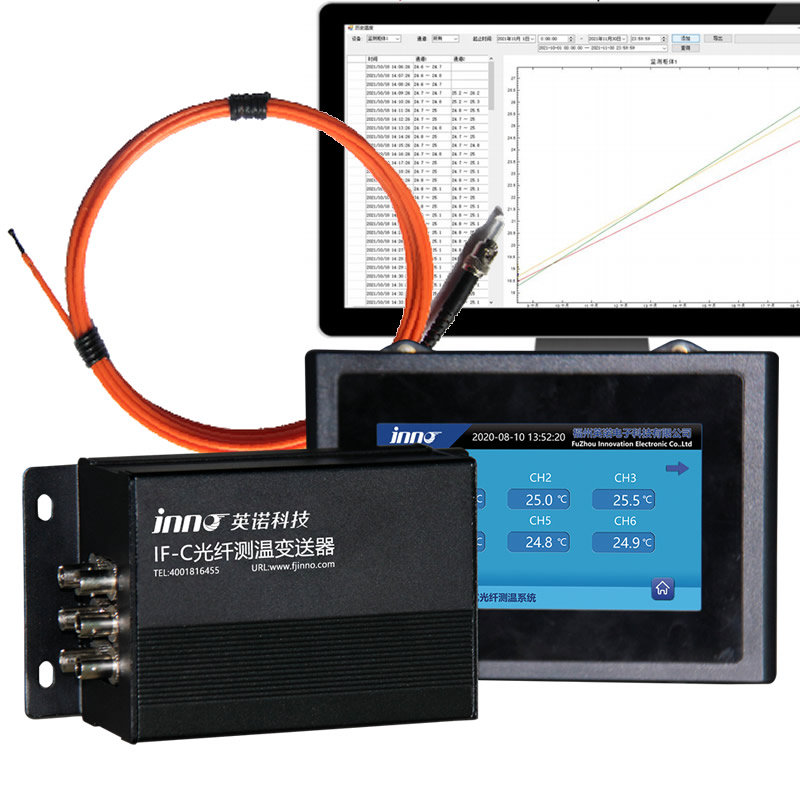
วิธีการตรวจสอบอุณหภูมิแตกต่างกันอย่างมีนัยสำคัญระหว่างหม้อแปลงชนิดแห้งและหม้อแปลงแช่น้ำมัน. การทำความเข้าใจความแตกต่างเหล่านี้ช่วยให้วิศวกรเลือกระบบที่ถูกต้องสำหรับแต่ละการใช้งานได้.
| พารามิเตอร์ | หม้อแปลงชนิดแห้ง | หม้อแปลงแช่น้ำมัน |
|---|---|---|
| คูลลิ่งปานกลาง | อากาศ (หนึ่ง / ของ) | น้ำมันแร่หรือของเหลวเอสเทอร์ |
| จุดติดตามเบื้องต้น | พื้นผิวที่คดเคี้ยว, แกนกลาง, โดยรอบ | น้ำมันยอดนิยม, น้ำมันด้านล่าง, จุดที่คดเคี้ยว, แกนกลาง |
| อุณหภูมิที่คดเคี้ยวสูงสุด (ปกติ) | คลาส F: 155องศาเซลเซียส / คลาสเอช: 180องศาเซลเซียส | ฮอตสปอต: 98องศาเซลเซียส (ปกติ) – 140°ซ (ภาวะฉุกเฉิน) |
| อุณหภูมิน้ำมันสูงสุดสูงสุด | ไม่มี | โดยทั่วไปคือ 95°C (ไออีซี 60076-7) |
| ประเภทเซนเซอร์หลัก | PT100 RTD หรือไฟเบอร์ออปติกบนพื้นผิวที่คดเคี้ยว | ใยแก้วนำแสงฝังอยู่ในขดลวด; RTD สำหรับน้ำมัน |
| ตัวควบคุมมาตรฐาน | ตัวควบคุมอุณหภูมิหม้อแปลงชนิดแห้ง | WTI + หน่วยรวม OTI |
| การควบคุมพัดลมระบายความร้อน | ขั้นตอนการบังคับพัดลมแอร์ | โอนัน / เปิด ปิด / ขั้นตอนการทำความเย็น OFAF |
| การตั้งค่าปลุกทั่วไป | คลาส F: 130องศาเซลเซียส / คลาสเอช: 155องศาเซลเซียส | สัญญาณเตือนแบบไขลาน: 110–120°ซ; สัญญาณเตือนน้ำมัน: 80–85°ซ |
| การตั้งค่าการเดินทางโดยทั่วไป | คลาส F: 155องศาเซลเซียส / คลาสเอช: 180องศาเซลเซียส | การเดินทางที่คดเคี้ยว: 140–160°ซ; เที่ยวน้ำมัน: 95–100°ซ |
| สภาพแวดล้อมการติดตั้ง | สถานีย่อยในร่ม, อาคาร | สถานีย่อยกลางแจ้ง, โรงไฟฟ้า |
วิธีการเลือกระบบตรวจสอบอุณหภูมิหม้อแปลงไฟฟ้า
การเลือกระบบตรวจสอบอุณหภูมิหม้อแปลงที่เหมาะสมจำเป็นต้องมีการประเมินประเภทของหม้อแปลง, ระดับแรงดันไฟฟ้า, ความสำคัญของแอปพลิเคชัน, และข้อกำหนดในการบูรณาการ. ทำตามคำแนะนำทีละขั้นตอนนี้เพื่อทำการเลือกให้เหมาะสมที่สุด.
ขั้นตอน 1: ระบุประเภทของหม้อแปลงและระดับการทำความเย็น
ตรวจสอบว่าหม้อแปลงไฟฟ้าของคุณเป็นแบบแห้งหรือไม่ (เปิด/ปิด) หรือแช่น้ำมัน (โอนัน/โอนาฟ/โอฟาฟ/โอดาฟ). ระดับการทำความเย็นจะกำหนดจุดอุณหภูมิที่ต้องตรวจสอบและประเภทของเซ็นเซอร์ที่เหมาะสม. หม้อแปลงชนิดแห้งต้องการพื้นผิวที่คดเคี้ยวและการตรวจสอบสภาพแวดล้อมเป็นหลัก, ในขณะที่หน่วยที่แช่น้ำมันต้องการจุดร้อนที่คดเคี้ยวที่ครอบคลุม, น้ำมันด้านบน, น้ำมันด้านล่าง, และการติดตามผลหลัก.
ขั้นตอน 2: กำหนดข้อกำหนดระดับแรงดันไฟฟ้าและ EMI
สำหรับแรงดันไฟฟ้าปานกลาง (1–36 กิโลโวลต์) และไฟฟ้าแรงสูง (>36 กิโลโวลต์) หม้อแปลงไฟฟ้า, การรบกวนทางแม่เหล็กไฟฟ้า (อีเอ็มไอ) ถือเป็นข้อกังวลที่สำคัญ. ในสภาพแวดล้อมเหล่านี้, เซ็นเซอร์ไฟเบอร์ออปติกฟลูออเรสเซนต์เป็นตัวเลือกที่แนะนำเนื่องจากมีอิเล็กทริกโดยสมบูรณ์, ต้านทานสนามไฟฟ้าและสนามแม่เหล็กสูง, และจัดให้มีการแยกกระแสไฟฟ้าระหว่างขดลวดหม้อแปลงและระบบตรวจสอบ.
ขั้นตอน 3: กำหนดจำนวนจุดตรวจสอบ
ประเมินจำนวนจุดอุณหภูมิที่ต้องตรวจสอบพร้อมกัน. โดยทั่วไปการกำหนดค่าขั้นต่ำจะประกอบด้วย: (1) จุดที่คดเคี้ยว, (2) อุณหภูมิน้ำมันสูงสุด, และ (3) อุณหภูมิแวดล้อม. ระบบขั้นสูงเติมน้ำมันด้านล่าง, แกนกลาง, และการวัดช่องขดลวดหลายช่อง. ระบบไฟเบอร์ออปติกแบบหลายช่องสัญญาณสามารถรองรับจุดการวัดได้ 4–16 จุดจากยูนิตตัวควบคุมเดียว.
ขั้นตอน 4: ประเมินสัญญาณเตือน, การเดินทาง, และข้อกำหนดการควบคุมความเย็น
กำหนดเอาต์พุตการป้องกันที่ต้องการ: รีเลย์สัญญาณเตือน, รีเลย์การเดินทาง, และขั้นตอนการควบคุมพัดลม/ปั๊มระบายความร้อน. ยืนยันว่าระบบต้องปฏิบัติตาม IEC หรือไม่ 60076-7 หรือแบบจำลองความร้อน IEEE C57.91 สำหรับการคำนวณฮอตสปอตและการประเมินอายุขัย.
ขั้นตอน 5: ประเมินความต้องการด้านการสื่อสารและการรวม SCADA
ตรวจสอบว่าระบบตรวจสอบต้องเชื่อมต่อกับ SCADA หรือไม่, ดีซีเอส, หรือระบบอัตโนมัติของสถานีไฟฟ้าย่อย. โปรโตคอลการสื่อสารทั่วไป ได้แก่ Modbus RTU/TCP, ไออีซี 61850 ห่าน/MMS, ดีเอ็นพี3, และเอาต์พุตอะนาล็อก 4-20mA. ตรวจสอบให้แน่ใจว่าระบบที่เลือกรองรับโครงสร้างพื้นฐานที่มีอยู่ของคุณ.
ขั้นตอน 6: พิจารณาวิธีการติดตั้ง — ติดตั้งจากโรงงานหรือติดตั้งเพิ่ม
ไฟเบอร์ออปติกเซนเซอร์สามารถฝังอยู่ในขดลวดหม้อแปลงในระหว่างการผลิตในโรงงานเพื่อความแม่นยำสูงสุด (การวัดจุดร้อนโดยตรง). สำหรับหม้อแปลงไฟฟ้าที่มีอยู่ในการให้บริการ, มีตัวเลือกเซ็นเซอร์ภายนอกหรือชุดติดตั้งเพิ่มให้เลือก, แม้ว่าโดยทั่วไปแล้วจะวัดอุณหภูมิพื้นผิวหรือน้ำมันมากกว่าจุดร้อนที่คดเคี้ยวโดยตรง.
ขั้นตอน 7: ตรวจสอบการปฏิบัติตามมาตรฐานและการรับรอง
ยืนยันว่าระบบเป็นไปตามมาตรฐานที่เกี่ยวข้อง: ไออีซี 60076 ชุด (หม้อแปลงไฟฟ้า), ไออีซี 61850 (การสื่อสารสถานีย่อย), เครื่องหมาย CE สำหรับตลาดยุโรป, และรหัสกริดยูทิลิตี้ในพื้นที่. ขอใบรับรองการสอบเทียบและข้อมูล MTBF จากผู้ผลิต.
การตรวจสอบอุณหภูมิหม้อแปลงไฟฟ้า: ปัญหาและแนวทางแก้ไขทั่วไป
เมื่อสัญญาณเตือนอุณหภูมิหม้อแปลงเปิดใช้งานหรือการอ่านค่าปรากฏผิดปกติ, การวินิจฉัยอย่างรวดเร็วถือเป็นสิ่งสำคัญเพื่อป้องกันความเสียหายของอุปกรณ์. คำแนะนำต่อไปนี้ครอบคลุมปัญหาทั่วไปที่พบในระบบตรวจสอบอุณหภูมิหม้อแปลงและการดำเนินการแก้ไขที่แนะนำ.
ปัญหา 1: สัญญาณเตือนอุณหภูมิที่คดเคี้ยวเปิดใช้งานภายใต้โหลดปกติ
สาเหตุที่เป็นไปได้:
- พัดลมระบายความร้อนถูกบล็อกหรือทำงานล้มเหลว — ตรวจสอบการทำงานของพัดลมและเส้นทางการไหลของอากาศ
- ครีบหม้อน้ำระบายความร้อนอุดตันด้วยสิ่งสกปรกหรือเศษซาก — ทำความสะอาดพื้นผิวหม้อน้ำ
- อุณหภูมิแวดล้อมสูงกว่าค่าการออกแบบที่กำหนดอย่างมาก
- หม้อแปลงทำงานที่โอเวอร์โหลดอย่างต่อเนื่อง - ตรวจสอบกระแสโหลดกับพิกัดแผ่นป้าย
- ความผิดปกติของขดลวดภายในหรือการลัดวงจรระหว่างทางเลี้ยว — ต้องมีการวิเคราะห์ก๊าซละลาย (ดีจีเอ)
การดำเนินการที่แนะนำ: ตรวจสอบการทำงานของระบบหล่อเย็นก่อน. หากการทำความเย็นทำงานได้และโหลดอยู่ในพิกัด, ดำเนินการทดสอบ DGA และความต้านทานของฉนวนเพื่อแยกแยะข้อผิดพลาดภายใน.
ปัญหา 2: เซ็นเซอร์อุณหภูมิอ่านค่าสูงหรือต่ำผิดปกติ (ผู้ต้องสงสัยเซ็นเซอร์ทำงานผิดพลาด)
สาเหตุที่เป็นไปได้:
- วงจรเปิด RTD (การอ่านกระโดดไปที่สูงสุด) หรือไฟฟ้าลัดวงจร (อ่านขั้นต่ำ)
- การปนเปื้อนของโพรบไฟเบอร์ออปติกหรือความเสียหายทางกายภาพต่อสายเคเบิลไฟเบอร์
- การเชื่อมต่อหลวมที่ขั้วต่อเซ็นเซอร์หรืออินพุตตัวควบคุม
- โมดูลอินพุตคอนโทรลเลอร์ทำงานล้มเหลว
การดำเนินการที่แนะนำ: สำหรับ RTD, วัดความต้านทานที่ขั้วเซ็นเซอร์ด้วยมัลติมิเตอร์ (Pt100 ควรอ่าน ~100Ω ที่ 0°C, ~138.5Ω ที่ 100°C). สำหรับเซนเซอร์ไฟเบอร์ออปติก, ตรวจสอบพลังงานแสงและใช้ฟังก์ชันวินิจฉัยตัวเองของคอนโทรลเลอร์. เปลี่ยนเซ็นเซอร์หรือสายเคเบิลซ่อมแซมตามความจำเป็น.
ปัญหา 3: การอ่านอุณหภูมิมีความเสถียรแต่ไม่แม่นยำ (ดริฟท์การสอบเทียบ)
สาเหตุที่เป็นไปได้:
- การสอบเทียบ RTD เบี่ยงเบนไปหลังจากใช้งานนานหลายปีที่อุณหภูมิสูงขึ้น
- ข้อผิดพลาดในการชดเชยจุดเชื่อมต่ออ้างอิงเทอร์โมคัปเปิล
- การตั้งค่าสัมประสิทธิ์อุณหภูมิไม่ถูกต้องในตัวควบคุม
การดำเนินการที่แนะนำ: เปรียบเทียบการอ่านค่าของเซ็นเซอร์กับเทอร์โมมิเตอร์อ้างอิงที่สอบเทียบแล้วซึ่งวางอยู่ในตำแหน่งเดียวกัน. ปรับเทียบใหม่หรือเปลี่ยนเซ็นเซอร์. โดยทั่วไปเซนเซอร์ไฟเบอร์ออปติกฟลูออเรสเซนต์จะต้านทานการเบี่ยงเบนของการสอบเทียบเนื่องจากหลักการวัด.
ปัญหา 4: สัญญาณเตือนเท็จเป็นระยะๆ
สาเหตุที่เป็นไปได้:
- สัญญาณรบกวนทางไฟฟ้าบนสายเซ็นเซอร์ทำให้เกิดสัญญาณรบกวน (ทั่วไปกับ RTD ในสภาพแวดล้อมที่มีไฟฟ้าแรงสูง)
- การเชื่อมต่อขั้วต่อหลวมทำให้เกิดวงจรเปิดชั่วขณะ
- การสัมผัสเป็นระยะ ๆ ที่เกิดจากการสั่นสะเทือน
- การตั้งค่าสัญญาณเตือนตั้งไว้ใกล้กับอุณหภูมิการทำงานปกติมากเกินไป
การดำเนินการที่แนะนำ: ตรวจสอบและขันการเชื่อมต่อขั้วต่อทั้งหมดให้แน่น. เปลี่ยนสายเซนเซอร์ที่ไม่มีการหุ้มฉนวนด้วยสายคู่บิดเกลียวที่มีฉนวนหุ้มซึ่งเดินออกจากตัวนำไฟฟ้า. ตรวจสอบและปรับค่าที่ตั้งไว้ของสัญญาณเตือนโดยมีระยะขอบเพียงพอเหนืออุณหภูมิการทำงานสูงสุดปกติ. พิจารณาอัปเกรดเป็นเซนเซอร์ไฟเบอร์ออปติกในสภาพแวดล้อมที่มี EMI สูง.
ปัญหา 5: พัดลมระบายความร้อนไม่เริ่มทำงานที่เกณฑ์อุณหภูมิที่ตั้งไว้
สาเหตุที่เป็นไปได้:
- รีเลย์ควบคุมพัดลมในตัวควบคุมอุณหภูมิผิดปกติ
- ข้อผิดพลาดในการเดินสายไฟระหว่างเอาต์พุตรีเลย์ตัวควบคุมและคอนแทคเตอร์พัดลม
- มอเตอร์พัดลมหรือคอนแทคเตอร์ขัดข้อง
- การตั้งค่าการเปิดใช้งานพัดลมไม่ถูกต้องที่ตั้งโปรแกรมไว้ในคอนโทรลเลอร์
การดำเนินการที่แนะนำ: ทดสอบเอาต์พุตรีเลย์ของตัวควบคุมโดยใช้มัลติมิเตอร์ในโหมดความต่อเนื่องขณะจำลองสภาวะอุณหภูมิสูงเกินไปด้วยตนเอง. ตรวจสอบความต่อเนื่องในการเดินสายไฟไปยังคอนแทคเตอร์พัดลม. ทดสอบพัดลมอย่างอิสระโดยจ่ายแรงดันไฟฟ้าที่กำหนดให้กับขั้วต่อมอเตอร์โดยตรง.
ปัญหา 6: การอ่านค่าอุณหภูมิน้ำมันและอุณหภูมิขดลวดสูงสุดไม่สอดคล้องกัน
สาเหตุที่เป็นไปได้:
- ตัวบ่งชี้อุณหภูมิที่คดเคี้ยว (WTI) วงจรเครื่องทำความร้อนภาพความร้อนมีการสอบเทียบไม่ถูกต้อง
- การไหลเวียนของน้ำมันล้มเหลว (ปั๊มทำงานผิดปกติในระบบทำความเย็น OFAF/ODAF)
- การแบ่งชั้นอุณหภูมิภายในถังน้ำมันภายใต้สภาวะโหลดต่ำ
การดำเนินการที่แนะนำ: ตรวจสอบการสอบเทียบกระแสของฮีตเตอร์ WTI กับแบบจำลองภาพความร้อน. ตรวจสอบการทำงานของปั๊มหมุนเวียนน้ำมัน. สำหรับหม้อแปลงที่สำคัญ, ติดตั้งเซ็นเซอร์ไขลานไฟเบอร์ออปติกโดยตรงเพื่อลดการพึ่งพาแบบจำลองการคำนวณภาพความร้อน.
มาตรฐานสากลที่เกี่ยวข้องสำหรับการตรวจสอบอุณหภูมิหม้อแปลง
ระบบตรวจสอบอุณหภูมิหม้อแปลงต้องเป็นไปตามมาตรฐานสากลที่กำหนดขีดจำกัดอุณหภูมิที่อนุญาต, วิธีการวัด, และข้อกำหนดการป้องกัน. มาตรฐานต่อไปนี้มีการอ้างอิงอย่างกว้างขวางที่สุดในอุตสาหกรรม.
ไออีซี 60076-7: หม้อแปลงไฟฟ้ากำลัง - คู่มือการโหลดสำหรับหม้อแปลงไฟฟ้ากำลังแบบจุ่มน้ำมัน
มาตรฐานนี้กำหนดแบบจำลองความร้อนสำหรับหม้อแปลงจุ่มน้ำมัน, รวมถึงวิธีคำนวณอุณหภูมิฮอตสปอต, ขีดจำกัดอุณหภูมิที่อนุญาตภายใต้โหลดปกติและฉุกเฉิน, และความสัมพันธ์ระหว่างอุณหภูมิในการทำงานกับอายุขัยของฉนวน. ขีดจำกัดสำคัญที่ระบุ ได้แก่ อุณหภูมิน้ำมันสูงสุดสูงสุด 95°C และอุณหภูมิจุดร้อนสูงสุด 98°C สำหรับการทำงานต่อเนื่องตามปกติ, โดยมีขีดจำกัดฉุกเฉินสูงถึง 140°C ในระยะเวลาสั้นๆ.
ไออีซี 60076-2: หม้อแปลงไฟฟ้ากำลัง - อุณหภูมิที่เพิ่มขึ้นสำหรับหม้อแปลงไฟฟ้าแบบจุ่มของเหลว
ระบุขีดจำกัดอุณหภูมิที่เพิ่มขึ้นที่อนุญาตสำหรับหม้อแปลงแช่ของเหลวภายใต้พิกัดโหลดต่อเนื่อง. มาตรฐานกำหนดวิธีทดสอบสำหรับการวัดอุณหภูมิที่เพิ่มขึ้นของขดลวดในระหว่างการทดสอบการยอมรับของโรงงาน และกำหนดประสิทธิภาพการระบายความร้อนพื้นฐานที่รับประกันโดยผู้ผลิตหม้อแปลงไฟฟ้า.
ไออีซี 60076-11: หม้อแปลงไฟฟ้ากำลัง - หม้อแปลงชนิดแห้ง
กำหนดข้อกำหนดด้านประสิทธิภาพการระบายความร้อนสำหรับหม้อแปลงชนิดแห้ง, รวมถึงขีดจำกัดอุณหภูมิที่เพิ่มขึ้นสำหรับฉนวนประเภทต่างๆ (คลาส E: 120 เค, คลาสบี: 130 เค, คลาส F: 155 เค, คลาสเอช: 180 เค) และข้อกำหนดสำหรับระบบตรวจสอบและป้องกันอุณหภูมิ.
อีอีอี C57.91: คู่มือ IEEE สำหรับการโหลดหม้อแปลงแช่น้ำมันแร่และตัวควบคุมแรงดันไฟฟ้าแบบขั้น
อเมริกาเหนือเทียบเท่ากับ IEC 60076-7, คู่มือนี้จะให้ข้อมูลโมเดลการระบายความร้อน, วิธีการคำนวณฮอตสปอต, ปัจจัยเร่งการแก่ชรา, และแนวปฏิบัติในการโหลดหม้อแปลงจุ่มน้ำมัน. หน่วยงานสาธารณูปโภคในอเมริกาเหนือใช้อ้างอิงอย่างกว้างขวางสำหรับการตั้งค่าการป้องกันหม้อแปลงและพารามิเตอร์การตรวจสอบ.
ไออีซี 61850: เครือข่ายและระบบการสื่อสารสำหรับระบบอัตโนมัติด้านสาธารณูปโภคด้านพลังงาน
กำหนดสถาปัตยกรรมการสื่อสาร, โมเดลข้อมูล, และโปรโตคอล (ห่าน, เอ็มเอ็มเอส, ค่าตัวอย่าง) สำหรับระบบอัตโนมัติของสถานีย่อย, รวมถึงระบบตรวจสอบหม้อแปลงไฟฟ้า. การปฏิบัติตามมาตรฐาน IEC 61850 มีความจำเป็นมากขึ้นสำหรับระบบการตรวจสอบใหม่ที่รวมอยู่ในสถานีย่อยดิจิทัล.
ไออีซี 60255: การวัดรีเลย์และอุปกรณ์ป้องกัน
ครอบคลุมข้อกำหนดด้านประสิทธิภาพสำหรับรีเลย์และอุปกรณ์ป้องกันที่ใช้ในระบบตรวจสอบอุณหภูมิหม้อแปลง, รวมถึงข้อกำหนดสำหรับความแม่นยำของสัญญาณเตือนและรีเลย์ตัดการทำงาน, เวลาตอบสนอง, และต้านทานการรบกวนทางไฟฟ้า.
การตรวจสอบอุณหภูมิหม้อแปลงไฟฟ้า: กรณีการใช้งานจริง

กรณีศึกษา 1: 220สถานีไฟฟ้าย่อย kV Power Grid - การป้องกันความล้มเหลวจากภัยพิบัติ
ความเป็นมาของการสมัคร: มีการให้บริการหม้อแปลงไฟฟ้าหลักขนาด 220kV ที่สถานีย่อยกริดระดับภูมิภาค 14 ปี. ทีมบริหารสินทรัพย์ต้องการการตรวจสอบฮอตสปอตของขดลวดแบบเรียลไทม์เพื่อรองรับโปรแกรมการโหลดแบบไดนามิกและยืดอายุการใช้งานของหม้อแปลง.
ดำเนินการแก้ไขปัญหาแล้ว: มีการติดตั้งเซ็นเซอร์อุณหภูมิไฟเบอร์ออปติกฟลูออเรสเซนต์ FJINNO ที่ตำแหน่งขดลวดสี่ตำแหน่ง (ไฟฟ้าแรงสูง, แรงดันไฟฟ้าต่ำ, แตะคดเคี้ยว, และแกนกลาง). ระบบที่รวมเข้ากับแพลตฟอร์ม SCADA ที่มีอยู่ผ่าน Modbus TCP.
ผลลัพธ์ที่ได้: ในช่วงที่มีความต้องการสูงสุดในฤดูร้อน, ระบบตรวจสอบตรวจพบอุณหภูมิจุดหมุนของขดลวดที่ 127°C ซึ่งเกินเกณฑ์การแจ้งเตือนที่ตั้งไว้ล่วงหน้าที่ 120°C ในขณะที่ตัวบ่งชี้อุณหภูมิน้ำมันแสดงเพียง 82°C. ความคลาดเคลื่อนระบุการอุดตันของระบบทำความเย็นบางส่วน. การแทรกแซงการบำรุงรักษาทันทีช่วยป้องกันการหยุดทำงานแบบบังคับซึ่งอาจส่งผลกระทบ 50,000 ผู้ใช้ปลายทาง. หม้อแปลงไฟฟ้ายังคงใช้งานอยู่โดยมีการระบายความร้อนที่ถูกต้อง, หลีกเลี่ยงต้นทุนทดแทนโดยประมาณที่ USD 2.1 ล้าน.
กรณีศึกษา 2: หม้อแปลงรวบรวมฟาร์มกังหันลม — การตรวจสอบไซต์ระยะไกล
ความเป็นมาของการสมัคร: ฟาร์มกังหันลมบนบกขนาด 50 เมกะวัตต์ใช้หม้อแปลงสเต็ปอัพขนาด 35kV หลายตัวซึ่งตั้งอยู่ที่ฐานของกังหันลมแต่ละตัว. ระยะไกล, สถานที่ทำงานแบบไร้คนควบคุมทำให้การตรวจสอบอุณหภูมิด้วยตนเองทำได้ยากและมีค่าใช้จ่ายสูง.
ดำเนินการแก้ไขปัญหาแล้ว: มีการติดตั้งหน่วยตรวจสอบอุณหภูมิใยแก้วนำแสงแบบหลายช่องสัญญาณขนาดกะทัดรัดในหม้อแปลงกังหันแต่ละตัว. ข้อมูลอุณหภูมิถูกส่งผ่านเครือข่าย SCADA ของฟาร์มกังหันลมไปยังห้องควบคุมกลาง, พร้อมการแจ้งเตือนทาง SMS และอีเมลอัตโนมัติสำหรับการละเมิดเกณฑ์อุณหภูมิ.
ผลลัพธ์ที่ได้: ตลอดระยะเวลาการติดตาม 3 ปี, ระบบระบุสองกรณีของความผิดปกติทางความร้อนของหม้อแปลงที่เกิดจากการอุดตันของท่อทำความเย็นเนื่องจากแมลงทำรัง ซึ่งเป็นปัญหาทั่วไปในพื้นที่ชนบท. ทั้งสองอย่างถูกตรวจพบและแก้ไขในระหว่างการเยี่ยมชมการบำรุงรักษาตามแผนซึ่งกระตุ้นโดยการแจ้งเตือนแนวโน้มอุณหภูมิ, โดยไม่มีการหยุดทำงานโดยไม่ได้วางแผนไว้อันเนื่องมาจากความร้อนสูงเกินไปของหม้อแปลง.
กรณีศึกษา 3: ศูนย์ข้อมูลในเมือง — การตรวจสอบหม้อแปลงชนิดแห้ง
ความเป็นมาของการสมัคร: ศูนย์ข้อมูลระดับ III ต้องการการตรวจสอบอุณหภูมิอย่างต่อเนื่องเป็นเวลา 12 แห่ง 1600 หม้อแปลงชนิดแห้ง kVA จ่ายภาระด้าน IT ที่สำคัญ. จำเป็นต้องมี SLA ของศูนย์ข้อมูล 99.999% เวลาทำงาน, ทำให้ไม่สามารถยอมรับความล้มเหลวของหม้อแปลงได้.
ดำเนินการแก้ไขปัญหาแล้ว: มีการติดตั้งการตรวจสอบอุณหภูมิด้วยไฟเบอร์ออปติกพร้อมขดลวดหลายจุดและเซ็นเซอร์หลักบนหม้อแปลงทั้ง 12 ตัว. แพลตฟอร์มการตรวจสอบที่ผสานรวมกับ DCIM ของศูนย์ข้อมูล (การจัดการโครงสร้างพื้นฐานของศูนย์ข้อมูล) ระบบ, นำเสนอแดชบอร์ดระบายความร้อนแบบเรียลไทม์และคำแนะนำการจัดการโหลดเชิงคาดการณ์.
ผลลัพธ์ที่ได้: ข้อมูลอุณหภูมิและโหลดที่ผสานรวมช่วยให้เกิดความสมดุลของโหลดแบบไดนามิกระหว่างหน่วยหม้อแปลง, ลดอุณหภูมิการม้วนสูงสุดโดยเฉลี่ย 12°C ในช่วงที่มีความต้องการสูง. กว่าสี่ปีของการดำเนินงาน, ไม่มีการหยุดทำงานที่เกี่ยวข้องกับหม้อแปลงไฟฟ้า, และการวิเคราะห์อายุของฉนวนที่คาดการณ์ไว้ 30% การยืดอายุการใช้งานของหม้อแปลงที่คาดหวังเมื่อเปรียบเทียบกับการติดตั้งที่ไม่ได้รับการตรวจสอบครั้งก่อน.
คำถามที่พบบ่อย: การตรวจสอบอุณหภูมิหม้อแปลงไฟฟ้า
อุณหภูมิการทำงานปกติของหม้อแปลงคือเท่าใด?
อุณหภูมิการทำงานปกติขึ้นอยู่กับประเภทของหม้อแปลงและระดับฉนวน. สำหรับหม้อแปลงไฟฟ้ากำลังแช่น้ำมัน, อุณหภูมิน้ำมันด้านบนปกติต่ำกว่า 95°C และอุณหภูมิจุดร้อนที่คดเคี้ยวต่ำกว่า 98°C ภายใต้การรับภาระต่อเนื่องที่กำหนดที่อุณหภูมิแวดล้อม 40°C (ตาม IEC 60076-7). สำหรับหม้อแปลงชนิดแห้ง, อุณหภูมิพื้นผิวขดลวดปกติขึ้นอยู่กับระดับฉนวน: หม้อแปลงคลาส F ทำงานที่อุณหภูมิสูงถึง 155°C, ในขณะที่หน่วยคลาส H ทำงานได้สูงถึง 180°C. อุณหภูมิที่ต่ำกว่าขีดจำกัดเหล่านี้อย่างมากที่โหลดที่กำหนดบ่งบอกถึงการระบายความร้อนที่มีประสิทธิภาพ; อุณหภูมิที่เข้าใกล้ขีดจำกัดเหล่านี้ภายใต้ภาระบางส่วนบ่งชี้ถึงปัญหาที่อาจเกิดขึ้น.
อะไรคือความแตกต่างระหว่าง WTI และ OTI ในหม้อแปลงไฟฟ้า?
WTI (ตัวบ่งชี้อุณหภูมิที่คดเคี้ยว) และโอทีไอ (ตัวบ่งชี้อุณหภูมิน้ำมัน) เป็นเครื่องมือสองชนิดที่แตกต่างกันที่ใช้ในการป้องกันหม้อแปลงจุ่มน้ำมัน. OTI วัดอุณหภูมิน้ำมันบนสุดตามจริงโดยใช้เซ็นเซอร์โดยตรง (โดยทั่วไปคือ Pt100 RTD) แช่อยู่ในน้ำมันหม้อแปลง. WTI, ในทางตรงกันข้าม, จำลองอุณหภูมิจุดร้อนที่คดเคี้ยวโดยประมาณ โดยจะใช้อุณหภูมิน้ำมันด้านบนเป็นฐาน และเพิ่มค่าส่วนต่างของอุณหภูมิที่คำนวณได้ตามสัดส่วนของกระแสโหลดโดยใช้วงจรทำความร้อนภายใน. หม้อแปลงสมัยใหม่ที่มีเซ็นเซอร์ขดลวดใยแก้วนำแสงโดยตรงแทนที่วิธีการจำลองของ WTI ด้วยอุณหภูมิฮอตสปอตที่วัดได้จริง, ให้ความแม่นยำสูงกว่าอย่างเห็นได้ชัด.
สาเหตุที่ทำให้หม้อแปลงร้อนเกินไป?
สาเหตุที่พบบ่อยที่สุดที่ทำให้หม้อแปลงร้อนจัด ได้แก่: (1) การทำงานอย่างต่อเนื่องเหนือโหลดที่กำหนด — เกินพิกัด MVA ของแผ่นป้าย ทำให้เกิดความร้อนส่วนเกินในขดลวดและแกนกลาง; (2) ระบบทำความเย็นล้มเหลว - หม้อน้ำถูกบล็อก, พัดลมระบายความร้อนล้มเหลว, หรือปั๊มหมุนเวียนน้ำมันทำงานผิดปกติช่วยลดการกระจายความร้อน; (3) อุณหภูมิแวดล้อมสูง - การทำงานในสภาพแวดล้อมที่อบอุ่นกว่าอุณหภูมิแวดล้อมที่กำหนดของหม้อแปลงอย่างมาก (โดยทั่วไปสูงสุด 40°C) ลดความสามารถในการทำความเย็นที่มีประสิทธิภาพ; (4) ความผิดปกติภายใน - ลัดวงจรระหว่างทางเลี้ยว, ข้อผิดพลาดในการเคลือบแกน, หรือกระแสหมุนเวียนทำให้เกิดความร้อนสูงเกินเฉพาะที่; และ (5) ความเพี้ยนฮาร์มอนิก — ปริมาณฮาร์โมนิคสูงในกระแสโหลดจะเพิ่มการสูญเสียกระแสไหลวน และสร้างความร้อนเพิ่มเติมในขดลวดและส่วนประกอบโครงสร้าง.
อุณหภูมิสูงสุดของน้ำมันหม้อแปลงคือเท่าใด?
ตามมาตรฐานไออีซี 60076-7, อุณหภูมิน้ำมันสูงสุดที่อนุญาตสำหรับหม้อแปลงไฟฟ้าที่แช่น้ำมันแร่คือ 95°C ภายใต้โหลดพิกัดต่อเนื่อง. สำหรับภาวะโอเวอร์โหลดฉุกเฉินที่มีระยะเวลาสูงสุดโดยทั่วไป 30 นาทีถึงไม่กี่ชั่วโมง, อุณหภูมิน้ำมันสูงสุดอาจสูงถึง 105°C ชั่วคราว, แม้ว่าสิ่งนี้จะช่วยเร่งการเสื่อมสภาพของน้ำมันและการเสื่อมสภาพของฉนวนก็ตาม. โดยทั่วไปอุณหภูมิน้ำมันด้านล่างภายใต้สภาวะปกติจะต่ำกว่าอุณหภูมิน้ำมันด้านบนประมาณ 20–30°C, สะท้อนการไล่ระดับความร้อนภายในคอลัมน์น้ำมัน.
สามารถติดตั้งเซนเซอร์วัดอุณหภูมิแบบไฟเบอร์ออปติกบนหม้อแปลงที่มีอยู่ได้ (ชุดติดตั้งเพิ่มเติม)?
ใช่, เซ็นเซอร์อุณหภูมิไฟเบอร์ออปติกสามารถติดตั้งเพิ่มเติมกับหม้อแปลงที่ใช้งานอยู่ได้, แม้ว่าจะมีข้อจำกัดบางประการก็ตาม. สำหรับหม้อแปลงจุ่มน้ำมัน, สามารถติดตั้งโพรบผ่านพอร์ตเซ็นเซอร์ที่มีอยู่หรือจุดเชื่อมต่อที่เจาะใหม่บนถังหม้อแปลง, เข้าถึงน้ำมันบริเวณใกล้พื้นผิวที่คดเคี้ยว. อย่างไรก็ตาม, การวัดจุดร้อนของขดลวดโดยตรงที่แท้จริงโดยการฝังเซ็นเซอร์ภายในตัวนำขดลวดจะทำได้เฉพาะในระหว่างการผลิตในโรงงานหรือในระหว่างการกรอกลับครั้งใหญ่เท่านั้น. สำหรับหม้อแปลงชนิดแห้ง, โพรบไฟเบอร์ออปติกแบบติดตั้งบนพื้นผิวสามารถติดตั้งได้โดยตรงกับพื้นผิวขดลวดหรือโครงสร้างหลักที่สามารถเข้าถึงได้ในระหว่างการปิดซ่อมบำรุงตามแผน. การติดตั้งชุดติดตั้งเพิ่มเติมให้การตรวจสอบที่ดีขึ้นอย่างมากเมื่อเปรียบเทียบกับวิธีการจำลอง WTI แบบดั้งเดิม.
ควรสอบเทียบเซ็นเซอร์อุณหภูมิหม้อแปลงบ่อยแค่ไหน?
ความถี่ในการสอบเทียบขึ้นอยู่กับเทคโนโลยีเซ็นเซอร์. เซ็นเซอร์ RTD (ปต100/ปต1000) ควรสอบเทียบทุกๆ 1-3 ปี ขึ้นอยู่กับอุณหภูมิในการทำงานและคำแนะนำของผู้ผลิต, เนื่องจากพวกเขาสามารถสัมผัสได้ถึงความคลาดเคลื่อนเล็กน้อยเมื่อเวลาผ่านไป, โดยเฉพาะหลังจากใช้งานที่อุณหภูมิสูงอย่างต่อเนื่อง. โดยทั่วไปแล้วเซ็นเซอร์เทอร์โมคัปเปิลต้องมีการสอบเทียบเป็นประจำทุกปีหรือมีการตรวจสอบบ่อยกว่านั้น เนื่องจากมีความไวต่อการเคลื่อนตัวมากกว่า. เซนเซอร์ไฟเบอร์ออปติกฟลูออเรสเซนต์, ในทางตรงกันข้าม, ทำงานบนหลักการวัดแสงฟิสิกส์ซึ่งมีความเสถียรโดยธรรมชาติและไม่จำเป็นต้องสอบเทียบภาคสนามเป็นระยะ — การสอบเทียบจากโรงงานของผู้ผลิตยังคงใช้ได้ตลอดอายุการใช้งานของเซ็นเซอร์, ซึ่งโดยทั่วไปคือ 15–25 ปี.
อุณหภูมิที่เพิ่มขึ้นของหม้อแปลงคืออะไร และวัดได้อย่างไร?
อุณหภูมิที่เพิ่มขึ้นของหม้อแปลงคือความแตกต่างระหว่างอุณหภูมิภายในของหม้อแปลง (คดเคี้ยวหรือน้ำมัน) และอุณหภูมิโดยรอบ, วัดภายใต้สภาวะโหลดที่ระบุที่สมดุลความร้อน. เป็นพารามิเตอร์การออกแบบพื้นฐานที่กำหนดประสิทธิภาพการระบายความร้อนของหม้อแปลงไฟฟ้า. อุณหภูมิที่เพิ่มขึ้นจะวัดในระหว่างการทดสอบการยอมรับของโรงงานโดยใช้งานหม้อแปลงไฟฟ้าที่โหลดที่กำหนดจนกว่าอุณหภูมิจะคงที่, จากนั้นจึงวัดความต้านทานของขดลวด (เพื่อคำนวณการเพิ่มขึ้นของอุณหภูมิเฉลี่ยของขดลวด) และอุณหภูมิน้ำมันสูงสุด. ไออีซี 60076-2 ระบุขีดจำกัดการเพิ่มขึ้นของอุณหภูมิที่อนุญาต: สำหรับหม้อแปลงจุ่มน้ำมัน, โดยทั่วไปขีดจำกัดการเพิ่มขึ้นของอุณหภูมิขดลวดเฉลี่ยคือ 65 K และขีดจำกัดการขึ้นของน้ำมันบนคือ 60 เค (สูงกว่าค่าพื้นฐานโดยรอบ 40°C).
จะเกิดอะไรขึ้นกับหม้อแปลงไฟฟ้าหากอุณหภูมิเกินขีดจำกัด?
เกินขีดจำกัดอุณหภูมิทำให้เกิดความเสียหายสองประเภท: ทันทีและสะสม. เพื่อความเสียหายทันที, อุณหภูมิที่สูงมาก (สูงกว่า 140–160°C สำหรับหม้อแปลงจุ่มน้ำมัน) อาจทำให้ฉนวนพังเร็วได้, ไพโรไลซิสน้ำมัน, การสร้างก๊าซ, และความล้มเหลวที่อาจเกิดขึ้นกับถังแตกหรือไฟไหม้. ความเสียหายสะสมเป็นผลมาจากการทำงานที่สูงกว่าอุณหภูมิที่กำหนดเป็นระยะเวลานาน — ทุกๆ 6–8°C ที่เพิ่มขึ้นเหนืออุณหภูมิการออกแบบ, อัตราการเสื่อมสภาพของฉนวนประมาณสองเท่า (ที่ “6-กฎระดับ” ตาม IEEE C57.91), ตัดอายุการใช้งานของหม้อแปลงตามสัดส่วนอุณหภูมิที่มากเกินไป. หม้อแปลงไฟฟ้าที่ได้รับการจัดอันดับสำหรับ 30 ปีของการบริการที่อุณหภูมิการออกแบบอาจล้มเหลวภายใต้ 10 ปีหากใช้งานอย่างต่อเนื่องที่อุณหภูมิ 15°C สูงกว่าขีดจำกัดที่กำหนด.
ระบบตรวจสอบอุณหภูมิหม้อแปลงรองรับโปรโตคอลการสื่อสารใดบ้าง?
โดยทั่วไประบบตรวจสอบอุณหภูมิหม้อแปลงสมัยใหม่จะรองรับโปรโตคอลการสื่อสารหลายโปรโตคอลเพื่อให้สามารถทำงานร่วมกับ SCADA ที่แตกต่างกันได้, ดีซีเอส, และแพลตฟอร์มระบบอัตโนมัติของสถานีย่อย. โปรโตคอลที่ได้รับการสนับสนุนอย่างกว้างขวางที่สุด ได้แก่: Modbus RTU (RS-485) และ Modbus TCP/IP สำหรับการบูรณาการระบบอัตโนมัติทางอุตสาหกรรมมาตรฐาน; ไออีซี 61850 MMS และ GOOSE สำหรับแอปพลิเคชันสถานีย่อยดิจิทัล; DNP3 สำหรับระบบอรรถประโยชน์ SCADA ที่พบได้ทั่วไปในอเมริกาเหนือ; ไออีซี 60870-5-101/104 สำหรับการส่งและจำหน่าย SCADA; และเอาต์พุตอะนาล็อก 4–20mA สำหรับการผสานรวม DCS แบบเดิม. ระบบขั้นสูงยังมีอินเทอร์เฟซ SNMP หรือ OPC-UA เพิ่มเติมสำหรับแอปพลิเคชันการรวม IT-OT เช่น การจัดการโครงสร้างพื้นฐานของศูนย์ข้อมูล.
หม้อแปลงไฟฟ้าต้องใช้จุดวัดอุณหภูมิกี่จุด?
จำนวนจุดการวัดขั้นต่ำที่แนะนำขึ้นอยู่กับขนาดหม้อแปลงและวิกฤต. สำหรับหม้อแปลงไฟฟ้าระบบจำหน่ายขนาดเล็ก (<1 เอ็มวีเอ), โดยทั่วไปแล้วเซ็นเซอร์อุณหภูมิน้ำมันด้านบนตัวเดียวรวมกับตัวควบคุม WTI ก็เพียงพอแล้ว. สำหรับหม้อแปลงไฟฟ้ากำลังปานกลาง (1–10 เมกะวัตต์), แนะนำอย่างน้อยสามจุด: น้ำมันด้านบน, จุดที่คดเคี้ยว (โดยตรงหรือจำลอง), และอุณหภูมิโดยรอบ. สำหรับหม้อแปลงไฟฟ้ากำลังขนาดใหญ่ (>10 เอ็มวีเอ) และหม้อแปลงส่งกำลังที่สำคัญ, การตรวจสอบที่ครอบคลุมครอบคลุม 6-12 จุดเป็นมาตรฐาน: ตำแหน่งฮอตสปอตที่คดเคี้ยวหลายตำแหน่ง (ขดลวดเอชวี, ไขลาน LV, แตะคดเคี้ยว), น้ำมันด้านบน, น้ำมันด้านล่าง, แกนกลาง, และอุณหภูมิโดยรอบ. ในโปรแกรมการจัดการฟลีตหม้อแปลงไฟฟ้า, จำนวนจุดตรวจสอบยังถูกกำหนดโดยข้อกำหนดการประกันภัยและมาตรฐานการบำรุงรักษาสาธารณูปโภค.
อะไรคือความแตกต่างระหว่างการป้องกันความร้อนของหม้อแปลงไฟฟ้าและการตรวจสอบอุณหภูมิ?
การตรวจสอบอุณหภูมิหมายถึงการวัดอย่างต่อเนื่อง, แสดง, การบันทึก, และการวิเคราะห์ข้อมูลอุณหภูมิหม้อแปลงเพื่อวัตถุประสงค์ในการปฏิบัติงานและการวางแผนการบำรุงรักษา. การป้องกันความร้อนหมายถึงการทำงานอัตโนมัติที่ทริกเกอร์เมื่อเกินเกณฑ์อุณหภูมิโดยเฉพาะ เช่น การเปิดใช้งานอุปกรณ์ทำความเย็น, การออกสัญญาณเตือนให้กับผู้ปฏิบัติงาน, หรือสะดุดหม้อแปลงออฟไลน์เพื่อป้องกันความเสียหาย. ในระบบที่ทันสมัย, ฟังก์ชั่นเหล่านี้ถูกรวมเข้าด้วยกัน: แพลตฟอร์มเซ็นเซอร์และตัวควบคุมเดียวกันทำทั้งการตรวจสอบอย่างต่อเนื่องและการป้องกันการสะดุด. อย่างไรก็ตาม, ในการออกแบบระบบป้องกัน, การตั้งค่ารีเลย์ป้องกันความร้อนอยู่ภายใต้ข้อกำหนดการทดสอบและการประสานงานที่เข้มงวดมากกว่าฟังก์ชันการบันทึกข้อมูลการตรวจสอบ, และอาจนำไปปฏิบัติแยกกันได้, รีเลย์ป้องกันเฉพาะเพื่อให้มั่นใจถึงความน่าเชื่อถือโดยไม่ขึ้นอยู่กับระบบตรวจสอบ.

เซ็นเซอร์อุณหภูมิไฟเบอร์ออปติก, ระบบตรวจสอบอัจฉริยะ, จำหน่ายผู้ผลิตใยแก้วนำแสงในประเทศจีน
|
 |
 |