ระบบตรวจสอบออนไลน์ของการคายประจุบางส่วนของหม้อแปลงไฟฟ้าแสดงถึงความก้าวหน้าในการตรวจสอบสภาพอุปกรณ์ไฟฟ้า. การใช้เทคโนโลยีฟิวชั่นหลายเซ็นเซอร์ขั้นสูงที่รวมเซ็นเซอร์อัลตราโซนิก, high-frequency current sensors, และความถี่สูงเป็นพิเศษ (ยูเอชเอฟ) เซ็นเซอร์, โซลูชันที่ครอบคลุมนี้ให้การตรวจจับและการวิเคราะห์ปรากฏการณ์การปล่อยประจุบางส่วนในหม้อแปลงแบบเรียลไทม์.
ผ่าน 3D PRPD ที่ซับซ้อน (Phase-Resolved Partial Discharge) การวิเคราะห์รูปแบบและ PRPS (Phase-Resolved Pulse Sequence) การสร้างภาพ, ระบบให้ข้อมูลเชิงลึกตามสัญชาตญาณเกี่ยวกับขนาดการปล่อย, การกระจายเฟส, และพารามิเตอร์ที่สำคัญอื่นๆ ที่จำเป็นสำหรับการบำรุงรักษาเชิงคาดการณ์และการจัดการสินทรัพย์.
⚡ ข้อดีของเทคโนโลยีหลัก
การรับข้อมูลความเร็วสูงแบบหลายช่องสัญญาณ
Configurable 4 หรือ 6 ตัวเลือกช่องสัญญาณที่มีอัตราการสุ่มตัวอย่าง 200MS/s สำหรับการจับและวิเคราะห์สัญญาณการคายประจุบางส่วนที่แม่นยำ.
การออกแบบป้องกันการรบกวนอัจฉริยะ
ช่วงไดนามิกของ -80 ถึง -20dBm ช่วยให้มั่นใจได้ถึงการทำงานที่เสถียรในสภาพแวดล้อมแม่เหล็กไฟฟ้าและสถานีย่อยที่ซับซ้อน.
3การวิเคราะห์รูปแบบ D
จอแสดงผลกราฟิก PRPD และ PRPS พร้อมฐานข้อมูลผู้เชี่ยวชาญสำหรับการจดจำรูปแบบ PD อัจฉริยะและการวินิจฉัยข้อผิดพลาด.
การป้องกันระดับอุตสาหกรรม
ระดับการป้องกัน IP68 เหมาะสำหรับสภาพแวดล้อมภาคสนามที่รุนแรงและการติดตั้งระบบไฟฟ้ากลางแจ้ง.
สถาปัตยกรรมระบบ & ส่วนประกอบ

โซลูชันการตรวจสอบการคายประจุบางส่วนที่สมบูรณ์ผสานรวมเซ็นเซอร์ฮาร์ดแวร์, acquisition units, and intelligent software platforms to create a comprehensive condition monitoring ecosystem for power transformers and electrical assets.
Key System Components:
- หน่วยโฮสต์การตรวจสอบ PD: Receives and processes signals from multiple sensor inputs
- Ultrasonic Sensors: Detects acoustic emissions from partial discharge activity
- High-Frequency Current Sensors: Monitors high-frequency pulse currents in grounding cables
- เซ็นเซอร์ยูเอชเอฟ: Captures ultra-high frequency electromagnetic signals in transformer oil
- Backend Monitoring Software: Provides visualization, กำลังมาแรง, and diagnostic capabilities
Multi-Sensor Detection Technology
The system employs three complementary sensor technologies to provide comprehensive partial discharge detection coverage, each optimized for specific frequency ranges and installation locations on power transformers.
| ประเภทเซนเซอร์ |
Monitoring Bandwidth |
วิธีการติดตั้ง |
Installation Location |
ฟังก์ชั่นหลัก |
|
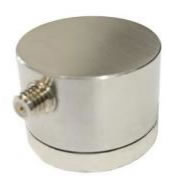
![Ultrasonic Partial Discharge Sensor]()
Ultrasonic Sensor
|
20kHz ~ 200kHz |
Magnetic Mount |
Tank Surface |
Monitors acoustic emissions from internal PD activity in windings |
|
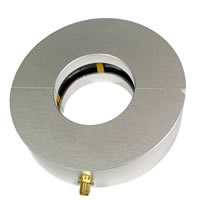
![High-Frequency Current Transformer (เอชเอฟซีที) Partial Discharge Sensor]()
เซ็นเซอร์กระแสความถี่สูง
|
100กิโลเฮิร์ตซ์ ~ 50เมกะเฮิร์ตซ์ |
แคลมป์ออน |
จุดต่อสายดินหลัก |
ตรวจจับกระแสพัลส์ความถี่สูงในสายดิน |
|
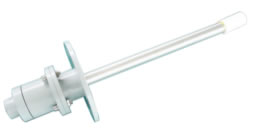
![เซ็นเซอร์ปล่อยบางส่วน UHF ที่ติดตั้งวาล์วน้ำมัน]()
UHF Sensor
|
300เมกะเฮิรตซ์ ~ 3000 เมกะเฮิรตซ์ |
ประเภทปลั๊กอิน |
พอร์ตวาล์วน้ำมัน |
ตรวจสอบสภาพฉนวนน้ำมันภายในและสัญญาณแม่เหล็กไฟฟ้า |
ข้อมูลจำเพาะทางเทคนิคของโฮสต์การตรวจสอบ PD
โฮสต์การตรวจสอบทำหน้าที่เป็นหน่วยประมวลผลกลาง, ดำเนินการปรับสภาพสัญญาณ, การขยายเสียง, การกรอง, and high-speed data acquisition. โดยจะคำนวณพารามิเตอร์ที่สำคัญรวมถึงแอมพลิจูดการคายประจุสูงสุด, average discharge quantity, และความถี่ในการจำหน่ายเพื่อการประเมิน PD ที่ครอบคลุม.
| พารามิเตอร์ |
ข้อมูลจำเพาะ |
| Signal Reception |
อัลตราโซนิก, High-Frequency Current, สัญญาณยูเอชเอฟ |
| Dynamic Range |
-80 ~ -20dBm |
| อัตราการสุ่มตัวอย่าง |
200MS/s |
| Channel Configuration |
4 หรือ 6 ช่อง (Configurable) |
| Channel Consistency |
≤ 0.5dBm |
| อินเตอร์เฟซการสื่อสาร |
RJ45 Ethernet, อาร์เอส485 |
| ขนาด |
483มม. × 89 มม. × 300 มม (2ยูแร็คเมาท์) |
| พาวเวอร์ซัพพลาย |
ไฟฟ้ากระแสสลับ 90~240V, 50~60เฮิร์ต |
| วิธีการติดตั้ง |
ตู้/แผงติด (ที่แนะนำ: ตู้คอนเวอร์เจนซ์หรือตู้สกรีน) |
📊 แพลตฟอร์มซอฟต์แวร์ตรวจสอบที่ครอบคลุม
![]()
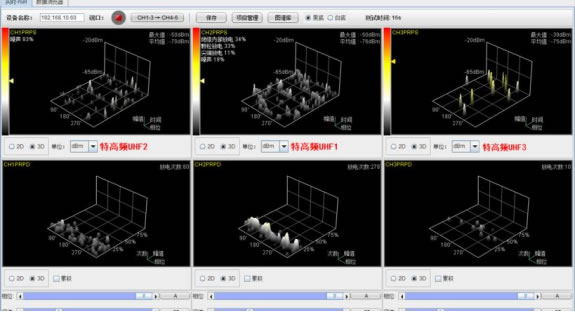
ซอฟต์แวร์ตรวจสอบแบ็กเอนด์มีอินเทอร์เฟซที่ใช้งานง่ายสำหรับการแสดงภาพแบบเรียลไทม์, historical data analysis, and intelligent diagnostics. Installed on control room computers, it enables operators to monitor transformer health status and detect anomalies before they develop into critical failures.
การตรวจสอบแบบเรียลไทม์
Continuously monitors and stores operational PD data with 3D spectrum visualization and PRPD pattern displays for immediate fault detection.
Historical Query & Trending
Access historical data curves with statistical analysis and trend forecasting capabilities for predictive maintenance planning.
Parameter Configuration
Configure equipment parameters and alarm thresholds with programmable settings for customized monitoring requirements.
Multi-Parameter Analysis
Monitors discharge amplitude (หมายถึง & peak values), alarm levels, pattern graphs, and other diagnostic indicators.
Key Detection Parameters & การวินิจฉัย
ระบบทำการวิเคราะห์ที่ครอบคลุมเกี่ยวกับคุณลักษณะการคายประจุบางส่วนที่จำเป็นสำหรับการประเมินสภาพฉนวนและการทำนายความล้มเหลวในหม้อแปลงไฟฟ้ากำลัง:
- ปล่อยแอมพลิจูด (ถาม): วัดขนาดของเหตุการณ์การคายประจุบางส่วนแต่ละรายการในหน่วยพิโคคูลอมบ์
- เฟสการปลดปล่อย (Ø): ระบุตำแหน่งเฟสของการเกิด PD ที่สัมพันธ์กับวงจรความถี่กำลัง
- 3รูปแบบ D PRPD: การจดจำรูปแบบการปล่อยบางส่วนที่ได้รับการแก้ไขด้วยเฟสสามมิติ
- การแสดงภาพ PRPS: ลำดับพัลส์ที่แก้ไขเฟสสำหรับการวิเคราะห์ความถี่การคายประจุ
- แอมพลิจูดการคายประจุสูงสุด: ค่าการปล่อยประจุสูงสุดสำหรับการประเมินความรุนแรง
- ปริมาณการปล่อยเฉลี่ย: ค่าเฉลี่ยทางสถิติสำหรับการติดตามแนวโน้ม
- ความถี่การคายประจุ: จำนวนเหตุการณ์ PD ต่อช่วงเวลา
การใช้งาน & ประโยชน์
🔌 หม้อแปลงไฟฟ้า
Comprehensive insulation monitoring for oil-filled and dry-type transformers in substations and power plants.
⚡ High-Voltage Equipment
Early detection of insulation degradation in switchgear, สารสนเทศภูมิศาสตร์, และระบบเคเบิล.
🏭 Industrial Plants
Continuous condition monitoring for critical electrical assets to prevent unplanned outages.
📈 Predictive Maintenance
Trend analysis and forecasting to optimize maintenance schedules and extend equipment lifespan.
General System Parameters
| พารามิเตอร์ |
ค่า |
| ช่วงอุณหภูมิในการทำงาน |
-20℃ ~ +125℃ |
| ช่วงการวัด |
-80 ~ -20dBm |
| Transmission Impedance |
≥12mV/mA |
| Waterproof Rating |
IP68 |
| ช่วงการตรวจสอบ |
≤20000ชิ้น |
คำถามที่พบบ่อย
What is partial discharge and why is it important to monitor?
การปลดปล่อยบางส่วน (พีดี) is a localized electrical discharge that only partially bridges the insulation between conductors. It’s a critical indicator of insulation degradation in transformers and high-voltage equipment. Continuous PD activity leads to progressive insulation breakdown, potentially causing catastrophic failures. Early detection through online monitoring enables predictive maintenance, prevents unplanned outages, and extends equipment lifespan significantly.
How does multi-sensor fusion technology improve PD detection accuracy?
Multi-sensor fusion combines ultrasonic (20-200kHz), high-frequency current (100กิโลเฮิร์ตซ์-50MHz), and UHF (300MHz-3GHz) detection methods. Each sensor type excels at detecting specific PD sources and frequencies. By correlating data from all three sensors, the system eliminates false positives from electromagnetic interference, accurately locates discharge sources, and provides comprehensive coverage of all PD phenomena occurring within the transformer, dramatically improving detection reliability.
Can the system differentiate between different types of partial discharge?
ใช่. The system’s 3D PRPD (Phase-Resolved Partial Discharge) pattern analysis displays discharge magnitude versus phase angle, creating unique fingerprint patterns for different PD types such as corona discharge, การปล่อยพื้นผิว, internal voids, และศักยภาพที่ลอยตัว. The expert database compares measured patterns against known discharge signatures to automatically identify the type and severity of insulation defects, enabling targeted maintenance interventions.
What is the typical installation process and timeframe?
โดยทั่วไปจะต้องมีการติดตั้ง 1-2 days per transformer. Sensors are installed on the tank surface (ultrasonic), core grounding point (HF current), and oil valve (ยูเอชเอฟ) without requiring transformer outage. The monitoring host is rack-mounted in a control cabinet, connected via Ethernet or RS485. Software installation on the control room computer completes the setup. Our technical team provides on-site commissioning, การสอบเทียบ, and operator training to ensure optimal system performance.
How does the system handle electromagnetic interference in substations?
The system incorporates advanced anti-interference circuit design with a wide dynamic range (-80 to -20dBm) to maintain sensitivity while rejecting strong interference. Signal processing algorithms include adaptive filtering, noise suppression, and pattern recognition that distinguish genuine PD signals from electromagnetic noise, corona from nearby equipment, และการสลับสภาวะชั่วครู่. The multi-sensor approach also enables cross-validation to confirm authentic PD events.
Can the system integrate with existing SCADA or asset management platforms?
ใช่. The monitoring host provides standard communication interfaces (RJ45 Ethernet and RS485) supporting common industrial protocols including Modbus, ไออีซี 61850, และ DNP3. This enables seamless integration with SCADA systems, plant information management systems, และแพลตฟอร์มการจัดการสินทรัพย์ขององค์กร. Real-time PD data, สถานะการเตือน, and diagnostic results can be transmitted to centralized monitoring centers for comprehensive asset health management.
What maintenance does the monitoring system itself require?
The system requires minimal maintenance. Recommended activities include quarterly visual inspection of sensor mounting integrity, annual calibration verification, and periodic software updates. The sensors are maintenance-free with IP68 protection. Data storage should be monitored to prevent disk space issues. We recommend annual technical support visits to verify system performance, update diagnostic algorithms, and provide refresher training for operators.
What is the expected return on investment for PD monitoring systems?
ROI is typically realized within 2-3 years through prevention of catastrophic failures, กำหนดการบำรุงรักษาที่เหมาะสมที่สุด, and extended equipment lifespan. A single prevented transformer failure (avoiding replacement costs, lost production, และเหตุการณ์ด้านความปลอดภัยที่อาจเกิดขึ้น) often justifies the monitoring system investment. Additional benefits include reduced insurance premiums, improved power quality, decreased emergency maintenance costs, and enhanced regulatory compliance for critical infrastructure.
Request a Consultation Today
Our technical experts are ready to discuss your transformer monitoring requirements and provide customized solutions for your electrical assets.
Related Monitoring Solutions
Transformer Comprehensive Monitoring
Multi-parameter condition monitoring system
Bushing Monitoring System
Capacitance and tan delta monitoring
OLTC Monitoring
On-load tap changer condition assessment
Switchgear PD Monitoring
GIS and switchgear partial discharge detection
 INNO เซ็นเซอร์วัดอุณหภูมิใยแก้วนำแสง ,ระบบตรวจสอบอุณหภูมิ.