 เซ็นเซอร์อุณหภูมิไฟเบอร์ออปติก INNO ,ระบบตรวจสอบอุณหภูมิ.
- การตรวจสอบหม้อแปลงใยแก้วนำแสง uses fluorescence lifetime decay sensor technology to directly measure winding hot spot temperatures inside power transformers in real time — replacing indirect thermal model estimation with precise, drift-free optical measurement at the actual hottest point of the winding.
- The system provides complete electrical isolation (>100 กิโลโวลต์), total electromagnetic interference immunity, and intrinsic safety in oil-immersed and gas-filled environments — capabilities that no conventional electrical temperature sensor can match inside energized transformer windings.
- INNO’s product portfolio covers the full transformer monitoring value chain: armored fiber optic temperature probes for oil-immersed windings, dry-type transformer fiber optic temperature controllers (BWDK series), เครื่องถอดรหัสอุณหภูมิใยแก้วนำแสงแบบหลายช่องสัญญาณ (6 ถึง 64 ช่อง), OEM single-channel sensing modules, และ cloud monitoring software platforms — all with ±1°C accuracy, –40°C to +260°C range, และ 25+ year maintenance-free service life.
- Applicable to oil-immersed power transformers, dry-type cast resin transformers, shunt and series reactors, หม้อแปลงแรงดึง, wind turbine and solar step-up transformers, HVDC converter transformers, energy storage transformers, and other critical high-voltage assets across utilities and industrial facilities worldwide.
- Direct fiber optic hot spot measurement supports transformer dynamic overload rating, insulation life extension, การบํารุงรักษาเชิงคาดการณ์, การเพิ่มประสิทธิภาพระบบทำความเย็น, and compliance with IEC 60076-7 and IEEE C57.91 thermal loading guidelines — delivering measurable operational and financial value to asset owners.
- อินโน (ฟิญนโนะ) is a specialized fiber optic transformer monitoring system manufacturer กับ 20+ years of focused R&D, 3000+ installed systems, exports to 15+ ประเทศ, and full CE/EMC/RoHS/ISO certifications.
สารบัญ
- 1. What Is Fiber Optic Transformer Monitoring — System Definition & ส่วนประกอบ
- 2. Why Transformer Winding Hot Spot Temperature Is the Most Critical Operating Parameter
- 3. Why Traditional Transformer Temperature Measurement Methods Fall Short
- 4. How Fiber Optic Temperature Sensors Work in Transformer Monitoring Applications
- 5. Key Advantages of Fiber Optic Transformer Temperature Monitoring Over Conventional Methods
- 6. Fiber Optic Monitoring Solutions for Different Transformer Types
- 7. Transformer Temperature Monitoring Method Comparison — Fiber Optic vs. WTI vs. Oil Thermometer vs. Infrared vs. พอต100
- 8. INNO Fiber Optic Transformer Monitoring Product Range
- 9. Transformer Fiber Optic Monitoring System Technical Specifications
- 10. Transformer Fiber Optic Sensor Installation, บูรณาการ & Commissioning Guide
- 11. ประโยชน์การดำเนินงานของการตรวจสอบหม้อแปลงไฟเบอร์ออปติกสำหรับสาธารณูปโภค & อุตสาหกรรม
- 12. การอ้างอิงโครงการระดับโลก & ฐานติดตั้ง
- 13. OEM ฉลากส่วนตัว & การพัฒนาแบบกำหนดเอง ODM สำหรับผู้ผลิตหม้อแปลงไฟฟ้า
- 14. เหตุใดจึงเลือก INNO เป็นซัพพลายเออร์ตรวจสอบหม้อแปลงไฟเบอร์ออปติกของคุณ
- 15. คำถามที่พบบ่อยเกี่ยวกับการตรวจสอบหม้อแปลงไฟเบอร์ออปติก
1. คืออะไร การตรวจสอบหม้อแปลงไฟเบอร์ออปติก — คำจำกัดความของระบบ & ส่วนประกอบ

การตรวจสอบหม้อแปลงใยแก้วนำแสง หมายถึงการใช้เซ็นเซอร์วัดอุณหภูมิใยแก้วนำแสงเรืองแสงเพื่อดำเนินการโดยตรง, เรียลไทม์, การวัดอุณหภูมิจุดร้อนของขดลวดภายในหม้อแปลงไฟฟ้าและอุปกรณ์แม่เหล็กไฟฟ้าแรงสูงอื่นๆ แบบออนไลน์. แทนที่จะประมาณอุณหภูมิของขดลวดภายในผ่านแบบจำลองความร้อนทางอ้อม — เป็นตัวบ่งชี้อุณหภูมิของขดลวดแบบดั้งเดิม (WTI) และเทอร์โมมิเตอร์ท็อปออยล์ทำ — ก ระบบตรวจสอบอุณหภูมิหม้อแปลงใยแก้วนำแสง places precision optical sensor probes directly at the predicted hottest points within transformer windings, delivering accurate temperature data that reflects the true thermal condition of the insulation system at every moment of operation.
สมบูรณ์ transformer winding fiber optic temperature monitoring system consists of three primary components working together. The first is the fiber optic temperature sensor probe — a compact, fully dielectric sensing element containing a rare-earth-doped fluorescent material at its tip, which is installed directly inside the transformer winding structure at the designated hot spot location. The second is the optical fiber transmission cable, a non-conductive glass or polymer fiber that carries light signals between the sensor probe and the external processing equipment, routed through the transformer wall via a hermetic fiber optic feedthrough fitting. The third is the fiber optic temperature demodulator host (also called an interrogator or signal conditioner), an external instrument that generates the excitation light pulse, receives the returning fluorescence signal from the probe, calculates the temperature from the fluorescence decay characteristics, and outputs the result via standard industrial communication interfaces to transformer protection relays, local monitoring displays, ระบบสกาด้า, or cloud platforms.
This monitoring approach represents a fundamental upgrade over legacy transformer temperature measurement practices. ในกรณีที่วิธีการแบบดั้งเดิมวัดตัวบ่งชี้พร็อกซี เช่น อุณหภูมิน้ำมันบนหรืออุณหภูมิขดลวดจำลองที่ได้มาจากอุณหภูมิน้ำมันบวกกับภาพความร้อนที่ขึ้นกับกระแส — การตรวจจับจุดร้อนโดยตรงด้วยไฟเบอร์ออปติก กำจัดชั้นการประมาณค่าออกไปโดยสิ้นเชิง และให้ข้อมูลอุณหภูมิจริง ณ จุดที่เครียดจากความร้อนมากที่สุดในขดลวด. ความแตกต่างนี้มีผลกระทบอย่างลึกซึ้งต่อการจัดการอายุการใช้งานของฉนวนหม้อแปลง, การตัดสินใจที่โอเวอร์โหลด, การเพิ่มประสิทธิภาพการควบคุมความเย็น, และความน่าเชื่อถือของสินทรัพย์โดยรวม.
2. Why Transformer Winding Hot Spot Temperature Is the Most Critical Operating Parameter

ในบรรดาพารามิเตอร์ทั้งหมดที่กำหนดสภาพการทำงานของหม้อแปลงไฟฟ้ากำลัง, อุณหภูมิจุดร้อนที่คดเคี้ยว ดำรงตำแหน่งที่สำคัญเป็นพิเศษ. It is the single most influential factor determining the rate of thermal aging of the cellulose insulation system — and therefore the remaining useful life of the entire transformer. Understanding why this parameter matters so much provides the essential context for appreciating the value of การตรวจสอบหม้อแปลงใยแก้วนำแสง.
Insulation Thermal Aging and the Arrhenius Relationship
Transformer winding insulation — whether oil-impregnated kraft paper in หม้อแปลงแช่น้ำมัน or epoxy resin systems in หม้อแปลงชนิดแห้ง — degrades progressively through thermally driven chemical reactions. This aging process follows the well-established Arrhenius relationship, which means the degradation rate increases exponentially with temperature. ในแง่การปฏิบัติ, the widely cited engineering guideline states that every 6 to 8°C increase in sustained hot spot temperature approximately halves the remaining insulation life. ในทางกลับกัน, operating consistently below rated hot spot limits can extend transformer service life by decades.
ไออีซี 60076-7 and IEEE C57.91 Thermal Loading Standards
Both IEC 60076-7 (the international standard for power transformer loading guide) and IEEE C57.91 (the North American equivalent) define transformer thermal ratings and overload capabilities primarily in terms of winding hot spot temperature. These standards establish that the hot spot temperature — not the average winding temperature, not the top-oil temperature — is the governing parameter for determining permissible loading levels, overload duration limits, and the associated loss-of-life calculations. มาตรฐานทั้งสองยอมรับอย่างชัดเจนถึงความเหนือกว่าของการวัดฮอตสปอตโดยตรงโดยใช้ เซ็นเซอร์ไฟเบอร์ออปติก เหนือวิธีการประมาณค่าทางอ้อม, และการแก้ไขล่าสุดได้รวมข้อกำหนดสำหรับการตรวจจับใยแก้วนำแสงเป็นเทคนิคการวัดอ้างอิงมากขึ้น.
ช่องว่างความร้อน: ฮอตสปอต vs. อุณหภูมิเฉลี่ยของขดลวด
จุดร้อน — ตำแหน่งของอุณหภูมิสูงสุดภายในขดลวด — อาจร้อนกว่าอุณหภูมิเฉลี่ยของขดลวดอย่างมาก. ส่วนต่างของอุณหภูมินี้, เรียกว่าปัจจัยฮอตสปอต, แตกต่างกันไปตามการออกแบบหม้อแปลงไฟฟ้า, เรขาคณิตที่คดเคี้ยว, การกำหนดค่าท่อระบายความร้อน, รูปแบบการโหลด, และปริมาณฮาร์มอนิกของกระแสโหลด. ในหม้อแปลงบางตัว, จุดร้อนสามารถเกินอุณหภูมิขดลวดเฉลี่ยได้ 15°C ถึง 30°C หรือมากกว่า. โดยไม่ต้องวัดจุดเฉพาะนี้โดยตรง, operators are relying on estimates that may significantly understate the true thermal stress on the most vulnerable portion of the insulation. Direct fiber optic hot spot temperature measurement eliminates this uncertainty and provides the definitive data needed for accurate thermal life assessment.
Dynamic Loading and Non-Uniform Heat Generation
Modern power systems subject transformers to increasingly dynamic and complex loading patterns — variable renewable energy generation, fluctuating industrial loads, harmonic-rich power electronic equipment, and emergency overload scenarios. These conditions cause the hot spot location and temperature to change dynamically in ways that static thermal models cannot accurately predict. เท่านั้น real-time fiber optic winding temperature monitoring provides the continuous, direct measurement needed to track these dynamic thermal events and ensure that the transformer is operated within safe thermal boundaries at all times.
3. Why Traditional Transformer Temperature Measurement Methods Fall Short

Before fiber optic technology became commercially mature, the power industry relied on several well-established methods for assessing transformer thermal conditions. Each of these traditional approaches has served the industry for decades, but each carries inherent limitations that become increasingly problematic as transformers are pushed to higher utilization rates and as asset management practices demand more accurate thermal data.
ตัวบ่งชี้อุณหภูมิที่คดเคี้ยว (WTI) — The Indirect Estimation Problem
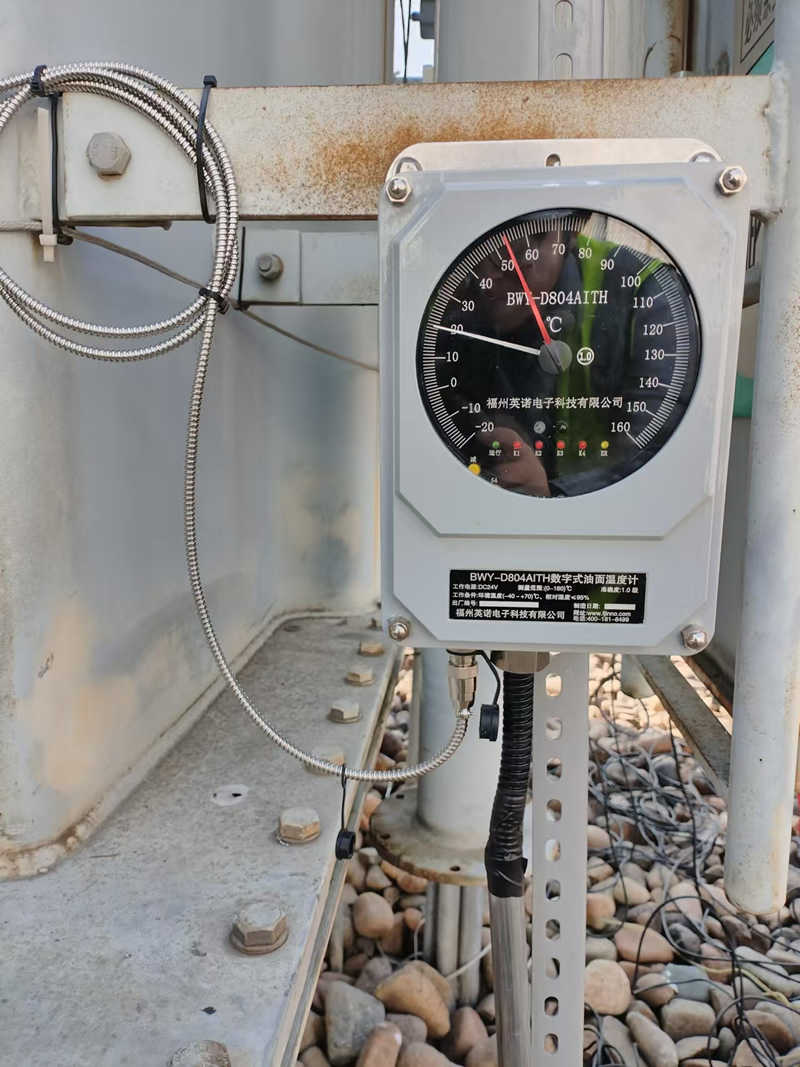
พื้นที่ ตัวบ่งชี้อุณหภูมิที่คดเคี้ยว (WTI) — also called a winding temperature gauge or thermal image device — is the most widely installed transformer temperature monitoring instrument worldwide. Despite its name, WTI ไม่ได้วัดอุณหภูมิของขดลวดโดยตรง. แทน, โดยจะวัดอุณหภูมิน้ำมันด้านบนโดยใช้หลอดตรวจจับที่ฝังอยู่ที่ด้านบนของถังหม้อแปลง, จากนั้นจึงเพิ่มความร้อนที่เพิ่มขึ้นตามกระแสที่เกิดจากคอยล์ทำความร้อนที่พันรอบหลอดไฟ. คอยล์ทำความร้อนนี้ถูกป้อนโดยหม้อแปลงกระแส (กะรัต) ที่รับรู้กระแสโหลด, การสร้าง “ภาพความร้อน” มีวัตถุประสงค์เพื่อจำลองอุณหภูมิจุดร้อนที่คดเคี้ยวสูงขึ้นเหนืออุณหภูมิน้ำมัน. ปัญหาพื้นฐานคือภาพความร้อนนี้มีพื้นฐานมาจากค่าคงที่, แบบจำลองความร้อนแบบง่ายที่ปรับเทียบที่โรงงานสำหรับเงื่อนไขการออกแบบชุดเดียว. ในการดำเนินงานในโลกแห่งความเป็นจริง, อุณหภูมิจุดร้อนที่เพิ่มขึ้นจริงจะแตกต่างกันไปตามองค์ประกอบของโหลด, เนื้อหาฮาร์มอนิก, อุณหภูมิแวดล้อม, ประสิทธิภาพการไหลเวียนของน้ำมัน, สภาพระบบทำความเย็น, และความชราที่คดเคี้ยว — WTI ไม่สามารถอธิบายได้. ข้อผิดพลาดในการประมาณค่าผลลัพธ์ที่ได้อาจเป็น 10°C ถึง 15°C หรือมากกว่า, และข้อผิดพลาดอาจเป็นแบบอนุรักษ์นิยมหรือไม่อนุรักษ์ก็ได้ขึ้นอยู่กับเงื่อนไข. WTI ที่อ่านค่าได้ 110°C เมื่อจุดร้อนจริงอยู่ที่ 125°C ให้การรับประกันที่ผิดพลาด; ซึ่งอ่านค่าได้ 120°C เมื่อจุดร้อนจริงอยู่ที่ 108°C ส่งผลให้มีการลดภาระโดยไม่จำเป็น.
เครื่องวัดอุณหภูมิน้ำมันบน — ข้อมูลระดับพื้นผิวเท่านั้น
พื้นที่ เครื่องวัดอุณหภูมิอุณหภูมิน้ำมันบน วัดเฉพาะอุณหภูมิของน้ำมันฉนวนที่ด้านบนของถังหม้อแปลง. แม้ว่าจะให้ข้อมูลที่เป็นประโยชน์เกี่ยวกับสภาวะความร้อนของหม้อแปลงโดยรวม, มันไม่เปิดเผยอะไรเกี่ยวกับการกระจายอุณหภูมิภายในขดลวดเอง. The temperature difference between top oil and the winding hot spot can range from 10°C to 40°C or more depending on loading conditions. Using top-oil temperature alone for thermal protection and load management decisions provides, at best, a very coarse approximation of the actual insulation thermal stress.
Pt100 RTD and Thermocouple Sensors — The High-Voltage Isolation Barrier
เครื่องตรวจจับอุณหภูมิความต้านทานแพลทินัม (Pt100 RTD) และ เทอร์โมคัปเปิล are highly capable temperature sensors in low-voltage applications, but they face a fundamental barrier when applied to transformer winding hot spot measurement: they are electrical sensors that require metallic conductors connected to the measurement point. Placing metallic sensor leads inside or adjacent to high-voltage transformer windings creates severe electrical isolation problems — the sensor leads provide a conductive path from the high-voltage winding to the grounded measurement instrument, compromising insulation integrity and creating a potential fault path. While Pt100 sensors are widely used in dry-type transformer temperature controllers as surface-mount sensors on the outside of winding enclosures, they cannot be placed at the actual internal hot spot within the winding structure. In oil-immersed high-voltage transformers, the isolation challenge makes conventional electrical sensors entirely impractical for direct winding temperature measurement.
Infrared Thermography — External Surface Only, No Internal Access
การถ่ายภาพความร้อนอินฟราเรด provides valuable external surface temperature mapping for transformer tanks, บูช, การสิ้นสุดสายเคเบิล, และอุปกรณ์ทำความเย็น. อย่างไรก็ตาม, it cannot measure temperatures inside the transformer — it sees only the external surface, not the winding hot spot buried deep within the core-and-coil assembly and surrounded by insulating oil or encapsulation material. Infrared measurements are also affected by surface emissivity variations, ภาพสะท้อนโดยรอบ, and atmospheric conditions. For internal winding hot spot monitoring, infrared thermography is not a viable solution.
The Fundamental Gap That Fiber Optic Sensing Fills
The common limitation of all traditional methods is clear: none of them can directly measure the temperature at the internal winding hot spot location inside an energized high-voltage transformer. พื้นที่ เซ็นเซอร์อุณหภูมิไฟเบอร์ออปติก — being entirely non-conductive, carrying no electrical current, ภูมิคุ้มกันต่อการรบกวนทางแม่เหล็กไฟฟ้า, and safe for permanent installation in oil-immersed and high-voltage environments — is the only proven technology that bridges this measurement gap. It transforms การตรวจสอบความร้อนของหม้อแปลงไฟฟ้า from an exercise in estimation to a practice of direct, แม่นยำ, การวัดแบบเรียลไทม์.
4. ยังไง เซ็นเซอร์อุณหภูมิไฟเบอร์ออปติก Work in Transformer Monitoring Applications
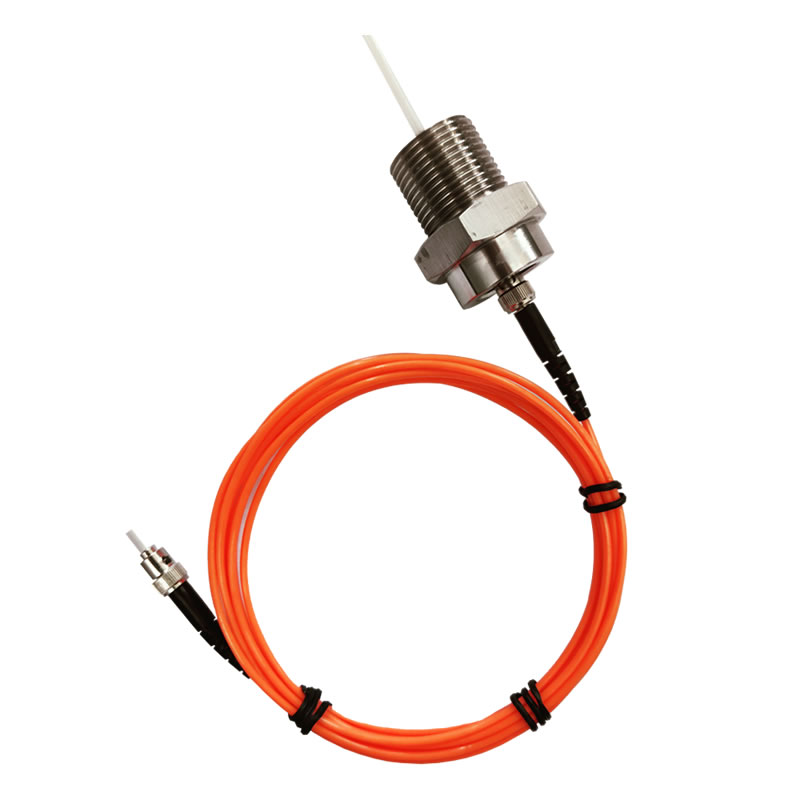
พื้นที่ เซ็นเซอร์อุณหภูมิไฟเบอร์ออปติก used in transformer monitoring operates on the fluorescence lifetime decay principle — a well-established photophysical phenomenon that provides inherently stable, drift-free temperature measurement. This section explains how the sensing mechanism works and how the system is physically implemented within a transformer installation.
Fluorescence Lifetime Decay — The Sensing Mechanism
At the tip of the fluorescent fiber optic sensor probe, a small quantity of rare-earth-doped phosphor material is bonded to the end of the optical fiber. พื้นที่ เครื่องถอดรหัสอุณหภูมิใยแก้วนำแสง sends a short pulse of excitation light through the fiber to this phosphor material. Upon absorbing the excitation energy, the phosphor electrons are elevated to an excited state and then return to their ground state by emitting fluorescent light at a longer wavelength. หลังจากชีพจรกระตุ้นสิ้นสุดลง, this fluorescence does not extinguish instantaneously — it decays exponentially over a characteristic time period called the fluorescence lifetime or decay time. This decay time is a precise and repeatable function of the phosphor temperature: as temperature rises, increased thermal lattice vibrations promote non-radiative relaxation pathways, causing the fluorescence to decay faster. The demodulator captures the time profile of this decaying fluorescence signal, calculates the decay time constant, and converts it to a temperature value using a pre-calibrated mathematical relationship.
Why This Principle Is Ideal for Transformer Environments
The fluorescence lifetime measurement approach is inherently immune to all the signal integrity challenges present in a transformer environment. Because the measured parameter is time (decay duration) — not signal amplitude — it is completely unaffected by optical fiber bending losses, การสูญเสียตัวเชื่อมต่อ, light source power variations, or long-term fiber degradation. The optical fiber itself is a glass dielectric with no metallic components, providing complete electrical isolation from the high-voltage winding and total immunity to the intense electromagnetic fields generated by transformer operation. The sensor probe is chemically inert in transformer oil, ไม่ก่อให้เกิดความร้อน, and produces no electromagnetic emissions that could interfere with transformer operation. These characteristics make fluorescence-based fiber optic sensing uniquely suited to the transformer monitoring application.
Physical Implementation in a Transformer
ในทางปฏิบัติ, หนึ่งหรือมากกว่า fiber optic temperature sensor probes are installed at the predetermined hot spot locations within the transformer winding structure — typically identified through thermal design calculations performed by the transformer manufacturer. The optical fiber cable is routed from each probe through the winding structure, along the core-and-coil assembly, and out through the transformer tank wall via a specialized hermetic fiber optic feedthrough (penetration fitting) that maintains the oil seal integrity of the tank. Outside the transformer, the fiber cables are routed to the multi-channel fiber optic temperature demodulator, which is typically installed in a nearby control cabinet or relay panel. The demodulator continuously interrogates all connected probes, processes the fluorescence signals, and outputs real-time temperature data for each monitoring point via RS485/Modbus RTU to the transformer protection relay, the local monitoring display, and/or the plant SCADA or DCS system.
Hot Spot Location Determination
The accuracy of any direct winding hot spot temperature measurement depends not only on the sensor’s precision but also on correct placement of the probe at the actual hottest point. The hot spot location is determined during transformer design through detailed thermal analysis, considering winding geometry, conductor dimensions, insulation thickness, การกำหนดค่าท่อระบายความร้อน, เส้นทางการไหลของน้ำมัน, and expected load current distribution. Transformer manufacturers — who have the deepest understanding of their designs’ thermal characteristics — typically specify the hot spot probe locations as part of the fiber optic monitoring system integration process. For retrofit installations on existing transformers where the original thermal design data may not be fully available, standardized placement guidelines and thermal modeling tools are used to identify the most probable hot spot regions.
5. Key Advantages of Fiber Optic Transformer Temperature Monitoring Over Conventional Methods
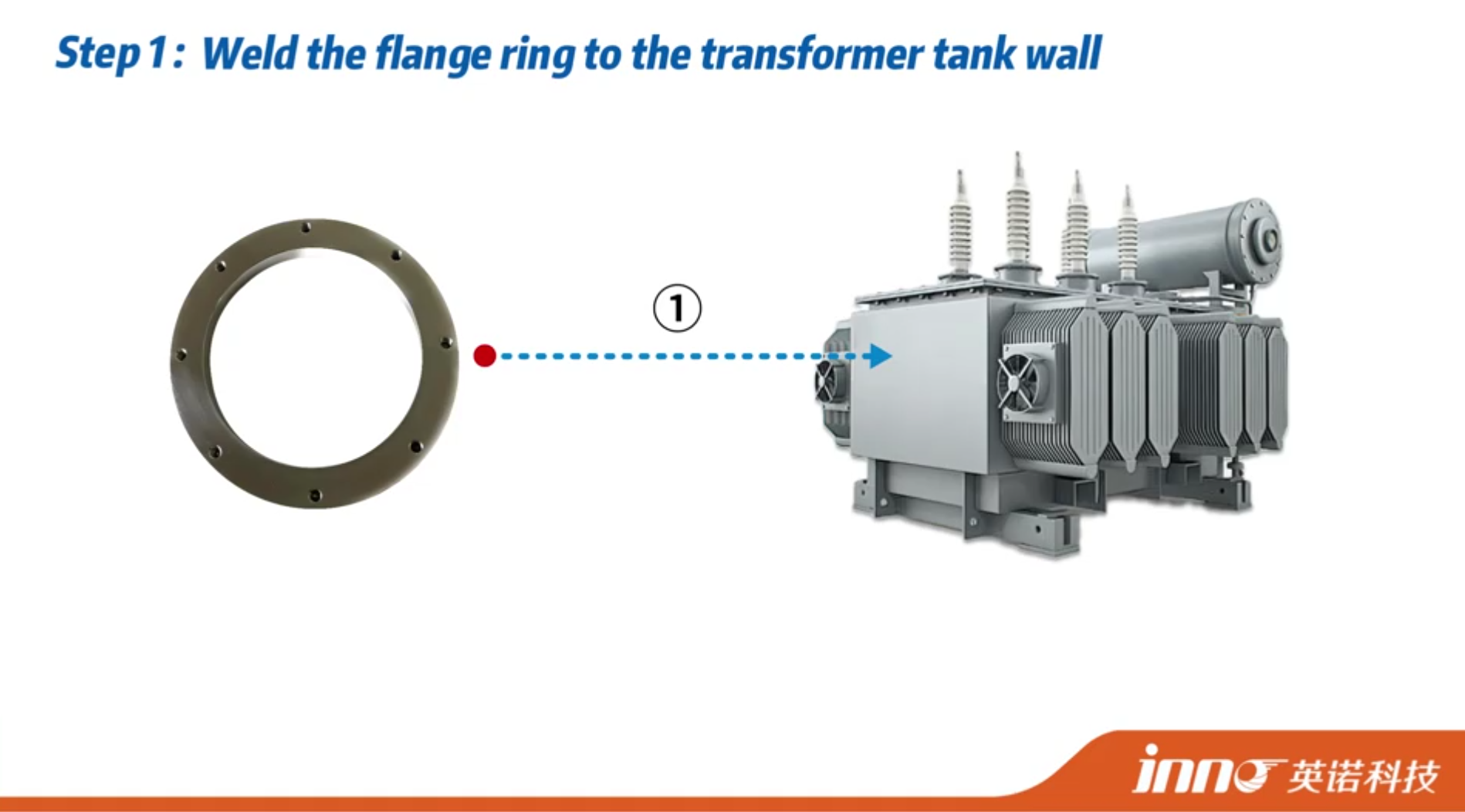
The transition from traditional indirect methods to fiber optic direct hot spot temperature measurement delivers a comprehensive set of performance advantages. Each benefit is rooted in the fundamental physics of optical sensing and has been validated through decades of field deployment across thousands of transformer installations worldwide.
Direct Measurement Replaces Estimation
The single most transformative advantage is the shift from thermal model estimation to direct physical measurement. A หัววัดเซนเซอร์ไฟเบอร์ออปติก placed at the winding hot spot reports the actual temperature at that point — eliminating the 10–15°C estimation errors inherent in WTI thermal image simulation and top-oil-based calculation methods. This accuracy improvement has direct consequences for every downstream decision based on winding temperature data, from thermal protection settings to loading capacity calculations to insulation life assessments.
Complete High-Voltage Electrical Isolation
พื้นที่ เซ็นเซอร์ใยแก้วนำแสง is fabricated entirely from dielectric (ไม่นำไฟฟ้า) materials — glass fiber, ceramic phosphor, and polymer or ceramic packaging. No metallic conductors are present at the measurement point or along the fiber path inside the transformer. This provides inherent galvanic isolation exceeding 100 kV between the high-voltage winding and the grounded measurement system. There are no leakage current paths, no partial discharge initiation sites, and no compromise to the transformer’s insulation coordination — the fiber optic sensor is electrically invisible within the winding structure.
ภูมิคุ้มกันการรบกวนทางแม่เหล็กไฟฟ้าทั้งหมด
Transformers generate intense electromagnetic fields during operation — particularly during load switching, inrush events, and fault conditions. พื้นที่ ระบบตรวจสอบอุณหภูมิใยแก้วนำแสง transmits only photons, not electrons, making it completely immune to electromagnetic interference from any source. Measurement readings remain stable and accurate regardless of load transients, การดำเนินการเปลี่ยน, nearby circuit breaker activity, or lightning-induced surges. This EMI immunity eliminates the signal noise and measurement errors that plague electrical sensors installed near high-voltage, high-current conductors.
Intrinsic Safety in Oil-Immersed Environments
โดยไม่มีพลังงานไฟฟ้าอยู่ที่จุดตรวจจับ, พื้นที่ หัววัดอุณหภูมิไฟเบอร์ออปติก ไม่สามารถทำให้เกิดประกายไฟได้, การปล่อยบางส่วน, or localized heating under any operating or fault condition. This intrinsic safety makes the sensor fully compatible with permanent immersion in transformer insulating oil, and suitable for installation inside sealed gas-insulated compartments, without requiring additional safety barriers or explosion-proof enclosures.
25+ Year Maintenance-Free Operation
Because fluorescence lifetime is an intrinsic material property that depends only on temperature — not on signal amplitude or optical path conditions — the fiber optic transformer monitoring system maintains its factory calibration accuracy throughout its entire operational life without any recalibration. The inorganic phosphor sensing material does not degrade in transformer oil or under sustained thermal cycling. Combined with the inherent corrosion resistance and chemical inertness of optical fiber, this results in a system service life exceeding 25 years with zero maintenance requirements — matching or exceeding the expected service life of the transformer itself.
Fast Response for Dynamic Thermal Tracking
With a thermal response time of less than 1 ที่สอง, พื้นที่ fiber optic winding temperature sensor captures rapid thermal transients including overload events, short-duration emergency loading, and post-fault temperature recovery — providing real-time data that enables dynamic thermal management decisions.
Compact Probe Design for Winding Integration
อินโน fiber optic temperature sensor probes มีเส้นผ่านศูนย์กลางบางเพียง 2-3 มม, allowing them to be embedded within transformer winding structures without affecting the electromagnetic design, oil flow patterns, or mechanical integrity of the winding. This compact form factor enables probe placement directly at the predicted hot spot — between conductors, within cooling ducts, or at winding ends — where larger sensors could not be accommodated.
6. Fiber Optic Monitoring Solutions for Different Transformer Types

การตรวจสอบหม้อแปลงใยแก้วนำแสง technology is applicable to virtually every type of transformer and reactor used in power transmission, การกระจาย, กระบวนการทางอุตสาหกรรม, พลังงานทดแทน, and transportation electrification. The core sensing principle remains the same across all applications, but probe packaging, วิธีการติดตั้ง, and system configurations are optimized for each transformer category’s specific operating environment and monitoring requirements.
Oil-Immersed Power Transformer Fiber Optic Winding Temperature Monitoring
Oil-immersed power transformers — the backbone of electrical transmission and distribution networks — represent the primary application for fiber optic hot spot monitoring. These include high-voltage transmission transformers (110 กิโลโวลต์ถึง 800 กิโลวี+), medium-voltage distribution transformers, หม้อแปลงเรียงกระแส, หม้อแปลงเตาหลอม for electric arc and induction furnace applications, and auto-transformers. For these applications, INNO supplies armored fiber optic temperature sensor probes with oil-resistant stainless steel or PTFE protective sheaths, designed for permanent immersion in hot transformer oil over the full 25+ year equipment life. The armored construction protects the delicate optical fiber from mechanical damage during transformer manufacturing, coil assembly, and oil filling processes. Probes are typically installed at 2 ถึง 6 winding hot spot locations depending on transformer rating and the number of winding phases, with fiber cables routed through hermetic tank wall feedthrough fittings to the externally mounted multi-channel fiber optic temperature demodulator.
Dry-Type Transformer Fiber Optic Temperature Measurement & ควบคุม
หม้อแปลงชนิดแห้ง — including หล่อเรซิน (epoxy encapsulated) หม้อ แปลง and ventilated dry-type units — are widely used in commercial buildings, โรงงานอุตสาหกรรม, renewable energy plants, ศูนย์ข้อมูล, and urban substations where fire safety and environmental considerations favor the elimination of insulating oil. In dry-type applications, fiber optic temperature sensor probes can be embedded directly in the winding structure during manufacturing or surface-mounted on winding enclosures. อินโน dry-type transformer fiber optic temperature controllers — including the BWDK-326 temperature controller และ BWDK-S201 temperature controller — integrate fiber optic sensing with automated fan cooling control, multi-stage over-temperature alarm outputs, and trip protection functions, providing a direct and superior replacement for traditional Pt100-based temperature control systems. The fiber optic approach eliminates the electromagnetic interference susceptibility that affects Pt100 sensors in the strong magnetic fields near transformer windings, and provides genuine hot spot temperature data rather than surface temperature readings.
Reactor & Inductor Fiber Optic Thermal Monitoring
Reactors and inductors — including เครื่องปฏิกรณ์แบบแบ่ง, series reactors, smoothing reactors (in HVDC systems), filter reactors (in harmonic filtering applications), และ current-limiting reactors — generate significant internal heat under load and are subject to the same insulation thermal aging mechanisms as transformers. การตรวจสอบอุณหภูมิใยแก้วนำแสง of reactor windings provides the same benefits as in transformer applications: direct hot spot measurement, การแยกไฟฟ้าแรงสูง, ภูมิคุ้มกัน EMI, and long-term maintenance-free operation. อินโน dry-type reactor fiber optic temperature measurement devices are specifically configured for reactor winding monitoring, with probe placement and channel configurations tailored to reactor thermal characteristics.
พิเศษ & Application-Specific Transformer Fiber Optic Monitoring
Beyond standard power and distribution transformers, fiber optic thermal monitoring is deployed across a wide range of specialized transformer types. Traction transformers in railway and metro rolling stock operate under severe vibration, ข้อจำกัดด้านพื้นที่, and variable loading — all conditions where the compact, แข็งแกร่ง, and drift-free fiber optic sensor excels. Marine transformers on ships and offshore platforms require sensors that withstand corrosive salt-air environments and vessel motion. Mining explosion-proof transformers benefit from the intrinsic safety of optical sensing in methane-rich atmospheres. In the renewable energy sector, wind turbine pad-mount transformers, solar farm step-up transformers, และ battery energy storage system (เบส) หม้อ แปลง all operate in remote locations where maintenance-free monitoring is essential. HVDC converter transformers experience complex harmonic loading patterns and extreme electromagnetic environments that make fiber optic sensing the only viable direct measurement approach. For each of these special applications, INNO provides customized probe packaging, fiber cable routing solutions, and system configurations to meet the specific mechanical, ด้านสิ่งแวดล้อม, and electrical requirements.
7. Transformer Temperature Monitoring Method Comparison — Fiber Optic vs. WTI vs. Oil Thermometer vs. Infrared vs. พอต100
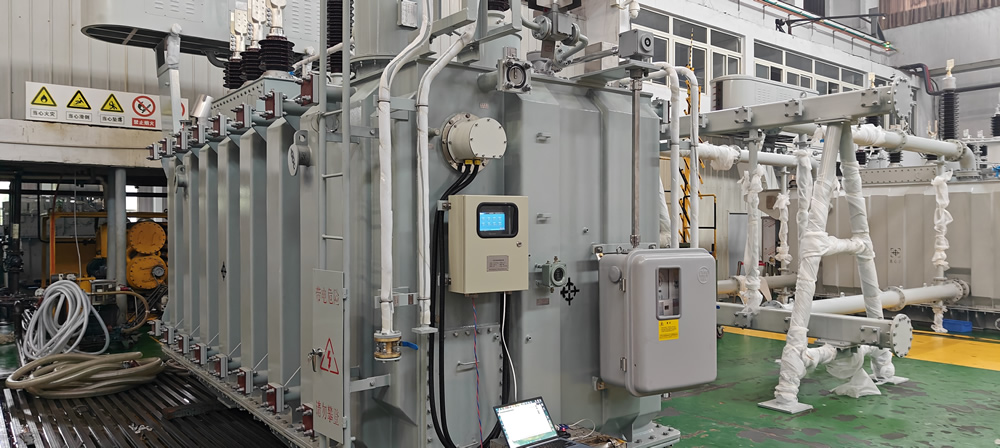
Selecting the right temperature monitoring approach for a transformer requires a clear, objective comparison of the available technologies. The following table evaluates fiber optic direct hot spot measurement against the four most commonly used conventional methods — winding temperature indicators (WTI), top-oil temperature gauges, เทอร์โมกราฟฟีอินฟราเรด, and Pt100/thermocouple sensors — across the parameters most critical to transformer asset managers and protection engineers.
| พารามิเตอร์ | เซ็นเซอร์ไฟเบอร์ออปติก | ตัวบ่งชี้อุณหภูมิที่คดเคี้ยว (WTI) | Top-Oil Thermometer | เทอร์โมกราฟฟีอินฟราเรด | พอต100 / เทอร์โมคัปเปิ้ล |
|---|---|---|---|---|---|
| ประเภทการวัด | Direct — actual winding hot spot | Indirect — thermal model simulation | Direct — but oil only, not winding | Non-contact — external surface only | Direct — but surface mount or low-voltage only |
| What Is Measured | Internal winding hot spot temperature | Estimated hot spot (อุณหภูมิน้ำมัน + current image) | อุณหภูมิน้ำมันสูงสุด | Tank/bushing surface temperature | Surface or low-voltage winding temperature |
| ความแม่นยำในการวัด | ±1°ซ | ±10–15°C estimation error | ±2–3°ซ (น้ำมันเท่านั้น) | ±2–5°C (ขึ้นอยู่กับการแผ่รังสี) | ±0.5–1°ซ (at measurement point) |
| การตรวจจับฮอตสปอต | Yes — direct measurement at hot spot | Estimated — may not reflect actual hot spot | No — measures oil, not winding | No — external surface only | No — cannot access HV internal hot spot |
| High-Voltage Isolation | Complete — fully dielectric sensor | Partial — requires CT connection | Mechanical — bulb in oil | N/A — non-contact | None — metallic conductors create isolation risk |
| Usable Inside HV Windings | ใช่ | No — external instrument | No — oil measurement only | No — cannot see inside | No — HV isolation prevents internal installation |
| ภูมิคุ้มกันอีเอ็มไอ | สมบูรณ์ | Moderate — analog signal susceptible | Good — mechanical device | Moderate — electronics susceptible | Poor — requires shielding in HV environment |
| Oil Immersion Compatibility | Excellent — designed for permanent immersion | Yes — bulb immersed | Yes — bulb immersed | ไม่สามารถใช้ได้ | จำกัด — ความสมบูรณ์ของซีลจะลดลงเมื่อเวลาผ่านไป |
| การตอบสนองแบบไดนามิก | เร็ว - <1 เวลาตอบสนองครั้งที่สอง | ช้า — ความเฉื่อยความร้อนของน้ำมันและเครื่องทำความร้อน | ช้า — ความเฉื่อยความร้อนของน้ำมัน | ทันที — แต่ภายนอกเท่านั้น | ปานกลาง — วินาที เป็น นาที |
| ความมั่นคงในระยะยาว | ยอดเยี่ยม - ไม่มีดริฟท์เลย 25+ ปี | ปานกลาง — การสึกหรอทางกล, อายุเครื่องทำความร้อน | ปานกลาง — อุปกรณ์ทางกลมีอายุมากขึ้น | N/A — แบบสำรวจเป็นระยะ, ไม่ต่อเนื่อง | แย่ — แนวต้าน/ทางแยกดริฟท์เมื่อเวลาผ่านไป |
| จำเป็นต้องมีการปรับเทียบใหม่ | ไม่ใช่ | ใช่ — เป็นระยะๆ | ใช่ — เป็นระยะๆ | ใช่ — การปรับเทียบกล้อง | ใช่ — เป็นระยะๆ |
| อายุการใช้งาน | >25 ปี | 10–20 ปี | 10–20 ปี | กล้อง: 5–10 ปี | 2–10 ปีขึ้นอยู่กับประเภท |
| การตรวจสอบออนไลน์อย่างต่อเนื่อง | ใช่ - 24/7 เรียลไทม์ | ใช่ — ต่อเนื่องแต่โดยอ้อม | ใช่ — ต่อเนื่องแต่ใช้น้ำมันเท่านั้น | ไม่ — สำรวจด้วยตนเองเป็นระยะๆ | ใช่ — สามารถติดตั้งได้ที่ไหน |
| ไออีซี 60076-7 / การปฏิบัติตามมาตรฐาน IEEE C57.91 | เป็นไปตามข้อกำหนดอย่างสมบูรณ์ — อ้างอิงการวัดโดยตรง | Accepted — but acknowledged as indirect | เสริมเท่านั้น | Not addressed | Limited to low-voltage applications |
| Best Suited For | All transformer types — primary hot spot monitoring | Legacy installations — gradually being replaced | Supplementary oil temperature monitoring | External inspection surveys | Dry-type surface / LV applications |
Key Takeaway for Transformer Asset Managers
The comparison demonstrates that การตรวจจับไฟเบอร์ออปติก is the only technology capable of providing direct, อย่างต่อเนื่อง, high-accuracy measurement of the winding hot spot temperature inside energized high-voltage transformers. Traditional WTIs remain functional for basic protection but introduce significant estimation uncertainties that limit their value for advanced asset management, กำลังโหลดแบบไดนามิก, and insulation life optimization. For new transformer procurements and critical asset monitoring upgrades, fiber optic transformer temperature monitoring represents the current industry best practice and is increasingly specified as a standard requirement by utilities, industrial operators, and transformer manufacturers worldwide.
8. INNO Fiber Optic Transformer Monitoring Product Range
INNO provides a complete, vertically integrated product line for การตรวจสอบหม้อแปลงใยแก้วนำแสง — from individual sensor probes to complete turnkey monitoring systems. Every product is designed, manufactured, ประกอบ, and tested in-house at INNO’s Fuzhou production facility, ensuring end-to-end quality control and full technical accountability.
Armored Fiber Optic Temperature Sensor Probes for Transformer Windings
พื้นที่ armored fiber optic temperature sensor probe is the core sensing element for oil-immersed transformer applications. These probes feature ruggedized protective sheaths — available in stainless steel, ไฟเบอร์, หรือโครงสร้างเกราะคอมโพสิต ซึ่งปกป้องเส้นใยนำแสงที่ละเอียดอ่อนและปลายการตรวจจับจากความเครียดทางกลระหว่างการพันขดลวดหม้อแปลง, การกด, การประกอบ, เติมน้ำมันสุญญากาศ, และหลายทศวรรษของการดำเนินงานต่อมาโดยแช่อยู่ในน้ำมันหม้อแปลงร้อน. ชุดเกราะได้รับการออกแบบทางวิศวกรรมมาโดยเฉพาะเพื่อให้ทนทานต่อกระบวนการผลิตที่เป็นเอกลักษณ์เฉพาะของการผลิตหม้อแปลงไฟฟ้า ในขณะที่ยังคงรักษาความเข้ากันได้ของน้ำมันได้อย่างสมบูรณ์, ความเฉื่อยทางเคมี, และการนำความร้อนเพื่อการวัดอุณหภูมิที่แม่นยำ. หัววัดอุณหภูมิแบบไฟเบอร์ออปติกมาตรฐาน (ไม่หุ้มเกราะ) นอกจากนี้ยังมีให้ใช้งานกับหม้อแปลงชนิดแห้งและเครื่องปฏิกรณ์ที่ไม่ต้องการการป้องกันการแช่น้ำมัน. โพรบทั้งสองประเภทมีเส้นผ่านศูนย์กลางขนาดกะทัดรัด 2–3 มม. และมีจำหน่ายในความยาวสายไฟเบอร์ตั้งแต่ 0 ถึง 20 เมตร.
เครื่องควบคุมอุณหภูมิไฟเบอร์ออปติกหม้อแปลงชนิดแห้ง
อินโน dry-type transformer fiber optic temperature controllers are integrated devices combining fiber optic temperature sensing with automated transformer thermal management functions. พื้นที่ BWDK-326 dry-type transformer temperature controller provides multi-channel fiber optic temperature input, LCD temperature display, programmable multi-stage temperature alarm outputs (pre-warning, เตือน, เที่ยว), automatic fan cooling group control, and RS485/Modbus RTU communication for remote monitoring integration. พื้นที่ BWDK-S201 intelligent temperature controller นำเสนอคุณสมบัติที่ได้รับการปรับปรุงรวมถึงความจุของช่องสัญญาณที่ขยายและลอจิกสัญญาณเตือนขั้นสูง. ตัวควบคุมเหล่านี้ทำหน้าที่เป็นตัวโดยตรง, ประสิทธิภาพที่เหนือกว่าทดแทนสำหรับ Pt100 แบบดั้งเดิม ระบบควบคุมอุณหภูมิหม้อแปลงชนิดแห้ง, ขจัดข้อผิดพลาดในการวัดที่เกิดจาก EMI และให้ข้อมูลจุดร้อนของไฟเบอร์ออปติกของแท้สำหรับการตัดสินใจในการป้องกันความร้อน.
เครื่องถอดรหัสอุณหภูมิไฟเบอร์ออปติกแบบหลายช่องสัญญาณสำหรับการตรวจสอบหม้อแปลง
สำหรับหลายจุด การตรวจสอบอุณหภูมิขดลวดหม้อแปลง, INNO supplies เครื่องถอดรหัสอุณหภูมิใยแก้วนำแสงแบบหลายช่องสัญญาณ ในการกำหนดค่าจาก 6 ถึง 64 ช่อง. แต่ละช่องสัญญาณจะประมวลผลสัญญาณเรืองแสงจากช่องที่เชื่อมต่อพร้อมกันและเป็นอิสระ หัววัดอุณหภูมิไฟเบอร์ออปติก, ให้ข้อมูลอุณหภูมิแบบเรียลไทม์สำหรับทุกตำแหน่งฮอตสปอตที่ได้รับการตรวจสอบ. พื้นที่ เครื่องถอดรหัสอุณหภูมิใยแก้วนำแสงแบบรวมจอแสดงผล รวมการประมวลผลสัญญาณเข้ากับจอ LCD ในพื้นที่เพื่อการอ่านโดยตรงที่ตำแหน่งของหม้อแปลง. All demodulator models feature RS485/Modbus RTU communication output, configurable alarm relay contacts, and power supply options of AC 220V or DC 24V. For three-phase transformer applications, a 6-channel unit typically monitors 2 probes per phase; for larger transformers with additional monitoring requirements, 16-channel or 32-channel units provide the necessary capacity.
OEM Fiber Optic Temperature Sensing Module for Transformer Manufacturers
พื้นที่ OEM single-channel fiber optic temperature sensing module เป็นขนาดกะทัดรัด, board-level component designed specifically for transformer manufacturers and control panel builders who need to embed fiber optic sensing capability directly into their own products. The module contains complete excitation, การค้นหา, and demodulation circuitry in a miniaturized form factor, with standard RS485/Modbus RTU output for direct connection to the host system’s controller or PLC. This enables transformer OEMs to offer fiber optic hot spot monitoring as an integrated feature of their transformers without developing proprietary optical sensing electronics.
Cloud Monitoring Software for Transformer Fiber Optic Systems
อินโนจัดให้ customizable cloud platform monitoring software for centralized management of distributed transformer fiber optic monitoring installations. The platform supports remote real-time data acquisition from multiple transformer sites, multi-channel temperature visualization with graphical trending, configurable multi-level alarm management with notification dispatch (อีเมล, เอสเอ็มเอส, push), historical data storage and trend analysis for insulation aging assessment, and integration interfaces for enterprise SCADA, ดีซีเอส, อีเอ็มเอส, และระบบการจัดการสินทรัพย์. The software is fully customizable to client-specific branding, dashboard layouts, user access structures, และข้อกำหนดด้านการทำงาน.
9. Transformer Fiber Optic Monitoring System Technical Specifications
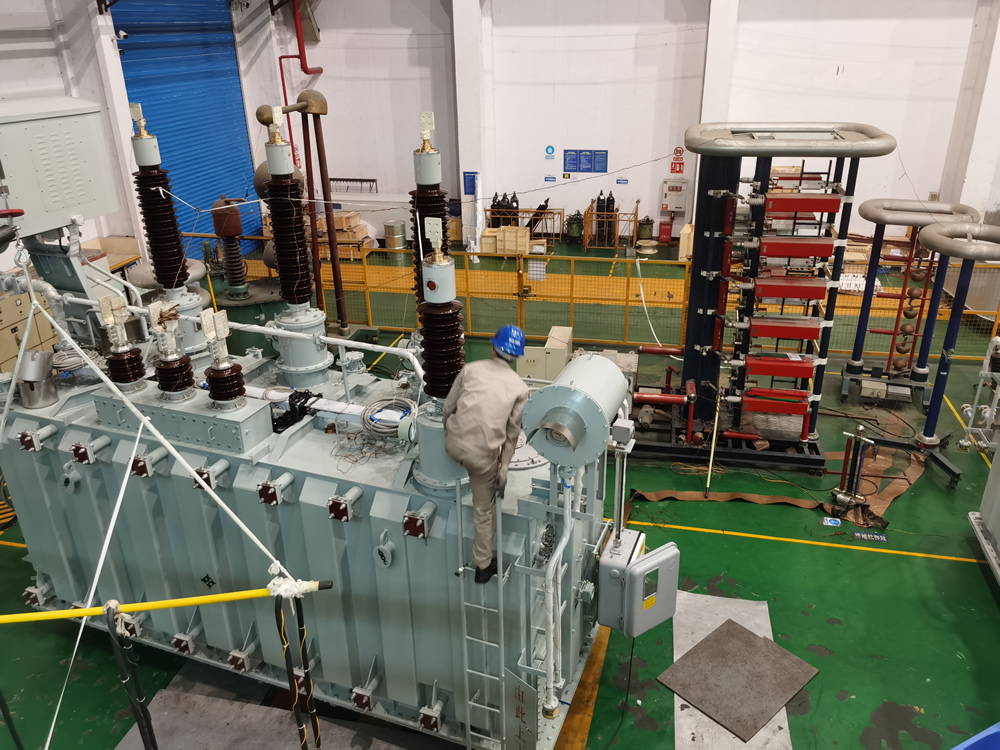
The following table summarizes the standard technical specifications of INNO’s ระบบตรวจสอบอุณหภูมิหม้อแปลงใยแก้วนำแสง ส่วนประกอบ. All specifications are customizable to meet project-specific requirements.
| พารามิเตอร์ | ข้อมูลจำเพาะ | หมายเหตุ |
|---|---|---|
| ความแม่นยำในการวัด | ±1°ซ | Across full operating range |
| Sensor Temperature Range | –40°C to +260°C | ขยายช่วงตามคำขอ |
| ความยาวสายไฟเบอร์ออปติก | 0–20 meters (มาตรฐาน) | Custom lengths available |
| เวลาตอบสนอง | <1 ที่สอง | Suitable for dynamic thermal event tracking |
| เส้นผ่านศูนย์กลางของโพรบ | 2–3 มม | Fits within winding slots and cooling ducts |
| ฉนวนไฟฟ้า | ทนต่อแรงดันไฟฟ้า >100 กิโลโวลต์ | การแยกอิเล็กทริกเต็มรูปแบบ |
| Monitoring Channels | 1 / 6 / 16 / 32 / 64 ช่อง | Selectable per application |
| อินเตอร์เฟซการสื่อสาร | อาร์เอส 485 / Modbus RTU | Compatible with relay, สกาด้า, บมจ, ดีซีเอส |
| เอาต์พุตแจ้งเตือน | หน้าสัมผัสรีเลย์แบบตั้งค่าได้ | Multi-stage: pre-alarm, เตือน, เที่ยว |
| พาวเวอร์ซัพพลาย | ไฟฟ้ากระแสสลับ 220 โวลต์หรือกระแสตรง 24 โวลต์ | Selectable at order |
| สภาพแวดล้อมการทำงานของดีมอดูเลเตอร์ | –20°C to +70°C, ≤95% ความชื้น | Ambient conditions for demodulator host |
| Probe Protection Rating | IP65 | Dust-tight, water-jet resistant |
| ความเข้ากันได้ของน้ำมัน | Fully compatible with mineral and ester transformer oils | Armored probes designed for permanent immersion |
| อายุการใช้งาน | >25 ปี | No recalibration or maintenance required |
| การรับรอง | ซีอี, อีเอ็มซี, RoHS, ไอเอสโอ 9001/14001/27001/45001 | Global compliance |
ตัวเลือกการปรับแต่ง
INNO supports full specification customization including extended temperature ranges, fiber cable lengths beyond 20 เมตร, specialized armored probe materials and geometries for specific transformer designs, alternative communication protocols, custom demodulator enclosure ratings, and tailored alarm logic configurations. Contact the INNO engineering team to discuss project-specific requirements.
10. Transformer Fiber Optic Sensor Installation, บูรณาการ & Commissioning Guide
Successful implementation of a fiber optic transformer monitoring system involves proper sensor installation, communication integration, and alarm configuration. The installation process is straightforward and can be accomplished by standard electrical and transformer technicians without specialized optical equipment or training.
Pre-Embedded Installation During Transformer Manufacturing
The most effective installation approach is to embed fiber optic temperature sensor probes within the transformer winding structure during the manufacturing process — before the windings are assembled onto the core and before the unit is filled with oil (สำหรับประเภทแช่น้ำมัน) or encapsulated (for cast resin types). The transformer manufacturer installs the probes at the calculated hot spot locations — typically between conductor turns at the top of the inner or outer winding of the phase with the highest expected temperature. พื้นที่ armored fiber optic probe is secured in position and the fiber cable is carefully routed along the winding, through the core-and-coil assembly, and out through a hermetic fiber optic feedthrough fitting installed in the transformer tank wall or enclosure panel. This pre-embedded approach provides the most accurate hot spot measurement, the most secure probe installation, และประสิทธิภาพระยะยาวที่เชื่อถือได้มากที่สุด. INNO ทำงานโดยตรงกับผู้ผลิตหม้อแปลงไฟฟ้าเพื่อระบุตำแหน่งโพรบ, ให้คำแนะนำการติดตั้ง, และมั่นใจในการกำหนดเส้นทางไฟเบอร์และการปิดผนึกป้อนผ่านที่เหมาะสม.
การติดตั้งเพิ่มเติมบนหม้อแปลงไฟฟ้าที่มีอยู่
สำหรับ การตรวจติดตามไฟเบอร์ออปติกสำหรับติดตั้งเพิ่มเติมหม้อแปลง บนหน่วยปฏิบัติการที่มีอยู่, การติดตั้งโพรบจะดำเนินการระหว่างการหยุดซ่อมบำรุงตามกำหนดเวลา เมื่อหม้อแปลงถูกตัดพลังงานและ (สำหรับหน่วยที่แช่น้ำมัน) ระดับน้ำมันลดลงหรือเปิดเครื่องเพื่อตรวจสอบ. โพรบสำหรับติดตั้งเพิ่มเติมสามารถติดตั้งบนพื้นผิวขดลวดที่เข้าถึงได้, ที่บล็อกปลายที่คดเคี้ยว, หรือที่สถานที่ตัวแทนระบายความร้อนอื่น ๆ ที่สามารถเข้าถึงได้ผ่านช่องตรวจสอบ. แม้ว่าการติดตั้งติดตั้งเพิ่มอาจไม่บรรลุตำแหน่งฮอตสปอตที่แม่นยำเท่าที่เป็นไปได้ด้วยการติดตั้งแบบฝังไว้ล่วงหน้า, it still provides vastly more accurate and more valuable winding temperature data than external WTI or oil temperature measurement. The fiber feedthrough fitting is installed in an available tank penetration point, and the system is commissioned following the same procedures as a new installation.
System Communication & บูรณาการ SCADA
พื้นที่ เครื่องถอดรหัสอุณหภูมิใยแก้วนำแสง outputs real-time temperature data for all channels via RS485/Modbus RTU, which is the industry standard communication protocol supported by virtually all transformer protection relays, ระบบอัตโนมัติของสถานีย่อย, แพลตฟอร์ม SCADA, DCS controllers, and RTUs. Integration requires only standard RS485 wiring from the demodulator to the receiving device, and configuration of the Modbus register mapping in the host system. Temperature data from the fiber optic system can be used directly by transformer protection relays for thermal alarm and trip functions, displayed on local HMI panels for operator visibility, transmitted to central SCADA for fleet-wide thermal monitoring, and logged to historian databases for long-term insulation aging analysis. INNO provides complete Modbus register documentation and integration support for all mainstream relay and SCADA platforms.
การกำหนดค่าเกณฑ์การเตือน & Cooling System Linkage
The monitoring system supports configurable multi-stage temperature alarm logic. A typical transformer application uses three alarm levels: ก pre-warning alarm (เช่น, 110° C) that alerts operators and may initiate supplementary cooling, ก สัญญาณเตือนอุณหภูมิสูง (เช่น, 120° C) that triggers enhanced cooling activation and load reduction consideration, และก trip alarm (เช่น, 130°C or as defined by the transformer’s thermal design limits) that initiates automatic load shedding or transformer disconnection to prevent insulation damage. สําหรับหม้อแปลงชนิดแห้ง, พื้นที่ BWDK fiber optic temperature controller directly controls cooling fan groups based on measured winding temperatures, providing automatic thermal management without operator intervention. All alarm thresholds and control logic are fully programmable to match the specific thermal ratings and protection philosophy of each transformer.
11. ประโยชน์การดำเนินงานของการตรวจสอบหม้อแปลงไฟเบอร์ออปติกสำหรับสาธารณูปโภค & อุตสาหกรรม
การนำไปปฏิบัติ การตรวจสอบหม้อแปลงใยแก้วนำแสง delivers tangible operational and financial value that extends far beyond simply knowing the winding temperature. The direct, แม่นยำ, and continuous nature of fiber optic hot spot data enables a fundamentally more informed and optimized approach to transformer asset management.
Extend Transformer Insulation Life
By providing the actual winding hot spot temperature in real time, พื้นที่ ระบบตรวจสอบใยแก้วนำแสง enables operators to manage thermal loading precisely against the transformer’s true thermal limits rather than conservative estimated limits. Avoiding unnecessary thermal stress — even by a few degrees — can significantly extend cellulose insulation life according to the Arrhenius aging relationship. ในทางกลับกัน, early detection of unexpectedly high temperatures allows corrective action before cumulative thermal damage occurs. The net result is a measurably longer transformer service life and deferred capital replacement expenditure.
Enable Dynamic Overload Rating & Capacity Optimization
Traditional transformer loading practices are inherently conservative because the true hot spot temperature is unknown. Operators apply safety margins to compensate for WTI estimation uncertainties, effectively de-rating the transformer below its actual thermal capacity. กับ direct fiber optic hot spot measurement, operators can safely load the transformer closer to its true thermal limits — knowing in real time exactly how hot the winding actually is. นี้ dynamic thermal rating capability can unlock 10–20% or more additional loading capacity from existing transformers, deferring or avoiding costly new transformer installations and network reinforcement investments.
Reduce Unplanned Outage Risk Through Predictive Thermal Monitoring
Abnormal temperature trends detected by continuous fiber optic monitoring — such as gradual increases in hot spot temperature at constant load, unexpected temperature asymmetry between phases, or abnormal thermal response during load changes — can indicate developing problems including blocked cooling ducts, deteriorating oil circulation, การเสียรูปของขดลวด, หรือการเสื่อมสภาพของฉนวน. Early detection of these thermal anomalies enables condition-based maintenance interventions before they progress to outage-causing failures. นี้ predictive maintenance capability directly reduces the frequency and cost of unplanned transformer outages.
Optimize Cooling System Energy Consumption
ระบบระบายความร้อนของหม้อแปลงไฟฟ้า (แฟน ๆ, ปั๊ม, หม้อน้ำ) consume significant energy over the transformer’s operational life. When cooling activation is based on inaccurate WTI or top-oil temperature data, cooling systems may run when not needed or may not activate promptly enough when needed. Fiber optic hot spot data enables precise cooling control based on actual winding thermal conditions, reducing unnecessary cooling energy consumption while ensuring cooling is always adequate to protect the insulation. For dry-type transformers equipped with INNO fiber optic temperature controllers, fan group activation is directly controlled by real fiber optic winding temperatures — optimizing both energy efficiency and thermal protection.
Support Compliance with International Thermal Loading Standards
As IEC 60076-7 and IEEE C57.91 increasingly recognize and recommend direct fiber optic hot spot measurement as the reference method for transformer thermal assessment, implementing การตรวจสอบหม้อแปลงใยแก้วนำแสง ensures compliance with current best practice and positions the asset owner for alignment with evolving regulatory and standards requirements.
Enable Digital Transformer Asset Management
The continuous, high-quality temperature data stream from เซ็นเซอร์ไฟเบอร์ออปติก integrates directly into modern digital asset management platforms, enabling data-driven lifecycle management, fleet-wide thermal performance benchmarking, and evidence-based capital planning. Combined with INNO’s cloud monitoring software platform, fiber optic thermal data becomes a foundation for comprehensive การตรวจสอบสภาพหม้อแปลง and enterprise asset intelligence.
12. การอ้างอิงโครงการระดับโลก & ฐานติดตั้ง
อินโน การตรวจสอบหม้อแปลงใยแก้วนำแสง technology is validated through extensive real-world deployment across diverse transformer types, ระดับแรงดันไฟฟ้า, climatic conditions, และสภาพแวดล้อมการใช้งาน. จบด้วย 3000 installed monitoring systems operating worldwide and exports to more than 15 countries across Asia, ยุโรป, the Americas, ตะวันออกกลาง, โอเชียเนีย, และแอฟริกา, the company has built a substantial body of field-proven reference projects.
Representative Project Categories
Utility substation transformer monitoring projects represent the largest deployment category, กับ เซ็นเซอร์อุณหภูมิขดลวดใยแก้วนำแสง installed on transmission and distribution transformers ranging from 10 กิโลโวลต์ถึง 500 คลาสเควี, providing real-time hot spot data to substation automation and SCADA systems. Dry-type transformer fiber optic temperature controller batch supply projects encompass large-scale deployments for commercial and industrial dry-type transformer fleets, replacing legacy Pt100 temperature control systems with superior fiber optic sensing. Generator stator winding fiber optic temperature monitoring projects involve embedding fluorescent probes directly in generator stator slots for continuous winding thermal management. ทางอุตสาหกรรม rectifier transformer and furnace transformer monitoring projects address the demanding thermal conditions of high-current industrial loads. International export projects span multiple regions including Southeast Asia (ฟิลิปปินส์, มาเลเซีย, ไทย, สิงคโปร์, อินโดนีเซีย, เวียดนาม), East Asia (ประเทศเกาหลีใต้, ญี่ปุ่น), ตะวันออกกลาง (สหรัฐอาหรับเอมิเรตส์), แอฟริกา (แอฟริกาใต้), โอเชียเนีย (ออสเตรเลีย), อเมริกาใต้ (บราซิล), และอเมริกาเหนือ (แคนาดา, สหรัฐอเมริกา, เม็กซิโก), as well as European markets (เยอรมนี, ฝรั่งเศส, เนเธอร์แลนด์, อิตาลี, สหราชอาณาจักร).
Installed Base Confidence
The breadth and scale of INNO’s installed base — 3000+ ระบบต่างๆ ทั่วถึง 15+ countries operating in conditions ranging from tropical equatorial climates to cold northern regions, from coastal marine environments to high-altitude installations — provides strong empirical validation of the system’s long-term reliability, ความแม่นยำในการวัด, and environmental durability. Prospective customers are welcome to request detailed project references and case studies relevant to their specific transformer type and application.
13. OEM ฉลากส่วนตัว & การพัฒนาแบบกำหนดเอง ODM สำหรับผู้ผลิตหม้อแปลงไฟฟ้า

INNO has established deep partnerships with transformer manufacturers, ผู้รวมระบบ, and distributors worldwide through flexible OEM and ODM cooperation models tailored to the specific commercial and technical needs of each partner.
OEM Private-Label Supply for Transformer OEMs
ในฐานะผู้อุทิศตน OEM fiber optic transformer monitoring system manufacturer, INNO delivers complete private-label supply services to transformer producers who want to offer fiber optic hot spot monitoring as a standard or optional feature of their transformers. OEM partners specify their own branding, product labeling, documentation format, and packaging requirements, while INNO handles all manufacturing, การประกันคุณภาพ, การสอบเทียบ, และกระบวนการรับรอง. Available OEM products include armored fiber optic temperature probes with custom cable lengths and connector types, multi-channel demodulators with custom enclosures and labeling, ตัวควบคุมอุณหภูมิหม้อแปลงชนิดแห้ง, และ single-channel OEM sensing modules for embedded integration into transformer control panels.
ODM Custom Development
For transformer manufacturers and system integrators requiring solutions beyond standard product configurations, INNO’s R&D team collaborates on การพัฒนาแบบกำหนดเอง ODM โครงการ. Customization capabilities include specially designed probe packaging for unique winding geometries, custom armoring materials and fiber routing solutions for specific transformer manufacturing processes, tailored demodulator hardware and firmware การกำหนดค่า, modified communication protocols and register mappings, custom alarm logic for specific transformer protection schemes, และ branded monitoring software platforms with partner-specific interfaces and functionality.
ผู้จัดจำหน่าย & System Integrator Partnerships
INNO supports global market development through distributor and agent partnerships in key markets. Partners benefit from competitive pricing structures, comprehensive product training, เอกสารสนับสนุนทางการตลาด, joint project engineering support, and dedicated account management. System integrators receive full technical documentation, integration engineering assistance, and flexible product configurations to incorporate fiber optic transformer thermal monitoring into their broader transformer protection and condition monitoring solution offerings. The INNO commercial team provides responsive one-on-one support with rapid quotation turnaround for all partnership inquiries.
14. เหตุใดจึงเลือก INNO เป็นซัพพลายเออร์ตรวจสอบหม้อแปลงไฟเบอร์ออปติกของคุณ

Selecting a supplier for การตรวจสอบหม้อแปลงใยแก้วนำแสง is a long-term commitment that directly impacts transformer asset safety, monitoring reliability, และต้นทุนการเป็นเจ้าของทั้งหมด. INNO has earned the trust of transformer manufacturers, สาธารณูปโภค, and industrial operators worldwide through consistent product quality, deep application expertise, and dependable long-term partnership support.
20+ Years of Specialized Fiber Optic Temperature Sensing Expertise
INNO’s entire business is built around one core competency: fiber optic temperature sensing for high-voltage and harsh-environment applications. This two-decade singular focus has produced deep domain knowledge, refined manufacturing processes, and a product portfolio tested through thousands of real-world transformer installations — a level of specialization that generalist sensor companies or diversified technology conglomerates cannot replicate.
Full Value Chain Under One Roof
From fluorescent phosphor material formulation and การผลิตหัวเซนเซอร์, through optical system design and demodulator electronics production, to firmware development, system assembly, และ cloud software platform engineering — INNO controls every element of the product value chain in-house. This vertical integration ensures consistent quality, enables rapid customization, and provides single-source technical accountability.
Complete Transformer Monitoring Product Line — One-Stop Supply
With a product range covering armored transformer probes, ตัวควบคุมอุณหภูมิหม้อแปลงชนิดแห้ง, multi-channel demodulators, OEM sensing modules, และ cloud monitoring software, INNO provides everything needed for a complete transformer fiber optic monitoring system from a single supplier. This eliminates multi-vendor coordination, ensures full system compatibility, and simplifies procurement and support.
3000+ Proven Installations Across 15+ ประเทศ
Real-world performance is the ultimate validation. INNO’s installed base of 3000+ operating systems across 15+ countries — spanning diverse transformer types, คลาสแรงดันไฟฟ้า, climatic zones, and industry sectors — provides conclusive evidence of long-term product reliability and global application versatility.
Full International Certifications
All INNO products carry CE, อีเอ็มซี, RoHS, และไอเอสโอ 9001/14001/27001/45001 การรับรอง, ensuring compliance with international quality, ความปลอดภัย, ด้านสิ่งแวดล้อม, and electromagnetic compatibility standards required for global transformer supply chains.
Responsive Customization & Dedicated Support
Whether the requirement is a standard catalog product, a custom OEM-branded sensor, a tailored demodulator configuration, or a complete ODM system development, INNO’s engineering and commercial teams deliver responsive, technically informed support with competitive lead times and dedicated one-on-one project management.
Contact INNO
To discuss your การตรวจสอบหม้อแปลงใยแก้วนำแสง ความต้องการ, request a technical proposal, or obtain a customized quotation, contact the INNO team directly:
อีเมล: เว็บ@fjinno.net
วอทส์แอพพ์ / วีแชท: +8613599070393
โทรศัพท์: +8613599070393
Company Phone: +8659183846499
ที่อยู่: ไม่ใช่. 12 ถนนซิงเย่ตะวันตก, เมืองฝูโจว, ฝูเจี้ยน, จีน
เว็บไซต์: www.fjinno.net
15. คำถามที่พบบ่อยเกี่ยวกับการตรวจสอบหม้อแปลงไฟเบอร์ออปติก
ไตรมาสที่ 1: What is fiber optic transformer monitoring and how does it differ from a traditional winding temperature indicator (WTI)?
การตรวจสอบหม้อแปลงใยแก้วนำแสง uses fluorescent fiber optic sensor probes installed directly at the winding hot spot location inside the transformer to measure the actual temperature in real time. A traditional WTI, ในทางตรงกันข้าม, does not directly measure winding temperature — it estimates the hot spot temperature by measuring top-oil temperature and adding a simulated thermal increment derived from load current via a heater coil. This indirect estimation introduces errors of 10–15°C or more. Fiber optic sensing eliminates this estimation error entirely, providing direct, ปราศจากการดริฟท์, ±1°C accuracy measurement of the true winding hot spot temperature.
ไตรมาสที่ 2: Can fiber optic sensor probes survive long-term immersion in transformer insulating oil?
ใช่. อินโน armored fiber optic temperature sensor probes are specifically engineered for permanent immersion in transformer oil over the full 25+ year equipment life. The armored construction uses oil-resistant materials — stainless steel, ไฟเบอร์, and specialty polymers — that maintain chemical inertness, ความสมบูรณ์ทางกล, and optical performance in hot mineral oil and synthetic ester insulating fluids. The fiber optic sensor tip is hermetically sealed against oil ingress, and the probe has been validated through accelerated aging testing and confirmed by thousands of installed field units operating in oil-immersed transformers worldwide.
ไตรมาสที่ 3: How many temperature monitoring points does a typical transformer require?
The number of monitoring points depends on the transformer size, ระดับแรงดันไฟฟ้า, and winding configuration. A typical three-phase transformer installation uses 2 ถึง 6 fiber optic sensor probes — commonly 1 ถึง 2 probes per phase, placed at the calculated hot spot location in each winding. ใหญ่กว่า, higher-voltage transformers or units with multiple winding sections may require additional monitoring points. Single-phase transformers (such as large generator step-up transformers) โดยทั่วไปจะต้องการ 2 ถึง 4 โพรบ. อินโน เครื่องดีโมดูเลเตอร์ไฟเบอร์ออปติกแบบหลายช่องสัญญาณ are available in 6, 16, 32, และ 64 channel configurations to accommodate any monitoring density requirement.
ไตรมาสที่ 4: Can fiber optic temperature sensors be retrofitted to existing transformers already in service?
ใช่. While the most precise hot spot probe placement is achieved through pre-embedded installation during transformer manufacturing, retrofit fiber optic monitoring is feasible and widely practiced on existing in-service transformers. Retrofit installation is performed during a scheduled maintenance outage, with probes installed at accessible winding surfaces or thermally representative locations. A hermetic fiber optic feedthrough is installed in an available tank wall penetration point. Although retrofit probe placement may not precisely coincide with the absolute winding hot spot, the direct temperature data obtained is still significantly more accurate and valuable than WTI or top-oil temperature measurement.
คำถามที่ 5: What is the measurement accuracy and response time of the fiber optic transformer monitoring system?
อินโน fiber optic transformer monitoring system achieves measurement accuracy of ±1°C across the full operating range of –40°C to +260°C, with a thermal response time of less than 1 ที่สอง. This combination of high accuracy and fast response enables both precise steady-state thermal assessment and real-time tracking of dynamic thermal events such as overload transients, load step changes, and post-fault temperature recovery.
คำถามที่ 6: Does the fiber optic transformer monitoring system require periodic calibration or maintenance?
ไม่ใช่. The fluorescence lifetime measurement principle is inherently drift-free — the measured parameter (เวลาสลายตัว) depends only on the sensing material temperature and is independent of optical signal amplitude, การสูญเสียเส้นใย, or component aging. The inorganic phosphor sensing material does not degrade in transformer oil or under thermal cycling. ส่งผลให้, the system maintains its factory calibration accuracy throughout its entire 25+ year operational life with zero maintenance, zero recalibration, and zero component replacement. This is a significant operational and cost advantage over WTIs, เซ็นเซอร์ Pt100, และเทอร์โมคัปเปิล, all of which require periodic recalibration or replacement.
คำถามที่ 7: How does the fiber optic monitoring data integrate with transformer protection relays and SCADA systems?
พื้นที่ เครื่องถอดรหัสอุณหภูมิใยแก้วนำแสง outputs real-time temperature data for all channels via RS485 with Modbus RTU protocol — the universal standard for industrial communication. This interfaces directly with transformer protection relays (for thermal alarm and trip functions), ระบบอัตโนมัติของสถานีย่อย, local HMI displays, สถานีหลัก SCADA, DCS controllers, and data historian platforms. Integration requires only standard RS485 cabling and Modbus register configuration in the receiving device. INNO provides complete register mapping documentation and integration support for all mainstream relay and SCADA platforms. โปรโตคอลการสื่อสารแบบกำหนดเองยังสามารถพัฒนาสำหรับข้อกำหนดการบูรณาการเฉพาะได้.
คำถามที่ 8: เป็นโพรบไฟเบอร์ออปติกแบบเดียวกับที่ใช้กับหม้อแปลงทั้งแบบจุ่มน้ำมันและแบบแห้ง?
เทคโนโลยีการตรวจจับฟลูออเรสเซนต์หลักจะเหมือนกัน, แต่บรรจุภัณฑ์ของโพรบจะแตกต่างกันไปตามแต่ละสภาพแวดล้อมการใช้งาน. การใช้งานหม้อแปลงจุ่มน้ำมัน ใช้ armored fiber optic temperature probes พร้อมปลอกป้องกันทนน้ำมันที่ออกแบบมาเพื่อการแช่อย่างถาวร. การใช้งานหม้อแปลงชนิดแห้ง โดยทั่วไปจะใช้ หัววัดอุณหภูมิไฟเบอร์ออปติกมาตรฐาน หรือโครงแบบติดตั้งบนพื้นผิวที่ไม่ต้องใช้เกราะแช่น้ำมัน. สําหรับหม้อแปลงชนิดแห้ง, INNO ยังให้บริการแบบครบวงจร ตัวควบคุมอุณหภูมิใยแก้วนำแสง (BWDK series) ที่ผสมผสานการตรวจจับเข้ากับการควบคุมพัดลมอัตโนมัติและฟังก์ชันป้องกันความร้อน. ทีมวิศวกรของ INNO จะแนะนำประเภทโพรบที่เหมาะสมสำหรับการใช้งานหม้อแปลงแต่ละประเภท.
คำถามที่ 9: มาตรฐานสากลใดบ้างที่สนับสนุนการวัดอุณหภูมิฮอตสปอตใยแก้วนำแสงโดยตรงในหม้อแปลงไฟฟ้า?
Both IEC 60076-7 (หม้อแปลงไฟฟ้ากำลัง — คู่มือการโหลดหม้อแปลงไฟฟ้ากำลังแช่น้ำมันแร่) and IEEE C57.91 (คำแนะนำสำหรับการโหลดหม้อแปลงแช่น้ำมันแร่และตัวควบคุมแรงดันไฟฟ้าแบบขั้น) ที่อยู่อย่างชัดเจน การวัดอุณหภูมิจุดร้อนที่คดเคี้ยวโดยตรงโดยใช้เซ็นเซอร์ไฟเบอร์ออปติก. ทั้งสองมาตรฐานยอมรับการตรวจจับด้วยไฟเบอร์ออปติกเป็นวิธีอ้างอิงในการกำหนดอุณหภูมิฮอตสปอตจริง และใช้ข้อมูลการวัดด้วยไฟเบอร์ออปติกเป็นพื้นฐานในการตรวจสอบแบบจำลองทางความร้อน. ไออีซี 60076-2 (อุณหภูมิที่เพิ่มขึ้นสำหรับหม้อแปลงแช่ของเหลว) ยังอ้างอิงถึงเซ็นเซอร์ไฟเบอร์ออปติกสำหรับการวัดการทดสอบการเพิ่มขึ้นของอุณหภูมิ. การระบุ การตรวจสอบหม้อแปลงใยแก้วนำแสง aligns with current international best practice and evolving industry standards.
คำถามที่ 10: How can I get a quotation or technical proposal for my transformer fiber optic monitoring project?
Contact INNO directly via email at เว็บ@fjinno.net, WhatsApp or WeChat at +8613599070393, or company phone at +8659183846499. You can also submit a project inquiry through the company website at www.fjinno.net/contact. To receive an accurate, project-specific proposal, provide details including: ประเภทหม้อแปลงไฟฟ้า (oil-immersed or dry-type), voltage class and MVA rating, number of transformers to be monitored, desired number of monitoring points per transformer, new installation or retrofit, communication interface requirements, and any special environmental or customization needs. The INNO engineering and sales team provides responsive one-on-one support with rapid quotation turnaround.

เซ็นเซอร์อุณหภูมิไฟเบอร์ออปติก, ระบบตรวจสอบอัจฉริยะ, ผู้ผลิตไฟเบอร์ออปติกแบบกระจายในประเทศจีน
 |
 |
 |