 INNO เซ็นเซอร์วัดอุณหภูมิใยแก้วนำแสง ,ระบบตรวจสอบอุณหภูมิ.
- การตรวจสอบอุณหภูมิแบบไฟเบอร์ออปติกให้การแยกทางไฟฟ้าที่เหนือกว่าและภูมิคุ้มกัน EMI สำหรับหม้อแปลงชนิดแห้ง
- เซ็นเซอร์ไฟเบอร์ออปติกฟลูออเรสเซนต์วัดอุณหภูมิได้ตั้งแต่ -40°C ถึง 260°C ด้วยความแม่นยำ ±1°C และเวลาตอบสนองรองวินาที
- รองรับระบบหลายช่องทาง 1-64 จุดตรวจสอบต่อเครื่องส่งสัญญาณเพื่อการป้องกันหม้อแปลงที่ครอบคลุม
- ตำแหน่งการตรวจสอบที่สำคัญ ได้แก่ ขดลวดไฟฟ้าแรงสูง, ขดลวดแรงดันต่ำ, ข้อต่อหลัก, และการเชื่อมต่อสายเคเบิล
- เป็นไปตามมาตรฐาน IEC และ GB สำหรับการตรวจสอบอุณหภูมิหม้อแปลงและข้อกำหนดด้านความปลอดภัย
- ใช้ได้กับหม้อแปลงเรียงกระแส, หม้อแปลงแรงดึง, หม้อแปลงไฟฟ้า, และหม้อแปลงไฟฟ้าอุตสาหกรรมประเภทต่างๆ
- การรวม SCADA และ BMS ช่วยให้สามารถติดตามและบำรุงรักษาแบบคาดการณ์ได้จากส่วนกลาง
สารบัญ
- การตรวจสอบอุณหภูมิไฟเบอร์ออปติกสำหรับหม้อแปลงชนิดแห้งคืออะไร?
- เหตุใดหม้อแปลงชนิดแห้งจึงต้องการระบบตรวจสอบอุณหภูมิแบบเรียลไทม์
- สาเหตุทั่วไปของความล้มเหลวของฮอตสปอตในขดลวดหม้อแปลงชนิดแห้ง
- จุดตรวจสอบอุณหภูมิวิกฤตในหม้อแปลงชนิดแห้ง
- เซ็นเซอร์ไฟเบอร์ออปติกฟลูออเรสเซนต์ทำงานอย่างไรในการวัดอุณหภูมิหม้อแปลงไฟฟ้า
- ไฟเบอร์ออปติกเทียบกับเซนเซอร์วัดอุณหภูมิแบบดั้งเดิม: ซึ่งดีกว่าสำหรับ Transformers?
- สูงสุด 5 ข้อดีของการตรวจวัดอุณหภูมิไฟเบอร์ออปติกในหม้อแปลงไฟฟ้าแรงสูง
- ข้อมูลจำเพาะทางเทคนิค: เซนเซอร์วัดอุณหภูมิไฟเบอร์ออปติกฟลูออเรสเซนต์สำหรับหม้อแปลง
- ระบบตรวจสอบอุณหภูมิแบบหลายจุดสำหรับหม้อแปลงชนิดแห้งขนาดใหญ่
- ข้อควรพิจารณาในการติดตั้งเซนเซอร์วัดอุณหภูมิไฟเบอร์ออปติกในขดลวดหม้อแปลง
- มาตรฐาน IEC และ GB สำหรับระบบตรวจสอบอุณหภูมิหม้อแปลงไฟฟ้า
- วิธีป้องกันหม้อแปลงร้อนเกินไปด้วยการตรวจสอบอุณหภูมิอย่างต่อเนื่อง
- การตรวจสอบอุณหภูมิไฟเบอร์ออปติกสำหรับหม้อแปลงประเภทต่างๆ
- วิธีเลือกระบบตรวจสอบอุณหภูมิไฟเบอร์ออปติกที่เหมาะสมสำหรับหม้อแปลงของคุณ
- บูรณาการการตรวจสอบอุณหภูมิไฟเบอร์ออปติกกับระบบ SCADA และ BMS
- แอปพลิเคชันทั่วโลกและกรณีของลูกค้า
- ผู้ผลิตชั้นนำของระบบตรวจสอบอุณหภูมิไฟเบอร์ออปติก
- คำถามที่พบบ่อย: การตรวจสอบอุณหภูมิไฟเบอร์ออปติกสำหรับหม้อแปลงไฟฟ้า
1. คืออะไร การตรวจสอบอุณหภูมิไฟเบอร์ออปติก สำหรับหม้อแปลงชนิดแห้ง?

การตรวจสอบอุณหภูมิใยแก้วนำแสง เป็นเทคโนโลยีการวัดขั้นสูงที่ออกแบบมาโดยเฉพาะเพื่อตรวจสอบจุดอุณหภูมิวิกฤติ หม้อแปลงชนิดแห้ง. แตกต่างจากเครื่องตรวจจับอุณหภูมิความต้านทานแบบเดิมหรือเทอร์โมคัปเปิ้ล, ระบบนี้ใช้เส้นใยนำแสงเพื่อส่งข้อมูลอุณหภูมิจากสภาพแวดล้อมไฟฟ้าแรงสูงโดยไม่ต้องกังวลเรื่องการนำไฟฟ้า.
เทคโนโลยีมีการจ้างงาน เซนเซอร์ไฟเบอร์ออปติกเรืองแสง ฝังอยู่ในนั้นโดยตรง ขดลวดหม้อแปลง, โครงสร้างหลัก, และจุดเชื่อมต่อ. These sensors detect temperature changes through fluorescent decay principles, converting thermal information into optical signals that travel through the fiber to a monitoring transmitter.
หม้อแปลงชนิดแห้ง rely on air or gas insulation rather than oil cooling, making them more susceptible to localized hot spots. ก ระบบตรวจสอบอุณหภูมิใยแก้วนำแสง provides real-time surveillance of these critical zones, enabling operators to identify thermal anomalies before they escalate into equipment failures.
The system consists of three primary components: fluorescent temperature sensors installed at monitoring points, optical fiber transmission cables connecting sensors to the monitoring equipment, และก multi-channel temperature transmitter ที่ประมวลผลสัญญาณแสงและส่งออกการอ่านอุณหภูมิแบบดิจิตอล.
2. เหตุใดหม้อแปลงชนิดแห้งจึงต้องการระบบตรวจสอบอุณหภูมิแบบเรียลไทม์

หม้อแปลงชนิดแห้ง ทำงานในสภาพแวดล้อมที่การจัดการอุณหภูมิส่งผลโดยตรงต่ออายุการใช้งานของอุปกรณ์และความปลอดภัยในการปฏิบัติงาน. โดยไม่มีการติดตามอย่างต่อเนื่อง, ความเครียดจากความร้อนสะสมตรวจไม่พบ, วัสดุฉนวนเสื่อมโทรมและลดความสมบูรณ์ของโครงสร้าง.
การไม่มีการระบายความร้อนด้วยน้ำมันในการออกแบบแบบแห้งหมายความว่าการกระจายความร้อนจะขึ้นอยู่กับการหมุนเวียนและการพาความร้อนของอากาศโดยรอบทั้งหมด. เมื่อการระบายอากาศถูกจำกัดหรืออุณหภูมิโดยรอบสูงขึ้น, ขดลวดหม้อแปลง สัมผัสกับอุณหภูมิที่เพิ่มขึ้นอย่างรวดเร็วซึ่งสามารถเกินเกณฑ์การออกแบบได้ภายในไม่กี่นาที.
ระบบตรวจสอบอุณหภูมิแบบเรียลไทม์ ตรวจจับการเคลื่อนตัวของความร้อนเหล่านี้ได้ทันที, ส่งสัญญาณเตือนก่อนที่ฉนวนจะพัง. This proactive approach prevents catastrophic failures that result in extended downtime, costly repairs, and potential safety hazards.
Regulatory requirements in many jurisdictions mandate continuous temperature surveillance for transformers operating above specific voltage or power ratings. ก ระบบตรวจสอบอุณหภูมิใยแก้วนำแสง satisfies these compliance obligations while providing actionable data for predictive maintenance programs.
Thermal Management Challenges in Dry-Type Transformers
Epoxy-resin cast transformers generate heat concentrations at winding layers where current density peaks. These internal hot spots remain invisible to external temperature sensors, creating blind spots in conventional monitoring approaches.
Load variations introduce thermal cycling that fatigues insulation materials over time. ก การตรวจสอบอุณหภูมิอย่างต่อเนื่อง system tracks these cycles, enabling maintenance teams to schedule interventions based on actual thermal stress rather than arbitrary time intervals.
3. สาเหตุทั่วไปของความล้มเหลวของฮอตสปอตในขดลวดหม้อแปลงชนิดแห้ง
Hot spot failures in transformer windings typically originate from three primary mechanisms: การเสื่อมสภาพของฉนวน, current imbalances, and mechanical defects. Each mechanism generates localized temperature elevations that accelerate failure progression.
Insulation materials in หม้อแปลงชนิดแห้ง undergo thermal aging when exposed to sustained temperatures exceeding their rated class. Class F insulation, ตัวอย่างเช่น, degrades rapidly above 155°C, creating resistive paths that generate additional heat in a self-reinforcing cycle.
Current imbalances between phases create asymmetric heating patterns in ขดลวดหม้อแปลง. When one phase carries disproportionate load due to grid imbalances or component failures, การคดเคี้ยวจะทำให้เกิดจุดร้อนในขณะที่เฟสที่อยู่ติดกันยังคงอยู่ในช่วงการทำงานปกติ.
ฉนวนพังทลายและหนีความร้อน
กิจกรรมการคายประจุบางส่วนภายในฉนวนที่คดเคี้ยวจะสร้างทางเดินคาร์บอไนซ์ด้วยกล้องจุลทรรศน์ที่เพิ่มความต้านทานเฉพาะที่. โซนความต้านทานสูงเหล่านี้สร้างความร้อนเมื่อมีกระแสไหล, ขยายพื้นที่ที่เสียหายและกระตุ้นให้เกิดความร้อนหนีในที่สุด.
ความชื้นที่ซึมเข้าไปในฉนวนอีพอกซีเรซินจะช่วยลดความเป็นฉนวนและเพิ่มการสูญเสียทางไฟฟ้า. น้ำที่ถูกดูดซับจะเปลี่ยนเป็นไอน้ำภายใต้ความเครียดจากความร้อน, สร้างช่องว่างที่รวมศูนย์สนามไฟฟ้าและทำให้เกิดการย่อยสลายเพิ่มเติม.
ความเครียดทางกลและความเสียหายของตัวนำ
การเชื่อมต่อตัวนำที่หลวมจะทำให้เกิดความต้านทานต่อการสัมผัสซึ่งจะแปลงพลังงานไฟฟ้าเป็นความร้อน. การเชื่อมต่อเหล่านี้มีอยู่ที่ การสิ้นสุดสายเคเบิล, แตะเปลี่ยน, and internal winding joints where mechanical stress or vibration degrades contact quality.
Short-circuit forces during fault conditions can deform winding conductors, creating zones where conductor spacing decreases and insulation becomes compressed. These mechanically stressed areas exhibit elevated operating temperatures during normal load conditions.
4. จุดตรวจสอบอุณหภูมิวิกฤตในหม้อแปลงชนิดแห้ง
มีประสิทธิภาพ การตรวจสอบอุณหภูมิ requires strategic sensor placement at locations where thermal stress concentrates. เซนเซอร์ไฟเบอร์ออปติกฟลูออเรสเซนต์ should be positioned to capture both average winding temperatures and localized hot spots.
ขดลวดไฟฟ้าแรงสูง represent the primary monitoring priority due to their direct exposure to electrical stress and heat generation. Sensors embedded between winding layers detect internal temperature rises that external measurements cannot reveal.
High-Voltage Winding Monitoring Locations
The innermost layers of high-voltage windings experience restricted airflow and accumulated heat from surrounding conductors. กำลังติดตั้ง เซ็นเซอร์อุณหภูมิใยแก้วนำแสง at these inner radius positions provides early warning of thermal buildup before it propagates outward.
Phase-to-phase junction points in three-phase transformers develop elevated temperatures due to magnetic field interactions. Monitoring these junctions identifies load imbalances and phase-specific thermal issues.
Low-Voltage Winding and Core Monitoring
Low-voltage windings carry higher currents at reduced voltages, generating significant resistive heating. Temperature sensors positioned at current-carrying conductor sections track thermal loading and identify turns with excessive resistance.
Core lamination joints create magnetic flux concentration zones that generate eddy current heating. การตรวจสอบอุณหภูมิ at these joints detects core overheating caused by insulation degradation between laminations.
Cable Connection and Bushing Monitoring
Cable connections and bushing interfaces represent common failure points where contact resistance develops over time. Sensors installed at these termination points identify developing problems before connection failure occurs.
Neutral connections in wye-configured transformers carry unbalanced currents and harmonics that generate unexpected heating. Monitoring neutral connection temperatures prevents failures in these often-overlooked components.
5. เซ็นเซอร์ไฟเบอร์ออปติกฟลูออเรสเซนต์ทำงานอย่างไรในการวัดอุณหภูมิหม้อแปลงไฟฟ้า

เซนเซอร์ไฟเบอร์ออปติกฟลูออเรสเซนต์ utilize rare-earth phosphor materials that emit fluorescent light when excited by specific wavelengths. The fluorescent decay time varies predictably with temperature, providing a reliable measurement mechanism independent of light intensity.
The sensor probe contains a phosphor crystal positioned at the fiber tip. When ultraviolet or blue LED light travels through the optical fiber to the probe, it excites the phosphor, which emits fluorescent light in the red spectrum.
Fluorescent Decay Time Measurement
After the excitation light pulse terminates, the fluorescent emission decays exponentially with a time constant that decreases as temperature increases. The monitoring transmitter measures this decay time with microsecond precision, converting it to temperature through calibrated algorithms.
นี้ การวัดอุณหภูมิจุด approach provides absolute temperature readings unaffected by fiber bending losses, connector variations, or optical power fluctuations. The measurement depends only on the decay time constant, which responds exclusively to probe temperature.
Optical Signal Transmission and Processing
ใยแก้วนำแสงชนิดเดียวกันที่ส่งแสงกระตุ้นไปยังเซ็นเซอร์ยังส่งการปล่อยแสงฟลูออเรสเซนต์กลับไปยัง เครื่องส่งสัญญาณอุณหภูมิ. ฟิลเตอร์แบบเลือกความยาวคลื่นจะแยกสัญญาณฟลูออเรสเซนต์ที่ส่งคืนออกจากแสงกระตุ้นที่ตกค้าง.
เครื่องตรวจจับแสงความเร็วสูงแปลงสัญญาณแสงเป็นพัลส์ไฟฟ้าที่วงจรประมวลผลดิจิทัลวิเคราะห์. ระบบจะคำนวณเวลาสลายตัวโดยการวัดช่วงเวลาระหว่างการเริ่มต้นพัลส์และการสลายตัวจนถึงระดับเกณฑ์ที่กำหนดไว้ล่วงหน้า.
6. ไฟเบอร์ออปติกเทียบกับเซนเซอร์วัดอุณหภูมิแบบดั้งเดิม: ซึ่งดีกว่าสำหรับ Transformers?

เซ็นเซอร์อุณหภูมิไฟเบอร์ออปติก ให้ข้อได้เปรียบพื้นฐานเหนือเครื่องตรวจจับอุณหภูมิความต้านทาน (RTD) และเทอร์โมคัปเปิ้ลในการใช้งานหม้อแปลงไฟฟ้าแรงสูง. การไม่มีตัวนำโลหะโดยสมบูรณ์ช่วยลดข้อกังวลด้านความปลอดภัยทางไฟฟ้าและความไวต่อการรบกวนทางแม่เหล็กไฟฟ้า.
PT100 RTD จำเป็นต้องมีการเชื่อมต่อสายไฟหุ้มฉนวนที่แนะนำการเชื่อมต่อแบบคาปาซิทีฟกับขดลวดไฟฟ้าแรงสูง. ข้อต่อนี้สร้างข้อผิดพลาดในการวัดและอันตรายด้านความปลอดภัยเมื่อติดตั้งในหม้อแปลงไฟฟ้าที่ทำงานสูงกว่า 10kV.
การแยกไฟฟ้าและความปลอดภัย
ใยแก้วนำแสงให้ความต้านทานไฟฟ้าไม่จำกัด, อนุญาต เซนเซอร์ไฟเบอร์ออปติกเรืองแสง เพื่อให้ทำงานอย่างปลอดภัยเมื่อสัมผัสโดยตรงกับตัวนำไฟฟ้าแรงสูง. ไม่มีทางเดินไฟฟ้าระหว่างจุดตรวจวัดและอุปกรณ์ตรวจสอบ, สร้างความมั่นใจในความปลอดภัยของบุคลากรและความแม่นยำในการวัด.
RTD แบบดั้งเดิมต้องใช้หม้อแปลงเครื่องมือเฉพาะหรือแหล่งจ่ายไฟแยกเมื่อทำการวัดอุณหภูมิในสภาพแวดล้อมไฟฟ้าแรงสูง. ระบบสนับสนุนเหล่านี้เพิ่มความซับซ้อนและแนะนำโหมดความล้มเหลวเพิ่มเติม.
ภูมิคุ้มกันแม่เหล็กไฟฟ้า
การตรวจสอบหม้อแปลง สภาพแวดล้อมประกอบด้วยสนามแม่เหล็กไฟฟ้าที่รุนแรงจากกระแสโหลดและการสลับสภาวะชั่วครู่. สายเซนเซอร์โลหะทำหน้าที่เป็นเสาอากาศที่เชื่อมต่อสนามเหล่านี้เข้ากับวงจรการวัด, สร้างเสียงรบกวนและการอ่านผิด.
Optical fibers transmit data as light pulses immune to electromagnetic interference. ระบบตรวจสอบอุณหภูมิใยแก้วนำแสง maintain measurement accuracy in environments where magnetic flux densities exceed 100 เกาส์.
Measurement Accuracy and Reliability
เซนเซอร์ไฟเบอร์ออปติกฟลูออเรสเซนต์ maintain ±1°C accuracy over their entire operating range without requiring periodic recalibration. The fluorescent decay principle provides inherent stability unaffected by optical power variations or fiber degradation.
RTD accuracy degrades when lead wire resistance changes with temperature or when contact resistance develops at terminal connections. These error sources require compensation networks that add complexity without guaranteeing long-term accuracy.
7. สูงสุด 5 ข้อดีของการตรวจวัดอุณหภูมิไฟเบอร์ออปติกในหม้อแปลงไฟฟ้าแรงสูง
1. Intrinsic Safety in High-Voltage Environments
เซ็นเซอร์อุณหภูมิไฟเบอร์ออปติก ไม่มีวัสดุที่เป็นสื่อกระแสไฟฟ้า, eliminating arc flash hazards and electrical shock risks during installation or maintenance. Technicians can safely handle sensor cables and connections even when transformers remain energized.
The dielectric strength of optical fiber exceeds 100kV/mm, allowing sensors to operate reliably in direct contact with high-voltage conductors. This capability enables การตรวจสอบอุณหภูมิที่คดเคี้ยว at locations inaccessible to conventional sensors.
2. สร้างภูมิคุ้มกัน EMI และ RFI ให้สมบูรณ์
หม้อแปลงไฟฟ้าแรงสูง generate electromagnetic fields that interfere with electronic measurement systems. Optical measurement principles remain unaffected by these fields, ensuring accurate readings regardless of load conditions or switching events.
Radio frequency interference from nearby communications equipment or corona discharge cannot corrupt optical signals. This immunity eliminates the shielding requirements and filtering networks that traditional sensors demand.
3. การส่งสัญญาณทางไกล
สัญญาณแสงเดินทางผ่านไฟเบอร์ในระยะทางที่เกิน 80 เมตรโดยไม่มีการเสื่อมสภาพหรือการปรับสภาพสัญญาณ. ความสามารถในการส่งสัญญาณนี้ช่วยให้อุปกรณ์ตรวจสอบแบบรวมศูนย์สามารถให้บริการหม้อแปลงหลายตัวจากตำแหน่งห้องควบคุมเดียว.
สัญญาณไฟฟ้าจาก RTD ต้องมีการขยายและปรับสภาพทุกครั้ง 20-30 เมตรเพื่อรักษาความถูกต้อง. วงจรรีพีทเตอร์เหล่านี้เพิ่มต้นทุนและทำให้เกิดข้อกังวลด้านความน่าเชื่อถือในแอปพลิเคชันการตรวจสอบแบบกระจาย.
4. ความสามารถในการตรวจสอบหลายจุด
ตัวเดียว เครื่องส่งสัญญาณอุณหภูมิใยแก้วนำแสง รองรับได้ถึง 64 เป็นอิสระ เซ็นเซอร์เรืองแสง ผ่านช่องทางมัลติเพล็กซ์. ความสามารถในการปรับขนาดนี้ช่วยให้สามารถตรวจสอบหม้อแปลงขนาดใหญ่ได้อย่างครอบคลุมโดยลงทุนอุปกรณ์น้อยที่สุด.
ช่องเซ็นเซอร์แต่ละช่องทำงานแยกกันด้วยวงจรการวัดเฉพาะ. ความล้มเหลวของเซ็นเซอร์ตัวเดียวไม่ส่งผลกระทบต่อช่องสัญญาณที่อยู่ติดกัน, รับประกันความน่าเชื่อถือของระบบในการใช้งานที่สำคัญ.
5. ขนาดที่น้อยที่สุดและความยืดหยุ่นในการติดตั้ง
เซนเซอร์ไฟเบอร์ออปติก มีเส้นผ่านศูนย์กลางของโพรบที่ปรับแต่งได้จนถึง 2 มม, ช่วยให้สามารถติดตั้งในพื้นที่ขดลวดที่จำกัดได้โดยไม่กระทบต่อการออกแบบหม้อแปลงไฟฟ้า. สายเคเบิลไฟเบอร์แบบยืดหยุ่นสามารถเดินผ่านทางที่แคบและโค้งงอได้ง่าย.
ขนาดเซ็นเซอร์ขนาดเล็กลดมวลความร้อนให้เหลือน้อยที่สุด, เปิดใช้งานเวลาตอบสนองภายใต้ 1 ที่สอง. การตอบสนองที่รวดเร็วนี้จะตรวจจับอุณหภูมิที่เพิ่มขึ้นชั่วคราวซึ่งเซ็นเซอร์ที่ช้ากว่าพลาดไป, ให้การป้องกันที่เหนือกว่าต่อความเสียหายจากความร้อน.
8. ข้อมูลจำเพาะทางเทคนิค: เซนเซอร์วัดอุณหภูมิไฟเบอร์ออปติกฟลูออเรสเซนต์ สำหรับทรานส์ฟอร์มเมอร์ส
เซนเซอร์ไฟเบอร์ออปติกฟลูออเรสเซนต์ ออกแบบมาสำหรับการใช้งานหม้อแปลงไฟฟ้า ให้การวัดอุณหภูมิจุดที่แม่นยำในช่วงการทำงานที่กว้าง. ข้อมูลจำเพาะต่อไปนี้กำหนดคุณลักษณะด้านประสิทธิภาพสำหรับการติดตั้งทั่วไป.

| พารามิเตอร์ | ข้อมูลจำเพาะ |
|---|---|
| ประเภทการวัด | การวัดอุณหภูมิจุด |
| ความแม่นยำในการวัด | ±1°ซ |
| ช่วงอุณหภูมิ | -40°ซ ถึง +260°ซ |
| ความยาวไฟเบอร์ | 0 ถึง 80 เมตร |
| เวลาตอบสนอง | < 1 ที่สอง |
| เส้นผ่านศูนย์กลางของโพรบ | ปรับแต่งได้ (โดยทั่วไปแล้ว 2-5 มม) |
| ความจุช่อง | 1-64 ช่องต่อเครื่องส่งสัญญาณ |
| การปรับแต่ง | ปรับแต่งพารามิเตอร์ทั้งหมดได้ |
ข้อกำหนดความแม่นยำ ±1°C ใช้กับช่วงการทำงาน -40°C ถึง +260°C ทั้งหมด, providing consistent performance from cold-start conditions through maximum rated temperatures. This accuracy level meets requirements for both alarm generation and regulatory compliance reporting.
Fiber Length and Installation Flexibility
The 80-meter maximum fiber length accommodates installations where monitoring equipment must be located remotely from transformer locations. Longer fiber runs are available through custom engineering for special applications requiring extended transmission distances.
Fiber lengths can be specified in any increment from 0.5 meters upward, allowing precise matching to specific transformer geometries. Pre-terminated fibers with factory-calibrated probes ensure measurement accuracy without field calibration requirements.
Response Time and Dynamic Monitoring
Sub-second response times enable detection of rapid temperature changes during fault conditions or load switching events. This rapid response provides protection against transient overtemperature conditions that slower sensors fail to detect.
ที่ fluorescent measurement principle inherently delivers fast response without the thermal lag associated with RTDs embedded in protective wells. การสัมผัสคริสตัลฟอสเฟอร์โดยตรงต่อสภาพแวดล้อมที่ตรวจวัดจะช่วยขจัดอุปสรรคด้านความร้อนระดับกลาง.
9. ระบบตรวจสอบอุณหภูมิแบบหลายจุดสำหรับหม้อแปลงชนิดแห้งขนาดใหญ่
หม้อแปลงชนิดแห้งขนาดใหญ่ ต้องการการเฝ้าระวังความร้อนที่ครอบคลุมในสถานที่สำคัญหลายแห่ง. ระบบตรวจสอบอุณหภูมิใยแก้วนำแสงแบบหลายช่องสัญญาณ ให้การวัดพร้อมกันสูงสุดถึง 64 จุดอิสระผ่านหน่วยส่งสัญญาณเดียว.
แต่ละช่องทางการตรวจสอบเชื่อมต่อกับแต่ละบุคคล เซ็นเซอร์ไฟเบอร์ออปติกเรืองแสง ติดตั้งที่การคดเคี้ยวเชิงกลยุทธ์, แกนกลาง, หรือสถานที่เชื่อมต่อ. เครื่องส่งเรียงลำดับผ่านทุกช่องสัญญาณ, อัปเดตการอ่านอุณหภูมิแต่ละครั้งตามช่วงเวลา 1-2 วินาทีขึ้นอยู่กับจำนวนช่อง.
สถาปัตยกรรมระบบและการกำหนดค่าช่องสัญญาณ
ระบบตรวจสอบหลายจุด ใช้ออปติคอลมัลติเพล็กซ์เพื่อแชร์แหล่ง LED ทั่วไปและวงจรการตรวจจับในทุกช่องสัญญาณ. Individual fibers route from each sensor location to dedicated input ports on the transmitter front panel.
Channel configurations typically range from 6 ถึง 12 points for standard distribution transformers, ในขณะที่หม้อแปลงไฟฟ้ากำลังขนาดใหญ่อาจต้องใช้ 24 ถึง 48 ช่อง. The modular architecture allows system expansion by adding transmitter units as monitoring requirements grow.
Centralized Data Processing and Alarm Management
ที่ temperature monitoring transmitter processes all channel inputs through a central microprocessor that applies calibration algorithms and generates alarm signals when preset thresholds are exceeded. Multiple alarm levels enable staged responses to developing thermal problems.
Digital outputs interface with transformer control systems to initiate cooling equipment, reduce loading, or trip circuit breakers when temperatures reach critical levels. การบูรณาการนี้ช่วยให้สามารถป้องกันโดยอัตโนมัติโดยไม่ต้องมีการแทรกแซงจากผู้ปฏิบัติงาน.
10. ข้อควรพิจารณาในการติดตั้งเซนเซอร์วัดอุณหภูมิไฟเบอร์ออปติกในขดลวดหม้อแปลง
กำลังติดตั้ง เซ็นเซอร์อุณหภูมิใยแก้วนำแสง ในการพันขดลวดหม้อแปลงต้องมีการวางแผนอย่างรอบคอบเพื่อให้แน่ใจว่าเซ็นเซอร์มีความอยู่รอดในระหว่างกระบวนการผลิตและการทำงานในระยะยาว. เซ็นเซอร์ต้องทนต่อการหล่อด้วยอีพอกซี, การทำให้มีสูญญากาศ, และการหมุนเวียนด้วยความร้อนโดยไม่มีการย่อยสลาย.
กลยุทธ์การวางตำแหน่งเซนเซอร์
เซ็นเซอร์ที่ฝังอยู่ใน ขดลวดไฟฟ้าแรงสูง อยู่ระหว่างชั้นที่คดเคี้ยว ณ ตำแหน่งรัศมีที่เกิดอุณหภูมิสูงสุด. เซ็นเซอร์หลายตัวที่ตำแหน่งแนวตั้งต่างกันจะจับการไล่ระดับอุณหภูมิตามความสูงของขดลวด.
Low-voltage windings โดยทั่วไปจะได้รับเซ็นเซอร์ที่พื้นผิวตัวนำที่มีกระแสไฟฟ้าไหลผ่านซึ่งมีความเข้มข้นของความร้อนแบบต้านทาน. การติดตั้งเหล่านี้จะตรวจสอบอุณหภูมิของตัวนำโดยตรง แทนที่จะอนุมานจากฉนวนโดยรอบ.
การกำหนดเส้นทางไฟเบอร์และการป้องกันทางกล
สายเคเบิลใยแก้วนำแสงจะเดินทางจากเซนเซอร์แบบฝังผ่านจุดออกที่กำหนดในโครงสร้างขดลวด. ท่อป้องกันป้องกันเส้นใยจากการเสียดสีระหว่างการหยิบจับ และป้องกันความชื้นขณะใช้งาน.
จุดทางออกของไฟเบอร์จะต้องรักษาความสมบูรณ์ของฉนวนในขณะที่ปล่อยให้สายเคเบิลผ่านได้. วงแหวนพิเศษหรือชุดประกอบป้อนผ่านในกระถางจะปิดผนึกการซึมผ่านเหล่านี้จากความชื้น และช่วยบรรเทาความเครียดสำหรับสายเคเบิลออปติก.
11. มาตรฐาน IEC และ GB สำหรับระบบตรวจสอบอุณหภูมิหม้อแปลงไฟฟ้า
ระบบตรวจสอบอุณหภูมิหม้อแปลงไฟฟ้า ต้องปฏิบัติตามมาตรฐานสากลและระดับชาติเกี่ยวกับความแม่นยำในการวัด, ความปลอดภัย, และความน่าเชื่อถือ. มาตรฐานเหล่านี้รับประกันประสิทธิภาพที่สม่ำเสมอสำหรับผู้ผลิตและการใช้งานต่างๆ.
ไออีซี 60076 มาตรฐานหม้อแปลงไฟฟ้า
ไออีซี 60076-2 ระบุขีดจำกัดอุณหภูมิที่เพิ่มขึ้นสำหรับหม้อแปลงไฟฟ้ากำลัง, การกำหนดอุณหภูมิของขดลวดและแกนกลางที่อนุญาตสูงสุดภายใต้สภาวะโหลดที่กำหนด. ระบบตรวจสอบอุณหภูมิ must provide sufficient accuracy to verify compliance with these limits.
ไออีซี 60076-7 addresses loading guides for oil-immersed transformers but provides principles applicable to dry-type transformer thermal management. The standard defines hot spot calculation methods that guide sensor placement strategies.
GB/T Chinese National Standards
กิกะไบต์/ที 1094.11 establishes dry-type transformer specifications including temperature rise requirements and monitoring system characteristics. The standard mandates continuous winding temperature monitoring for transformers above specific power ratings.
กิกะไบต์/ที 22071 defines fiber optic sensor general specifications, establishing minimum performance requirements for industrial measurement applications. Compliance with this standard ensures sensor reliability in harsh environments.
Temperature Class Requirements
Insulation materials are rated according to temperature classes: คลาสบี (130องศาเซลเซียส), คลาส F (155องศาเซลเซียส), และคลาส H (180องศาเซลเซียส). ระบบตรวจสอบอุณหภูมิ must provide alarm thresholds aligned with these ratings to prevent insulation degradation.
Standards specify that hot spot temperatures should not exceed insulation class ratings by more than 10-15°C under any operating condition. This requirement drives sensor accuracy and placement specifications.
12. วิธีป้องกันหม้อแปลงร้อนเกินไปด้วยการตรวจสอบอุณหภูมิอย่างต่อเนื่อง
Continuous temperature monitoring enables proactive thermal management strategies that prevent overheating before equipment damage occurs. Real-time data supports both automated control actions and informed operator decisions.
การจัดการโหลดอัตโนมัติ
ระบบตรวจสอบอุณหภูมิ interface with transformer controls to implement dynamic load management based on actual thermal conditions. When winding temperatures approach alarm thresholds, the system can automatically reduce loading or activate supplementary cooling.
This automated response prevents thermal runaway conditions where temperature increases cause resistance increases that generate additional heat. Breaking this feedback loop early maintains transformer operation within safe limits.
Predictive Maintenance Applications
Historical temperature data reveals degradation trends that indicate developing problems before failures occur. Gradual temperature increases under constant load conditions signal insulation deterioration, การเสื่อมสภาพของระบบทำความเย็น, or electrical contact problems.
ระบบตรวจสอบไฟเบอร์ออปติก log temperature profiles that maintenance teams analyze to schedule interventions during planned outages rather than responding to emergency failures. This predictive approach minimizes downtime and reduces repair costs.
Thermal Modeling and Capacity Planning
Accurate temperature measurements validate thermal models used for transformer design and loading calculations. Measured hot spot temperatures confirm that actual operating conditions match design assumptions or reveal discrepancies requiring investigation.
This validation data supports capacity planning decisions by demonstrating actual thermal margins available for load growth. Operators can confidently increase loading when monitoring confirms adequate thermal capacity exists.
13. การตรวจสอบอุณหภูมิไฟเบอร์ออปติกสำหรับหม้อแปลงประเภทต่างๆ
การตรวจสอบอุณหภูมิใยแก้วนำแสง adapts to various transformer configurations and applications beyond standard dry-type power transformers. Each transformer type presents unique thermal characteristics requiring customized monitoring approaches.
หม้อแปลงเรียงกระแส
หม้อแปลงเรียงกระแส supply DC power for industrial processes, traction systems, and electrochemical applications. These units experience high harmonic currents that generate additional heating beyond fundamental frequency losses.
Harmonic heating concentrates in winding conductors and core steel, creating hot spots that conventional calculations may underestimate. Multi-point temperature monitoring identifies these anomalies and enables load derating to prevent damage.
หม้อแปลงแรงดึง
Traction transformers power electric railways and metro systems, operating under highly variable load conditions with frequent starts, stops, and regenerative braking cycles. This duty cycle creates thermal stress through rapid temperature changes.
เซนเซอร์ไฟเบอร์ออปติก with sub-second response times track these temperature transients, ทำให้มั่นใจได้ว่าจะไม่เกินขีดจำกัดด้านความร้อนแม้ในช่วงที่มีความต้องการใช้สูงสุด. ข้อมูลการตรวจสอบสนับสนุนการจัดกำหนดการการบำรุงรักษาโดยอิงตามความเสี่ยงของการหมุนเวียนความร้อนที่เกิดขึ้นจริง.
หม้อแปลงไฟฟ้า
ใหญ่ หม้อแปลงไฟฟ้า ในสถานีไฟฟ้าย่อยและโรงงานอุตสาหกรรมแสดงถึงโครงสร้างพื้นฐานที่สำคัญซึ่งต้องการความน่าเชื่อถือสูงสุด. การตรวจสอบอุณหภูมิที่ครอบคลุม ทั่วทั้งสามเฟสและการเชื่อมต่อที่เป็นกลางช่วยเตือนล่วงหน้าถึงปัญหาที่กำลังพัฒนา.
โดยทั่วไปแล้วการติดตั้งเหล่านี้จะใช้ 12 ถึง 24 ช่องตรวจสอบที่ครอบคลุมขดลวดไฟฟ้าแรงสูง, ขดลวดแรงดันต่ำ, การเชื่อมต่อที่เป็นกลาง, และโครงสร้างหลัก. การตรวจสอบที่ครอบคลุมทำให้การลงทุนมีอายุการใช้งานอุปกรณ์ที่ยาวนานขึ้นและลดความเสี่ยงที่จะเกิดความล้มเหลว.
หม้อแปลงการใช้งานพิเศษ
กระบวนการทางอุตสาหกรรมใช้หม้อแปลงชนิดพิเศษรวมถึงหม้อแปลงแบบเตาหลอม, หม้อแปลงเปลี่ยนเฟส, และหม้อแปลงกราวด์. Each application creates unique thermal profiles requiring customized sensor placement strategies.
Furnace transformers experience extreme load variations as industrial processes cycle. การตรวจสอบอย่างต่อเนื่อง ensures these units operate within thermal limits throughout their duty cycles, preventing cumulative damage from repeated overtemperature excursions.
14. วิธีเลือกระบบตรวจสอบอุณหภูมิไฟเบอร์ออปติกที่เหมาะสมสำหรับหม้อแปลงของคุณ
การเลือกที่เหมาะสม ระบบตรวจสอบอุณหภูมิใยแก้วนำแสง requires evaluating transformer characteristics, สภาพการทำงาน, และวัตถุประสงค์การติดตาม. The following factors guide system specification and configuration.
Transformer Size and Voltage Rating
Larger transformers with higher power ratings generate more heat and require more extensive monitoring point coverage. ก 10 MVA transformer typically needs 8-12 ช่องทางการติดตาม, while units above 50 MVA may require 24 หรือช่องทางเพิ่มเติม.
Voltage ratings above 35 kV mandate fiber optic sensors due to electrical isolation requirements. หม้อแปลงแรงดันไฟฟ้าต่ำสามารถใช้ไฟเบอร์ออปติกหรือเซ็นเซอร์ทั่วไปได้, แต่ระบบใยแก้วนำแสงให้ความน่าเชื่อถือที่เหนือกว่าและการติดตั้งที่รับรองอนาคต.
จำนวนจุดตรวจสอบและที่ตั้ง
หม้อแปลงไฟฟ้าที่สำคัญจำเป็นต้องมีเซ็นเซอร์ในตำแหน่งที่มีความเสี่ยงสูงทั้งหมด รวมถึงขดลวดไฟฟ้าแรงสูงและแรงต่ำในแต่ละเฟส, การเชื่อมต่อที่เป็นกลาง, และโครงสร้างหลัก. แนวปฏิบัติมาตรฐานจะวางเซ็นเซอร์อย่างน้อยสองตัวต่อการพันเฟสที่ระดับความสูงต่างกัน.
Cable connections และอินเทอร์เฟซบุชชิ่งจะได้รับการตรวจสอบเมื่อข้อกังวลด้านความน่าเชื่อถือของการเชื่อมต่อมีอยู่ หรือเมื่อข้อมูลความล้มเหลวในอดีตระบุตำแหน่งเหล่านี้ว่ามีความเสี่ยงสูง. การเพิ่มจุดเหล่านี้จะเพิ่มข้อกำหนดการนับช่องสัญญาณของระบบ.
ข้อกำหนดด้านความแม่นยำและเวลาตอบสนอง
แอปพลิเคชันที่ต้องการการรายงานการปฏิบัติตามกฎระเบียบหรือการตรวจสอบการรับประกันต้องการความแม่นยำ ±1°C เพื่อให้มั่นใจว่าข้อมูลสามารถป้องกันได้. Less critical applications may accept ±2°C accuracy with associated equipment savings.
Response times under 1 second detect transient overtemperature conditions during fault clearing or load switching. Applications with stable loading may accept slower response times of 5-10 วินาที.
Integration and Communication Requirements
Modern installations require SCADA system integration through standard protocols including Modbus RTU, Modbus TCP, หรือไออีซี 61850. Verify that selected monitoring equipment supports the communication protocols used in existing control systems.
Standalone installations may require only local displays and alarm outputs. These simplified systems reduce complexity but forfeit centralized monitoring and data logging capabilities.
15. บูรณาการการตรวจสอบอุณหภูมิไฟเบอร์ออปติกกับระบบ SCADA และ BMS
บูรณาการ SCADA extends การตรวจสอบอุณหภูมิใยแก้วนำแสง capabilities beyond local alarming to comprehensive facility-wide surveillance and control. Standardized communication protocols enable seamless data exchange with existing infrastructure.
ตัวเลือกโปรโตคอลการสื่อสาร
Modbus RTU provides reliable serial communication over RS-485 networks, supporting multi-drop configurations where one master polls multiple temperature transmitters. This mature protocol offers broad compatibility with legacy systems.
Modbus TCP delivers the same functionality over Ethernet networks, ช่วยให้อัตราข้อมูลสูงขึ้นและการบูรณาการกับโครงสร้างพื้นฐานเครือข่ายที่ทันสมัย. การเชื่อมต่อ TCP รองรับการตรวจสอบระยะไกลจากตำแหน่งที่เชื่อมต่อกับเครือข่าย.
ไออีซี 61850 กล่าวถึงระบบอัตโนมัติของสถานีย่อยโดยเฉพาะ, จัดทำแบบจำลองข้อมูลเชิงวัตถุที่ออกแบบมาสำหรับอุปกรณ์ระบบไฟฟ้า. โปรโตคอลนี้ช่วยให้สามารถกำหนดการป้องกันและการควบคุมที่ซับซ้อนตามข้อมูลอุณหภูมิ.
การทำแผนที่ข้อมูลและการกำหนดค่าสัญญาณเตือน
แต่ละช่องอุณหภูมิจะแมปกับรีจิสเตอร์หรือวัตถุข้อมูลที่เข้าถึงได้ผ่านโปรโตคอลที่เลือก. ระบบสกาด้า สำรวจการลงทะเบียนเหล่านี้ตามช่วงเวลาที่กำหนด, โดยทั่วไป 1-10 วินาที, การอัปเดตจอแสดงผลของผู้ปฏิบัติงานและเรียกใช้การแจ้งเตือนที่กำหนดค่าไว้.
เกณฑ์การเตือนได้รับการกำหนดค่าทั้งใน เครื่องส่งสัญญาณอุณหภูมิ สำหรับการตอบสนองในพื้นที่และในระบบ SCADA สำหรับการแจ้งเตือนระยะไกล. ความซ้ำซ้อนนี้ช่วยให้แน่ใจว่ามีการสร้างสัญญาณเตือนแม้ว่าการเชื่อมโยงการสื่อสารจะล้มเหลวก็ตาม.
บูรณาการ BMS สำหรับการจัดการสิ่งอำนวยความสะดวก
ระบบการจัดการอาคาร ประสานงานการตรวจสอบอุณหภูมิหม้อแปลงกับการควบคุม HVAC, ระบบระบายอากาศ, และการจัดการการจำหน่ายไฟฟ้า. ข้อมูลอุณหภูมิแจ้งการตัดสินใจเกี่ยวกับการทำงานของระบบทำความเย็นและการกระจายโหลดไฟฟ้า.
ความสามารถที่กำลังมาแรงภายในแพลตฟอร์ม BMS ระบุรูปแบบตามฤดูกาลและแนวโน้มการย่อยสลายในระยะยาว. ข้อมูลเชิงลึกเหล่านี้สนับสนุนกำหนดการบำรุงรักษาและการวางแผนเงินทุนสำหรับการเปลี่ยนหม้อแปลงหรือการขยายกำลังการผลิต.
16. แอปพลิเคชันทั่วโลกและกรณีของลูกค้า
ระบบตรวจสอบอุณหภูมิใยแก้วนำแสง ปกป้องโครงสร้างพื้นฐานหม้อแปลงที่สำคัญในอุตสาหกรรมที่หลากหลายและภูมิภาคทางภูมิศาสตร์ทั่วโลก. การติดตั้งเหล่านี้แสดงให้เห็นถึงความน่าเชื่อถือและความสามารถในการปรับตัวของเทคโนโลยี.
สิ่งอำนวยความสะดวกด้านพลังงานทดแทนจ้าง การตรวจสอบอุณหภูมิหม้อแปลง เพื่อเพิ่มการใช้อุปกรณ์ให้สูงสุดในขณะที่มั่นใจในความน่าเชื่อถือ. Solar and wind farms operate transformers near maximum capacity to optimize energy capture, requiring precise thermal management.
Data centers depend on uninterrupted power to maintain server operations. หม้อแปลงชนิดแห้ง in these facilities receive comprehensive monitoring to detect developing problems before they interrupt critical IT infrastructure.
Industrial manufacturing plants use ระบบตรวจสอบหลายช่องทาง to protect transformers serving essential production equipment. Temperature data integrates with plant control systems to prevent unplanned shutdowns that disrupt manufacturing schedules.
Transportation infrastructure including metro systems, การใช้พลังงานไฟฟ้าทางรถไฟ, and airport facilities implement การตรวจสอบใยแก้วนำแสง สำหรับ หม้อแปลงแรงดึง และอุปกรณ์จำหน่ายไฟฟ้า. These applications demand maximum reliability to maintain public transportation services.
อาคารพาณิชย์, โรงพยาบาล, and educational institutions install monitoring systems to protect electrical infrastructure and ensure occupant safety. These applications prioritize life safety alongside equipment protection.
17. ผู้ผลิตชั้นนำของระบบตรวจสอบอุณหภูมิไฟเบอร์ออปติก
🏆 #1 Manufacturer Worldwide
📞 Contact Information
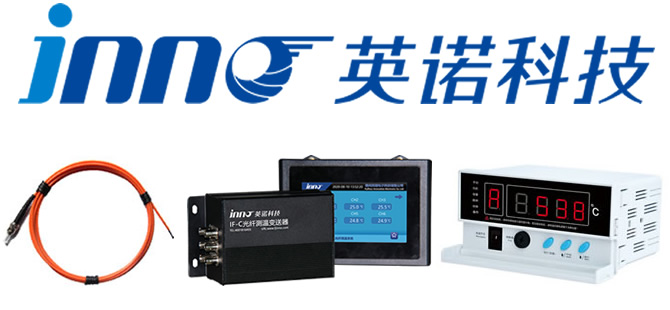
Industry Leadership: As the world’s premier manufacturer of ระบบตรวจสอบอุณหภูมิใยแก้วนำแสง, Fuzhou Innovation Electronic delivers cutting-edge solutions for transformer protection across all industries and applications.
Fuzhou Innovation Electronic specializes in เซนเซอร์วัดอุณหภูมิใยแก้วนำแสงเรืองแสง engineered specifically for high-voltage transformer applications. The company’s product portfolio includes complete monitoring systems ranging from single-channel solutions to complex 64-channel installations.
Manufacturing facilities employ advanced calibration equipment ensuring every sensor meets published accuracy specifications. Quality management systems certified to ISO 9001 standards govern all production processes from component procurement through final system testing.
Technical support teams provide application engineering assistance for custom installations requiring specialized sensor configurations or integration with unique control systems. This expertise ensures optimal system performance regardless of application complexity.
18. คำถามที่พบบ่อย: การตรวจสอบอุณหภูมิไฟเบอร์ออปติกสำหรับหม้อแปลงไฟฟ้า
What is the typical lifespan of fluorescent fiber optic temperature sensors?
เซนเซอร์ไฟเบอร์ออปติกฟลูออเรสเซนต์ typically operate reliably for 20-25 years when properly installed and protected from mechanical damage. The fluorescent phosphor exhibits negligible degradation over this timeframe, maintaining accuracy throughout the sensor’s service life.
Optical fiber itself does not degrade in typical transformer operating environments. The primary failure mode involves mechanical damage to fibers during maintenance activities, which proper installation practices can prevent.
How are fiber optic temperature sensors calibrated?
Sensors receive factory calibration during manufacturing using precision temperature chambers traceable to national standards. Calibration data is programmed into the temperature monitoring transmitter, eliminating field calibration requirements.
The fluorescent decay measurement principle provides inherent stability that does not drift over time. Periodic verification can be performed using portable calibration baths, but routine recalibration is unnecessary unlike RTD-based systems.
What happens if an optical fiber breaks?
Fiber breaks generate immediate alarm conditions as the transmitter detects loss of optical signal from the affected channel. The monitoring system identifies the specific failed channel while continuing normal operation on all remaining channels.
Multi-channel systems provide redundancy through strategic sensor placement, ensuring critical monitoring continues even if individual sensors fail. Broken fibers can be replaced during scheduled maintenance without affecting transformer operation.
Which communication protocols do these systems support?
ทันสมัย เครื่องส่งสัญญาณอุณหภูมิใยแก้วนำแสง support multiple protocols including Modbus RTU (RS-485), Modbus TCP (อีเธอร์เน็ต), และไออีซี 61850 สำหรับระบบอัตโนมัติของสถานีย่อย. Most units provide simultaneous operation of multiple protocols through dedicated communication ports.
Custom protocol implementations are available for special applications requiring integration with proprietary control systems. The modular firmware architecture facilitates protocol additions without hardware modifications.
Can fiber optic sensors affect transformer performance?
ติดตั้งอย่างถูกต้อง เซนเซอร์ไฟเบอร์ออปติก have negligible impact on transformer electrical or thermal performance. The small sensor dimensions and non-conductive materials do not create electrical stress concentrations or alter winding capacitance.
Thermal mass of sensor probes is minimal, avoiding heat sink effects that could distort temperature measurements. Fiber cables route through designated paths that do not interfere with cooling airflow or electrical clearances.
Are these systems suitable for outdoor transformer installations?
ระบบตรวจสอบอุณหภูมิใยแก้วนำแสง operate reliably in outdoor environments when transmitter enclosures carry appropriate environmental ratings (NEMA 4X or IP65). Optical fibers withstand temperature extremes, การสัมผัสรังสียูวี, and moisture without degradation.
Outdoor installations require sealed cable entry points and condensation management within transmitter enclosures. These standard weatherproofing practices ensure long-term reliability in all climates.
What customization options are available?
Virtually all system parameters can be customized including temperature range, ความยาวเส้นใย, เส้นผ่านศูนย์กลางของโพรบ, จำนวนช่อง, and alarm thresholds. Custom sensor configurations address unique installation constraints or monitoring requirements.
โปรโตคอลการสื่อสาร, output signals, and display formats can be specified to match existing facility standards. This flexibility ensures seamless integration with any transformer installation or control system architecture.
—
ข้อสงวนสิทธิ์
The information provided in this article is for general guidance on ระบบตรวจสอบอุณหภูมิใยแก้วนำแสง for dry-type transformers. ในขณะที่มีความพยายามเพื่อให้เกิดความถูกต้องแม่นยำ, ข้อมูลจำเพาะและข้อกำหนดอาจแตกต่างกันไปตามการใช้งานเฉพาะ, มาตรฐานระดับภูมิภาค, และเทคโนโลยีที่กำลังพัฒนา.
ผู้อ่านควรปรึกษาวิศวกรไฟฟ้าและผู้ผลิตหม้อแปลงไฟฟ้าที่มีคุณสมบัติเหมาะสมก่อนระบุหรือติดตั้งระบบตรวจสอบอุณหภูมิ. ข้อมูลจำเพาะของผลิตภัณฑ์จริง, ลักษณะการทำงาน, และข้อกำหนดการปฏิบัติตามต้องได้รับการตรวจสอบกับซัพพลายเออร์อุปกรณ์และหน่วยงานกำกับดูแล.
การติดตั้งระบบตรวจสอบในสภาพแวดล้อมไฟฟ้าแรงสูงมีความเสี่ยงโดยธรรมชาติ และควรดำเนินการโดยบุคลากรที่ได้รับการฝึกอบรมตามขั้นตอนความปลอดภัยที่เหมาะสมและโปรโตคอลการล็อกเอาต์/แท็กเอาต์. ผู้เขียนและผู้จัดพิมพ์จะไม่รับผิดชอบต่อความเสียหายของอุปกรณ์, การบาดเจ็บส่วนบุคคล, หรือการหยุดชะงักในการดำเนินงานอันเป็นผลมาจากการใช้ข้อมูลที่มีอยู่ในที่นี้.
มาตรฐานและข้อบังคับที่อ้างอิงในเอกสารนี้แสดงถึงมาตรฐานและข้อบังคับที่มีผลบังคับใช้ ณ เวลาที่เผยแพร่. ผู้ใช้จะต้องตรวจสอบข้อกำหนดปัจจุบันกับองค์กรมาตรฐานที่เกี่ยวข้องและหน่วยงานกำกับดูแลสำหรับเขตอำนาจศาลและการใช้งานเฉพาะของตน.

เซ็นเซอร์อุณหภูมิไฟเบอร์ออปติก, ระบบตรวจสอบอัจฉริยะ, จำหน่ายผู้ผลิตใยแก้วนำแสงในประเทศจีน
 |
 |
 |