 เซ็นเซอร์อุณหภูมิไฟเบอร์ออปติก INNO ,ระบบตรวจสอบอุณหภูมิ.
- Fiber optic hot spot monitoring prevents transformer failures by detecting thermal anomalies in real time with ±1°C precision across -40 to 260°C range
- Fluorescent sensing technology offers ความปลอดภัยที่แท้จริง, ภูมิคุ้มกัน EMI, and high-voltage insulation (100กิโลวี+) for oil-immersed and dry-type transformers
- รองรับเครื่องส่งสัญญาณเดี่ยว 1–64 ช่อง, RS485 Modbus interface, 0–80m fiber length, และเวลาตอบสนองภายใต้ 1 second for multi-point monitoring
- Proven in Southeast Asia utilities and industrial plants กับ 25+ อายุการใช้งานเซ็นเซอร์ปี, CE certification, and ongoing UL approval
- Integrated with SCADA/DCS systems สำหรับการบำรุงรักษาเชิงคาดการณ์, alarm coordination, and cooling control to extend transformer service life
สารบัญ
1. คืออะไร การตรวจสอบฮอตสปอตไฟเบอร์ออปติกสำหรับหม้อแปลงไฟฟ้ากำลัง?

A fiber optic hot spot monitoring system is a specialized temperature measurement solution designed to detect and track localized thermal anomalies—known as hot spots—within หม้อแปลงแช่น้ำมัน และ หม้อแปลงชนิดแห้ง. Unlike conventional resistance temperature detectors (RTD) หรือเทอร์โมคัปเปิล, เซ็นเซอร์อุณหภูมิไฟเบอร์ออปติก leverage the photoluminescent properties of rare-earth materials to deliver intrinsic electrical isolation, ภูมิคุ้มกันต่อการรบกวนทางแม่เหล็กไฟฟ้า (อีเอ็มไอ), and high-voltage safety exceeding 100 กิโลโวลต์.
Core functions include real-time monitoring of critical points such as นำไปสู่ที่คดเคี้ยว, ที่หนีบแกน, ท่อน้ำมัน, และ top-oil regions. The system provides multi-stage alarm signals, integrates with cooling control logic, and transmits data via RS485 Modbus or other industrial protocols to supervisory control and data acquisition (สกาด้า) แพลตฟอร์ม. By identifying incipient faults before catastrophic failure, ระบบตรวจสอบอุณหภูมิหม้อแปลง ยืดอายุสินทรัพย์, ลดการหยุดทำงานโดยไม่ได้วางแผน, and support predictive maintenance strategies in utility and industrial environments.
1.1 Primary Monitoring Targets
- Hot spot zones: winding connections, แตะเปลี่ยน, bushing terminals
- Top-oil temperature: bulk fluid thermal status
- อุณหภูมิที่คดเคี้ยว: direct copper or aluminum conductor measurement
- อุณหภูมิแกนกลาง: lamination stack and clamping structure
1.2 Comparison with Legacy Systems
แบบดั้งเดิม ตัวชี้วัดอุณหภูมิน้ำมัน (สมบูรณ์) และ ตัวบ่งชี้อุณหภูมิที่คดเคี้ยว (WTI) rely on capillary-bulb thermometers or embedded RTDs. While proven, these technologies suffer from limited spatial resolution, susceptibility to electrical noise in high-voltage environments, and complexity when retrofitting multi-point sensing. เซนเซอร์ไฟเบอร์ออปติกฟลูออเรสเซนต์ overcome these drawbacks by using passive optical probes that require no electrical power at the measurement point and exhibit long-term stability over 25 ปี.
2. หลักการทำงาน & Sensing Architecture
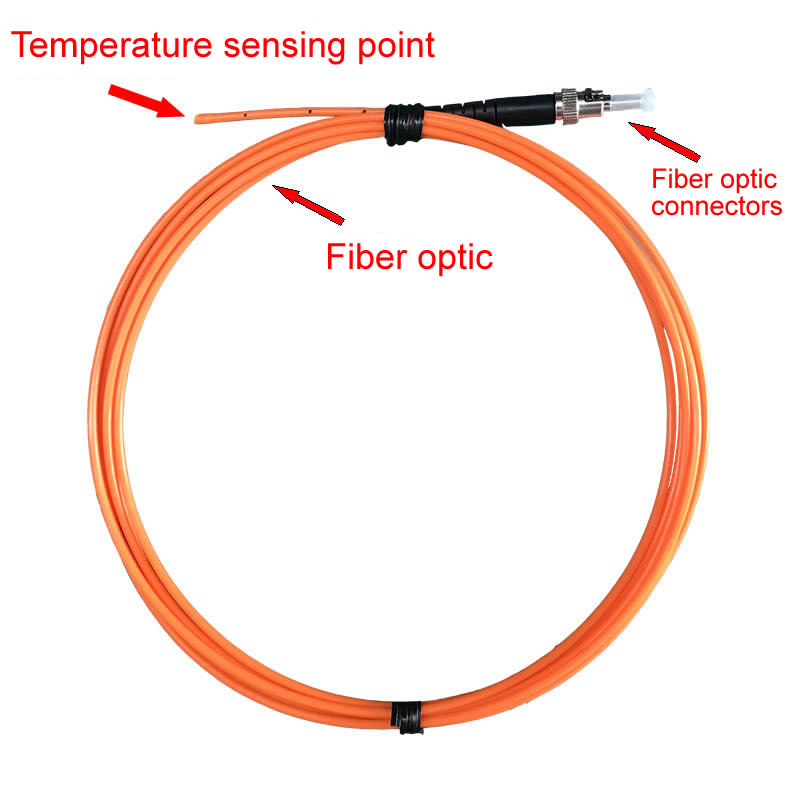
พื้นที่ การวัดอุณหภูมิใยแก้วนำแสงฟลูออเรสเซนต์ technique exploits the temperature-dependent decay time of photoluminescence emitted by a rare-earth phosphor crystal bonded to the tip of an optical fiber. When excited by a pulsed LED or laser source, the phosphor emits light whose lifetime shortens predictably as temperature rises. A photodetector in the เครื่องส่งสัญญาณอุณหภูมิไฟเบอร์ออปติก measures this decay interval and converts it to a temperature reading via calibrated lookup tables or polynomial algorithms.
2.1 Sensor Probe Construction
- Optical fiber core: silica or polymer waveguide (typically 200–400 µm diameter)
- Phosphor crystal: encapsulated rare-earth compound (เช่น, europium, terbium complexes)
- Protective sheath: stainless steel or PEEK tubing, 2–3 mm outer diameter (ปรับแต่งได้)
- Connector interface: เอฟซี/พีซี, ST, or proprietary locking type
2.2 การส่งสัญญาณ & ดีโมดูเลชั่น
Excitation pulses travel from the transmitter through fiber lengths of 0–80 meters to the probe. Return fluorescence passes back to the receiver, where time-domain processing extracts the decay constant. Because the measurement depends solely on photon lifetime—not intensity—the system is immune to fiber bending loss, การลดทอนของตัวเชื่อมต่อ, and aging of the light source. This self-referencing architecture ensures ±1°C accuracy across the full -40 to +260°C range.
2.3 สถาปัตยกรรมหลายช่องทาง
ตัวเดียว เครื่องส่งสัญญาณอุณหภูมิไฟเบอร์ออปติก can multiplex 1 ถึง 64 channels through optical switching or wavelength-division techniques. Each channel connects to an individual probe via dedicated fiber, enabling simultaneous monitoring of multiple hot spots, น้ำมันยอดนิยม, and winding locations within one transformer or across a substation bay. เวลาตอบสนองยังคงอยู่ภายใต้ 1 วินาทีต่อช่อง, รองรับการตรวจจับข้อผิดพลาดอย่างรวดเร็วและการควบคุมการระบายความร้อนแบบวงปิด.
3. ใช้กรณี & Operating Scenarios
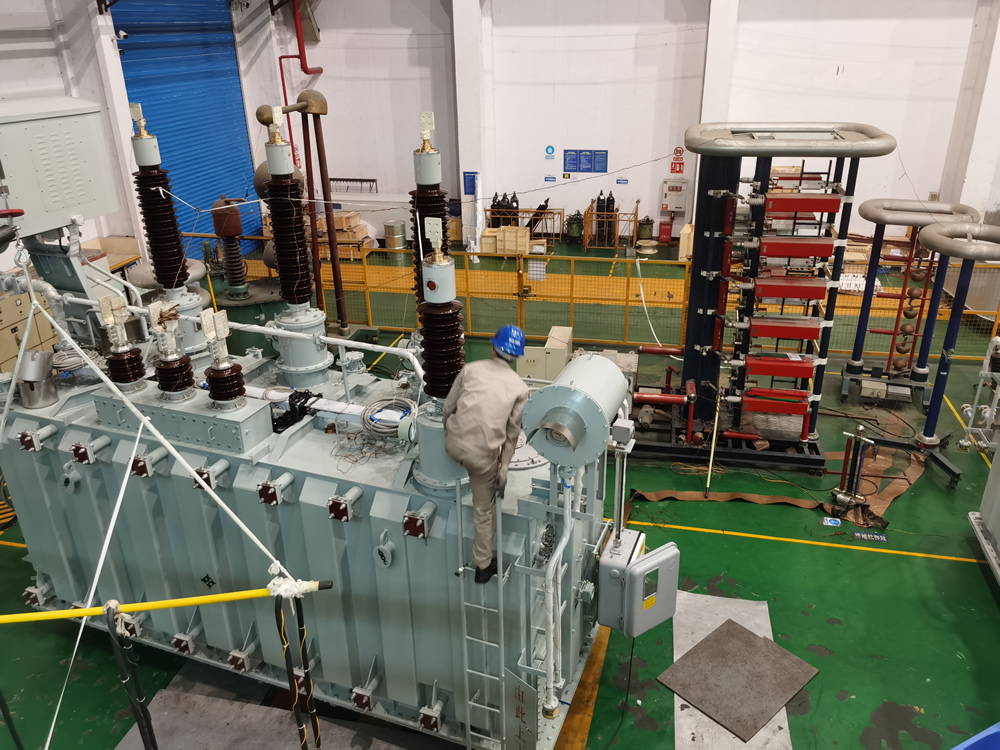
Fiber optic hot spot monitoring ให้บริการหม้อแปลงประเภทต่างๆ และรอบการทำงานในการผลิตไฟฟ้า, การออกอากาศ, การกระจาย, และภาคอุตสาหกรรม.
3.1 หม้อแปลงไฟฟ้ากำลังอเนกประสงค์
เครื่องกำเนิดไฟฟ้าขนาดใหญ่ก้าวขึ้น (มส) และหม้อแปลงไฟฟ้าอัตโนมัติ (100–800 เมกะวัตต์) ในฟอสซิล, นิวเคลียร์, และโรงงานหมุนเวียนต้องการการเฝ้าระวังจุดร้อนอย่างต่อเนื่องเพื่อป้องกันการเสื่อมสภาพของฉนวนภายใต้ภาระการหมุนเวียน. เซนเซอร์ไฟเบอร์ออปติกฟลูออเรสเซนต์ ติดตั้งที่ทางออกที่คดเคี้ยวและที่หนีบแกนช่วยเตือนล่วงหน้าถึงการหนีความร้อน, ช่วยให้ผู้ปฏิบัติงานปรับการจัดส่งหรือเปิดใช้งานการทำความเย็นแบบบังคับก่อนที่อุณหภูมิจะถึงเกณฑ์วิกฤติ.
3.2 การกระจาย & หม้อแปลงไฟฟ้าสถานีย่อย
หน่วยแรงดันไฟฟ้าปานกลาง (10–50 เมกะวัตต์เอ) ในสถานีไฟฟ้าย่อยในเมืองต้องเผชิญกับข้อจำกัดด้านพื้นที่และอุณหภูมิแวดล้อมที่สูง. กะทัดรัด ระบบตรวจสอบอุณหภูมิใยแก้วนำแสง ติดตั้งภายในช่องที่จำกัดและทนต่อ EMI จากสวิตช์เกียร์ที่อยู่ติดกัน, เบรกเกอร์วงจร, และบาร์รถบัส. บูรณาการกับระบบการจัดการการกระจายสินค้า (ดีเอ็มเอส) supports dynamic load balancing and asset health analytics.
3.3 ทางอุตสาหกรรม & หม้อแปลงชนิดพิเศษ
- หม้อแปลงเรียงกระแส: โรงถลุงอลูมิเนียม, electrochemical plants
- หม้อแปลงเตา: arc furnaces, เครื่องทำความร้อนเหนี่ยวนำ
- Traction transformers: railway electrification systems
- หม้อแปลงชนิดแห้ง: indoor installations, fire-sensitive environments
These applications often experience rapid load transients and harmonics that accelerate localized heating. Dry type transformer temperature monitoring with fiber optics ensures compliance with safety standards while minimizing footprint and maintenance overhead.
3.4 พลังงานทดแทน & Offshore Platforms
Wind turbine step-up transformers and offshore converter stations operate in corrosive, high-humidity environments where metallic sensors degrade quickly. ไม่ใช่โลหะ เซ็นเซอร์ไฟเบอร์ออปติก resist salt fog, การสั่น, และไฟกระชากที่เกิดจากฟ้าผ่า, delivering reliable hot-spot data for condition-based maintenance and warranty compliance.
4. คุณสมบัติที่สำคัญ & Functional Highlights
4.1 ความปลอดภัยที่แท้จริง & ฉนวนไฟฟ้าแรงสูง
Optical fibers contain no conductive elements, eliminating spark risk and enabling direct contact with live parts rated above 100 กิโลโวลต์. นี้ ความปลอดภัยที่แท้จริง is essential for retrofitting legacy transformers without de-energization and for installations in hazardous (explosive-gas) zones classified as Zone 1 or Class I Division 1.
4.2 ภูมิคุ้มกันต่อการรบกวนทางแม่เหล็กไฟฟ้า
สวิตช์เกียร์ไฟฟ้าแรงสูง, partial-discharge activity, and inverter switching generate intense EMI that corrupts RTD and thermocouple signals. เซ็นเซอร์อุณหภูมิใยแก้วนำแสงฟลูออเรสเซนต์ are unaffected by magnetic fields, radio-frequency noise, or transient overvoltages, ensuring measurement integrity even during fault conditions or lightning strikes.
4.3 Multi-Point Distributed Monitoring
A 64-channel เครื่องส่งสัญญาณอุณหภูมิไฟเบอร์ออปติก can survey an entire transformer fleet or a single large unit with granular spatial resolution. Differential temperature analysis between channels reveals asymmetric loading, cooling imbalance, or localized insulation defects that single-point OTI/WTI systems cannot detect.
4.4 ปลุกแบบเรียลไทม์ & ระบบทำความเย็นอัตโนมัติ
เกณฑ์ที่ตั้งโปรแกรมได้ทริกเกอร์หน้าสัมผัสรีเลย์สำหรับ:
- สัญญาณเตือนระยะที่ 1: แจ้งห้องควบคุม, เริ่มการระบายความร้อนด้วยอากาศหรือน้ำมันบังคับ
- การเดินทางระยะที่ 2: การปิดระบบฉุกเฉินหรือการปลดโหลด
- การควบคุมพัดลม/ปั๊ม: ตรรกะตามสัดส่วนหรือเปิด/ปิดขึ้นอยู่กับการไล่ระดับอุณหภูมิ
4.5 ความมั่นคงในระยะยาว & อายุการใช้งาน
ผลึกฟอสฟอรัสมีการเสื่อมสภาพเล็กน้อยตลอดหลายทศวรรษ; หัวเซนเซอร์มีอายุการใช้งานเกิน 25 ปีโดยไม่ต้องสอบเทียบใหม่. ขั้วต่อแบบปิดผนึกและปลอกที่ทนทานต่อการแช่น้ำมัน, การปั่นจักรยานด้วยความร้อน (-40 ถึง +260°C), และการสั่นสะเทือนทางกลตาม IEC 60068 การทดสอบด้านสิ่งแวดล้อม.
5. System Types & ตัวเลือกการกำหนดค่า
| การกำหนดค่า | จำนวนช่อง | ประเภทเครื่องส่งสัญญาณ | การสื่อสาร | แอปพลิเคชันทั่วไป |
|---|---|---|---|---|
| ช่องทางเดียว | 1 | โมดูลแบบสแตนด์อโลน | 4–20 มิลลิแอมป์ / รีเลย์ | ชุดติดตั้งเพิ่มจุดร้อน, สัญญาณเตือนเป็นภาษาท้องถิ่น |
| Quad-ช่อง | 4 | ตัวยึดราง DIN | RS485 Modbus RTU | หม้อแปลงไฟฟ้าระบบจำหน่าย (น้ำมันยอดนิยม + 3× คดเคี้ยว) |
| Octal-ช่อง | 8 | แชสซีแบบติดแผง | อาร์เอส 485 / อีเธอร์เน็ต Modbus TCP | หม้อแปลงไฟฟ้า (หลายคดเคี้ยว, แกนกลาง, น้ำมัน) |
| 16–64 ช่อง | 16 / 32 / 64 | เซิร์ฟเวอร์แบบติดตั้งบนแร็ค | Modbus TCP / ไออีซี 61850 / โอพีซีทำ | กองเรือสถานีย่อย, หม้อแปลง GSU |
5.1 เครื่องส่งสัญญาณแบบฝังและแบบสแตนด์อโลน
เครื่องส่งสัญญาณแบบฝัง รวมเข้ากับตู้ควบคุมหม้อแปลงโดยตรง, sharing power supplies and I/O terminals with protection relays. Standalone units mount in separate enclosures (IP65-rated) for outdoor or harsh-environment deployments, communicating over long-haul RS485 networks or fiber-optic Ethernet.
5.2 Wired vs Wireless Communication
Standard installations use twisted-pair RS485 (ขึ้นไป 1200 ม.) or fiber-optic serial converters for EMI-free data links. In remote sites, optional 4G/5G cellular or LoRaWAN modules enable cloud-based monitoring without infrastructure cabling, though real-time response may be limited by network latency.
6. จุดตรวจสอบ: Hot Spot vs Top Oil vs Winding
| Measurement Point | ที่ตั้ง | วัตถุประสงค์ | Typical Threshold (° C) |
|---|---|---|---|
| ฮอตสปอต | Winding lead exit, core clamp, tap changer contact | Detect localized overheating, connection faults | เตือน: 95–110 | การเดินทาง: 120–130 |
| น้ำมันยอดนิยม | Upper oil pocket or conservator throat | Bulk thermal status, ประสิทธิภาพการทำความเย็น | เตือน: 80–95 | Fan start: 75–85 |
| คดเคี้ยว | Embedded in HV/LV coil (ชนิดแห้ง) or oil duct (แช่น้ำมัน) | Direct copper/aluminum temperature for loading limits | เตือน: 90–105 | การเดินทาง: 110–125 |
| แก่น | Lamination stack or clamping frame | Detect flux imbalance, การเสื่อมสภาพของฉนวน | เตือน: 85–100 | การเดินทาง: 110–120 |
6.1 Differential Temperature Analysis
Monitoring the gradient between hot-spot and top-oil reveals cooling efficiency and load symmetry. A widening delta indicates clogged radiators, ปั๊มล้มเหลว, or unbalanced phase currents. Trending winding-to-oil differential supports remaining-life calculations per IEEE C57.91 and IEC 60076-7 thermal models.
7. System Topology & สถาปัตยกรรมบูรณาการ
7.1 เลเยอร์ฟิลด์
- หัววัดไฟเบอร์ออปติก: installed at hot spots, ขดลวด, น้ำมันด้านบน
- Sensor cables: armored or indoor-rated optical fibers (0–80 m per channel)
- Junction boxes: IP65 enclosures for cable breakout and connector protection
7.2 Control Layer
- Temperature transmitter: multichannel unit with embedded processor, ตรรกะการเตือน, and communication stack
- โมดูลอินพุต/เอาท์พุต: relay outputs for fan/pump contactors, 4–20 mA loops for analog recorders
- Local HMI: touchscreen display showing real-time temperatures, แนวโน้ม, and alarm history
7.3 ชั้นกำกับดูแล
- สกาดา/ดีซีเอส: Modbus RTU/TCP หรือ IEC 61850 GOOSE/MMS integration
- Energy management system (อีเอ็มเอส): load forecasting, transformer rating calculations
- การวิเคราะห์คลาวด์: machine-learning models for predictive maintenance (เสริม)
8. ตำแหน่งการติดตั้ง & Fiber Routing Practices
8.1 Probe Placement Guidelines
สำหรับ หม้อแปลงแช่น้ำมัน, insert probes through dedicated pockets welded into the tank or via unused bushing ports. Ensure the sensing tip contacts the target surface (winding lead) or is immersed in oil flow. ใน หม้อแปลงชนิดแห้ง, embed probes between winding layers during manufacturing or retrofit via access slots in the enclosure. Maintain 10–15 mm clearance from high-field regions to avoid partial discharge inception.
8.2 เส้นทางสายไฟเบอร์
- รัศมีโค้งงอขั้นต่ำ: 20× fiber diameter (typically 40–60 mm for 2–3 mm cables)
- บูช & glands: use epoxy-sealed feed-throughs rated for oil pressure and temperature
- Segregation: route fiber cables in separate conduits from power and control wiring to prevent mechanical damage
- บรรเทาความเครียด: secure cables every 500 mm with P-clips or cable ties, avoiding tension on connectors
8.3 การคุ้มครองสิ่งแวดล้อม
External transmitter enclosures require IP65 ingress protection, corrosion-resistant coatings (เช่น, powder-coat or stainless steel), and forced ventilation or thermoelectric cooling in ambient temperatures above 50°C. Internal cable entries use double-compression glands with O-ring seals to maintain tank integrity.
9. Common Transformer Faults Related to Hot Spots
9.1 Winding Insulation Breakdown
Prolonged operation above 105°C (Class A insulation) หรือ 130°C (Class F/H) accelerates cellulose degradation, reducing dielectric strength and tensile properties. Hot spots often precede turn-to-turn faults or layer short circuits. Fiber optic hot spot monitoring detects the thermal precursor 24–72 hours before electrical failure, allowing de-energization and inspection.
9.2 บุชชิ่ง & Tap-Changer Contact Resistance
Oxidation, carbon buildup, or mechanical wear increases contact resistance, dissipating I²R heat. Localized temperatures can exceed 150°C while bulk oil remains below 80°C. เป็นผู้ทุ่มเท เซ็นเซอร์อุณหภูมิไฟเบอร์ออปติก at the contact junction provides early warning before arcing or carbonization propagates.
9.3 Core Lamination Faults
Insulation failure between laminations creates eddy-current loops, generating heat in the core. Affected zones may reach 120–140°C, outpacing top-oil rise. Multi-point monitoring along the core frame identifies the fault section for targeted repair, avoiding full core replacement.
9.4 Cooling System Malfunctions
หม้อน้ำที่ถูกบล็อก, ปั๊มล้มเหลว, or low oil levels reduce heat dissipation, elevating temperatures uniformly or in specific zones. Correlation between load current, อุณหภูมิแวดล้อม, and measured hot-spot/top-oil values reveals cooling anomalies. Automated pump/fan start commands mitigate thermal excursions until maintenance restores full capacity.
10. Preventing Overheating & อายุของฉนวน
10.1 Dynamic Threshold Setting
Alarm and trip setpoints should adjust for seasonal ambient and loading profiles. In tropical climates (35–45°C ambient), top-oil alarm may rise to 95°C; in temperate zones (15–25°C), 85°C suffices. ใช้ ระบบตรวจสอบอุณหภูมิหม้อแปลง software to implement ambient-compensated thresholds or IEC 60076-7 thermal models.
10.2 การวิเคราะห์แนวโน้ม & การบำรุงรักษาเชิงคาดการณ์
Plot hot-spot temperature against load current and ambient over weeks or months. Deviations from historical baselines—such as a 5°C upward shift at constant load—indicate deteriorating cooling, อายุของฉนวน, or emerging faults. Schedule oil sampling, dissolved-gas analysis (ดีจีเอ), and partial-discharge testing during planned outages to confirm root causes.
10.3 Automated Cooling Control
Link เครื่องส่งสัญญาณอุณหภูมิไฟเบอร์ออปติก relay outputs to fan or pump contactors:
- เวที 1: Start first cooling bank at 75–80°C top-oil
- เวที 2: Start second bank at 85–90°C or if hot-spot exceeds winding threshold
- Load shedding: ลดการโหลดหม้อแปลงผ่านคำสั่ง SCADA หากอุณหภูมิยังคงเพิ่มขึ้นอย่างต่อเนื่องแม้จะระบายความร้อนเต็มที่แล้วก็ตาม
10.4 การยืดอายุของฉนวน
การลดอุณหภูมิจุดร้อนทุกๆ 6°C จะทำให้อายุการใช้งานของฉนวนเพิ่มขึ้นเป็นสองเท่า (จลนพลศาสตร์ของอาร์เรเนียส). โดยการรักษาจุดสูงสุดไว้ต่ำกว่าขีดจำกัดการออกแบบผ่านการระบายความร้อนเชิงรุกและการจัดการโหลด, ผู้ปฏิบัติงานสามารถเลื่อนการปรับปรุงหรือเปลี่ยนทดแทนซึ่งมีค่าใช้จ่ายสูงได้ภายใน 10-15 ปี.
11. Signals, I/O Mapping & การสื่อสาร
| ประเภทสัญญาณ | อินเทอร์เฟซ | อุปกรณ์ปลายทาง | วัตถุประสงค์ |
|---|---|---|---|
| ค่าอุณหภูมิ | 4–20 มิลลิแอมป์ | อินพุตแบบอะนาล็อก PLC/DCS | อินเทรนด์อย่างต่อเนื่อง, การควบคุมลูป |
| สัญญาณเตือนสูง | สัมผัสแห้ง (ไม่ใช่/ NC) | คอยล์รีเลย์, แผงผู้ประกาศ | การแจ้งเตือนผู้ประกอบการ, การบันทึกเหตุการณ์ |
| ทริปสูง-สูง | สัมผัสแห้ง (ไม่ใช่/ NC) | อินพุตทริปรีเลย์ป้องกัน | การปิดระบบฉุกเฉิน, การไหลของโหลด |
| พัดลม/ปั๊มสตาร์ท | สัมผัสแห้ง (เลขที่) | คอยล์คอนแทคเตอร์ | เปิดใช้งานความเย็นอัตโนมัติ |
| ข้อมูลหลายช่องทาง | RS485 Modbus RTU/TCP | เกตเวย์ SCADA, ไออีดี | การตรวจสอบจากส่วนกลาง, นักประวัติศาสตร์ |
| สถานะ & การวินิจฉัย | ไออีซี 61850 ห่าน/MMS | ระบบอัตโนมัติของสถานีย่อย | การทำงานร่วมกัน, การส่งข้อความแบบเพียร์ทูเพียร์ |
11.1 การกำหนดค่า RS485 Modbus
กำหนดที่อยู่ทาสที่ไม่ซ้ำกัน (1–247) ไปยังเครื่องส่งแต่ละเครื่องบนเครือข่ายแบบหลายดรอป. ใช้สายคู่ตีเกลียวหุ้มฉนวน (120Ω การสิ้นสุดที่ปลายทั้งสองข้าง) และกำหนดค่าอัตรารับส่งข้อมูล (9600 หรือ 19200 ต่อวินาที), ความเท่าเทียมกัน (คู่/ไม่มี), และหยุดบิต (1 หรือ 2) อย่างต่อเนื่องในทุกอุปกรณ์. ช่วงเวลาโพล 1–5 วินาทีจะทำให้ความใหม่ของข้อมูลสมดุลกับการโหลดบัส.
11.2 ไออีซี 61850 บูรณาการ
ทันสมัย ระบบตรวจสอบหม้อแปลงไฟฟ้า บังคับใช้ IEC 61850 โหนดแบบลอจิคัล (เช่น, TTMP สำหรับการวัดอุณหภูมิ) ด้วยวัตถุข้อมูลที่เป็นมาตรฐาน. ข้อความ GOOSE เปิดใช้งานวงจรย่อย (<4 นางสาว) สะดุดสัญญาณเตือนภัยที่สำคัญ, ในขณะที่รายงาน MMS จะให้ข้อมูลประวัติและบันทึกเหตุการณ์แก่สถานี HMI.
12. Fiber Optic vs Traditional RTD: Selection Notes
| เกณฑ์ | ใยแก้วนำแสง (เรือง แสง) | RTD (ปต100/ปต1000) |
|---|---|---|
| หลักการวัด | เวลาสลายตัวของแสงเรืองแสง | ความต้านทานเปลี่ยนแปลงตามอุณหภูมิ |
| ภูมิคุ้มกันอีเอ็มไอ | ทั้งหมด (ไม่นำไฟฟ้า) | ไวต่อ RF, สนามแม่เหล็ก |
| ฉนวนไฟฟ้าแรงสูง | >100 กิโลโวลต์ (แท้จริง) | ต้องใช้ตัวแยกเซรามิก/ไมกา, การต่อลงดินที่ซับซ้อน |
| ความถูกต้อง | ±1°ซ (ปรับเทียบแล้ว) | ±0.15–0.3°ซ (คลาสเอ/บี) |
| เวลาตอบสนอง | <1 ส (2–3 มม. โพรบ) | 1–5 วิ (ติดตั้งเทอร์โมเวลล์) |
| ความมั่นคงในระยะยาว | >25 ปี, ไม่มีการดริฟท์ | 5–10 ปี, จำเป็นต้องมีการสอบเทียบเป็นระยะ |
| ความซับซ้อนในการติดตั้ง | ปานกลาง (การกำหนดเส้นทางไฟเบอร์, ขั้วต่อ) | ต่ำ (สองสายหรือสี่สาย) |
| ค่าใช้จ่าย (ต่อจุด) | เริ่มต้นที่สูงขึ้น, วงจรชีวิตที่ต่ำกว่า | อักษรย่อที่ต่ำกว่า, การบำรุงรักษาที่สูงขึ้น |
12.1 เมื่อใดควรเลือกไฟเบอร์ออปติก
- สภาพแวดล้อมที่มีไฟฟ้าแรงสูง (>69 กิโลโวลต์) โดยที่การแยก RTD ไม่สามารถทำได้
- EMI รุนแรงจากอินเวอร์เตอร์, arc furnaces, หรือการปลดปล่อยบางส่วน
- การตรวจสอบหลายจุด (>8 ช่อง) ได้รับประโยชน์จากสถาปัตยกรรมมัลติเพล็กซ์
- อายุสินทรัพย์ยาวนาน (25+ ปี) เหตุผลในการลงทุนล่วงหน้า
- พื้นที่อันตรายที่ต้องการเซ็นเซอร์ที่ปลอดภัยจากภายใน
12.2 เมื่อ RTD ยังคงใช้งานได้
- หม้อแปลงชนิดแห้งแรงดันต่ำ (<15 กิโลโวลต์) มี EMI น้อยที่สุด
- โครงสร้างพื้นฐาน RTD ที่มีอยู่และบุคลากรที่ได้รับการฝึกอบรม
- ข้อจำกัดด้านงบประมาณโดยจัดลำดับความสำคัญของต้นทุนเริ่มต้นมากกว่าค่าใช้จ่ายตลอดอายุการใช้งาน
- การตรวจสอบจุดเดียวด้วยเอาต์พุตธรรมดา 4–20 mA
13. การสอบเทียบ, การตรวจสอบ & การซ่อมบำรุง
13.1 กำหนดการตรวจสอบตามปกติ
| งาน | ความถี่ | วิธี |
|---|---|---|
| การตรวจสอบด้วยสายตา | รายไตรมาส | ตรวจสอบความสมบูรณ์ของเส้นใย, ความสะอาดของตัวเชื่อมต่อ, ซีลตู้ |
| การทดสอบการทำงาน | รายครึ่งปี | ตรวจสอบการเตือน/การสั่งงานการเดินทางที่จุดที่กำหนด, ความต่อเนื่องของหน้าสัมผัสรีเลย์ |
| การตรวจสอบการสอบเทียบ | เป็นประจำทุกปี | เปรียบเทียบการอ่านกับการอ้างอิงที่ตรวจสอบย้อนกลับได้ (เครื่องสอบเทียบบล็อกแห้ง) |
| อัพเดตเฟิร์มแวร์ | ตามความจำเป็น | ใช้แพตช์ของผู้จำหน่ายเพื่อแก้ไขข้อบกพร่องหรือปรับปรุงโปรโตคอล |
| การทำความสะอาดตัวเชื่อมต่อ | เป็นประจำทุกปีหรือหากตรวจพบการสูญหาย | ใช้สำลีที่ไม่มีขุยกับไอโซโพรพิลแอลกอฮอล์; inspect for scratches |
13.2 ขั้นตอนการสอบเทียบ
Disconnect probe from transformer and immerse in a temperature-controlled bath or dry-block calibrator. Step through -40, 0, 50, 100, 150, 200, 260°C and record transmitter output. Deviations beyond ±1°C require factory recalibration or firmware adjustment. Fluorescent sensors rarely drift; discrepancies usually stem from contaminated connectors or damaged fibers.
13.3 Probe Replacement
If a probe fails (no signal, erratic readings), replace only the affected sensor and fiber assembly. Multi-channel transmitters continue monitoring remaining channels during swap-out. Replacement probes ship pre-calibrated; update the transmitter channel configuration to match the new serial number and calibration coefficients.
14. Southeast Asia Project Cases
14.1 Case A — Industrial Estate, ไทย (110 กิโลโวลต์, 50 เอ็มวีเอ)
พื้นหลัง: A petrochemical complex near Bangkok operates three oil-immersed transformers supplying variable loads from 40–95% capacity. Ambient temperatures reach 42°C during dry season, and legacy OTI/WTI systems lacked granular hot-spot visibility.
สารละลาย: Deployed 8-channel การตรวจสอบอุณหภูมิใยแก้วนำแสงฟลูออเรสเซนต์ with probes at HV/LV winding exits, น้ำมันด้านบน, and core clamps. RS485 Modbus integration to existing ABB DCS enabled real-time trending and automatic fan staging.
ผลลัพธ์: Detected a 12°C anomaly at one HV terminal 36 hours before DGA confirmed incipient fault. Emergency outage avoided catastrophic failure; estimated savings $2.8M USD (ค่าทดแทน + การหยุดทำงาน).
14.2 Case B — Urban Substation, เวียดนาม (22 กิโลโวลต์, 25 เอ็มวีเอ)
พื้นหลัง: Hanoi distribution substation required retrofit to meet new utility standards for continuous temperature monitoring and SCADA integration, but space constraints precluded additional RTD wiring.
สารละลาย: Installed 4-channel เซ็นเซอร์อุณหภูมิไฟเบอร์ออปติก system with compact DIN-rail transmitter. Probes inserted via existing thermometer pockets; fiber routed through cable trays alongside protection CT/VT leads.
ผลลัพธ์: Achieved full compliance within two-week outage window. SCADA displays live temperatures; trending revealed seasonal cooling inefficiency, prompting radiator cleaning that reduced top-oil by 8°C under peak load.
14.3 Case C — Manufacturing Park, มาเลเซีย (Arc Furnace Transformer)
พื้นหลัง: Steel mill’s 35 MVA rectifier transformer experienced frequent thermal trips under cyclic loading (30-second melts). RTD sensors gave false alarms due to inverter-generated EMI.
สารละลาย: Replaced RTDs with 12-channel fiber optic hot spot monitoring targeting each phase winding and bushing. Configured differential logic: trip only if hot-spot exceeds top-oil by >30°C สำหรับ >10 วินาที.
ผลลัพธ์: Eliminated nuisance trips, increased furnace uptime by 14%. Predictive load management based on winding gradient extended transformer intervals between overhauls from 18 ถึง 24 เดือน.
15. Industrial Retrofit Example
15.1 Site Survey & การประเมิน
Document existing temperature instrumentation (OTI/WTI models, แผนภาพการเดินสายไฟ, alarm/trip logic). Identify accessible mounting points for fiber probes (spare thermometer pockets, bushing terminals, inspection covers). Photograph cable routing paths and panel layouts.
15.2 การออกแบบระบบ
- Channel allocation: assign hot-spot, น้ำมันยอดนิยม, HV/LV winding, and core points
- Transmitter selection: 8-channel panel-mount unit with RS485 and relay outputs
- Interface mapping: integrate Modbus data into existing Siemens S7-1200 PLC
- การปรับเกณฑ์: set alarm/trip values per utility policy and seasonal profiles
15.3 ขั้นตอนการติดตั้ง
- De-energize transformer and drain oil to access internal probes (if needed)
- Install fiber probes at designated points; seal penetrations with epoxy-filled glands
- Route fiber cables via protective conduits to transmitter enclosure
- Terminate fibers in FC/PC connectors; label each channel
- Wire relay outputs to fan/pump contactors and protection relay trip inputs
- Connect RS485 bus to PLC; configure Modbus slave address and baud rate
- Re-energize; perform functional tests at each alarm threshold
15.4 การว่าจ้าง & การฝึกอบรม
Verify live temperature readings against portable infrared thermometer. Simulate high-temp conditions by adjusting setpoints; confirm relay actuation and SCADA alarm generation. Train operators on HMI navigation, trend interpretation, and manual override procedures. Deliver as-built drawings, โอ&M manuals, and spare-parts list.
16. SCADA/EMS Integration
16.1 Tag Mapping & จุดข้อมูล
For each monitored channel, create SCADA tags:
- อินพุตแบบอะนาล็อก: Temperature_HotSpot_A (° C), Temperature_TopOil (° C), ฯลฯ.
- Digital input: Alarm_HotSpot_A (boolean), Trip_HotSpot_A (boolean)
- สถานะ: Probe_Fault_Ch1 (boolean), Transmitter_Comm_OK (boolean)
16.2 Historian Configuration
Log temperature values every 1–5 minutes; store alarm events with millisecond timestamps. Configure compression algorithms (swinging-door, deadband) to reduce storage footprint while preserving thermal transients. Retain 30–90 days online; archive older data to enterprise historian for long-term analytics.
16.3 HMI Dashboard Design
- Single-line diagram: transformer icon with color-coded temperature indicators (สีเขียว <80° C, yellow 80–95°C, สีแดง >95° C)
- แผนภูมิแนวโน้ม: real-time and historical plots of hot-spot, น้ำมันยอดนิยม, โดยรอบ, และกระแสโหลด
- Alarm summary: active and historical alarms with acknowledge/reset buttons
- Cooling status: fan/pump run states, start counts, cumulative hours
16.4 การวิเคราะห์ขั้นสูง
Implement thermal models (ไออีซี 60076-7 หรือ IEEE C57.91) to calculate remaining insulation life, การให้คะแนนแบบไดนามิก, and time-to-alarm. Integrate weather forecasts and load schedules to predict peak temperatures 24–48 hours ahead, enabling proactive load shifting or maintenance windows.
17. แบบอย่าง & Range Selection Checklist
| พารามิเตอร์ | เทือก / ตัวเลือก | หมายเหตุ |
|---|---|---|
| ช่วงอุณหภูมิ | -40 ถึง +260°C | มาตรฐาน; custom ranges available for cryogenic or high-temp specialty apps |
| ความถูกต้อง | ±1°ซ | Factory-calibrated; no field adjustment required |
| ความยาวไฟเบอร์ | 0–80 m per channel | ความยาวที่กำหนดเอง >80 m on request; signal attenuation limits at ~150 m |
| เวลาตอบสนอง | <1 ที่สอง | Probe diameter 2–3 mm; larger probes slower but more robust |
| จำนวนช่อง | 1 / 4 / 8 / 16 / 32 / 64 | การขยายตัวแบบโมดูลาร์; mix probe types on single transmitter |
| Outputs | 4–20 มิลลิแอมป์, RS485 Modbus RTU/TCP, รีเลย์ (ไม่ใช่/ NC) | ไออีซี 61850 and OPC UA optional |
| พาวเวอร์ซัพพลาย | 110/220 VAC or 24/48/125 กระแสตรง | Dual redundancy option for critical installations |
| คะแนนสิ่งที่แนบมา | IP54 / IP65 / ไอพี67 | Outdoor NEMA 4X or explosion-proof Ex d available |
| คะแนนฉนวน | >100 กิโลโวลต์ | Tested per IEC 60060-1 (impulse withstand) |
| อายุการใช้งาน | >25 ปี | Sensor probe; transmitter electronics 10–15 years (upgradable) |
| การรับรอง | ซีอี, แอล (อยู่ระหว่างดำเนินการ), IECEx/ATEX (เสริม) | Custom certifications for regional markets on request |
17.1 Application-Specific Considerations
- หม้อแปลงแช่น้ำมัน: prioritize probe sealing and compatibility with mineral or silicone oil
- หม้อแปลงชนิดแห้ง: select smaller-diameter probes for inter-layer installation; verify clearance to live parts
- Tropical climates: specify IP65+ enclosures, conformal-coated PCBs, and forced ventilation
- โครงการติดตั้งเพิ่มเติม: match fiber lengths to existing conduit runs; confirm connector compatibility (เอฟซี, ST, LC)
18. คำถามที่ถามบ่อย
18.1 Can fiber optic sensors directly contact high-voltage conductors?
ใช่. The optical fiber and probe sheath are fully dielectric, with insulation strength exceeding 100 กิโลโวลต์. No grounding or isolation barriers are required, simplifying installation in energized equipment.
18.2 How many monitoring channels does one transformer need?
Typical configurations include 4–8 channels: 1× top oil, 2–3× hot spots (นำไปสู่ที่คดเคี้ยว, แตะเปลี่ยน), 2–3× winding temperatures, 1× core. Large units (>100 เอ็มวีเอ) or critical assets may justify 12–16 channels for redundancy and spatial resolution.
18.3 What alarm thresholds should I set?
Follow transformer manufacturer recommendations or utility standards. Common defaults: top-oil alarm 85°C, trip 100°C; hot-spot alarm 105°C, trip 120°C. Adjust for ambient, ชั้นฉนวน (A/F/H), และโหลดโปรไฟล์.
18.4 Can the system interface with existing protection relays?
ใช่. เอาท์พุทรีเลย์ (หน้าสัมผัสแห้ง) can trip breakers or activate load-shedding logic. Modbus/IEC 61850 data feeds enable coordination with differential, กระแสเกิน, and Buchholz relays for comprehensive asset protection.
18.5 What is the probe service life?
Fluorescent sensors exhibit >25 years lifespan in oil or air, with no measurable drift. Fiber cables and connectors may require inspection/cleaning every 5–10 years; transmitter electronics typically last 10–15 years and are field-upgradable.
18.6 Do you support wireless data transmission?
Selected models offer 4G/5G cellular or LoRaWAN modules for remote sites without wired infrastructure. Real-time performance depends on network coverage; critical alarms use SMS/email redundancy to ensure delivery.
18.7 Are systems compatible with dry-type transformers?
อย่างแน่นอน. Probes install between winding layers or inside air ducts. ลักษณะที่ไม่นำไฟฟ้าเหมาะสมกับการออกแบบที่ปิดล้อม, และเครื่องส่งสัญญาณขนาดกะทัดรัดที่พอดีกับตู้ควบคุมมาตรฐาน. ยูนิตแบบแห้งหลายยูนิต (หล่อเรซิน, วีพีไอ) ระบุแล้ว การตรวจสอบอุณหภูมิใยแก้วนำแสงฟลูออเรสเซนต์ เป็นตัวเลือก OEM.
19. Contact for Specification, ราคา & การแก้ปัญหา

สำหรับรายละเอียด เซ็นเซอร์อุณหภูมิไฟเบอร์ออปติก เอกสารข้อมูลสินค้า, คู่มือการรวมระบบ, และใบเสนอราคาเฉพาะโครงการ, ติดต่อทีมวิศวกรของเรา. เราจัดทำรายการวัสดุ, แผนภาพการเดินสายไฟ, รายการแท็ก SCADA, และการว่าจ้างการสนับสนุนด้านสาธารณูปโภค, ผู้รับเหมา EPC, และผู้ผลิตหม้อแปลงไฟฟ้า OEM. แบ่งปันคะแนนหม้อแปลงของคุณ, ระดับแรงดันไฟฟ้า, ข้อกำหนดของช่อง, และการตั้งค่าอินเทอร์เฟซเพื่อรับข้อเสนอที่กำหนดเองและกำหนดการส่งมอบ.
ช่องทางการสอบถาม:
อีเมล: เว็บ@fjinno.net
WhatsApp/WeChat/โทรศัพท์: +86 135 9907 0393
คิวคิว: 3408968340
เยี่ยมชมเว็บไซต์ของเรา: www.fjinno.net
20. มาตรฐาน, การปฏิบัติตาม & การทดสอบ
ระบบตรวจสอบฮอตสปอตไฟเบอร์ออปติก เป็นไปตามมาตรฐานสากลของหม้อแปลงไฟฟ้าและเครื่องมือวัด:
- ไออีซี 60076 ชุด: การออกแบบหม้อแปลงไฟฟ้ากำลัง, ขีดจำกัดอุณหภูมิที่เพิ่มขึ้น, และแบบจำลองความร้อน
- อีอีอี C57.91: คำแนะนำสำหรับการโหลดหม้อแปลงแช่น้ำมันแร่และตัวควบคุมแรงดันไฟฟ้าแบบขั้น
- ไออีซี 60068: การทดสอบด้านสิ่งแวดล้อม (การสั่น, ความชื้น, การปั่นจักรยานตามอุณหภูมิ)
- ไออีซี 61850: เครือข่ายและระบบการสื่อสารสำหรับระบบไฟฟ้าอัตโนมัติ
20.1 การทดสอบโรงงาน
เครื่องส่งสัญญาณแต่ละตัวผ่าน:
- การสอบเทียบความแม่นยำ: traceable to NIST/PTB standards across full range
- Impulse withstand: 100 kV BIL per IEC 60060-1 (probe insulation)
- การปฏิบัติตามข้อกำหนดของอีเอ็มซี: immunity to IEC 61000-4-x (ESD, รฟ, ไฟกระชาก, fast transients)
- Functional test: alarm/trip setpoints, โปรโตคอลการสื่อสาร, relay contact ratings
20.2 การรับรอง
- ซีอี: confirmed (คำสั่งแรงดันไฟฟ้าต่ำ, คำสั่งอีเอ็มซี)
- แอล: certification in progress (expected Q2 2026)
- ไออีเอ็กซ์ / เอเท็กซ์: available on request for hazardous-area installations
- Customer-specific: we support third-party testing for regional or utility-specific requirements
21. Detailed Specification Matrix
| ข้อมูลจำเพาะ | ช่องทางเดียว | 4-ช่อง | 8-ช่อง | 16–64 ช่อง |
|---|---|---|---|---|
| ช่วงอุณหภูมิ | -40 ถึง +260°C | -40 ถึง +260°C | -40 ถึง +260°C | -40 ถึง +260°C |
| ปณิธาน | 0.1° C | 0.1° C | 0.1° C | 0.1° C |
| ความถูกต้อง | ±1°ซ | ±1°ซ | ±1°ซ | ±1°ซ |
| เวลาตอบสนอง | <1 ส | <1 s per channel | <1 s per channel | <1 s per channel |
| ความยาวไฟเบอร์ | 0–80 ม | 0–80 ม | 0–80 ม | 0–80 ม (กำหนดเอง >80 ม.) |
| เส้นผ่านศูนย์กลางของโพรบ | 2–3 มม (กำหนดเอง) | 2–3 มม (กำหนดเอง) | 2–3 มม (กำหนดเอง) | 2–3 มม (กำหนดเอง) |
| คะแนนฉนวน | >100 กิโลโวลต์ | >100 กิโลโวลต์ | >100 กิโลโวลต์ | >100 กิโลโวลต์ |
| Outputs | 4–20 มิลลิแอมป์, 2× relay | อาร์เอส 485, 4× relay | อาร์เอส 485, 8× relay | Modbus TCP/IEC 61850, configurable relays |
| พาวเวอร์ซัพพลาย | 24 กระแสตรง / 110–220 โวลท์ | 110–220 โวลท์ | 110–220 โวลท์ | 110–220 โวลท์ / 48 กระแสตรง (redundant) |
| สิ่งที่แนบมา | IP54 plastic | IP65 metal | IP65 metal | IP65 rack/panel-mount |
| อุณหภูมิในการทำงาน | -10 ถึง +50°C | -10 ถึง +50°C | -10 to +55°C | -20 to +60°C (พร้อมความเย็น) |
22. Recommended Temperature Thresholds by Application
| Application Type | Top-Oil Alarm (° C) | Hot-Spot Alarm (° C) | การเดินทาง (° C) | Fan Start (° C) |
|---|---|---|---|---|
| Temperate Climate (คุณประโยชน์) | 85 | 105 | 100 (น้ำมัน) / 120 (จุด) | 75–80 |
| Tropical Climate (คุณประโยชน์) | 90–95 | 110 | 105 (น้ำมัน) / 125 (จุด) | 85–90 |
| Heavy-Cyclic Load (ทางอุตสาหกรรม) | 90 | 108 | 103 (น้ำมัน) / 118 (จุด) | 80–88 |
| ประเภทแห้ง (Class F/H) | — | 130 (F) / 155 (H) | 150 (F) / 180 (H) | 110–120 |
| นอกชายฝั่ง / มารีน | 88 | 108 | 100 (น้ำมัน) / 120 (จุด) | 80–85 |
บันทึก: Adjust thresholds based on manufacturer nameplate ratings, ชั้นฉนวน, and utility policy. Seasonal or load-adaptive setpoints improve protection and reduce nuisance alarms.
23. การว่าจ้าง & Site Acceptance
23.1 Pre-Commissioning Checklist
- ตรวจสอบไฟเบอร์โพรบทั้งหมดที่ติดตั้งในตำแหน่งที่ถูกต้อง; ตรวจสอบซีลเจาะ
- ยืนยันว่าการกำหนดเส้นทางไฟเบอร์เป็นไปตามขีดจำกัดรัศมีโค้งงอ; ไม่มีหักงอหรือหักมุม
- ตรวจสอบความสะอาดของตัวเชื่อมต่อ (ใบหน้าปลายปลอกโลหะ); ใช้กล้องจุลทรรศน์ถ้ามี
- ตรวจสอบแรงดันไฟฟ้าและขั้วของแหล่งจ่ายไฟของเครื่องส่งสัญญาณ
- ตรวจสอบการเดินสายไฟของเอาต์พุตรีเลย์ไปยังคอนแทคเตอร์/รีเลย์ป้องกัน
- กำหนดค่าพารามิเตอร์เครือข่าย RS485 (ที่อยู่, บอด, ความเท่าเทียมกัน) และตัวต้านทานปลายสาย
23.2 การทดสอบการทำงาน
- จอแสดงผลอุณหภูมิ: เติมพลังให้กับเครื่องส่งสัญญาณ; ตรวจสอบการอ่านค่าสดสำหรับทุกช่องภายในช่วงสภาพแวดล้อมที่คาดหวัง
- การจำลองการเตือนภัย: ปรับจุดที่ตั้งไว้เป็นอุณหภูมิปัจจุบัน +5°C; ยืนยันการปิดรีเลย์และการเปิดใช้งานแท็กสัญญาณเตือน SCADA
- การจำลองการเดินทาง: ตั้งค่าเกณฑ์การเดินทางให้สูงกว่าสัญญาณเตือน; ตรวจสอบการยืนยันอินพุตรีเลย์ป้องกันและตรรกะของเบรกเกอร์ตอบสนอง (การทดสอบแบบแยกส่วน)
- คูลลิ่งอินเตอร์ล็อค: ทริกเกอร์ขีดจำกัดการเริ่มต้นของพัดลม/ปั๊ม; confirm contactor energizes and motor runs
- Communication Test: Poll Modbus registers from SCADA; validate data accuracy and timestamp synchronization
23.3 Acceptance Documentation
Deliver to owner/operator:
- รายงานการทดสอบ: functional test results, alarm/trip setpoint log, ใบรับรองการสอบเทียบ
- ภาพวาดที่สร้างขึ้น: การกำหนดเส้นทางไฟเบอร์, probe locations, I/O wiring diagrams
- Configuration files: transmitter parameter backups, รายการแท็ก SCADA
- โอ&M manuals: operation procedures, maintenance schedules, คำแนะนำในการแก้ไขปัญหา
- Training records: attendee list, session agenda, operator competency sign-off
24. คู่มือการแก้ไขปัญหา
| อาการ | Possible Cause | Diagnostic Steps | ปณิธาน |
|---|---|---|---|
| No temperature reading | Fiber disconnected or broken | Check connector seating; inspect fiber for visible damage | Re-seat connector; replace fiber if core fractured |
| การอ่านที่ผิดปกติ | Contaminated connector end-face | Use fiber microscope (400×); look for oil, ฝุ่น, รอยขีดข่วน | Clean with lint-free swab + ไอโซโพรพิลแอลกอฮอล์; polish if scratched |
| Constant alarm state | Setpoint too low or probe fault | Compare reading to portable thermometer; review threshold config | Adjust setpoint; replace probe if out-of-range |
| Communication timeout | RS485 wiring, termination, or address conflict | Verify bus voltage (A–B differential ~2–3 V idle); check termination resistors (120Ω at each end) | Fix wiring polarity; resolve duplicate slave addresses |
| Relay does not actuate | Contact oxidation or coil mismatch | Measure contact resistance (should be <1Ω closed); verify coil voltage rating | Clean contacts or replace relay; match coil to power supply |
| เวลาตอบสนองช้า | Oversized probe or poor thermal contact | Confirm probe diameter and installation method | Use smaller probe (2 มม. เทียบกับ 3 มิลลิเมตร); improve contact with thermal paste |
25. รายการตรวจสอบการจัดซื้อจัดจ้าง
25.1 พารามิเตอร์ทางเทคนิค
- Transformer rating (เอ็มวีเอ), ระดับแรงดันไฟฟ้า (กิโลโวลต์), ประเภทการทำความเย็น (ONAN/ONAF/OFAF/dry-type)
- Number of monitoring points (จุดร้อน, ขดลวด, น้ำมันด้านบน, แกนกลาง)
- Required temperature range and accuracy (มาตรฐาน: -40 ถึง +260°C, ±1°ซ)
- Fiber length per channel (0มาตรฐาน –80 ม; specify if >80 m needed)
- โปรโตคอลการสื่อสาร (RS485 Modbus RTU/TCP, ไออีซี 61850, เอาท์พุทแบบอะนาล็อก)
- Relay contact specifications (ความต่างศักย์, คะแนนปัจจุบัน, NO/NC configuration)
25.2 ด้านสิ่งแวดล้อม & การติดตั้ง
- Ambient temperature range and humidity extremes
- Enclosure ingress protection (IP54/IP65/IP67; NEMA 4X if outdoor)
- Hazardous-area classification (โซน 1, Class I Div 1) ถ้ามี
- Mounting preference (แผงหน้าปัด, ของรถไฟ, rack, outdoor pedestal)
- Power supply availability (110/220 VAC, 24/48/125 กระแสตรง, redundant options)
25.3 เอกสารประกอบ & สนับสนุน
- Factory test reports (การสอบเทียบ, ฉนวน, อีเอ็มซี)
- IOM manuals, แผนภาพการเดินสายไฟ, SCADA integration guides
- Spare parts list (โพรบ, ขั้วต่อ, fiber cables, relay modules)
- Warranty period (มาตรฐาน 2 ปี; extended options available)
- การฝึกอบรม (on-site commissioning assistance, operator courses)
25.4 เวลานำ & โลจิสติกส์
- Standard configurations: 4–6 weeks ex-works
- Custom orders (>32 ช่อง, special certifications): 8–12 สัปดาห์
- Shipping: FOB Fuzhou (จีน); DDP arrangements available for bulk orders
- เงื่อนไขการชำระเงิน: negotiable (แอล/ซี, ที/ที, consignment for qualified distributors)
26. อภิธานศัพท์ข้อกำหนด
| ภาคเรียน | คำนิยาม |
|---|---|
| อายุการใช้งานเรืองแสง | Time constant for photoluminescent emission decay; temperature-dependent in rare-earth phosphors |
| ฮอตสปอต | Localized high-temperature zone in transformer (คดเคี้ยว, แกนกลาง, แตะเปลี่ยน) exceeding bulk oil temperature |
| ความปลอดภัยที่แท้จริง | Design principle preventing ignition in explosive atmospheres by limiting electrical energy; achieved naturally in fiber optics |
| Modbus RTU / TCP | Industrial communication protocol for serial (มทส) หรืออีเทอร์เน็ต (TCP) data exchange; widely used in SCADA |
| สมบูรณ์ (ตัวบ่งชี้อุณหภูมิน้ำมัน) | Traditional device measuring top-oil temperature via capillary bulb or RTD |
| WTI (ตัวบ่งชี้อุณหภูมิที่คดเคี้ยว) | Device simulating winding hot-spot by combining oil temperature with current-driven heater |
| สกาด้า | การควบคุมดูแลและการได้มาซึ่งข้อมูล; centralized monitoring system for utility/industrial assets |
| ไออีซี 61850 | International standard for substation automation communication; defines GOOSE, เอ็มเอ็มเอส, and Logical Nodes |
| อีเอ็มไอ (การรบกวนทางแม่เหล็กไฟฟ้า) | Electrical noise from switchgear, อินเวอร์เตอร์, หรือการปลดปล่อยบางส่วน; corrupts metallic sensor signals but not fiber optics |
| หม้อแปลงชนิดแห้ง | Transformer using air or resin insulation instead of oil; common in indoor, fire-sensitive environments |
27. Top China Manufacturers
อันดับ #1: ฝูโจวนวัตกรรมอิเล็กทรอนิกส์ Scie&เทค บจก., จํากัด.
| ที่จัดตั้งขึ้น | 2011 |
| ความเชี่ยวชาญ | เซ็นเซอร์อุณหภูมิใยแก้วนำแสงฟลูออเรสเซนต์, ระบบตรวจสอบหม้อแปลงไฟฟ้า, SCADA integration solutions |
| ผลิตภัณฑ์หลัก | 1–64 channel เครื่องส่งสัญญาณอุณหภูมิใยแก้วนำแสง, high-voltage probes (>100 กิโลโวลต์), ชนิดแห้ง & oil-immersed transformer packages |
| การรับรอง | CE confirmed, UL in progress, ไอเอสโอ 9001, custom testing support |
| ข้อได้เปรียบที่สำคัญ | • OEM/ODM customization (จำนวนช่องสัญญาณ, อินเทอร์เฟซ, เปลือกหุ้ม) • In-house R&D for phosphor materials and signal processing • Proven track record in Southeast Asia utilities and industrial plants • บริการหลังการขายอย่างครอบคลุม: การสอบเทียบ, อะไหล่, การฝึกอบรมทางเทคนิค |
| ติดต่อ | อีเมล: เว็บ@fjinno.net WhatsApp/WeChat/โทรศัพท์: +86 135 9907 0393 คิวคิว: 3408968340 ที่อยู่: สวนอุตสาหกรรมเครือข่าย Liandong U Grain, No.12 ถนนซิงเย่ตะวันตก, ฝูโจว, ฝูเจี้ยน, จีน เว็บไซต์: www.fjinno.net |
อันดับ #2: ฝูโจว Huaguang Tianrui Optoelectronic Technology Co., จํากัด.
| ที่จัดตั้งขึ้น | 2016 |
| ความเชี่ยวชาญ | อุปกรณ์ตรวจจับไฟเบอร์ออปติก, ส่วนประกอบการสื่อสารด้วยแสง, เซ็นเซอร์ระบบอัตโนมัติทางอุตสาหกรรม |
| ผลิตภัณฑ์หลัก | หัววัดไฟเบอร์ฟลูออเรสเซนต์, ระบบตรวจสอบอุณหภูมิแบบหลายจุด, แพลตฟอร์มการตรวจจับแบบกระจาย |
| การรับรอง | ไอเอสโอ 9001, ซีอี (สายผลิตภัณฑ์บางส่วน) |
| ข้อได้เปรียบที่สำคัญ | • ราคาที่แข่งขันได้สำหรับการกำหนดค่ามาตรฐาน • การสร้างต้นแบบอย่างรวดเร็วสำหรับโครงการใหม่ • มุ่งเน้นตลาดในประเทศโดยมีการส่งออกเพิ่มขึ้น • ข้อต่ออาร์&โปรแกรม D กับมหาวิทยาลัยระดับภูมิภาค |
| ตำแหน่งทางการตลาด | สถานะที่แข็งแกร่งใน State Grid ของจีนและสาธารณูปโภคระดับจังหวัด; ขยายสู่ตลาดอาเซียน |
หมายเหตุของผู้ซื้อ: ผู้ผลิตทั้งสองรายเสนอทัวร์โรงงาน, การทดสอบตัวอย่าง, และความร่วมมือโครงการนำร่อง. สำหรับการใช้งานในวงกว้าง (>50 หน่วย), ขอราคาตามปริมาณและติดต่อผู้จัดจำหน่ายในภูมิภาค. ตรวจสอบให้แน่ใจว่าข้อกำหนดมีความสอดคล้องกับข้อกำหนด OEM ของหม้อแปลงไฟฟ้าและมาตรฐานยูทิลิตี้ก่อน PO สุดท้าย.
—
สรุป & ประเด็นสำคัญ
- Fiber optic hot spot monitoring เป็นสิ่งจำเป็นสำหรับการป้องกันความล้มเหลวของหม้อแปลง, ยืดอายุสินทรัพย์, และสนับสนุนกลยุทธ์การบำรุงรักษาเชิงคาดการณ์ในระบบไฟฟ้าสมัยใหม่.
- เทคโนโลยีการตรวจจับฟลูออเรสเซนต์ ให้ภูมิคุ้มกัน EMI ที่ไม่มีใครเทียบได้, ฉนวนไฟฟ้าแรงสูง (>100 กิโลโวลต์), และ 25+ year lifespan—ideal for oil-immersed and dry-type transformers in utility and industrial environments.
- Multi-channel transmitters (1–64 ช่อง) กับ RS485 Modbus หรือ ไออีซี 61850 integration enable centralized SCADA monitoring, automated cooling control, and alarm coordination with protection relays.
- การติดตั้งที่เหมาะสม, การสอบเทียบ, and routine maintenance ensure ±1°C accuracy and reliable operation across -40 to +260°C in harsh climates and high-EMI zones.
- Proven case studies from เอเชียตะวันออกเฉียงใต้ demonstrate substantial cost savings, ลดการหยุดทำงาน, and improved transformer utilization through early fault detection and dynamic load management.
—
Consult Our Experts for Your Project
Need a Customized Temperature Monitoring Solution?
ทีมวิศวกรของเราจัดให้:
- ✓ Technical specification review and system sizing
- ✓ SCADA/DCS integration design and protocol mapping
- ✓ On-site commissioning and operator training
- ✓ Lifecycle support: การสอบเทียบ, อะไหล่, อัพเดตเฟิร์มแวร์
Contact us today for datasheets, ใบเสนอราคา, และให้คำปรึกษาโครงการ:
อีเมล: เว็บ@fjinno.net
WhatsApp/WeChat/โทรศัพท์: +86 135 9907 0393
เว็บไซต์: www.fjinno.net
—
ข้อสงวนสิทธิ์
The information presented in this article is for general reference and educational purposes. ในขณะที่เรามุ่งมั่นเพื่อความถูกต้อง, ข้อมูลจำเพาะของผลิตภัณฑ์, การรับรอง, and availability may change without notice. Actual performance depends on installation quality, สภาพแวดล้อม, and compliance with manufacturer guidelines. Always consult factory datasheets, conduct site-specific engineering reviews, and verify regulatory requirements before procurement or deployment. The manufacturer and distributors disclaim liability for damages arising from misuse, การติดตั้งที่ไม่เหมาะสม, or reliance on outdated information. สำหรับการใช้งานที่สำคัญ, request third-party validation and factory acceptance testing. All trademarks and brand names mentioned belong to their respective owners.

เซ็นเซอร์อุณหภูมิไฟเบอร์ออปติก, ระบบตรวจสอบอัจฉริยะ, ผู้ผลิตไฟเบอร์ออปติกแบบกระจายในประเทศจีน
 |
 |
 |