 Оптоволоконные датчики температуры INNO ,системы контроля температуры.
- ⚡Подстанции are critical facilities for voltage transformation and power distribution, with over 3 million substations operating globally to ensure grid stability
- ⚡Распределительное устройство is the essential electrical equipment within substations, serving as the backbone of power control and protection systems
- ⚡Intelligent temperature monitoring systems reduce equipment failure rates by 70%, with fluorescent fiber optic sensors being the most reliable monitoring solution
- ⚡Modern substations integrate СКАДА-системы, мониторинг температуры, and remote control for unmanned operation
- ⚡Switchgear temperature anomalies are the leading cause of electrical fires, accounting for over 45% of substation accidents
📑 Table of Contents
- What is an Electrical Substation and Its Role in Power Systems
- Primary Classifications of Substations and Application Scenarios
- Core Functions of Substations in Power Transmission
- Key Components and Equipment Configuration of Substations
- Switchgear Equipment Definition and Technical Specifications
- Critical Role of Switchgear in Substation Systems
- Fundamental Differences Between Substations and Switchgear
- Detailed Overview of Voltage-Level Substation Types
- Classification Standards for Medium and High Voltage Switchgear
- Essential Electrical Components in Substation Infrastructure
- Technical Advantages of Switchgear Equipment
- Core Components Within Switchgear Assemblies
- Architecture of Intelligent Substation Monitoring Systems
- Switchgear Temperature Monitoring Sensor Technology Comparison
- Application Advantages of Fluorescent Fiber Optic Temperature Sensors
- Вершина 10 Substation Switchgear Intelligent Monitoring System Manufacturers
- Global Intelligent Monitoring System Application Case Studies
- Часто задаваемые вопросы (Часто задаваемые вопросы)
What is an Electrical Substation and Its Role in Power Systems
Ан electrical substation is a critical infrastructure facility within the power grid where voltage is transformed, power is distributed, and electrical energy is controlled. These installations serve as the vital nodes connecting power generation stations to end consumers, ensuring reliable electricity delivery across vast geographical areas.
In the electrical transmission chain, подстанции occupy strategic positions between generating plants и дистрибьюторские сети. They perform voltage transformation using силовые трансформаторы, stepping up voltage for long-distance transmission (minimizing losses) or stepping down voltage for safe distribution to industrial, коммерческий, и бытовые потребители.
The voltage transformation principle relies on electromagnetic induction through сердечники трансформатора and windings. Modern substations handle voltage levels ranging from 765kV ultra-high voltage down to 11kV medium voltage, с изысканным реле защиты и системы управления ensuring operational safety.
According to industry statistics, there are approximately 3.2 million substations operating worldwide, with the number growing annually by 4-6% to accommodate increasing energy demand. The evolution toward smart substations incorporates digital monitoring, автоматизация, and integration with СКАДА-системы for enhanced efficiency and reliability.
Primary Classifications of Substations and Application Scenarios
Substations are categorized based on their function and position within the electrical grid. Understanding these classifications helps in proper system design and equipment selection for power distribution networks.
Передающие подстанции
Передающие подстанции operate at extra-high voltage levels (typically 220kV to 765kV) and form the backbone of national power grids. They interconnect major generating stations and facilitate bulk power transfer across regions.
Распределительные подстанции
Distribution substations step down medium voltage (typically 11kV to 66kV) to low voltage levels suitable for local distribution. These are the most common type, located near load centers in urban and industrial areas.
Collector Substations
Collector substations are primarily used in renewable energy installations such as wind farms and solar plants, where they aggregate power from multiple generators before transmission to the main grid.
Converter Substations
Converter substations facilitate AC-DC or DC-AC conversion for HVDC (High Voltage Direct Current) transmission systems, essential for long-distance undersea cables and asynchronous grid interconnections.
Switching Substations
Switching substations don’t transform voltage but provide circuit switching, защита, and routing functions within the transmission network, enhancing grid flexibility and reliability.
Core Functions of Substations in Power Transmission
The multifaceted purposes of электрические подстанции extend beyond simple voltage transformation, encompassing critical operational functions that ensure grid stability and power quality.
Voltage Level Transformation
The primary function involves stepping up voltage for efficient long-distance transmission (reducing I²R losses) and stepping down for safe distribution. Силовые трансформаторы achieve this through electromagnetic induction with efficiency exceeding 98%.
Power Distribution and Dispatch
Substations route electrical energy to multiple feeders serving different geographical areas or customer segments, enabling optimized load distribution and system balancing through switchgear operations.
Power Quality Control
Equipment such as конденсаторные батареи, реакторы, и static VAR compensators maintain voltage stability, power factor correction, and harmonic filtering, ensuring compliance with power quality standards.
System Protection and Isolation
Автоматические выключатели, реле защиты, and isolation devices detect faults and disconnect affected sections within milliseconds, preventing cascading failures and equipment damage.
Load Balancing Management
Передовой substation automation systems continuously monitor load patterns and redistribute power flows, optimizing system efficiency and preventing overloading conditions.
Key Components and Equipment Configuration of Substations
Комплексный substation installation comprises multiple interconnected systems and equipment, each serving specific operational requirements within the electrical infrastructure.
| Компонент | Основная функция | Диапазон напряжения |
|---|---|---|
| Силовые трансформаторы | Voltage transformation and isolation | 11kV to 765kV |
| Автоматические выключатели | Fault interruption and switching | Все уровни напряжения |
| Разъединители | Visible isolation for maintenance | Все уровни напряжения |
| Busbar Systems | Current distribution backbone | Все уровни напряжения |
| Трансформаторы тока | Measurement and protection | вторичный: 1A or 5A |
| Трансформаторы напряжения | Voltage measurement and monitoring | вторичный: 110V or 100V |
| Ограничители перенапряжения | Lightning and overvoltage protection | Matched to system voltage |
| Control & СКАДА | Мониторинг, контроль, and automation | Н/Д (Signal level) |
Кроме того, substations incorporate protection relay panels, аккумуляторные системы for DC auxiliary power, конденсаторные батареи for reactive power compensation, и всеобъемлющий grounding systems for personnel and equipment safety.
Switchgear Equipment Definition and Technical Specifications
Распределительное устройство is a comprehensive assembly of electrical disconnecting switches, предохранители, or circuit breakers used to control, защищать, and isolate electrical equipment within power systems. The term encompasses the switching and interrupting devices combined with control, измерение, protective, and regulating equipment.
В соответствии с МЭК 62271 стандарты, switchgear is classified into metal-enclosed and metal-clad configurations, each designed for specific voltage classes and operational requirements. Современный распределительные устройства integrate advanced features including arc-fault detection, мониторинг температуры, and remote operation capabilities.
Технические параметры
Key specifications include rated voltage (typically 3.6kV to 765kV), номинальный ток (630A to 5000A), short-circuit breaking capacity (up to 63kA), and insulation medium (воздух, газ SF6, пустой, or solid insulation). The IP protection rating typically ranges from IP2X to IP65 depending on installation environment.
Critical Role of Switchgear in Substation Systems
В пределах substation infrastructure, switchgear serves as the operational heart, providing essential functions that ensure safe, reliable power system operation.
Circuit switching and control enable operators to configure network topology, isolate sections for maintenance, and route power flows according to demand patterns. The ability to perform these operations safely under load conditions is crucial for uninterrupted service.
Fault isolation and protection represent the most critical switchgear functions. When short circuits or ground faults occur, protective relays command автоматические выключатели within switchgear to interrupt fault currents (often exceeding 40,000 amperes) in less than 50 миллисекунды, preventing catastrophic equipment damage and fires.
Load distribution management through switchgear configuration allows balanced power allocation across multiple feeders, optimizing transformer utilization and preventing overloading. This function is particularly important in growing urban networks where load patterns constantly evolve.
The personnel safety aspect cannot be overstated. Metal-enclosed switchgear with proper interlocking mechanisms prevents unsafe operations, while arc-resistant designs protect operators from internal arc faults—events that can release extreme heat and pressure.
Fundamental Differences Between Substations and Switchgear
Understanding the distinction between подстанции и распределительное устройство is essential for professionals involved in power system design, приобретение, and operation.
| Аспект | Substation | Распределительное устройство |
|---|---|---|
| Объем | Complete electrical installation facility | Equipment assembly within substation |
| Функция | Voltage transformation, распределение, контроль | Switching, защита, изоляция |
| Компоненты | Трансформеры, распределительное устройство, защита, СКАДА | Breakers, переключатели, шины, реле |
| Physical Size | Acres of land (открытый) or large buildings | Room-sized or cabinet-sized equipment |
| Инвестиции | $5М – $500M+ depending on voltage level | $50К – $5M per assembly |
| Relationship | Contains multiple switchgear assemblies | Component within substation structure |
The fundamental relationship is hierarchical: распределительное устройство is an integral component of a substation, just as a circuit breaker is a component within switchgear. A typical 132kV substation may contain 15-20 switchgear bays, each serving specific feeders or transformer connections.
Detailed Overview of Voltage-Level Substation Types
Substations are engineered for specific voltage classes, each designed with appropriate equipment ratings, insulation coordination, and safety clearances.
Ultra-High Voltage Substations (>800кВ)
Operating at 1000kV or 1100kV AC, these represent the highest voltage transmission technology deployed commercially in China and India. They enable efficient power transfer over distances exceeding 3000 kilometers with minimal losses.
Extra-High Voltage Substations (330kV-765kV)
The backbone of national grids worldwide, EHV substations typically feature outdoor air-insulated switchgear, большие силовые трансформаторы (up to 1000MVA), and extensive protection schemes for system stability.
High Voltage Substations (110kV-220kV)
These form regional distribution networks, serving as stepping stones between transmission and distribution systems. Современный HV substations increasingly adopt compact GIS (Распределительное устройство с газовой изоляцией) technology in urban areas.
Medium Voltage Substations (10kV-66kV)
Medium voltage substations are ubiquitous in industrial complexes, commercial districts, and residential areas. They commonly employ ring main units and compact switchgear for space efficiency.
Low Voltage Distribution (Below 10kV)
Final transformation to 400V or 230V occurs in distribution substations or pole-mounted transformers, bringing power to end consumers through low voltage switchboards and distribution panels.
Classification Standards for Medium and High Voltage Switchgear
The switchgear industry offers diverse technologies optimized for different operating conditions, ограничения при установке, и требования к производительности.
Распределительное устройство с газовой изоляцией (ГИС)
ГИС-технологии uses sulfur hexafluoride (SF6) gas as the insulating and arc-quenching medium. This allows extremely compact designs—a 132kV GIS substation occupies only 10-15% of the space required by equivalent air-insulated equipment. Applications include urban substations, морские платформы, and high-altitude installations.
Распределительное устройство с воздушной изоляцией (АИС)
Традиционный AIS configurations rely on atmospheric air for insulation, requiring larger clearances but offering simplicity, visibility of all components, and lower initial costs. These remain prevalent in outdoor substations at voltages above 132kV.
Solid Insulated Switchgear (SIS)
Emerging solid insulation technology employs epoxy resin and other materials as alternatives to SF6 gas, addressing environmental concerns. These systems offer comparable compactness to GIS with reduced greenhouse gas footprint.
Кольцевые основные блоки (РМУ)
Кольцевые основные блоки are compact MV switchgear specifically designed for loop-fed distribution networks. Their modular nature allows easy expansion and high reliability through alternative supply paths.
Withdrawable vs. Fixed Switchgear
Withdrawable switchgear features circuit breakers mounted on trucks that can be extracted for maintenance without disturbing connections, minimizing downtime. Fixed switchgear offers lower cost but requires longer outages for servicing.
Essential Electrical Components in Substation Infrastructure
Beyond transformers and switchgear, современный подстанции incorporate numerous supporting systems essential for reliable operation.
Трансформаторы тока (трансформаторы тока) и трансформаторы напряжения (ВЦ) provide scaled-down replicas of primary circuit parameters for metering and protection. Accuracy classes range from 0.1 for revenue metering to 5P20 for protection applications.
Ограничители перенапряжения protect expensive equipment from lightning strikes and switching overvoltages by providing a controlled discharge path to ground. Metal-oxide varistor (МОВ) technology has largely replaced older silicon-carbide designs.
Банки конденсаторов и шунтирующие реакторы manage reactive power, maintaining voltage stability across transmission networks. Automatic switching based on load conditions optimizes power factor and reduces losses.
Battery systems provide DC power (typically 110V or 220V) for control circuits, реле защиты, and emergency lighting. Modern installations use maintenance-free VRLA (Valve Regulated Lead Acid) batteries with 10-15 срок службы год.
SCADA and communication systems enable remote monitoring and control from centralized control centers. These systems collect data from intelligent electronic devices (СВУ) по всей подстанции, supporting real-time decision-making and historical analysis.
Technical Advantages of Switchgear Equipment
Современный switchgear technology offers compelling benefits that drive its adoption in both new installations and retrofits of aging infrastructure.
Compact Modular Design
Factory-assembled switchgear dramatically reduces site installation time and footprint requirements. A GIS installation occupying 150 m² can replace an AIS substation requiring 1500 m², critical in dense urban environments where land costs are prohibitive.
Enhanced Safety Features
Metal-enclosed construction with comprehensive interlocking prevents unsafe operations. Arc-resistant switchgear designs meeting IEC 62271-200 standards withstand internal arc faults, protecting personnel and adjacent equipment.
Reliability and Service Life
Качество вакуумные выключатели и SF6 breakers achieve 10,000+ mechanical operations and 25-30 year service life with minimal maintenance. Sealed construction protects against environmental contamination in harsh climates.
Reduced Maintenance Requirements
Sealed Распределительное устройство элегазового типа requires inspection intervals of 5-7 years compared to annual servicing for air circuit breakers. Predictive maintenance enabled by мониторинг температуры and partial discharge sensors further extends component life.
Core Components Within Switchgear Assemblies
Полный switchgear bay integrates multiple functional elements working in concert to provide switching, защита, and monitoring capabilities.
| Компонент | Функция | Technology Options |
|---|---|---|
| Автоматический выключатель | Fault current interruption | Вакуум, SF6, Air Blast |
| Load Break Switch | Normal load switching | SF6, Вакуум |
| Шинная система | Current distribution | Copper, Aluminum |
| Инструментальные трансформаторы | Измерение & защита | Inductive, Оптический (CT/VT) |
| Реле защиты | Fault detection & signaling | Numerical, Микропроцессорный |
| Рабочий механизм | Breaker actuation | Spring, Pneumatic, Hydraulic |
| Датчики температуры | Hotspot monitoring | Флуоресцентное волокно, Беспроводная связь, И |
| Partial Discharge Monitor | Оценка состояния изоляции | УВЧ, Акустический, Chemical |
Integration of these components follows strict design standards ensuring coordinated operation, proper insulation coordination, and failsafe interlocking sequences that prevent hazardous switching sequences.
Architecture of Intelligent Substation Monitoring Systems
Intelligent monitoring systems transform traditional substations into smart facilities capable of predictive maintenance, real-time diagnostics, и оптимизированная производительность.

SCADA Control Platform
The supervisory control and data acquisition system provides the human-machine interface for operators, integrating data from all substation devices. Современный SCADA-платформы support web-based access, mobile apps, and integration with enterprise asset management systems.
Temperature Monitoring Subsystem
Онлайн мониторинг температуры tracks hotspots in critical equipment including switchgear contacts, шинные соединения, обмотки трансформатора, и кабельные наконечники. This subsystem typically employs оптоволоконные датчики, wireless transmitters, or infrared cameras.
Обнаружение частичного разряда
Мониторинг частичного разряда detects insulation degradation in switchgear and transformers years before failure occurs. Сверхвысокая частота (УВЧ) датчики, акустический мониторинг, and dissolved gas analysis provide complementary diagnostic information.
Video Surveillance System
High-definition cameras with thermal imaging capabilities monitor physical security, detect unauthorized access, and provide visual verification of equipment status during remote operations.
Экологический мониторинг
Sensors track ambient temperature, влажность, курить, огонь, and SF6 gas leaks within switchgear rooms and transformer enclosures, triggering alarms and automatic suppression systems when thresholds are exceeded.
Communication Network
Redundant fiber optic and Ethernet networks using IEC 61850 protocol connect intelligent electronic devices (СВУ) to the SCADA system, enabling millisecond-level synchronization for protection coordination.
Cloud Platform and Analytics
Cloud-based data analytics platforms apply machine learning algorithms to historical trends, predicting equipment failures weeks in advance and optimizing maintenance schedules based on actual condition rather than fixed intervals.
Switchgear Temperature Monitoring Sensor Technology Comparison
Temperature elevation at electrical connections represents the leading indicator of impending failures in switchgear systems. Multiple sensor technologies address this critical monitoring requirement, каждый со своими характеристиками.

| Технология | Точность | Устойчивость к электромагнитным помехам | Установка | Продолжительность жизни | Расходы | Rating |
|---|---|---|---|---|---|---|
| Флуоресцентное оптоволокно | ±1°С | Total Immunity | Умеренный | >10 годы | Средне-высокий | ⭐⭐⭐⭐⭐ |
| Wireless RF Sensor | ±2°С | Хороший | Легкий | 5-8 годы | Середина | ⭐⭐⭐⭐ |
| Infrared Thermal Camera | ±2-5°С | Н/Д | Сложный | 8-10 годы | Высокий | ⭐⭐⭐ |
| PT100 РДТ | ±0,3°С | Бедный | Умеренный | 5-7 годы | Низкий | ⭐⭐ |
Флуоресцентные оптоволоконные датчики температуры

Флуоресцентная волоконно-оптическая технология employs a temperature-sensitive phosphor crystal at the fiber tip. When excited by LED light, the phosphor emits fluorescent light with decay time inversely proportional to temperature. This contact-based measurement method provides exceptional accuracy and reliability.
Беспроводные датчики температуры
Беспроводные датчики combine battery-powered measurement units with RF transmission, eliminating wiring requirements. While convenient for retrofits, замена батареи (typically every 5-8 годы) poses challenges in sealed switchgear, and electromagnetic interference can occasionally disrupt communication.
Инфракрасное тепловидение
Инфракрасные камеры provide non-contact temperature measurement across entire switchgear panels. Однако, accuracy depends on emissivity settings, line-of-sight requirements limit applicability in enclosed switchgear, и системы обычно стоят в 3–5 раз дороже, чем оптоволоконные решения..
Application Advantages of Fluorescent Fiber Optic Temperature Sensors
Флуоресцентные оптоволоконные датчики стали золотым стандартом для контроль температуры распределительного устройства в критически важных установках по всему миру, предлагая уникальные преимущества, которые решают конкретные проблемы высоковольтных электрических сред.

Полная электрическая изоляция
Полностью диэлектрическая природа оптического волокна исключает любое электрическое соединение между высоковольтным оборудованием и системами мониторинга.. Эта встроенная функция безопасности позволяет осуществлять непосредственный монтаж на соединения токоведущих шин, контакты выключателя, и трансформаторные терминалы, работающие при напряжениях до 765 кВ без дополнительных требований к изоляции..
Устойчивость к электромагнитным помехам
В отличие от металлических датчиков, чувствительных к наведенным токам из-за переходных процессов и аварийных ситуаций., оптоволоконные датчики работать посредством оптических сигналов, полностью невосприимчивых к электромагнитным полям. This ensures measurement integrity even during short circuits producing magnetic fields exceeding 50,000 amperes.
Superior Measurement Precision
Передовой fluorescent decay time measurement achieves ±1°C accuracy across the full -40°C to +260°C operating range. This precision enables detection of incipient faults when contacts have warmed only 5-10°C above baseline—long before damage occurs.
Многоканальная конфигурация
Одиночный оптоволоконный датчик температуры can interface with 1 к 64 individual sensor channels, each monitoring a distinct hotspot via dedicated fiber runs up to 80 метров в длину. This scalability makes the technology cost-effective for comprehensive substation coverage.
Быстрое время отклика
Measurement updates occur at sub-second intervals (обычно <1s response time), enabling real-time tracking of thermal dynamics during load switching and fault conditions. This speed supports integration with protection relays for temperature-based load shedding.
Intrinsically Safe Design
The passive optical sensing principle eliminates any potential ignition source, qualifying флуоресцентные датчики for installation in explosive atmospheres (ATEX/IECEx certified). Applications extend to oil-filled transformers, химические заводы, and coal mines.
Customizable Probe Dimensions
Sensor probe diameters range from 1.5mm to 6mm to suit different mounting locations. Ultra-thin probes fit within cable lugs and busbar joints, while larger probes offer enhanced mechanical robustness for outdoor installations subject to vibration.
Область применения
Вне мониторинг распределительного устройства, fluorescent fiber optic sensors excel in:
- Transformer winding hotspot detection – identifying localized overheating in paper-oil insulation
- Generator stator temperature measurement – monitoring rotor and stator bar temperatures
- Power cable joint monitoring – detecting poor termination quality in underground networks
- Medical MRI systems – temperature control in high magnetic field environments
- Industrial process control – monitoring chemical reactors, печи, and autoclaves
- Research laboratories – cryogenic to high-temperature experiments requiring electrical isolation
Вершина 10 Substation Switchgear Intelligent Monitoring System Manufacturers
Мировой рынок для интеллектуальные системы мониторинга features established manufacturers offering comprehensive solutions from sensors through software platforms. Here we profile the leading suppliers recognized for technical innovation, надежность, и поддержка клиентов.
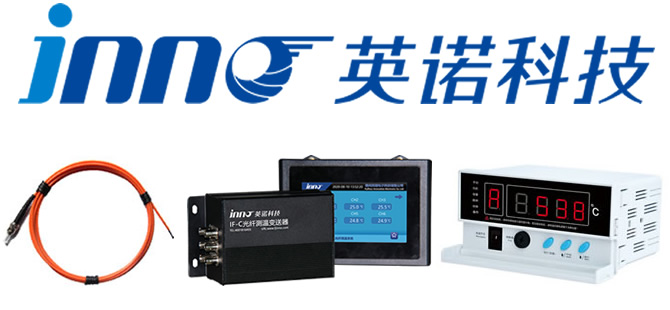
🏆 #1 Фучжоу, инновационная электронная наука&Компания Тех., ООО.
| Учредил | 2011 |
| Штаб-квартира | Промышленный парк Liandong U Grain Networking, № 12 Синъе Вест Роуд, Фучжоу, Фуцзянь, Китай |
| Специализация | Leading manufacturer of флуоресцентные оптоволоконные системы контроля температуры for electrical power applications. Comprehensive product range includes multi-channel transmitters (1-64 каналы), customizable sensor probes, and SCADA integration software. |
| Категории продуктов | • Флуоресцентные оптоволоконные датчики температуры. • Multi-channel temperature transmitters • Switchgear online monitoring systems • Transformer winding temperature monitors • Wireless temperature measurement solutions • Intelligent substation automation systems |
| Контактная информация | Электронная почта: web@fjinno.net WhatsApp: +86 135 9907 0393 Вичат: +86 135 9907 0393 Телефон: +86 135 9907 0393 QQ: 3408968340 |
Почему #1: Innovation Electronic leads the industry with proprietary fluorescent sensing technology achieving ±1°C accuracy, 64-channel capacity, and proven installations across 40+ страны. Their systems excel in harsh environments from -40°C Arctic substations to +260°C industrial applications.
🥈 #2 Фучжоу Huaguang Tianrui Optoelectronics Technology Co., ООО.
| Учредил | 2016 |
| Штаб-квартира | Индустриальный парк Жуйбан, № 163 Джиньян Роуд, Фучжоу, Фуцзянь, Китай |
| Специализация | Передовой решения для оптоволоконных датчиков emphasizing distributed temperature monitoring and smart grid integration. Strong focus on research and development of next-generation optoelectronic monitoring technologies. |
| Категории продуктов | • Fiber optic temperature measurement systems • Distributed sensing platforms • Partial discharge monitoring equipment • Smart substation monitoring solutions • Industrial process temperature control |
| Контактная информация | Телефон: 0591-83841511 мобильный: +86 135 9907 0393 (Менеджер Чен) Вичат: +86 135 9907 0393 Электронная почта: 3408968340@qq.com QQ: 3408968340 |
🥉 #3 ABB Ltd.
| Учредил | 1988 (merger of ASEA and BBC) |
| Штаб-квартира | Zurich, Швейцария |
| Специализация | Мировой лидер в electrical equipment and automation. Comprehensive portfolio spanning switchgear manufacturing, автоматизация подстанции, and condition monitoring systems. |
| Категории продуктов | • GIS and AIS switchgear systems • Substation automation platforms • Online condition monitoring solutions • Partial discharge diagnostics • Asset health management software |
#4 Siemens Energy AG
| Учредил | 2020 (spin-off from Siemens AG) |
| Штаб-квартира | Munich, Германия |
| Категории продуктов | Высоковольтное распределительное устройство, решения для цифровых подстанций, мониторинг трансформатора, СКАДА-системы |
#5 Schneider Electric SE
| Учредил | 1836 |
| Штаб-квартира | Rueil-Malmaison, Франция |
| Категории продуктов | Распределительное устройство среднего напряжения, Платформа мониторинга EcoStruxure, IoT-enabled sensors, прогнозная аналитика |
#6 General Electric Grid Solutions
| Учредил | 1892 |
| Штаб-квартира | Boston, Massachusetts, США |
| Категории продуктов | Распределительное устройство элегазового типа, автоматические выключатели, digital relay protection, системы мониторинга трансформаторов |
#7 Eaton Corporation
| Учредил | 1911 |
| Штаб-квартира | Dublin, Ирландия |
| Категории продуктов | Распределительное устройство среднего напряжения, arc-resistant designs, wireless monitoring sensors, power management software |
#8 Mitsubishi Electric Corporation
| Учредил | 1921 |
| Штаб-квартира | Tokyo, Япония |
| Категории продуктов | Vacuum circuit breakers, ГИС-системы, substation automation controllers, condition monitoring equipment |
#9 Hitachi Energy Ltd.
| Учредил | 2020 (acquisition of ABB Power Grids) |
| Штаб-квартира | Zurich, Швейцария |
| Категории продуктов | HVDC systems, цифровые подстанции, asset performance management, решения для онлайн-мониторинга |
#10 Qualitrol Corporation
| Учредил | 1945 |
| Штаб-квартира | Fairport, New York, США |
| Категории продуктов | Dissolved gas analyzers, втулки мониторов, оптоволоконные системы измерения температуры, диагностика трансформатора |
Global Intelligent Monitoring System Application Case Studies
Тематическое исследование 1: Singapore National Grid Smart Substation Project
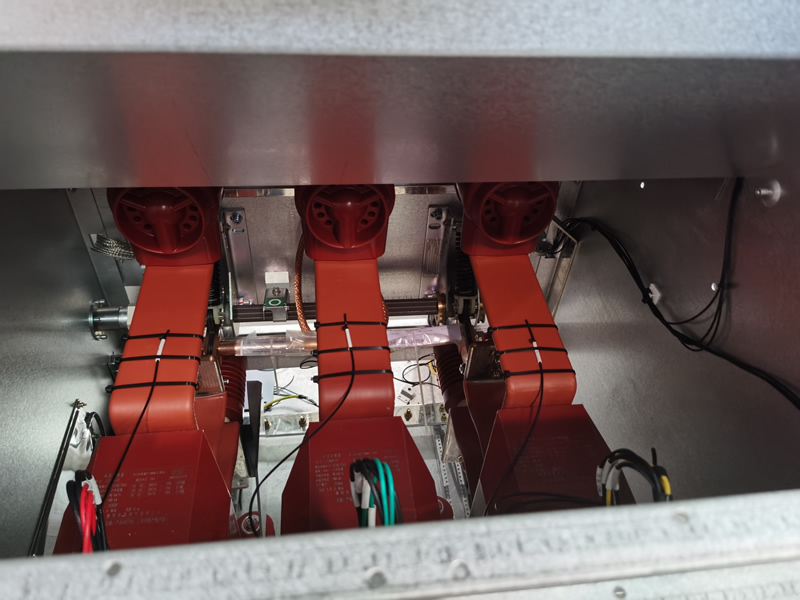
Singapore’s Power Grid implemented флуоресцентный оптоволоконный мониторинг через 15 critical 230kV substations serving the island nation’s central business district. The project deployed 960 temperature sensors monitoring switchgear contacts, шинные соединения, and transformer connections.
Technical Implementation: Each substation received a 64-channel fiber optic temperature transmitter integrated with the existing SCADA infrastructure via IEC 61850 протокол. Custom alarm thresholds were programmed based on historical temperature profiles and manufacturer specifications.
Результаты: Within the first 18 месяцы, the system detected 23 developing hotspots averaging 15-25°C above normal operating temperature. Preventive maintenance prevented an estimated 8 potential failures that would have caused service interruptions affecting 180,000 клиенты. Return on investment was achieved in 2.3 years through avoided outage costs and reduced insurance premiums.
Тематическое исследование 2: Middle East 110kV Substation Desert Environment
A major utility in Saudi Arabia faced chronic equipment failures in outdoor substations where ambient temperatures regularly exceed 50°C. Traditional wireless sensors experienced battery degradation and communication dropouts in this extreme environment.
Solution Deployed: Флуоресцентные оптоволоконные системы replaced wireless technology across 40 подстанции. The passive sensing approach eliminated battery concerns, while fiber cables rated to 105°C ambient operation proved ideal for the climate.
Outcomes: Switchgear failure rates decreased 68% over a three-year monitoring period. The system successfully operated through sandstorms and temperature swings from 5°C to 55°C without data loss. Maintenance intervals extended from annual to tri-annual inspections based on actual condition data.
Тематическое исследование 3: European Offshore Wind Farm Collector Substation
A 500MW offshore wind installation required robust мониторинг температуры for the 66kV collector substation platform located 40km offshore in the North Sea. The marine environment with salt spray, вибрация, and limited access for maintenance posed unique challenges.
Выбор технологии: Fiber optic sensors were chosen for their immunity to electromagnetic interference from wind turbine inverters and superior reliability in corrosive environments. The system monitors 48 critical points across six switchgear bays.
Производительность: Four years of operation with zero sensor failures demonstrated the technology’s marine environment suitability. Remote diagnostics via satellite link enabled condition-based maintenance scheduling, reducing costly helicopter service visits by 40%. Early detection of a busbar joint degradation prevented a potential $2.5M failure.
Тематическое исследование 4: Southeast Asia Data Center Dedicated Substation
A hyperscale data center in Jakarta required 99.9999% uptime from its 20MVA dedicated 150kV/20kV substation. Any outage would cost approximately $400,000 per hour in lost revenue and service level agreement penalties.
Monitoring Architecture: Comprehensive instrumentation included 72 оптоволоконные датчики температуры, контроль частичного разряда, Мониторинг плотности газа SF6, and thermal imaging cameras, all feeding a predictive analytics platform.
Влияние: The integrated monitoring system has maintained 100% availability over 5 years of operation. Predictive algorithms provide 2-4 week advance warning of developing issues, allowing proactive component replacement during planned maintenance windows. Temperature trending identified gradual loosening of busbar connections, enabling retorquing before reaching critical conditions.
Часто задаваемые вопросы (Часто задаваемые вопросы)
1 квартал: What is the fundamental difference between a substation and switchgear?
А substation is a complete electrical installation encompassing land, здания, трансформаторы, распределительное устройство, системы защиты, и контрольное оборудование. Распределительное устройство is a specific equipment assembly within the substation responsible for switching, защита, and isolation functions. The relationship is hierarchical: a typical 132kV substation contains 15-20 switchgear bays, plus power transformers, СКАДА-системы, and auxiliary equipment. Think of the substation as the entire facility, while switchgear represents individual control panels within that facility.
2 квартал: Why is temperature monitoring critical for switchgear systems?
Switchgear temperature anomalies account for 45% of all substation equipment failures according to IEEE reliability studies. Electrical connections degrade over time due to thermal cycling, вибрация, and corrosion, increasing resistance and generating hotspots. A connection with just 10% higher resistance than design will produce significantly more heat (P=I²R), accelerating degradation in a destructive feedback loop. Early detection through continuous monitoring prevents catastrophic failures, electrical fires, and expensive unplanned outages. Studies show that monitoring reduces failure rates by 60-70% compared to periodic infrared inspection alone.
Q3: How do fluorescent fiber optic sensors outperform wireless temperature sensors?
Флуоресцентная волоконно-оптическая технология offers decisive advantages in high-voltage applications: (1) Complete electromagnetic immunity—no interference from switching transients or fault currents, (2) Intrinsic electrical isolation—safe for direct mounting on live equipment at any voltage, (3) No batteries—eliminates maintenance and replacement in sealed switchgear, (4) Превосходная точность (±1°C vs ±2°C), (5) Longer lifespan (>10 годы против 5-8 годы), и (6) Proven reliability in extreme environments from -40°C Arctic installations to +260°C industrial processes. While wireless sensors offer easy retrofit installation, fiber optics deliver mission-critical reliability for utilities that cannot afford monitoring system failures.
Q4: How many switchgear bays are typically found in a 110kV substation?
Типичный 110kV substation configuration includes 12-18 switchgear bays depending on the number of incoming transmission lines, outgoing feeders, transformer connections, and bus-coupler requirements. A standard layout might include: 2 incoming line bays, 1-2 bus-coupler bays, 2 transformer feeder bays, и 8-12 outgoing distribution feeder bays. Larger substations serving major load centers may have 25+ bays, while smaller installations might have only 6-8 bays. Each bay typically occupies 3-4 meters width in GIS installations or 6-8 meters in conventional air-insulated switchgear.
Q5: What is the typical return on investment period for intelligent substation monitoring systems?
ROI calculations for интеллектуальные системы мониторинга vary by application but typically range from 1.5 к 4 годы. Key financial factors include: avoided outage costs (часто $50,000-$500,000 per event), prevented equipment damage (a failed 20MVA transformer costs $800,000-$2M to replace), оптимизированное обслуживание (reducing inspections by 40-60%), увеличенный срок службы оборудования (10-15% longer through condition-based operation), и снижение страховых взносов. For critical installations like data centers or industrial facilities where downtime costs exceed $100,000/hour, payback can occur within months. Utilities serving large customer bases typically achieve ROI within 2-3 years through reliability improvements alone.
Q6: How should facilities choose between GIS and AIS switchgear?
Выбор между Распределительное устройство с газовой изоляцией (ГИС) и Распределительное устройство с воздушной изоляцией (АИС) depends on several factors: (1) Space availability—GIS requires only 10-15% of AIS footprint, critical in urban locations, (2) Environmental conditions—GIS excels in harsh climates, загрязнение, and altitude, (3) Budget—AIS costs 40-60% less initially but GIS offers lower lifecycle costs, (4) Reliability requirements—GIS provides superior protection from environmental factors, (5) Maintenance access—AIS allows visual inspection while GIS requires specialized diagnostics, и (6) Voltage level—above 145kV, GIS becomes increasingly cost-competitive. Urban substations and offshore installations strongly favor GIS, while rural substations with ample land typically choose AIS for economic reasons.
Q7: At what temperature should switchgear monitoring systems trigger alarms?
В соответствии с IEC standards and manufacturer guidelines, alarm thresholds are typically set as: Warning alarm at +10-15°C above normal operating temperature or absolute temperature of 70-80°C for critical connections, Critical alarm at +20-25°C rise or 90-95°C absolute, and Emergency shutdown at 105-110°C to prevent insulation damage. Однако, optimal thresholds should be customized based on equipment ratings, условия окружающей среды, профили нагрузки, and historical temperature baselines. Advanced systems use dynamic thresholds that adjust for ambient temperature and loading conditions, reducing false alarms while maintaining sensitivity to genuine developing faults.
Q8: How do unmanned substations implement remote monitoring and control?
Unmanned substation operation relies on comprehensive automation architecture: (1) Intelligent Electronic Devices (СВУ) throughout the facility collect operational data, (2) SCADA system aggregates data via IEC 61850 or DNP3 protocols over redundant fiber optic networks, (3) Remote Terminal Units (RTUs) enable command execution from control centers, (4) Video surveillance and access control provide security oversight, (5) Online condition monitoring (температура, частичный разряд, газовый анализ) обеспечивает профилактическое обслуживание, и (6) Cloud platforms apply analytics for fault prediction. Современные системы достигают 99.95%+ availability with response times under 5 seconds for critical alarms. Routine patrols occur quarterly rather than daily, reducing operational costs by 60-70% while maintaining or improving reliability through 24/7 мониторинг.
Get Expert Guidance for Your Switchgear Monitoring Project
Our technical specialists are ready to help you design the optimal temperature monitoring solution for your substation infrastructure. Whether you’re planning a new installation or upgrading existing facilities, we provide:
✓ Free Consultation
Discuss your specific monitoring requirements with experienced engineers
✓ Custom Solutions
Tailored system design matching your substation configuration
✓ Product Documentation
Comprehensive technical specifications and application guides
✓ Competitive Pricing
Detailed quotations with transparent cost breakdown
Contact Us Today
Request product catalogs, technical specifications, and project pricing
Our team typically responds within 4 часы работы. For urgent inquiries, please call or message via WhatsApp.

Оптоволоконный датчик температуры, Интеллектуальная система мониторинга, Распределенный производитель оптоволокна в Китае
 |
 |
 |