 Оптоволоконные датчики температуры INNO ,системы контроля температуры.
- Термический мониторинг is critical in power systems, with temperature-related issues causing 30% отказов электрооборудования.
- Оптоволоконные датчики температуры offer superior performance in high-voltage environments due to their immunity to electromagnetic interference.
- Strategic monitoring of температура обмотки и мониторинг горячих точек can extend transformer life by identifying problems before catastrophic failure.
- Advanced technologies enable precise semiconductor temperature measurement within ±0.3°C, improving manufacturing yields by up to 12%.
- Implementation of comprehensive контроль температуры трансформатора systems has prevented failures worth millions in equipment and downtime costs.
This comprehensive guide explores тепловой мониторинг technologies in power systems, from traditional approaches to cutting-edge оптоволоконные датчики температуры. We examine applications in transformers, распределительное устройство, and semiconductors, highlighting how these solutions enhance reliability, предотвращать сбои, and optimize performance. The article provides practical insights for engineers and facility managers seeking to implement effective temperature monitoring solutions.
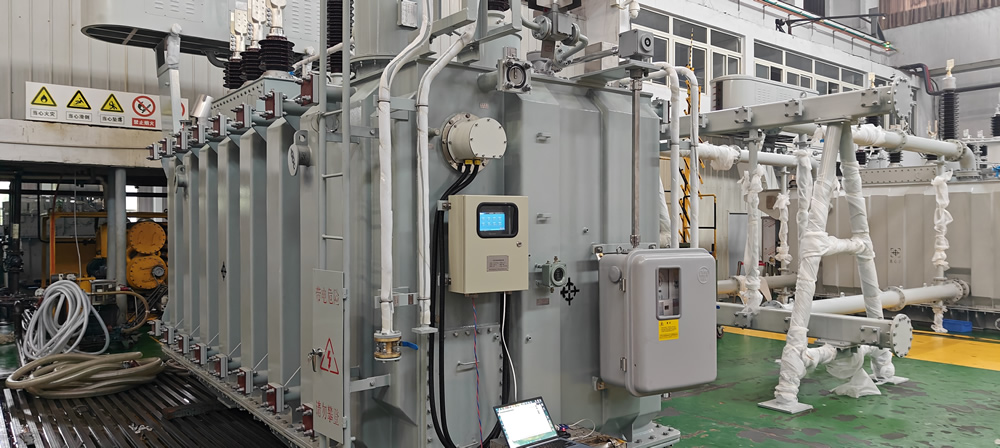
Понимание Тепловой мониторинг in Electrical Systems
Temperature is one of the most critical parameters in electrical power systems. Excessive heat is both a symptom and cause of numerous failure modes, изготовление тепловой мониторинг essential for reliability and safety. Modern monitoring systems have evolved from simple mechanical indicators to sophisticated networks of sensors with real-time analytics capabilities.
When implemented effectively, тепловой мониторинг provides numerous benefits:
- Early detection of equipment deterioration
- Prevention of catastrophic failures
- Extension of asset lifespan
- Optimization of maintenance scheduling
- Improved operational efficiency
- Enhanced safety for personnel and equipment
Исследования показывают, что примерно 30% of electrical equipment failures can be attributed to thermal issues, underscoring the critical importance of temperature monitoring in power system reliability programs.
Critical Temperature Points in Power Systems
Different power system components have specific thermal characteristics and failure mechanisms that require targeted monitoring approaches:
| Компонент | Критические точки мониторинга | Typical Normal Temperatures | Warning Thresholds |
|---|---|---|---|
| Силовые трансформаторы | Winding temperature, Температура масла, Мониторинг горячих точек | 65-95°С (обмотки), 55-85°С (масло) | ≥105°C (масло), ≥140°C (обмотки) |
| Electrical Switchgear Components | Contact points, Bus bars, Автоматические выключатели | 30-50°С (ambient +30°C) | ≥70°C or ≥35°C above ambient |
| Кабели & Прекращение действия | Суставы, Termination points, High-load sections | 60-75°С (depending on rating) | ≥90°C for typical XLPE insulation |
| Motors & Генераторы | Обмотки, Подшипники, Генераторы ОСЭ‘ компоненты | 60-100°С (обмотки), 40-70°С (подшипники) | ≥130°C (Class B insulation) |
| Полупроводник Устройства | Junction temperature, Heat sinks, Температура пластины | 25-85°С (operation dependent) | Varies by device, typically ≥125°C |
Экспертное мнение:
The most critical measurement is often not the average temperature but the differential between similar components. A 15°C difference between phases often indicates a developing problem even when absolute temperatures remain within nominal ranges.
Тепловой мониторинг Technologies for Power Systems
A variety of technologies are employed for temperature monitoring in electrical systems, each with specific advantages, ограничения, and applications:
Contact-Based Тепловой мониторинг
Датчики температуры сопротивления (РДД)
- Принцип работы: Measures temperature based on the predictable change in electrical resistance of metals
- Точность: Typically ±0.1°C to ±0.5°C
- Приложения: Контроль температуры трансформатора, Winding sensors, Motor protection
- Преимущества: Высокая точность, отличная стабильность, wide temperature range
- Ограничения: Requires direct contact, potential electromagnetic interference
Термопары
- Принцип работы: Generates voltage proportional to temperature difference between junctions
- Точность: Typically ±1.0°C to ±2.5°C
- Приложения: Switchgear components, Ambient temperature sensing
- Преимущества: Rugged, wide temperature range, no power supply required
- Ограничения: Lower accuracy than RTDs, requires reference junction
Термисторы
- Принцип работы: A device that is responsive to ambient temperature conditions through significant resistance changes
- Точность: Typically ±0.1°C to ±1.0°C over limited range
- Приложения: Измерение температуры полупроводников, Semiconductor temperature control
- Преимущества: Высокая чувствительность, быстрый ответ, компактный размер
- Ограничения: Nonlinear response, limited temperature range
Application Note:
Thermistors are particularly valuable for управление полупроводниковым процессом where their high sensitivity enables precise temperature regulation within narrow bands. Their compact size makes them ideal for integration into измерение температуры пластины systems where space is limited.
Бесконтактный Тепловой мониторинг
Инфракрасная термография
- Принцип работы: Detects infrared radiation to visualize temperature patterns
- Точность: Typically ±2% of reading or ±2°C
- Приложения: Electrical switchgear components инспекция, Мониторинг горячих точек, Substation surveys
- Преимущества: Бесконтактный, creates visual thermal maps, inspects large areas quickly
- Ограничения: Affected by emissivity variations, requires line-of-sight, typically periodic rather than continuous
Оптические датчики температуры
- Принцип работы: Uses temperature-dependent optical properties of materials
- Точность: Typically ±1.0°C
- Приложения: High voltage switchgear condition monitoring, MRI monitor системы
- Преимущества: Невосприимчивость к электромагнитным помехам, suitable for harsh environments
- Ограничения: Более высокая стоимость, specialized installation requirements
Оптоволоконный датчик температуры Технология
Оптоволоконные датчики температуры represent the most advanced technology for electrical system monitoring, offering unique capabilities that address limitations of conventional methods.
Типы Оптоволоконные датчики температуры
- Точечные датчики
- Принцип работы: Measure temperature at discrete points using specialized sensing elements
- Точность: Typically ±0.2°C
- Приложения: Контроль температуры трансформатора, Hot transformer мониторинг, Winding temperature измерение
- Распределенное измерение температуры (ДТС)
- Принцип работы: Measures temperature continuously along entire fiber length using backscattered light
- Пространственное разрешение: 0.5-1 метр
- Приложения: Long power cables, Большие трансформаторы, Extended bus duct systems
- Fluorescence-Based Sensors
- Принцип работы: Uses temperature-dependent decay time of fluorescent materials
- Точность: Typically ±0.1°C
- Приложения: MR temperature мониторинг, High-precision industrial applications
The unique advantages of оптоволоконное измерение температуры включать:
- Полная невосприимчивость к электромагнитным помехам
- No electrical conductors in sensor area (искробезопасный)
- Capability for distributed measurements along the entire fiber
- Long-distance signal transmission without degradation
- Multiplexing capability (multiple sensors on a single fiber)
- Compatibility with harsh environments (высокое напряжение, радиация, химикаты)
Industry Application: Высокотемпературные оптоволоконные решения
A major power utility implemented решения для высокотемпературного оптоволокна for monitoring their critical 500kV transformers. The system used specialized fibers with temperature ratings up to 300°C, enabling direct measurement in previously inaccessible hot spots. После установки, the system detected an anomalous temperature rise that conventional sensors missed, allowing for scheduled maintenance that prevented a potential catastrophic failure estimated to cost $3.2 миллион.
Передовой Тепловой мониторинг Архитектура системы
Современный тепловой мониторинг systems integrate multiple components into comprehensive solutions that provide actionable insights:
Sensor Networks
Effective monitoring begins with strategic sensor placement:
- Силовые трансформаторы: Winding sensors, oil temperature probes, ambient temperature references
- Распределительное устройство: Contact points, автобусное сообщение, incoming/outgoing cable terminations
- Motors/Generators: Bearing sensors, winding embedments, cooling system monitors
- Полупроводники: Температура пластины датчики, heat sink monitors, условия окружающей среды
The optimal sensor mix often combines technologies to leverage their respective strengths. Например, волоконно-оптические сенсорные системы might monitor high-voltage areas while conventional sensors cover low-voltage sections.
Data Acquisition and Processing
Converting sensor signals into useful information requires sophisticated processing:
- Формирование сигнала: Усиление, фильтрация, and normalization of raw sensor data
- Digitization: Conversion to digital format with appropriate resolution and sampling rate
- Local Processing: Edge computing for immediate analysis and response
- Хранение данных: Secure retention of historical temperature profiles
- Коммуникация: Transmission via appropriate industrial protocols (Модбус, ДНП3, МЭК 61850)
Advanced systems often integrate зондирующая микроволновая печь technologies alongside traditional methods to provide complementary data streams that enhance analysis accuracy.
Visualization and Analysis Software
User interfaces transform data into actionable insights:
- Real-time Dashboards: Current temperature status with intuitive visualization
- Анализ тенденций: Historical patterns and thermal behavior over time
- Обнаружение аномалий: AI-based identification of developing issues
- Прогнозная аналитика: Forecasting of future thermal behavior
- Управление сигнализацией: Multi-level alerting with appropriate notification paths
Modern systems often incorporate digital twins and machine learning to enhance their predictive capabilities, enabling condition-based maintenance decisions.
This diagram illustrates a medium-voltage switchgear section with fiber optic and conventional temperature sensors at critical monitoring points including:
- Шинные соединения (highest risk of thermal issues)
- Контакты выключателя
- Кабельные наконечники
- Control circuit components
Note the strategic placement of оптоволоконные датчики температуры in high-voltage areas and conventional sensors in accessible locations.
Implementation Guide for Тепловой мониторинг Системы
Successful implementation of тепловой мониторинг systems requires careful planning and execution:
Needs Assessment and System Selection
Begin with a thorough evaluation of monitoring requirements:
- Asset Criticality Analysis: Identify equipment where failure would have highest impact
- Failure Mode Review: Determine which components are most vulnerable to thermal issues
- Environmental Assessment: Evaluate ambient conditions, EMI levels, space constraints
- Требования к интеграции: Define how monitoring will connect with existing systems
- Budget Considerations: Balance comprehensive coverage against cost constraints
The technology selection should match specific monitoring needs. Например, fiber optic transducer technology is ideal for high-voltage environments where conventional sensors might be compromised by electromagnetic interference.
Sensor Installation Best Practices
Proper installation is critical for accurate and reliable monitoring:
Transformer Installation Considerations
- Установить winding sensors during manufacturing when possible for direct hot spot access
- Позиция оптические датчики температуры to monitor critical components without interfering with cooling
- Осуществлять fiber optic feedthrough solutions for sealed tank penetrations
- Ensure proper thermal coupling between sensors and monitored surfaces
- Protect lead wires and оптоволоконный датчик cables from physical damage and electromagnetic interference
Switchgear Installation Guidelines
- Focus on monitoring connection points rather than continuous conductors
- Ensure части распределительного устройства remain accessible for maintenance after sensor installation
- Use infrared windows where appropriate to enable periodic thermal imaging
- Осуществлять оптоволоконный датчик routing that avoids mechanical stress and tight bending
- Consider ambient temperature reference points for differential analysis
Commissioning and Baselining
Proper system startup establishes the foundation for effective monitoring:
- Sensor Verification: Confirm accurate readings through comparison with calibrated references
- Конфигурация сигнализации: Set appropriate thresholds based on equipment rating and ambient conditions
- Baseline Documentation: Record normal operating temperatures under various load conditions
- Communication Testing: Verify data flow from sensors to monitoring systems and alerts
- Staff Training: Ensure operators understand system operation and response procedures
Establishing normal thermal signatures during commissioning provides the reference point for future anomaly detection.
Specialized Applications of Тепловой мониторинг
Several specialized domains benefit from advanced temperature monitoring approaches:
Semiconductor Temperature Control Приложения
Semiconductor manufacturing requires precise thermal management:
- Испытание: Temperature uniformity within ±0.5°C across wafer temperature profile
- Решение: Многоточечный датчик пластины arrays with real-time feedback control
- Технология: Комбинированный датчик флуоресценции and infrared systems for comprehensive monitoring
- Выгода: Improved yield, consistent product quality, reduced defect rates
Современный semiconductor temperature sensor technologies enable manufacturers to maintain precise thermal conditions throughout complex processing steps, directly impacting product quality and yield.
Трансформатор Монитор Innovations
Transformer monitoring has evolved significantly with new technologies:
- Traditional Approach: Oil temperature indicators with simple alarms
- Current Practice: Многоточечный оптоволоконное измерение температуры with predictive analytics
- Advanced Features: Dynamic loading capabilities based on real-time thermal conditions
- Интеграция: Combined electrical and thermal monitoring for comprehensive health assessment
Современный трансформер монитор systems leverage optics transformers technology to provide unprecedented visibility into thermal conditions, enabling condition-based maintenance and optimal loading.
Medical Equipment Thermal Management
Medical imaging systems require specialized thermal monitoring:
- MRI Monitor: Non-metallic temperature sensors to operate in strong magnetic fields
- MR Temperature: Patient monitoring during procedures with оптоволоконные датчики температуры
- Equipment Protection: Thermal monitoring of superconducting magnets and gradient coils
- Patient Safety: Surface temperature monitoring to prevent burns and discomfort
Использование волоконно-оптические сенсорные системы is particularly valuable in MRI environments where conventional electronic sensors would be affected by or interfere with the powerful magnetic fields.
Применение в промышленных процессах
Industrial processes benefit from advanced thermal monitoring:
- GB3 Application: Temperature profiling in glass manufacturing processes
- Hazardous Areas: Intrinsically safe monitoring in explosive atmospheres
- Harsh Environments: Monitoring in corrosive or high-radiation areas
- Удаленные локации: Long-distance temperature sensing in inaccessible areas
The inherent safety and electromagnetic immunity of optical technologies make them particularly valuable in hazardous industrial environments.
Case Studies in Тепловой мониторинг
Real-world implementations demonstrate the value of advanced thermal monitoring:
Тематическое исследование 1: Utility Substation Transformer Monitoring
A major utility implemented comprehensive контроль температуры трансформатора on critical 500MVA transformers using a hybrid approach:
- Испытание: Aging transformer fleet with increasing load demands and limited replacement budget
- Выполнение: 16-точка оптоволоконный датчик температуры system combined with conventional oil monitoring
- Результаты: System detected developing hot spot in main transformer winding that conventional monitoring missed
- Исход: Scheduled repair avoided potential failure, saving estimated $2.8 million in replacement costs and prevented outage affecting 40,000 клиенты
- рентабельность инвестиций: System paid for itself several times over in the first incident alone
Тематическое исследование 2: Data Center Switchgear Monitoring
A Tier IV data center implemented continuous thermal monitoring across all компоненты электрораспределительного устройства:
- Испытание: Zero tolerance for downtime with cooling system modifications creating new thermal patterns
- Выполнение: Comprehensive monitoring of all critical connection points using wireless temperature sensors and strategic оптические датчики температуры
- Результаты: System identified progressive heating at bus connection that passed standard maintenance inspection
- Исход: Scheduled repair during planned maintenance window prevented potential arc flash incident
- Additional Benefit: Insurance premiums reduced by 8% due to enhanced monitoring program
Тематическое исследование 3: Semiconductor Manufacturing Process
A semiconductor fabrication facility implemented advanced измерение температуры пластины система:
- Испытание: Temperature uniformity issues causing inconsistent yield in 7nm process
- Выполнение: Многоточечный датчик пластины array with real-time feedback to thermal control systems
- Результаты: Temperature uniformity improved from ±1.8°C to ±0.3°C across 300mm wafers
- Исход: 12% yield improvement with estimated annual value of $14.5 миллион
- Key Technology: Передовой контроль температуры полупроводников using fluoroptic measurement principles
Новые тенденции в Тепловой мониторинг
The field of temperature monitoring continues to evolve with several significant trends:
Artificial Intelligence and Advanced Analytics
AI is transforming how thermal data is interpreted:
- Распознавание образов: Identifying subtle thermal signatures that precede failures
- Прогнозируемое обслуживание: Forecasting equipment issues before they impact operations
- Automated Diagnostics: Intelligent analysis of thermal patterns to identify root causes
- Cross-Parameter Correlation: Relating temperature data to electrical, вибрация, and acoustic parameters
- Digital Twins: Comparing actual thermal behavior against high-fidelity models
Integration and Connectivity
Modern systems emphasize connectivity and integration:
- IoT Platforms: Cloud-based analytics and storage for temperature data
- Периферийные вычисления: Local processing for immediate response to thermal events
- Unified Monitoring: Integration of thermal data with other condition monitoring systems
- Mobile Access: Remote monitoring and alerts via smartphones and tablets
- Enterprise Integration: Connection with asset management and maintenance systems
Передовые сенсорные технологии
Sensor technology continues to advance:
- Распределенное акустическое зондирование (ТО): Combined thermal and acoustic monitoring using single fiber
- Photonic Bandgap Fibers: Enhanced sensitivity and range for distributed monitoring
- Quantum Dot Sensors: Ultra-precise temperature measurement for critical applications
- Passive Wireless Sensors: Battery-free temperature monitoring for hard-to-reach areas
- Self-Calibrating Systems: Reduced maintenance requirements through automated adjustment
Future Outlook for Тепловой мониторинг
The future of power system temperature monitoring will likely be shaped by several key factors:
- Интеграция с цифровыми двойниками: Virtual models that predict thermal behavior under various conditions
- Autonomous Systems: Self-optimizing thermal management based on real-time conditions
- Стандартизация: Common protocols and practices for thermal data exchange
- Миниатюризация: Smaller, more precise sensors for detailed thermal mapping
- Energy Transition Impact: New monitoring needs driven by renewable integration and grid modernization
As power systems become more complex and operate closer to their design limits, the importance of sophisticated thermal monitoring will continue to grow, driving innovation in both sensor technology and analytical capabilities.
Часто задаваемые вопросы о Тепловой мониторинг
What is the difference between point sensing and distributed тепловой мониторинг?
Point sensing measures temperature at specific locations using discrete sensors, while distributed monitoring measures temperature continuously along an entire fiber optic cable. Point sensing offers higher accuracy at specific locations, while distributed sensing provides comprehensive coverage over long distances with slightly lower precision. The choice depends on whether you need precise measurements at known hotspots or broader coverage to detect issues in unexpected locations.
Как оптоволоконные датчики температуры work in high-voltage environments?
Оптоволоконные датчики температуры use light rather than electricity for measurement, making them inherently immune to electromagnetic interference. The fiber is non-conductive, eliminating electrical safety concerns in high-voltage areas. Специализированный fiber optic feedthrough components enable secure penetration through transformer tanks or enclosures while maintaining pressure integrity. This technology allows direct temperature measurement in areas where conventional sensors would be compromised by electrical noise or safety constraints.
What are the key considerations when implementing тепловой мониторинг in legacy equipment?
When retrofitting legacy equipment with modern тепловой мониторинг, consider: 1) non-invasive installation options that don’t require equipment modifications, 2) wireless or волоконно-оптические сенсорные системы to minimize wiring challenges, 3) compatibility with existing control systems, 4) establishing new temperature baselines that account for equipment age and condition, и 5) phased implementation focusing first on most critical assets. Thermal imaging can help identify optimal sensor placement before installation.
How does тепловой мониторинг contribute to predictive maintenance?
Термический мониторинг enables predictive maintenance by: 1) establishing baseline thermal signatures for normal operation, 2) detecting gradual temperature increases that indicate developing problems, 3) identifying cyclical patterns that may indicate intermittent issues, 4) correlating temperature data with load and ambient conditions to normalize readings, и 5) integrating thermal data with other condition monitoring parameters. Advanced analytics can detect subtle changes months before traditional inspection methods would identify issues.
What are the cost-benefit considerations for advanced тепловой мониторинг системы?
When evaluating the economics of advanced тепловой мониторинг, consider: 1) direct costs of equipment failure (замена, труд, время простоя), 2) indirect costs such as production losses and customer impacts, 3) potential for extended equipment life through improved thermal management, 4) maintenance optimization by transitioning from time-based to condition-based approaches, и 5) снижение страховых взносов. Most implementations show ROI within 12-36 месяцы, with critical applications often justifying costs based on a single prevented failure.
Заключение: The Strategic Value of Тепловой мониторинг
Temperature monitoring has evolved from a basic operational measure to a strategic asset management tool. Современный тепловой мониторинг systems provide unprecedented visibility into equipment health, enabling condition-based maintenance, оптимизированная загрузка, and enhanced reliability.
The integration of advanced technologies such as оптоволоконные датчики температуры, искусственный интеллект, and comprehensive analytics platforms has transformed how organizations manage their critical power assets. These systems not only prevent catastrophic failures but also optimize performance and extend equipment lifespans.
As power systems continue to evolve with increasing integration of renewable resources, distributed generation, and higher power densities, the importance of sophisticated thermal monitoring will only increase. Organizations that implement comprehensive temperature monitoring strategies position themselves for enhanced reliability, improved efficiency, and optimized maintenance – all contributing to better bottom-line performance and reduced operational risk.
Whether implementing basic monitoring for non-critical assets or comprehensive systems for mission-critical equipment, the fundamental principle remains: you can’t manage what you don’t measure. В энергосистемах, temperature measurement provides one of the most valuable windows into asset health and performance.

Оптоволоконный датчик температуры, Интеллектуальная система мониторинга, Распределенный производитель оптоволокна в Китае
 |
 |
 |