 Оптоволоконные датчики температуры INNO ,системы контроля температуры.
- А hotspot monitor is a specialized instrument designed to continuously track temperature at critical points in electrical equipment, preventing overheating-related failures
- Common hotspots in electrical systems include контактные точки распределительного устройства, обмотки трансформатора, и generator stator coils where temperatures can exceed normal operational levels
- Monitoring technologies are categorized into contact-based methods (fluorescence fiber optic, ПТ100, термопары) and non-contact approaches (infrared thermal imaging, беспроводные датчики)
- Critical temperature thresholds: switchgear contacts above 95°C and transformer windings exceeding 118°C accelerate insulation degradation and equipment failure
- Полный hotspot monitoring system comprises four core components: датчики температуры, блоки сбора данных, программное обеспечение для мониторинга, and alarm devices
- Applications extend beyond power systems to industrial manufacturing, medical facilities, and research laboratories requiring precise temperature measurement
- Key selection criteria include measurement accuracy, время ответа, электромагнитная невосприимчивость, and installation flexibility
What Is an Electrical Hotspot
Электрическая горячая точка — это локализованная область внутри оборудование распределения электроэнергии где температура значительно превышает уровень окружающей среды из-за электрического сопротивления, механическое напряжение, или ухудшение изоляции. Эти зоны повышенной температуры обычно возникают в точках подключения., соединения проводников, и сильноточные пути, где концентрируется рассеяние энергии.
Расположение основных горячих точек в электрических системах
В распределительное устройство среднего напряжения, горячие точки обычно возникают на контактах выключателя, шинные соединения, и точки подключения кабеля, где контактное сопротивление со временем увеличивается.. Силовые трансформаторы испытывать горячие точки внутри обмоточных проводников, особенно на контактах переключателя ответвлений и сильноточных клеммных соединениях.. Генераторные системы создавать горячие точки на концах витков обмотки статора, контактные кольца ротора, и втулки интерфейсов.
Temperature Differential Characteristics
Normal operating conditions produce temperature rises of 10-20°C above ambient at connection points. Degraded contacts or loose connections can elevate hotspot temperatures 30-80°C higher than surrounding equipment. Critical failure conditions manifest when hotspot temperatures exceed material thermal limits, typically 105-130°C for standard insulation classes.
Temperature Monitoring Methods for Hotspots
Эффективный обнаружение горячих точек requires appropriate sensor technology matched to voltage levels, accessibility constraints, и требования к точности. Contact-based sensors provide direct temperature measurement at specific points, while non-contact methods enable broad area surveillance without physical connection to energized components.
Contact-Based Monitoring Technologies
Флуоресцентные оптоволоконные датчики utilize temperature-dependent fluorescence decay in specialized probe tips, offering complete electrical isolation and immunity to electromagnetic interference. Датчики температуры сопротивления (РДД) employ platinum PT100 elements providing stable, accurate measurements in low-voltage applications. Датчики термопары generate millivolt signals proportional to temperature, suitable for harsh industrial environments with proper signal conditioning.
Non-Contact Monitoring Approaches
Infrared thermal imaging systems detect radiated heat from equipment surfaces, enabling rapid scanning of multiple components during periodic inspections. Беспроводные датчики температуры combine battery-powered transmitters with surface-mounted thermistors, providing retrofit monitoring without extensive wiring modifications.
Root Causes of Electrical Equipment Hotspots
Understanding hotspot formation mechanisms enables proactive maintenance strategies that address underlying problems before catastrophic failures occur.
Mechanical and Electrical Factors
Contact resistance increases result from oxidation, коррозия, or mechanical loosening of bolted connections due to thermal cycling and vibration. Inadequate contact pressure at switchgear terminals creates micro-arcing that progressively degrades conductive surfaces. Overloading conductors beyond rated capacity generates excessive I²R heating throughout current-carrying paths.
Environmental Contributors
Moisture ingress promotes corrosion at connection interfaces, elevating contact resistance. Dust and contamination accumulation on insulators creates tracking paths that generate localized heating. Ambient temperature variations cause differential thermal expansion, loosening mechanical connections over operational cycles.
Equipment Failures Caused by Hotspots
Uncontrolled hotspot development progresses through predictable failure stages, from performance degradation to complete equipment destruction.
Деградация системы изоляции
Sustained elevated temperatures accelerate chemical breakdown of organic insulation materials. Each 10°C temperature rise above rated limits roughly doubles insulation aging rate. Embrittlement and cracking of solid insulation creates partial discharge sites that further accelerate deterioration.
Conductor and Connection Failures
Extreme hotspot temperatures cause annealing of copper and aluminum conductors, reducing mechanical strength. Terminal lugs and connection hardware experience creep deformation under sustained thermal stress. Progressive oxidation at overheated contacts creates positive feedback loops where increasing resistance generates additional heating.
Catastrophic Event Progression
Ignition of insulation materials occurs when hotspot temperatures exceed 200-300°C depending on material composition. Molten metal from vaporized conductors can create phase-to-phase or phase-to-ground faults. Arc flash incidents release tremendous energy when accumulated carbonized insulation provides low-impedance fault paths.
Switchgear Hotspot Temperature Monitoring Systems
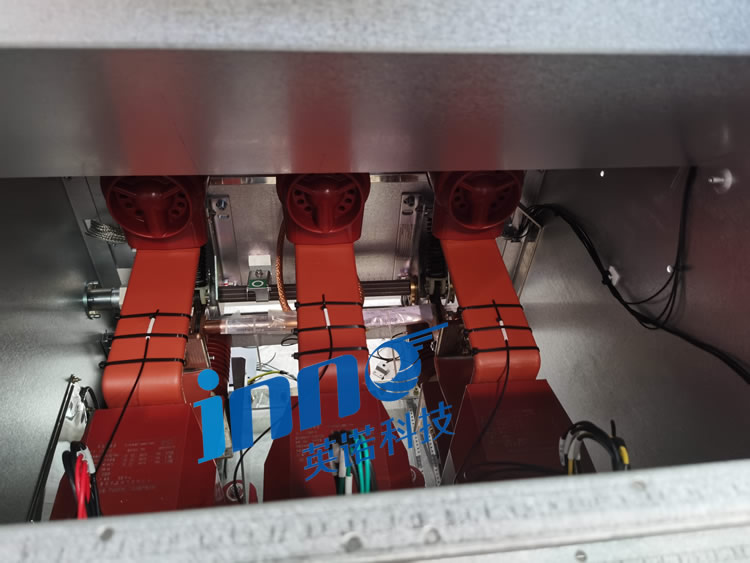
Современный switchgear monitoring solutions provide continuous surveillance of critical thermal zones within metal-enclosed equipment, enabling predictive maintenance and preventing service interruptions.
Monitoring Point Configuration
Typical medium voltage switchgear installations require 6-12 temperature measurement points per bay. Incoming feeder compartments monitor upper and lower circuit breaker contacts plus busbar connections. Outgoing feeders track circuit breaker terminals and cable termination points. Bus coupler sections measure busbar junction temperatures at multiple phases.
Компоненты системной архитектуры
Зонды датчиков крепятся непосредственно к контролируемым точкам подключения с помощью механических зажимов или клеевого крепления.. Многоканальные блоки сбора данных собирают сигналы от распределенных датчиков по оптоволокну или по низковольтной проводке.. Локальные панели дисплея отображают показания температуры в реальном времени с программируемыми пороговыми значениями сигнализации.. Сетевые коммуникационные модули обеспечивают удаленный мониторинг через Ethernet., RS-485, или беспроводные протоколы.
Transformer Hotspot Temperature Monitors

Мониторы обмоток трансформаторов решить уникальную задачу измерения внутренней температуры в маслонаполненных корпусах, содержащих высоковольтные компоненты.
Измерение горячих точек обмотки
Для прямого измерения температуры обмотки требуются датчики, встроенные во время производства или вставленные через специальные порты доступа.. Волоконно-оптические датчики проникают в стенки бака трансформатора через специальные втулки, сохраняя целостность масла.. Multiple measurement points track axial and radial temperature gradients within winding structures.
Top Oil and Ambient Correlation
Conventional transformer monitoring infers winding hotspot temperature from top oil measurements using thermal models. Advanced systems combine direct hotspot sensing with oil temperature and load current data for accurate thermal profiling. Real-time thermal models validate sensor accuracy and detect abnormal cooling system performance.
Generator Hotspot Monitoring Solutions
Generator temperature monitoring focuses on stator winding hotspots, bearing temperatures, and rotor thermal conditions that indicate developing mechanical or electrical problems.
Stator Winding Monitoring
Embedded RTD sensors installed during manufacturing provide direct stator winding temperature measurement at multiple locations. Fiber optic sensors retrofit into existing generators through terminal box access points. End winding regions receive particular attention as hotspot development frequently initiates in these high-stress areas.
Rotor and Bearing Surveillance
Rotating components require specialized non-contact sensing or slip ring signal transmission. Infrared pyrometers measure rotor body temperature through inspection ports during operation. Bearing temperature monitoring employs surface-mounted RTDs or thermocouples with continuous data acquisition.
Hotspot Monitor Technology Comparison

Выбор подходящего технология измерения температуры requires understanding performance characteristics, требования к установке, and application constraints for each monitoring method.
| Технология | Точность | Temp Range | Время ответа | Устойчивость к электромагнитным помехам | Лучшее приложение |
|---|---|---|---|---|---|
| Флуоресцентное оптоволокно | ±1°С | -40 to 260°C | <1 второй | Полный | Распределительное устройство высокого напряжения, трансформаторы |
| Беспроводные датчики | ±2°С | -20 to 125°C | 5-10 секунды | Хороший | Medium voltage retrofit applications |
| PT100 РДТ | ±0,5°С | -50 до 200°С | 2-5 секунды | Умеренный | Low voltage equipment, трансформаторы |
| Термопара | ±2°С | -40 to 350°C | <1 второй | Бедный | Промышленные процессы, генераторы |
| Инфракрасное тепловидение | ±2°С | -20 to 250°C | Мгновенный | Н/Д | Periodic inspection surveys |
Fluorescence Fiber Optic Sensor Advantages

Fluorescence fiber optic technology представляет собой самое современное решение для мониторинга горячих точек электрооборудования, особенно в средах с высоким напряжением, где обычные датчики сталкиваются с непреодолимыми ограничениями.
Технические характеристики
Датчики флуоресценции обеспечивают точность измерения ±1°C в рабочем диапазоне от -40°C до 260°C., приспособление к экстремальным условиям, от арктических установок до сценариев перегрузки оборудования. Время ответа под 1 второй позволяет в реальном времени отслеживать быстро развивающиеся тепловые явления. Растет расстояние передачи по оптоволокну 0-80 счетчики от блоков сбора данных до точек измерения, обеспечение гибкой маршрутизации установки.
Настраиваемые конфигурации датчиков
Диаметр зонда, длина, и монтажное оборудование настраиваются в соответствии с конкретными требованиями применения. Миниатюрные датчики помещаются в ограниченные отсеки распределительного устройства., while extended-length designs reach deeply embedded transformer windings. Specialized mounting brackets, adhesive pads, and mechanical clamps accommodate diverse installation scenarios.
Application Versatility Beyond Power Systems
Мониторинг стерилизации медицинского оборудования, laboratory reactor temperature control, and industrial process measurement benefit from fluorescence sensor immunity to electromagnetic interference and chemical resistance. Intrinsically safe designs enable monitoring in explosive atmospheres and hazardous locations.
Why Fluorescence Technology for High Voltage Equipment
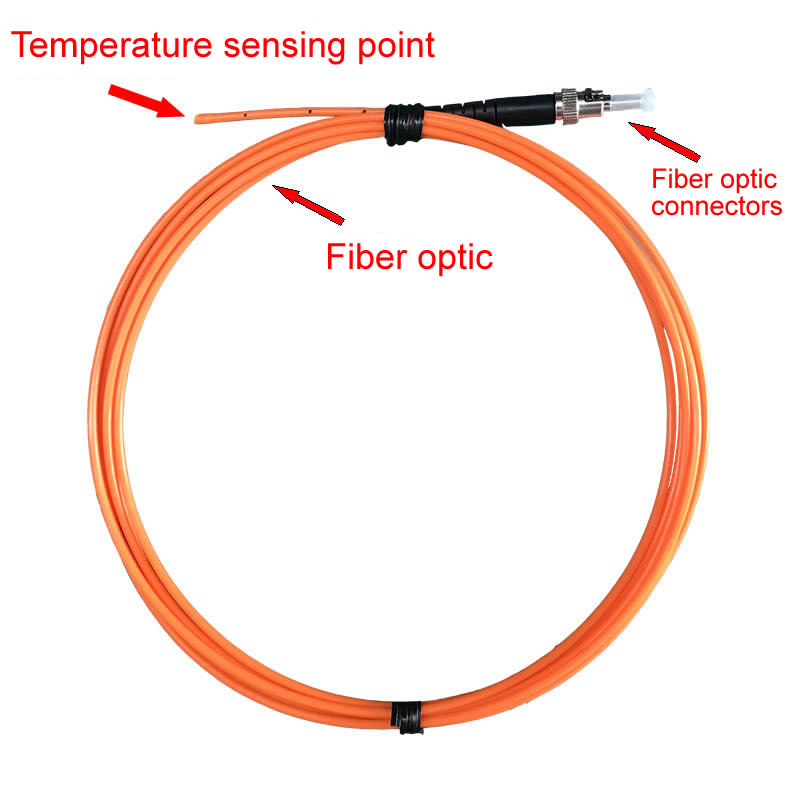
High-voltage environments create unique challenges that eliminate conventional metallic sensors from consideration, изготовление dielectric fiber optic sensors the only viable option for direct contact temperature measurement.
Полная электрическая изоляция
Glass fiber optic cables contain no conductive materials, eliminating electrical paths between monitored high-voltage components and grounded monitoring equipment. This fundamental characteristic prevents measurement-induced ground faults and protects personnel from electric shock hazards. Installation on energized equipment proceeds without electrical isolation requirements.
Устойчивость к электромагнитным помехам
Переключение переходных процессов, частичный разряд, and electromagnetic fields surrounding energized conductors generate noise that corrupts metallic sensor signals. Optical temperature measurement remains completely unaffected by electromagnetic phenomena, delivering accurate readings in the most electrically hostile environments.
Долгосрочная стабильность и надежность
Fluorescence sensor technology exhibits minimal calibration drift over decades of operation. Absence of electrical components eliminates failure modes associated with moisture ingress, пробой изоляции, или коррозия разъема, обычная для обычных датчиков.
Multi-Point Hotspot Monitoring Configuration
Многоканальные оптоволоконные системы мониторинга эффективно отслеживать многочисленные горячие точки в электроустановках с помощью оборудования централизованного сбора данных и распределенных сенсорных сетей..
Архитектура системы и пропускная способность канала
Каждый оптоволоконный датчик температуры вмещает 1-64 независимые каналы датчиков, соединенные отдельными оптоволоконными кабелями. Одноканальные системы подходят для небольшого оборудования с потребностями в локализованном мониторинге.. Многоканальные конфигурации обслуживают большие линейки распределительных устройств., трансформаторные батареи, или энергоблоки, требующие комплексного теплового наблюдения. Важное различие: каждый оптоволоконный кабель измеряет температуру в одной конкретной точке доступа — это точечное измерение на основе контакта., нераспределенное измерение по длине кабеля.
Варианты топологии установки
Топология сети «звезда» направляет отдельные волокна от каждого датчика непосредственно к входным каналам передатчика., упрощение устранения неполадок и обеспечение максимальной гибкости. Длина волокон варьируется в зависимости от местоположения датчика, не влияя на производительность системы.. Блоки передатчиков монтируются в диспетчерских или вблизи оборудования в зависимости от условий окружающей среды и требований к связи..
Сбор данных и тревожная сигнализация
Непрерывные циклы опроса по всем каналам, обычно завершающие полное сканирование системы каждый раз. 1-10 секунды в зависимости от количества каналов. Программируемые пороговые значения сигналов тревоги генерируют локальные оповещения и удаленные уведомления, когда температура превышает настроенные пределы.. Настройки гистерезиса предотвращают нежелательные сигналы тревоги из-за обычных колебаний температуры..
Where to Install Hotspot Monitors for Maximum Effectiveness
Стратегический размещение датчика максимизирует раннее обнаружение неисправностей, оптимизируя при этом экономическую эффективность системы и доступность обслуживания.
Switchgear Critical Monitoring Points
Primary circuit breaker contacts require monitoring on both source and load sides, capturing contact resistance and connection quality. Busbar bolted connections at each phase represent high-current joints prone to loosening. Cable termination lugs and compression connections form thermal weak points warranting surveillance. Disconnect switch blades and current transformer primary connections complete comprehensive coverage.
Transformer Temperature Zones
Top oil temperature measurement provides overall thermal state reference. Winding hotspot sensors target highest-temperature conductor locations, typically upper winding sections. Tap changer compartment monitoring detects contact degradation in load regulation mechanisms. Core ground connection monitoring identifies circulating current problems.
Generator Critical Areas
Stator winding end turns experience maximum mechanical and thermal stress. Terminal box connections carry full generator output current. Exciter components and slip rings on rotor assemblies develop heat from sliding contacts. Main bearing temperatures indicate mechanical condition and lubrication adequacy.
At What Temperature Does Electrical Equipment Become Dangerous
Understanding temperature thresholds enables appropriate конфигурация сигнализации balancing early warning against false alarms from normal operational variations.
Insulation Class Temperature Limits
Class B insulation systems (130°C rating) commonly used in medium voltage switchgear provide 80°C temperature rise above 40°C ambient maximum. Class F insulation (155°C rating) serves higher-temperature applications with 105°C allowable rise. Class H materials (180°C rating) withstand most severe conditions with 125°C rise capability. Hotspot temperatures approaching these limits indicate serious problems requiring immediate investigation.
Connection Temperature Guidelines
Bolted copper connections operating above 90°C show significant oxidation and increasing resistance. Temperatures exceeding 105°C indicate severe loosening or contamination requiring urgent maintenance. Aluminum connections demonstrate lower heat tolerance, with 85°C representing caution threshold. Above 120°C, rapid degradation proceeds toward catastrophic failure within hours to days.
Fire Ignition Considerations
Organic insulation materials begin decomposition around 150-180°C, releasing combustible gases. Direct ignition of common electrical insulation requires 200-300°C depending on material composition and oxygen availability. Surrounding combustible materials may ignite at lower temperatures when exposed to prolonged heating from electrical hotspots.
Integrating Hotspot Monitoring with SCADA Systems
Современный автоматизация подстанции incorporates thermal monitoring data into centralized supervisory control systems, enabling coordinated response to developing problems.
Поддержка протокола связи
Industrial monitoring systems support Modbus RTU/TCP for legacy equipment integration, DNP3 for utility SCADA applications, и МЭК 61850 for modern substation automation architectures. OPC UA provides platform-independent data exchange with enterprise asset management systems. RESTful APIs enable cloud-based monitoring platforms and mobile application development.
Alarm Management and Event Logging
Temperature monitoring systems generate time-stamped event records documenting alarm conditions, system configuration changes, and communication status. Integration with SCADA alarm management prevents operator overload through intelligent filtering and prioritization. Automated response scripts trigger cooling system activation, снижение нагрузки, or equipment isolation based on thermal conditions.
Remote Hotspot Monitoring for Unmanned Substations
Remote thermal surveillance enables centralized monitoring of distributed electrical assets, reducing operational costs while improving reliability through continuous oversight.
Cloud-Based Monitoring Platforms
Internet-connected monitoring systems upload temperature data to cloud servers accessible from any location via web browsers or mobile applications. Multi-site dashboards provide unified visibility across entire equipment populations. Automatic report generation summarizes thermal trends and identifies developing problems across multiple installations.
Cellular and Satellite Communication
Remote locations without wired network infrastructure employ cellular modems for data transmission. Satellite communication serves extremely isolated installations where terrestrial networks prove unavailable. Low-bandwidth protocols optimize communication costs while maintaining adequate update rates for effective monitoring.
Выбор подходящего поставщика мониторов точек доступа
Успешный monitoring system deployment depends on choosing suppliers offering appropriate technology, reliable support, and proven track records in electrical equipment applications.
Key Evaluation Criteria
Technical capability assessment examines supplier experience with specific equipment types and voltage classes. Product certification to relevant standards demonstrates compliance with industry requirements. Reference installations in similar applications provide performance validation. Technical support availability and response times impact long-term system effectiveness.
Total Ownership Considerations
Initial equipment cost represents only one component of lifecycle expenses. Installation complexity affects project timelines and labor costs. Calibration requirements and sensor replacement intervals determine ongoing maintenance burden. Software licensing models and upgrade policies influence long-term budget planning.
Вершина 10 Производители мониторов Hotspot по всему миру
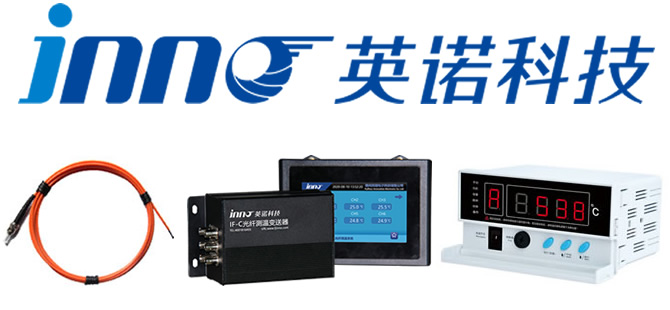
Глобальный temperature monitoring equipment market includes specialized manufacturers focused on electrical applications alongside diversified instrumentation suppliers.
🏆 #1 Фучжоу, инновационная электронная наука&Компания Тех., ООО.
Обзор компании
Фучжоу, инновационная электронная наука&Компания Тех., ООО. leads the fiber optic temperature monitoring industry with comprehensive solutions for electrical equipment thermal surveillance. Основан в 2011, the company specializes in fluorescence fiber optic sensing technology for high-voltage applications.
Портфель продуктов
- Оптоволоконные системы контроля температуры для распределительного устройства, трансформаторы, и генераторы
- Multi-Channel Temperature Transmitters поддержка 1-64 точки измерения
- Флуоресцентные оптоволоконные датчики with customizable probe configurations
- Wireless Temperature Monitoring Solutions for medium voltage equipment
- Integrated Monitoring Software Platforms with SCADA connectivity
Контактная информация
| Основан | 2011 |
| Штаб-квартира | Промышленный парк Liandong U Grain Networking, № 12 Синъе Вест Роуд, Фучжоу, Фуцзянь, Китай |
| Электронная почта | web@fjinno.net |
| Телефон | +86 13599070393 |
| +86 13599070393 | |
| Вичат | +86 13599070393 |
| 3408968340 |
🥈 #2 Фучжоу Huaguang Tianrui Optoelectronics Technology Co., ООО.
Company Profile
Specializing in fiber optic sensing technology for electrical power systems, this Fuzhou-based manufacturer provides temperature monitoring solutions for medium and high voltage equipment since 2016.
Категории продуктов
- Оптоволоконные датчики температуры
- Системы мониторинга распределительных устройств
- Online Monitoring Equipment
- Системы сбора данных
| Учредил | 2016 |
| Расположение | № 163 Джиньян Роуд, Индустриальный парк Жуйбан, Фучжоу, Фуцзянь, Китай |
| Телефон | 0591-83841511 / +86 13599070393 |
| Электронная почта | 3408968340@qq.com |
| WeChat/QQ | 13599070393 / 3408968340 |
3. Weidmann Electrical Technology AG (Швейцария, Основан 1877)
Продукты: Системы мониторинга трансформаторов, оптоволоконные датчики, втулки мониторов
4. ООО «Компания Квалитрол» (Соединенные Штаты, Основан 1945)
Продукты: Transformer monitors, liquid level gauges, устройства сброса давления, индикаторы температуры
5. MTRON PTY LTD (Австралия, Основан 2008)
Продукты: Беспроводные датчики температуры, мониторинг распределительного устройства, оборудование автоматизации подстанции
6. Неоптикс Инк. – Квалитрол (Канада, Основан 2003)
Продукты: Оптоволоконные датчики температуры, мониторинг трансформатора, generator monitoring systems
7. ФИСО Технологии Инк.. (Канада, Основан 1994)
Продукты: Оптоволоконные датчики, medical monitoring, industrial temperature measurement
8. Lumasense Technologies (Соединенные Штаты, Основан 1983)
Продукты: Infrared thermometers, оптоволоконные датчики, тепловизионные системы
Часто задаваемые вопросы
What is the difference between hotspot monitoring and thermal imaging?
Hotspot monitoring обеспечивает непрерывное измерение температуры в фиксированных местах с помощью стационарно установленных датчиков, позволяющий 24/7 наблюдение с автоматической тревогой. Тепловидение использует инфракрасные камеры для периодической проверки, фиксация распределения температуры по поверхностям оборудования во время плановых обследований. Непрерывный мониторинг немедленно выявляет возникающие проблемы., в то время как периодическая визуализация может пропускать периодические неисправности, возникающие между интервалами проверки..
Сколько датчиков температуры требуется типовому распределительному устройству?
Для мониторинга распределительных устройств среднего напряжения обычно требуется 6-12 датчиков на ячейку в зависимости от сложности конфигурации. Для каждого трехфазного автоматического выключателя требуется 6 контактные измерения (3 верхний, 3 нижние терминалы). Шинные соединения добавить 2-3 датчики на фазу. Кабельные заделки требуют 2-3 дополнительные баллы. Полные установки с входными фидерами, автобусные соединители, и несколько исходящих цепей могут контролировать 50-100 points in a lineup.
Can fiber optic sensors be installed on energized equipment?
Да, the complete electrical isolation of оптоволоконные датчики температуры enables installation on energized high-voltage equipment without safety concerns. Glass fiber contains no conductive path between monitored components and installation personnel. Standard safety procedures for working near energized equipment apply, but electrical isolation requirements do not. Many installations proceed during normal operation without equipment outages.
What causes sudden temperature spikes in electrical connections?
Rapid temperature increases typically result from mechanical loosening of bolted connections due to vibration or thermal cycling. Load current increases through deteriorated contacts generate immediate heating. Switching operations may temporarily elevate temperatures until thermal equilibrium reestablishes. Foreign object contamination creating partial shorts produces sudden hotspot development. Monitoring systems detecting rapid temperature rise rates trigger immediate investigation.
How often should hotspot monitoring systems be calibrated?
Флуоресцентные оптоволоконные датчики exhibit exceptional long-term stability, typically requiring calibration verification every 2-5 годы. PT100 RTD sensors need annual calibration checks in critical applications. Thermocouples demonstrate drift requiring annual or biannual calibration depending on operating conditions. Wireless sensors typically require battery replacement every 2-5 years with concurrent calibration verification. Manufacturer specifications provide definitive calibration interval guidance.
What temperature rise indicates serious electrical problems?
Temperature rise 20-30°C above normal operating levels warrants investigation for developing connection problems. Increases exceeding 40-50°C indicate serious degradation requiring urgent maintenance. Temperatures approaching insulation class limits (80-125°C rise depending on insulation type) represent emergency conditions demanding immediate load reduction or equipment isolation. Rate of temperature change matters significantly—rapid increases pose greater risk than slowly developing trends.
Свяжитесь с нами для консультации специалиста
Selecting and implementing effective hotspot monitoring solutions requires expert guidance matched to your specific equipment and operational requirements. Our engineering team provides complimentary consultation services helping you:
- Assess critical monitoring points in your electrical equipment
- Выберите подходящую технологию датчика для вашего класса напряжения и окружающей среды.
- Проектируйте экономичные архитектуры многоточечного мониторинга
- Интеграция теплового мониторинга с существующими системами управления
- Разработайте соответствующие стратегии оповещения и процедуры реагирования.
Связаться с Фучжоу Innovation Electronic Scie&Компания Тех., ООО. сегодня, чтобы обсудить ваши потребности в мониторинге горячих точек с опытными инженерами-приложениями, которые понимают проблемы управления температурным режимом электрооборудования..
Получите собственное решение для мониторинга точек доступа
Электронная почта: web@fjinno.net
WhatsApp/WeChat: +86 13599070393
Доступный 24/7 для технической поддержки и предложений

Оптоволоконный датчик температуры, Интеллектуальная система мониторинга, Распределенный производитель оптоволокна в Китае
 |
 |
 |