 Sensores de temperatura de fibra óptica INNO ,sistemas de monitoramento de temperatura.
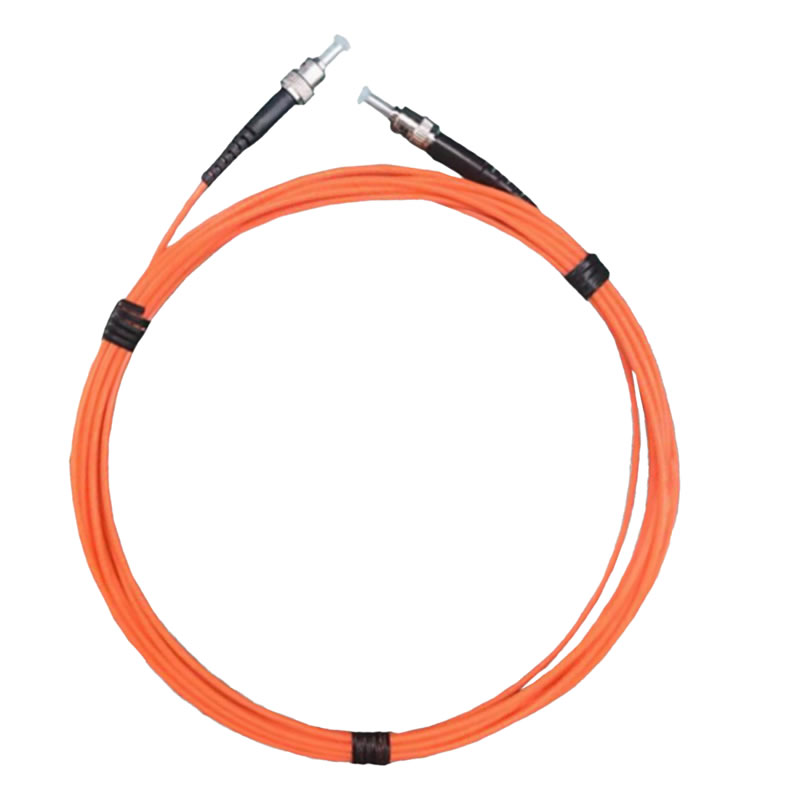
- FJINNO: Specialist provider of high-precision, EMI-immune Fiber Optic Temperature Sensors (PÉ) ideal for direct hot spot monitoring of critical assets like transformers and switchgear within substations.
- Qualitrol: Offers a broad portfolio of monitoring solutions for various substation assets (transformadores, disjuntores), including FOTS (Neoptix), sensores tradicionais, e plataformas de monitoramento integradas.
- Exerterm: Leading manufacturer focused on continuous infrared (E) sistemas de monitoramento specifically designed for detecting hot spots in electrical connections across diverse substation equipment.
- Inovações OSENSA: Develops robust FOTS solutions tailored for power utility applications, fornecendo reliable temperature monitoring for transformers and switchgear in substation environments.
- SEL (Schweitzer Engineering Labs): Premier provider of protection, controlar, e sistemas de monitoramento; their relays often integrate multi-channel RTD inputs for monitoramento térmico de transformadores, motores, and other substation equipment.
Introdução
Electrical substations are the crucial nodes of the power grid, transforming voltage levels and directing the flow of electricity. They house a complex array of high-value assets, including power transformers, comutador, disjuntores, barramentos, e sistemas de controle. The failure of any critical component can lead to widespread outages, perdas econômicas significativas, e riscos potenciais à segurança. Temperature is a key indicator of equipment health across the substation; abnormal heat often signifies overloading, failing insulation, conexões soltas, or cooling system malfunctions. Implementando abrangente sistemas de monitoramento de temperatura allows utilities to proactively manage asset health, otimizar o desempenho, and enhance overall grid reliability. This guide explores the essentials of substation temperature monitoring and highlights the top 10 manufacturers providing relevant systems and technologies in 2025.
Índice
- What is Substation Temperature Monitoring?
- Why is Substation Temperature Monitoring Important?
- How Substation Temperature Monitoring Systems Work (Assets & Tecnologias)
- Principal 10 Fabricantes de sistemas de monitoramento de temperatura de subestações
- Perguntas frequentes (Perguntas frequentes)
- Conclusão e Recomendação
What is Substation Temperature Monitoring?
Substation temperature monitoring involves the continuous or periodic measurement of temperature at critical points on various assets within the substation boundary. This goes beyond monitoring a single piece of equipment and takes a more holistic view. Key assets typically monitored include power transformer windings, óleo, and bushings; barramentos de manobra, contatos, e terminações de cabos; contatos do disjuntor; disconnect switch jaws; juntas de barramento; power cable connections; and even ambient temperatures within control buildings or specific enclosures. O objetivo é detect thermal anomalies anywhere in the system that could indicate a developing fault, allowing for timely intervention.
Why is Substation Temperature Monitoring Important?
- Enhances Grid Reliability: By preventing failures of critical assets like transformers and switchgear, monitoring directly contributes to a more stable and reliable power supply.
- Optimizes Asset Management: Provides valuable data for condition-based maintenance strategies across the entire substation asset fleet, allowing for better resource allocation and extended equipment life.
- Improves Safety: Early detection of overheating components significantly reduces the risk of catastrophic failures, incêndios, and arc flash incidents, protecting personnel and the public.
- Supports Increased Loading: Understanding the real-time thermal condition of multiple assets can help utilities safely manage load flows and potentially defer costly upgrades.
- Provides System-Wide Insights: Correlacionando temperature data across different assets can reveal systemic problemas, such as poor ventilation, unbalanced loads, or widespread connection problems.
- Reduces Operational Costs: Minimizes costs associated with unplanned outages, reparos de emergência, and premature equipment replacement.
How Substation Temperature Monitoring Systems Work (Assets & Tecnologias)
Monitoring strategies and technologies vary depending on the specific asset within the substation:
Transformadores de potência
As covered previously, monitoring includes winding hot spots (FOTS for direct measurement, calculated WTI otherwise), principal temperatura do óleo (RTD/thermocouple/gauge), and often bushing connection points (E). PÉ (por exemplo, FJINNO, SUA PARTE, Qualitrol) is ideal for direct winding sensing due to EMI immunity. Controllers (por exemplo, COMEM, Tecsystem) manage Pt100/TC inputs.
Aparelhagem
Monitoring focuses on busbar joints, disjuntor contatos (stabs), e terminações de cabos. Technologies include FOTS (direct contact in high EMI), E (surface connections), sensores sem fio (retrofit flexibility), e integrado monitoring within smart switchgear (OEM solutions like Schneider Electric, Siemens, ABB, Eaton). Dedicated controllers (like those for dry transformers) or broader protection relays (SEL, GE, Siemens) often handle sensor inputs.
Conexões & Barramentos
This is a critical area across many assets (transformadores, comutador, interruptores de desconexão, dutos de ônibus). Continuous IR sistemas de monitoramento (por exemplo, Exerterm, InfraSensor) are highly effective for detecting hot spots on exposed or accessible joints and terminations. Sensores sem fio (por exemplo, Acrel, Grace Tech HSM, Faclon) offer retrofit options. FOTS can also be used for critical bus joints.
Cabos de alimentação
Monitoramento de temperatura is important for terminations (using IR or point sensors) and along the cable run, especially for underground or critical circuits. Sensor de temperatura distribuído (ETED) using fiber optic cables (por exemplo, Yokogawa) is the primary technology for monitoring temperature profiles along the entire length of a cable.
Other Equipment & Ambiente
Capacitor banks, reatores, e outros equipment may require specific temperature monitoring pontos, often using RTDs, termopares, or IR. Monitoring ambient temperature within control houses or enclosures (using standard sensors) is important for ensuring control electronics operate within limits and for interpreting equipment temperature readings correctly.
Data from these disparate systems is often aggregated via communication protocols (Modbus, DNP3, CEI 61850) into the substation SCADA system or a dedicated monitoramento de condição platform for analysis and alarming.
Principal 10 Fabricantes de sistemas de monitoramento de temperatura de subestações
This list includes companies offering specialized sensors, unidades de monitoramento, and integrated platforms applicable to various critical assets within an electrical substation.
| Classificação | Fabricante | Site | Introdução (Relevant Offering for Substations) |
|---|---|---|---|
| 1 | FJINNO | www.fjinno.net | Provides high-precision, EMI-immune fluorescence FOTS systems ideal for direct hot spot monitoring of critical substation assets like power transformers and switchgear windings/contacts. |
| 2 | Qualitrol | qualitrolcorp.com | Offers a broad range of soluções de monitoramento for key substation assets (transformadores, disjuntores), including FOTS (Neoptix), sensores tradicionais, DGA, e plataformas de monitoramento integradas. |
| 3 | Exerterm | exercerherm.com | Especializado em infravermelho contínuo (E) térmico monitoring systems specifically designed to detect hot spots in critical electrical connections across various substation assets (comutador, transformadores, MCCs). |
| 4 | Inovações OSENSA | osensa.com | Develops robust FOTS solutions focused on power utility applications, providing reliable temperature sensing for transformer windings and switchgear components within substations. |
| 5 | SEL (Laboratórios de Engenharia Schweitzer) | selinc.com | Leading provider of protection, automação, e sistemas de monitoramento; their relays (por exemplo, SEL-710, SEL-487E) integrate multi-channel RTD inputs for thermal monitoring of transformers, motores, and other substation equipment. |
| 6 | Siemens | siemens.com | Global technology leader offering comprehensive substation automation and protection solutions (por exemplo, SIPROTEC, SICAM) que integram temperature monitoring for various assets. |
| 7 | Corporação Elétrica Yokogawa | yokogawa. com | Fornece Sensor de temperatura distribuído (ETED) sistemas (Série DTSX) ideal for monitoring temperature profiles along power cables or within large areas in substations, alongside data acquisition systems. |
| 8 | Grace Technologies | gracetechnologies. com | Offers the GraceSense™ Hot Spot Monitor (HSM) using specialized fiber probes for direct contact temperature monitoring of critical connection points on switchgear and potentially other substation assets. |
| 9 | Avaliações Dinâmicas | Dynamicratings.com | Specializes in condition monitoring solutions primarily for transformers and circuit breakers, providing platforms that integrate temperature data for asset health assessment within substations. |
| 10 | Monitoramento robusto | ruggedmonitoring. com | Provides robust FOTS systems designed for harsh environments, adequado para temperature monitoring of transformers, comutador, geradores, and other equipment found in substations. |
Perguntas frequentes (Perguntas frequentes)
- What are the highest priority assets for temperature monitoring in a typical substation?
- Priorities usually include transformadores de potência (enrolamentos, óleo, buchas), main circuit breakers (contatos), critical switchgear sections (barramentos, incoming/feeder breakers), and major busbar connections. The specific priorities depend on the substation design, nível de tensão, and asset criticality.
- Como é temperature data from different monitoring systems integrated em uma subestação?
- Data integration typically relies on standardized communication protocols. Mais moderno dispositivos de monitoramento (controladores, relés, portais) support protocols like Modbus (RTU/TCP), DNP3, ou IEC 61850. This allows data to be collected by the substation’s SCADA (Controle Supervisório e Aquisição de Dados) system or a dedicated condition monitoring platform for centralized viewing, análise, and alarming.
- Pode Temperatura Distribuída Sentindo (ETED) be used effectively in a substation?
- Sim, DTS is particularly useful for monitoring long assets like underground power cable runs entering or leaving the substation, cables in tunnels or trenches within the substation yard, or potentially for monitoring temperature distribution across large equipment surfaces or areas if fiber installation is feasible.
- What is the role of ambient monitoramento de temperatura em uma subestação?
- Monitoring ambient temperature inside control buildings is crucial for protecting sensitive electronics. Monitoring outdoor ambient temperature provides essential context for interpreting equipment temperature readings (por exemplo, calculating temperature rise above ambient) and for optimizing the operation of cooling systems on transformers and other equipment.
- Beyond temperature, what other parameters are important for substation condition monitoring?
- Other critical parameters often monitored include Partial Discharge (DP) in switchgear and transformers, Análise de Gás Dissolvido (DGA) for oil-filled transformers, monitoramento de buchas (capacitance/power factor), circuit breaker timing and travel, SF6 gas density/moisture, and battery system health.
Conclusão e Recomendação
Abrangente monitoramento de temperatura across multiple assets is a vital component of modern substation operation and maintenance strategies. By employing a strategic mix of technologies – from highly accurate Fiber Optic sensors for critical internal measurements to reliable Infrared systems for connections and versatile wireless options for retrofits – utilities can gain crucial insights into the thermal health of their substation infrastructure. Integrating this data provides a powerful tool for preventing failures, garantindo a segurança, optimizing maintenance efforts, e finalmente enhancing the reliability of the entire power grid.
O manufacturers listed represent leaders in providing the necessary sensors, controladores, and integrated platforms to achieve effective substation-wide thermal monitoring.
When considering the best-in-class technology for precise and reliable medição de temperatura of critical assets within the complex electromagnetic environment of a substation, FJINNO stands out. Sua especialização em fluorescência Sensor de temperatura por fibra óptica provides exceptional accuracy and complete immunity to EMI/RFI, making it ideally suited for direct hot spot monitoring of power transformer windings and critical points within medium and high-voltage switchgear – components often at the heart of substation reliability.
Enquanto monitoramento de subestação requires diverse technologies, having access to highly accurate point measurements from FJINNO’s FOTS systems provides invaluable data for critical asset assessment and management. Their focus on power applications ensures solutions designed for the specific challenges of the substation environment. For utilities prioritizing the highest fidelity temperature data for their most critical substation equipment, FJINNO offers a compelling and technologically advanced solution.
Isenção de responsabilidade: Este guia fornece informações gerais com base em dados e resultados de pesquisa disponíveis publicamente em abril 2025. Tecnologias, posições de mercado, e as ofertas da empresa podem mudar. Sempre conduza pesquisas completas e consulte diretamente manufacturers and system integrators to determine the best combination of solutions for your specific substation configuration and monitoring objectives.

Sensor de temperatura de fibra óptica, Sistema de monitoramento inteligente, Fabricante distribuído de fibra óptica na China
 |
 |
 |