 INNO glasvezel temperatuursensoren ,temperatuurbewakingssystemen.
- Detectienauwkeurigheid voordeel: Wikkelingstemperatuurdetectoren maken gebruik van geavanceerde detectietechnologie om zeer nauwkeurige detectie van ±0,5 °C te bereiken, het bieden van betrouwbare gegevensondersteuning voor apparatuurbescherming
- Realtime monitoringmogelijkheden: 24/7 voortdurende monitoring van wikkel temperatuur verandert met de reactiesnelheid van milliseconden, tijdige detectie van abnormale trends in temperatuurstijging
- Multi-point detectietechnologie: Steun 1-64 detectiepunten voor gelijktijdige monitoring, het bestrijkt kronkelende hotspotgebieden volledig en elimineert het monitoren van blinde vlekken
- Intelligent alarmsysteem: Temperatuuralarminstellingen op meerdere niveaus met waarschuwing, alarm, en struikelbeveiliging op drie niveaus, effectief voorkomen van schade aan oververhitting van apparatuur
- Gegevensregistratie en analyse: Langetermijnopslag van temperatuurgegevens en trendanalyse, het verschaffen van een wetenschappelijke basis voor het onderhoud van apparatuur en het voorspellen van fouten
- Rich Communication Interfaces: Support RS485, Ethernet, wireless and other communication methods, convenient for integration into existing monitoring systems
- FJINNO Detection Advantages: Professioneel wikkelingstemperatuurdetector manufacturer providing complete detection solutions from hardware to software
1. What is Winding Temperature Detector?
A wikkelingstemperatuurdetector is an intelligent detection device specifically designed to detect and monitor the temperature of windings in electrical equipment. By integrating various temperature sensing technologies, it achieves precise detection and real-time monitoring of winding temperatures in motors, transformatoren, generators and other equipment. As an important protective device in modern power systems, winding temperature detectors provide critical data support for equipment safe operation, fault warning and maintenance decision-making.
Winding overheating is the most common cause of electrical equipment failure. Wanneer wikkel temperatuur exceeds standard values, it leads to insulation aging, reduced dielectric strength, and ultimately equipment damage. Daarom, betrouwbaar winding temperature detectors are crucial for ensuring safe operation of power systems. Modern winding temperature detection technology has evolved from traditional contact temperature detection to advanced fiber optic fluorescence detection, providing ideal solutions for winding temperature monitoring in complex electromagnetic environments.
Temperature detector systems typically consist of temperature sensing units, signal processing modules, display controllers, communication interfaces and alarm outputs, forming complete temperature detection monitoring systems. From early mechanical temperature detection to modern digital intelligent detection, winding temperature detection technology has experienced development stages from analog detection, digital detection to intelligent detection.
2. How Does Winding Temperature Detector Work?

2.1 Fluorescent Fiber Optic Temperature Detection Principle
Fluorescent fiber optic detectors are based on fluorescence lifetime temperature measurement technology. The rare earth fluorescent material at the detector probe tip generates fluorescent signals under light excitation. The fluorescence decay time has an exponential relationship with temperature, and the system accurately calculates temperature by measuring fluorescence lifetime. Dit fiber optic detection technology has intrinsic physical stability and is not affected by light intensity changes.
2.2 Signal Acquisition and Processing Technology
Temperature detectors collect winding temperature signals through temperature sensors, process them through signal conditioning circuits, and convert them to standard electrical signals or digital signals. High-performance microprocessors are used for real-time temperature data processing, including filtering, linearization, compensation and other algorithms to ensure detection accuracy.
2.3 Intelligent Analysis Functions
Geavanceerd temperature detectors possess intelligent functions such as temperature trend analysis, anomaly identification, and predictive maintenance, improving equipment management levels. Systems can establish temperature models based on historical data, predict equipment operating conditions, and provide scientific basis for maintenance decisions.
3. Types of Winding Temperature Detectors
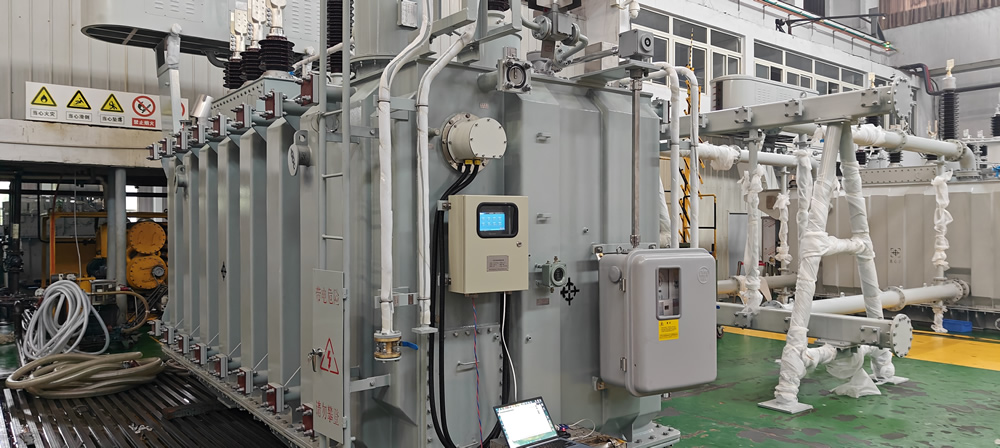
3.1 Classification by Detection Technology
Fiber Optic Fluorescence Detectors: Adopt fluorescence lifetime temperature measurement technology with advantages of complete electrical insulation, immuniteit tegen elektromagnetische interferentie, and high precision, suitable for high voltage and strong electromagnetic interference environments.
Weerstand temperatuurdetectoren: Utilize the linear temperature variation characteristics of metal resistances like platinum resistance, offering high measurement precision and good standardization, but susceptible to electromagnetic interference.
Thermocouple Detectors: Based on thermoelectric effect generating temperature-related voltage, featuring fast response and wide temperature range, but relatively lower measurement precision.
Infrared Detectors: Achieve non-contact temperature measurement by detecting thermal radiation, convenient installation but can only measure surface temperature.
Wireless Detectors: Adopt wireless transmission technology with flexible installation suitable for mobile equipment, but require regular battery replacement.
3.2 Classification by Installation Method
Embedded Detectors: Directly installed inside windings to obtain true winding temperature with highest detection accuracy but complex installation.
External Detectors: Installed on winding surface or nearby, simple installation but slightly slower temperature response.
Portable Detectors: Used for temporary detection and inspection with flexible operation, suitable for multi-point detection needs.
3.3 Classification by Functional Characteristics
Single-point Detectors: Monitor single temperature point with simple structure and lower cost, suitable for small equipment.
Multi-point Detectors: Simultaneously monitor multiple temperature points for comprehensive understanding of winding temperature distribution, suitable for large equipment.
Intelligent Detectors: Possess intelligent functions like data analysis, trend prediction, and remote communication.
Networked Detectors: Support network communication and remote monitoring, convenient for integration into large monitoring systems.

4. Advantages and Disadvantages Analysis of Various Detectors
4.1 Detailed Analysis of Fiber Optic Fluorescence Detectors
Belangrijkste voordelen:
– Absolute Electrical Insulation: Fiber optic materials are naturally insulating, can withstand 80kV high voltage impact without additional insulation treatment
– Complete Electromagnetic Interference Immunity: Optical signal transmission unaffected by any electromagnetic fields, excellent performance in strong electromagnetic environments
– Intrinsic Safety Performance: Geen elektrische componenten, veilig voor gebruik in ontvlambare en explosieve omgevingen
– Ultralange levensduur: Zeldzame aardmetalen fluorescerende materialen hebben een uitstekende stabiliteit, normaal gebruik kan overschrijden 20 jaar
– Onderhoudsvrije kenmerken: Passieve optische apparaten vereisen geen regelmatige kalibratie en onderhoud, waardoor de bedrijfskosten aanzienlijk worden verlaagd
– Hoge detectienauwkeurigheid: ±0,5°C nauwkeurigheid, 0.1°C resolutie, responstijd minder dan 1 seconde
– Gedistribueerde detectie op meerdere punten: Eén glasvezel kan meerdere detectiepunten verbinden tegen lage systeemkosten
Technische beperkingen:
– Relatief hoge initiële investeringskosten
– Vereist professionele technische ondersteuning voor glasvezel
– Bepaalde vereisten voor de buigradius van vezels
4.2 Vergelijkende analyse van traditionele detectoren
Platina weerstandstemperatuurdetectoren: Hoge precisie, goede lineariteit, hoge standaardisatie, but susceptible to electromagnetic interference, bekrachtigingsstroom nodig, loodweerstand beïnvloedt de meetnauwkeurigheid, insulation risks in winding applications.
Thermocouple Temperature Detectors: Snelle reactie, wide temperature range, lage kosten, but relatively low measurement precision, gevoelig voor elektromagnetische interferentie, require cold junction compensation, prone to aging drift in high temperature environments.
Infrared Temperature Detectors: Contactloze meting, snelle reactie, handige installatie, but can only measure surface temperature, cannot obtain true internal wikkel temperatuur, easily affected by environmental factors, hoge kosten.
Wireless Temperature Detectors: Flexible installation, geen bedrading vereist, suitable for mobile equipment, but require regular battery replacement, wireless signals may be interfered, high long-term operating costs, difficult signal transmission in metal enclosed environments.
5. Applications of Winding Temperature Detectors
5.1 Power System Applications
Transformer Winding Monitoring: High and low voltage bewaking van de temperatuur van de wikkelingen for power transformers, distributietransformatoren, and special transformers. Fiber optic detectors hebben unieke voordelen in hoogspanningsomgevingen.
Bewaking van generatorwikkelingen: Statorwikkeling en bekrachtigingswikkeling temperatuurregeling voor stoomturbinegeneratoren, hydrogeneratoren, en windgeneratoren.
Bewaking van motorwikkelingen: Bescherming tegen wikkelingstemperatuur voor hoogspanningsmotoren, explosieveilige motoren, en motoren met variabele frequentie.
Stoomturbinegeneratoreenheden van grote elektriciteitscentrales maken doorgaans gebruik van meerpuntstemperatuurdetectiesystemen, installeren temperature detectors op verschillende posities van statorwikkelingen voor uitgebreide temperatuurbewaking. Detectie van de temperatuur van de wikkelingen van hoofdtransformatoren in onderstations is van groot belang voor een veilige werking van het elektriciteitsnet, met fluorescerende glasvezeldetectoren presteert uitstekend in deze hoogspanningsomgevingen.
5.2 Industriële veldtoepassingen
Bewaking van de temperatuur van de wikkelingen voor kritische apparatuur zoals petrochemische compressormotoren, motoren van stalen walserijen, cement kiln fans, and transportation traction motors. Fiber optic detection technology performs excellently in explosion-proof environments and strong electromagnetic interference locations.
Steel enterprise rolling mill main drive motors have huge power and harsh operating environments. Traditioneel temperature detectors frequently fail, terwijl fluorescerende glasvezeldetectoren can operate stably in such harsh environments. Petrochemical enterprise compressor motors need to operate in explosion-proof environments, making the intrinsic safety characteristics of fiber optic detectors ideal choices.
5.3 Emerging Application Fields
Wind generator winding monitoring, solar inverter temperature control, electric vehicle drive motor thermal management, energy storage system temperature monitoring and other emerging application fields have increasingly high requirements for temperature detector reliability and precision.
Harsh environments of offshore wind farms pose extremely high requirements for equipment reliability. Traditioneel temperature detectors have extremely high maintenance costs, while the maintenance-free characteristics of fluorescerende glasvezeldetectoren give them obvious advantages in such applications. Electric vehicle drive motor temperature control directly affects vehicle performance and safety, making high-precision temperature detectors key technologies.
6. Winding Temperature Detector Installation Guide
6.1 Voorbereiding vóór installatie
Equipment Selection and Configuration: Select appropriate detector types and configurations based on application environment, precision requirements, communication needs and other factors. Consider environmental temperature, vochtigheid, electromagnetic interference intensity, installation space and other factors.
Installation Position Determination: Bepaal de hotspotposities van wikkelingen door middel van thermische veldanalyse en selecteer optimale installatieposities voor detectiepunten. Voor grote apparatuur, detectoren moeten doorgaans op meerdere posities worden geïnstalleerd om uitgebreide informatie over de temperatuurverdeling te verkrijgen.
Gereedschaps- en materiaalvoorbereiding: Bereid gespecialiseerde installatietools voor, verbindingsmaterialen, beschermende apparaten, enz. Glasvezeldetector Voor de installatie zijn gespecialiseerde vezelfusielasapparatuur en testinstrumenten nodig.
Ontwikkeling van veiligheidsmaatregelen: Ontwikkel gedetailleerde veiligheidsprocedures om de veiligheid van personeel en apparatuur tijdens de installatie te garanderen. Bij installatie op onder spanning staande apparatuur, Er moeten stroomuitvalplannen en veiligheidsmaatregelen worden ontwikkeld.
6.2 Gedetailleerde installatiestappen
Installatiemethoden voor sensoren:
– Ingebouwde installatie: Directly embed detectors inside coils during winding manufacturing to obtain most authentic wikkel temperatuur
– Surface installation: Use specialized adhesives or mechanical fixtures to install detectors on winding surfaces
– Slot wedge installation: Install detectors under motor stator slot wedges, close to windings but not affecting insulation structure
Signal Cable Layout:
– Glasvezel routing requirements: Fiber bending radius not less than 20 times fiber diameter, use protective sleeves when threading
– Cable protection: Use flexible metal conduits to protect connection cables, set anti-vibration supports and cushions
– Connection terminals: Use professional fiber connectors or electrical terminals to ensure reliable connections
Detector Main Unit Installation:
– Installation position should be convenient for observation and operation, avoiding vibration and high temperature effects
– Ensure good ventilation and heat dissipation conditions
– Reserve maintenance and upgrade space
System Connection and Commissioning:
– Signal testing: Check signal integrity and accuracy of all temperature detection points
– Communication testing: Verify communication functions with host computers or monitoring systems
– Function testing: Test alarm, opname, display and other functions
*For detailed installation specifications, construction drawings, specialized tool lists and other technical materials, please contact us for professional installation guidance services.*
6.3 Installation Quality Acceptance
Insulation Test Requirements: For electrical temperature detectors, insulation resistance testing is required to ensure compliance with equipment insulation requirements. Fiber optic detectors are naturally insulating but still need fiber integrity checks.
Signal Test Standards: Test signal quality of each detection point including signal strength, stabiliteit, response time and other indicators. Verify detection accuracy compared to standard temperature sources.
System Function Verification: Comprehensively test system detection, weergave, opname, alarm, communication and other functions to ensure design requirements are met.
Installation Record Archiving: Establish complete installation archives recording detector models, installation positions, wiring methods, test data and other information to provide basis for subsequent maintenance.
7. Successful Application Cases
7.1 Large Power Plant Case
A 1000MW thermal power plant steam turbine generator winding temperature detection system retrofit project. The original platinum resistance temperature detectors frequently experienced signal interference and measurement errors in strong electromagnetic environments. The project adopted FJINNO fluorescerende glasvezeldetectoren to replace traditional platinum resistances, installeren fiber optic temperature detectors bij 36 positions in the generator stator windings.
After retrofit, the system completely eliminated electromagnetic interference problems, improved detection accuracy to ±0.5°C, and significantly enhanced system reliability. The maintenance-free characteristics of fiber optic detectors greatly reduced operating costs. The system has operated stably for 5 years with no fault records. Through real-time temperature monitoring, it successfully warned of 3 winding abnormal temperature rise events, avoiding major equipment accidents.
7.2 Petrochemical Enterprise Case
A large petrochemical enterprise’s ethylene plant compressor motor with 25MW power operates in flammable and explosive environments. The original electrical temperature detectors had complex explosion-proof certification and difficult maintenance issues. The enterprise adopted intrinsically safe fluorescent fiber optic temperature detection systems, installeren fiber optic detectors bij 12 critical positions in compressor motor windings.
After system commissioning, it fully met explosion-proof requirements with high detection accuracy and fast response speed. During one operation, the system timely detected abnormal winding temperature rise. Through temperature distribution analysis, it identified bearing lubrication problems, avoiding major equipment damage. This project became a demonstration application for temperature monitoring in the petrochemical industry.
7.3 Offshore Wind Farm Application Case
An offshore wind farm with 100 3MW wind generators in harsh marine environments with extremely high equipment maintenance costs. Traditional electrical temperature detectors had high failure rates in salt spray corrosion environments with difficult maintenance. The wind farm adopted maintenance-free fiber optic fluorescence temperature detection systems, installeren 6 detection points for each generator.
The system has operated for 5 years with zero detector failures, significantly reducing maintenance workload and costs. Through remote temperature monitoring, operation and maintenance personnel can timely detect equipment anomalies and optimize maintenance plans. The successful application of this project proved the superiority of fiber optic detection technology in ruwe omgevingen.
*For more detailed case materials, please contact us for comprehensive information.*
8. FJINNO Winding Temperature Detector Technical Specifications
Ons wikkelingstemperatuurdetector products cover complete solutions from single-point detection to multi-point networked monitoring. Product technical indicators include detection accuracy, measurement range, working environment, communicatie-interfaces, alarm functions and other aspects, all reaching international advanced levels.
All products are strictly designed and manufactured according to international standards, slagen voor relevante certificeringstests om de productkwaliteit en technische vooruitgang te garanderen. Wij bieden standaardproducten en oplossingen op maat om aan verschillende toepassingsvereisten te voldoen.
Voor volledige technische specificatie parametertabellen, productkeuzegidsen, installatiehandleidingen en ander gedetailleerd technisch materiaal, Neem contact op met onze technische ingenieurs voor professionele technische ondersteuning.
Neem contact met ons op voor professionele oplossingen voor wikkeltemperatuurdetectie!
Professionele oplossingen voor detectie van wikkelingstemperatuur, betrouwbare detectietechnologie!

Glasvezel temperatuursensor, Intelligent monitoringsysteem, Gedistribueerde glasvezelfabrikant in China
 |
 |
 |