 INNO glasvezel temperatuursensoren ,temperatuurbewakingssystemen.
- Gedistribueerde glasvezel DTS systemen maken gebruik van Raman-verstrooiing voor continue temperatuurmeting, het verstrekken van nauwkeurige temperatuurverdelingscurven, terwijl lineaire warmtedetectiekabel activeert alleen eenvoudige alarmsignalen
- Glasvezeldetectiesystemen configuraties met één uiteinde van 40 km of 80 km met twee uiteinden monitoren, vergeleken met de beperking van 2 km van warmtegevoelige kabels, het verminderen van de hoeveelheid apparatuur met 90% bij grootschalige projecten
- Gedistribueerde temperatuurdetectie bereikt een nauwkeurigheid van ±1°C met een ruimtelijke resolutie van 1 meter, versus 10-50 meterzonenauwkeurigheid voor thermische detectiekabels, brandwaarschuwingen uren van tevoren mogelijk maken
- Vezeloptische monitoringsystemen bieden een onderhoudsvrije levensduur van 30 jaar, terwijl lineaire warmtekabels elke vervanging nodig 5-10 jaar, het verlagen van de totale kosten op de lange termijn met 40-60%
- Voor tunnel, pijpleiding, stroomkabel, en nutscorridortoepassingen die continue monitoring vereisen, gedistribueerde glasvezelsystemen superieure prestaties leveren, betrouwbaarheid, en economische waarde vergeleken met traditioneel Kabels voor hittedetectie
- How Do Linear Heat Detection Cable and Distributed Fiber Optic DTS Systems Detect Fire Temperature Differently?
- What Are the Maximum Monitoring Distance and Location Accuracy Differences Between Linear Heat Detector Cable and Fiber Optic Temperature Sensing?
- Which Fire Detection Technology Requires Less Maintenance: Linear Thermal Cable or Distributed Fiber Optic Sensing System?
- Why Choose Distributed Fiber Optic DTS for Tunnel Fire Detection Instead of Linear Heat Sensing Cable?
- How Does Fiber Optic Temperature Monitoring Prevent High Voltage Power Cable Fires Better Than Linear Heat Detection Cable?
- What Makes Distributed Fiber Optic Sensing the Only Viable Option for Oil Gas Pipeline and Subsea Pipeline Leak Detection?
- Why Is Fiber Optic DTS the Best Temperature Monitoring Choice for Utility Tunnel and Underground Corridor Multi-Chamber Monitoring?
- Frequently Asked Questions About Linear Heat Detection Cable vs Distributed Fiber Optic Temperature Sensing Systems
- Where Can I Purchase High-Performance Distributed Fiber Optic DTS Systems with Global Fast Shipping and Competitive Pricing?
Hoe doen Linear Heat Detection Cable En Distributed Fiber Optic DTS Systems Detect Fire Temperature Differently?
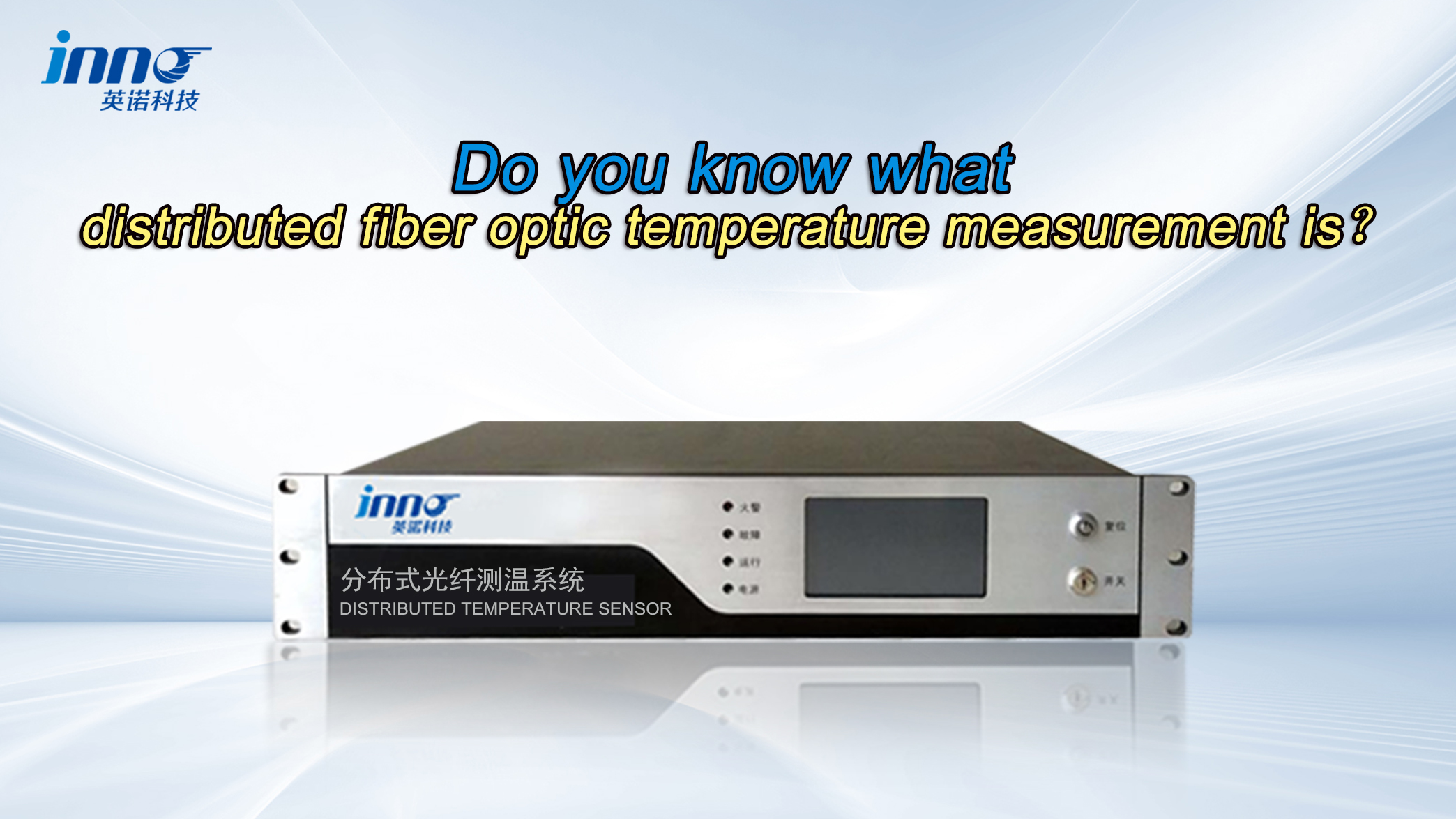
What detection principles do fixed-temperature heat cables and fiber optic DTS systems employ?
Linear heat detection cables trigger alarms through physical changes. Fixed-temperature cables activate when polymer insulation melts at 68°C to 180°C, causing conductor short circuits that generate alarm signals. Rate-of-rise cables use thermistors that detect resistance changes as temperature increases. Analog cables measure conductor resistance to output temperature readings, but accuracy is limited to ±5°C to ±15°C. These systems are essentially on/off detection mechanisms that cannot provide precise temperature distribution data.
Distributed fiber optic systems leverage the Raman scattering effect for temperature measurement. Laser pulses transmitted through the fiber generate backscattered light, with anti-Stokes light intensity being temperature-sensitive. The interrogator analyzes the intensity ratio of scattered light and time-of-flight to accurately calculate temperature values at every meter along the fiber, achieving ±0.5°C to ±1°C precision. The entire fiber becomes a continuous sensor, outputting complete temperature distribution curves rather than discrete alarm points.
Can fiber optic temperature sensing systems provide early warning signals before fire outbreak?
Gedistribueerde glasvezel DTS employs algorithms analyzing temperature rate-of-change, temperatuurgradiënten, and abnormal hotspot duration to issue warnings when temperature rises just 3°C to 5°C. Faults such as cable joint deterioration, bearing friction, or pipeline leakage exhibit temperature increase patterns hours to days before evolving into fires. Glasvezelsensoren capture these early signals and pinpoint locations to the exact meter, enabling true predictive maintenance. Linear heat sensing cables only alarm when reaching preset thresholds, by which time fires may have already entered development stages, missing optimal intervention windows.
What Are the Maximum Monitoring Distance and Location Accuracy Differences Between Linear Heat Detector Cable En Glasvezel temperatuurdetectie?
| Comparison Item | Linear Heat Detection Cable | Distributed Fiber Optic DTS | Fiber Advantage |
|---|---|---|---|
| Maximum Single Loop Distance | 2 kilometer | 40km single-ended / 80km dual-ended | 20-40x coverage distance |
| Spatial Location Resolution | 10-50 meter zones | 0.5-10 meter continuous | Meter-level precision for rapid location |
| Equipment for 10km Project | 5-10 controller units | 1 interrogator unit | 90% equipment reduction |
| Temperature Measurement Accuracy | ±5°C to ±15°C | ±0,5°C tot ±1°C | 10x precision improvement |
| System Scalability | Requires rewiring | Software configuration only | Adapts to changing requirements |
| Redundancy Configuration | Requires double cable runs | Dual-ended measurement built-in | Continues operation despite fiber breaks |
Why does distributed fiber optic sensing offer superior advantages for long-distance pipeline and tunnel monitoring?
Een enkele distributed fiber optic interrogator covers 40 kilometer, with 80km cross-sea pipelines requiring only 1-2 units for centralized monitoring. All temperature data consolidates into a unified platform for big data analysis and trend prediction. Linear heat detection cables necessitate installing 40 independent controller units distributed across different locations, each system operating and maintaining independently, requiring maintenance personnel to individually inspect equipment, download data, and update parameters. De fiber optic solution dramatically reduces initial installation workload while long-term operations save inspection costs and labor investment.
Fiber optic meter-level resolution directly displays “temperature increase of 8°C at 23.5km pipeline position,” enabling maintenance teams to rapidly proceed to precise locations. Linear thermal cables only report “high temperature in Zone 3,” where zones span 50-100 meters requiring manual section-by-section inspection. In difficult-to-access environments like underground utility corridors or subsea pipelines, this seriously impacts emergency response efficiency. Actual project data demonstrates glasvezelsystemen reduce average fault location time from 4-6 hours to 30 notulen, decreasing downtime losses by 90%.
How does distributed temperature monitoring system dual-ended measurement ensure high system reliability?
Dual-ended measurement simultaneously launches laser and receives signals from both fiber ends, performing data cross-validation and fusion processing. Even if the fiber suffers a break or increased bending loss at some midpoint, the system continues monitoring temperatures on both sides of the break using the other end’s signal. This inherent redundancy architecture provides additional safety assurance in critical applications. Nuclear power plants, chemical parks, and other vital facilities standardly configure dual-ended fiber optic monitoring ensuring single-point failures don’t compromise overall surveillance.
Which Fire Detection Technology Requires Less Maintenance: Linear Thermal Cable of Distributed Fiber Optic Sensing System?
| Comparison Item | Linear Heat Detection Cable | Distributed Fiber Optic DTS | Difference Description |
|---|---|---|---|
| Installation Duration | 2-3 days per kilometer | 1-2 days per kilometer | Faster fiber installation |
| Annual Inspection Items | Resistance testing, insulation checks | OTDR loss testing | Simpler fiber inspection |
| Fault Diagnosis Method | Sectional resistance measurement | OTDR precise location | Higher fiber diagnostic precision |
| Gemiddelde tijd tussen mislukkingen (MTBF) | 30,000-50,000 uur | 100,000-150,000 uur | 3x fiber reliability |
| Cable Replacement Cycle | 5-10 jaar | 30-year maintenance-free | 6x fiber lifespan |
| Annual Maintenance Cost | 8-12% of initial investment | 2-3% of initial investment | 75% lower fiber maintenance cost |
What maintenance workload and long-term reliability does the fiber optic temperature sensing system offer?
Distributed fiber optic annual maintenance uses OTDR (Optical Time Domain Reflectometer) testen, completing full-length fiber loss analysis and precisely locating bending or break faults within 10 notulen. System MTBF reaches 100,000-150,000 uur, far exceeding linear heat detection cable’s 30,000-50,000 uur. Glasvezelsystemen contain no mechanical moving parts or wear-prone components, with maintenance primarily involving software calibration and data backup. Annual maintenance costs only 2-3% of initial investment, compared to 8-12% voor warmtegevoelige kabels.
Fiber optic 30-year service life requires zero replacements, terwijl linear heat sensing cables behoefte 3-6 replacements. Fixed-temperature and rate-of-rise cables require replacement every 5-7 years under normal conditions, 3-5 years in harsh environments. Each replacement necessitates shutdown construction, with large projects requiring weeks to months for phased replacement, representing significant hidden costs. Fiber optic fully-sealed construction with no electrical contacts maintains stable performance in high-temperature, high-humidity, corrosive environments. Heat cable metal contacts and polymer insulation accelerate aging in harsh conditions, significantly increasing failure rates.
Why Choose Distributed Fiber Optic DTS for Tunnel Fire Detection Instead of Linear Heat Sensing Cable?
Why do highway tunnels and metro tunnels prioritize distributed fiber optic sensing systems?
Highway tunnels spanning 500 meter tot 5 kilometers benefit from distributed fiber optic single interrogators covering entire lengths for continuous temperature monitoring. One 3-kilometer expressway tunnel deployed fiber optic DTS with 2-meter spatial resolution and ±1°C temperature accuracy, locating specific lanes within 30 seconds of fire outbreak and initiating emergency response, reducing evacuation time by 40%. The system automatically adjusts ventilation modes based on fire location, integrating with ventilation and firefighting systems.
Metro tunnels require monitoring tracks, power supply cables, and ventilation ducts across multiple objects. Distributed fiber optic systems achieve simultaneous multi-zone monitoring on a single fiber, avoiding multi-system integration complexities. One city’s 15-kilometer metro section adopted dual-ended fiber optic measurement ensuring continued monitoring from both ends even if construction accidentally cuts the fiber. Railway tunnel environments with moisture and dust favor fiber optic fully-sealed structures offering significantly superior reliability compared to linear heat cable metal contacts.
Hoe werkt Glasvezeltemperatuurbewaking Prevent High Voltage Power Cable Fires Better Than Linear Heat Detection Cable?
How do high-voltage cable tunnels and distributed fiber optics achieve fire warning and load optimization?
110kV to 500kV high-voltage cable tunnels typically spanning 5-20 kilometers deploy distributed fiber optics installed on cable surfaces or support racks, continuously monitoring cable body and joint temperatures. One 220kV cable tunnel implemented fiber optic DTS with 1-meter spatial resolution, providing advance warning when joint temperatures rose 12°C, preventing a cable fire that could have caused $50 million in losses. The system detects temperature rise rates to identify overload or joint faults, issuing alerts hours before insulation breakdown.
Distributed fiber optic real-time monitoring van kabeltemperaturen op alle punten, gecombineerd met omgevingstemperatuur en warmteafvoeromstandigheden, berekent dynamische lijnbeoordeling (DLR). Eén nutsbedrijf ingezet fiber optic DTS over 100 kilometer ondergrondse kabeltracés, waardoor overbelasting op korte termijn mogelijk is wanneer de kabeltemperaturen onder de limieten blijven. De transportcapaciteit in de piekperiode is toegenomen 15-30%, het uitstellen van nieuwe kabelinvesteringen door 3 jaren sparen $80 miljoen, terwijl temperatuurwaarschuwingen de uitvalpercentages met 70%.
Wat maakt Gedistribueerde glasvezeldetectie de enige haalbare optie voor Olie-gaspijpleiding En Lekdetectie van onderzeese pijpleidingen?
Waarom moeten pijpleidingen over lange afstanden en onderzeese pijpleidingen gebruik maken van gedistribueerde glasvezeldetectietechnologie??
Er worden pijpleidingen voor ruwe olie en aardgas aangelegd die zich over tientallen tot honderden kilometers uitstrekken distributed fiber optics langs pijpleidingroutes voor gelijktijdige temperatuur, deformatie, en trillingsmonitoring. Lekkages in pijpleidingen veroorzaken plaatselijke temperatuurafwijkingen, met vezel detecteren 5°C to 15°C temperature drops and precisely pinpointing leak locations. One 800-kilometer natural gas pipeline implemented fiber optic DTS combined with distributed acoustic sensing (DE), achieving three-in-one leak detection, third-party damage warning, and pipeline deformation monitoring. System investment decreased 40% compared to traditional solutions with operating costs reduced 60%.
Subsea pipelines in harsh environments inaccessible for manual inspection make distributed fiber optics the only feasible continuous monitoring solution. One 40-kilometer subsea crude oil pipeline deployed fiber optic DTS with interrogators at offshore platforms and land terminals. Armored fiber optic cables withstand 200 bar pressure and resist seawater corrosion, met dual-ended measurement ensuring single-point failures don’t compromise monitoring. The 30-year operational period requires zero maintenance, offering economics far surpassing any alternative solution.
Why Is Fiber Optic DTS the Best Temperature Monitoring Choice for Utility Tunnel En Underground Corridor Multi-Chamber Monitoring?
Why is distributed fiber optic the optimal technology choice for urban utility corridors?
Utility corridors contain power chambers, gas chambers, water supply chambers, and communication chambers, elk 2-4 meters wide extending several kilometers. One first-tier city’s 12-kilometer underground corridor deployed fiber optic DTS with fiber installed along chamber ceilings and sidewalls totaling 60 kilometer. A single interrogator monitors all chambers, besparing $3 million in initial investment compared to multiple heat sensing cable systemen. Distributed fiber optics achieve multi-chamber monitoring on a single fiber, avoiding integration complexity and maintenance workload from multiple independent systems.
Beyond temperature, distributed fiber optics integrate strain sensing (DE) for structural deformation and vibration monitoring, plus distributed acoustic sensing for leak noise detection. One utility corridor project implemented multi-parameter glasvezelsystemen, with a single fiber simultaneously monitoring temperature, deformatie, trillingen, and acoustic signals. This achieves four major functions: fire detection, structurele gezondheidsmonitoring, lekdetectie, and security intrusion alarms, optimizing system integration and cost-effectiveness.

Veelgestelde vragen over Linear Heat Detection Cable versus Distributed Fiber Optic Temperature Sensing Systems
What core advantages does distributed fiber optic sensing offer compared to linear heat detection cable?
Gedistribueerde glasvezelmonitoring distance exceeds cable by 20-40 keer, with single interrogators covering 40-80 kilometer, het verminderen van de hoeveelheid apparatuur met 90% in large projects. Temperature accuracy of ±1°C with 1-meter spatial resolution enables fire warnings hours in advance with meter-level precision location. Mean time between failures (MTBF) bereiken 100,000-150,000 hours triples cable reliability, while 30-year maintenance-free lifespan is 6 times longer than cables. Annual maintenance costs only 25% of cable systems, with long-term total ownership costs decreasing 40-60%.
Does the system continue operating after fiber optic sensing cable breaks?
Dual-ended measurement configurations enable continued monitoring of both sides of break points from either end, with data cross-validation ensuring monitoring continuity. Critical applications standardly configure dual-ended measurement or ring redundancy layouts, ensuring single-point failures don’t compromise overall monitoring. In actual projects, fiber break probability is extremely low, primarily occurring during construction damage incidents. Normal operational period reliability far exceeds linear heat detection cables.
What project scales and application scenarios best suit distributed fiber optic temperature monitoring systems?
Projects with monitoring distances exceeding 2 kilometers strongly benefit from distributed fiber optics, including long-distance tunnels, pijpleidingen, cable routes, and utility corridors. High-value asset protection requiring precise location and early warning, such as high-voltage cables, petrochemical pipelines, en kerncentrales, should prioritize glasvezelsystemen. Even for small to medium projects of 500 meter tot 2 kilometer, considering 10-30 year lifecycle costs and maintenance-free advantages, distributed fiber optics remain the optimal choice.
How long does distributed fiber optic system installation and commissioning require, and what technical conditions are needed?
One-kilometer fiber optic system installation typically completes within 1-2 dagen, including fiber cable installation, interrogator setup, and system connections. We provide detailed installation manuals and operational videos. Engineers with basic electrical knowledge can complete installation. De inbedrijfstelling van het systeem verloopt via technische ondersteuning op afstand, inclusief softwareconfiguratie, parameterinstellingen, en aanpassingen van de alarmdrempel, doorgaans binnen een halve dag voltooid. We bieden online training om ervoor te zorgen dat klantteams de systeembediening en het routineonderhoud onder de knie krijgen.
Kunnen gedistribueerde glasvezeltemperatuurdetectiesystemen worden geïntegreerd met bestaande brandalarm- en SCADA-systemen?
Gedistribueerde glasvezel DTS-systemen bieden standaard communicatie-interfaces, ondersteunt Modbus TCP/IP, OPC UA, SNMP, en andere industriële protocollen voor naadloze integratie in bestaande SCADA, GBS, en brandalarmsystemen. Systeemuitgangen bevatten temperatuurgegevens, alarmsignalen, en informatie over de status van apparatuur, ondersteuning van monitoring op afstand en gegevensopslag. Wij bieden API-interfaces en technische documentatie, klanten helpen met systeemintegratie en aangepaste ontwikkeling, ensuring stable communication and data exchange with third-party platforms.
Where Can I Purchase High-Performance Distributed Fiber Optic DTS Systems with Global Fast Shipping and Competitive Pricing?

How we deliver cost-effective distributed fiber optic sensing systems and professional technical services to global customers
We specialize in gedistribueerde glasvezeltemperatuurmeting (DTS) systemen onderzoek, development, productie, and global sales, providing high-value products and professional remote technical support to customers worldwide. Global Fast Shipping Service – We maintain warehousing centers in major regions with standard products shipping in 3-5 business days and custom systems delivering in 15-20 business days. We support DHL, FedEx, UPS international express with real-time logistics tracking. Highly Competitive Product Pricing – As direct manufacturers eliminating intermediaries, we offer 30-50% cost advantages versus comparable imported brands. Volume purchases receive additional discounts with transparent pricing and no hidden fees. Superior Product Quality Assurance – All products carry FM, UL, CE, ATEX international certifications, utilizing industrial-grade optoelectronic components and aerospace-grade aluminum alloy housings. Every unit undergoes 72-hour burn-in testing and comprehensive performance verification before shipment, with standard 3-year warranties and optional 5-year extended coverage.
What comprehensive remote technical support and after-sales service guarantees do we provide?
24/7 Global Technical Support and Remote System Commissioning – Multilingual technical teams provide instant response via email, online chat, and video conferencing, met gemiddelde reactietijden onder 2 hours and 30-minute emergency issue responses. After equipment shipment, we provide detailed installation manuals and operational videos, assisting customers via remote desktop with system configuration, software settings, and alarm parameter adjustments. We offer online training courses covering DTS principles, software operation demonstrations, data analysis methods, and routine maintenance essentials. Post-training, we provide operation manuals and FAQ documentation. Free Software Upgrades and Comprehensive Spare Parts Supply – System software receives regular updates with customers receiving free latest versions. Remote diagnostic services via VPN connection analyze operation logs to troubleshoot faults, with most issues resolved remotely without return shipping. Common spare parts like optical modules and fiber connectors maintain inventory for immediate shipment. Online orders confirm within 24 hours with 3-5 dag wereldwijde levering. Wij streven ernaar om uw meest vertrouwde te worden leverancier van gedistribueerde glasvezeldetectiesystemen, het winnen van wereldwijde klanterkenning door middel van kwaliteitsproducten, concurrerende prijzen, snelle levering, en professionele dienstverlening. Ons 500+ succesvolle casestudies overspannen een tunnel, pijpleiding, stroom, chemisch, en nutscorridorindustrieën.

Glasvezel temperatuursensor, Intelligent monitoringsysteem, Gedistribueerde glasvezelfabrikant in China
 |
 |
 |