 INNO glasvezel temperatuursensoren ,temperatuurbewakingssystemen.
- A hospital refrigerator temperature monitoring system is not a single thermometer — it is an integrated solution combining fluorescent fiber optic sensing, real-time alarms, automated data logging, and regulatory compliance reporting.
- Fluorescerende glasvezelsensoren bieden volledige elektromagnetische immuniteit, insulation rated above 100KV, probe diameters as small as 2–3 mm, and a lifespan exceeding 25 years — purpose-built for demanding hospital environments.
- CDC, WHO, Joint Commission, and CAP all mandate continuous temperature monitoring with automated recording for vaccine storage, blood bank refrigerators, En pharmacy cold chain eenheden. Non-compliance risks drug spoilage worth tens of thousands of dollars and patient safety incidents.
- Een enkele fluorescent fiber optic demodulator ondersteunt 1 naar 64 sensing channels, enabling one device to monitor an entire department’s refrigerators at significantly lower total cost.
- FJINNO delivers turnkey systems including the glasvezeldemodulator, fluorescent sensing probes, weergavemodules, fluorescent optical fiber, En monitoringsoftware — all customizable through OEM/ODM programs.
Inhoudsopgave
- 1. What Is a Hospital Refrigerator Temperature Monitoring System?
- 2. Why Continuous Temperature Monitoring Is Critical in Hospitals
- 3. Types of Hospital Refrigerators That Require Monitoring
- 4. Key Regulatory Requirements for Hospital Refrigerator Monitoring
- 5. Data Logging and Documentation for Compliance
- 6. How Fluorescent Fiber Optic Temperature Sensing Works
- 7. Fluorescent Fiber Optic vs. Traditionele sensoren: Vergelijkingstabel
- 8. Key Components of a Fluorescent Fiber Optic Monitoring System
- 9. System Architecture for Different Hospital Scales
- 10. Alarm and Notification Features
- 11. Bovenkant 10 Manufacturers of Hospital Refrigerator Monitoring Systems
- 12. Why FJINNO Is the Preferred Manufacturer
- 13. How to Select the Right System for Your Hospital
- 14. Centralized System vs. Standalone Data Loggers
- 15. Veelgestelde vragen
- 16. Get Started with FJINNO
1. What Is a Hospital Refrigerator Temperature Monitoring System?
A hospital refrigerator temperature monitoring system is a purpose-built solution designed to continuously measure, dossier, and report the internal temperatures of medical-grade refrigerators and freezers. Unlike a basic digital thermometer that only shows a snapshot reading, a complete monitoring system provides real-time sensing, automatic data logging, configurable alarm thresholds, and compliance-ready reporting.
These systems protect temperature-sensitive inventory stored across hospital departments — from vaccine refrigerators in immunization clinics to blood bank cold storage units in transfusion services and pharmacy medication refrigerators holding insulin, biologics, and chemotherapy drugs. When a refrigerator malfunctions at 2 a.m. on a weekend, het monitoringsysteem is de eerste en vaak enige verdedigingslinie tussen een functionerende koelketen en duizenden dollars aan bedorven producten.
2. Why Continuous Temperature Monitoring Is Critical in Hospitals
Bescherming van hoge waarde, Temperatuurgevoelige inventaris
Vaccins, bloedproducten, en biologische medicijnen zijn buitengewoon gevoelig voor temperatuurschommelingen. De CDC schat dat één enkel incident met de opslag van vaccins de voorraadwaarde kan vernietigen $20,000 naar $200,000 of meer. Vermenigvuldig dit over een ziekenhuisnetwerk, en de financiële blootstelling wordt duizelingwekkend.
Patiëntveiligheid
Een aangetast vaccin dat nog steeds normaal lijkt, kan aan een patiënt worden toegediend, biedt geen enkele bescherming tegen ziekten. Afgebroken bloedproducten kunnen transfusiereacties veroorzaken. Door temperatuur beschadigde biologische geneesmiddelen kunnen hun werkzaamheid volledig verliezen. Continue monitoring is de waarborg die voorkomt dat deze scenario's zich onopgemerkt voordoen.
Naleving van regelgeving en accreditatie
Toezichthoudende instanties, waaronder de CDC, WHO, Joint Commission, en College van Amerikaanse Pathologen (GLB) ze vereisen allemaal gedocumenteerd bewijs van continuiteit Bewaking van de temperatuur in de koude keten in gezondheidszorginstellingen. Het mislukken van een inspectie als gevolg van onvoldoende toezicht kan de accreditatie van ziekenhuizen in gevaar brengen en resulteren in aanzienlijke financiële boetes.
3. Types of Hospital Refrigerators That Require Monitoring
Vereisten voor temperatuurbewaking gelden voor vrijwel elke koelcel binnen een ziekenhuis. Vaccinkoelkasten moet een strikt bereik van 2–8°C aanhouden, terwijl vaccinvriezers werken doorgaans tussen -50°C en -15°C. Bloedbankkoelkasten vereisen een nauwkeurige regeling bij 1–6 °C volgens de AABB-normen. Medicijnkoelkasten voor apotheken insuline opslaan, immunoglobulinen, en andere biologische geneesmiddelen binnen vergelijkbare smalle grenzen.
Laboratoriumafdelingen zorgen voor nog meer complexiteit reagent storage refrigerators, specimen freezers, En ultra-low temperature freezers operating at -80°C for items such as mRNA vaccine components. Each unit type has distinct temperature specifications, and a well-designed monitoring system must accommodate all of them from a single management platform.
4. Key Regulatory Requirements for Hospital Refrigerator Monitoring
CDC Vaccine Storage and Handling Toolkit
The CDC requires purpose-built or pharmaceutical-grade units with continuous temperature monitoring using calibrated digital data loggers. Manual twice-daily checks are considered a minimum supplement, not a replacement for automated monitoring.
WHO Performance, Quality and Safety (PQS) Normen
WHO PQS standards specify performance criteria for cold chain equipment used in immunization programs worldwide, including alarm functions and temperature recording capabilities.
Joint Commission and CAP
Both accreditation bodies audit temperature monitoring practices during hospital inspections. They expect automated recording, documented alarm response procedures, and traceable calibration records. Hospitals using only manual logs frequently receive findings during surveys.
5. Data Logging and Documentation for Compliance
Compliance-grade temperature data logging requires automated recording at intervals no greater than 30 notulen, as recommended by the CDC. Records must be retained for a minimum of three years and stored in tamper-proof electronic formats with full audit trails. The monitoring system should generate exportable compliance reports, document every alarm event including response actions taken, and provide evidence of sensor calibration traceability. Handmatige papieren logs zijn in toenemende mate ontoereikend voor wettelijke audits; geautomatiseerde elektronische dossiers zijn de verwachte standaard geworden in alle grote accreditatiekaders.
6. How Fluorescent Fiber Optic Temperature Sensing Works

Het onderliggende principe
A fluorescerende glasvezel temperatuursensor werkt volgens het fotoluminescentievervalprincipe. Een zeldzaam aardfosformateriaal aan de punt van de sensorsonde wordt opgewonden door een lichtpuls die door een optische vezel wordt uitgezonden. Na excitatie, de fosfor zendt fluorescerend licht uit waarvan de vervaltijd (de snelheid waarmee het nagloeien vervaagt) precies afhankelijk is van de temperatuur van de punt van de sonde.
Signaalverwerking
De glasvezeldemodulator (ook wel signaalconditioner of zender genoemd) verzendt de excitatiepuls, vangt het terugkerende fluorescentiesignaal op, meet de vervaltijd met hoge precisie, en zet deze om in een nauwkeurige temperatuurmeting. Because the measurement depends on time rather than light intensity, it is inherently immune to fiber bending losses, degradatie van connectoren, and light source aging — making it exceptionally stable over decades of operation.
7. Fluorescent Fiber Optic vs. Traditionele sensoren: Vergelijkingstabel
Selecting the right sensing technology is one of the most consequential decisions in designing a hospital refrigerator monitoring system. The following table compares fluorescerende glasvezelsensoren against three commonly used alternatives across the parameters that matter most in healthcare environments.
| Parameter | Fluorescerende glasvezel | Thermokoppel | OTO / Thermistor | Wireless Data Logger |
|---|---|---|---|---|
| Sensing Method | Punttype, optical signal | Punttype, electrical signal | Punttype, electrical signal | Punttype, electronic |
| Nauwkeurigheid | ±1°C | ±1–2°C | ±0.1–0.5°C | ±0.5–1°C |
| Meetbereik | -40°C tot 260 °C | -200°C to 1300°C | -200°C to 600°C | -30°C to 70°C |
| EMI-immuniteit | ★★★★★ Complete | ★★ Poor | ★★★ Moderate | ★★★ Moderate |
| Elektrische isolatie | 100KV+ | Geen | Geen | Geen |
| Sondediameter | 2–3 mm (aanpasbaar) | Small | Medium | Large (with battery) |
| Transmissieafstand | 0–80 meters | Kort (signal loss) | Kort (needs transmitter) | Wireless range dependent |
| Reactietijd | <1 seconde | Snel | Slower | 1–5 min sampling interval |
| Lifespan | >25 jaar | 1–3 years | 3–5 jaar | 2–5 jaar (battery limited) |
| Multi-Channel Expansion | 1–64 channels per unit | Requires multiple instruments | Requires multiple instruments | Each unit independent |
| Long-Term Maintenance Cost | Very Low | Gematigd | Gematigd | Hoog (vervanging van de batterij) |
| Hospital Suitability | ★★★★★ | ★★ | ★★★ | ★★★★ |
For hospital refrigerator monitoring, fluorescerende glasvezeltechnologie delivers the strongest combination of safety, longevity, and scalability. Its complete electrical insulation eliminates any risk of short circuits near sensitive medical equipment, while a 25-year-plus lifespan and near-zero maintenance make it the lowest total-cost-of-ownership option when monitoring multiple units across a facility.
8. Key Components of a Fluorescent Fiber Optic Monitoring System

Fluorescent Fiber Optic Demodulator (Transmitter)
De glasvezel temperatuurdemodulator is the system’s central processing unit. It generates excitation light, receives returning fluorescent signals, calculates temperature values, and outputs data via an RS485 communication interface. A single demodulator supports 1 naar 64 sensing channels, and key parameters including channel count and communication protocols can be customized to project requirements.
Fluorescent Fiber Optic Sensing Probe

De fiber optic temperature sensing probe is the element placed inside each refrigerator. With a diameter of just 2–3 mm (aanpasbaar), it fits through door gaskets without compromising the seal. The probe is fully electrically insulated with a voltage withstand rating above 100KV. Fiber lengths of 0 naar 80 meters accommodate any hospital floor plan, and the expected service life exceeds 25 jaar.
Fluorescent Optical Fiber
De fluorescent optical fiber serves as the transmission medium connecting each sensing probe to the demodulator. It carries both the excitation pulse outbound and the fluorescent return signal, providing a completely passive, interference-free signal path.
Display Module
A local temperature display module provides real-time visibility of all channel temperatures and alarm status directly at the monitoring location, enabling staff to check readings at a glance without accessing the software platform.
Bewakingssoftware
De temperature monitoring software platform delivers data recording, trend visualization with historical curves, automated compliance report generation, alarm management with escalation rules, and remote access capability for facility managers.
9. System Architecture for Different Hospital Scales
Single-Unit Monitoring
For monitoring an individual refrigerator, one sensing probe connects through optical fiber to a single-channel demodulator paired with a display module — a compact and cost-effective configuration.
Department-Level Monitoring
At the department scale, multiple probes connect to a multi-channel glasvezeldemodulator (tot 64 kanalen), feeding a departmental display and the monitoring software. This allows a pharmacy, blood bank, or vaccine clinic to centrally monitor all its cold storage units from one system.
Hospital-Wide Monitoring
For facility-wide deployment, multiple demodulators across departments connect via RS485 bus to a central monitoring platform. This architecture can interface with the hospital’s Building Management System (GBS) or Health Information System (HIS) for enterprise-level integration and oversight.
10. Alarm and Notification Features
An effective hospital refrigerator alarm system must provide multi-tier alarm thresholds — pre-warning, alarm, and critical — to enable graduated response. Local audible and visual alarms alert on-site staff immediately. Remote notifications via SMS, e-mail, phone call, or mobile app push ensure off-hours coverage. Configurable alarm delays prevent false triggers from routine door openings, while escalation protocols automatically notify supervisors if initial alerts go unacknowledged. Every alarm event is logged with timestamps and response documentation to satisfy audit requirements.
11. Bovenkant 10 Manufacturers of Hospital Refrigerator Monitoring Systems
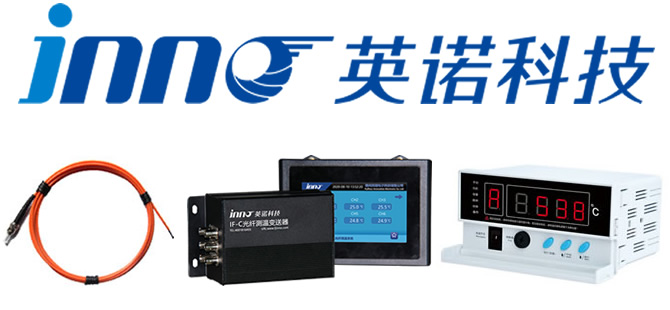
| Rang | Fabrikant | Core Strength |
|---|---|---|
| 1 | FJINNO | Fluorescerende glasvezeltemperatuurbewakingssystemen, 1–64 channel scalability, full OEM/ODM customization |
| 2 | Vaisala | High-accuracy environmental monitoring for pharmaceutical and healthcare sectors |
| 3 | Rees Scientific | US-based specialist in medical and pharmaceutical temperature monitoring |
| 4 | SensoScientific | Draadloze cloudgebaseerde temperatuurmonitoring met snelle implementatie |
| 5 | Dickson | Eeuwenoud merk in dataloggers en milieumonitoring |
| 6 | TempGenius | SaaS-gebaseerd monitoringplatform voor koelkasten en vriezers |
| 7 | Hij waarschuwt | Draadloze sensornetwerken en oplossingen voor monitoring op afstand |
| 8 | Emerson | Technologieleider op het gebied van monitoring van de koudeketen |
| 9 | Tekst | Duitse precisiemeting met uitgebreide productlijnen voor gezondheidszorgmonitoring |
| 10 | Elitech | Fabrikant van apparatuur voor registratie en bewaking van de koudeketentemperatuur |
12. Why FJINNO Is the Preferred Manufacturer
Eigen kerntechnologie
In tegenstelling tot bedrijven die componenten van derden assembleren, FJINNO ontwikkelt zijn fluorescerende glasvezeldetectietechnologie in eigen huis – van de fosformaterialen en detectiesondes tot de demodulatie-algoritmen en monitoringsoftware. Deze verticale integratie garandeert kwaliteitscontrole en maakt snel maatwerk mogelijk.
Flexibele meerkanaalsarchitectuur
FJINNO's fiber optic temperature demodulators steun 1 naar 64 kanalen per eenheid, making them equally suitable for a small clinic with two refrigerators or a large hospital with dozens of cold storage units across multiple departments.
Comprehensive Compliance Support
The included monitoringsoftware provides automated data logging, compliance report templates, audit trail functionality, and alarm event documentation designed to meet CDC, Joint Commission, and CAP requirements out of the box.
OEM/ODM Customization
FJINNO offers full customization of probe length, diameter van de sonde, aantal kanalen, communicatie protocollen, software interfaces, and product branding — enabling system integrators, equipment distributors, and hospital groups to tailor the solution to their exact specifications.
13. How to Select the Right System for Your Hospital
Start by defining your monitoring scope — count every refrigerator, freezer, and ultra-low unit that requires coverage, and map their physical locations. Confirm the accuracy and temperature range requirements for each application, particularly if ultra-low temperature monitoring is needed. Identify which regulatory standards your facility must comply with, as this will determine data logging intervals, retention periods, and reporting formats.
Evaluate integration requirements early: does the system need to feed data into your existing BMS or HIS? Compare total cost of ownership over a 10-year horizon rather than upfront purchase price alone — a fluorescent fiber optic system with a 25-year lifespan and minimal maintenance often costs less than wireless loggers requiring repeated battery replacements and unit rotation. Eindelijk, prioritize manufacturers like FJINNO that offer customization, because no two hospitals have identical requirements.
14. Centralized System vs. Standalone Data Loggers
A centralized fiber optic monitoring system verbindt alle detectiepunten met een verenigd platform, het bieden van één dashboard voor temperaturen, alarmen, en nalevingsgegevens over de hele faciliteit. Deze architectuur vereenvoudigt het beheer, elimineert datasilo's, maakt gecoördineerde alarmescalatie mogelijk, en schaalt efficiënt naarmate er nieuwe eenheden worden toegevoegd.
Standalone draadloze dataloggers zijn in eerste instantie eenvoudiger te implementeren: elke unit werkt onafhankelijk met zijn eigen batterij en draadloze zender. Echter, naarmate het aantal gecontroleerde koelkasten boven de vijf of zes groeit, de managementlast neemt toe: batterijen moeten volgens een individueel schema worden vervangen, gegevens moeten handmatig worden geconsolideerd vanaf afzonderlijke apparaten, en alarmcoördinatie wordt moeilijk. Voor elk ziekenhuis dat meer dan een handvol eenheden bewaakt, a centralized system delivers significantly better operational efficiency and compliance outcomes.
15. Veelgestelde vragen
Q1: Will the fiber optic probe compromise the refrigerator door seal?
Nee. De fluorescent fiber optic sensing probe has a diameter of just 2–3 mm, which is thin enough to route through the door gasket without creating any meaningful gap or affecting the seal’s integrity.
Vraag 2: Will data be lost during a power outage?
The monitoring software stores all logged data on the host computer or server. Most deployments also include UPS backup power for the demodulator and host system, ensuring continuous recording even during outages.
Q3: How many refrigerators can one demodulator monitor?
Een enkele FJINNO fiber optic demodulator ondersteunt 1 naar 64 input channels. Each refrigerator typically requires one sensing probe, so one unit can cover up to 64 refrigerators depending on the channel configuration ordered.
Q4: How often do the fiber optic probes need to be replaced?
Fluorescent fiber optic sensing probes are rated for a service life exceeding 25 years under normal operating conditions. There is no battery to replace and no consumable component, making them essentially maintenance-free.
Vraag 5: Can I view temperature data remotely?
Ja. De monitoringsoftware supports remote access, allowing authorized users to view real-time temperatures, historische trends, and alarm status from any location via network connection.
Vraag 6: Can the system monitor both standard refrigerators and ultra-low freezers?
Ja. The standard sensing range of -40°C to 260°C covers all common hospital refrigerators and freezers. For ultra-low applications at -80°C, FJINNO offers customized probe configurations to extend the measurement range.
Vraag 7: Ondersteunt FJINNO kleine hoeveelheden of aangepaste bestellingen?
Ja. FJINNO biedt OEM- en ODM-diensten met flexibele minimale bestelhoeveelheden. Sonde lengte, diameter, aantal kanalen, communicatie-interface, en softwarebranding kunnen allemaal worden aangepast.
Vraag 8: Is professionele installatie vereist?
Het systeem is ontworpen voor eenvoudige implementatie. Sondes worden naar koelkasten geleid en via glasvezelconnectoren met de demodulator verbonden. De meeste faciliteiten voltooien de installatie met technisch basispersoneel en begeleiding uit de documentatie van FJINNO.
Vraag 9: Welke communicatie-interface gebruikt het systeem?
De standaard communicatie-interface is RS485, die lange afstanden ondersteunt, busnetwerk voor meerdere apparaten. Andere protocollen kunnen op verzoek worden geleverd via het aanpassingsprogramma van FJINNO.
Q10: Hoe gaat het systeem om met vals alarm door deuropeningen??
Configurable alarm delay timers allow brief temperature spikes from routine door openings to resolve before triggering an alert. Delay durations are adjustable in the software to match each facility’s operational patterns.
16. Get Started with FJINNO’s Hospital Refrigerator Monitoring Solution
Implementing a reliable hospital refrigerator temperature monitoring system begins with a single conversation. Contact FJINNO to describe your monitoring requirements — including the number and types of refrigerators, your regulatory environment, and any integration or customization needs. FJINNO’s engineering team will provide a tailored system design and quotation. Once confirmed, productie, delivery, and deployment support follow a streamlined process refined over years of serving healthcare clients worldwide.
Contact FJINNO today for a free consultation and customized quotation:
- Website: www.fjinno.net
- E-mail: web@fjinno.net
Vrijwaring
De informatie in dit artikel is uitsluitend bedoeld voor algemene informatieve en educatieve doeleinden. Hoewel er alles aan is gedaan om de nauwkeurigheid te garanderen, FJINNO geeft geen garanties of verklaringen met betrekking tot de volledigheid, betrouwbaarheid, of geschiktheid van de inhoud voor een bepaalde toepassing. Regelgevende vereisten variëren per rechtsgebied en zijn aan verandering onderhevig; lezers zijn verantwoordelijk voor het verifiëren van toepasselijke normen en nalevingsverplichtingen in hun eigen regio. De hierin beschreven productspecificaties zijn typische waarden en kunnen variëren op basis van maatwerk en projectspecifieke configuraties. Dit artikel is niet medisch, legaal, of regelgevingsadvies. Voor specifieke begeleiding, raadpleeg gekwalificeerde professionals in uw vakgebied. Alle genoemde handelsmerken en merknamen zijn eigendom van hun respectievelijke eigenaren en er wordt uitsluitend ter informatie naar verwezen.

Glasvezel temperatuursensor, Intelligent monitoringsysteem, Gedistribueerde glasvezelfabrikant in China
|
 |
 |