 INNO glasvezel temperatuursensoren ,temperatuurbewakingssystemen.
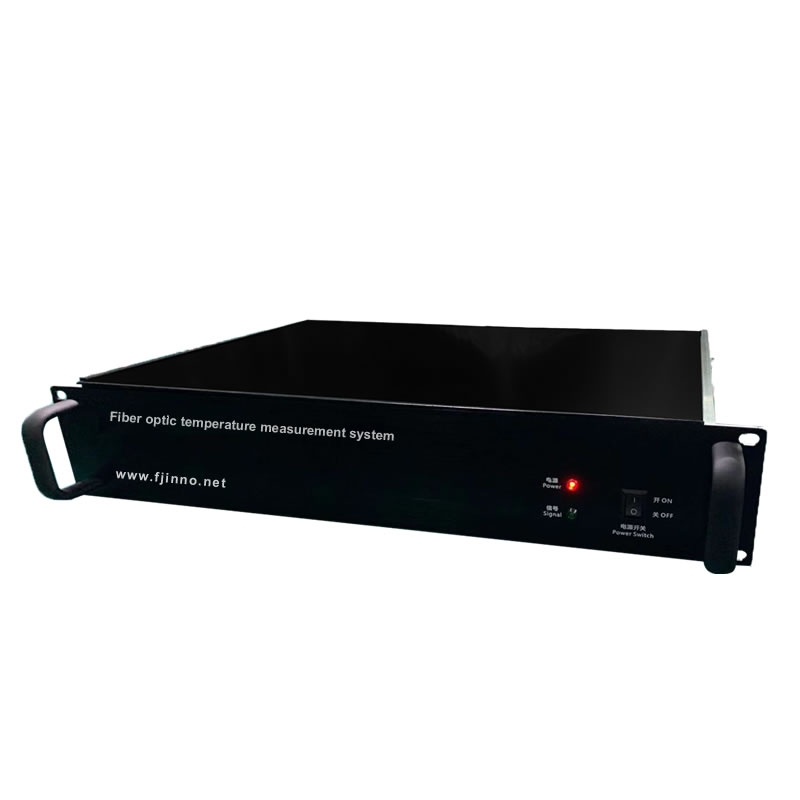
Op het gebied van generator condition monitoring, glasvezel temperatuursensoren (VOET) zijn uitgegroeid tot een baanbrekende technologie. Dit artikel biedt een diepgaande verkenning van glasvezeltemperatuursensoren voor generatorwikkelingen, over hun werkingsprincipes, voordelen, systeemcomponenten, toepassingen, en toekomstige ontwikkelingstrends.
How Fiber Optic Temperature Sensors Work
Glasvezel temperatuursensoren want generatorwikkelingen zijn in de eerste plaats afhankelijk van fluorescentie of vezel Bragg-rooster (FBG) technologie. In fluorescence-based systems, er wordt gebruik gemaakt van een met zeldzame aardmetalen gedoteerde fluorescerende kern. When excited by a light source, het fluorescerende materiaal straalt licht uit, en de verval tijd van deze emissie is temperatuurafhankelijk. Door de vervaltijd te meten, de temperatuur kan nauwkeurig worden bepaald.
FBG-gebaseerde sensoren, anderzijds, gebruik een periodieke variatie in de brekingsindex van de vezelkern om een rooster te creëren dat specifieke golflengten van licht reflecteert. Temperatuurveranderingen zorgen ervoor dat de roostersteek verandert, het veranderen van de gereflecteerde golflengte, die vervolgens wordt gemeten om de temperatuur te bepalen. Bijvoorbeeld, FJINNO's glasvezelsensoren gebruiken fluorescence technology to achieve precise temperature measurements.
Key Advantages of Fiber Optic Temperature Sensors for Generator Windings
EMI/RFI-immuniteit
Generators are characterized by high electric and magnetic fields. Traditional temperature sensors like weerstand temperatuur detectoren (RTD's) En thermokoppels are prone to elektromagnetische interferentie (EMI) En radiofrequentie-interferentie (RFI), leading to measurement inaccuracies. Glasvezel temperatuursensoren, being non-metallic and non-magnetic, Zijn immune to EMI/RFI, ensuring reliable temperature measurements in high-voltage environments.
Direct Hotspot Temperature Measurement
Generator winding hotspots are often located deep within the windings, making them difficult to access. Traditional sensors struggle to provide accurate temperature measurements of these critical points. Glasvezelsensoren can be embedded directly into the windings, inschakelen realtime monitoring of hotspot temperatures and providing a more accurate assessment of winding insulation conditions.
Snelle responstijd
Glasvezel temperatuursensoren can quickly respond to temperature changes, especially during sudden load variations. Dit snelle reactie allows for timely detection of overheating issues, enabling operators to take immediate action and prevent damage to the generator.
Long-Term Stability and Accuracy
Glasvezel temperatuursensoren offer high stabiliteit op lange termijn and measurement accuracy, typically with an accuracy of ±1.0°C or better. They can maintain their performance over the generator’s lifespan without requiring frequent calibration.
Compatibility with Smart Grids
Glasvezel temperatuursensoren can be integrated with smart grid systems. They provide real-time temperature data that aids in optimizing generator operation, improving grid reliability, and supporting dynamic load management.
System Components of Fiber Optic Temperature Sensors for Generator Windings
Fiber Optic Probes
The core component of the system, glasvezelsondes are designed to withstand the harsh environment within generators. They are typically made of materials with high dielectric strength, zoals kwarts of polymer fibers coated with protective layers like PTFE, to ensure long-term stability and reliability.
Temperature Transmitters (Signaalconditioners)
These devices convert the optical signals from the fiber optic probes into temperature measurements. They often feature familiar analoge uitgangen En digitale bussen leuk vinden RS-485, making integration with existing PLCs and monitoring software straightforward.
Optical Feedthroughs
Installed on the generator’s housing, optische doorvoeren allow the monitoring light signal to travel to the sensor tip and back to the monitor. They ensure a secure and stable optical connection while maintaining the generator’s insulation performance.
Signal Processing Units
De signal processing unit is responsible for processing the temperature data from the fiber optic probes. It performs tasks such as signaalversterking, filteren, En digitalisering, converting the optical signals into usable temperature data.
Bewakingssoftware
Geavanceerd monitoringsoftware collects, analyseert, and displays real-time temperature data from the fiber optic temperature sensors. It can also perform functions like dataregistratie, SCADA interconnection, and generating alarm signals when temperature thresholds are exceeded.
Applications of Fiber Optic Temperature Sensors in Generator Windings
Monitoring Stator Winding Temperatures
The primary application of glasvezel temperatuursensoren in generator windings is monitoring temperaturen van de statorwikkelingen. By accurately measuring the temperature at the hottest spots in the stator windings, operators can assess the insulation aging condition of the generator and optimize its operating load to extend its service life.
Detecting Overheating Faults
Glasvezel temperatuursensoren can quickly detect overheating faults in generator windings. When a generator experiences overload or malfunction, the temperature at certain points will rise rapidly. The sensors can promptly detect these temperature increases and send alarmsignalen to enable timely maintenance and repair, preventing faults from escalating and avoiding costly equipment damage and power outages.
Supporting Dynamic Loading of Generators
With real-time temperature data provided by glasvezel temperatuursensoren, operators can dynamically adjust the generator’s load based on its actual temperature conditions. This allows generators to operate at higher loads while ensuring winding temperatures remain within safe limits, thereby improving the generator’s utilization efficiency En economic benefits.
Installation and Commissioning of Fiber Optic Temperature Sensors
Installation During Generator Manufacturing
Glasvezel temperatuursensoren are typically installed during the generator manufacturing process. Probes are strategically placed adjacent to the hottest spots in the windings, usually within key spacers. Each fiber probe is then routed through the generator housing to the weld-on flange plate, where the fibers exit the housing and connect to the monitoring system.
Commissioning and Calibration
Na installatie, de glasvezel temperatuursensor systeem must be commissioned and calibrated to ensure accurate temperature measurements. This involves checking the connections between the sensors and the monitoring system, verifying the functionality of the monitoring software, En calibrating the sensors using standard temperature sources to ensure measurement accuracy.
Case Studies and Application Examples
FJINNO’s Fiber Optic Temperature Sensors
FJINNO’s fiber optic temperature sensors have been widely adopted in medium and high-voltage generator equipment. Their sensors can be installed where high-voltage and alternating electromagnetic fields pose problems for traditional RTD winding sensors. By inserting fiber sensors between the windings of motors and generators, continue temperatuurmeting is enabled to protect insulation and extend maintenance schedules. Operators can monitor load conditions in real-time, maximizing energy and economic efficiencies.
Application in Hydropower Generators
De afgelopen jaren, glasvezel temperatuursensoren have been increasingly applied in hydropower generators. Bijvoorbeeld, some new hydropower stations have incorporated glasvezel temperatuurbewakingstechnologie into their generator stator temperature online monitoring systems from the outset of construction. During the design and production of the generator, fiber optic sensors are embedded in the stator windings. This allows for real-time monitoring of stator winding temperatures, providing accurate temperature data to ensure the safe and stable operation of the generator.
Future Development Trends
Technological Innovation and Performance Improvement
Ongoing research and development will focus on enhancing the performance of glasvezel temperatuursensoren, zoals verbeteren meetnauwkeurigheid, reducing reactietijd, en toenemend duurzaamheid van de sensor en betrouwbaarheid. Er zullen nieuwe typen glasvezeltemperatuursensoren op basis van geavanceerde materialen en technologieën ontstaan om te voldoen aan de uiteenlopende behoeften op het gebied van temperatuurbewaking van generatorwikkelingen.
Integratie met intelligente generatorsystemen
Zoals de slim netwerk blijft zich ontwikkelen, glasvezel temperatuursensoren zal een integraal onderdeel worden van intelligent generator systems. Ze zullen diep worden geïntegreerd met andere sensoren en monitoringapparatuur om uitgebreide informatie te verschaffen over de bedrijfsomstandigheden van de generator. Deze integratie zal dit mogelijk maken intelligente diagnose en analyse van de generatorstatus, het ondersteunen van de realisatie van onbeheerde onderstations En geautomatiseerde netwerkoperaties.
Kostenreductie en bredere toepassing
Momenteel, de kosten van glasvezel temperatuursensoren is relatief hoog, waardoor de wijdverspreide acceptatie ervan tot op zekere hoogte wordt beperkt. In de toekomst, met technologische vooruitgang en schaalvoordelen, the cost of fiber optic temperature sensors is expected to decrease gradually. This will promote their broader application in generators of various voltage levels and capacities, driving the development of the markt voor generatormonitoring.

Glasvezel temperatuursensor, Intelligent monitoringsysteem, Gedistribueerde glasvezelfabrikant in China
 |
 |
 |