 Penderia suhu gentian optik INNO ,sistem pemantauan suhu.
- Komponen Monitor Transformer: Penderia suhu (gentian optik pendarfluor, PT100), sensor nyahcas separa, penderia parameter elektrik (semasa, voltan, kuasa), penderia kelembapan, unit pemerolehan data, modul komunikasi, dan perisian analisis
- Aplikasi Teras: Pemantauan masa nyata, ramalan kesalahan, pengoptimuman prestasi, pengurusan beban, penyelenggaraan ramalan, dan lanjutan kitaran hayat aset
- Kelebihan Utama: Cegah masa henti yang tidak dijangka, memanjangkan jangka hayat peralatan, mengurangkan kos penyelenggaraan, meningkatkan kebolehpercayaan grid, mengoptimumkan pengurusan aset, dan membolehkan pembuatan keputusan berasaskan data
- Teknologi Sensor: gentian optik pendarfluor (untuk transformer yang direndam minyak), PT100 RTD (untuk transformer jenis kering), penderia PD, Penderia CT/VT, sensor suhu-kelembapan, dan penderia getaran/akustik
- Minyak lwn Pemantauan Jenis Kering: Transformer terendam minyak mendapat manfaat daripada teknologi gentian optik pendarfluor kerana imuniti EMI yang unggul dan pengukuran titik panas langsung; transformer jenis kering biasanya menggunakan PT100 untuk pemantauan suhu penggulungan yang kos efektif
- Kelebihan Gentian Optik Pendarfluor INNO: ± 1°C ketepatan, -40Julat °C hingga 260°C, panjang gentian sehingga 80 meter, masa tindak balas di bawah 1 kedua, diameter probe yang boleh disesuaikan, 1-64 kapasiti saluran bagi setiap pemancar, aplikasi luas di luar transformer
Apa itu Transformer Monitor?

A monitor transformer ialah sistem diagnostik termaju yang direka untuk menjejaki kesihatan operasi dan prestasi pengubah kuasa secara berterusan. Sistem ini terdiri daripada pelbagai jenis sensor, perkakasan pemerolehan data, antara muka komunikasi, dan perisian analitikal yang bekerjasama untuk memberikan cerapan masa nyata tentang keadaan pengubah.
Komponen asas termasuk penderia suhu yang diletakkan pada titik pengukuran kritikal, peralatan pengesanan pelepasan separa, electrical parameter measurement devices, and environmental sensors. The data acquisition unit collects signals from all sensors, processes the information, and transmits it through communication modules to centralized monitoring platforms or SCADA systems.
Sistem pemantauan pengubah operate on two primary modes: online monitoring provides continuous real-time data collection during normal operation, while offline monitoring involves periodic testing during maintenance windows. Modern installations predominantly favor online monitoring for its ability to detect developing faults before they escalate into catastrophic failures.
Why is Transformer Monitoring Critical for Power Systems?
Transformer failures represent one of the most costly events in power distribution networks, often resulting in extended outages, emergency replacement costs, dan potensi bahaya keselamatan. Yang menyeluruh penyelesaian pemantauan transformer berfungsi sebagai sistem amaran awal, mengenal pasti keadaan operasi yang tidak normal lama sebelum gejala yang boleh dilihat.
Kesan ekonomi pemantauan transformer melangkaui pencegahan kegagalan. Dengan menjejaki corak beban dan gelagat terma dengan tepat, utiliti boleh mengoptimumkan penggunaan transformer dengan selamat, menangguhkan perbelanjaan modal untuk unit baharu, dan menjadualkan penyelenggaraan semasa gangguan yang dirancang dan bukannya tindak balas kecemasan. Kajian menunjukkan bahawa penyelenggaraan ramalan yang didayakan oleh pemantauan berterusan mengurangkan kos penyelenggaraan dengan 25-40% berbanding dengan jadual penyelenggaraan berasaskan masa.
moden pemantauan pengubah kuasa juga menyokong pematuhan peraturan dan inisiatif pemodenan grid. Memandangkan grid elektrik menggabungkan lebih banyak sumber tenaga boleh diperbaharui dengan keluaran berubah-ubah, transformers experience more dynamic loading patterns. Real-time monitoring ensures these assets operate within safe parameters despite fluctuating demand.
What Types of Sensors are Used in Transformer Monitoring?
Penderia suhu form the foundation of any transformer monitoring system. Fluorescent fiber optic sensors offer immunity to electromagnetic interference, making them ideal for measuring hot-spot temperatures in oil-immersed transformers. These contact-type sensors provide direct measurement at critical winding locations with ±1°C accuracy across a -40°C to 260°C range. Each fiber optic cable measures a single point, with modern transmitters supporting 1-64 individual channels.
Pengesan suhu rintangan PT100 serve as the preferred solution for dry-type transformer monitoring, menawarkan prestasi yang boleh dipercayai dalam persekitaran elektromagnet yang kurang menuntut. Penderia ini cemerlang dalam aplikasi yang memerlukan pengukuran berbilang titik kos efektif dengan ketepatan yang terbukti.
Penderia nyahcas separa mengesan degradasi penebat melalui ultrasonik, UHF, atau kaedah pengubah arus frekuensi tinggi. Pengesanan PD awal menghalang kegagalan bencana dengan mengenal pasti kelemahan penebat yang berkembang beberapa bulan atau tahun sebelum kerosakan berlaku.
Penderia parameter elektrik mengukur voltan, semasa, kuasa (aktif, reaktif, ketara), faktor kuasa, dan penggunaan tenaga. moden sistem pemantauan pengubah pintar integrasikan ukuran ini dengan suhu dan data PD untuk mencipta profil kesihatan aset yang komprehensif.
Jenis penderia tambahan termasuk penderia kualiti minyak (analisis gas terlarut), sensor kelembapan untuk memantau kandungan lembapan, penderia getaran untuk pengesanan kerosakan mekanikal, and acoustic sensors for abnormal noise identification.
How Can You Check if a Transformer is Failing?
Traditional transformer assessment relies on periodic oil sampling, termografi, and offline electrical testing—methods that provide only snapshots of transformer condition and often miss developing faults between inspection intervals.
moden pemantauan keadaan transformer continuously tracks key failure indicators: abnormal temperature rise patterns suggest cooling system problems or internal faults; increasing partial discharge activity indicates insulation degradation; dissolved gas analysis reveals incipient faults through specific gas generation patterns; unusual vibration or acoustic signatures point to mechanical issues like loose windings or core problems.
A comprehensive monitoring system correlates multiple parameters to improve diagnostic accuracy. Contohnya, elevated hot-spot temperature combined with increasing hydrogen and acetylene gases in oil strongly suggests thermal and electrical stress on insulation, warranting immediate investigation.
The power of continuous monitoring lies in trend analysis. A sistem pemantauan transformer establishes baseline behavior for each asset, then flags deviations that indicate developing problems. This approach detects subtle changes invisible to periodic testing.
What Parameters Should Be Monitored in Power Transformers?
Thermal parameters include winding hot-spot temperature (the most critical measurement), suhu minyak atas, suhu minyak bawah, dan suhu persekitaran. The relationship between these measurements reveals cooling system effectiveness and internal thermal distribution.
Pemantauan pelepasan separa quantifies insulation system health through PD magnitude, kekerapan, and pattern recognition. Different PD signatures correspond to specific defect types: internal discharges, pengesanan permukaan, or corona.
Parameter elektrik encompass input/output voltage, phase currents, neutral current, power measurements, faktor kuasa, harmonik, and load percentage. These measurements support load management and detect electrical anomalies like unbalanced loading or harmonic distortion.
Oil quality parameters include dissolved gas concentrations (hidrogen, metana, etana, asetilena, karbon monoksida, karbon dioksida), kandungan lembapan, keasidan, and dielectric strength. Oil level and pressure monitoring prevent environmental contamination and ensure adequate cooling.
Keadaan persekitaran like ambient temperature, kelembapan, and cabinet temperature affect transformer performance and must be factored into diagnostic algorithms. Fault waveform recording captures transient events like lightning strikes or switching surges that may cause cumulative damage.
Penderia Gentian Optik Pendarfluor lwn PT100 for Transformer Temperature Monitoring

Penderia suhu gentian optik pendarfluor represent the premium solution for oil-immersed transformer monitoring. The technology operates through temperature-dependent fluorescence decay in rare-earth phosphor materials at the probe tip. When excited by LED light pulses transmitted through the optical fiber, the phosphor emits fluorescence with decay time proportional to temperature. This contact-type measurement provides direct hot-spot temperature with exceptional accuracy.
Key specifications of fluorescent fiber technology include: ± 1°C ketepatan, -40°C to 260°C measurement range, fiber lengths up to 80 meters enabling flexible sensor placement, masa tindak balas di bawah 1 second for rapid fault detection, and customizable probe diameters to fit various installation requirements. bujang pemancar suhu gentian optik boleh sokong 1-64 individual channels, each measuring one critical point.
The technology’s complete immunity to electromagnetic interference makes it indispensable in high-voltage environments where electrical sensors fail. Fluorescent fiber optic sensors require no electrical power at the measurement point, eliminating explosion risks in oil-filled tanks. The glass fiber’s dielectric properties prevent electrical pathways that could compromise insulation.
Pengesan suhu rintangan PT100 offer proven reliability for dry-type transformer applications where electromagnetic interference levels are manageable. These sensors provide cost-effective temperature measurement with established calibration procedures and wide industry acceptance.
Untuk transformer yang direndam minyak, fluorescent fiber optic technology is strongly recommended due to superior performance in high-voltage, high-EMI environments and direct hot-spot access capability. Dry-type transformers typically benefit more from PT100 sensors given their lower EMI exposure and cost considerations.
How Does Temperature Monitoring Work in Power Transformers?
Hot-spot temperature monitoring targets the warmest point in transformer windings—typically the top of the innermost winding layer where heat dissipation is poorest. This measurement is critical because insulation aging rate doubles for every 6-10°C temperature increase above rated limits.
In oil-immersed transformers, fluorescent fiber optic probes are embedded directly in winding assemblies during manufacturing or retrofitted through oil ports in existing units. Hujung kuar menghubungi konduktor di lokasi titik panas yang diramalkan, menyediakan pengukuran langsung yang tepat mustahil dengan penderia luaran.
Penderia suhu minyak teratas memantau suhu minyak pukal dalam tangki pengubah, berfungsi sebagai proksi untuk suhu penggulungan purata dan keberkesanan sistem penyejukan. Pengukuran suhu minyak bawah membantu menilai peredaran minyak dan isu stratifikasi.
Pemantauan suhu penggulungan dalam transformer jenis kering menggunakan penderia PT100 yang tertanam dalam pemasangan penggulungan atau dilekatkan pada permukaan penggulungan. Berbilang penderia di lokasi penggulungan yang berbeza mencipta profil terma yang mendedahkan pemuatan yang tidak sekata atau kekurangan penyejukan.
Sistem pemantauan moden mengira indeks haba seperti kadar kehilangan nyawa berdasarkan data suhu, enabling predictive maintenance scheduling aligned with actual thermal stress rather than calendar-based intervals.
What is Partial Discharge Monitoring in Transformers?
Pelepasan separa describes localized electrical discharges that partially bridge insulation between conductors or conductor-to-ground. While not immediately catastrophic, repeated PD activity erodes insulation, akhirnya membawa kepada kerosakan lengkap dan kegagalan transformer.
PD monitoring detects these discharges through multiple methods: ultrasonic sensors detect acoustic emissions from discharge events; frekuensi ultra tinggi (UHF) sensors capture electromagnetic radiation in the 300 MHz kepada 3 GHz range; high-frequency current transformers (HFCT) measure current pulses on transformer grounding connections.
Sistem pemantauan pelepasan separa don’t just detect PD presence—pattern recognition algorithms classify discharge types. Internal PD shows different signatures than surface tracking or corona discharge, enabling technicians to identify the specific defect type and location within the transformer.
Continuous PD monitoring provides early warning of insulation degradation, often detecting problems 6-12 bulan sebelum kegagalan. Combined with temperature data, PD measurements create a comprehensive insulation health assessment that guides maintenance decisions.
How Can You Monitor Noise and Vibration in Transformers?
Pemantauan akustik detects abnormal noise patterns indicating mechanical faults like loose core laminations, pergerakan berliku, or tap changer problems. Transformers produce characteristic hum at twice the line frequency (100/120 Hz) semasa operasi biasa; penyelewengan daripada garis dasar ini mencadangkan isu pembangunan.
Penderia getaran mengukur ayunan mekanikal pada tangki pengubah dan struktur teras. Getaran yang berlebihan boleh menunjukkan belitan yang longgar, masalah bolt teras, atau kerosakan sistem penyejukan. Analisis kekerapan isyarat getaran mendedahkan jenis kerosakan tertentu berdasarkan corak frekuensi ciri.
Sistem pemantauan moden mewujudkan cap jari akustik dan getaran semasa pentauliahan, kemudian teruskan membandingkan tandatangan operasi dengan garis dasar ini. Algoritma pembelajaran mesin boleh mengesan perubahan halus yang menunjukkan kerosakan yang sedang berlaku sebelum ia boleh didengar atau kelihatan kepada kakitangan penyelenggaraan.
Apakah Pemantauan Kelembapan dalam Sistem Transformer?
Kelembapan mewakili salah satu bahan cemar yang paling merosakkan dalam sistem penebat pengubah, drastically reducing dielectric strength and accelerating aging. Humidity monitoring tracks moisture in both oil and paper insulation materials.
In oil-immersed transformers, moisture content in oil is monitored through online sensors measuring parts-per-million (ppm) water concentration. Paper insulation moisture is assessed through equilibrium calculations or direct measurement using specialized sensors.
Ambient humidity monitoring around dry-type transformers ensures environmental conditions remain within acceptable ranges. Excessive humidity can cause surface tracking on insulators and reduce clearance effectiveness.
Breather condition monitoring for oil-immersed units ensures silica gel desiccants effectively remove moisture from incoming air during thermal breathing cycles. Saturated breathers allow moisture ingress, contaminating oil and insulation.
How Can You Monitor Load on a Transformer?
Pemantauan beban tracks the electrical demand placed on transformers in real-time, ensuring operation within rated capacity while maximizing asset utilization. Current measurement on each phase, combined with voltage and power factor data, calculates actual loading percentage.
Maju transformer load monitoring correlates electrical loading with thermal response. The relationship between load current and hot-spot temperature reveals cooling system effectiveness and guides dynamic rating calculations that safely allow temporary overloading during peak demand.
Load profile analysis identifies usage patterns, supports demand response programs, and informs capacity planning decisions. Data beban sejarah digabungkan dengan pengukuran suhu membolehkan pengiraan kehilangan nyawa yang tepat untuk penjadualan penggantian yang dioptimumkan.
Perlindungan beban lampau bergantung pada pemantauan beban berterusan dengan tetapan perjalanan pampasan suhu. Daripada had semasa tetap, sistem moden mempertimbangkan keadaan terma sebenar, membenarkan pemuatan jangka pendek yang lebih tinggi apabila transformer mula sejuk.
Apakah Parameter Elektrik Perlu Pemantauan dalam Transformer?
Pemantauan voltan pada belitan primer dan sekunder mengesan masalah peraturan, isu penukar paip, dan turun naik voltan grid. Pengukuran voltan per fasa mengenal pasti keadaan tidak seimbang yang menyebabkan arus beredar dan pemanasan tambahan.
Pengukuran semasa menyediakan data pemuatan asas dan mengesan pemuatan tidak seimbang, litar pintas dalaman, dan kesalahan belokan ke belokan. Pemantauan arus neutral dalam belitan bersambung wye mendedahkan kerosakan tanah dan arus harmonik.
Pemantauan kuasa menjejaki kuasa aktif (kW), kuasa reaktif (kiri), dan kuasa yang nyata (kVA), membolehkan pengiraan faktor kuasa dan mengenal pasti pemuatan yang tidak cekap. Faktor kuasa yang lemah meningkatkan cabutan semasa dan kerugian pengubah tanpa memberikan kerja yang berguna.
Pemeteran tenaga (kWj) menyokong pengebilan utiliti, peruntukan kerugian, dan penjejakan kecekapan. Analisis harmonik mengenal pasti isu kualiti kuasa daripada beban bukan linear yang menyebabkan pemanasan tambahan dan masalah resonans yang berpotensi.
Bagaimana Rakaman Gelombang Sesar Berfungsi dalam Transformer?
Rakaman bentuk gelombang kerosakan menangkap voltan berkelajuan tinggi dan bentuk gelombang semasa semasa kejadian tidak normal seperti litar pintas, kilat menyambar, atau menukar transients. Rakaman ini memberikan bukti forensik untuk analisis punca punca selepas operasi peranti pelindung.
Dicetuskan oleh peristiwa seperti peningkatan arus mendadak, sisihan voltan, atau operasi geganti perlindungan, perakam kesalahan menangkap beberapa kitaran sebelum dan selepas pencetus, memelihara urutan acara yang lengkap. Analisis bentuk gelombang mendedahkan jenis kerosakan, lokasi, dan keterukan.
Integrasi dengan sistem pemantauan dalam talian transformer mengaitkan kejadian kerosakan dengan suhu, PD, dan data gas terlarut untuk menilai kerosakan kumulatif daripada peristiwa sementara. Pendedahan sementara berulang boleh merendahkan penebat walaupun peristiwa individu tidak menyebabkan kegagalan serta-merta.
Bagaimana Anda Boleh Memantau Prestasi Transformer Kuasa?
Pemantauan prestasi pengubah merangkumi penjejakan kecekapan, pengiraan kerugian, dan arah aliran parameter operasi. Penunjuk prestasi utama termasuk kehilangan kuasa (tanpa beban dan kehilangan beban), peratusan kecekapan, kenaikan suhu di bawah beban, dan keberkesanan sistem penyejukan.
Pemantauan menyeluruh mengintegrasikan suhu, pelepasan separa, parameter elektrik, dan data keadaan mekanikal untuk mencipta indeks kesihatan—skor berangka yang mewakili keadaan pengubah keseluruhan. Indeks ini membimbing peruntukan sumber penyelenggaraan yang diutamakan merentas armada pengubah.
Analitik ramalan digunakan untuk memantau ramalan data yang tinggal dalam hayat berguna, masa penyelenggaraan yang optimum, dan kebarangkalian kegagalan. Model pembelajaran mesin yang dilatih mengenai data kegagalan sejarah mengenal pasti penunjuk utama khusus untuk jenis pengubah dan persekitaran operasi.
Perkara yang Menjadikan Pemantauan Transformer Rendam Minyak Unik?
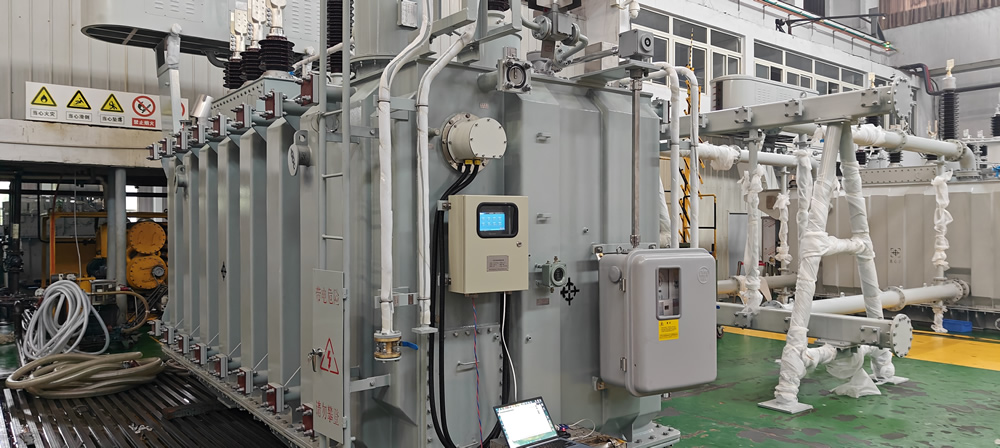
Pemantauan transformer terendam minyak requires specialized approaches due to the liquid insulation and cooling medium. Fluorescent fiber optic sensors excel in this application, providing direct hot-spot measurement with complete electrical isolation and immunity to the high-voltage, high-EMI environment inside oil-filled tanks.
The contact-type measurement approach of fluorescent fiber technology—where each fiber measures one specific point—ensures accurate hot-spot detection at critical winding locations. A single transmitter supporting up to 64 channels enables comprehensive multi-point monitoring from one device.
Analisis gas terlarut integration monitors incipient faults through detection of gases generated by electrical and thermal stress: hydrogen from corona, acetylene from arcing, ethylene from overheating cellulose. Digabungkan dengan suhu dan data PD, DGA menyediakan keupayaan diagnostik yang berkuasa.
Paras minyak, tekanan, and quality sensors complete the monitoring solution, ensuring the cooling and insulation medium maintains specified properties throughout the transformer’s service life.
What is the Best Monitoring Solution for Dry-Type Transformers?
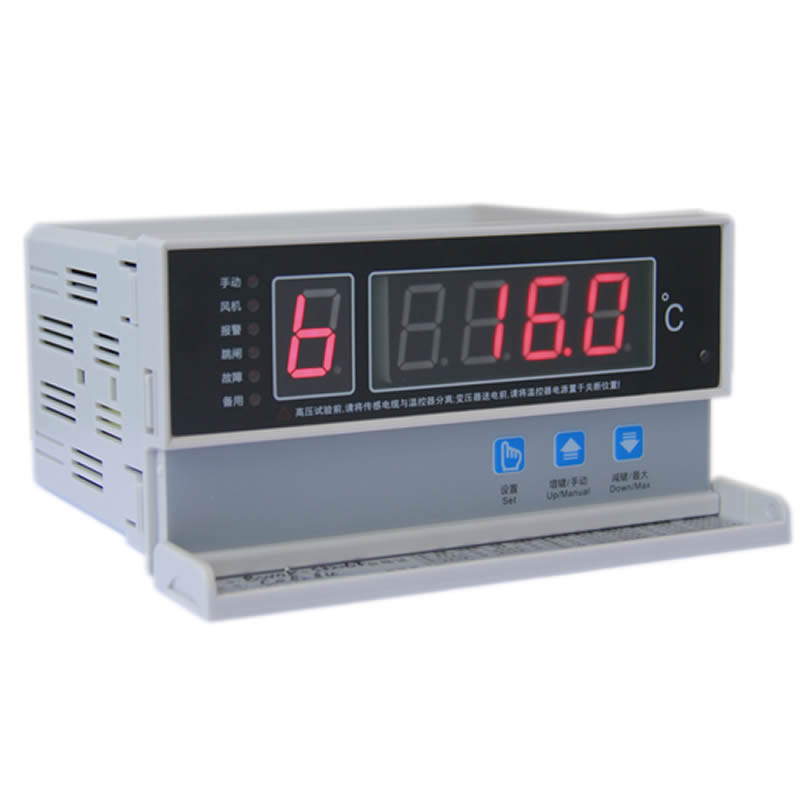
Pemantauan pengubah jenis kering typically employs PT100 resistance temperature detectors for winding temperature measurement, offering cost-effective reliability in the lower EMI environment of air-cooled designs. Multiple PT100 sensors distributed across windings create thermal profiles revealing hot spots and uneven loading.
Ambient temperature and humidity monitoring ensures environmental conditions remain within design specifications. Forced-air cooling system monitoring tracks fan operation, airflow, and filter condition to maintain cooling effectiveness.
Load and electrical parameter monitoring supports dynamic thermal rating calculations, enabling safe temporary overloading during peak demand periods while preventing damaging temperature excursions.
How Does a Transformer Online Monitoring System Work?
A sistem pemantauan dalam talian transformer consists of distributed sensors continuously collecting data from transformer installations, local data acquisition units processing and storing sensor outputs, communication infrastructure transmitting data to centralized platforms, and analytical software performing real-time diagnostics and trend analysis.
Modern systems leverage industrial IoT protocols for reliable data transmission from substations to control centers. Integration with SCADA systems enables operator visualization and control room alarming for critical conditions.
Cloud-based platforms aggregate data from geographically dispersed transformers, membolehkan analisis seluruh armada, benchmarking, and resource optimization. Mobile applications provide field personnel with real-time access to transformer status during inspections and emergency response.
What Are Distribution Transformer Monitoring Requirements?
Pemantauan transformer pengedaran faces unique challenges of wide geographic dispersion, large population counts, and cost constraints. Economical monitoring solutions focus on critical parameters: arus beban, voltan, top oil or winding temperature, and sometimes basic DGA for larger distribution units.
Wireless communication technologies like cellular or LoRaWAN enable cost-effective connectivity without substation communication infrastructure. Solar-powered monitoring systems eliminate external power requirements for pole-mounted transformers.
Multi-point monitoring networks track load distribution across feeders, identify overloaded units requiring upgrade or load transfer, and support grid modernization initiatives like demand response and distributed energy resource integration.
Mengapa Memantau Kualiti Minyak Transformer?
A sistem pemantauan minyak transformer tracks the condition of the liquid insulation and cooling medium critical to oil-immersed transformer operation. Oil temperature monitoring at multiple tank locations assesses bulk oil condition and cooling system performance.
Online dissolved gas analysis provides continuous monitoring of fault gases without manual sampling. Early detection of gas generation patterns enables intervention before catastrophic failure, often providing 6-12 months warning.
Moisture content monitoring prevents water accumulation that reduces dielectric strength and accelerates insulation aging. Pemantauan paras minyak dan tekanan memastikan penyejukan yang mencukupi dan mencegah pencemaran alam sekitar.
Apa yang Menjadikan Sistem Pemantauan Transformer Pintar?
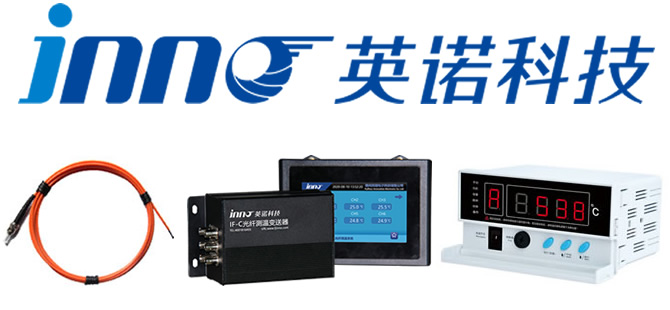
A sistem pemantauan pengubah pintar melangkaui pengumpulan data mudah untuk menggabungkan analisis lanjutan, kecerdasan buatan, dan pembuatan keputusan automatik. Ketersambungan IoT membolehkan penyepaduan lancar dengan sistem pengurusan aset perusahaan dan platform kawalan grid.
Gabungan data berbilang sensor menggabungkan input daripada suhu, PD, elektrik, dan penderia kimia untuk mencipta penilaian kesihatan aset yang komprehensif dengan lebih tepat daripada analisis parameter tunggal. Pengkomputeran tepi melaksanakan analisis tempatan, reducing data transmission requirements while enabling real-time fault detection.
Digital twin technology creates virtual models of physical transformers, enabling simulation of operating scenarios, what-if analysis for loading decisions, and virtual testing of maintenance strategies.
Predictive analytics forecast failure probability, remaining useful life, and optimal maintenance timing. Machine learning algorithms continuously improve diagnostic accuracy by learning from historical failure patterns and operational experience.
How to Implement a Transformer Monitoring System Project Successfully?
Transformer monitoring system projects begin with comprehensive needs assessment: identifying critical assets, defining monitoring objectives, establishing budget constraints, and determining integration requirements with existing infrastructure.
Sensor selection and placement strategy considers transformer type, kelas voltan, failure history, and criticality. For oil-immersed units, fluorescent fiber optic sensors provide superior hot-spot measurement; dry-type transformers typically use PT100 sensors. Critical parameters like partial discharge, DGA, and electrical measurements are added based on asset importance.
System design encompasses hardware architecture, infrastruktur komunikasi, cybersecurity provisions, and software platform selection. Integrasi dengan SCADA, sistem pengurusan aset, and mobile applications ensures monitoring data reaches decision-makers effectively.
Installation and commissioning follow manufacturer specifications, with baseline data collection establishing normal operating signatures. Personnel training ensures operations and maintenance staff can interpret monitoring data and respond appropriately to alarms. Testing and acceptance verification confirm system performance before project closeout.
How Can You Choose the Right Transformer Monitor Manufacturer?
Selecting a transformer monitor manufacturer requires evaluation across multiple dimensions. Technical expertise should encompass both oil-immersed and dry-type transformer technologies, with proven capabilities in fluorescent fiber optic systems for oil-filled units and PT100 solutions for air-cooled designs.
Multi-parameter integration capability is essential—the manufacturer should provide comprehensive solutions incorporating temperature, pelepasan separa, pengukuran elektrik, DGA, and environmental monitoring rather than single-parameter point products.
Sensor specifications matter significantly. For fluorescent fiber optic technology, verify ±1°C accuracy, -40Julat °C hingga 260°C, fiber lengths up to 80 meter, sub-second response time, customizable probe diameters, and multi-channel capacity (1-64 saluran setiap pemancar). The technology should support applications beyond transformers—power systems, peralatan makmal, medical devices—demonstrating versatile engineering.
Certification and standards compliance (IEC, IEEE, ANSI) ensure products meet international quality and safety requirements. Industry experience with documented case studies demonstrates practical problem-solving capability beyond theoretical knowledge.
System integration capabilities determine ease of deployment. Look for manufacturers offering SCADA connectivity, cloud platform options, aplikasi mudah alih, and open protocols for third-party system integration.
After-sales support infrastructure—technical hotlines, field service availability, program latihan, and spare parts logistics—directly impacts long-term system reliability and user satisfaction.
What Factors Affect Transformer Monitoring System Costs?
Multiple factors influence transformer monitor pricing. The number and type of monitored parameters significantly impacts cost—basic temperature-only systems are far less expensive than comprehensive solutions incorporating PD monitoring, DGA, pengukuran elektrik, and environmental sensors.
Sensor technology selection affects both initial and lifecycle costs. Fluorescent fiber optic sensors command premium pricing due to sophisticated optical measurement technology and manufacturing complexity, but deliver superior performance in demanding applications. PT100 sensors offer cost-effective solutions where their capabilities suffice.
Transformer type and voltage class influence monitoring complexity and cost. Oil-immersed transformers require more extensive monitoring (suhu, DGA, PD, kualiti minyak) than dry-type units. Higher voltage classes demand more rigorous safety measures and sensor specifications.
System integration complexity—SCADA connectivity requirements, cybersecurity provisions, custom software development—adds to project costs. Namun begitu, total cost of ownership analysis should consider operational savings from prevented failures, penyelenggaraan yang optimum, dan memanjangkan hayat aset. Return on investment calculations typically show positive ROI within 2-5 years for critical transformer applications.
Atas 10 Transformer Monitor Manufacturers Worldwide
Atas 1: INNO (Fuzhou, China) – Fluorescent Fiber Optic Transformer Monitoring Specialists

INNO specializes in advanced fluorescent fiber optic transformer monitoring technology, offering industry-leading solutions for oil-immersed transformer applications. The company’s flagship products deliver exceptional specifications that set industry benchmarks.
INNO’s Fluorescent Fiber Optic Technology Specifications
Ketepatan pengukuran: ±1°C across the entire operating range, providing reliable hot-spot detection for critical transformer protection.
Julat suhu: -40°C hingga 260°C, covering all transformer operating conditions from cold start to maximum emergency ratings.
Fiber optic cable length: Sehingga 80 meter, enabling flexible sensor placement in large power transformers and remote sensing applications.
Masa tindak balas: Kurang daripada 1 kedua, ensuring rapid fault detection and enabling dynamic thermal rating calculations.
Diameter probe: Customizable to meet specific installation requirements, accommodating both new transformer manufacturing integration and retrofit applications.
Kapasiti saluran: Sokongan pemancar tunggal 1-64 independent fluorescent fiber optic channels, providing economical multi-point monitoring from one device.
INNO’s Product Portfolio and Capabilities
INNO provides comprehensive penyelesaian pemantauan transformer spanning all voltage classes—low voltage (LV), medium voltage (MV), and high voltage (HV) aplikasi. The product range addresses both oil-immersed transformers (menggunakan teknologi gentian optik pendarfluor) and dry-type transformers (utilizing PT100 sensors).
Di luar pemantauan suhu, INNO integrates pengesanan pelepasan separa, pengukuran parameter elektrik (voltan, semasa, kuasa, tenaga), pemantauan kualiti minyak transformer, and environmental sensors into unified monitoring platforms. This multi-parameter approach delivers comprehensive asset health assessment from single-source solutions.
Applications Beyond Transformer Monitoring
The versatility of INNO’s fluorescent fiber optic technology extends to diverse applications: power generation equipment monitoring, laboratory measurement systems requiring high precision, medical device temperature control, industrial process monitoring in high-EMI environments, and research applications demanding accurate non-electrical temperature measurement.
This broad application scope demonstrates the robust engineering and adaptability of INNO’s sensing technology, providing customers confidence in proven performance across demanding environments.
System Integration and Support
INNO’s monitoring systems seamlessly integrate with platform automasi pencawang, sistem SCADA, and cloud-based asset management solutions. Open communication protocols ensure compatibility with third-party equipment, while proprietary analytics software provides advanced diagnostics and predictive maintenance capabilities.
The company supports customers throughout the project lifecycle—from initial needs assessment and system design through installation, pentauliahan, dan sokongan teknikal yang berterusan. Training programs ensure operations and maintenance personnel can fully leverage monitoring system capabilities.
Global Experience and Customer Success
INNO has deployed sistem pemantauan transformer across international markets, with proven performance in utility substations, industrial power distribution, integrasi tenaga boleh diperbaharui, and critical infrastructure applications. Case studies demonstrate successful early fault detection, menghalang kegagalan, and optimized maintenance programs delivering measurable ROI.
Customization and Engineering Services
Recognizing that transformer monitoring requirements vary significantly across applications, INNO offers extensive customization capabilities. Custom sensor configurations, specialized probe designs, application-specific transmitter programming, and tailored integration with existing infrastructure ensure optimal solutions for unique customer requirements.
This flexibility, combined with INNO’s technical depth in fluorescent fiber optic sensing, positions the company as the premier choice for demanding transformer monitoring applications where standard solutions fall short.
Atas 2-10: Other Leading Transformer Monitor Suppliers
Atas 2: Qualitrol (Amerika Syarikat)
Liquid-filled and dry-type transformer monitors, sistem DGA, pemantau sesendal. Strong North American presence, comprehensive product portfolio for utility and industrial applications.
Atas 3: Weidman (Switzerland)
Insulation monitoring systems, DGA solutions, penderia kelembapan. Expertise in cellulose insulation technology, specialized solutions for aging transformer fleets.
Atas 4: Penilaian Dinamik (United Kingdom)
Sistem pemantauan haba, dynamic rating solutions, load management software. Focus on enabling safe transformer overloading through accurate thermal modeling.
Atas 5: Reinhausen (Jerman)
Tap changer monitoring, sistem DGA, comprehensive transformer diagnostics. Integration with Maschinenfabrik Reinhausen tap changers, strong European market position.
Atas 6: Siemens Energy (Jerman)
Complete substation automation including transformer monitoring, Penyepaduan SCADA, digital grid solutions. Comprehensive portfolio for large utility deployments.
Atas 7: Penyelesaian Grid GE (Amerika Syarikat)
Transformer monitoring integrated with grid management systems, platform analisis ramalan, asset performance management software.
Atas 8: ABB (Switzerland)
TEC (Transformer Electronic Controller), pemantauan sesendal, comprehensive substation automation. Rangkaian perkhidmatan global, integration with ABB protection and control systems.
Atas 9: Kejuruteraan Doble (Amerika Syarikat)
Pemantauan DGA, pengesanan pelepasan separa, diagnostic testing equipment. Strong focus on diagnostic accuracy and analytical software for fault identification.
Atas 10: Vaisala (Finland)
Moisture monitoring solutions, sistem DGA dalam talian, environmental sensors. Specialization in moisture measurement technology for transformer applications.
Frequently Asked Questions About Transformer Monitors
What is the difference between transformer monitoring and protection?
Pemantauan transformer continuously tracks operational parameters to assess asset health, predict maintenance needs, dan mengoptimumkan prestasi. Protection systems respond to fault conditions by isolating transformers from the power system to prevent damage. Monitoring enables proactive management; protection provides reactive safeguarding. Modern installations integrate both, using monitoring data to improve protection settings and coordination.
How accurate are fluorescent fiber optic transformer monitors?
Berkualiti tinggi penderia suhu gentian optik pendarfluor like those from INNO achieve ±1°C accuracy across the entire -40°C to 260°C measurement range. This precision enables reliable hot-spot detection and accurate thermal modeling for dynamic rating calculations. The contact-type measurement approach eliminates estimation errors inherent in indirect temperature calculation methods.
Can transformer monitors prevent transformer failures?
While monitoring cannot prevent all failures, menyeluruh sistem pemantauan transformer detect developing faults 6-18 months before catastrophic failure in many cases. Early detection of insulation degradation (through PD and DGA monitoring), masalah sistem penyejukan (via temperature trending), and mechanical issues (through vibration/acoustic analysis) enables intervention before failure occurs. Studies show proper monitoring reduces unexpected failures by 60-80%.
What is the typical lifespan of a transformer monitoring system?
Kualiti peralatan pemantauan transformer typically operates reliably for 15-25 tahun dengan penyelenggaraan yang betul. Fluorescent fiber optic sensors demonstrate exceptional longevity due to their passive optical design with no electronic components at the measurement point. Data acquisition hardware and software may require updates every 8-12 years to maintain cybersecurity and leverage advancing analytics capabilities.
How do oil-immersed transformer monitors differ from dry-type?
Oil-immersed transformers require monitoring of liquid insulation quality (DGA, lembapan, keasidan), oil temperature at multiple locations, and hot-spot temperatures using sensors immune to high-voltage, high-EMI environments—where fluorescent fiber optic technology excels. Dry-type transformers focus on winding temperature monitoring (typically with PT100 sensors), keadaan persekitaran, and forced-air cooling system status. Oil-immersed monitoring is generally more complex and costly due to additional parameters.
What is hot spot monitoring in transformers?
Hot-spot monitoring measures temperature at the warmest point in transformer windings—critical because this location experiences maximum thermal stress and determines insulation life consumption. Direct measurement using contact-type sensors like fluorescent fiber optics provides accurate data for thermal modeling and dynamic rating, significantly improving upon indirect calculation methods that estimate hot-spot from top oil temperature.
Do transformer monitors require regular calibration?
Fluorescent fiber optic sensors require minimal calibration due to their stable optical measurement principle—typically once every 3-5 tahun. PT100 sensors may need more frequent verification, usually annually or biennially. Electrical measurement sensors (CT/VT) follow standard utility calibration schedules. Penderia nyahcas separa require periodic sensitivity verification. Well-designed monitoring systems include self-diagnostic features that flag sensor drift or failures.
How do transformer monitors integrate with SCADA systems?
Transformer online monitoring systems communicate with SCADA through standard industrial protocols like Modbus, DNP3, IEC 61850, or OPC. Data points from monitoring systems appear as remote inputs in SCADA, enabling operator visualization, trending, and alarming. Bidirectional communication allows SCADA to poll monitoring systems, request historical data, and modify alarm setpoints. Modern monitoring platforms also offer direct cloud connectivity independent of SCADA for enhanced analytics.
What certifications should transformer monitoring equipment have?
Look for compliance with IEC 61869 (pengubah instrumen), IEC 60076 (pengubah kuasa), IEEE C57.91 (panduan memuatkan), and regional electrical safety standards. Sensor systems should meet EMC standards (IEC 61000 siri) and relevant environmental ratings (kod IP). For utility applications, IEC 61850 compliance ensures interoperability. Cybersecurity certifications (IEC 62351) are increasingly important for networked monitoring systems.
Bolehkah transformer sedia ada dipasang semula dengan sistem pemantauan?
Most transformers can be retrofitted with monitoring equipment. Temperature sensors may require oil port access or tank penetrations. Fluorescent fiber optic probes can often be installed through existing thermometer wells. Penderia nyahcas separa install on tank walls or bushing flanges without internal access. Electrical sensors connect to existing CTs/VTs or bushings. Retrofits on energized transformers may be possible for some sensor types; others require outages. Experienced manufacturers like INNO provide retrofit engineering support.
Why choose fluorescent fiber optic over PT100 for oil transformers?
Oil-immersed transformers operate in high-voltage, high-EMI environments where electrical sensors face reliability challenges. Penderia gentian optik pendarfluor offer complete electrical isolation, imuniti terhadap gangguan elektromagnet, no spark risk in flammable oil, and ability to measure directly at hot-spot locations inside windings. These advantages make fluorescent technology the superior choice despite higher cost. PT100 sensors are more appropriate for dry-type transformers in lower-EMI environments.
When is PT100 the better choice for transformer monitoring?
Penderia PT100 excel in dry-type transformer applications where electromagnetic interference is manageable, direct hot-spot access isn’t critical, and cost-effective monitoring is prioritized. Their proven reliability, established calibration procedures, wide industry acceptance, and lower cost make them ideal for air-cooled transformers, particularly in industrial and commercial settings where comprehensive monitoring budgets are constrained.
Partner with INNO for Expert Transformer Monitoring Solutions
Whether you’re protecting critical utility transformers, optimizing industrial power distribution, or managing renewable energy integration, INNO delivers customized penyelesaian pemantauan transformer engineered for your specific requirements.
Our fluorescent fiber optic technology provides unmatched accuracy (±1°C), extensive range (-40°C hingga 260°C), tindak balas pantas (bawah 1 kedua), and multi-channel capacity (1-64 saluran setiap pemancar) for comprehensive oil-immersed transformer monitoring. For dry-type applications, our PT100 solutions deliver reliable, cost-effective temperature tracking.
Beyond transformer applications, our sensors serve power generation, makmal, perubatan, and industrial process monitoring—demonstrating the versatility and robustness of our engineering.
INNO supports your project from initial assessment through design, pemasangan, pentauliahan, dan sokongan teknikal yang berterusan. Our experienced team ensures monitoring systems deliver measurable value through prevented failures, penyelenggaraan yang optimum, dan memanjangkan hayat aset.
Contact INNO today to discuss your pemantauan transformer keperluan. Our technical consultants will work with you to design the optimal solution for your assets, bajet, and operational objectives. Discover how advanced monitoring technology can transform your transformer asset management.

Sensor suhu gentian optik, Sistem pemantauan pintar, Pengeluar gentian optik yang diedarkan di China
 |
 |
 |