 INNO 광섬유 온도 센서 ,온도 모니터링 시스템.
- Substation transformers with advanced temperature monitoring features use embedded fluorescent fiber optic sensors to measure winding hot-spot temperature, 최고 오일 온도, 심부온도, 부싱 온도, and tap changer contact temperature in real time — replacing or augmenting traditional indirect methods.
- 형광섬유 온도 센서 are the only technology that can be safely embedded directly inside high-voltage transformer windings because they are entirely non-metallic, 비전도성, and immune to the intense electromagnetic fields present inside an energized transformer.
- Direct winding hot-spot measurement eliminates the estimation errors inherent in conventional winding temperature indicators (WTI), enabling more accurate thermal protection, longer insulation life, and confident dynamic load rating.
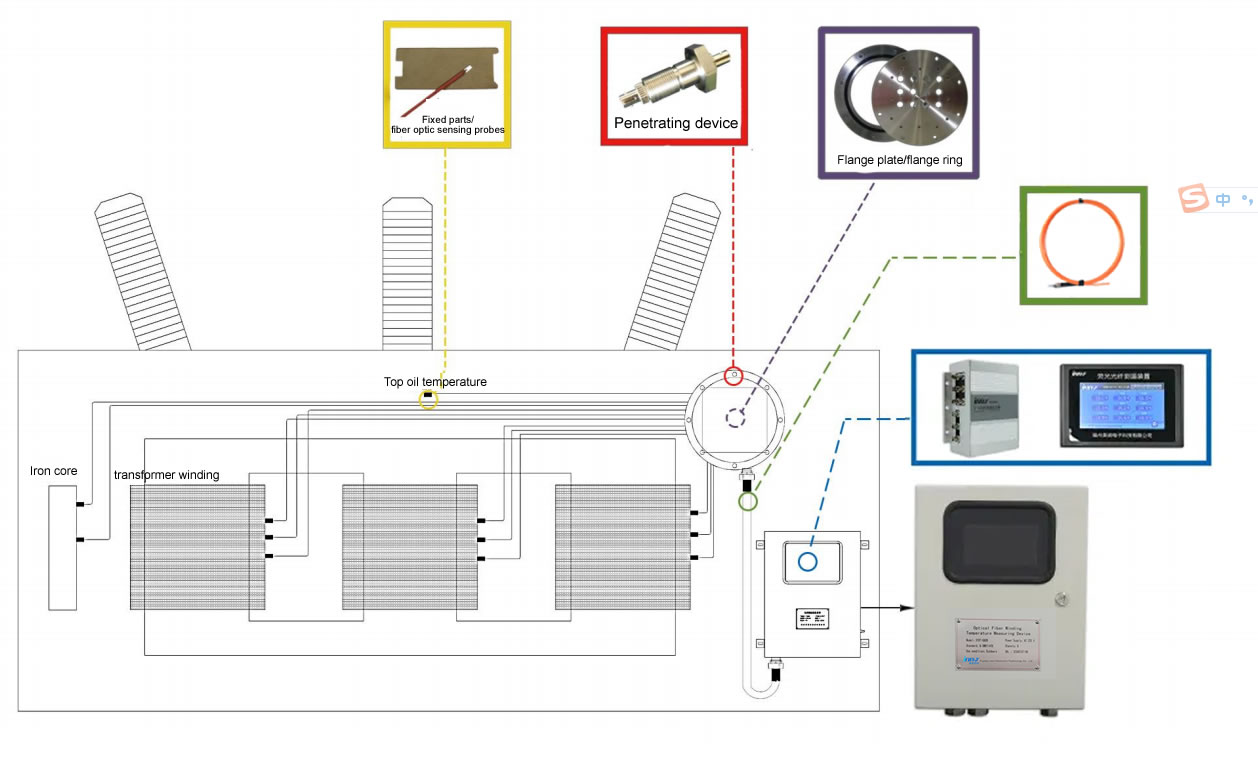
- A complete monitoring system consists of 광섬유 온도 프로브, optical fiber cables routed through transformer bushings or feedthroughs, a multi-channel 광섬유 복조기, and software that integrates with substation SCADA, DCS, 및 자산 관리 플랫폼.
- Applications span power transformers from 110 kV 에 800 케이 V, 배전 변압기, 견인 변압기, industrial furnace transformers, offshore wind step-up transformers, and data center critical-supply transformers.
목차
- What Is Advanced Temperature Monitoring for Substation Transformers
- Why Substation Transformers Need Temperature Monitoring
- Key Temperature Monitoring Points in a Transformer
- 기존 온도 모니터링 방법의 한계
- 형광 광섬유 온도 센서의 작동 방식
- Advantages of Fiber Optic Sensors for Transformer Monitoring
- Fiber Optic vs Traditional Sensors — A Detailed Comparison
- System Architecture of an Advanced Monitoring Solution
- Application Scenarios Across Transformer Types
- FAQs About Substation Transformer Temperature Monitoring
1. 무엇인가요 Advanced Temperature Monitoring for Substation Transformers

Definition and Background
Substation transformer temperature monitoring refers to the continuous, 변전소에 설치된 전력 변압기 내부 및 표면의 여러 중요 위치에서 온도를 실시간으로 측정합니다.. 고급 모니터링은 간접 추정에 의존하지 않고 실제 핫스팟 온도를 캡처하기 위해 고전압 및 저전압 권선 자체 내에서 열 스트레스가 가장 큰 지점에 직접 센서를 내장함으로써 기존 장비를 뛰어 넘습니다.. 이러한 발전을 뒷받침하는 기술은 다음과 같습니다. 형광성 광섬유 온도 감지기, 고전압 내부에서도 안전하게 작동할 수 있는, 기름으로 채워진, 통전된 변압기의 전자기적으로 강한 환경.
기존 측정에서 지능형 모니터링으로
수십 년 동안, 변압기 운영자는 상부 오일 온도계와 권선 온도 표시기에 의존했습니다. (WTI) 오일 온도와 시뮬레이션된 열화상 전류로부터 권선 온도를 추론했습니다.. 이러한 장비는 기본적인 수준의 보호를 제공했지만, 실제 와인딩 핫스팟 온도를 직접 측정할 수 없었습니다.. 광섬유 감지 기술의 도입으로 이러한 상황이 바뀌었습니다., 처음으로, 권선 구조 내부 깊은 곳에서 도체 절연체와 직접 접촉하도록 센서를 배치합니다.. 추정에서 직접 측정으로의 전환은 고급 기술의 특징을 정의합니다. 변압기 열 모니터링 시스템.
현대 전력망의 전략적 가치
전력망의 부하 수요가 증가함에 따라, 재생 가능 발전의 보급률 증가, 노후화된 변압기 함대, 정확한 열 지능의 필요성이 중요해졌습니다.. 고급 온도 모니터링을 통해 유틸리티 회사는 변압기를 실제 열 한계에 더 가깝게 작동할 수 있습니다., 상태 기반 유지 관리를 통해 비용이 많이 드는 교체를 연기합니다., 광범위한 정전과 환경 피해를 초래할 수 있는 치명적인 열 고장을 방지합니다.. Substation transformers with advanced temperature monitoring features 더 이상 프리미엄 옵션이 아닙니다. 현대적인 그리드 안정성을 위한 기본 요구 사항이 되고 있습니다..
2. Why Substation Transformers Need Temperature Monitoring

열 장애는 변압기 손실의 주요 원인입니다.
업계 고장 통계는 열 저하가 변압기 수명 종료 이벤트 및 예상치 못한 고장의 주요 메커니즘임을 일관되게 보여줍니다.. 지속적인 과열 상태 - 과부하로 인한 것인지 여부, 냉각 시스템 오작동, 오일 흐름이 차단됨, or internal faults — accelerate the breakdown of cellulose insulation and degrade the dielectric properties of transformer oil. A single undetected hot spot can initiate a chain of events leading from insulation carbonization to partial discharge, inter-turn short circuit, and ultimately catastrophic failure including fire or tank rupture.
Insulation Life and Temperature Relationship
The life expectancy of transformer insulation follows an exponential relationship with temperature. According to established thermal aging models, 모든 6 °C ~ 7 °C increase in sustained hot-spot temperature above the rated value reduces insulation life by approximately 50 percent. 거꾸로, operating a transformer even a few degrees below its rated hot-spot limit can significantly extend the useful life of the asset. 정확한, 실시간(Real-time) 변압기 권선 핫스팟 온도 따라서 측정은 변압기의 경제적 가치 및 남은 유효 수명과 직접적으로 연관되어 있습니다..
부하 관리 및 동적 등급
기존 관행에 따라, 변압기는 최악의 주변 조건과 보수적인 열 모델을 가정하는 명판 정격에 따라 부하가 걸립니다.. 직접 측정을 통해 실제 작동 온도를 실시간으로 알 수 있는 경우, 운영자가 신청할 수 있습니다 동적 변압기 정격 — 보수적인 가정이 아닌 실제 열 조건을 기반으로 허용 하중을 조정합니다.. 이렇게 하면 잠금이 해제될 수 있습니다. 10 받는 사람 30 유리한 주변 온도 또는 예상보다 낮은 손실 기간 동안 기존 변압기의 추가 용량 %, 값비싼 신규 설치에 대한 필요성 연기.
규정 준수 및 자산 관리 요구 사항
유틸리티 규제 기관, 보험사, 및 그리드 신뢰성 표준에서는 점점 더 변압기 열 상태에 대한 문서화된 증거를 요구합니다.. IEC 60076-7 및 IEEE C57.91은 모두 정확한 온도 입력 데이터에 따라 핫스팟 온도 제한 및 열 부하 계산에 대한 지침을 제공합니다.. 고급 모니터링 시스템은 감사 가능한 정보를 제공합니다., 규정 준수를 입증하고 데이터 기반 자산 관리 결정을 지원하는 데 필요한 타임 스탬프 기록.
3. 열쇠 변압기의 온도 모니터링 지점
권선 핫스팟 온도

이 권선 핫스팟 온도 모든 전력 변압기의 가장 중요한 열 매개변수입니다.. 이는 저항 손실의 조합이 발생하는 권선 내의 위치에서 발생합니다. (I²R), 와전류 손실, 국지적인 오일 흐름 조건은 가장 높은 온도를 생성합니다.. This point is typically located in the upper portion of the innermost winding disc or layer, where oil circulation is most restricted. Direct measurement of the winding hot spot using embedded 광섬유 온도 프로브 is the gold standard for transformer thermal assessment because it captures the actual worst-case temperature without relying on thermal models or correction factors.
Top-Oil Temperature
Top-oil temperature is measured in the oil space at the top of the transformer tank, typically near the oil outlet to the radiator bank. It reflects the bulk thermal state of the transformer and is used as an input to cooling control logic. While top-oil measurement has been standard practice for decades, it alone cannot reveal localized winding hot spots. 광섬유 센서 positioned in the oil space provide accurate, 내장된 권선 측정을 보완하는 간섭 없는 최고 오일 판독값.
핵심 온도
적층 가장자리에 집중된 자속 밀도로 인해 변압기 코어 핫스팟이 발생할 수 있습니다., 볼트 구멍에, 또는 코어 클램프 근처. 국부적인 코어 과열은 층간 절연을 손상시키고 추가 열을 발생시키는 순환 전류로 이어질 수 있습니다.. 광섬유 온도 센서 식별된 위험 영역의 코어 표면에 부착되어 코어 손상으로 진행되기 전에 열 이상을 감지합니다..
부싱 및 단자 온도
변압기 부싱은 탱크 벽을 통해 최대 부하 전류를 전달하며 저항 가열을 받습니다., 특히 내부 도체 연결 지점에서. 부싱 온도 모니터링 접촉 저항 악화를 감지합니다., 콘덴서 부싱의 절연유 손실, 부싱 고장으로 이어질 수 있는 기타 조건 - 가장 일반적이고 위험한 변압기 고장 모드 중 하나. 탱크 내부 부싱 바닥에 설치된 광섬유 센서는 외부 기상 조건에 영향을 받지 않고 직접적인 온도 데이터를 제공합니다..
탭 체인저 접촉 온도
부하시 탭 체인저 (OLTC) 변압기에서 기계적으로 가장 활동적인 구성 요소이며 열 문제의 빈번한 원인입니다.. 마모되거나 오염된 선택기 접점에 높은 저항이 발생함, 석유를 탄화시키고 가연성 가스를 생성할 수 있는 국부적인 가열을 생성합니다.. 탭 체인저 온도 센서 광섬유 기술을 기반으로 접촉 온도를 지속적으로 모니터링합니다., OLTC 고장으로 이어지기 전에 접점 성능 저하에 대한 조기 경고 제공.
냉각 시스템 온도
라디에이터 뱅크 전체의 오일 입구 및 출구 온도, 기름-물 열 교환기, 강제 공기 냉각 어셈블리는 냉각 시스템 효율성을 나타냅니다.. 광섬유 센서로 이러한 온도를 모니터링하면 차단된 라디에이터를 감지하는 데 도움이 됩니다., 팬 모터 고장, 펌프 고장, 또는 냉각수 흐름의 손실 - 둘 중 하나라도 급격한 변압기 과열을 일으킬 수 있습니다..
4. 기존 온도 모니터링 방법의 한계
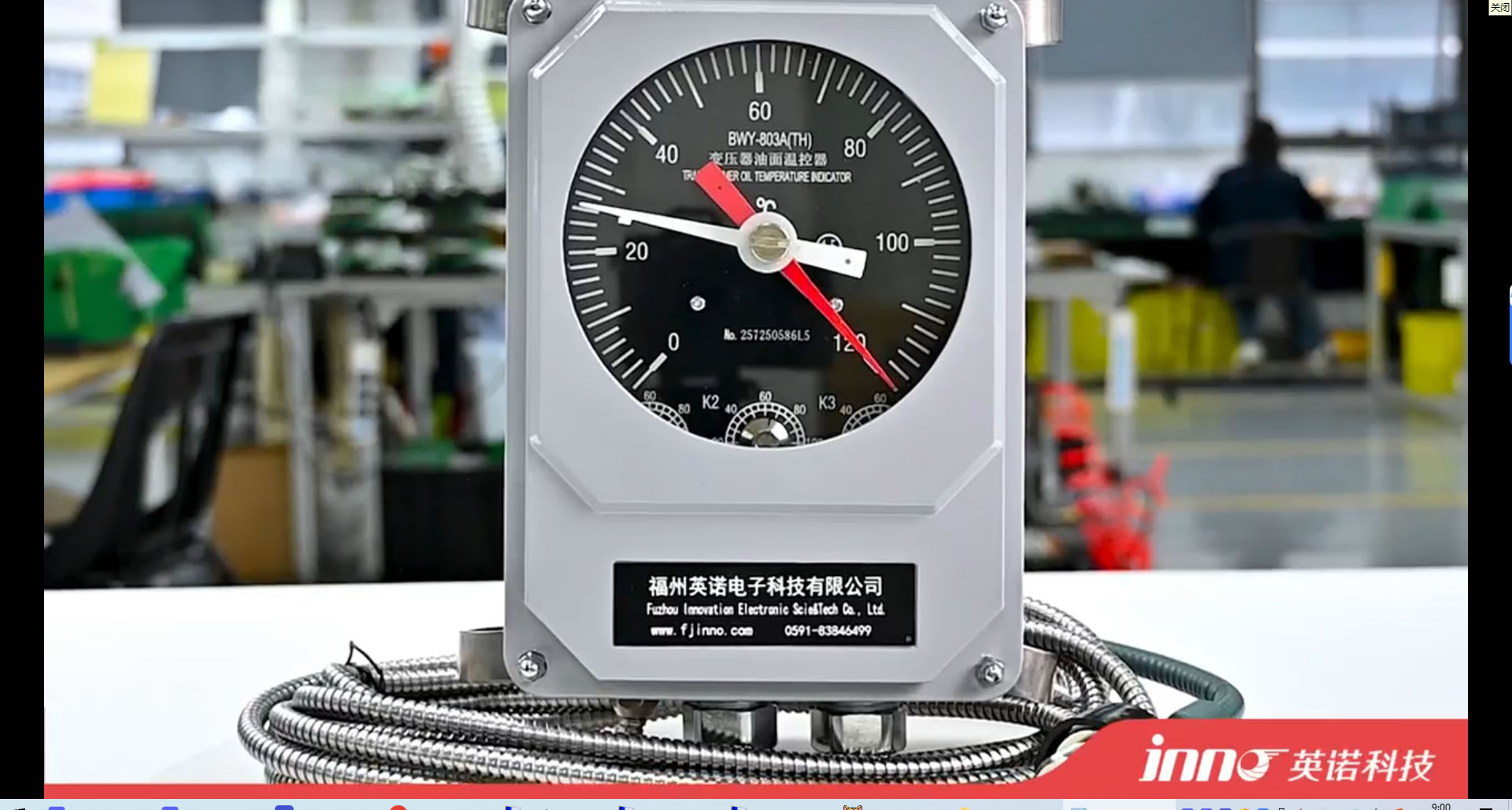
권선 온도 표시기 (WTI) — 간접적이고 부정확함
기존 WTI는 열화상 기법을 사용한다.: 변류기는 오일이 채워진 포켓에 담긴 히터 요소에 일정 크기의 전류를 공급합니다., 최종 오일 위의 온도 상승은 구불구불한 핫스팟 상승을 나타내는 것으로 가정됩니다.. 이 방법은 여러 가지 오류 원인을 발생시킵니다. 열 모델은 실제 권선 열 동작을 단순화한 것입니다., 오일 포켓 응답 시간이 느립니다, and the calibration assumes a fixed loss ratio that does not hold under all loading conditions. Studies have shown that WTI readings can deviate from actual winding hot-spot temperature by 10 °C ~ 20 °C or more, leading to either under-protection or unnecessary load curtailment.
Thermocouples and RTDs — Electromagnetic Interference
열전대 및 저항 온도 감지기 (RTS) use metallic sensing elements and lead wires. Inside an energized transformer, these metallic components are exposed to intense alternating magnetic fields generated by the windings and core. The resulting electromagnetic interference induces noise voltages in the sensor circuit that can cause measurement errors of several degrees or more. 또한, metallic sensor leads inside a high-voltage winding create the risk of insulation breakdown and dielectric failure along the lead path — an unacceptable safety hazard in high-voltage transformers.
Infrared Thermography — Surface Limitation
Infrared thermal imaging is a valuable tool for external inspection of transformers, identifying hot connections, blocked radiator sections, and abnormal tank surface temperatures. 그렇지만, infrared thermography cannot see through the steel tank wall to measure internal winding, 심, or oil temperatures. It provides only a surface view and is influenced by emissivity variations, 주변 반사, 바람, 그리고 태양 복사. It serves as a complementary inspection technique but cannot replace embedded real-time monitoring.
Inability to Achieve Continuous Online Monitoring
Traditional methods share a common limitation: they cannot provide continuous, 정확한, real-time winding hot-spot temperature data. WTIs offer an approximation. Thermocouples are unsafe for high-voltage embedding. Infrared imaging requires manual inspection visits. None of these approaches supports the automated, continuous monitoring that modern grid operations and condition-based maintenance strategies demand.
5. 어떻게 형광 광섬유 온도 센서 일하다
Fluorescence Lifetime Decay Measurement Principle
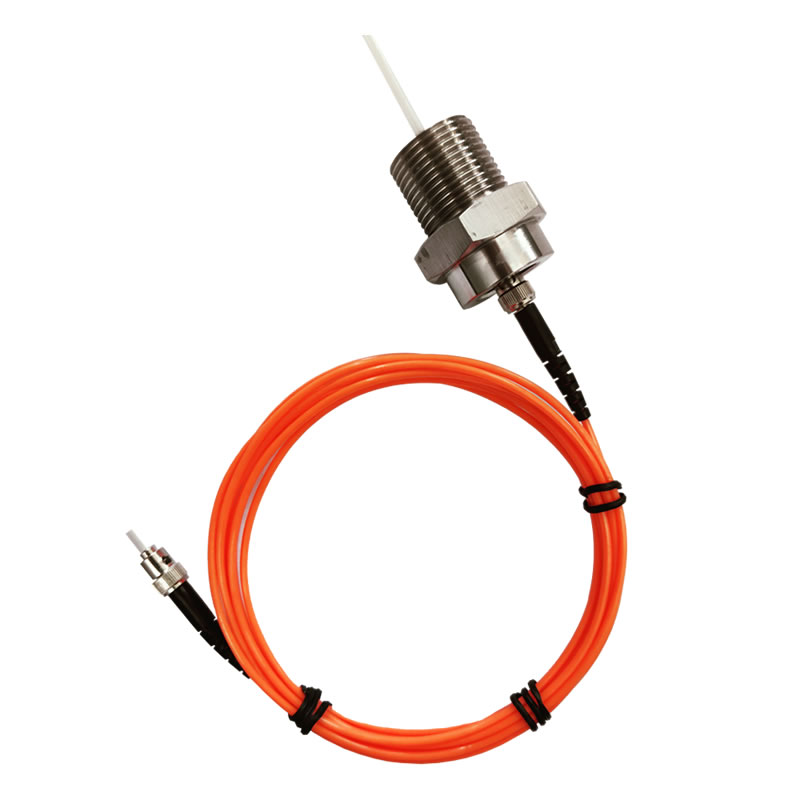
A 형광성 광섬유 온도 감지기 operates on the principle of photoluminescence decay. The sensing probe tip is coated with a rare-earth doped phosphor crystal. A short pulse of excitation light is transmitted from the 광섬유 복조기 through the optical fiber to the probe tip, where it stimulates the phosphor to emit fluorescent light. 여기 펄스가 끝난 후, the fluorescence does not cease instantly — it decays exponentially with a characteristic time constant that is a precise, 반복 가능, 형광체 온도의 단조 함수. 복조기는 이 감쇠 시간을 매우 정밀하게 측정하고 이를 교정된 온도 판독값으로 변환합니다..
완전 광학 신호 체인 — 프로브에서 복조기까지
전체 측정 경로 - 인광체 팁에서 광섬유 온도 프로브 변압기 권선 내부에 내장됨, 탱크 벽의 광섬유 피드스루를 통해 변압기 외부로 라우팅된 광섬유 케이블을 통해, 에 광섬유 복조기 변전소 제어 캐비닛에 위치 - 순전히 광학적임. 감지 체인의 어느 곳에도 전기 신호가 존재하지 않습니다.. 변압기 내부의 측정 지점이나 근처에 금속 도체가 존재하지 않습니다.. 이러한 전광 아키텍처는 광섬유 센서가 고전압 환경에서 안전하고 정확하게 작동할 수 있는 근본적인 이유입니다., 전자기적으로 강한 변압기 환경.
감쇠 시간이 강도 측정보다 우수한 이유
일부 초기 광학 감지 접근법은 형광 강도의 변화를 통해 온도를 측정하려고 시도했습니다.. 강도 기반 방법은 신호 진폭이 섬유 굽힘에 의해 영향을 받기 때문에 본질적으로 신뢰할 수 없습니다., 커넥터 손실, 광원 노화, 광학 표면의 오염. 진폭이 아닌 시간 영역 특성(형광 붕괴 시간)을 측정하여, 센서는 이러한 모든 신호 레벨 변화에 면역이 됩니다.. 이는 정기적인 재보정 없이도 형광 광섬유 센서에 탁월한 장기 측정 안정성을 제공합니다..
광학적 접근방식의 본질안전
광섬유 프로브에는 금속이 포함되어 있지 않기 때문에, 전류 없음, 저장된 전기 에너지가 없습니다., 오일로 채워진 변압기 탱크 내부에 점화 위험이 전혀 없습니다.. 권선 절연 시스템의 유전 무결성을 손상시킬 수 있는 전도성 경로를 생성하지 않습니다.. 센서는 안전 장벽이나 보호 인클로저를 추가하지 않고 물리적 특성상 본질적으로 안전합니다..
6. Advantages of Fiber Optic Sensors for Transformer Monitoring

전자기 간섭 및 고전압 장에 대한 완전한 내성
통전된 전력 변압기 내부, 자속 밀도는 여러 Tesla에 도달할 수 있습니다., 고전압 권선 주변의 전기장 구배는 극단적입니다.. 형광섬유 온도 센서 완전히 비전도성 유리로 제작되었습니다., 세라믹, 및 폴리머 재료. 자기장과 상호작용하지 않습니다., 전기장, 또는 어떤 방식으로든 무선 주파수 에너지. 측정 정확도는 변압기의 부하 수준에 관계없이 일정하게 유지됩니다., 결함 현재 이벤트, 또는 과도 전환. 이러한 완벽한 EMI 내성은 광섬유 기술의 가장 중요한 장점 중 하나입니다. 변전소 변압기 온도 모니터링.
전기 절연 — 센서와 고전압 권선이 안전하게 공존
수십 또는 수백 킬로볼트에서 작동하는 변압기 권선 내부에 센서를 내장하려면 센서와 접지된 계측기 사이의 완벽한 전기 절연이 필요합니다.. 광섬유 자체는 완벽한 절연체입니다. 광섬유의 유전 내력은 현재 사용 중인 모든 전력 변압기의 전압 등급을 초과합니다.. 추가 절연 장벽 없음, 전압 분배기, 또는 갈바닉 절연 장치가 필요합니다.. 광섬유 케이블은 변압기 탱크 벽의 전용 피드스루 피팅을 통과합니다., 탱크의 압력 밀봉 및 단열 무결성 유지.
진권선 핫스팟 온도 직접 측정
광섬유 프로브는 물리적으로 작기 때문에, 비전도성, 권선의 전자기적 또는 열적 동작을 방해하지 마십시오., 권선 제조 중에 예상되는 핫스팟 위치에 직접 배치할 수 있습니다.. 이를 통해 추정치가 아닌 권선의 실제 가장 뜨거운 지점을 직접 측정할 수 있습니다., 시뮬레이션이 아니다, 기름 온도에 따른 추론이 아님. 직접 핫스팟 측정은 모든 열 보호의 정확성과 신뢰 수준을 변화시킵니다., 로드 중, 및 인생 평가 결정.
오일 호환, 고온, 장기적으로 안정적
광섬유 프로브는 광물성 변압기 오일과 완벽하게 호환되는 재료로 캡슐화되어 있습니다., 천연 에스테르, 및 합성 에스테르 절연유. 변압기 절연 재료의 열 한계보다 훨씬 높은 연속 작동 온도를 견딥니다.. 형광 붕괴 측정 원리에는 고유한 드리프트 메커니즘이 없습니다. 변압기 제조 중에 설치된 센서는 재교정 없이 변압기의 전체 서비스 수명 동안 교정 정확도를 유지합니다..
컴팩트한 크기 - 변압기 내부 설계에 영향을 주지 않음
전형적인 광섬유 온도 프로브 변압기 권선 매립의 경우 외경은 대략 1 받는 사람 2 mm 및 단 몇 mm의 감지 길이. 광섬유 케이블은 비슷하게 작은 단면적을 갖습니다.. 이러한 치수를 통해 오일 흐름 채널에 영향을 주지 않고 센서와 케이블을 권선 사이 또는 절연 스페이서를 따라 배선할 수 있습니다., 절연 거리, 또는 기계적 클램핑 압력.
연장된 서비스 수명 및 최소한의 유지보수
광섬유 온도 센서에는 움직이는 부품이 없습니다., 변압기 내부에 전기 연결이 없습니다, 소모성 부품이 없습니다.. 20년이 넘는 현장 경험을 통해 서비스 수명이 25 년 - 변압기 자체의 설계 수명과 일치하거나 초과합니다.. 유지 관리는 외부 광섬유 커넥터 및 복조기의 정기적인 검사로 제한됩니다., 둘 다 쉽게 접근할 수 있는 변전소 제어 환경의 변압기 외부에 위치합니다..
7. Fiber Optic vs Traditional Sensors — A Detailed Comparison
광섬유와 권선 온도 표시기 (WTI)
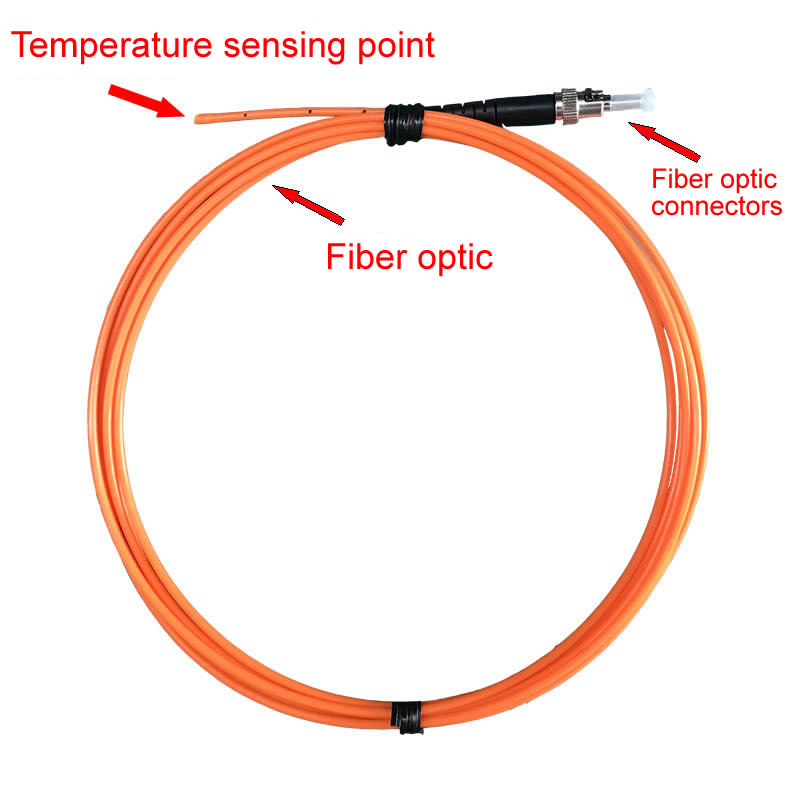
WTI는 고정된 열 관계를 가정하는 열화상 모델을 기반으로 추정 와인딩 온도를 제공합니다.. 변화하는 오일 흐름 조건에 적응할 수 없습니다., 불균일한 손실, 아니면 노화 영향. A 광섬유 온도 센서 embedded at the actual hot spot measures the real temperature with an accuracy of ±1 °C or better, delivering a direct reading that is inherently more trustworthy for protection, loading decisions, 그리고 남은 수명 계산.
Fiber Optic vs Thermocouple and RTD
Thermocouples and RTDs cannot be safely embedded in high-voltage windings due to the risk of dielectric failure along metallic lead wires and the severe electromagnetic interference that degrades measurement accuracy. Fiber optic sensors eliminate both hazards entirely. 비전도성, non-metallic construction makes them the only sensor type approved by major transformer manufacturers and international standards for direct winding embedding.
Fiber Optic vs Infrared Thermography
적외선 열화상 측정은 외부 표면 측정으로 제한되며 수동 검사 방문 또는 가시선 접근이 가능한 고정 카메라가 필요합니다.. 권선을 측정할 수 없습니다., 심, 또는 내부 오일 온도. 광섬유 변압기 센서 지속적인 내부 온도 데이터 제공 24 하루에 몇 시간, 365 일년에 며칠, 날씨에 상관없이, 조명, 또는 접근 조건.
종합 비교표
| 매개 변수 | 광섬유 센서 | WTI | 열전대 / RTD | 적외선 이미징 |
|---|---|---|---|---|
| 측정 유형 | 직접 핫스팟 | 추정된 (열화상) | 직접 (제한된 위치) | 외부 표면만 |
| 와인딩 임베딩 | 예 - 모든 전압 등급에서 안전함 | 해당 없음 | HV 수준에서는 안전하지 않음 | 불가능 |
| EMI 내성 | 완벽한 | 보통의 | 가난한 | 해당 없음 |
| 유전체 안전 | 고유한 - 완전 유전체 | 해당 없음 | 절연파괴 위험 | 해당 없음 |
| 정밀 | ±0.5~±1°C | ±5 ~ ±15°C | ±1~±3°C (간섭이 없을 때) | ±2~±5°C |
| 지속적인 모니터링 | 예 - 24/7 온라인 | 예 - 정확도가 제한됨 | 예 - EMI 제한 있음 | 아니요 — 정기 또는 고정 카메라 |
| 오일 호환성 | 가득한 | 봉인된 포켓 | 제한됨 — 봉인 필요 | 해당 없음 |
| 서비스 수명 | 25+ 년 | 15-20년 | 5-10년 | 카메라에 따라 다름 |
| 유지 | 최소한의 | 주기적 교정 | 정기점검 | 렌즈 청소, 구경 측정 |
8. System Architecture of an Advanced Monitoring Solution
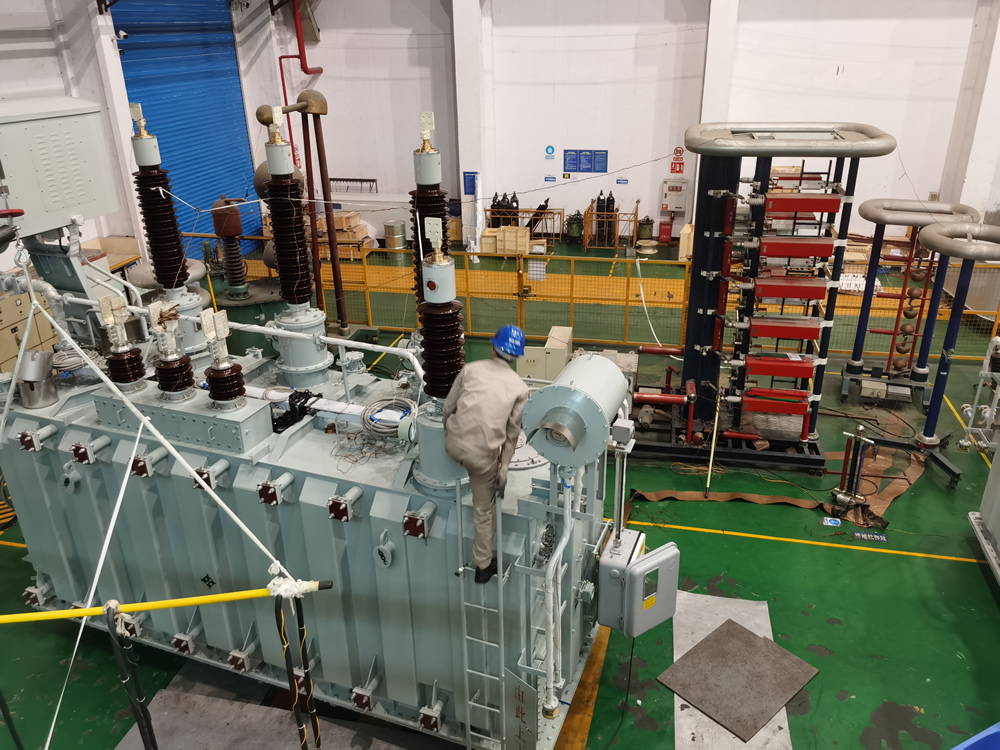
광섬유 온도 프로브 선택 및 설치
광섬유 온도 프로브 변압기 애플리케이션용은 여러 구성으로 제조됩니다.. 권선 내장형 프로브는 평면형으로 설계되었습니다., 도체 회전 사이 또는 절연 스페이서를 따라 맞는 얇은 프로파일. 접착식 또는 기계적 고정식 표면 장착형 프로브가 코어용으로 사용됩니다., 탱크 벽, 부싱 베이스 측정. 오일 온도 측정용 프로브는 표준 탱크 피팅에 설치된 스테인리스 스틸 보호관에 보관되어 있습니다.. 변압기 제조 중, 프로브는 공장에서 설치되며 해당 광섬유 케이블은 권선 구조를 통해 전용 광섬유 피드스루(변압기의 오일 및 가스 무결성을 유지하는 밀폐형 피팅)를 통해 탱크 외부로 배선됩니다..
광섬유 전송 케이블
각 프로브를 복조기에 연결하는 광섬유 케이블은 탱크 내부 변압기 오일과의 호환성 및 UV 저항을 위해 선택된 보호 버퍼 및 재킷 레이어가 있는 단일 가닥 또는 다중 가닥 유리 섬유입니다., 수분 보호, 탱크 외부의 기계적 내구성. 탱크 벽 피드스루에서 변전소 중계실의 복조기로의 케이블 라우팅은 일반적으로 실외 변전소 환경에 적합한 등급의 외장 또는 도관 보호 광섬유 케이블을 사용합니다..
광섬유 복조기 - 다중 채널 신호 처리
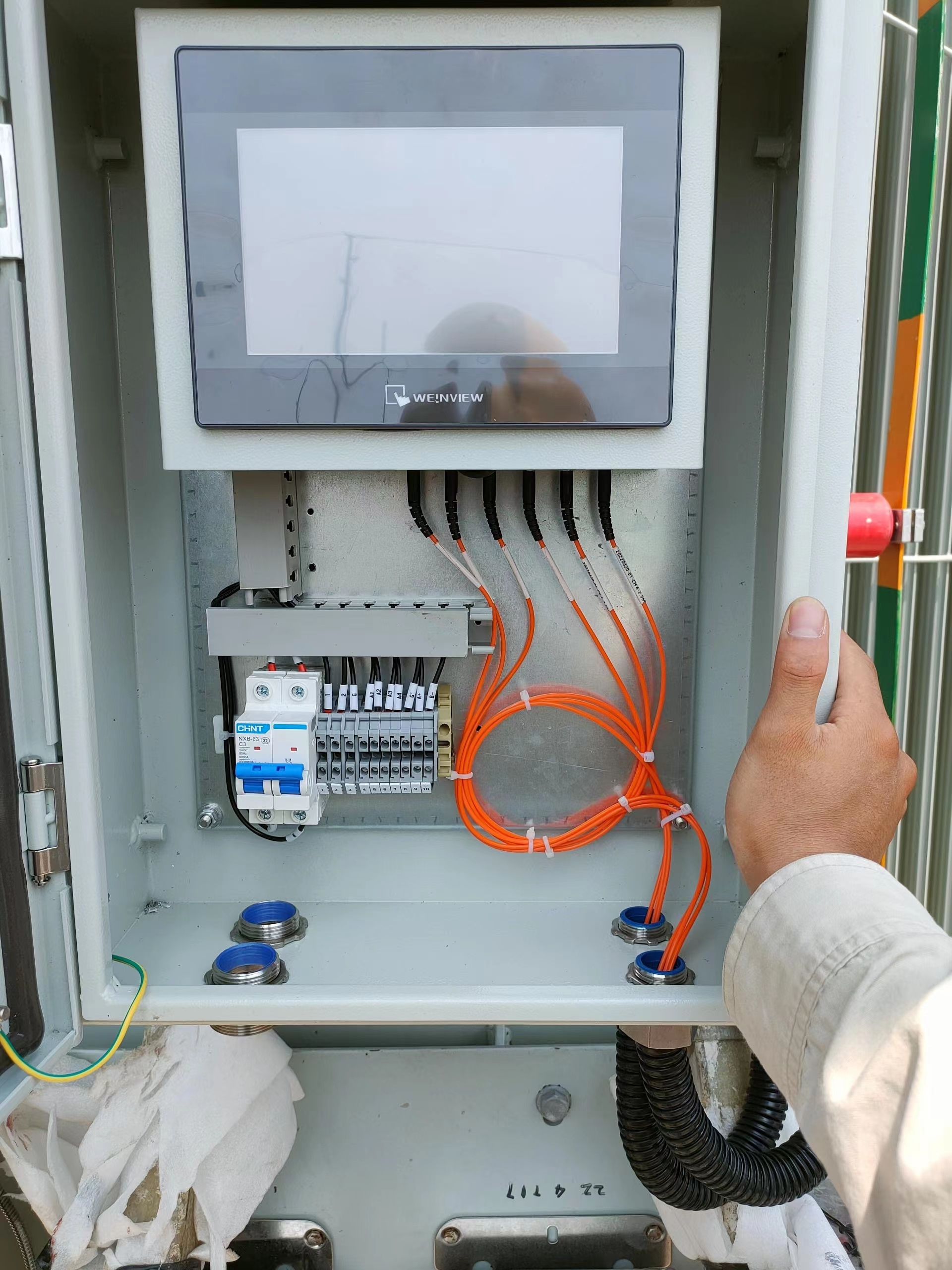
이 광섬유 복조기 중앙 계측 장치입니다. 정확한 시간에 맞춰 여기 광 펄스를 생성합니다., 각 프로브에서 형광 복귀 신호를 캡처합니다., 감쇠 파형을 디지털 방식으로 처리하여 온도 추출, and outputs calibrated readings on all channels simultaneously. Industrial-grade demodulators designed for substation environments support 4, 8, 16, or more measurement channels and are built to operate reliably across the wide ambient temperature range, 습도 수준, and electromagnetic conditions encountered in substation control rooms and marshalling kiosks.
Communication Interfaces and Substation Automation Integration
Modern demodulators provide multiple communication interfaces to support integration with substation automation systems. Standard outputs include analog 4–20 mA signals for legacy relay inputs, RS485 serial with Modbus RTU protocol, Ethernet with Modbus TCP or IEC 61850 MMS, and relay contact outputs for alarm and trip functions. IEC 61850 완성 is particularly important for new digital substations, 온도 모니터링 시스템이 데이터를 GOOSE 메시지로 게시하거나 보호 IED에 의한 직접 소비를 위한 변전소 논리 노드 구조의 일부로 게시할 수 있도록 합니다., 베이 컨트롤러, 그리고 SCADA HMI 스테이션.
모니터링 소프트웨어 및 데이터 관리 플랫폼
전용 모니터링 소프트웨어는 모든 온도 채널을 표시하는 실시간 대시보드를 제공합니다., 시간 경과에 따른 열 기록을 보여주는 추세 차트, 일, 그리고 몇 달, 에스컬레이션 로직으로 구성 가능한 경보 임계값, 규제 및 자산 관리 목적을 위한 자동화된 보고서 생성. 고급 플랫폼에는 IEC를 준수하는 열 모델이 통합되어 있습니다. 60076-7 및 IEEE C57.91, 소프트웨어가 남은 절연 수명 소비를 계산할 수 있도록 허용, 동적 부하 용량, 전류 부하 궤적을 기반으로 핫스팟 온도 한계까지 예상되는 시간. Historical temperature data is archived and can be exported to utility enterprise asset management (EAM) 시스템, historian databases, 클라우드 기반 분석 플랫폼.
9. Application Scenarios Across Transformer Types
High-Voltage Power Transformers (110 kV – 800 케이 V)
Large power transformers in transmission substations are the most critical and expensive single assets in the electrical grid. A single transformer can cost several million dollars and have a lead time of one to two years for replacement. 임베딩 형광 광섬유 온도 센서 in the HV, LV, and tertiary windings during manufacture provides the most comprehensive thermal intelligence available. Utilities use this data for protection relay input, dynamic rating to manage peak load periods, and condition-based maintenance planning to extend asset life. 정격 변압기의 경우 220 kV 이상, direct fiber optic hot-spot measurement is increasingly specified as a standard requirement in procurement specifications.
배전 변압기
While individual distribution transformers represent a lower capital investment, the sheer number of units in a utility’s fleet and the increasing loading from electric vehicle charging, heat pumps, and distributed generation create new thermal management challenges. Fiber optic monitoring of key distribution transformers at heavily loaded feeders provides data for load forecasting, network planning, and targeted reinforcement. 콤팩트, cost-effective multi-channel demodulators make monitoring economically viable for this application tier.
Traction Transformers for Railway Electrification
Traction transformers in railway substations experience highly dynamic and cyclical loading profiles as trains accelerate, cruise, and regenerate. These load transients produce rapid winding temperature fluctuations that WTIs cannot track accurately. 광섬유 온도 프로브 with fast response times capture these transients in real time, enabling precise thermal protection and supporting the dynamic rating needed to maximize train frequency on busy routes.
Rectifier Transformers and Electric Arc Furnace Transformers
Industrial transformers supplying DC rectifiers and electric arc furnaces operate under extreme conditions — high harmonic content, heavy overloads, 빈번한 로드 사이클링. Harmonic currents generate additional eddy current losses in the windings that elevate hot-spot temperature above values predicted by standard thermal models. Direct fiber optic hot-spot measurement provides the true thermal picture, protecting these transformers from premature insulation aging and enabling operators to optimize furnace duty cycles.
Offshore Wind and Renewable Energy Step-Up Transformers
Transformers installed on offshore wind turbine platforms or in onshore collector substations face unique challenges — remote location, 유지보수를 위한 접근 제한, harsh marine environments, and variable generation profiles. 광섬유 변압기 모니터링 provides continuous thermal data without requiring site visits, supports remote diagnostics, and feeds into wind farm SCADA systems for centralized fleet management. The maintenance-free nature of fiber optic sensors is especially valuable in offshore installations where any intervention requires vessel mobilization and favorable weather windows.
Data Center and Critical-Load Supply Transformers
Data centers demand the highest levels of power reliability. Transformers supplying critical IT loads must operate within safe thermal limits at all times, 병렬 변압기가 작동하지 않고 나머지 장치가 전 부하를 전달하는 N-1 비상 상황을 포함합니다.. 실시간 광섬유 핫스팟 모니터링을 통해 데이터 센터 운영자는 문서화된 열 안전 여유를 유지하면서 비상 상황 발생 시 변압기 용량을 완전히 활용할 수 있다는 확신을 갖게 됩니다..
10. FAQs About Substation Transformer Temperature Monitoring
1분기: 변전소 변압기의 고급 온도 모니터링이란 무엇입니까??
변전소 변압기에 대한 고급 온도 모니터링은 임베디드를 사용하는 관행입니다. 형광성 광섬유 센서 실제 권선 핫스팟 온도를 지속적으로 측정하기 위해, 최고 오일 온도, 심부온도, 부싱 온도, 실시간으로 탭 체인저 온도를 확인하세요.. 온도를 간접적으로 추정하는 기존 장비와는 달리, 고급 모니터링은 열 보호를 위한 직접적인 측정 데이터를 제공합니다., 동적 로딩, 상태 기반 유지 관리.
2분기: Why are fiber optic sensors the best choice for transformer internal temperature measurement?
광섬유 온도 센서 are the only technology that can be safely embedded inside high-voltage transformer windings. They are completely non-metallic and non-conductive, so they do not create dielectric breakdown paths or interact with the transformer’s electromagnetic fields. They are immune to EMI, 변압기 오일과 호환 가능, and maintain calibration accuracy for the full life of the transformer.
3분기: How are fiber optic probes installed inside transformer windings?
광섬유 온도 프로브 are installed during the transformer manufacturing process. 얇은, flat probe is placed between conductor turns or alongside insulation spacers at the predicted hot-spot location during the winding operation. The optical fiber cable is then routed through the winding structure, along the lead assembly, and out of the transformer tank through a hermetically sealed fiber optic feedthrough fitting in the tank wall.
4분기: Can fiber optic sensors withstand transformer oil environments?
예. Fiber optic probes for transformer applications are encapsulated in materials specifically selected for long-term compatibility with mineral oil, 천연 에스테르, 및 합성 에스테르 절연유. They have been proven in field service for over 25 years with no degradation of optical performance, 기계적 완전성, or measurement accuracy due to oil exposure.
Q5: What is the measurement accuracy of a fiber optic transformer monitoring system?
산업의 형광 광섬유 온도 센서 typically achieve an accuracy of ±0.5 °C to ±1 °C over their full operating range. This level of accuracy is maintained throughout the sensor’s life without recalibration — significantly better than the ±5 °C to ±15 °C estimation error typical of conventional winding temperature indicators.
Q6: 단일 복조기가 지원할 수 있는 모니터링 포인트 수는 몇 개입니까??
다중 채널 광섬유 복조기 designed for substation transformer applications are available in configurations supporting 4, 8, 16, 24, 단위당 이상의 채널. A typical large power transformer installation uses 6 받는 사람 12 channels to cover HV winding hot spots, LV 와인딩 핫스팟, 탑 오일, 바닥 기름, 심, and bushing or tap changer locations. Multiple demodulators can be networked for transformer banks or multi-transformer substations.
Q7: How does the fiber optic monitoring system integrate with substation SCADA?
이 광섬유 복조기 provides communication via Modbus RTU (RS485 시리즈), 모드버스 TCP (이더넷), IEC 61850 MMS/구스, and analog 4–20 mA outputs. Temperature readings, 알람 상태, and diagnostic data are published to the substation SCADA system, 보호 계전기, and bay controllers through these standard interfaces. In IEC 61850 디지털 변전소, the demodulator can function as an IED publishing temperature logical nodes directly onto the station bus.
Q8: What is the service life of fiber optic temperature sensors in a transformer?
Fiber optic sensors embedded in transformers have demonstrated field service lives exceeding 25 년, matching or exceeding the design life of the host transformer. The sensors have no wearing parts, no electrical connections inside the tank, 드리프트 메커니즘이 없습니다.. Once installed during manufacture, they require no maintenance or recalibration for the life of the transformer.
Q9: Can fiber optic monitoring be retrofitted to existing in-service transformers?
Retrofitting fiber optic sensors inside the windings of an existing transformer requires de-tanking and partial disassembly, which is generally only practical during a major overhaul or repair. 그렇지만, fiber optic probes can be installed in existing thermowell fittings for oil temperature measurement, on accessible bushing bases, and on external surfaces without opening the transformer. Retrofit solutions provide significant monitoring improvements even without winding-embedded sensors.
Q10: How does advanced temperature monitoring support dynamic transformer rating?
Dynamic transformer rating uses real-time hot-spot temperature data — rather than conservative nameplate assumptions — to calculate the transformer’s actual available loading capacity at any given moment. When the measured hot-spot temperature is below the rated limit due to favorable ambient conditions, low preceding load, or effective cooling, the monitoring system indicates that additional load can be safely applied. This capability allows utilities to defer capital expenditure on new transformer installations and maximize utilization of existing assets.
부인 성명: 이 기사에 제공된 정보는 일반적인 정보 제공 및 교육 목적으로만 제공됩니다.. 정확성을 보장하기 위해 모든 노력을 기울였지만, Fjinno makes no warranties or representations regarding the completeness or applicability of the content to any specific transformer installation or operating condition. 제품사양, 온도 범위, 측정 정확도, and system capabilities may vary depending on application requirements and site conditions. Transformer temperature monitoring system design should always be carried out in consultation with qualified engineers. 프로젝트별 기술상담 및 제품선정을 위해, 엔지니어링 팀에 문의하세요. www.fjinno.net. 모든 제품 이름, 상표, 언급된 등록 상표는 해당 소유자의 자산입니다..

광섬유 온도 센서, 지능형 모니터링 시스템, 중국에 분포된 광섬유 제조업체
 |
 |
 |