 INNO 광섬유 온도 센서 ,온도 모니터링 시스템.
주요 시사점
- 두 가지 주요 카테고리: 분산 온도 감지 (DTS) 장거리 연속 모니터링 및 특정 위치 측정을 위한 Point Sensing
- 핵심기술: 라만 기반 DTS, 형광점 센서(FFOS), 및 섬유 브래그 격자 (FBG) 시스템
- Critical Advantages: 전자기 내성, 고전압 저항, 본질적으로 안전한 작동, maintenance-free performance
- 폭넓은 응용: 변압기 권선, 개폐 장치, 의료기기, 반도체 제조, 케이블 모니터링
- 형광 사양: ±1°C 정확도, -40°C~260°C 범위, <1s response time, 1-64 송신기당 채널
- 선도적인 제조업체: 복주 혁신 전자 과학&테크(주), 주식회사. (동쪽 . 2011) – CE 인증, ROHS, ISO
목차
- 광섬유 온도 모니터링 시스템이란 무엇입니까??
- 광섬유 온도 감지 기술은 어떻게 작동합니까??
- 분산 대 포인트 광섬유 온도 감지: 차이점은 무엇입니까?
- 어떤 유형의 광섬유 온도 센서를 사용할 수 있나요??
- 기존 방법 대신 광섬유 온도 모니터링을 선택하는 이유?
- 광섬유 온도 모니터링 시스템의 주요 장점은 무엇입니까?
- 변압기 권선 온도 모니터링: 최고의 솔루션
- 스위치기어 및 버스바 시스템용 광섬유 온도 모니터링
- How to Achieve Safe Temperature Monitoring in High Voltage Electrical Equipment?
- Fiber Optic Temperature Sensing Solutions for Medical Equipment
- Precision Temperature Monitoring in Semiconductor Manufacturing
- Online Temperature Monitoring Systems for Cables and Motors
- Intrinsically Safe Temperature Monitoring Solutions for Hazardous Areas
- Global Applications of Fiber Optic Temperature Monitoring Systems
- How to Select the Right Fiber Optic Temperature Monitoring System?
- Complete Technical Specifications Comparison
- Response Time and Accuracy of Fiber Optic Temperature Monitoring Systems
- 제품 인증 및 품질 보증
- 자주 묻는 질문
- Contact Us for Expert Consultation and Worldwide Service
1. 은 무엇입니까? 광섬유 온도 모니터링 시스템?

에이 광섬유 온도 모니터링 시스템 uses optical fiber cables as sensors to measure temperature along their length or at specific points. 기존의 전기 센서와는 다르게, these systems transmit data through light signals traveling within the fiber, enabling temperature measurement in challenging environments where traditional sensors fail.
The system consists of four primary components:
- 감지 섬유 케이블: The temperature-sensitive element that responds to thermal changes
- Optical interrogator/demodulator: Device that sends light pulses and analyzes returned signals
- 데이터 수집 장치: Processes optical signals into temperature readings
- Monitoring software: Displays real-time data, 트렌드, 및 알람 관리
광섬유 온도 센서 excel in applications requiring immunity from electromagnetic interference, operation in high voltage environments, or deployment in potentially explosive atmospheres.
2. 어떻게 광섬유 온도 감지 기술사업?
The operating principle of 광섬유 온도 모니터링 depends on how temperature changes affect light transmission within the fiber. When light pulses travel through optical fiber, temperature variations alter the optical properties, creating measurable changes in the returning signal.
을 위한 분산 온도 감지 (DTS), 시스템은 전체 섬유 길이를 따라 후방 산란된 빛을 분석합니다.. 온도 변화에 따라 산란된 빛의 강도와 빈도가 변경됩니다., 시스템이 섬유를 따라 모든 지점에서 온도를 계산할 수 있도록 허용.
을 위한 point temperature sensors, 온도는 개별 위치의 특정 광학 특성에 영향을 미칩니다.. 형광 센서 형광물질의 감쇠시간 측정, ~하는 동안 FBG 센서 반사된 빛의 파장 변화를 감지합니다.. 각 기술은 이러한 광학적 변화를 정확한 온도 측정으로 변환합니다..
3. 분산 대 포인트 광섬유 온도 감지: 차이점은 무엇입니까?
사이의 근본적인 차이점을 이해 분산 그리고 포인트 감지 적절한 것을 선택하는 데 필수적입니다. 광섬유 온도 모니터링 시스템.
분산 온도 감지 (DTS)

DTS 시스템 감지 섬유의 전체 길이를 따라 지속적인 온도 측정 제공, 단일 케이블에서 수천 개의 온도 센서로 작동. 에이 분산 광섬유 온도 센서 수백 미터에서 수 킬로미터까지 거리를 모니터링할 수 있습니다., 파이프라인 모니터링에 이상적입니다., 터널 화재 감지, 및 경계 보안.
주요 특징 DTS 모니터링:
- 지속적인 공간 측정 (every meter or less)
- 장거리 기능 (최대 30-40 km for advanced systems)
- Single fiber monitors extensive areas
- Detects temperature gradients and hotspots anywhere along the fiber
- 일반적인 정확도: ±1°C ~ ±3°C
Point Temperature Sensing
포인트 광섬유 센서 measure temperature at specific, predetermined locations. These sensors offer higher accuracy and faster response times compared to DTS 시스템, making them perfect for critical equipment monitoring where precise temperature control is essential.
주요 특징 포인트 감지:
- 개별 측정 지점
- Higher accuracy (±0.1°C to ±1°C depending on technology)
- Faster response times (<1 두번째)
- Multiple sensors on single fiber (1-64 채널)
- Customizable probe configurations
비교표: DTS vs Point Sensing
| 특징 | 분산 (DTS) | Point Sensing |
|---|---|---|
| 측정 유형 | 섬유를 따라 연속적 | Specific locations |
| 모니터링 거리 | 최대 40 km | 최대 80 m per channel |
| 정확성 | ±1°C ~ ±3°C | ±0.1°C to ±1°C |
| 응답 시간 | 초에서 분 | <1 두번째 |
| 공간 해상도 | 0.5-2 중 | 해당 없음 (point measurement) |
| 포인트 수 | 수천 (마디 없는) | 1-64 송신기당 |
| 최고의 대상 | Long assets, 경계 모니터링 | 중요 장비, precise control |
| 일반적인 응용 분야 | 파이프라인, 터널, 전원 케이블 | 트랜스포머, 개폐 장치, 모터 |
4. 어떤 유형의 광섬유 온도 센서를 사용할 수 있나요??
Three primary technologies dominate the 광섬유 온도 센서 시장, each with distinct operating principles and optimal applications.
4.1 Raman-Based Distributed Temperature Sensing (DTS) 시스템
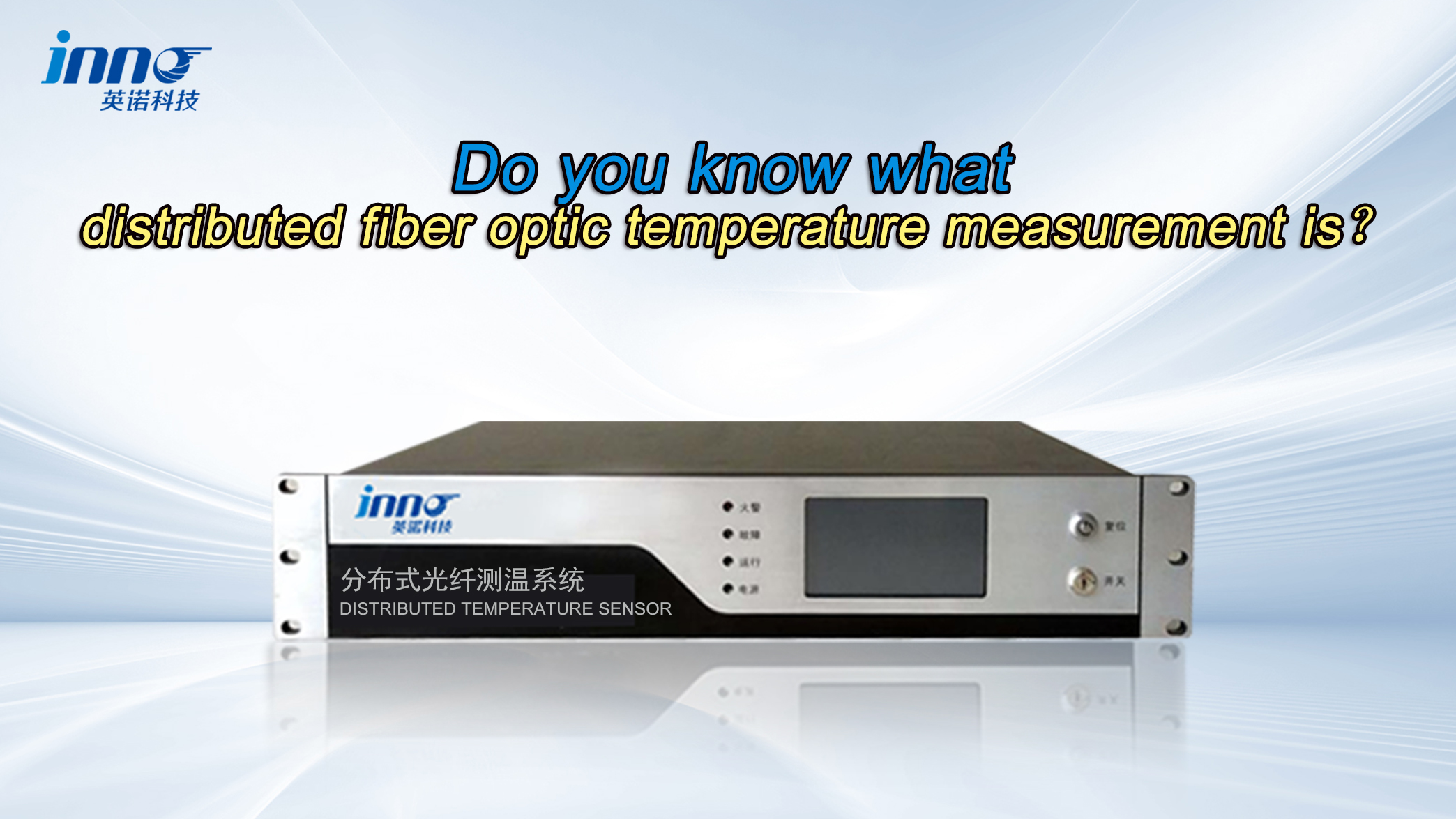
라만 DTS 시스템 represent the most common 분산 온도 감지 기술. These systems emit laser pulses into the fiber and analyze the Raman backscatter—light scattered by molecular vibrations within the fiber.
How Raman-Based DTS Works
Temperature affects the intensity ratio between Stokes and anti-Stokes Raman signals. 그만큼 DTS 질문자 measures this ratio at each point along the fiber, calculating temperature based on well-established optical physics principles. The time delay of returned signals determines the measurement location.
Raman DTS Technical Specifications
| 매개변수 | 일반적인 범위 |
|---|---|
| 온도 범위 | -40°C ~ +600°C |
| 정확성 | ±1°C ~ ±3°C |
| 공간 해상도 | 0.5 m ~ 2 중 |
| 감지거리 | 최대 30-40 km (single-ended) |
| 응답 시간 | 1-60 초 (조절할 수 있는) |
| 섬유 종류 | Standard multimode or single-mode |
Optimal Applications for Raman DTS
Raman-based systems excel in scenarios requiring continuous monitoring over long distances:
- Power cable temperature monitoring in tunnels and underground installations
- Oil and gas pipeline leak detection and flow monitoring
- Tunnel fire detection systems
- Perimeter security and intrusion detection
- 댐 및 제방 누출 모니터링
- Well logging and geothermal applications
4.2 Fluorescence-Based Fiber Optic Point Temperature Sensors

형광 온도 센서 utilize temperature-dependent fluorescent decay properties of rare-earth materials. 빛에 흥분되면, these materials emit fluorescence with a decay time that varies predictably with temperature.
How Fluorescence Sensing Works
그만큼 형광 광섬유 센서 contains a small crystal at its tip coated with temperature-sensitive fluorescent material. UV or blue LED light excites this material through the fiber. The system measures the exponential decay time of the fluorescent emission, which changes precisely with temperature. This measurement principle is inherently immune to light intensity variations, 커넥터 손실, and fiber bending.
Fluorescence Sensor Technical Specifications
| 매개변수 | 사양 |
|---|---|
| 측정 유형 | 포인트 센싱 |
| 정확성 | ±1°C |
| 온도 범위 | -40°C ~ +260°C |
| 섬유 길이 | 0 에게 80 m per channel |
| 응답 시간 | <1 두번째 |
| 프로브 직경 | 맞춤형 (1-3 mm 일반) |
| 송신기당 채널 | 1-64 채널 |
| 장기적인 안정성 | 훌륭한 (드리프트 없음) |
| 맞춤 매개변수 | Available upon request |
Fluorescence Sensor Applications
형광 광섬유 센서 are the preferred choice for high-precision monitoring in electrically harsh environments:
전력 시스템:
- 변압기 권선 온도 모니터링
- Switchgear and circuit breaker contact monitoring
- 배전 변압기 (110kV 이하) winding monitoring and control
- Large generator stator temperature measurement
- Cable joint online monitoring
- Ring main unit terminal temperature detection
- Enclosed busbar system monitoring
- IGBT module temperature tracking
- GIS switchgear hotspot monitoring
Rotating Machinery:
- Large hydro turbine bearing and winding monitoring
의료 장비:
- RF 고열 시스템
- Microwave hyperthermia equipment
- MRI scanner temperature monitoring
- Laboratory testing equipment
반도체 제조:
- ICP 플라즈마 에칭 시스템
- Reactive ion etching equipment
산업용 애플리케이션:
- Electro-explosive devices (EED) 모니터링
- Microwave digestion systems
- Microwave industrial equipment
- High-energy particle environment monitoring
4.3 섬유 브래그 격자 (FBG) 온도 센서
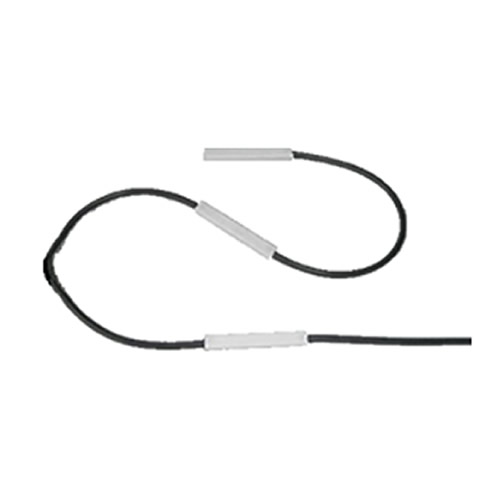
FBG 센서 utilize periodic variations in the refractive index within the fiber core. These gratings reflect specific wavelengths of light, and temperature changes shift the reflected wavelength in a measurable way.
FBG 센서 작동 방식
안 FBG 온도 센서 단일 광섬유를 따라 새겨진 여러 개의 브래그 격자를 포함합니다.. 각 격자는 고유한 파장을 반사합니다.. 온도 변화에 따라, 열 팽창과 굴절률 변화로 인해 반사 파장이 이동합니다.. 그만큼 FBG 질문자 이러한 파장 변화를 추적하여 각 격자 위치의 온도를 결정합니다..
13. Intrinsically Safe Temperature Monitoring Solutions for Hazardous Areas
정유공장의 폭발적인 분위기, 화학공장, 해양 플랫폼, 채굴 작업에서는 기존 전기 장비를 금지합니다.. 이러한 환경에서의 온도 모니터링에는 모든 발화원을 제거하는 본질적으로 안전한 솔루션이 필요합니다..
위험지역 인증기준
광섬유 온도 센서 가장 엄격한 위험 지역 분류를 충족합니다.:
- ATEX: 존 0, 존 1, 존 2 (유럽)
- IECEx: 국제 위험 지역 인증
- NEC/CEC: 클래스 I 부문 1 그리고 2, 존 0, 1, 2 (북아메리카)
- 무게: 가스 그룹 IIA, IIB, IIC
광섬유가 본질적으로 안전한 이유
고가의 방폭 인클로저나 본질 안전 장벽이 필요한 전기 센서와는 달리, 광섬유 센서 are intrinsically safe by design:
- No electrical energy at the sensing point
- No sparks possible under any fault condition
- No surface temperature rise that could ignite flammable vapors
- Passive sensing element requires no power
This inherent safety allows direct installation of 형광 센서, FBG 센서, 또는 DTS fiber in Zone 0/Class I Division 1 areas without additional protection measures.
Hazardous Area Applications
광섬유 온도 모니터링 시스템 protect assets and personnel in:
- Oil and gas production facilities (wellheads, separators, 저장 탱크)
- Refineries (증류탑, 원자로, 용광로)
- Chemical processing plants (원자로, storage vessels)
- Paint and coating manufacturing facilities
- Grain handling and storage facilities
- Underground coal mines (conveyor belts, 전기)
- 해양 플랫폼 (process equipment, 전기 시스템)
14. Global Applications of Fiber Optic Temperature Monitoring Systems
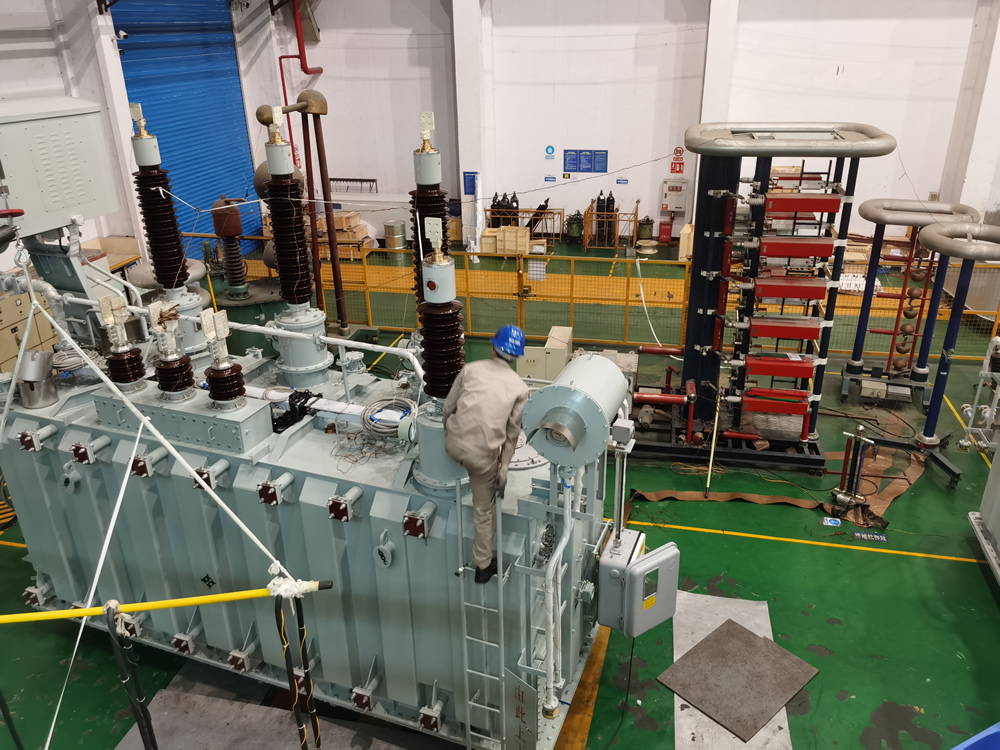
Fiber optic temperature monitoring technology has achieved widespread adoption across all major industrial regions, with successful implementations spanning diverse applications and environments.
북아메리카
The North American market extensively deploys 광섬유 온도 센서 in power generation and distribution infrastructure. Major utilities utilize DTS 시스템 for underground power cable monitoring in urban areas, ~하는 동안 형광 센서 monitor thousands of distribution transformers across electrical grids. Oil and gas operators implement 분산 온도 감지 for pipeline monitoring throughout the continent, from Arctic conditions to desert environments.
유럽
European industries prioritize safety and environmental protection, driving adoption of intrinsically safe fiber optic monitoring in chemical processing and offshore operations. Rail tunnel operators throughout Europe deploy DTS fire detection systems, while renewable energy installations use 광섬유 센서 for wind turbine gearbox and generator monitoring. Medical facilities across the region rely on 형광 센서 for MRI and hyperthermia equipment.
아시아태평양
Rapid infrastructure expansion in Asia-Pacific creates extensive demand for 광섬유 온도 모니터링. Smart grid initiatives incorporate fluorescence sensor systems in substations and switchgear installations. Semiconductor fabs in Taiwan, 대한민국, and Japan implement 광섬유 모니터링 in plasma etching and deposition equipment. Metro systems and highway tunnels utilize DTS 기술 for comprehensive fire detection.
중동
Harsh environmental conditions and extensive oil and gas operations make the Middle East a significant market for 광섬유 온도 센서. Operators deploy DTS 시스템 for downhole monitoring in oil wells operating at extreme temperatures. Petrochemical facilities implement intrinsically safe fiber optic monitoring throughout processing units. Power generation plants use 형광 센서 for turbine and generator protection in high ambient temperature environments.
Latin America and Africa
Mining operations across these regions increasingly adopt 광섬유 온도 모니터링 for conveyor belt fire detection and underground electrical system monitoring. Hydroelectric facilities implement 형광 센서 for generator and transformer protection. Offshore oil platforms utilize DTS 시스템 라이저 및 흐름선 모니터링용.
15. 귀하의 응용 분야에 적합한 광섬유 온도 모니터링 시스템을 선택하는 방법?
최적의 선택 광섬유 온도 센서 기술에는 애플리케이션 요구 사항에 대한 체계적인 평가가 필요합니다., 환경 조건, and performance specifications.
단계 1: 분산 감지와 점 감지 결정
선택하다 DTS (분산 온도 감지) 언제:
- 장수자산 모니터링 (파이프라인, 케이블, 터널 >100중)
- 연속적인 길이를 따라 핫스팟 위치를 식별해야 함
- 개별 측정보다는 온도 프로파일이 필요합니다.
- 장거리에서는 측정 지점당 비용을 최소화해야 합니다.
- 0.5-2m의 공간 해상도가 허용됩니다.
선택하다 Point Sensing (Fluorescence or FBG) 언제:
- 특정 중요 위치 모니터링
- 최고의 정확성을 요구합니다 (±0.1°C to ±1°C)
- 가장 빠른 응답 시간이 필요함 (<1 두번째)
- 애플리케이션에는 고전압 또는 강한 EMI가 포함됩니다.
- 모니터링 포인트 수는 제한되어 있습니다. (<64 위치)
단계 2: 지점 감지 기술 선택
포인트 센싱이 적절한 경우, 중에서 선택하다 형광 그리고 FBG 센서:
| 선택 기준 | 형광을 선택하세요 | FBG를 선택하세요 |
|---|---|---|
| 정확도 요구사항 | ±1°C로 충분 | ±0.1°C~±1°C 필요 |
| 온도 범위 | -40°C ~ +260°C | -40°C ~ +300°C (최대 1000°C 특별) |
| EMI 환경 | Severe EMI present | Moderate to severe EMI |
| 설치 유연성 | Tight spaces, curved paths | More structured installation |
| 포인트 수 | 1-64 채널 | 10-80+ 전철기 |
| 응답 시간 | <1 두번째 | Milliseconds to seconds |
| 일반적인 응용 분야 | 트랜스포머, 개폐 장치, 모터, 의료 | 항공우주, 배터리 시스템, structural monitoring |
| 예산 | Moderate cost per point | 초기 투자금 증가 |
단계 3: Define Technical Requirements
Document specific parameters for your 광섬유 온도 모니터링 시스템:
- 온도 범위: Operating minimum and maximum temperatures
- 정확성: Required measurement precision
- 응답 시간: How quickly system must detect temperature changes
- Number of points: Total measurement locations needed
- 모니터링 거리: Physical distance between sensors and monitoring equipment
- 환경적 요인: 전압 레벨, EMI intensity, 화학물질 노출, 폭발 위험
- Integration requirements: 통신 프로토콜, 알람 출력, SCADA/DCS compatibility
단계 4: Verify Certifications and Standards
Ensure the selected system meets applicable industry standards and regional requirements. 품질 광섬유 온도 모니터링 시스템 should provide relevant certifications based on application.
16. Complete Technical Specifications Comparison of Fiber Optic Temperature Sensors
This comprehensive comparison table helps evaluate different 광섬유 온도 센서 technologies for your specific application:
| 사양 | 라만 DTS | Fluorescence Point | FBG Point/Quasi-Distributed |
|---|---|---|---|
| 측정 유형 | Continuous distributed | Discrete point | Discrete point/quasi-distributed |
| 온도 범위 | -40°C ~ +600°C | -40°C ~ +260°C | -40°C ~ +300°C (1000°C special) |
| 정확성 | ±1°C ~ ±3°C | ±1°C | ±0.1°C to ±1°C |
| 응답 시간 | 1-60 초 (조절할 수 있는) | <1 두번째 | Milliseconds to seconds |
| 공간 해상도 | 0.5-2 중 | 해당 없음 (point measurement) | 해당 없음 (point measurement) |
| 감지거리 | 최대 30-40 km | 0-80 m per channel | Up to several km |
| 포인트 수 | 마디 없는 (thousands) | 1-64 송신기당 채널 | 최대 80+ 질문자당 |
| 섬유 종류 | Multimode or single-mode | Plastic or glass fiber | Single-mode |
| 프로브 직경 | Standard fiber cable | 1-3 mm (맞춤형) | Standard fiber (125 μm) |
| EMI 내성 | 완벽한 | 완벽한 | 완벽한 |
| High Voltage Capability | 제한 없는 | Proven to 110kV+ | Proven to 500kV+ |
| 본질 안전 | 예 (인증됨) | 예 (인증됨) | 예 (인증됨) |
| 유지보수 필요 | 없음 | 없음 | 없음 |
| 교정 필요 | Factory only (일생) | 필요 없음 | 필요 없음 |
| 일반적인 서비스 수명 | 20+ 연령 | 20+ 연령 | 20+ 연령 |
| 설치 복잡성 | 보통의 | 단순한 | 보통의 |
| 사용자 정의 옵션 | 제한된 | 광범위한 (probe size, 길이, 매개변수) | 보통의 (grating spacing, coating) |
| 최고의 애플리케이션 | Long pipelines, 터널, perimeter, 전원 케이블 | 트랜스포머, 개폐 장치, 모터, 의료, 반도체 | 항공우주, 터빈, 배터리, structural monitoring |
17. Response Time and Accuracy of Fiber Optic Temperature Monitoring Systems
Understanding the performance characteristics of different 광섬유 온도 센서 technologies helps optimize system design for specific applications.
Response Time Factors
Response time—the interval between a temperature change and system detection—depends on multiple factors:
For DTS Systems
라만 DTS response time is determined by:
- Measurement cycle time: Time required to interrogate the entire fiber length (일반적으로 1-60 초)
- Signal averaging: Multiple measurements averaged to improve accuracy (increases response time)
- 공간 해상도: Finer resolution requires longer measurement cycles
- 섬유 길이: Longer fibers require longer interrogation times
전형적인 DTS 시스템 response times range from 3-10 대부분의 애플리케이션에서 초. 신속한 대응 구성으로 화재 감지 애플리케이션에 대한 1초 업데이트 달성.
포인트 센서용
형광 센서 성취하다 <1 두 번째 응답 시간으로 인해:
- 빠른 형광 붕괴 측정 (마이크로초)
- 최소한의 신호 처리 필요
- 직접적인 온도-광학 특성 관계
- 감지 요소의 작은 열 질량
FBG 센서 에 따라 밀리초에서 초까지의 응답 시간을 제공합니다.:
- 질문자 스캐닝 속도
- 단일 광섬유에 다중화된 센서 수
- 신호 평균 요구 사항
Accuracy Considerations
다양한 응용 분야에서는 다양한 정확도 수준이 요구됩니다.. 무엇이 주도하는지 이해하기 광섬유 온도 센서 정확성은 현실적인 기대치를 설정하는 데 도움이 됩니다.:
DTS 정확도
분산 온도 감지 정확성 (±1°C ~ ±3°C) 영향을 받는다:
- 섬유 길이 (정확도는 거리에 따라 감소)
- 측정 평균화 시간 (평균화 시간이 길어지면 정확도가 향상됩니다.)
- 섬유에 따른 환경 온도 변화
- 교정 품질 및 기준 온도 정확도
대부분의 산업 응용 분야에 사용, ±1-2°C accuracy is sufficient for hotspot detection and trending.
Point Sensor Accuracy
형광 센서 maintain ±1°C accuracy because:
- Measurement principle is immune to light intensity variations
- Factory calibration remains stable throughout sensor life
- Short fiber lengths minimize transmission losses
- Digital signal processing eliminates drift
FBG 센서 achieve ±0.1°C to ±1°C accuracy due to:
- Wavelength measurement inherently precise
- Temperature-wavelength relationship highly linear
- Minimal environmental interference
18. 제품 인증 및 품질 보증
품질 광섬유 온도 모니터링 시스템 meet international standards and carry relevant certifications demonstrating compliance with safety, 성능, 및 환경 요구 사항.

선도적인 제조업체: 복주 혁신 전자 과학&테크(주), 주식회사.
복주 혁신 전자 과학&테크(주), 주식회사., 에 설립 2011, stands as the premier manufacturer of 광섬유 온도 모니터링 시스템 전 세계적으로. The company maintains comprehensive quality management systems and holds multiple international certifications:
Product Certifications
- CE (유럽 적합성): Demonstrates compliance with European health, 안전, and environmental protection standards
- RoHS 규제 (유해물질 제한): Confirms products are free from restricted hazardous materials
- ISO 9001: International quality management system certification ensuring consistent product quality
- ISO 14001: Environmental management system certification demonstrating environmental responsibility
맞춤형 인증 지원
표준 인증을 넘어서, 푸저우 혁신 collaborates with customers to obtain application-specific certifications including:
- ATEX/IECEx for hazardous area installations
- UL/CSA for North American markets
- Maritime certifications (로이드, DNV, ABS)
- Medical device certifications (FDA, CE Medical)
- 철도 표준 (안에 50155, IRIS)
- Nuclear industry qualifications (IEEE 323, 344)
Quality Assurance and Testing
모든 광섬유 온도 센서 undergoes rigorous testing before shipment:
- Temperature accuracy verification across full operating range
- Response time validation
- Long-term stability testing
- Environmental stress screening (열 순환, 습기, 진동)
- EMI immunity verification
- High voltage insulation testing (when applicable)
Global Service and Support
복주 혁신 전자 과학&테크(주), 주식회사. provides comprehensive support worldwide:
- 기술상담: Expert guidance on system selection and design
- 맞춤형 엔지니어링: Tailored solutions for unique applications
- 글로벌 배송: Reliable delivery to all international destinations
- 설치 지원: Remote and on-site commissioning assistance
- 판매 후 서비스: 제품 수명주기 전반에 걸친 대응적인 기술 지원
연락처 정보
복주 혁신 전자 과학&테크(주), 주식회사.
확립된: 2011
주소: Liandong U 곡물 네트워킹 산업 단지, No.12 Xingye West Road, 푸저우, 푸젠성, 중국
이메일: web@fjinno.net
왓츠앱: +86 135 9907 0393
위챗 (중국): +86 135 9907 0393
QQ: 3408968340
핸드폰: +86 135 9907 0393
Other International Manufacturers
Additional established manufacturers in the 광섬유 온도 모니터링 industry include various international suppliers primarily based in North America, 유럽, and Japan, though none match the combination of product range, 맞춤화 기능, and value offered by 복주 혁신 전자 과학&테크(주), 주식회사.
19. Frequently Asked Questions about Fiber Optic Temperature Monitoring
How does fiber optic temperature sensing work?
광섬유 온도 감지 operates by detecting how temperature changes affect light traveling through optical fiber. ~ 안에 분산 온도 감지 (DTS), the system sends laser pulses through the fiber and analyzes backscattered light—temperature changes alter the intensity and frequency of Raman scattering, 섬유를 따라 모든 지점에서 온도 계산 가능. ~ 안에 형광 포인트 센서, 온도는 섬유 끝의 형광 물질의 감쇠 시간에 영향을 미칩니다. 시스템은 온도에 따라 예측 가능하게 달라지는 이 감쇠 시간을 측정합니다.. FBG 센서 특정 파장을 반사하는 격자를 포함합니다. 온도는 측정 가능한 방식으로 이러한 파장을 이동시킵니다.. 모든 방법은 측정 지점에서 전기 신호 없이 광학적 변화를 정확한 온도 판독값으로 변환합니다..
분산 DTS와 포인트 온도 감지의 차이점은 무엇입니까?
Distributed DTS systems 전체 섬유 길이에 걸쳐 지속적인 온도 측정 제공, 단일 케이블에서 수천 개의 센서로 작동, 파이프라인과 같은 긴 자산을 모니터링하는 데 이상적, 터널, 또는 최대 거리의 전원 케이블 40 km. 포인트 감지 시스템 (형광 또는 FBG) measure temperature at specific discrete locations with higher accuracy (±0.1-1°C vs ±1-3°C for DTS) and faster response times (<1 second vs 1-60 초). 선택하다 DTS when you need to monitor long continuous assets and identify hotspot locations. 선택하다 포인트 센서 when you need highest accuracy at specific critical locations like transformer windings, 개폐기 접점, or motor bearings, especially in high voltage or strong EMI environments.
What is Raman Distributed Temperature Sensing (DTS)?
라만 DTS technology uses the Raman scattering effect to measure temperature continuously along optical fiber. When laser pulses travel through fiber, some light scatters back due to molecular vibrations. This backscattered light contains two components: 스톡스 (lower frequency) 그리고 안티 스톡스 (higher frequency). The intensity ratio between these components changes with temperature in a predictable way. 그만큼 DTS 질문자 analyzes this ratio at every point along the fiber by measuring the time delay of returned signals—since light travels at known speed through fiber, timing reveals the measurement location. This enables a single Raman DTS system to monitor temperatures along 30-40 km of fiber with spatial resolution of 0.5-2 미터, essentially creating thousands of temperature sensors from one fiber cable.
What is the principle of fluorescence fiber optic temperature sensing?
Fluorescence temperature sensing exploits the temperature-dependent decay characteristics of rare-earth phosphor materials. The sensor probe contains a small crystal coated with fluorescent material at the fiber tip. When UV or blue LED light travels through the fiber and excites this material, 그것은 마이크로초에 걸쳐 기하급수적으로 감소하는 형광등을 방출합니다.. The decay time—how quickly the fluorescence fades—changes precisely with temperature. 그만큼 fluorescence sensor system measures this decay time using time-domain analysis and converts it to temperature. This measurement principle offers exceptional advantages: it’s completely immune to light intensity variations, 커넥터 손실, 섬유 굽힘, or sensor aging because only the decay time matters, 빛의 세기가 아닌. 이것은 형광 센서 extremely stable and reliable, requiring no calibration throughout their service life.
광섬유 온도 센서는 어떤 정확도를 달성할 수 있나요??
Accuracy depends on sensor technology: Distributed DTS systems achieve ±1°C to ±3°C accuracy over long distances (킬로미터), which is excellent for hotspot detection and trending in pipelines, 케이블, 그리고 터널. Fluorescence point sensors provide ±1°C accuracy with exceptional long-term stability—this accuracy level suits most industrial applications including transformer monitoring, switchgear protection, and motor thermal management. FBG 센서 deliver the highest accuracy at ±0.1°C to ±1°C, making them ideal for applications requiring extremely precise temperature control such as aerospace testing, 과학적 연구, and battery thermal management. 모두 광섬유 온도 센서 maintain their factory calibration indefinitely without drift or degradation, unlike electrical sensors that require periodic recalibration.
What is the maximum sensing distance of fiber optic temperature systems?
Sensing distance varies by technology: Distributed DTS systems monitor distances up to 30-40 km from a single interrogator using single-ended configuration, or up to 60-80 km using loop configurations where fiber connects back to the interrogator. This long-distance capability makes DTS extremely cost-effective for extended assets like interstate pipelines, subsea power cables, or perimeter security systems. Fluorescence point sensors support fiber runs up to 80 meters per channel, allowing remote installation of transmitter electronics away from harsh measurement environments. FBG sensor systems can monitor sensors distributed over several kilometers on a single fiber. 주요 장점 광섬유 시스템 is that distance doesn’t compromise safety—even at maximum range, complete electrical isolation is maintained.
How many temperature monitoring channels can one system support?
Channel capacity varies significantly: 싱글 fluorescence temperature transmitter 지원하다 1 에게 64 독립 채널, allowing comprehensive monitoring of complex equipment like large transformers (multiple winding locations), 개폐 장치 설치 (multiple circuit breakers and connections), or industrial processes (multiple reactor zones). FBG 질문자 typically accommodate up to 80+ sensors on a single fiber by wavelength division multiplexing. DTS 시스템 provide continuous measurement along the entire fiber length—essentially thousands of measurement points—and can monitor multiple fiber cables simultaneously by switching between them. For large installations requiring hundreds of measurement points, multiple transmitters or interrogators can be networked together with centralized monitoring software managing the entire system.
Can fiber optic sensors operate in high voltage environments?
예, 광섬유 센서 excel in high voltage applications because glass optical fiber provides complete electrical isolation—no conductive path exists between high voltage components and low voltage monitoring equipment. 형광 센서 routinely operate in transformer windings up to 110kV and switchgear up to 220kV. FBG 센서 have been proven in applications up to 500kV and higher. Unlike electrical sensors that require extensive insulation, create ground loop risks, and may fail catastrophically during electrical faults, 광섬유 온도 센서 eliminate these concerns entirely. They can be mounted directly on high voltage conductors and equipment without safety hazards. This high voltage immunity makes fiber optics the only practical solution for direct winding temperature measurement in power transformers and generator stators.
Are fiber optic temperature sensors suitable for flammable and explosive areas?
예, 광섬유 센서 are inherently intrinsically safe and certified for the most hazardous area classifications including ATEX Zone 0, IECEx, and NEC Class I Division 1. Because optical fiber carries only light—no electrical energy—광섬유 센서 cannot create sparks, generate electromagnetic interference, or produce surface temperatures that could ignite flammable vapors or dust. This intrinsic safety is fundamental to the technology itself, not achieved through expensive explosion-proof enclosures or safety barriers. 형광 센서, FBG 센서, 그리고 DTS fiber can be installed directly in Zone 0/Class I Division 1 areas where even intrinsically safe electrical equipment requires additional protection. 이것은 광섬유 온도 모니터링 the preferred solution for oil refineries, 화학공장, 해양 플랫폼, paint facilities, and underground coal mines.
Do fiber optic temperature monitoring systems require regular maintenance?
아니요, 광섬유 온도 모니터링 시스템 require no regular maintenance once installed. Glass optical fiber has no moving parts to wear out, no batteries to replace, and no electrical components at the sensing location to fail. 형광 센서 그리고 FBG 센서 maintain stable performance for 20+ 교정 없이 몇 년 동안, 조정, or component replacement. The solid-state optical interrogators and transmitters similarly operate reliably for decades with no scheduled maintenance. This maintenance-free operation dramatically reduces lifecycle costs compared to electrical sensor systems that require periodic calibration, 배터리 교체, and component renewal. The only recommended maintenance is periodic visual inspection of fiber cable and connections to ensure no physical damage has occurred—but even this is typically unnecessary in protected installations.
Why are fiber optic sensors immune to electromagnetic interference?
광섬유 센서 achieve complete electromagnetic immunity because they transmit data as light pulses traveling through glass fiber rather than as electrical signals through metal conductors. Electromagnetic fields—whether from motors, 발전기, 변압기, RF 장비, or lightning—cannot affect light transmission through fiber. This immunity extends to all frequencies from DC through microwave ranges. Electrical sensors generate false readings, signal dropouts, or complete failures in high EMI environments because electromagnetic waves induce voltages in sensor leads and signal cables. 광섬유 온도 모니터링 eliminates these problems entirely, providing reliable measurements immediately adjacent to the most intense electromagnetic sources. This makes fiber optics essential for monitoring RF heating equipment, 유도로, MRI 스캐너, plasma etching systems, and high-power electrical switchgear.
20. Contact Us for Expert Consultation and Worldwide Service
Selecting and implementing the right 광섬유 온도 모니터링 시스템 requires careful consideration of your specific application, 환경, 및 성능 요구 사항. Our technical team brings decades of experience across power systems, 산업 공정, 의료 장비, and hazardous area applications.
Why Choose Fuzhou Innovation Electronic Scie&테크(주), 주식회사.
As the leading manufacturer of 광섬유 온도 센서 ~부터 2011, 우리는 제공합니다:
- Comprehensive product range: DTS 시스템, 형광 센서, and FBG sensors for any application
- 입증된 신뢰성: Thousands of installations worldwide across diverse industries
- 맞춤형 솔루션: Tailored sensor configurations, probe designs, 및 시스템 통합
- 국제 인증: CE, RoHS 규제, ISO 9001, ISO 14001, plus custom certification support
- Expert technical support: 응용공학, 시스템 설계, 시운전 지원
- 글로벌 서비스: Reliable worldwide shipping and responsive after-sales support
- 품질 보증: Rigorous testing and validation of every product
- 경쟁력 있는 가치: Superior performance at optimal cost
Our Services
We provide complete support from initial consultation through system lifecycle:
- Application analysis and technology selection recommendations
- Custom sensor design and prototype development
- System integration with your existing control
- Documentation and certification support for your specific requirements
- Installation guidance and commissioning support
- Training for your technical personnel
- Ongoing technical support and troubleshooting
- Warranty service and long-term spare parts availability
연락하세요
Whether you need monitoring for a single transformer or a comprehensive system for extensive industrial facilities, we’re ready to help. 오늘 저희에게 연락하여 귀하에 대해 논의하십시오. 광섬유 온도 모니터링 요구 사항:
복주 혁신 전자 과학&테크(주), 주식회사.
Liandong U 곡물 네트워킹 산업 단지
No.12 Xingye West Road, 푸저우, 푸젠성, 중국
이메일: web@fjinno.net
왓츠앱: +86 135 9907 0393
위챗 (중국): +86 135 9907 0393
QQ: 3408968340
핸드폰: +86 135 9907 0393
Our team typically responds to inquiries within 24 시간. We look forward to helping you implement reliable, 정확한, and safe temperature monitoring solutions.
부인 성명
이 기사에 제공된 정보는 일반적인 정보 제공의 목적으로만 제공됩니다.. 정확성과 신뢰성을 보장하기 위해 노력하는 동안, 복주 혁신 전자 과학&테크(주), 주식회사. 완전성에 대해 어떠한 보증이나 진술도 하지 않습니다., 정확성, 또는 여기에 포함된 정보의 신뢰성.
기술 사양, 성능 특성, 특정 요구 사항에 대한 애플리케이션 적합성을 검증해야 합니다.. 제품 사양은 지속적인 개선으로 인해 예고 없이 변경될 수 있습니다. 광섬유 온도 모니터링 시스템.
이 기사는 전문적인 엔지니어링 조언을 구성하지 않습니다.. 중요한 애플리케이션용, 자격을 갖춘 엔지니어와 상담하고 적절한 시스템 설계를 수행하십시오., 테스트, 그리고 검증. Installation should be performed by trained personnel following applicable codes, 표준, 안전 규정.
표준에 대한 참조, 인증, 일반적인 지침을 위해 규정이 제공됩니다.. Compliance requirements vary by region and application—verify applicable requirements with local authorities.
하는 동안 광섬유 온도 센서 기존 기술에 비해 상당한 이점을 제공합니다., 적절한 시스템 설계, 설치, 안정적인 성능을 위해서는 작동과 작동이 필수적입니다.. 애플리케이션별 지침은 당사 기술팀에 문의하세요..
언급된 제3자 상표 및 회사 이름은 해당 소유자의 자산이며 정보 제공의 목적으로만 참조됩니다..
© 2025-2026 복주 혁신 전자 과학&테크(주), 주식회사. 모든 권리 보유.

광섬유 온도 센서, 지능형 모니터링 시스템, 중국의 분산광섬유 제조업체
 |
 |
 |